Kam Wah Cafe is a long-standing cha chaan teng in Hong Kong, operating in the tradition of the city's hybrid diner culture where Cantonese sensibilities meet colonial-era Western influences. The cafe format, counter seating, communal tables, condensed milk tea served fast, defines a particular rhythm of daily life that haute dining rooms cannot replicate. For visitors trying to read Hong Kong through its food, this is where that reading begins.
Pearl is the En Primeur Club membership app — saves, bookings, and concierge access live there. Same editors, same standards.
- Address
- Hong Kong, Hong Kong
- Directions
- Get directions
 Saves & bookings on Pearl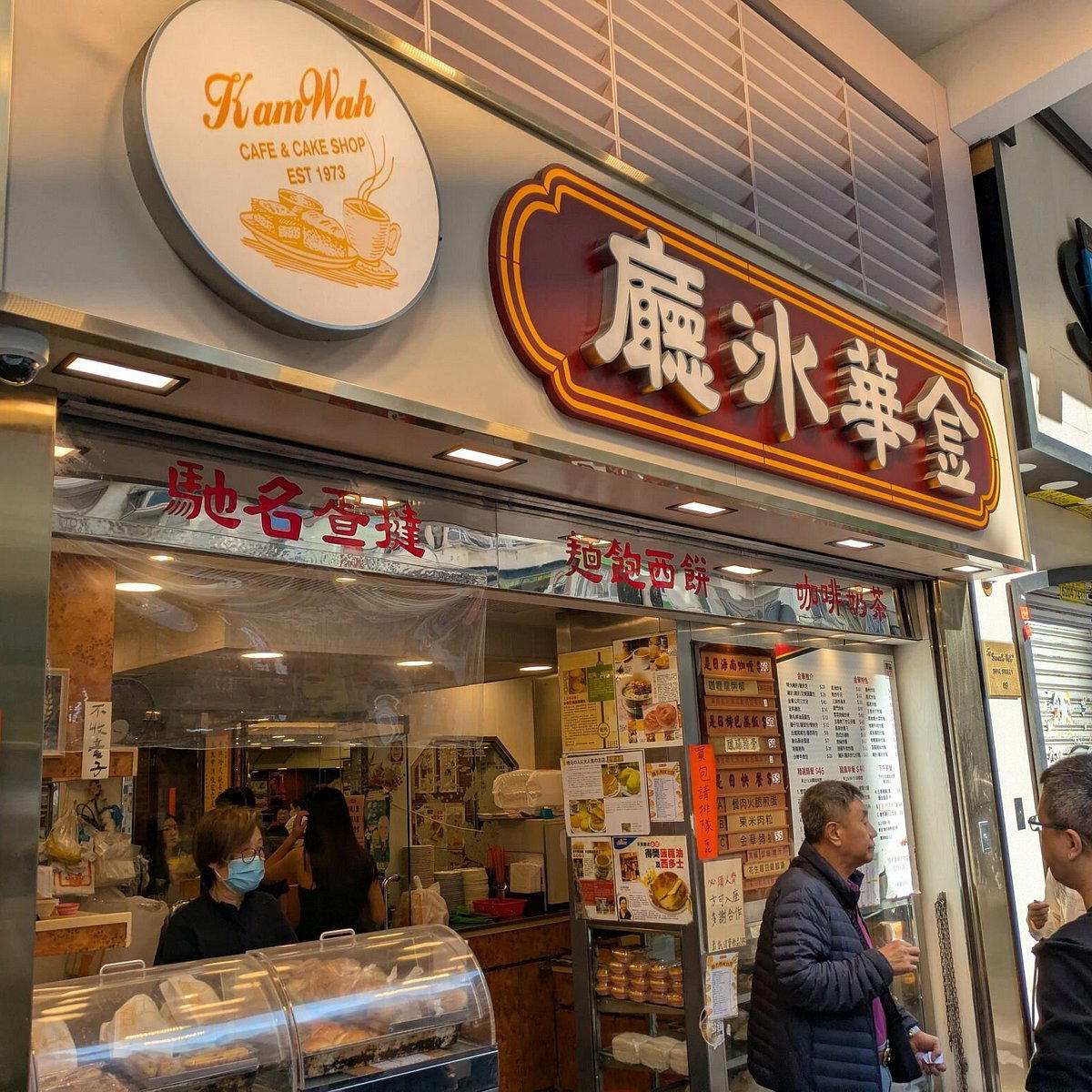
The Cha Chaan Teng Ritual: How Hong Kong Eats Between Meals
There is a particular choreography to eating at a cha chaan teng that no amount of prior dining experience quite prepares you for. Seats are filled the moment they clear. Orders are taken almost before you have settled. The laminated menu serves less as a document of choice than as a confirmation of what you already know you want. Kam Wah Cafe is a Hong Kong Cha Chaan Teng in North Point, with casual walk-in service and an estimated price of about US$10 per person. It runs on exactly this tempo. It is not a place that accommodates deliberation. That is precisely its value.
The cha chaan teng category occupies a specific position in Hong Kong's food culture that sits entirely outside the tier occupied by rooms like Amber, Caprice, or 8 1/2 Otto e Mezzo Bombana. Those rooms ask you to slow down, to read the room, to signal that you understand the codes of fine dining. A cha chaan teng asks nothing except that you keep pace. The social contract is speed, economy, and a kind of egalitarianism that Hong Kong's vertical financial hierarchy rarely permits. Businesspeople, elderly residents, students, and tourists occupy the same formica surfaces without hierarchy.
What the Format Is Actually Doing
The cha chaan teng emerged in the 1950s as a working-class alternative to the Western-style cafes that served colonial Hong Kong's middle tier. It borrowed freely: toast with butter and condensed milk, instant noodles alongside rice, milk tea brewed to a density that filters through a cloth sock for a texture no teabag can approach. The result was a genre that is neither Chinese nor Western but specifically, irreducibly Hong Kongese, a culinary category that predates the contemporary enthusiasm for fusion by several decades and arrives at hybridity through economic necessity rather than creative intention.
Kam Wah has operated long enough to function as institutional memory for this format in North Point. The neighbourhood itself carries weight in that context: North Point has historically been one of the denser, less tourist-trafficked residential corridors on Hong Kong Island, which means the cafe's clientele skews heavily local. That is a meaningful distinction. A cha chaan teng serving primarily local regulars runs to different standards than one that has learned to perform itself for visitors. The pacing is unselfconscious. The menu assumes familiarity.
Reading the Menu as Cultural Document
The menu at a traditional cha chaan teng functions as a record of mid-century cultural negotiation. Condensed milk toast, thick sliced, sometimes grilled, spread with butter and sweetened condensed milk, sits alongside congee, wonton noodle soup, and baked items that carry a faint Hong Kong-Portuguese bakery lineage. Milk tea is the axis around which everything else rotates. Prepared with a blend of Ceylon teas and evaporated or condensed milk, pulled and filtered through cloth until the tannins soften and the body thickens, it is a beverage category Hong Kong has developed with the same seriousness that other cities apply to espresso.
The pineapple bun (bo lo bao) with a cold slab of butter inserted into a warm split, a preparation so specific it has become a marker of authentic cha chaan teng practice, represents the kind of item that functions as a cultural touchstone as much as a food choice. It is worth noting that Hong Kong's government formally recognised cha chaan teng culture as part of the city's intangible cultural heritage in 2014, an acknowledgement of how deeply these cafes are woven into urban social life.
Pace, Ritual, and What to Expect
First-time visitors sometimes misread the tempo as indifference. It is not. The efficiency of a cha chaan teng is its hospitality, the table turns because the next person needs the seat, and everyone in the room understands this. Shared tables are standard; you will sit next to strangers as a matter of course. Orders arrive quickly and are cleared quickly. Lingering is not the point. The point is the fifteen or twenty minutes of dense, specific pleasure: the weight of the milk tea, the contrast of cold butter melting into hot bread, the ambient noise of a room operating at full capacity.
The practical approach: arrive knowing your order. At a cha chaan teng, arriving uncertain and asking for recommendations slows a system that is not designed for it. The set meals, which typically pair a hot drink with a food item at a combined price, represent one efficient path through the menu and the economical.
Where This Fits in the City's Wider Dining Picture
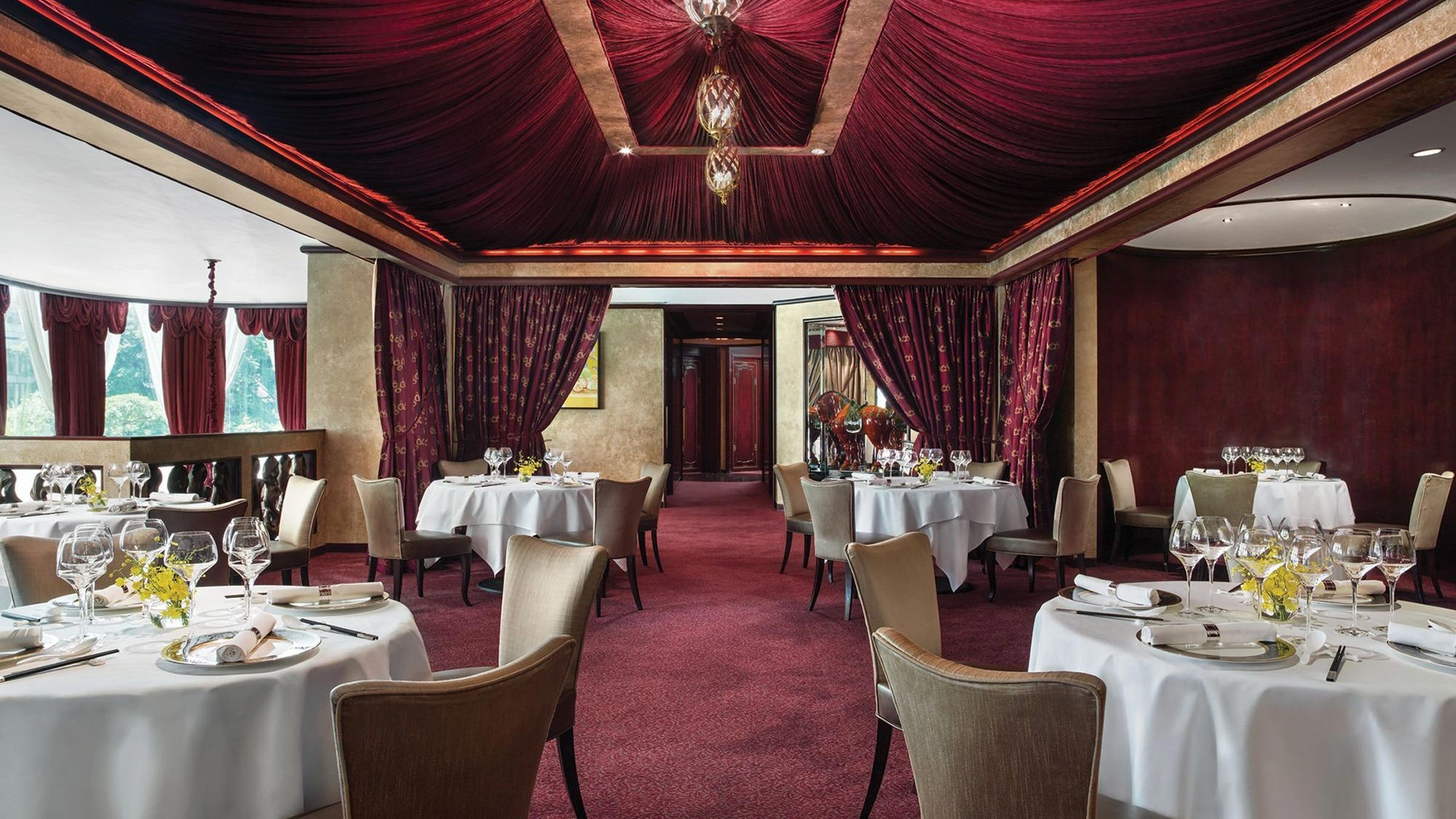
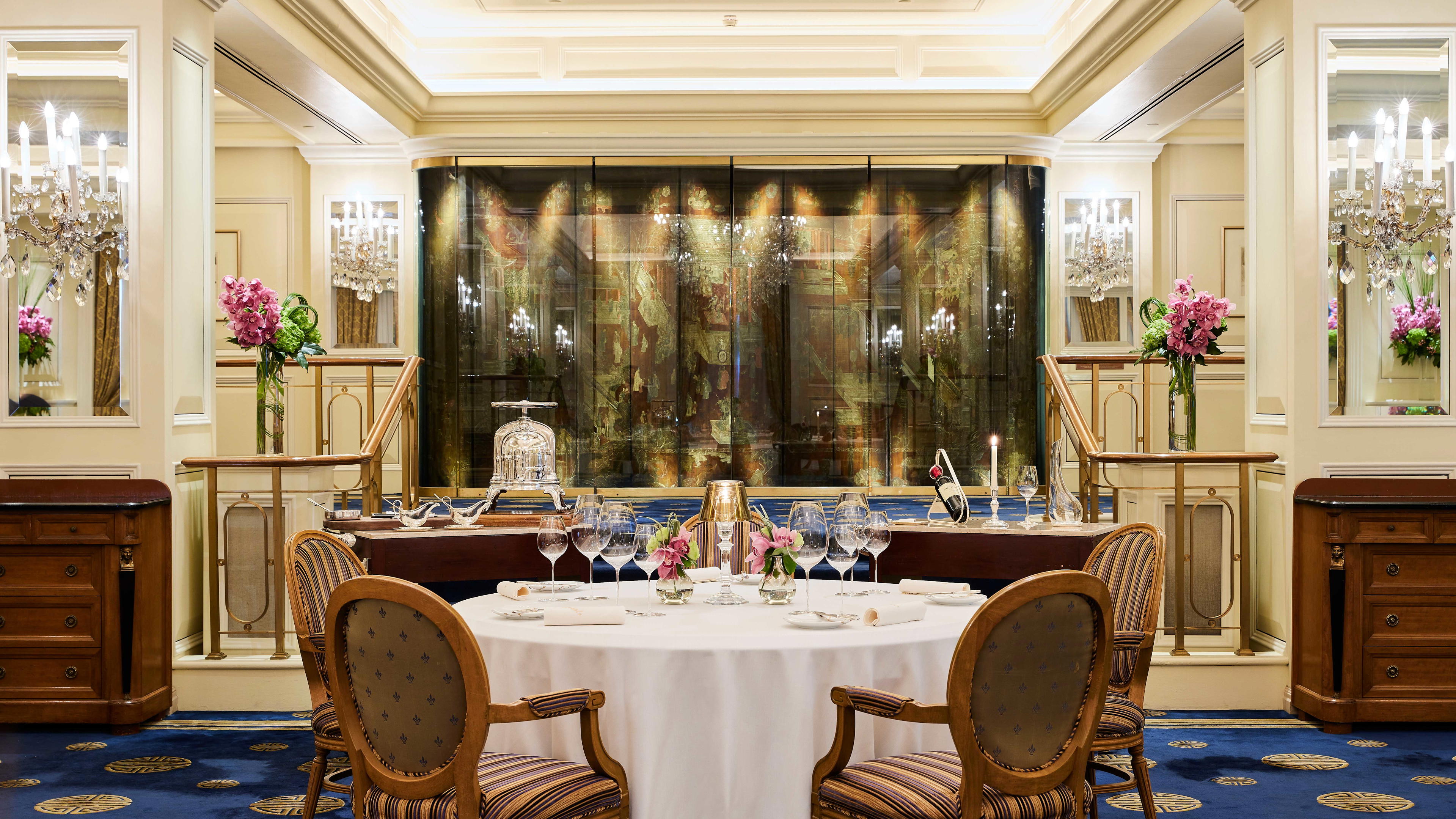
Hong Kong's dining culture spans a range that few cities match. At the fine dining end, rooms with serious Michelin credentials, Ta Vie with its Japanese-French precision, Forum with its Cantonese classical depth, sit alongside the institutional local eating that defines daily life for the city's actual residents. The cha chaan teng category is the clearest expression of the latter. It is where Hong Kong's food identity was built before Michelin arrived, and it continues operating on its own terms regardless of what the fine dining conversation is doing.
Other districts offer their own versions of the everyday local dining that anchors neighbourhood life: Coconut Soup in Yau Tsim Mong, King of Soybeans in Wong Tai Sin, and Hoi Tin Garden in Tuen Mun each represent the kind of district-specific, resolutely local eating that runs parallel to the city's internationally-recognised fine dining tier. For those mapping Hong Kong through its neighbourhoods more broadly, Lei Garden in Sha Tin and One-ThirtyOne in Tai Po extend that picture into the New Territories. The city's food geography rewards this kind of cross-district reading. You do not understand Hong Kong dining from a single vantage point.
Internationally, the comparison points that matter are not the white-tablecloth rooms but the category equivalents: the kind of working institution that cities like New York, home to Le Bernardin and Atomix at the formal end, sustain alongside their well-known diners and lunch counters. Every serious food city has its institutional everyday format. In Hong Kong, the cha chaan teng is that format, and Kam Wah is among its more enduring expressions.
Planning Your Visit
North Point is accessible by MTR on the Island Line, making Kam Wah direct to reach from Central or Wan Chai. Kam Wah Cafe is walk-in friendly and follows the casual rhythm typical of a cha chaan teng.
Pricing, Compared
Comparable venues nearby, for context on price, style, and recognition.
| Venue | Cuisine | Price | Notes |
|---|---|---|---|
| Kam Wah CafeThis venue — the venue you are viewing | Mong Kok, Hong Kong Cha Chaan Teng | $ | Not listed |
| Bee Cheng Hiang (美珍香) | Not listed | $ | Tsim Sha Tsui, Singaporean Bakkwa Specialist |
| Superior Steamed Rice Roll Pro Shop (第一腸粉專賣店) | Not listed | $ | Yau Tsim Mong North, Hong Kong Steamed Rice Rolls |
| Mak's Noodle | Not listed | $ | Central, Traditional Cantonese Wonton Noodles |
| Shui Kee | Sheung Wan, Hong Kong Cha Chaan Teng | $ | Not listed |
| Tai Hing | Not listed | $$ | Tsim Sha Tsui, Hong Kong Roast Meats & Comfort Food |
Continue exploring
More in Hong Kong
Restaurants in Hong Kong
Browse all →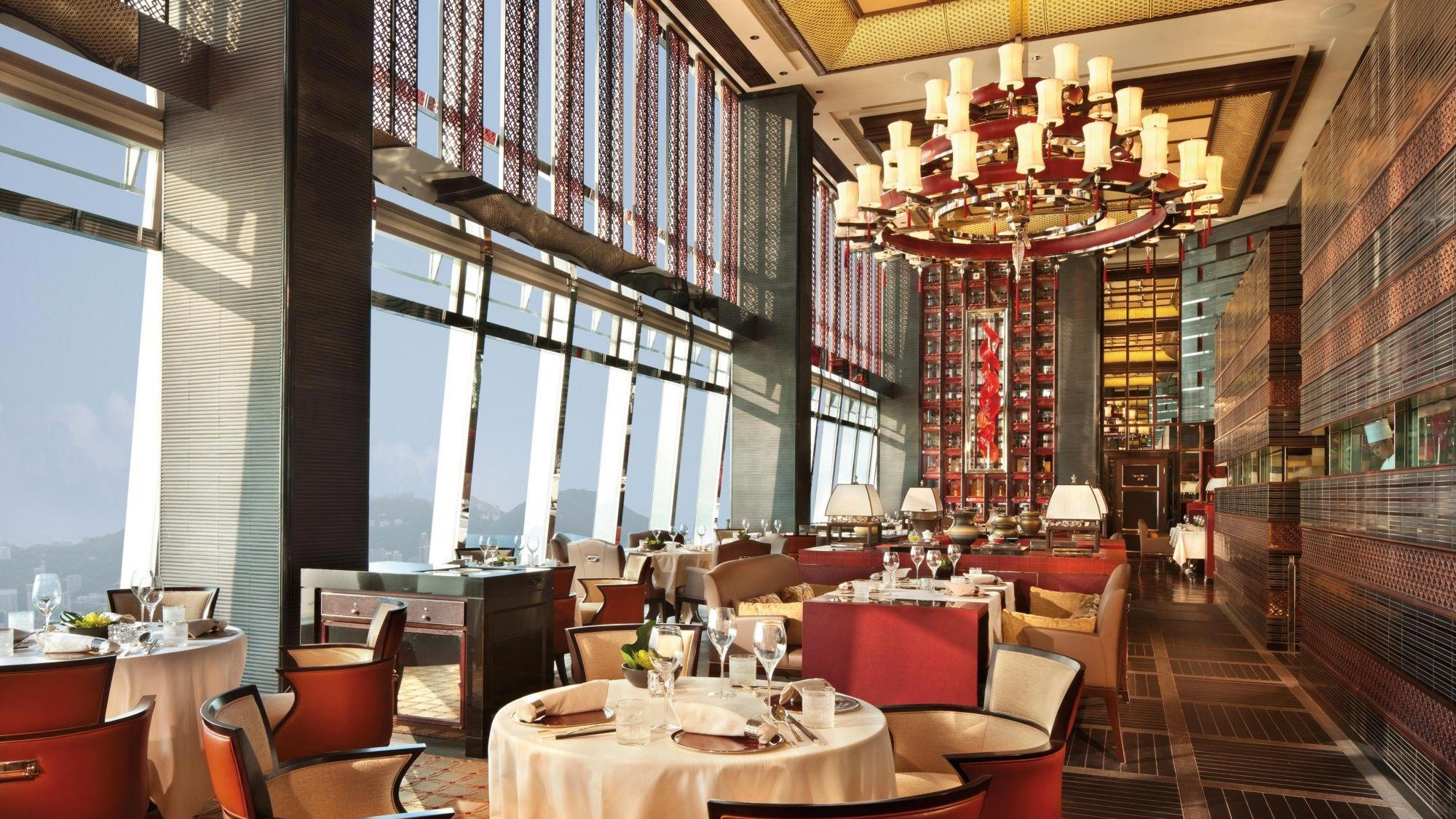
At a Glance
- Lively
- Classic
- Well Known
- Brunch
- Casual Hangout
- Historic Building
Bustling, hectic cha chaan teng atmosphere with efficient service and old-school local charm.