
Honkaku Teuchi Udon Arata puts Hachioji into Tokyo’s serious udon conversation, away from the city-centre circuits where ramen and sushi usually dominate visitor attention. Its Tabelog Udon EAST 100 selection in 2024, following earlier listings in 2022 and 2020, places a small hand-cut udon shop in the same discussion as Tokyo’s more visible noodle counters.
Pearl is the En Primeur Club membership app — saves, bookings, and concierge access live there. Same editors, same standards.
- Address
- 東京都八王子市八日町10-1
- Website
- tabelog.com
 Saves & bookings on Pearl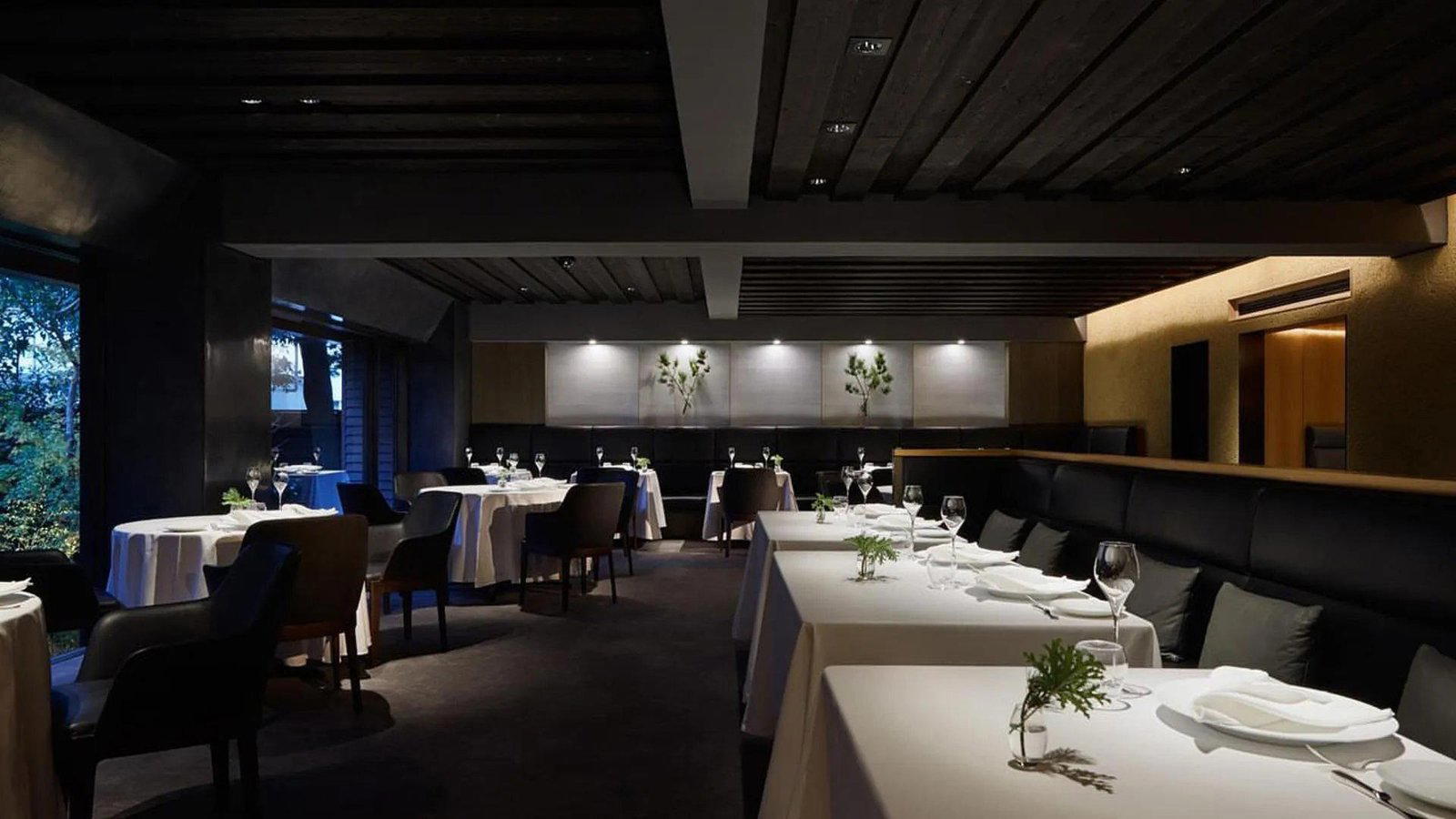
Hachioji changes the tempo of a Tokyo meal before the first bowl arrives. The city’s western edge has less of central Tokyo’s vertical dining theatre and more of the everyday grammar of neighbourhood eating: small rooms, regulars, short menus, and noodle shops judged by craft rather than spectacle. In that setting, Honkaku Teuchi Udon Arata reads less as a destination restaurant than as a reminder that Tokyo’s noodle culture is not only ramen queues, soba counters, and station-building convenience.
Udon in Tokyo occupies a different cultural lane from the city’s flashier dining categories. It rewards texture, broth discipline, and repetition. The craft is plain to the point of severity: wheat, water, salt, cutting, boiling, and timing. That simplicity makes rankings meaningful when they come from specialist categories rather than broad restaurant lists. Selection for Tabelog Udon EAST 100 in 2024, with prior recognition in 2022 and a Tokyo listing in 2020, signals sustained attention within a category where small deviations in noodle chew or curry-udon balance matter more than dining-room theatre.
Hachioji gives Tokyo udon a slower, more local frame
For visitors who know Tokyo through Ginza counters, Shinjuku towers, or Omotesando cafés, Hachioji resets expectations. The neighbourhood sits outside the usual luxury loop, yet it has the density to support serious single-category cooking. That matters for udon. A bowl built around hand-cut noodles does not need the performance codes of omakase or kappo; it needs enough local demand to keep a compact room moving through lunch and dinner without turning the meal into a production.
That is where Honkaku Teuchi Udon Arata fits the city. Its category is listed as udon and curry udon, a useful split because it points to two different measures of competence. Plain udon exposes noodle texture and broth balance. Curry udon asks whether the kitchen can thicken, season, and carry heat without burying the wheat. Tokyo has countless noodle shops, but the serious specialist addresses tend to define themselves narrowly. The narrower the claim, the less room there is to hide.
The scale reinforces that reading. A 12-seat room with counter seating and tatami space belongs to Tokyo’s small-format dining tradition rather than its international tasting-menu economy. In a city where prestige can mean months-ahead bookings and long-form menus, this is the opposite proposition: an everyday price tier, a concentrated noodle format, and recognition from a category-specific Japanese platform. That combination gives the place its editorial interest.
The evidence is in category discipline, not luxury cues
Tokyo’s dining hierarchy can be misleading for travellers. High cost often brings translation, ceremony, and easier narrative hooks, while lower-priced specialist shops can be harder to parse from the outside. Udon is especially resistant to surface reading. The difference between a competent bowl and a serious one is not in plating language; it is in the tensile quality of the noodle, the way the broth supports rather than floods it, and the kitchen’s consistency across a short service window.
The Tabelog 100 designation is useful here because it separates udon from the city’s broader restaurant noise. Honkaku Teuchi Udon Arata’s 2024 EAST listing places it within a regional noodle conversation rather than a general popularity contest. The earlier 2022 and 2020 selections add continuity. For a small Hachioji address, repeated inclusion matters more than a single burst of attention: it suggests the shop has remained relevant to diners who compare udon shops across Tokyo and eastern Japan, not only to travellers following central-city lists.
There is also a practical lesson in the price tier. Tokyo still has specialist cooking at modest spend levels, but the trade-off is usually convenience. A low-cost bowl with category recognition is rarely packaged for the visitor who wants concierge handling, a broad English web presence, and a long drinks list. The better expectation is a focused meal that asks the diner to meet the shop on local terms.
How to place it in a wider Tokyo eating day
Hachioji rewards a different itinerary from the usual inner-city crawl. Pairing a noodle stop here with central Tokyo dining requires intent rather than casual detour planning. That contrast is part of the appeal: the meal broadens the city map beyond neighbourhoods where visitors often overconcentrate their reservations. For a more conventional restaurant circuit, compare the central spread in Our full Tokyo restaurants guide, then set Hachioji against sharper single-category stops such as 3 Chome no Curry Ya San, 12/10 Shinjuku ten, 124. KAGURAZAKA (Yakitori), . 鮪と炭火焼き うお炭 秋葉原店, and 2D Cafe.
The broader point is not that every Tokyo meal needs ceremony. Some of the city’s sharper eating happens in formats that are brief, inexpensive, and exacting. Travellers building a fuller Japan itinerary can see how that specialist logic changes by region through -Grilled beef Sukiyaki- KAMAKURA TANUKIAN 鎌倉 たぬき庵 in Kamakura.cafe in Osaka.know in Kumamoto, (Shoku) Vietnam in Kawasaki, [Curry Senmon Ten] Maruyama Kyoju. in Sapporo, and [ki:] in Kyoto.
The restaurant is strongest as a calibration point: a small Hachioji udon shop showing how Tokyo’s serious food culture extends beyond expensive counters and international dining rooms. For trip planning around the meal rather than only the bowl, cross-reference Our full Tokyo hotels guide, Our full Tokyo bars guide, Our full Tokyo wineries guide, and Our full Tokyo experiences guide. Outside Japan, the same focused-format argument appears in a different register at Jōdo Saké Bar in Los Angeles and Onigiri Time in Pasadena, where narrow Japanese categories become the point rather than a prelude to something grander.
The Short List
Nearby venues at a similar price tier for orientation.
| Venue | Cuisine | Price |
|---|---|---|
| Honkaku Teuchi Udon ArataThis venue — the venue you are viewing | Hachioji, Traditional Hand-Made Udon | $ |
| Umemura | Koto, Japanese Soul Food | $ |
| Minoringo | Shibuya, Japanese Curry House | $ |
| Hendrix curry | Shibuya, Japanese Spice Curry Bar | $ |
| Kasei Curry | Toshima, Japanese Curry House | $ |
| Sanuki Udon Iwai | Kita, Sanuki udon noodle shop | $ |
Recognition history
Dated appearances from independent guides and award organizations, with the underlying list record or original source where available.
Tabelog 100 #5 · No. 5
Tabelog · Tabelog 100 - Udon - EAST - 2024
Continue exploring
More in Tokyo
Restaurants in Tokyo
Browse all →



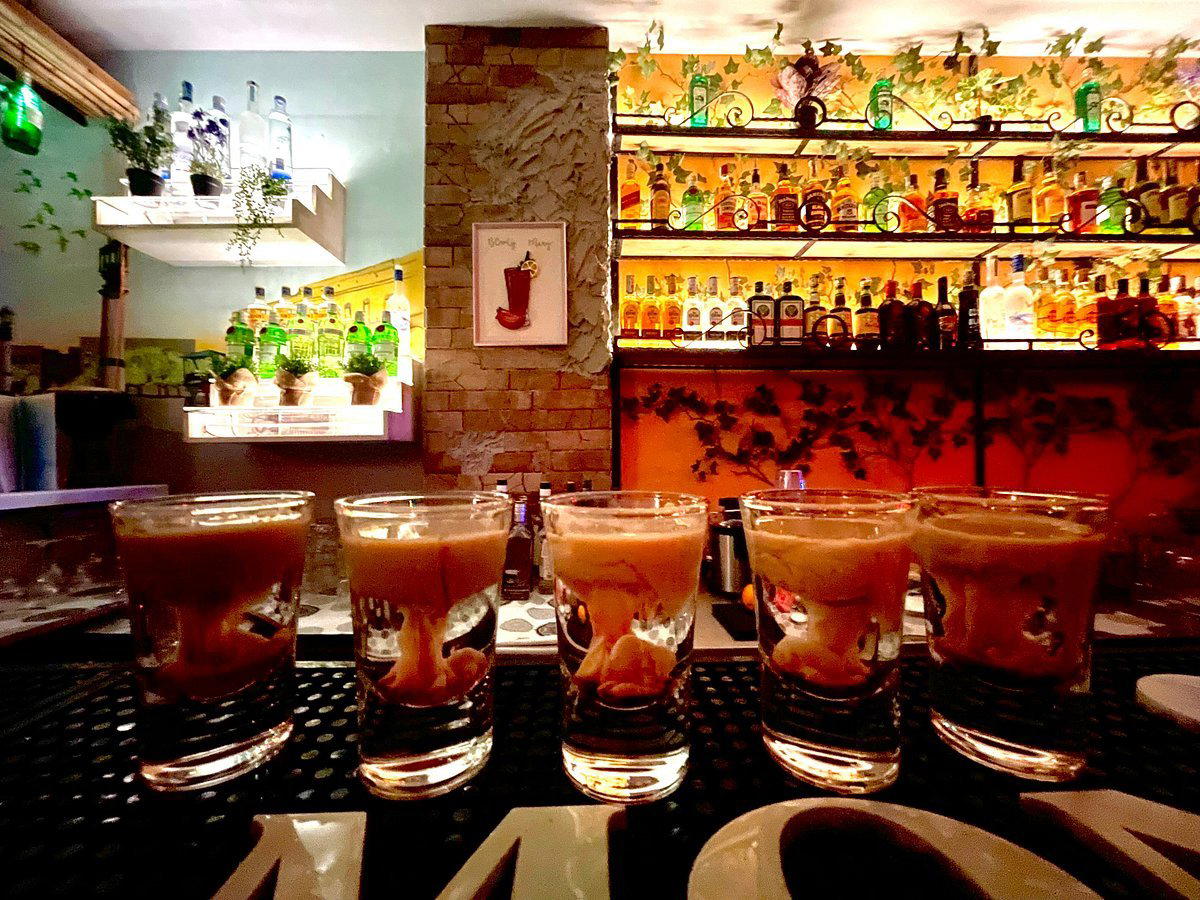
Bars in Tokyo
Browse all →



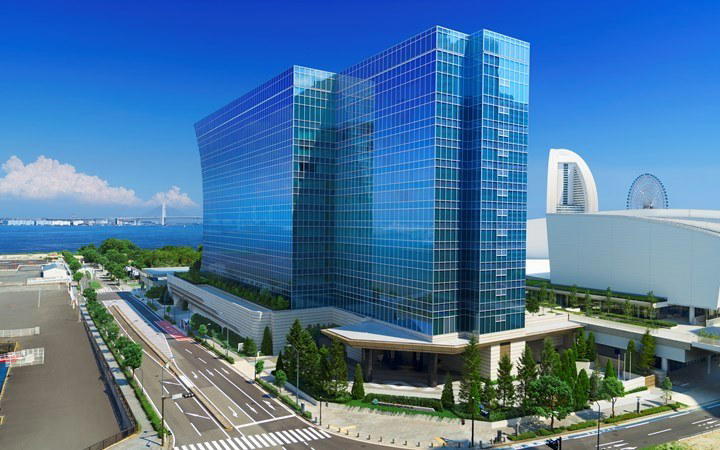
Hotels in Tokyo
Browse all →



Wineries in Tokyo
Browse all →
At a Glance
- Cozy
- Classic
- Solo
- Family
- Casual Hangout
- After Work
- Standalone
A small, non-smoking house-style udon restaurant with counter seats and a tatami area, creating a relaxed, homey atmosphere that works well for solo diners, families, and friends looking for a casual meal.