Our verdict
Hiro-zushi serves Traditional Edomae Sushi as an omakase bar in Sendai, with a sake program and local sourcing for sustainable seafood.

Pearl is the En Primeur Club membership app, where members save venues, book tables and use the concierge.
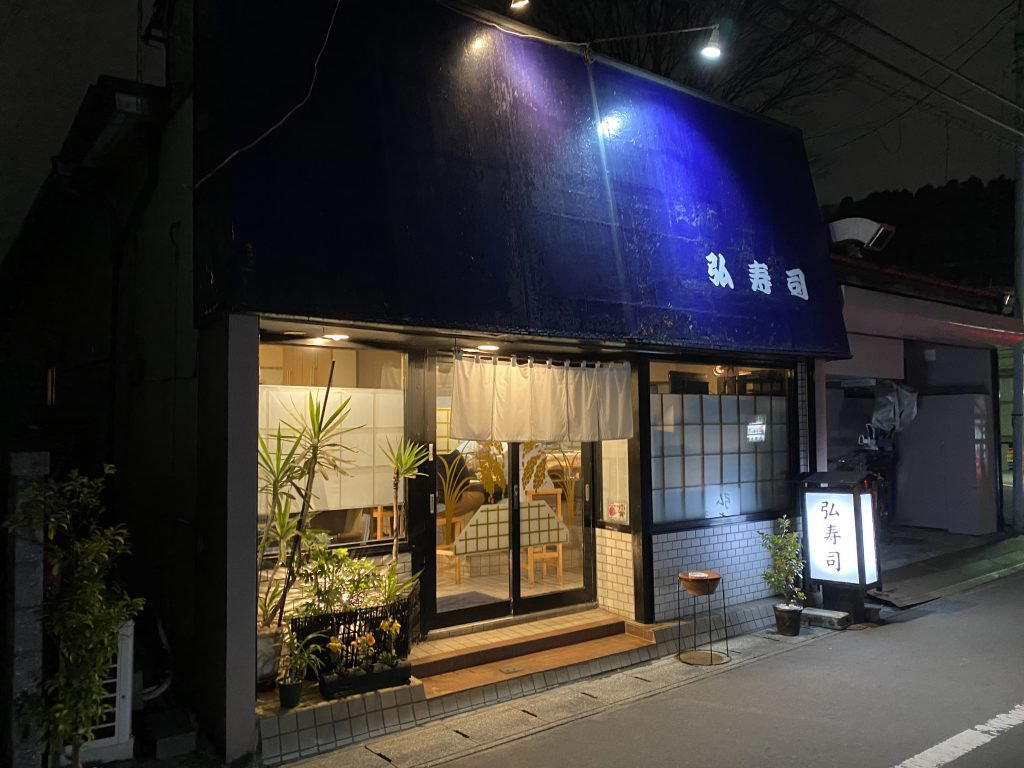
Sushi in the Shadow of Zuihoden: Sendai's Neighbourhood Counter Tradition
Taihaku Ward sits south of Sendai's commercial centre, away from the Ichibancho arcade crowds and the station-area hotel clusters that most visitors never leave. The streets around Koeji are quiet by the standards of a city of one million, and that quietness is part of the point. Neighbourhood sushi in Japan has always functioned differently from the destination counter: it belongs to the district, serves regulars who arrive without a reservation app, and measures itself against local expectations rather than international rankings. Hiro-zushi, at 16-10 Koeji, occupies that kind of position in Sendai's southside.
Sendai sits at the northern end of Tohoku's Pacific coast, within reach of some of the most productive cold-water fishing grounds in Japan. The Sanriku coast to the northeast, along with the Shiogama fishing port roughly 15 kilometres east of the city centre, has historically supplied Sendai's sushi counters with sea urchin, Pacific saury, flounder, and silver-skinned fish that rarely travel far before service. That supply chain is the underlying logic of Tohoku sushi: proximity to the source creates a different price-to-quality ratio than you find at Tokyo's Ginza counters, where fish passes through Toyosu and multiple intermediaries before it reaches the rice.
What Tohoku Sushi Looks Like at the Neighbourhood Level
Japan's sushi culture has split into at least three recognisable tiers. At the leading, you have omakase-only counters with Michelin recognition, booking windows measured in months, and per-person spends that start around ¥30,000. Venues like Harutaka in Tokyo or HAJIME in Osaka operate in that register, where the experience is as much about the controlled theatrical format as the fish itself. At the other end, conveyor-belt chains serve volume at prices that have no bearing on the traditional craft. Between those poles sits neighbourhood sushi: chef-run, often family-operated, with menus that respond to what came off the boats rather than to a fixed tasting structure.
Hiro-zushi belongs to that middle tier, and that tier is where most of Japan's actual sushi culture lives. These are the counters where local fishermen's families have eaten for decades, where the rice vinegar balance reflects regional taste rather than a culinary school standard, and where the value proposition often outperforms anything available at comparable price points in Tokyo. For visitors accustomed to judging a sushi restaurant by its Michelin stars, the neighbourhood counter requires a different calibration: the quality signal is the regulars at the bar, not the plaques on the wall.
Sendai's dining scene has developed a range of neighbourhood specialists across categories. Sumiyaki Okagesan occupies a similar neighbourhood-specialist position in yakitori, with prices in the ¥15,000–¥19,999 range that reflect serious craft rather than casual bar food. KUROMORI and Matsuzakaya each represent different facets of the local dining identity, while IL PIZZAIOLO and Yakiniku Kotora - Clisroad show how far Sendai's restaurant range extends beyond its regional specialities. See our full Sendai restaurants guide for a broader map of the city's eating options.
Cultural Roots: Why Sendai Sushi Differs from the Tokyo Template
The cultural context that shapes a counter like Hiro-zushi is worth understanding before you arrive. Tohoku cuisine broadly emphasises preservation, fermentation, and cold-weather ingredients: these are the culinary instincts of a region with hard winters and historically limited access to the capital's supply chains. Applied to sushi, that tradition produces a preference for strong-textured fish, stronger vinegar seasoning in some regional styles, and a lower reliance on imported or out-of-season ingredients that Tokyo counters routinely use to extend their menus year-round.
Sendai's sushi counters also exist in a city with a serious food culture of its own, anchored by gyutan (beef tongue), Sendai miso, and the seafood culture of the Miyagi coast. Sushi here does not need to replicate Tokyo to have legitimacy: it draws on its own supply chain and its own local standards. That regional self-sufficiency is what gives neighbourhood counters in cities like Sendai, Sapporo, or the smaller Tohoku towns their character. Compare, for instance, the coastal seafood traditions represented at a counter in Nanao on the Noto Peninsula, or the Hokkaido supply chain that underpins Sapporo's sushi scene: each region produces a distinct sushi culture shaped by what the water nearby provides.
Further afield, the contrast sharpens. Gion Sasaki in Kyoto operates within kaiseki's seasonal logic rather than the sushi counter format, while Goh in Fukuoka reflects Kyushu's different seafood traditions entirely. Even within Japan, the cultural distance between a Ginza omakase and a Tohoku neighbourhood counter is substantial. Akordu in Nara and the lakeside setting at a restaurant in Takashima demonstrate how different Japan's regional dining registers can be, even within a two-hour train radius of each other.
Planning a Visit to Hiro-zushi
Taihaku Ward is accessible from Sendai Station by bus or taxi, with Koeji reachable in roughly 20 to 25 minutes depending on traffic. The address is 16-10 Koeji, Taihaku Ward, Sendai, Miyagi 982-0842. Visiting in person to confirm current hours and availability is the practical approach, as is arriving early in an evening sitting before the counter fills with regulars.
The seasonal logic for any Tohoku seafood counter argues for visits in the colder months, when cold-water species like sea urchin and flounder are at their most concentrated. Spring brings its own shifts in the catch, with the cherry-blossom season drawing visitors to Sendai's parks and creating higher demand across the city's restaurants. For sushi specifically, the autumn and winter months represent the most direct case for the regional supply chain advantage. For nearby context on Japan's mountain-district dining traditions, a restaurant in Nishikawa Machi and Birdland in Sakai illustrate how food cultures shift even within relatively short distances in this part of Honshu.
For readers whose frame of reference is international rather than domestic Japanese: the neighbourhood counter format has no real equivalent in Western dining. The closest analogy might be a long-established oyster bar in a coastal French town, but the craft specificity and the cultural weight of rice preparation push sushi beyond that comparison. Venues like Le Bernardin in New York and Atomix occupy the best of their respective categories with documented recognition; the neighbourhood sushi counter operates by entirely different rules, where the credential is the fish in the case and the consistency of service over years, not the award on the wall.
Frequently asked questions
How do I find Hiro-zushi?
Hiro-zushi is located at 16-10 Koeji, Taihaku Ward, Sendai, Miyagi 982-0842, Japan, Sendai.
Is Hiro-zushi a good option for experiencing Sendai sushi outside the main tourist areas?
Hiro-zushi's location in Taihaku Ward, at 16-10 Koeji, puts it roughly 20 to 25 minutes south of Sendai Station by bus or taxi, far enough from the station-area hotel cluster that most visitors never reach it. That distance is precisely the point: this is Sendai sushi as a local institution rather than a curated dining export, shaped by Tohoku's own coastal larder and preservation culture.
What dish is Hiro-zushi famous for?
Hiro-zushi sits in Taihaku Ward, a part of Sendai where counters tend to reflect Tohoku's emphasis on preserved and fermented fish rather than the lean, minimalist cuts associated with Tokyo-style edomae.
How hard is it to get a table at Hiro-zushi?
Neighbourhood counters in Taihaku Ward operate outside the booking pressure of Sendai's central dining district, so walk-in availability is more realistic here than at destination restaurants closer to the station. That said, confirming ahead of a visit is advisable, particularly on weekends, as local regulars tend to anchor smaller counters like this one.
What makes Hiro-zushi worth seeking out?
The address at 16-10 Koeji places Hiro-zushi well south of Sendai's Ichibancho tourist corridor, which means it operates for a local clientele rather than visitors working through a highlights list. Counters in this position tend to reflect genuine neighbourhood eating habits, and in Tohoku that means an approach to sushi shaped by regional preservation techniques and proximity to Miyagi's Pacific fisheries.
Can Hiro-zushi handle vegetarian requests?
Sushi counters at the neighbourhood level in Japan are built around fish and seafood, and Hiro-zushi in Sendai is no exception to that format. Vegetarian accommodation varies counter by counter and is best confirmed directly before visiting, particularly at a local operation of this scale where the menu follows the catch rather than a printed list.
Pricing, Compared
Comparable venues nearby, for context on price, style, and recognition.
| Venue | Cuisine | Price | Awards | Notes |
|---|---|---|---|---|
| Hiro-zushiThis venue (the venue you are viewing) | Traditional Edomae Sushi | $100–150 | Not listed | Not listed |
| hou | Modern Yakitori Omakase | $100–150 | Tabelog 100 #54 | Aoba Ward (Aoba-ku), Ichibancho, Modern Yakitori Omakase |
| Sushi Mino | Sushi Omakase | Not listed | Tabelog 100 #47 | Kokubuncho, Sushi Omakase |
| Sushi Yui | Traditional Sushi Omakase | $150–200 | Tabelog 100 #74 | Aoba-ku, Traditional Sushi Omakase |
| Matsuzakaya | Premium Teppanyaki with Matsusaka Beef | $50–100 | Not listed | Kokubuncho, Aoba-ku, Premium Teppanyaki with Matsusaka Beef |
| 松石 | Modern Chinese with Miyagi Ingredients | $50–100 | Tabelog Bronze #263 | Sendai, Traditional Japanese Kaiseki |
Continue exploring
More in Sendai
Restaurants in Sendai
All restaurants in Sendai →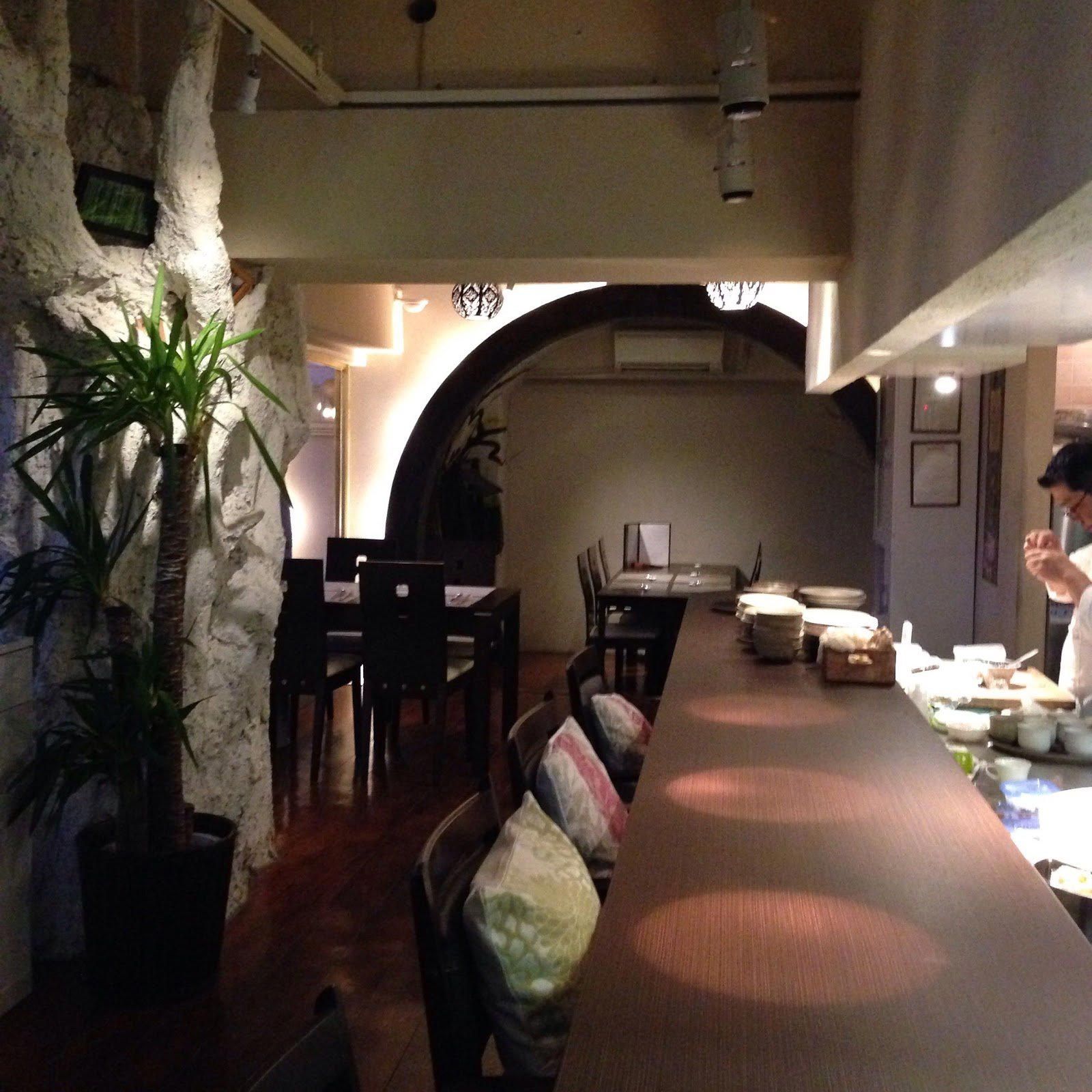
Hotels in Sendai
Browse all →
Wineries in Sendai
All wineries in Sendai →
Details
- Classic
- Intimate
- Elegant
- Special Occasion
- Group Dining
- Chefs Counter
- Private Dining
- Sake Program
- Local Sourcing
- Sustainable Seafood
- Counter Dining
- Omakase
- Sake
Current opening hours
- Monday
- Closed
- Tuesday
- 6:30–10 PM
- Wednesday
- 6:30–10 PM
- Thursday
- 6:30–10 PM
- Friday
- 6:30–10 PM
- Saturday
- 6:30–10 PM
- Sunday
- 6:30–10 PM
Hours can change for holidays and private events. Hours as of .
Intimate counter and tatami room setting with traditional Japanese aesthetic, welcoming atmosphere for diners seeking authentic sushi experience.