Our verdict
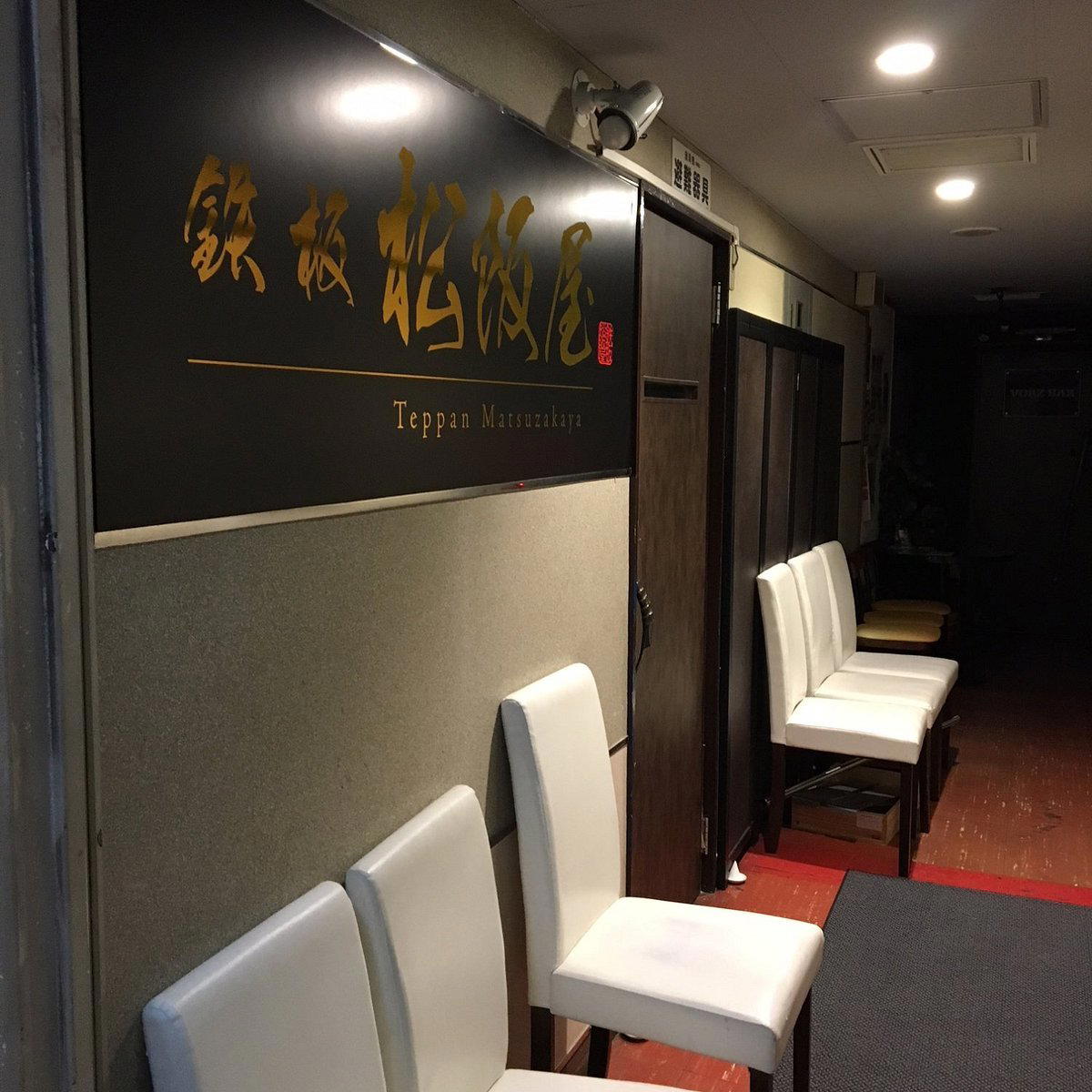
Matsuzakaya focuses on premium teppanyaki with Matsusaka Beef, plus a sake program and extensive wine list. The quiet, leisurely dinner format suits private dining.

Pearl is the En Primeur Club membership app, where members save venues, book tables and use the concierge.
The menu
What to order
- Matsusaka Beef Course
- Sendai Beef Comparison Course
Kokubuncho After Dark: What Sendai's Entertainment District Reveals About Japanese Sourcing Culture
Sendai's Kokubuncho district operates on a different register from the city's daytime face. By evening, the low-lit corridors of this compact entertainment quarter fill with office workers, regional travelers, and a local crowd that takes food provenance seriously. Miyagi Prefecture has long supplied the rest of Japan with some of its most respected ingredients: kuroge wagyu cattle from the Oshu basin, premium oysters from Matsushima Bay, Pacific saury and yellowtail from the Pacific coast ports, and the short-grain rice that underpins much of Tohoku's culinary identity. Restaurants in this district don't need to advertise locality the way urban trend spots elsewhere might. The sourcing is assumed, built into expectation.
Matsuzakaya occupies the third floor of a building on Kokubuncho 1-chome, a position that places it inside one of the densest concentrations of izakaya, specialty dining rooms, and drinking establishments in Tohoku. The building address alone signals something about format: upper-floor restaurants in Japanese entertainment districts tend toward intimacy over scale, and they attract a clientele that has made a deliberate choice rather than wandered in from street level. That choice, in Kokubuncho, almost always involves a conversation about where the ingredients came from.
Tohoku's Ingredient Chain and Why It Matters to This Region Specifically
Japan's farm-to-table conversation looks different in Tohoku than it does in Tokyo or Osaka. In the capital, provenance is often a marketing layer added to a cosmopolitan menu. In Miyagi, it is structural. The prefecture ranks among Japan's most productive agricultural regions: Sendai-wan oysters are farmed in waters that benefit from nutrient-rich river runoff, the Zao highlands produce dairy and lamb that appear on regional menus, and the coastal catch from ports like Ishinomaki reaches Sendai restaurants within hours of landing. For a dining room in Kokubuncho, operating inside this supply chain is less a philosophy than a geographic fact.
This context shapes how Sendai's better restaurants position themselves relative to peers elsewhere in Japan. A kaiseki kitchen in Kyoto, such as Gion Sasaki, draws on the seasonal logic of the Kinki region. An omakase counter in Tokyo like Harutaka works within the Tsukiji and Toyosu supply networks. Sendai's kitchens operate within the Tohoku arc, where cold Pacific waters and mountain-fed rivers define what is available and when. The seasonal rhythm here skews toward colder-water species, late-harvest rice, and autumn mushroom varieties that don't appear in southern Japan in the same concentration.
The Kokubuncho Dining Tier: Where Matsuzakaya Sits
Within Kokubuncho, restaurants sort into recognizable tiers. At the accessible end, yakitori specialists like Sumiyaki Okagesan, which operates in the JPY 15,000-19,999 range per person, anchor the premium grilled-food category. Sushi counters like Hiro-zushi hold the seafood-focused tier. Western-influenced alternatives, including IL PIZZAIOLO, serve a crowd that orbits the same entertainment district without committing to Japanese formats. And then there are the narrower, upper-floor rooms that don't announce themselves at street level. Matsuzakaya belongs to this last category, a format common in Japanese cities where the physical address functions as a filter rather than an invitation.
The broader Sendai dining scene, documented in our full Sendai restaurants guide, reflects a city that punches above its size in regional sourcing terms. Compared to destination-driven kitchens like HAJIME in Osaka or Goh in Fukuoka, Sendai's leading restaurants are less internationally profiled but operate within a tighter, more defined ingredient geography. That regional discipline produces a different kind of consistency, one rooted in what the land and sea around Miyagi actually deliver rather than what a global supply chain makes available year-round.
Across Japan, similar regional dynamics play out in places like akordu in Nara, where European technique meets Kinki-region sourcing, or at restaurants in Nanao along the Noto Peninsula, where proximity to the Sea of Japan defines the menu logic. Even internationally, the sourcing-first approach that shapes Tohoku dining finds parallels at Le Bernardin in New York City, where ingredient provenance anchors a cuisine that could otherwise drift toward spectacle. The discipline of letting supply chains set the menu is not uniquely Japanese, but Japan's regional restaurant culture applies it with particular consistency.
Planning a Visit: What to Know Before You Go
Kokubuncho is walkable from Sendai Station in under fifteen minutes, and the Namboku subway line stops at Kotodai-Koen, placing the district within a short walk of the station exit. Upper-floor restaurants in this area tend to operate on evening schedules, and many maintain reservation-only or limited walk-in policies, particularly on weekends. Given that venue-specific booking details for Matsuzakaya are not publicly listed at time of writing, arriving with a reservation confirmed through the building directory or via a hotel concierge in Sendai is the more reliable approach. The district's density means alternatives are close at hand if timing doesn't align, including KUROMORI, which operates in the same Kokubuncho radius.
Seasonal timing affects what Tohoku kitchens have to work with. Autumn, from late September through November, brings the richest harvest-season ingredients: Pacific saury at peak fat content, matsutake mushrooms from the Miyagi highlands, and oysters entering their optimal condition after summer spawning. Winter and early spring offer the cold-water species that Miyagi's coast handles particularly well. Summer, by contrast, is the leaner season for cold-water sourcing, though freshwater and mountain-sourced ingredients compensate. Visitors with flexibility should consider these rhythms when planning, since the difference between seasons in Tohoku's ingredient cycle is more pronounced than in warmer regions of Japan.
For readers moving through Japan's regional dining scene more broadly, the sourcing discipline that characterizes Sendai's upper-floor restaurants connects to similar approaches at restaurants in Sapporo, where Hokkaido's agricultural depth shapes menus in analogous ways, and at dining rooms in Takashima along Lake Biwa's shore. The pattern of regional kitchens anchoring their identity to immediate geography, rather than to imported prestige ingredients, represents one of the more durable threads in Japanese restaurant culture. Nishikawa Machi and Birdland in Sakai extend that lineage in their own prefectural contexts. In Sendai, Matsuzakaya and its Kokubuncho neighbors carry that logic into Tohoku, where the Pacific coast and Oshu highlands make the argument without needing to be stated.
Frequently asked questions
Where is Matsuzakaya in Sendai?
Matsuzakaya is located at Japan, 〒980-0803 Miyagi, Sendai, Aoba Ward, Kokubuncho, 1 Chome−6−1 ルナパーク1番町ビル 3階, Sendai.
What makes Matsuzakaya a good choice specifically for visitors arriving from Sendai Station?
Matsuzakaya is located in Kokubuncho, Aoba Ward, Sendai, reachable on foot from Sendai Station in under fifteen minutes or via the Namboku subway line to Kotodai-Koen. That access point makes it a practical first-evening option for arriving visitors who want to eat within the city's main dining corridor without commuting further. Kokubuncho concentrates a cross-section of Sendai's evening restaurant formats in a compact, walkable area.
What's the must-try dish at Matsuzakaya?
The venue's position in Kokubuncho, Sendai's main entertainment district, places it within reach of Tohoku's well-documented seafood and agricultural supply chains, meaning seasonal, regionally sourced plates are the logical focus. That conversation is often the most reliable guide in Kokubuncho-tier restaurants.
Do I need a reservation for Matsuzakaya?
Kokubuncho fills on weekday evenings, and the district's better-regarded addresses at the 1-chome end of the strip tend to book out by mid-week. Matsuzakaya sits at 1 Chome-6-1 Kokubuncho, Aoba Ward, which places it in the denser core of foot traffic. Walk-in availability is not confirmed, so contacting the venue before arrival is advisable, particularly on Thursday through Saturday.
Is Matsuzakaya allergy-friendly?
No allergy or dietary accommodation policy is documented for Matsuzakaya. Restaurants in Kokubuncho at this address level generally operate with small kitchens and set formats, which can limit flexibility.
Fast Comparison
Comparable venues nearby, for context on price, style, and recognition.
| Venue | Cuisine | Price | Awards | Notes |
|---|---|---|---|---|
| MatsuzakayaThis venue (the venue you are viewing) | Premium Teppanyaki with Matsusaka Beef | $50–100 | Not listed | Not listed |
| Sushi Mino | Sushi Omakase | Not listed | Tabelog 100 #47 | Kokubuncho |
| Japanese Ryori e. | Japanese Kaiseki | $100–150 | Tabelog 100 #98 | Katahira, Aoba-ku |
| Sumiyaki Okagesan | Yakitori Omakase with Takasaka Chicken | $100–150 | Tabelog Bronze #335 | Aoba-ku |
| Yakiniku Kotora - Clisroad | Premium Wagyu Yakiniku | $20–30 | Tabelog 100 #27 | Clisroad Shopping Street |
| Gout | Yoshoku Western-style Japanese | $20–30 | Tabelog 100 #97 | Ichibancho |
Continue exploring
More in Sendai
Restaurants in Sendai
All restaurants in Sendai →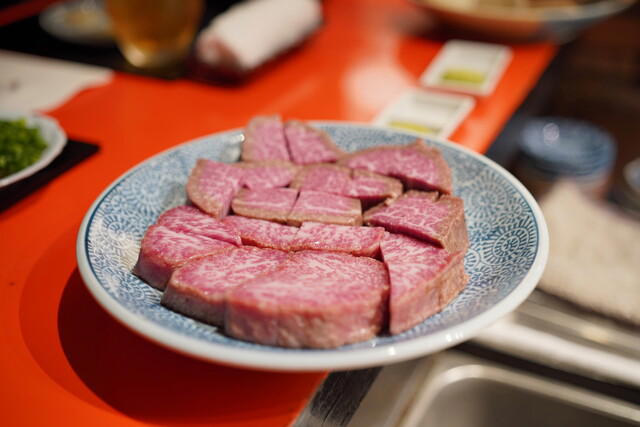
Hotels in Sendai
Browse all →
Wineries in Sendai
All wineries in Sendai →
Details
- Elegant
- Sophisticated
- Cozy
- Quiet
- Date Night
- Celebration
- Special Occasion
- Business Dinner
- Open Kitchen
- Private Dining
- Sake Program
- Extensive Wine List
- A La Carte
- Prix Fixe
- Wine
- Sake
Current opening hours
- Monday
- 5–11 PM
- Tuesday
- 5–11 PM
- Wednesday
- 5–11 PM
- Thursday
- 5–11 PM
- Friday
- 5–11 PM
- Saturday
- 5–11 PM
- Sunday
- 5–11 PM
Hours can change for holidays and private events. Hours as of .
Black-based interior with a sense of quality, producing a calm and sophisticated space.