松石 occupies a quiet residential address in Sendai's Taihaku Ward, placing it well outside the city's central dining corridor. The restaurant operates in a tradition-conscious register that prioritises ingredient provenance and seasonal discipline, situating it within Tohoku's broader culture of sourcing from the land and sea that surround the region. For travellers already exploring Sendai's dining depth, it represents a considered detour worth planning around.
Pearl is the En Primeur Club membership app — saves, bookings, and concierge access live there. Same editors, same standards.
- Address
- Japan, 〒982-0841 Miyagi, Sendai, Taihaku Ward, Mukaiyama, 2 Chome−2−1 エスパシオ向山 101
- Phone
- +817083960485
 Saves & bookings on Pearl
Taihaku Ward and the Case for Dining Outside the Centre
Sendai's dining reputation tends to cluster around Kokubuncho and the station district, where izakayas and beef-tongue specialists do most of the heavy lifting for visitors arriving by shinkansen. Taihaku Ward, south of that corridor, follows a different logic. The neighbourhood is residential in character, and the restaurants that take root there do so because their proposition rests on something other than foot traffic. 松石, addressed at Mukaiyama in Taihaku Ward, belongs to this category of destination-specific dining, where the journey out is itself a signal of intent. Approaching the address, the environment is quiet enough that the meal ahead already feels set apart from the city-centre register.
Tohoku as a Sourcing Region
To understand why a restaurant like 松石 makes sense in Sendai, it helps to understand what the Tohoku region produces. Miyagi Prefecture's coastline generates some of Japan's most closely watched shellfish: Matsushima Bay oysters have carried a national reputation for decades, and the cold Pacific currents running along the Sanriku Coast produce sea urchin, abalone, and a range of fish that Tokyo's wholesale markets actively compete for. Inland, the Zao highlands and the river valleys of Miyagi and neighbouring prefectures supply mountain vegetables, rice, and game that rarely leave the region in volume. The editorial angle that frames any serious Sendai restaurant, then, is how it uses the prefecture and the coastline surrounding it. That discipline, when followed with consistency, gives a Tohoku restaurant a competitive identity that no amount of technique alone can replicate. Comparable sourcing-led commitments in Japan's fine dining tier appear at venues like Gion Sasaki in Kyoto and HAJIME in Osaka, both of which have built recognised reputations on the specificity of what arrives at the kitchen door before a dish is ever conceived.
Seasonal Discipline in a Region That Earns It
Japan's kaiseki and washoku traditions are often described in terms of seasonality, but the practical meaning of that word varies significantly by geography. In Tokyo, seasonality is partly a sourcing exercise conducted through Tsukiji and Toyosu, where stronger examples from every region arrives year-round and chefs select from abundance. In Sendai and the wider Tohoku context, seasonality operates with more friction: what the coast and the mountains produce in a given week is closer to a constraint than a menu option, and kitchens that operate within that constraint tend to produce food that reads differently from capital-city interpretations of the same tradition. The spring mountain vegetable season, the late-summer sea urchin peak along Sanriku, and the autumn mushroom harvest from Miyagi's forested interior are not marketing moments here; they are the actual rhythm of supply. Restaurants that align their menus to that rhythm, rather than smoothing it out through wider sourcing, occupy a specific and defensible position in Japan's dining geography. For additional context on how regional sourcing shapes restaurant identity across Japan, the work of Goh in Fukuoka and akordu in Nara offer instructive comparisons from different prefectures.
The Sendai Dining Tier That 松石 Occupies
Sendai's restaurant scene is more layered than its tourism profile suggests. At one end, the city's grilled beef-tongue tradition generates a well-documented category of mid-range specialists that most visitors encounter. At the other, a smaller group of counter and chef's-table formats operates in a quieter register, serving longer meals to smaller groups at prices that reflect both ingredient cost and seat scarcity. 松石, positioned in a residential ward rather than a commercial dining district, operates closer to the latter model. The address alone filters the audience: guests who find their way to Mukaiyama are not browsing; they have made a specific reservation decision. This self-selecting dynamic is common to destination restaurants across Japan's regional cities. For comparable formats elsewhere in Sendai's mid-to-upper tier, Hiro-zushi and KUROMORI represent different but adjacent points of reference. Sumiyaki Okagesan, which operates in the JPY 15,000 to JPY 19,999 range, illustrates what the city's upper-casual tier looks like when the format shifts to yakitori. IL PIZZAIOLO and Matsuzakaya round out the scene with different genre anchors entirely.
How to Plan a Visit
Reaching 松石 from central Sendai requires intent. The Taihaku Ward address in Mukaiyama is not on the main transit lines that connect the station district to Kokubuncho, so visitors arriving by shinkansen should account for a taxi or rideshare leg to complete the journey. The address, エスポシオ向山 101, Mukaiyama 2-chome, Taihaku Ward, is specific enough to input directly into navigation. Given the residential setting and the restaurant's format, booking ahead is the only reliable approach; walk-in availability at this category of Sendai venue is not a reasonable expectation. One practical path to a reservation is through your hotel concierge, who will have local knowledge of how bookings are managed. Sendai is accessible from Tokyo in under two hours via the Tohoku Shinkansen, making it a realistic day-trip or one-night extension for travellers already in the capital. Travellers interested in comparing 松石's regional positioning with venues from other Japanese prefectures may find it useful to look at affetto akita in Akita, Aji Arai in Oita, Ajidocoro in Yubari District, or Akakichi in Imabari, all of which operate in regional city contexts where local sourcing defines the offer. For international reference points where ingredient provenance drives the entire kitchen philosophy, Le Bernardin in New York City and Lazy Bear in San Francisco sit at that same intersection of sourcing rigour and chef's-table format, though in entirely different culinary traditions. Abon in Ashiya and Harutaka in Tokyo further illustrate how Japan's regional and capital-city restaurant cultures approach the same sourcing questions from different positions. Finally, if your itinerary takes you further into Tohoku or up to Hokkaido, keeping Ajidocoro in Yubari District on the list reflects the same logic that makes 松石 worth the detour in the first place: the food means something specific because of where it comes from.
Comparable Venues
Comparable venues nearby, for context on price, style, and recognition.
| Venue | Cuisine | Price | Notes |
|---|---|---|---|
| 松石This venue — the venue you are viewing | Traditional Japanese Kaiseki | $$$ | Not listed |
| Sendai Gyuu Yakiniku Hana Gyuu | Sendai wagyu yakiniku in private rooms | $$$ | Aoba Ward |
| Japanese Ryori e. | Japanese Kaiseki | $$$ | Katahira, Aoba-ku |
| Yonezawa Gyuu Yakiniku Kotora Sendai ekimae ten | Premium Yonezawa Wagyu Yakiniku | $$$ | Aoba-ku Chuo (Sendai Station area) |
| Tempura Azumi | Seasonal Tempura Omakase Counter | $$$ | Kokubuncho, Aoba Ward |
| Wabisuke | Traditional Sendai Izakaya with Seri Nabe | $$$ | Aoba Ward |
At a Glance
- Elegant
- Sophisticated
- Modern
- Intimate
- Special Occasion
- Date Night
- Business Dinner
- Open Kitchen
- Standalone
- Sake Program
- Local Sourcing
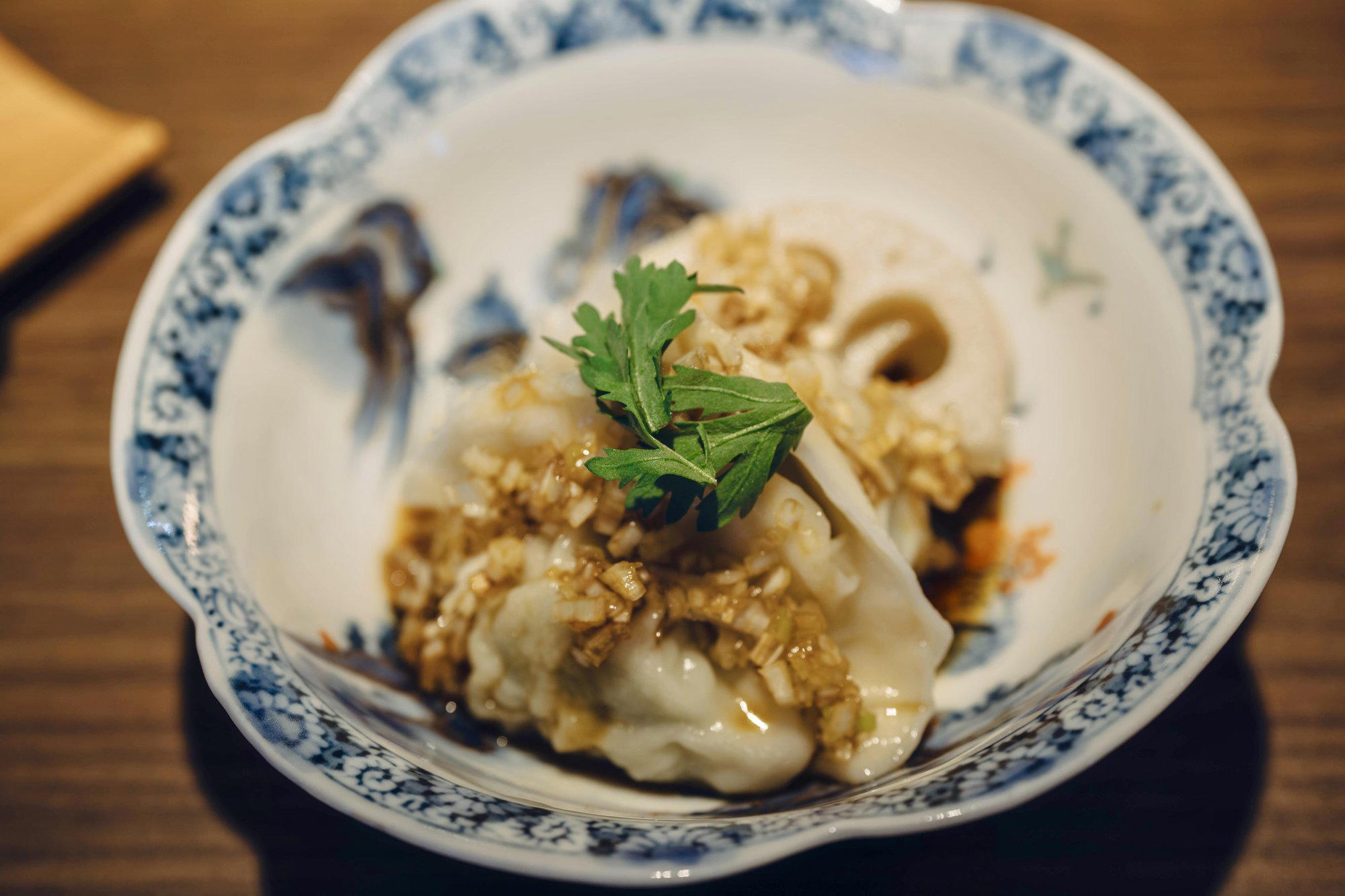
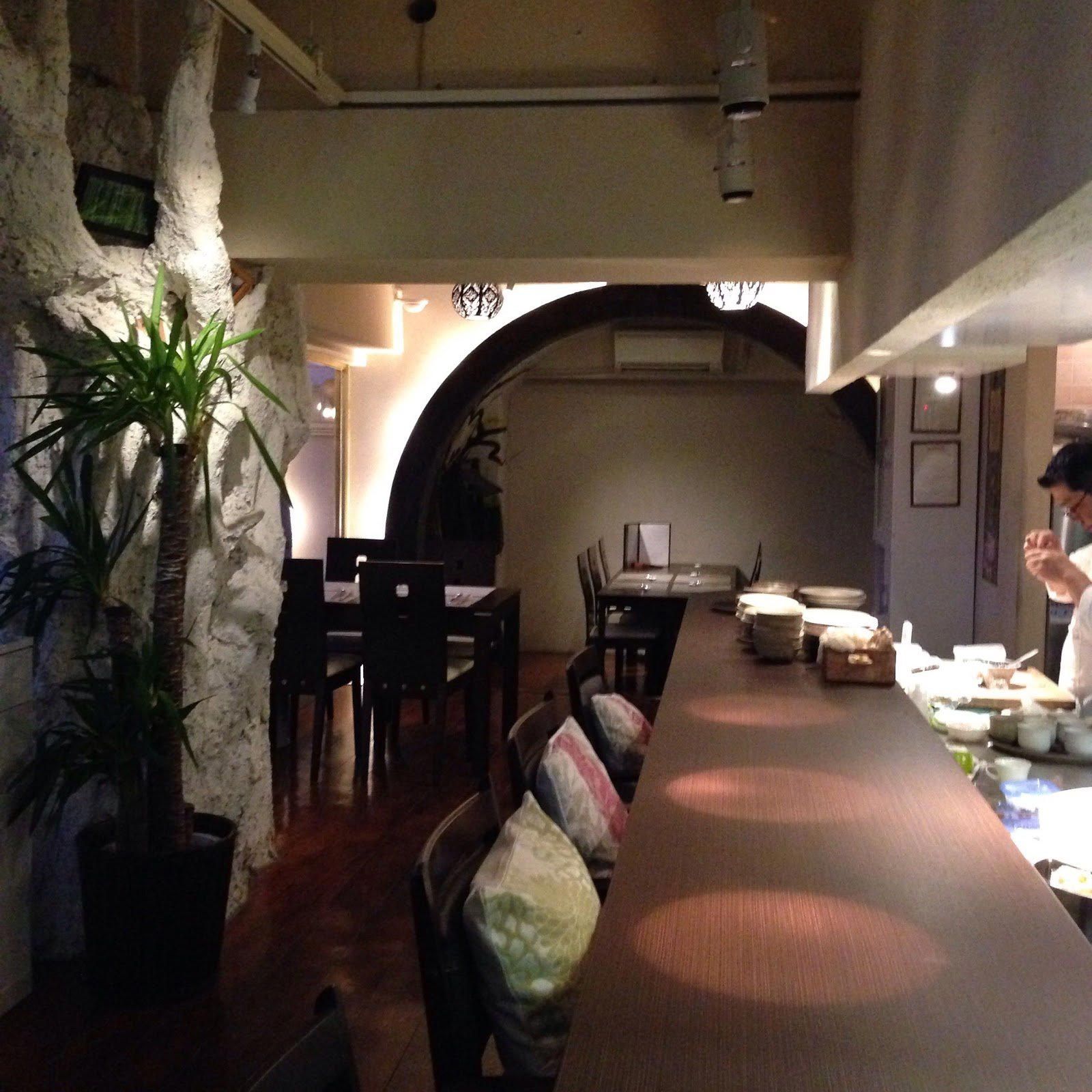
Minimalist and refined atmosphere with warm lighting, creating an intimate and sophisticated dining environment focused on the culinary experience.