
IL PIZZAIOLO brings Naples-framed wood-fired pizza into Sendai’s Kita-Sendai orbit, with Tabelog Award 2026 Bronze recognition and repeated Tabelog Pizza 100 selections giving it weight beyond a neighbourhood pizzeria. The appeal is the disciplined small-format room: 12 seats, pizza and Italian cooking, wine, take-out, and a price tier that keeps the experience accessible by Japan’s award-recognised dining standards.
Pearl is the En Primeur Club membership app — saves, bookings, and concierge access live there. Same editors, same standards.
- Address
- Japan, 〒981-0912 Miyagi, Sendai, Aoba Ward, Tsutsumimachi, 1 Chome−9−21 第13ジュリヤン
- Phone
- +81 50-1724-7466
- Website
- facebook.com
- Directions
- Get directions
 Saves & bookings on Pearl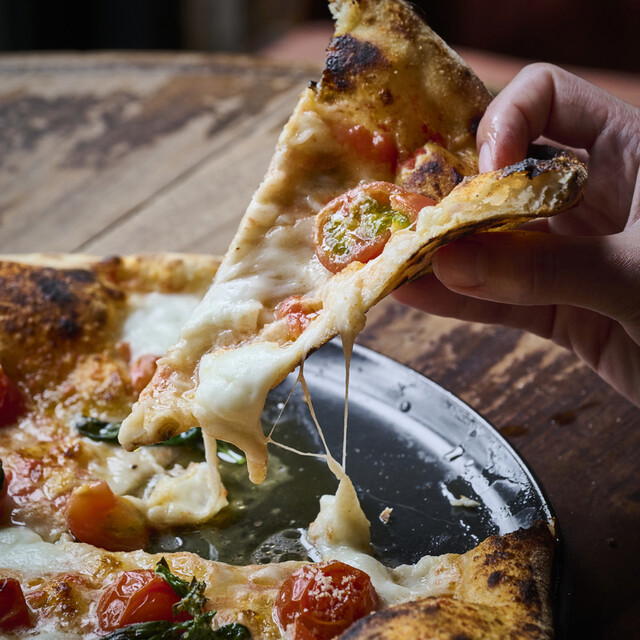
Approaching a serious pizzeria in Sendai differs from Tokyo or Osaka: quieter theatre, smaller room, sharper question. Can a craft built around Naples survive distance, climate, local rhythm, and Japanese precision without becoming cosplay? In Kita-Sendai, IL PIZZAIOLO answers from a compact 12-seat counter-and-table room that keeps the oven, dough cycle, and service pace close to guests, not hidden behind a large dining-room apparatus.
Japan’s pizza culture is one of the country’s sharper imported-food stories. Its strongest operators do not simply serve Italian comfort food; they translate Neapolitan discipline through Japanese sourcing habits, reservation culture, and repeatable technique. That matters in Sendai, where dining identity is often read through beef tongue, seafood, izakaya culture, and regional Tohoku produce. A Naples-style pizzeria with national pizza-list recognition slightly redraws the map, giving Sendai a serious table whose reference point is Campania rather than Miyagi, yet whose scale and control feel unmistakably Japanese.
Neapolitan technique, Sendai scale
Neapolitan pizza is a narrow tradition, not a catch-all label for any wood-fired pie. Its grammar is high heat, fast baking, elastic dough, and balance among char, softness, acidity, and dairy richness. Roman pizza reads crisper and more structural; Tuscan cooking often leans rustic and bread-adjacent; Milanese dining carries northern polish. The Sendai interest is that a small pizzeria can take Naples as its centre of gravity without the size, noise, or throughput of a major-city dining room.
The recognition matters because Japanese pizza awards often separate casual popularity from technical consistency. IL PIZZAIOLO holds Tabelog Award 2026 Bronze status, carries a Tabelog score above 4, and was selected for Tabelog Pizza 100 in 2019, 2021, 2023, and 2025. Those signals place it in a national pizza conversation, not a local Italian-restaurant lane. For travellers using Our full Sendai restaurants guide, the distinction is the point: this is not backup when sushi, beef, or ramen plans are full; it is a Sendai argument for Japanese Neapolitan pizza as a serious category.
The price band supports that position. Lunch and dinner sit in a comparatively moderate bracket for an award-recognised Japanese restaurant, making the choice less about ceremony than appetite, timing, and preference for a smaller room over a more elaborate tasting-menu structure. In Sendai terms, it usefully counters meals built around set courses, private rooms, or extended drinking. Pizza compresses the experience into technique, heat, and timing.
A small room changes the meal
12-seat capacity is not decorative. Small pizza rooms behave differently from broad trattorias: pacing tightens, oven management becomes visible, and counter versus table seating affects the meal’s rhythm. Reservations are available, but seat type is not selectable, which fits the format. In a room this size, the right expectation is not control over the exact perch, but a focused meal shaped by the restaurant’s operating rhythm.
The practical character is unusually explicit for a small Japanese pizzeria. The room is non-smoking, children are welcome, there are no private rooms, and take-out is available. Three parking spaces help in a city where plans may combine rail, taxi, and neighbourhood driving. Payment flexibility is stronger than in many small specialist rooms: major credit cards, transportation IC cards, electronic money, and QR payments are accepted. The trade-offs are clear: changes to reservation date or party size can incur cancellation fees under policy, and the restaurant notes the presence of a Golden Retriever, relevant for guests with allergies or discomfort around dogs.
The operational detail carries a larger Sendai lesson. Strong independent restaurants here often reward precise planning rather than metropolitan elasticity. Closed days run Tuesday through Thursday, service is concentrated around lunch and dinner on operating days, and menu items may run out. That is not a flaw; it is how small-capacity specialist dining works outside Japan’s largest restaurant markets. The meal depends on prep, dough, heat, and finite stock.
Where it fits in a Sendai itinerary
For visitors, the strongest use case is a tightly planned lunch or early dinner in Kita-Sendai, especially when the trip is already heavy on Japanese regional cooking. Pizza can reset the palate without becoming generic. The better comparison is not other named pizzerias, but a traveller’s limited meal allocation: one slot for Tohoku seafood, one for beef tongue or izakaya culture, one for coffee or tea, and one for a nationally recognised specialist format that happens to be Italian.
That is where Sendai’s dining ecosystem becomes interesting. The city is not just a checklist of local dishes; it is a set of small rooms with distinct tempos. Readers mapping a stay might pair restaurant research with Our full Sendai hotels guide, then build evenings through Our full Sendai bars guide, Our full Sendai wineries guide, and Our full Sendai experiences guide. Within the restaurant layer, nearby editorial references such as achaar, Ademain, Ako, ankoya Ekimae ten, and Baisaou show how varied Sendai’s small-format dining can be without false culinary comparisons.
For broader Japan planning, the same logic applies across cities: a specialist meal works well with a clear itinerary role. That could mean sukiyaki in Kanagawa at -Grilled beef Sukiyaki- KAMAKURA TANUKIAN 鎌倉 たぬき庵 in Kamakura, casual seafood and charcoal in Tokyo at. 鮪と炭火焼き うお炭 秋葉原店 in Tokyo, cafe time at.cafe in Osaka, a Kumamoto stop at.know in Kumamoto, Vietnamese cooking at (Shoku) Vietnam in Kawasaki, or curry in Hokkaido at [Curry Senmon Ten] Maruyama Kyoju. in Sapporo. For readers extending the Japanese-food thread overseas, Jōdo Saké Bar in Los Angeles and Onigiri Time in Pasadena belong to another pattern: Japanese dining as diaspora rather than regional itinerary.
The verdict is practical, not romantic. IL PIZZAIOLO is strongest for diners who understand that award-recognised pizza in Japan is a technical meal, not a casual compromise. The setting is small, the tradition Neapolitan, and the Sendai value lies in finding that discipline outside the country’s larger restaurant capitals.
Comparable Spots, Quickly
Comparable venues nearby, for context on price, style, and recognition.
| Venue | Cuisine | Price | Notes |
|---|---|---|---|
| IL PIZZAIOLOThis venue — the venue you are viewing | Neapolitan Pizza | $$ | Not listed |
| Pizzeria e Osteria PADRINO | Authentic Neapolitan Pizza & Southern Italian Osteria | $$ | Aoba-ku |
| kazunori ikeda individuel Esuparu sendai ten | Modern French-style patisserie and chocolate shop | $$ | Aoba Ward |
| Shirayuki | Japanese Izakaya | $$ | Aoba Ward |
| Salamanger Hiro | Yoshoku hamburger steak specialist | $$ | Not listed |
| Japanese Ryori e. | Japanese Kaiseki | $$$ | Katahira, Aoba-ku |
Recognition history
Dated appearances from independent guides and award organizations, with the underlying list record or original source where available.
Tabelog Bronze #130
Tabelog
Tabelog 100 #1 · No. 1
Tabelog · Tabelog 100 - Pizza - 2025
Continue exploring
More in Sendai
Restaurants in Sendai
Browse all →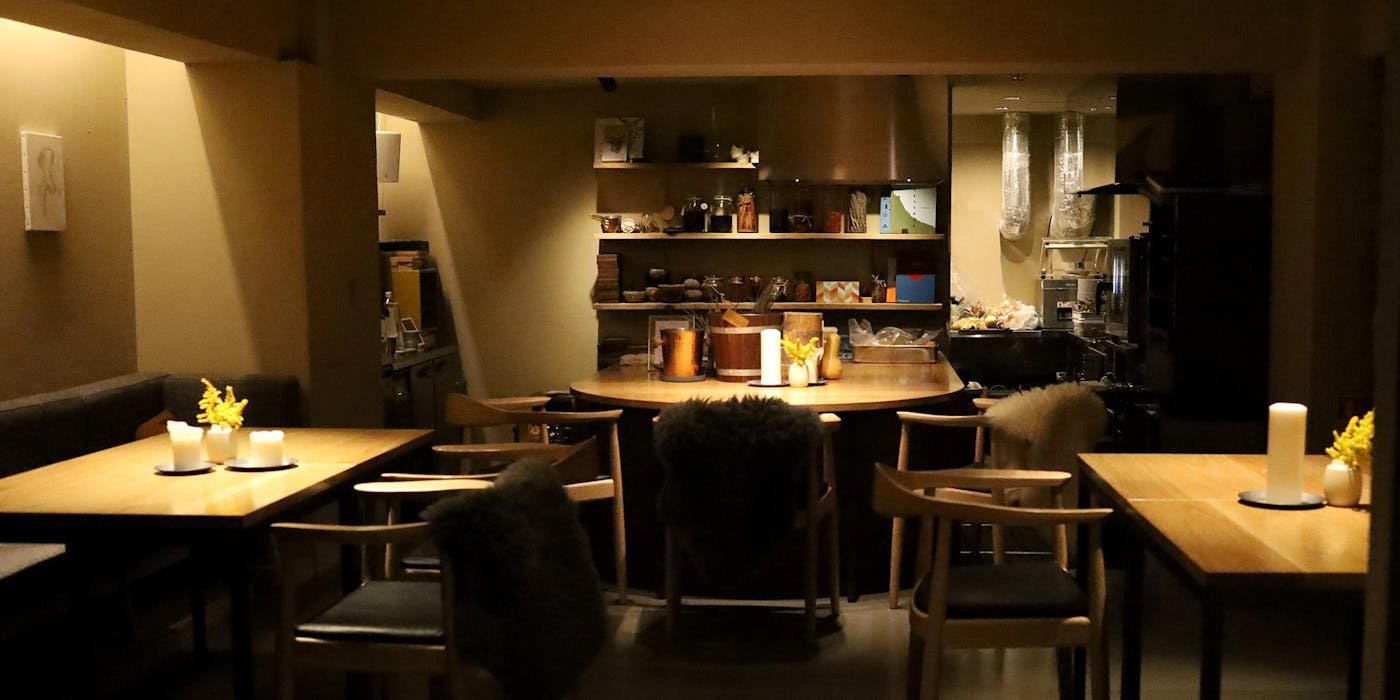
Hotels in Sendai
Browse all →

Wineries in Sendai
Browse all →
At a Glance
- Cozy
- Elegant
- Intimate
- Casual Hangout
- Date Night
- Group Dining
- Open Kitchen
- Local Sourcing
Current opening hours
- Monday
- 11:30 AM–3 PM, 6–10 PM
- Tuesday
- Closed
- Wednesday
- Closed
- Thursday
- Closed
- Friday
- 11:30 AM–3 PM, 6–10 PM
- Saturday
- 11:30 AM–3 PM, 6–10 PM
- Sunday
- 11:30 AM–3 PM, 6–10 PM
Hours can change for holidays and private events. Last verified .
Cozy and elegant pizzeria with warm, inviting atmosphere enhanced by the aroma of wood-fired cooking.