
Tabelog Bronze #263
Our verdict
Matsuishi gives Sendai’s Chinese dining scene a tightly edited counter format built around local produce from Miyagi and Yamagata. Its Tabelog Award Bronze recognition in 2025 and 2026, plus selection for Tabelog Chinese EAST 100 in 2023, 2024, and 2026, place it in a serious regional tier rather than a casual neighborhood category.

Pearl is the En Primeur Club membership app, where members save venues, book tables and use the concierge.
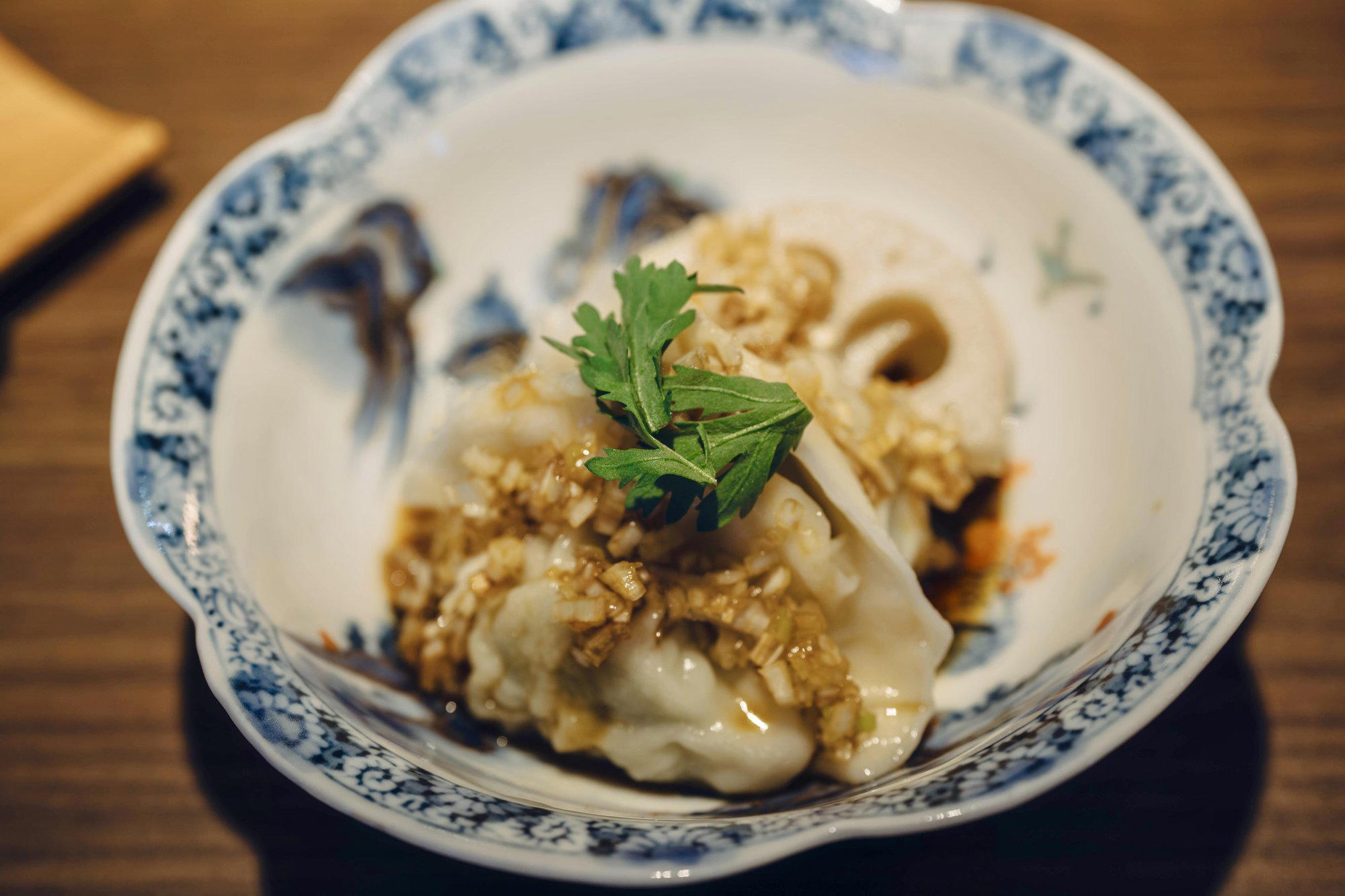
The menu
What to order
- Scallop shumai
- Fried rice with XO sauce
- Slow-braised pork belly
Approaching Mukaiyama, Sendai’s station-side restaurant density gives way to a quiet residential slope, where a small counter restaurant feels intentional, not theatrical. That setting matters for Chinese cooking in Miyagi: outside Tokyo and Yokohama, the category gains attention when produce, seasonality, and technique carry as much weight as scale. Matsuishi works in that register, using courses and counter seating to focus on ingredients from Miyagi and Yamagata rather than banquet-room abundance.
The restaurant is best read through sourcing. Tohoku is known to travelers for seafood, rice, fruit, mountain vegetables, and sake culture, but Chinese cuisine in the region is a narrower conversation. Here, the proposition is not simply Chinese food in Sendai. It is Chinese cooking filtered through two neighboring agricultural identities: Miyagi, with its coastal and inland pantry, and Yamagata, known nationally for fruit, rice, beef, and mountain produce. That pairing gives the restaurant a clear editorial position: the cuisine is Chinese, but the seasonal argument is local.
Chinese technique, Tohoku produce, and an eight-seat counter
Japan’s serious Chinese restaurants have moved beyond the old split between hotel dining rooms and casual machi-chuka. In the higher bracket, the format has tightened: fewer seats, set courses, closer contact with the kitchen, and stronger emphasis on domestic ingredients. Matsuishi’s eight-seat counter sits within that small-format movement. It does not just reduce capacity; it changes the meal’s grammar. Sauces, heat, timing, and plating become visible, suiting a cuisine where wok control and stock work can otherwise disappear behind the dining-room surface.
The award history shows the restaurant is not judged only as a local curiosity. It was selected for Tabelog Chinese EAST 100 in 2023, 2024, and 2026, and received The Tabelog Award Bronze in 2025 and 2026. Those signals matter because Chinese restaurants outside the largest metropolitan circuits need more than novelty to hold attention across years. A Tabelog score of 4.14 places it in the upper tier of user-rated dining in Japan, where small score differences carry weight among reservation-focused diners.
Within Miyagi, this puts the restaurant in a different decision set from lower-priced regional specialists such as Murakamiya Mochi Ten, or mid-priced dining like Shinogi. It also differs from higher-priced Japanese formats such as Japanese Ryori e. where the reference point is kaiseki-adjacent seasonality rather than Chinese technique. KUROMORI is the relevant comparison in spirit because both sit in the Chinese category, but the sharper distinction is format and regional framing: Matsuishi’s small counter and Miyagi-Yamagata sourcing make the meal feel closer to a produce-led tasting counter than a conventional Chinese dining room.
Why the sourcing angle matters in Sendai
Sendai is often treated as a gateway city: a base for Matsushima, Zao, hot springs, and Tohoku rail travel. That undersells its dining culture. The city has the population, wealth, and regional supply lines to support ambitious restaurants, while remaining less saturated with trophy reservations than Tokyo. For travelers building a Miyagi food itinerary, the interesting pattern is not simply where to eat, but which restaurants translate Tohoku’s pantry into a format that could not be copied cleanly elsewhere.
Chinese cuisine becomes an incisive lens. Cantonese, Sichuan, and broader Chinese techniques have been absorbed into Japanese dining for generations, but the strongest modern kitchens in this category often use Chinese structure to make local ingredients behave differently. A course format allows that without forcing the meal into one regional Chinese label. The cooking can move through heat, steam, aroma, stock, and texture while staying anchored to what the region produces. Matsuishi’s focus on locally produced ingredients from Miyagi and Yamagata gives it a clear reason to exist in Sendai rather than as a smaller echo of a capital-city counter.
Price frames the experience. Dinner sits at JPY 10,000 to JPY 14,999, with lunch at JPY 6,000 to JPY 7,999, before higher review-based spending bands diners may encounter. That is serious money in Miyagi, but not Tokyo trophy-counter pricing. The value question turns on specificity: if the meal reads as Chinese technique applied to Tohoku produce, it has a stronger case than a generic premium course menu. The absence of private rooms and the counter seating push the experience toward diners who want concentration rather than privacy.
Planning a Miyagi food itinerary around a focused counter
The restaurant opened in 2022, making its award momentum unusually compressed: within a few years, it had accumulated repeated Tabelog Chinese EAST 100 selections and consecutive Bronze recognition. That pace helps travelers decide whether to allocate one of a limited number of Sendai meals to Chinese cuisine rather than sushi, beef, soba, or seafood. It suggests a restaurant already being evaluated in a national conversation, not merely a local one.
The practical fit is selective. The reservation-only policy, eight seats, and course format favor small parties who plan with intent. Groups of six or more require direct coordination, and the children policy is handled by phone, making this less spontaneous than many Sendai meals. For diners who want a polished but compact room, local sourcing, and a category that breaks from the expected Tohoku checklist, Matsuishi is the stronger choice. For a broader trip, use Our full Miyagi restaurants guide alongside Our full Miyagi hotels guide, Our full Miyagi bars guide, Our full Miyagi wineries guide, and Our full Miyagi experiences guide to shape the rest of the itinerary.
Readers comparing Japanese dining formats beyond Miyagi can also scan contrasting references such as -Grilled beef Sukiyaki- KAMAKURA TANUKIAN 鎌倉 たぬき庵 in Kamakura, . 鮪と炭火焼き うお炭 秋葉原店 in Tokyo, .cafe in Osaka, .know in Kumamoto, (Shoku) Vietnam in Kawasaki, [Curry Senmon Ten] Maruyama Kyoju. in Sapporo, [ki:] in Kyoto, #肉といえば松田 奈良本店 in Kashihara, 1/3 HAMBURGER FACTORY in Kanazawa, 1000 in Yokohama, 1000mヒュッテ 1000m Hut in Kutchan, Jōdo Saké Bar in Los Angeles, and Onigiri Time in Pasadena. The contrast is instructive: Matsuishi belongs to the modern Japanese counter school, but its argument is Chinese technique and Tohoku sourcing.
Frequently asked questions
Is Matsuishi good for families?
Matsuishi accepts children by phone reservation, and it can take private use for up to 20 people. The eight-seat counter and reservation-only format make it better suited to planned family meals than casual drop-ins.
Is Matsuishi formal or casual?
It sits in a focused middle ground rather than stiff formal dining: an eight-seat counter, course format, and reservation-only service shape the experience. The address in Sendai’s Taihaku Ward and the lack of a service charge keep it from feeling ceremonial.
What days is Matsuishi closed?
Hours at Matsuishi: ■Business hoursLunch from 12:00Dinner from 18:30■Closed onNot fixed.
Where is Matsuishi in Miyagi?
Matsuishi is located in Miyagi.
What do critics highlight about Matsuishi?
Recognition leads the story here: Tabelog Bronze in 2025 and 2026, plus selection for Tabelog Chinese EAST 100 in 2023, 2024, and 2026. Critics also point to the local-produce angle in Miyagi and Yamagata, which frames the menu around seasonal ingredients rather than spectacle.
Snapshot
Comparable venues by cuisine and price in the same metro.
| Venue | Cuisine | Price | Awards | Notes |
|---|---|---|---|---|
| MatsuishiThis venue (the venue you are viewing) | Modern Chinese with Miyagi Ingredients | $50–100 | Tabelog Bronze #263 | Not listed |
| 中華菜館同發本館 | Traditional Cantonese Roasted Meats | $30–50 | Not listed | Yokohama Chinatown |
| KUROMORI | Fine Dining Chinese | $150–200 | Tabelog Bronze #212 | Taihaku-ku |
| 栄楽 | Chinese Ramen | $1–10 | Not listed | 北条 |
| 551 Horai (551蓬莱) | Chinese Dim Sum - Pork Buns | Not listed | Not listed | Senri Hankyu |
| Choyo | Authentic Sichuan Chinese | $50–100 | Not listed | Chūō |
Recognition history
Dated appearances from independent guides and award organizations, with the underlying list record or original source where available.
Tabelog Bronze #263
Tabelog
Full recognition history (3 entries)
Tabelog 100 #39 · No. 39
Tabelog · Tabelog 100 - Chinese cuisine - EAST - 2026
Tabelog Bronze
Tabelog
Continue exploring
More in Sendai
Restaurants in Sendai
All restaurants in Sendai →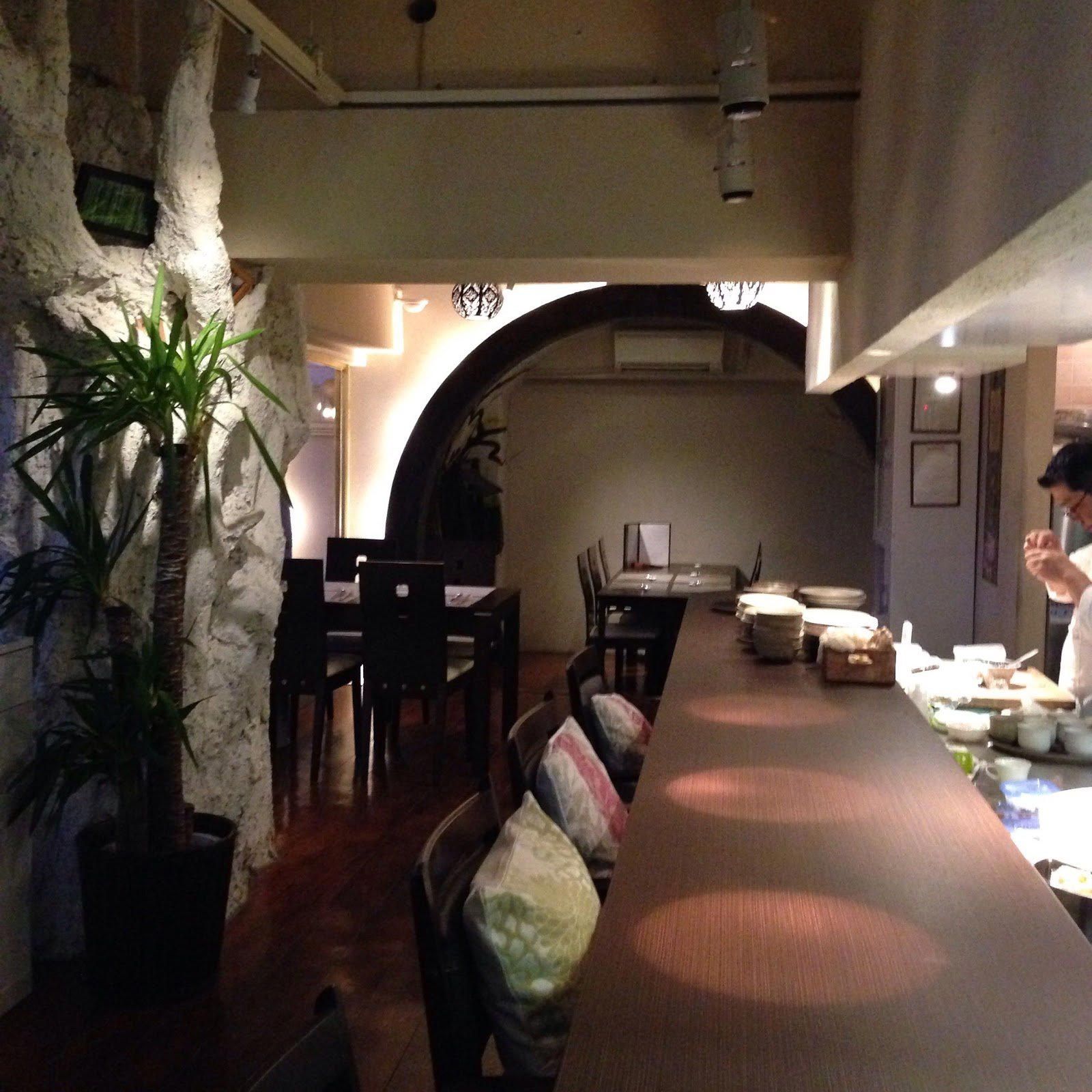
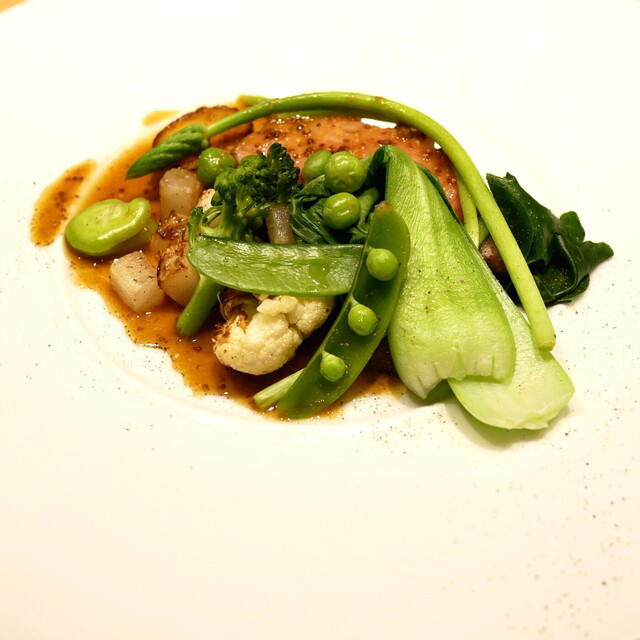
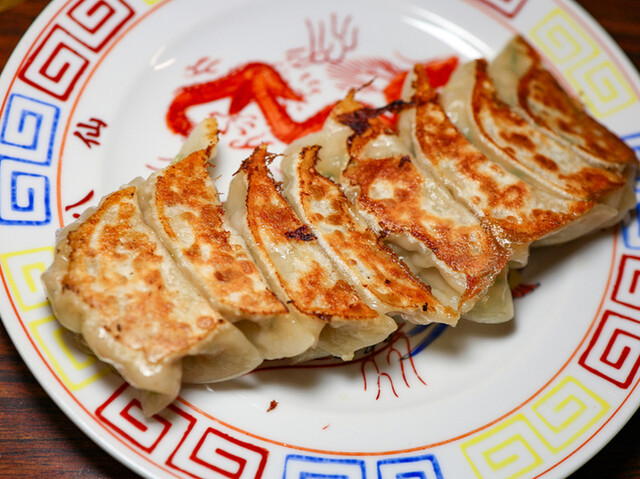
Hotels in Sendai
Browse all →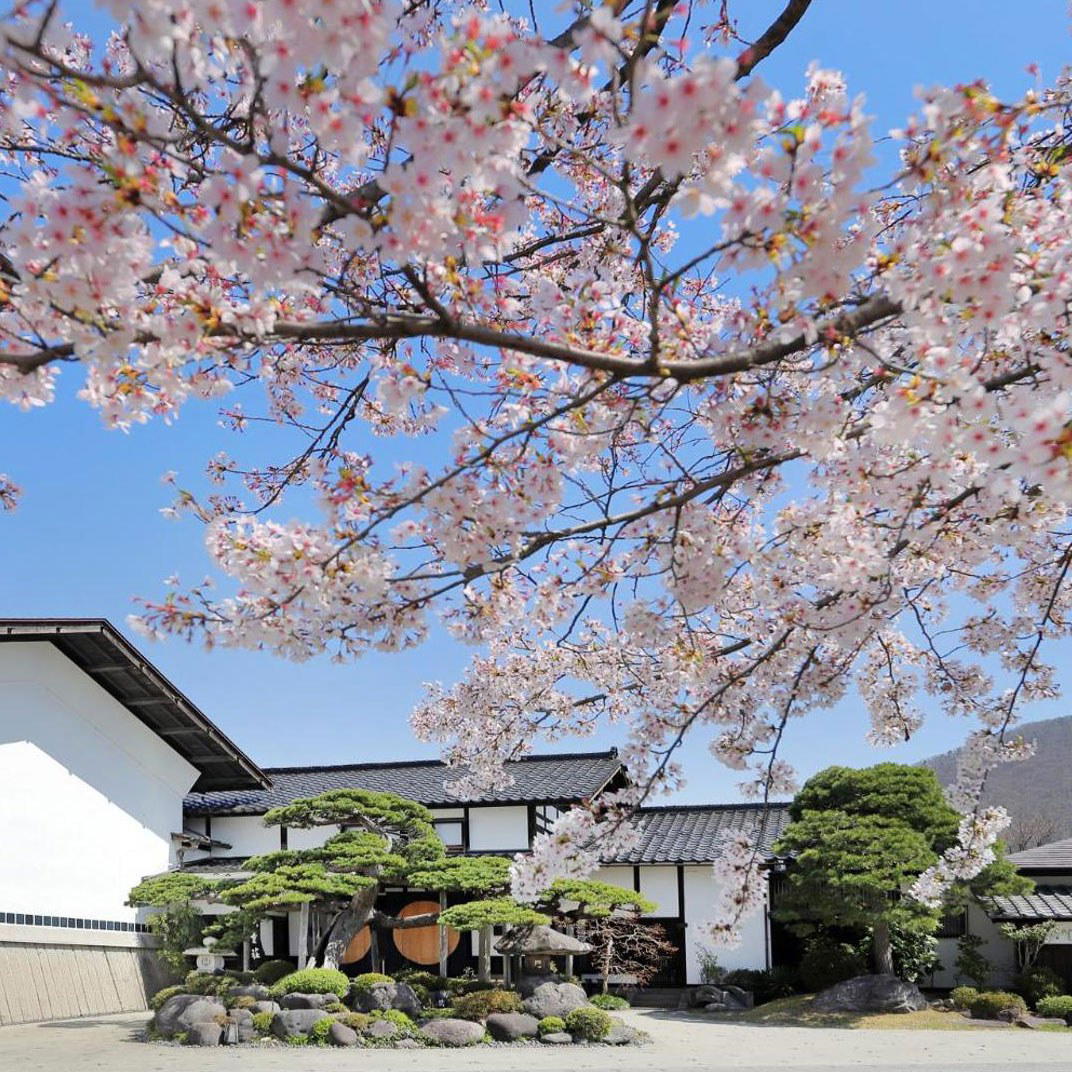

Wineries in Sendai
All wineries in Sendai →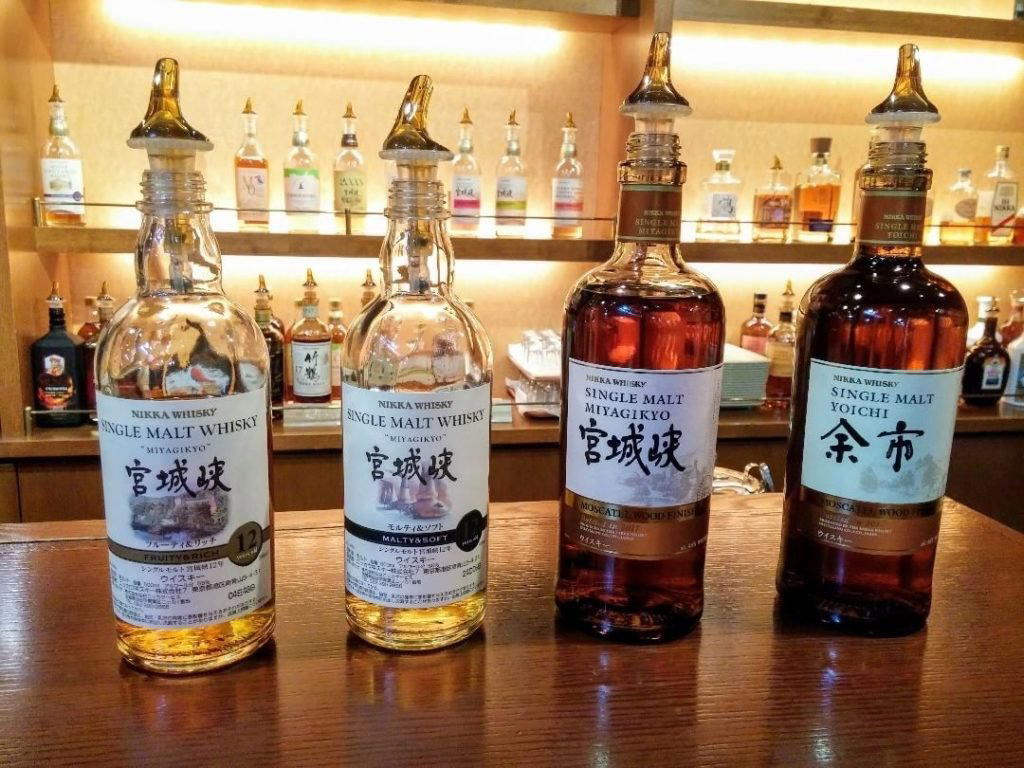
Details
- Elegant
- Intimate
- Quiet
- Sophisticated
- Business Dinner
- Celebration
- Special Occasion
- Date Night
- Chefs Counter
- Open Kitchen
- Panoramic View
- Sake Program
- Farm To Table
- Local Sourcing
- Skyline
- Tasting Menu
- Omakase
- Counter Dining
- Sake
- Allergy Accommodating
Current opening hours
- Monday
- 12 PM–12 AM
- Tuesday
- 12 PM–12 AM
- Wednesday
- 12 PM–12 AM
- Thursday
- 12 PM–12 AM
- Friday
- 12 PM–12 AM
- Saturday
- 12 PM–12 AM
- Sunday
- 12 PM–12 AM
Hours can change for holidays and private events. Hours as of .
Focused and calm interior with practical warm lighting, counter seating arrangement supporting attentive service; open kitchen views allow glimpses of technique without distraction.