Our verdict
Heritage sits in Nagoya's Tempaku Ward, a quieter residential edge of the city that filters out the more obvious dining circuits. The venue's name and location together suggest something deliberately set apart from the central Sakae and Nagoya Station clusters, positioning it within a tier of destination dining that asks the guest to make a deliberate choice to be there.

Pearl is the En Primeur Club membership app, where members save venues, book tables and use the concierge.
The menu
What to order
- Hitsumabushi
Tempaku Ward and the Logic of Distance
Nagoya's dining culture tends to be discussed through its most visible exports: hitsumabushi at Atsuta Horaiken (あつた蓬莱軒 本店), the city's particular take on Italian at addresses like Bacio or cucina Wada, and the sushi counters and French tables that occupy the higher tiers of the Sakae district. What receives less attention is the category of restaurant that plants itself away from those clusters, in residential wards where the only people who arrive are people who chose to. Heritage's address in Yayoigaoka, Tempaku Ward sits firmly in that second category. The ward is not a dining destination in the conventional sense; there are no concentrations of competing tables, no hotel bar traffic feeding the room. A guest at Heritage has made a specific decision, and the room tends to reflect that, the energy is deliberate rather than ambient.
That geographic self-selection shapes the atmosphere before the first course arrives. Tempaku is southern Nagoya, largely residential, the kind of ward where the visual register shifts from commercial signage to shuttered storefronts and quiet streets. Arriving by taxi or on foot through Yayoigaoka, the transition is perceptible. The address itself, in a building at 208, reads more like a private residence than a commercial establishment, which is exactly the kind of contextual cue that destination dining in Japan often uses deliberately. Japan has a long tradition of restaurants embedded in neighbourhoods with no foot traffic, places that survive purely on reservation lists and word of mouth rather than walk-in volume. Heritage slots into that tradition, even if the full details of its format remain lightly documented.
Where Heritage Sits in Nagoya's Competitive Set
Nagoya occupies an interesting position within Japan's dining hierarchy. It is the country's fourth-largest city by population, has a manufacturing economy that produces significant corporate and private wealth, and yet it remains underrepresented in the national food conversation relative to Tokyo, Osaka, and Kyoto. That gap has been narrowing. Addresses like Chez Kobe and the Italian-Japanese hybrid format at Cucina Italiana Gallura (Sushi) point to a local dining culture that is willing to experiment with format and register. Heritage, positioned in a quieter residential ward rather than a central address, fits into the tier of Nagoya dining that is more interested in the guest who already knows than in converting passers-by.
For context on what that tier can look like elsewhere in the country, the comparison set is instructive. HAJIME in Osaka, Gion Sasaki in Kyoto, and akordu in Nara each represent destination dining that has pulled serious guests out of the obvious circuits and into specific neighbourhoods. Goh in Fukuoka does something similar in a city that also tends to be underestimated. The pattern across these tables is that proximity to a train hub or hotel corridor is not the draw; the restaurant itself is the draw. Heritage's Tempaku Ward location fits that logic, even if its specific format details are less publicly documented than its regional peers.
The Sensory Architecture of Arriving Somewhere Specific
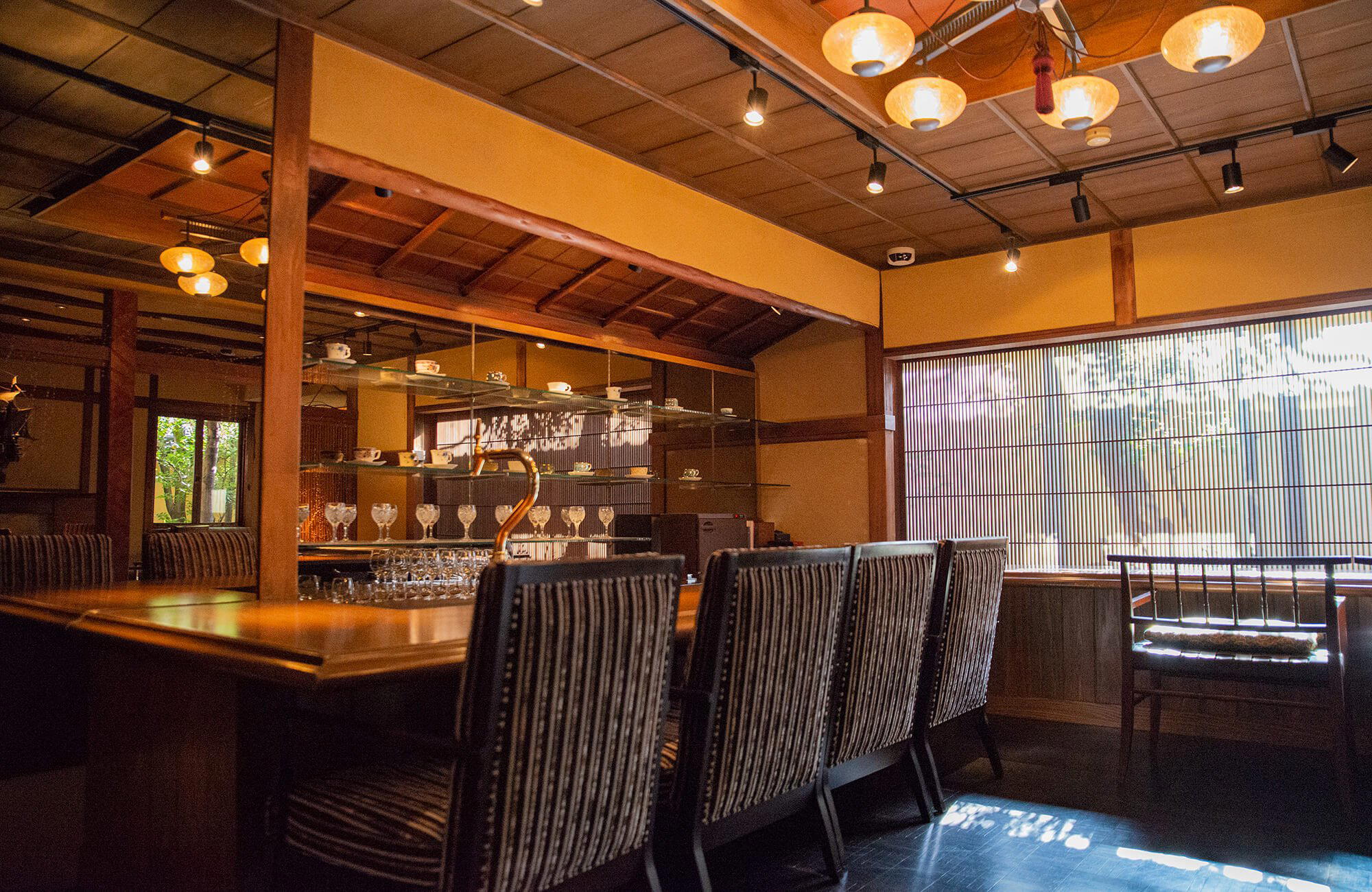
One of the reliable markers of this category of Japanese restaurant, venues that require a deliberate journey into a residential neighbourhood, is that the atmosphere is built from restraint rather than spectacle. The sensory experience is often low-frequency: quiet rooms, natural materials, the absence of background noise that characterises busier central addresses. Japan's dining culture has spent decades refining what might be called the architecture of attention, the idea that removing distraction is itself a design choice, and that a meal in a quiet room with a considered view of a small garden or a textured wall constitutes an environment rather than a setting.
Whether Heritage's interior delivers on that pattern specifically is not something to assert without direct verification. What can be said with confidence is that the location, the residential ward, the building embedded in Yayoigaoka, selects for a particular kind of guest experience. Diners arriving by local train through Nagoya's subway network, or by taxi from the Nagoya Station area, arrive having already committed to the distance. That commitment tends to produce a different quality of attention at the table than the guest who wandered in from a nearby hotel lobby.
Birdland in Sakai operates in the same register.
Planning the Visit
Nagoya is well-connected from Tokyo via the Tokaido Shinkansen, with the journey running under two hours to Nagoya Station. From there, Tempaku Ward is reachable by the Nagoya Municipal Subway's Tsurumai Line toward Yayoigaoka. The residential character of the ward means taxis are a practical option for the final leg, particularly in the evening when local train frequency drops. For guests arriving from further afield, Nagoya also sits conveniently between Tokyo and Kyoto, making a stopover meal realistic rather than a detour. Those who want a fuller picture of what the city's dining scene currently offers across formats and price tiers will find our full Nagoya restaurants guide a useful reference point alongside the coverage here.
Given the residential location and the format signals it implies, advance contact before visiting is the sensible approach. Restaurants in this category, those operating without prominent web presence or published hours, almost always operate on reservation-only formats. Arriving without a booking risks finding the door closed. The absence of a public phone number and website in Heritage's current listing reinforces that the booking path likely runs through local channels or, for international visitors, through a hotel concierge familiar with Nagoya's less-publicised dining addresses.
The broader comparison for Heritage's international peers in the category of quiet, reservation-driven, neighbourhood-embedded dining would include Harutaka in Tokyo, where a counter format in a low-signage Ginza building operates almost entirely on referral and repeat business, and destination-format tables at the international level like Le Bernardin in New York City or Atomix in New York City, both of which reward the guest who plans rather than the guest who arrives on impulse.
Frequently asked questions
Where is Heritage in Nagoya?
Heritage is located at Japan, ã468-0062 Aichi, Nagoya, Tempaku Ward, Yayoigaoka, 208 åä¿¡ãã«, Nagoya.
How far is Heritage from Nagoya Station, and what is the best way to get there?
Heritage is located in Yayoigaoka, Tempaku Ward, Nagoya, placing it in the southern residential belt of the city rather than within walking distance of Nagoya Station. Tempaku Ward is accessible via the Nagoya Municipal Subway's Tsurumai Line, with journey times from Nagoya Station in the range of 20 to 30 minutes depending on the stop. From there, the specific Yayoigaoka address suggests a short taxi or on-foot leg. Confirming the exact approach with the venue or a local concierge before departure is worth doing.
What dish is Heritage famous for?
The venue sits in Tempaku Ward's Yayoigaoka district, a residential address that suggests a focused, deliberate kitchen programme rather than a broad à la carte offering. Confirming the current menu directly with the restaurant before visiting is advisable.
Do I need a reservation for Heritage?
Given Heritage's location in a residential pocket of Tempaku Ward, Nagoya, walk-in access is unlikely to be practical. Restaurants of this type in off-centre Japanese neighbourhoods almost universally operate on a reservation basis, and arriving without one carries real risk of turning away. Contact details are not publicly listed in current directories, so sourcing a booking channel through a concierge or local contact is the most reliable approach.
What's the defining dish or idea at Heritage?
The venue's address in Yayoigaoka, a quiet residential corridor within Tempaku Ward, positions it within a specific tradition of Japanese dining where location itself is a statement of intent. Restaurants that require a deliberate journey away from a city's commercial core tend to prioritise depth over breadth, with menus built around a single culinary idea rather than crowd-pleasing range.
Can Heritage accommodate dietary restrictions?
At restaurants in this category operating in residential Nagoya neighbourhoods, dietary requirements are most safely communicated at the time of booking, and in advance in writing if possible. Assuming flexibility without prior confirmation is not recommended.
Is Heritage overpriced or worth every penny?
The restaurant's Tempaku Ward address, removed from Nagoya's commercial dining corridors, rules out the kind of venue where the price is partly paying for a central postcode. Whether the spend reflects the kitchen's ambition is a question that currently requires a first-hand visit to answer.
Peers You’d Cross-Shop
Comparable venues nearby, for context on price, style, and recognition.
| Venue | Cuisine | Price | Awards | Notes |
|---|---|---|---|---|
| HeritageThis venue (the venue you are viewing) | Traditional Nagoya Eel (Hitsumabushi) | $30–50 | Not listed | Not listed |
| Ramen Burai | Nagoya neighborhood ramen shop | $10–20 | Tabelog 100 #82 | Midori |
| Kurokawa Yuuan Tei | Japanese (washoku) restaurant | Not listed | Tabelog 100 #81 | Kita |
| Ramen Daruma Shokudo | Ramen and Japanese curry diner | $10–20 | Tabelog 100 #74 | Nakagawa |
| Joshin Ya | Classic Nagoya Ramen Shop | Not listed | Tabelog 100 #24 | Nakamura |
| KAKO Yanagibashi ten | Japanese Kissaten / Coffee Shop | $1–10 | Tabelog 100 | Nakamura |
Heritage
Featured Guides
Continue exploring
More in Nagoya
Restaurants in Nagoya
All restaurants in Nagoya →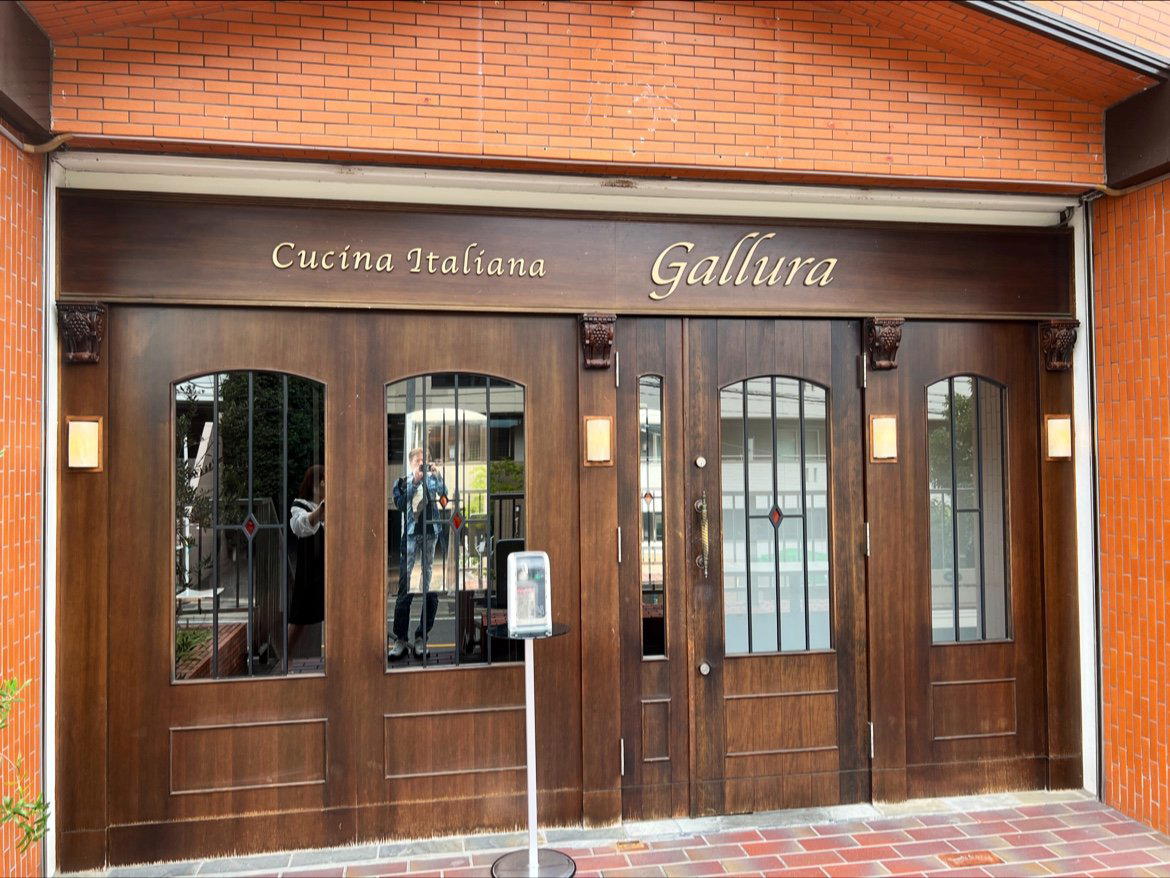

Details
- Special Occasion
- Historic Building
- Sake Program
- Local Sourcing
- A La Carte
- Pescatarian Friendly
Current opening hours
- Monday
- Closed
- Tuesday
- 11:30 AM–2 PM, 6–10 PM
- Wednesday
- 11:30 AM–2 PM, 6–10 PM
- Thursday
- 11:30 AM–2 PM, 6–10 PM
- Friday
- 11:30 AM–2 PM, 6–10 PM
- Saturday
- 11:30 AM–2 PM, 6–10 PM
- Sunday
- 11:30 AM–2 PM, 6–10 PM
Hours can change for holidays and private events. Hours as of .
Traditional Japanese atmosphere in a lovely old mansion with private tatami rooms and garden views.