



World's 50 Best #80 · We're Smart World 2 Radishes · The Best Chef Three Knives
Our verdict
Opened in 2011 as the first woman-led tasting menu restaurant in Brazil, Manu has grown into one of South America's most referenced addresses for plant-forward, seasonally driven cooking. Ranked 34th in the Opinionated About Dining top restaurants in South America (2025), the 20-seat format in Curitiba's Batel district serves a tasting menu built around local sourcing and over 60% plant-based ingredients.

Pearl is the En Primeur Club membership app, where members save venues, book tables and use the concierge.
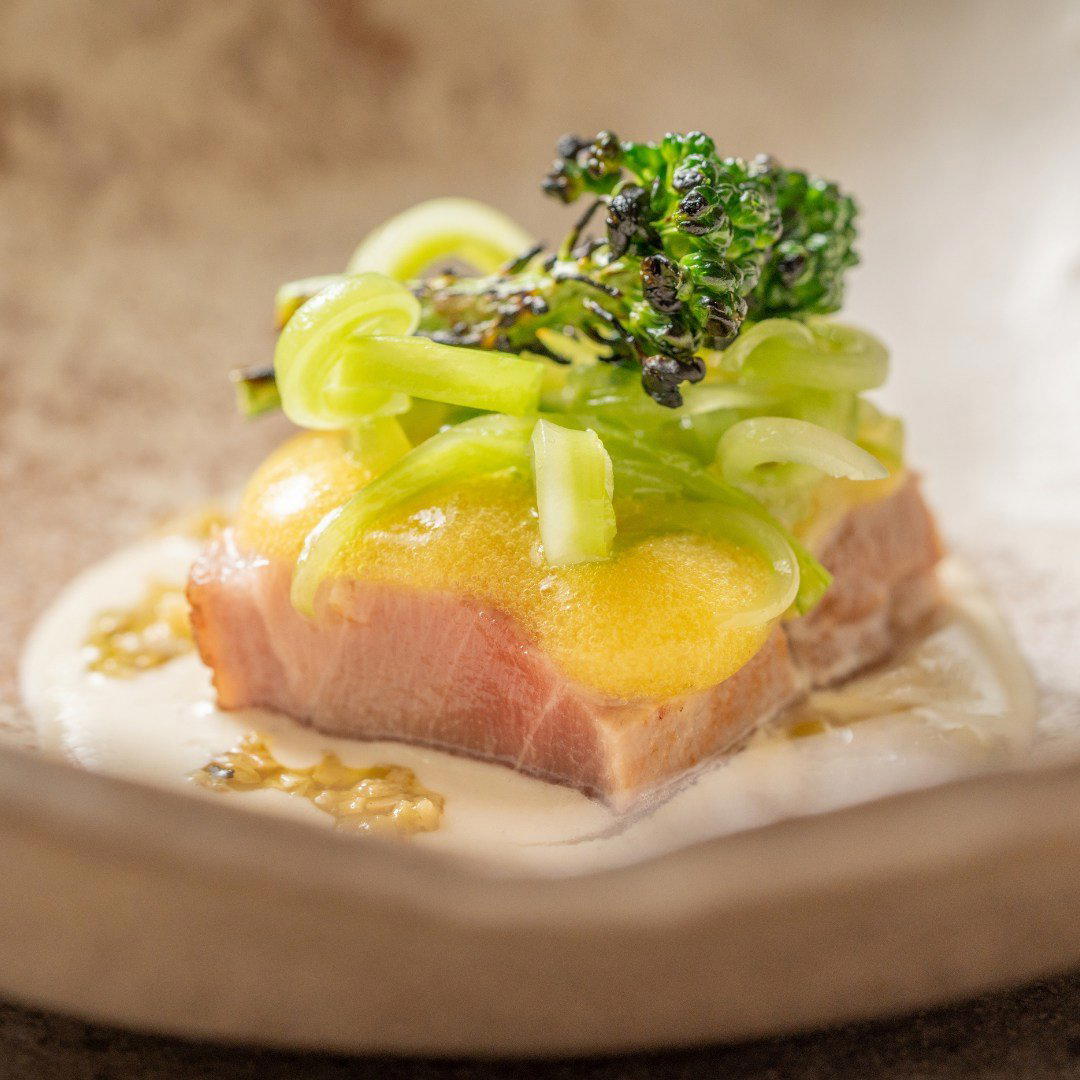
The menu
What to order
- Langoustines with tomato and horseradish
- Octopus with peach palm fruit and celeriac
- Cauliflower dish
- Carrot with house sauce
Where Plant-Forward Cooking Found Its Brazilian Footing
Curitiba has long occupied an unusual position in Brazil's dining conversation: a southern city with European settler roots, a cooler climate than the tropical north, and an agricultural hinterland that produces vegetables, grains, and fungi at a quality that coastal restaurant culture has only recently caught up to appreciating. The city's dining scene has matured quietly around these conditions, and the restaurants that carry the most weight internationally tend to be the ones that treat those ingredients seriously rather than as supporting cast. Manu, on Alameda Dom Pedro II in the Batel neighbourhood, is the clearest expression of that tendency.
When Manu opened in January 2011, the structure it proposed was genuinely unusual for Brazil: a tasting menu format, a small room serving around 20 people per night, and a kitchen led by a woman chef at a time when that combination at fine-dining level was without precedent in the country. That context matters not because it is biographical colour, but because it reflects how far outside the mainstream the restaurant's premises were at launch. Brazil's prestige dining had been built on meat-heavy abundance and the theatrics of churrasco culture. A tasting menu weighted at 60% plant-based ingredients, sourced from suppliers within 300 kilometres of the kitchen, read less as a restaurant concept than as a considered argument.
The Case for Local Radius Sourcing
The 300-kilometre supplier radius is not a marketing claim; it is a structural constraint that shapes what the kitchen can and cannot cook. Eighty percent of Manu's suppliers operate within that boundary, which means the menu is calibrated to Paraná state's growing seasons rather than to global ingredient availability. This positions the restaurant differently from São Paulo peers like Evvai, which operates within a contemporary Italian idiom, or from Rio's Lasai, which pursues its own regional sourcing logic but from a different geographic and climatic base. The comparison that holds most is with the broader cohort of Brazilian chefs who have turned procurement into culinary identity, a group that includes addresses as distinct as Manga in Salvador and Orixás in Itacaré, each working from the specific ecology of their region rather than a generalised idea of Brazilian produce.
The 60% plant-based proportion in a tasting menu that could easily have leaned on Paraná's pastoral heritage says something about editorial intent. Vegetables here are not accompaniments to protein; they carry sequences. That approach connects to an international conversation around ingredient-led cooking, but the ingredients themselves are specifically southern Brazilian, which keeps the restaurant from feeling like a local iteration of a European trend.
Ranking Signals and What They Say About the Room
By the Opinionated About Dining methodology, which aggregates the votes of frequent, well-travelled diners rather than relying on a single inspectorate, Manu ranked 37th in South America in 2023 and moved to 34th in 2025. That upward movement in a competitive field that includes Mina in Campos do Jordão and several São Paulo institutions suggests the kitchen is sustaining rather than coasting. OAD rankings weight repeat visits heavily, which means the score reflects diners who returned rather than first-impression enthusiasm.
For a 20-seat restaurant in a city that does not appear on most international travel itineraries, that ranking represents considerable reach. Curitiba is not a typical dining destination for the international circuit in the way that São Paulo or Rio de Janeiro function. The city's infrastructure, urban planning reputation, and cooler climate attract a different kind of traveller, and Manu has become a reason to extend a trip or plan one directly. For visitors already considering southern Brazil, it sits alongside Primrose in Gramado and Castelo Saint Andrews as part of a region that repays serious attention from diners whose reference points do not begin and end at the Paulistano axis.
The Batel Address and What to Know Before Going
The restaurant sits on Alameda Dom Pedro II in Batel, the neighbourhood that anchors Curitiba's premium dining and commercial life. Batel functions as the city's most walkable concentration of upscale addresses, and the street-level experience approaching Manu is quieter and more residential than the central commercial strips. The small capacity means that securing a table requires advance planning; a room that seats 20 people each evening cannot absorb walk-ins or last-minute decisions. Anyone treating Manu as a reason to visit Curitiba should treat the booking as the first logistical step, not an afterthought after flights are confirmed.
For context on what else the city offers around a visit, our full Curitiba restaurants guide covers the broader dining picture, while our Curitiba hotels guide addresses where to stay in a city whose accommodation options have improved alongside its food scene. Chef Buffara's own expansion into the Suryaa boutique hotel means there is a degree of hospitality continuity across her work in the city. For pre- or post-dinner drinking, the Curitiba bars guide includes Exímia Bar, in which Buffara holds a stake, which promotes Brazilian bar culture with a global reference set. Those interested in the region's wine and beverage production can refer to the Curitiba wineries guide, and for cultural programming around a visit, the Curitiba experiences guide provides additional context.
The broader Brazilian tasting menu scene, for those building a multi-city itinerary, includes strong plant-adjacent and regional-sourcing addresses at various price points. In São Paulo, A Baianeira, AE! Café & Cozinha, Balaio IMS, Banzeiro, and Casa Rios each represent a distinct position within Brazilian cooking's current range. In Rio, Aconchego Carioca operates at a more casual register but with serious ingredient conviction. Manu's position within that landscape is defined by its tasting menu rigour, its Curitiba-specific sourcing logic, and a 14-year record of operating at the format's demanding cadence without apparent drift.
Frequently asked questions
Where do I go for Manu?
Manu is located at Alameda Dom Pedro II, 317 - Batel, Curitiba - PR, 80420-060, Brazil, Curitiba.
Is Manu chef-led?
The chef associated with Manu is Manu Buffara.
Comparison Snapshot
| Venue | Cuisine | Price | Awards | Notes |
|---|---|---|---|---|
| ManuThis venue (the venue you are viewing) | Modern Brazilian Seasonal Tasting Menu | $150–200 | World's 50 Best #80 · We're Smart World 2 Radishes | Not listed |
| Evvai | Modern Italian-Brazilian Fusion | $200–300 | 3 Michelin Stars · World's 50 Best #95 | Contemporary Italian, Modern Cuisine |
| Lasai | Regional Brazilian, Modern Cuisine | Not listed | Michelin 2 Star | Not listed |
| Oteque | Modern Seafood Fine Dining | $100–150 | 1 Michelin Star · World's 50 Best #38 | Modern Brazilian, Modern Cuisine |
| D.O.M. | Modern Brazilian Amazonian Fine Dining | $150–200 | 2 Michelin Stars · World's 50 Best #74 | Modern Brazilian, Creative |
| Maní | Modern Creative Brazilian | $50–100 | 1 Michelin Star · World's 50 Best #67 | Brazilian - International, Creative |
Recognition history
Dated appearances from independent guides and award organizations, with the underlying list record or original source where available.
World's 50 Best Latin America's Best Restaurants #80
World's 50 Best
Opinionated About Dining Top Restaurants in South America Ranked #28
Opinionated About Dining
The Best Chef Three Knives
The Best Chef
We're Smart World 2 Radishes
We're Smart World
Full recognition history (6 entries)
Opinionated About Dining Top Restaurants in South America Ranked #34
Opinionated About Dining
Opinionated About Dining Top Restaurants in South America Ranked #37
Opinionated About Dining
Continue exploring
More in Curitiba
Details
- Intimate
- Elegant
- Sophisticated
- Date Night
- Special Occasion
- Celebration
- Open Kitchen
- Private Dining
- Standalone
- Sommelier Led
- Natural Wine
- Farm To Table
- Local Sourcing
- Sustainable Seafood
- Organic
- Tasting Menu
- Wine Pairings
- In House Fermented Beverages
- Vegetarian Friendly
- Vegan Options
- Allergy Accommodating
- Organic Focus
- Pescatarian Friendly
Current opening hours
- Monday
- Closed
- Tuesday
- 7–10:30 PM
- Wednesday
- 7–10:30 PM
- Thursday
- 7–10:30 PM
- Friday
- 7–10:30 PM
- Saturday
- 7–10:30 PM
- Sunday
- Closed
Hours can change for holidays and private events. Hours as of .
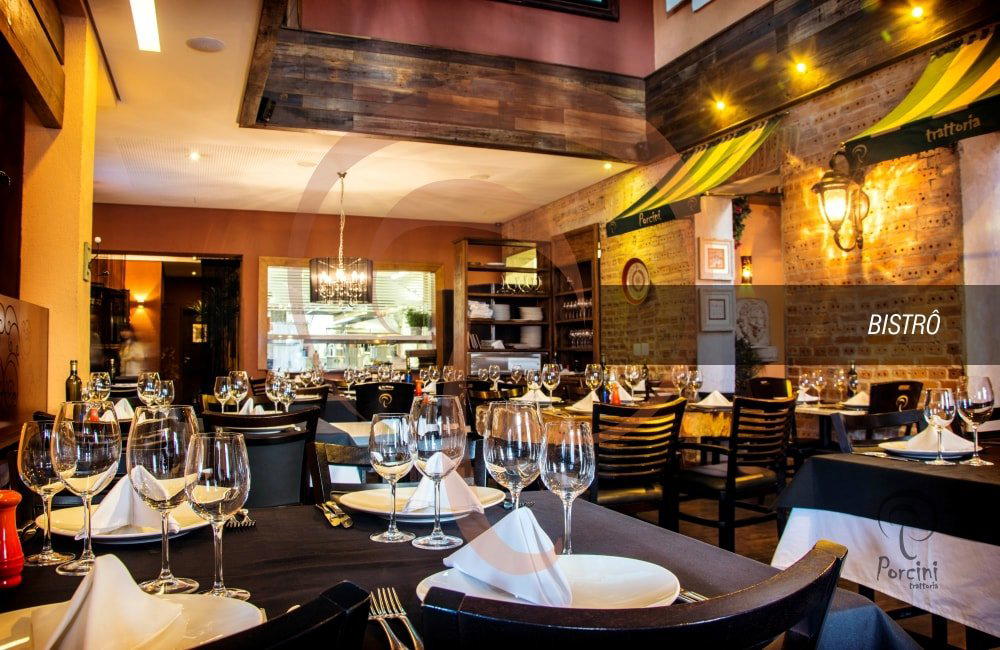
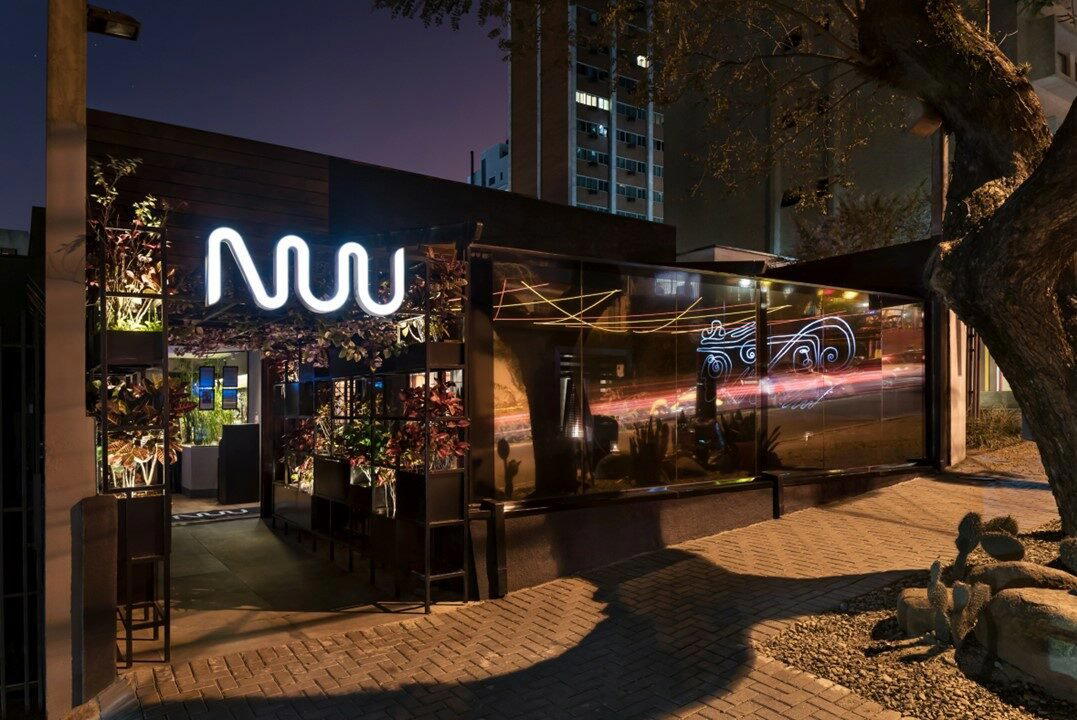
Discreet entrance with impeccably clean, well-decorated interior featuring Brazilian art; exposed kitchen visible to diners; intimate and exclusive atmosphere with personalized service.