

Black Pearl 1 Diamond · Relais Chateaux Award
Our verdict
Manshu Kaiseki holds a Black Pearl 1 Diamond (2025) on Hangzhou's Zijin'gang Road, positioning it among the city's more considered fine-dining addresses in the kaiseki register. The format draws on Japanese multi-course sequencing applied to a West Lake setting, making it a natural choice for occasion dining where the meal itself is the event. Reservations are advisable well in advance.

Pearl is the En Primeur Club membership app, where members save venues, book tables and use the concierge.
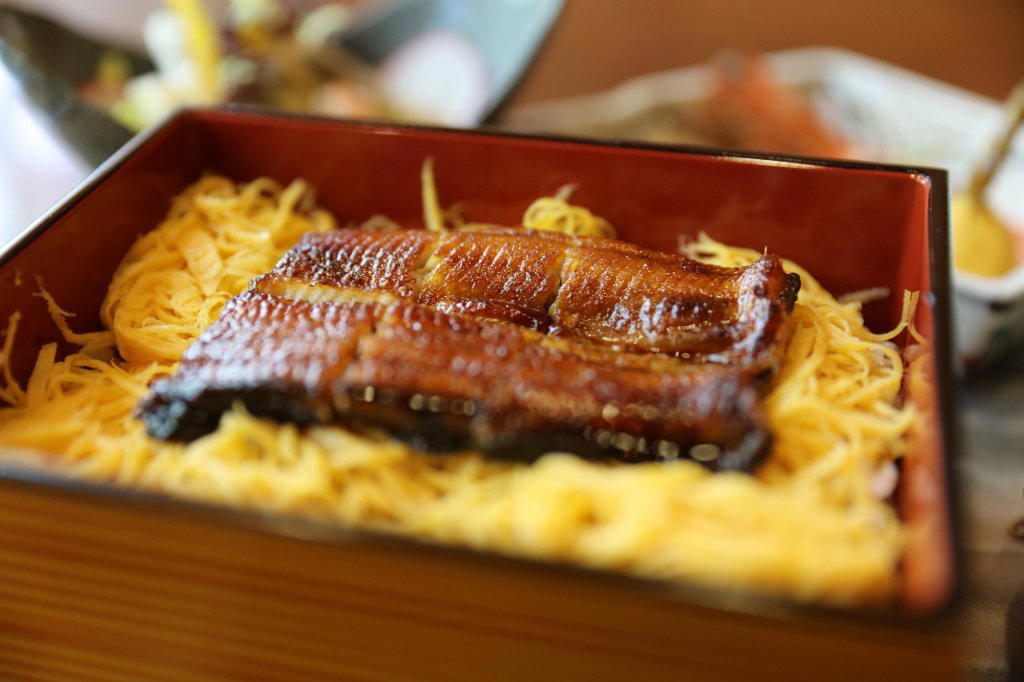
The menu
What to order
- Tuna Bone Marrow Jelly
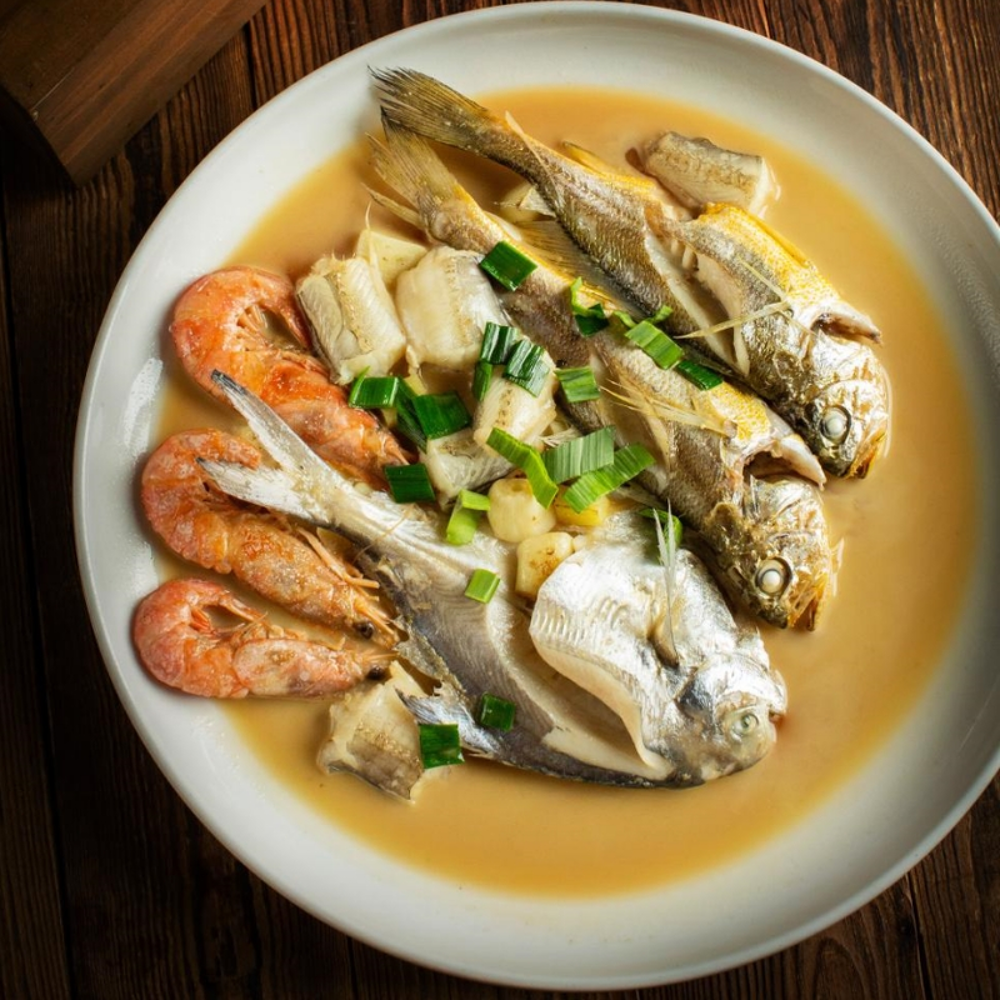
- Whole Fish Feast
- Wagyu Stone Grilled
A Dining Format Built for Occasions
There is a particular kind of restaurant that functions less as a place to eat and more as a container for a moment, a birthday, an anniversary, a deal sealed over something memorable. In Chinese fine dining, the kaiseki format has quietly occupied that space, borrowing the Japanese tradition of multi-course sequencing and seasonal precision and translating it into contexts where the ceremony of eating carries its own meaning. Hangzhou, a city whose identity has always been bound to aesthetics and natural rhythm, is an apt setting for that translation. Manshu Kaiseki, on Zijin'gang Road in the Xihu district, operates in this register: a Black Pearl 1 Diamond recipient in 2025, it signals the kind of institutional credibility that matters when the meal needs to carry weight beyond the food itself.
The Black Pearl Guide, China's most closely watched domestic fine-dining index, structures its recognition in three tiers of diamond awards. A single diamond does not represent an entry-level acknowledgment, it marks a restaurant that has passed editorial scrutiny for kitchen consistency, service calibre, and the overall coherence of the dining experience. For occasion dining specifically, the Black Pearl rating functions as a useful signal: it tells you that the experience has been independently assessed and found to hold up under scrutiny, which matters when the evening cannot afford to be a disappointment. For broader context on the Hangzhou fine-dining scene assessed by the same guide, our full Hangzhou restaurants guide tracks the city's full coverage.
The Kaiseki Framework in a Chinese Context
Kaiseki, in its Japanese form, is a sequential meal organised around seasonal produce, restrained technique, and a visual logic that treats each course as a discrete composition. When that framework migrates into a Chinese dining context, particularly in a city like Hangzhou, which has its own deep tradition of ingredient-led, seasonally attentive cooking through Zhejiang cuisine, the result is a format that sits between two culinary traditions without being entirely reducible to either. The Zhejiang kitchen has always prioritised freshness, delicacy, and the kind of restraint that lets a single ingredient carry a dish. Those instincts are not far from kaiseki's own logic, which is part of why the format has taken root here rather than feeling like an imposition.
For comparison, Hangzhou's Zhejiang-focused fine dining tables tend to approach occasion meals differently: Ru Yuan (Zhejiang) operates at the ¥¥¥¥ tier with a more traditional Zhejiang framing, while Guiyu (Xihu) (Zhejiang) and Hangzhou House (Zhejiang) represent the mid-to-upper range of the city's regional cuisine offer. Jie Xiang Lou (Zhejiang) anchors the more accessible end. Manshu Kaiseki occupies a different register from all of them, its Japanese-derived structure giving the meal a ceremonial tempo that suits celebratory dinners where the pacing of the experience is as important as the individual dishes.
Occasion Dining in Hangzhou's Fine-Dining Tier
When a meal marks something, the format has to do work that a standard à la carte restaurant cannot reliably provide. The kaiseki sequence solves this by design: arrival, composed small courses building in intensity, a clear structure that signals intention. For the diner, this means the evening has a shape, a beginning, a middle, and a considered end, rather than the more open-ended rhythm of a shared-plate dinner. That structure is precisely what makes the format well-suited to milestones. It is no coincidence that in Japan, kaiseki counters fill during graduation season, on significant anniversaries, and for formal business meals where the setting needs to communicate seriousness without ostentation.
Hangzhou's fine-dining scene has developed a cohort of restaurants that can carry that kind of occasion. Ambré Ciel (Innovative) operates in a contemporary European register at a comparable tier. Manshu Kaiseki brings a different vocabulary to the same moment: slower, more sequential, more reliant on the build of the experience rather than the drama of a single dish.
For context on how kaiseki-adjacent fine dining performs at comparable credential levels across Chinese cities, Xin Rong Ji (Xinyuan South Road) in Beijing, 102 House in Shanghai, and Xin Rong Ji in Chengdu illustrate the range of fine-dining formats commanding serious recognition in mainland China. Internationally, the sequenced multi-course format at Atomix in New York City and the long-form precision dining at Le Bernardin in New York City represent the global tier against which ambitious sequenced-dining formats measure themselves. Chef Tam's Seasons in Macau, Imperial Treasure Fine Chinese Cuisine in Guangzhou, and Dai Yuet Heen in Nanjing represent the regional fine-dining tier across the broader Greater China context.
Planning the Visit
Manshu Kaiseki is located at 738R+35V, Zijin'gang Road, in the Xihu district, the western part of Hangzhou where the city's relationship with West Lake remains most intact. The Xihu district positions the restaurant within walking distance of the lake's northern edges, and the neighbourhood's character is quieter and more residential than the commercial dining corridors further east. For occasions where the pre-dinner or post-dinner walk matters, and in Hangzhou it often does, the setting adds to the logic of choosing this address.
Given the 2025 Black Pearl 1 Diamond recognition, tables are likely to be held at a premium for weekend evenings and during Chinese national holidays, when Hangzhou draws significant visitor numbers from Shanghai and beyond. Booking well ahead of key dates is the practical approach; walk-in availability at a dining format of this calibre and recognition is not something to rely on. Phone and website details are not publicly listed at the time of writing, so reservation enquiries are leading approached through hotel concierge services or specialist booking platforms that cover the Hangzhou market.
For travellers building a broader trip around the city, our full Hangzhou hotels guide covers accommodation options across the relevant districts, and our full Hangzhou bars guide, Hangzhou wineries guide, and Hangzhou experiences guide provide the wider itinerary context that an occasion trip typically requires.
Frequently asked questions
What's the must-try dish at Manshu Kaiseki?
How hard is it to get a table at Manshu Kaiseki?
What's the standout thing about Manshu Kaiseki?
Style and Standing
Comparable venues nearby, for context on price, style, and recognition.
| Venue | Cuisine | Price | Awards | Notes |
|---|---|---|---|---|
| MANSHU KAISEKIThis venue (the venue you are viewing) | Modern Japanese Kaiseki | $200–300 | Black Pearl 1 Diamond · Relais Chateaux Award | Not listed |
| Puzhu - Plant - based | Plant-Based Chinese Fine Dining | $100–150 | Black Pearl 1 Diamond | Hangzhoushi |
| La Villa | Innovative French with Zhejiang Influences | $150–200 | Michelin Plate · Black Pearl 1 Diamond | Yuhangxian |
| Jiexianglou at Seven Villas | Modern Jiangnan Cuisine | $100–150 | La Liste Top Restaurants | Hangzhoushi |
| Zi Wei Hall | Refined Jiangzhe & Hangzhou Cuisine | Not listed | Michelin Plate · Black Pearl 2 Diamond | Hangzhoushi |
Recognition history
Dated appearances from independent guides and award organizations, with the underlying list record or original source where available.
Black Pearl 1 Diamond
Black Pearl
Relais Chateaux Award
Relais Chateaux
Full recognition history (3 entries)
Black Pearl 1 Diamond
Black Pearl
Continue exploring
More in Hangzhou
Restaurants in Hangzhou
All restaurants in Hangzhou →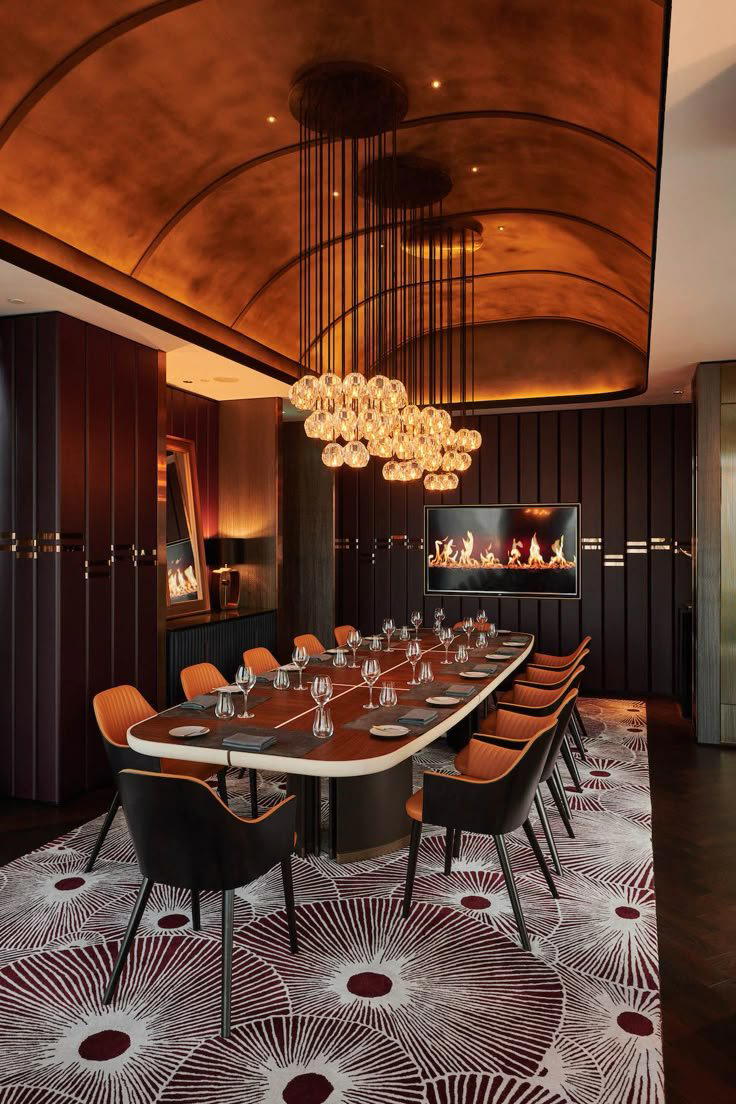
Bars in Hangzhou
All bars in Hangzhou →
Details
- Quiet
- Elegant
- Intimate
- Sophisticated
- Scenic
- Date Night
- Special Occasion
- Garden
- Sake Program
- Garden
- Tasting Menu
Current opening hours
- Monday
- 10 AM–9:30 PM
- Tuesday
- 10 AM–9:30 PM
- Wednesday
- 10 AM–9:30 PM
- Thursday
- 10 AM–9:30 PM
- Friday
- 10 AM–9:30 PM
- Saturday
- 10 AM–9:30 PM
- Sunday
- 10 AM–9:30 PM
Hours can change for holidays and private events. Hours as of .
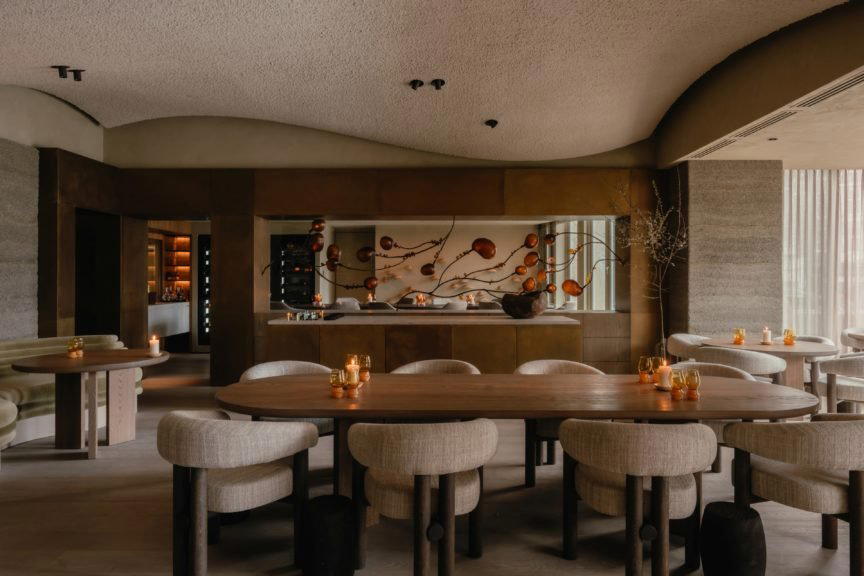
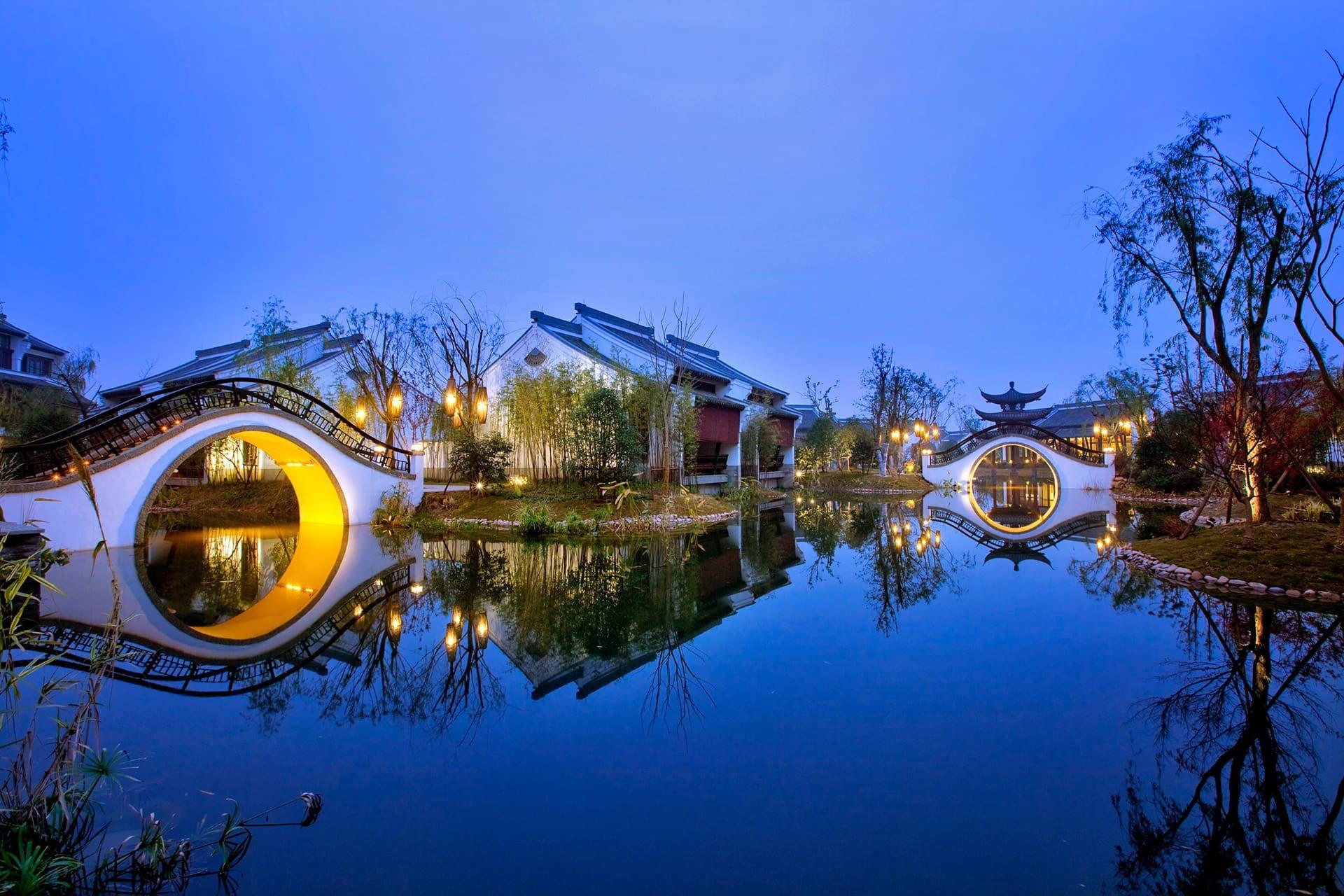
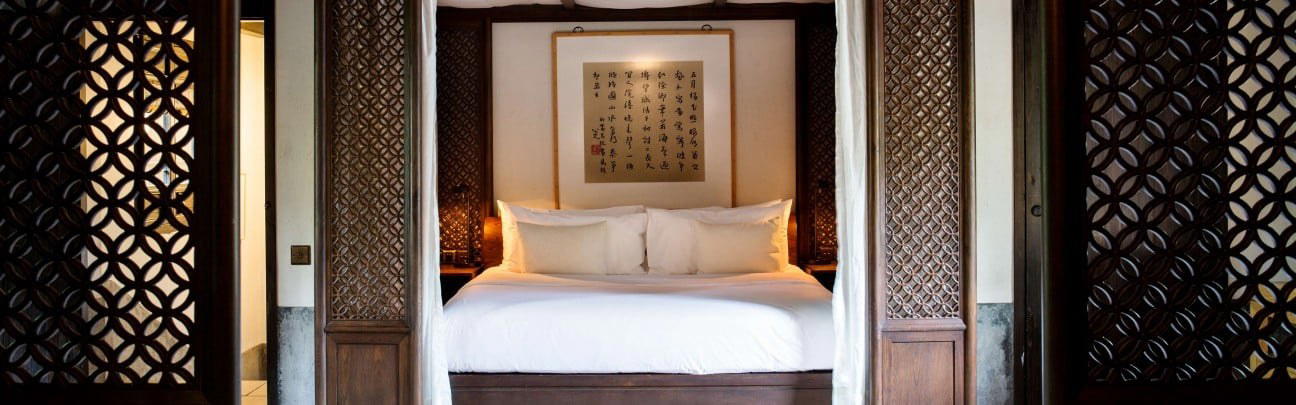
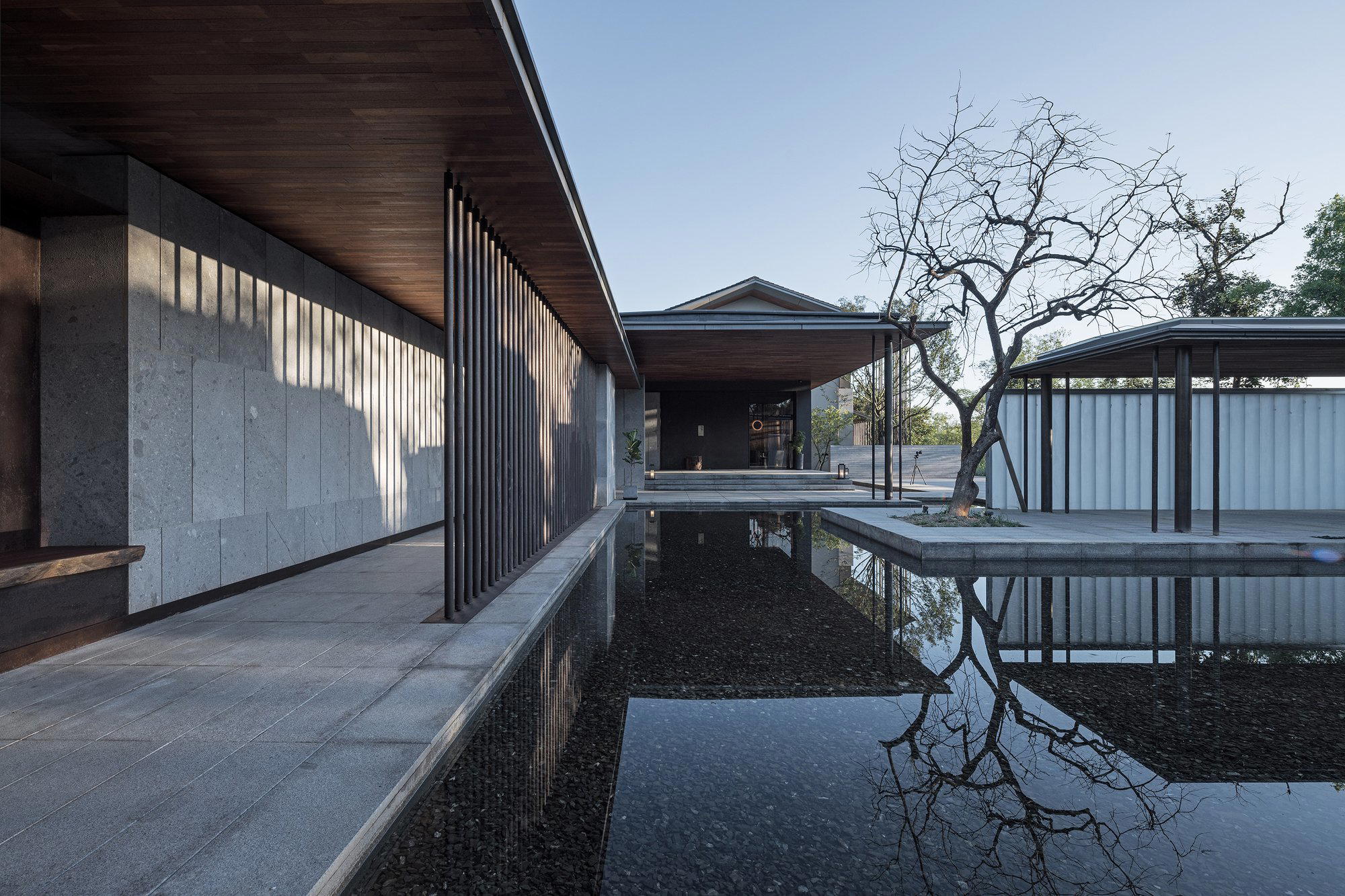
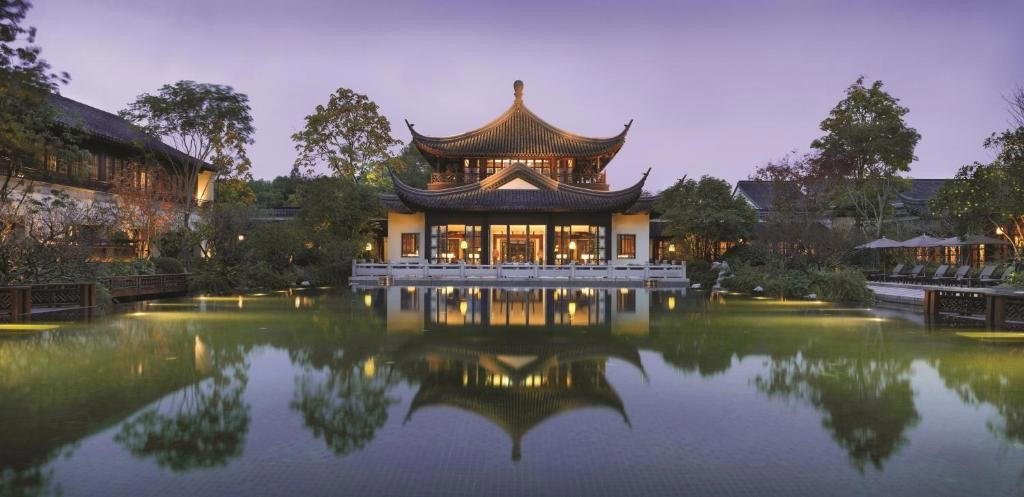
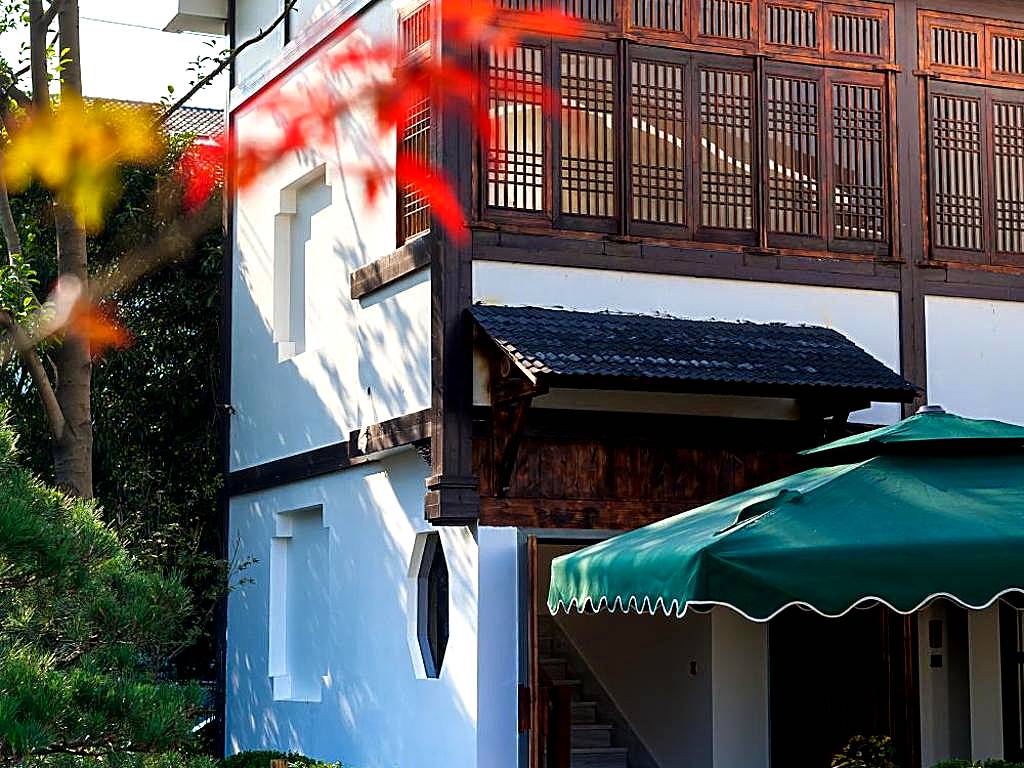
Subdued lighting, natural materials, minimal ornamentation, Zen room with flowers and trees, secluded dry landscape garden atmosphere.