
A Michelin Plate-recognised dim sum address on Zhongshan South Road, Pan Fang Chun operates at the accessible end of Hangzhou's recognised dining tier, where the city's canal-district food culture meets a format built around shared plates and incremental ordering. Consecutive Michelin Plate recognition in 2024 and 2025 places it within a small cohort of Hangzhou dim sum rooms that have drawn sustained critical attention.
Pearl is the En Primeur Club membership app — saves, bookings, and concierge access live there. Same editors, same standards.
- Address
- 481 Zhongshan S Rd, Shangcheng District, Hangzhou, Zhejiang, China, 310002
- Phone
- +86 151 6832 5020
- Directions
- Get directions
 Saves & bookings on Pearl
Dim Sum on Zhongshan South Road: Where Hangzhou's Canal District Meets a Recognisable Format
Zhongshan South Road runs through the Shangcheng District with the weight of accumulated civic habit: old residential blocks giving way to tea houses, snack counters, and restaurants that have served the neighbourhood for decades before any guide took notice. The street's food character is dense and layered, the kind of stretch where a single building might house three different registers of eating across its floors. Pan Fang Chun sits on this stretch at number 481, and the physical setting matters: arriving on Zhongshan South Road, you are not stepping into a destination-dining precinct but into the working grain of Hangzhou's most historically dense southern quarter. That context is not incidental to the experience, it is the frame through which the food reads.
Dim sum as a format has a complicated relationship with sustainability, and that tension plays out differently across Chinese cities. The Cantonese yum cha tradition from which mainland dim sum broadly descends was built around restraint and seasonality in ways that the mid-century industrialisation of the format largely eroded. In Hangzhou, the dim sum room sits at an interesting intersection: the city's Zhejiang culinary identity prizes freshness, light seasoning, and ingredient integrity in ways that align more naturally with lower-waste cooking than the heavier Cantonese dim sum canon further south. Small portions, incremental ordering, and a format that discourages the excess typical of banquet dining all position the dim sum room as a structurally lower-impact format than a multi-course banquet at comparable price points. Whether any given kitchen pursues this consciously varies, but the format itself carries those tendencies.
Michelin Recognition and What It Signals at This Price Point
Pan Fang Chun has received consecutive Michelin Plate recognition in 2024 and 2025. The Plate designation functions differently depending on the price tier it accompanies. At the ¥ price range, the lowest tier in the Michelin system, a Plate signals something specific: a kitchen maintaining consistent standards without the premium pricing that often insulates quality from scrutiny. In Hangzhou's dim sum category, that combination is relatively uncommon. Most critically acknowledged dim sum rooms in eastern China price into the ¥¥ or ¥¥¥ tier; Pan Fang Chun's position at the accessible end of the spectrum makes its Michelin visibility more pointed, not less.
For comparison within the city's broader dining scene, Ru Yuan (Zhejiang) operates at the ¥¥¥¥ end of Zhejiang cuisine, while Guiyu (Xihu) (Zhejiang) and Ambré Ciel (Innovative) pitch to diners with higher per-cover budgets. Pan Fang Chun's ¥ positioning sits closer to neighbourhood institutions like Hui Xin Xiao Chi Dian and Xiao Lao Hun Tun, both of which operate in Hangzhou's snack and street-food register. The distinction is that Pan Fang Chun occupies a more structured sit-down format with guide recognition to match.
Dim Sum in Eastern China: A Different Tradition Than the South
Eastern Chinese dim sum is not simply a paler version of the Cantonese tradition. The ingredient priorities differ: freshwater ingredients from the region's lakes and rivers, lighter doughs, less reliance on char siu and the cured-meat canon that dominates Guangdong dim sum rooms. In Hangzhou, proximity to West Lake has historically meant freshwater fish, lotus, and seasonal vegetables occupy a more central role in the city's food identity than they do in coastal Cantonese cooking. That regional specificity filters into the dim sum format when it is practised locally rather than replicated from a Cantonese template.
This matters because it affects the sustainability argument. Freshwater and regional produce, sourced with proximity in mind, has a different supply-chain profile than the imported dried goods and standardised proteins that flow through high-volume dim sum operations in major southern cities. The format's inherent modularity, small dishes, table-level portion control, no mandatory tasting menu structure, further reduces the systemic waste that plagues larger-format Chinese restaurant dining. Across the broader circuit of recognised dim sum addresses in eastern and southern China, from Hongtu Hall in Guangzhou to Wu You Xian in Shanghai, the question of how regional identity inflects the format is increasingly relevant as diners become more attentive to provenance.
How Pan Fang Chun Fits Hangzhou's Wider Dining Map
Hangzhou's restaurant scene has developed considerable depth across price tiers in recent years, and the city now appears with enough regularity in Michelin's eastern China editions that its dining identity deserves mapping rather than surprise. The upper end of the Zhejiang cuisine category has attracted serious critical attention. Further down the price scale, the question is which kitchens maintain the rigour that guide recognition implies without the infrastructure of a large-group operation or a tourism-facing premium.
Pan Fang Chun's consecutive Plate recognition suggests a kitchen that has passed that consistency test across two inspection cycles. In the context of Xin Rong Ji (Xinyuan South Road) in Beijing or Xin Rong Ji in Chengdu, where Taizhou cuisine commands significant price premiums and national attention, a ¥-tier Plate holder in Hangzhou represents a different kind of proposition: depth without ceremony, recognisable quality without the cost of entry that now accompanies most of the city's starred addresses.
Planning Your Visit
Pan Fang Chun is located at 481 Zhongshan South Road in the Shangcheng District, one of Hangzhou's most historically grounded neighbourhoods and accessible from the city's central areas without significant travel. The ¥ price tier means the per-head cost is low by the standards of Michelin-recognised dining anywhere in China; budget accordingly for a shared format where ordering several dishes is the expected mode of eating. Confirm current hours and booking arrangements before you go. Comparison venues operating at higher price points, such as Chef Tam's Seasons in Macau, Imperial Treasure Fine Chinese Cuisine in Guangzhou, or Dai Yuet Heen in Nanjing, offer reservation infrastructure that lower-priced, neighbourhood-facing addresses often do not replicate. At 102 House in Shanghai, the format is similarly intimate; the lesson from that comparable set is that smaller, accessible addresses reward early arrival or advance enquiry over assumptions of availability.
Cuisine Lens
Comparable venues nearby, for context on price, style, and recognition.
| Venue | Cuisine | Price | Awards | Notes |
|---|---|---|---|---|
| Pan Fang Chun (Zhongshan South Road)This venue — the venue you are viewing | Traditional Zhejiang Dim Sum | $ | Michelin Plate | Not listed |
| Fu Quan Shu Yuan | Zhejiang Vegetarian | $$ | Michelin Plate | Yuhangxian |
| De Ming Fan Dian | Traditional Hangzhou Cuisine | $$ | Michelin Plate | Xiaoshanshi |
| 桂语家面 | Handmade Chinese Noodles | $ | Not listed | 西湖区满觉陇 |
| Hui Xin Xiao Chi Dian | Dim Sum | $ | Bib Gourmand | Hangzhoushi |
| Ming Kitchen | Refined Zhejiang Dim Sum | $$$ | Michelin Plate | Hangzhoushi |
Recognition history
Dated appearances from independent guides and award organizations, with the underlying list record or original source where available.
Michelin Plate
Michelin
Michelin Plate
Michelin
At a Glance
- Classic
- Cozy
- Casual Hangout
- Open Kitchen
- Local Sourcing
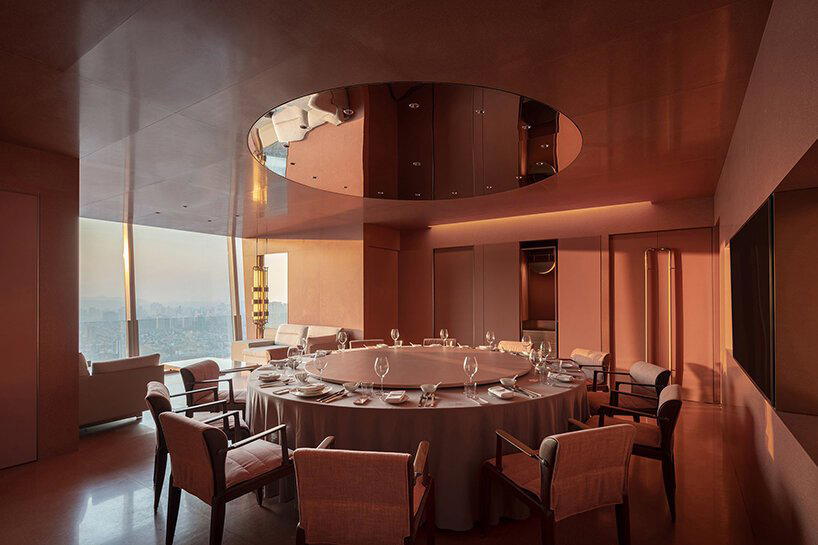
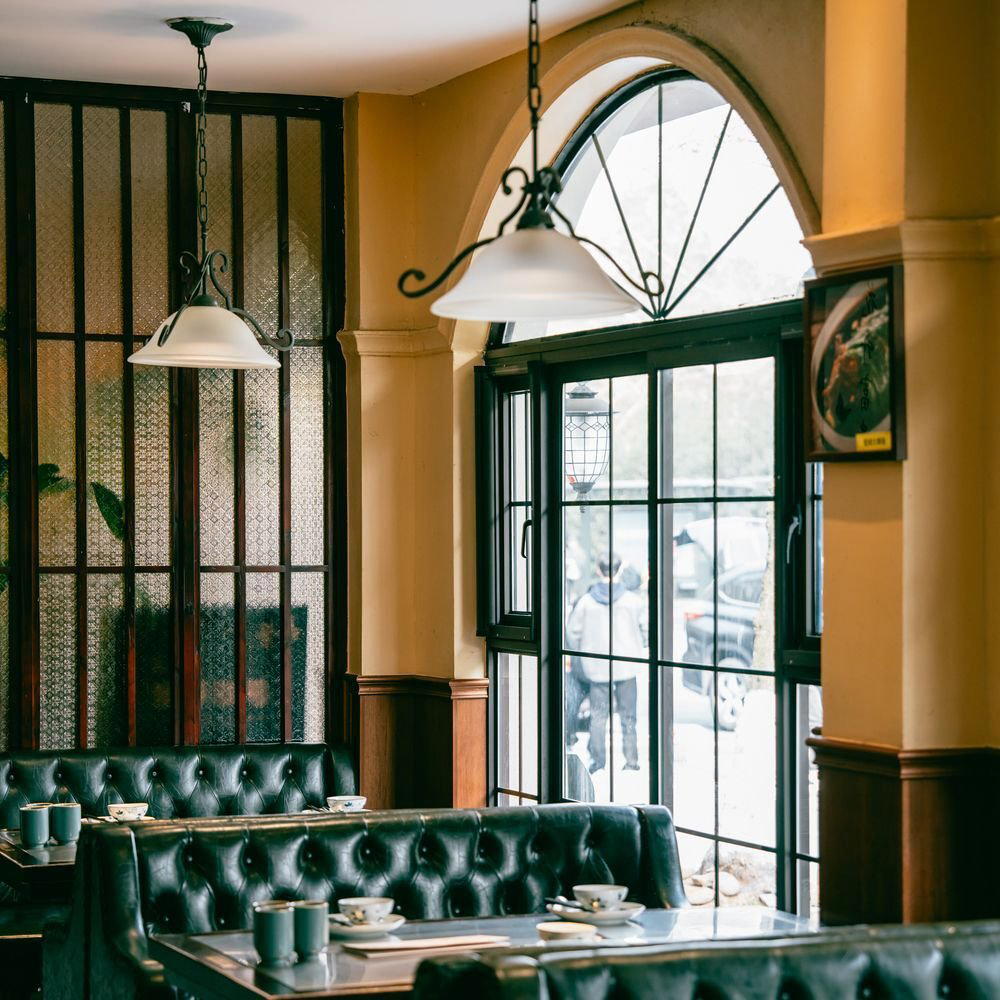
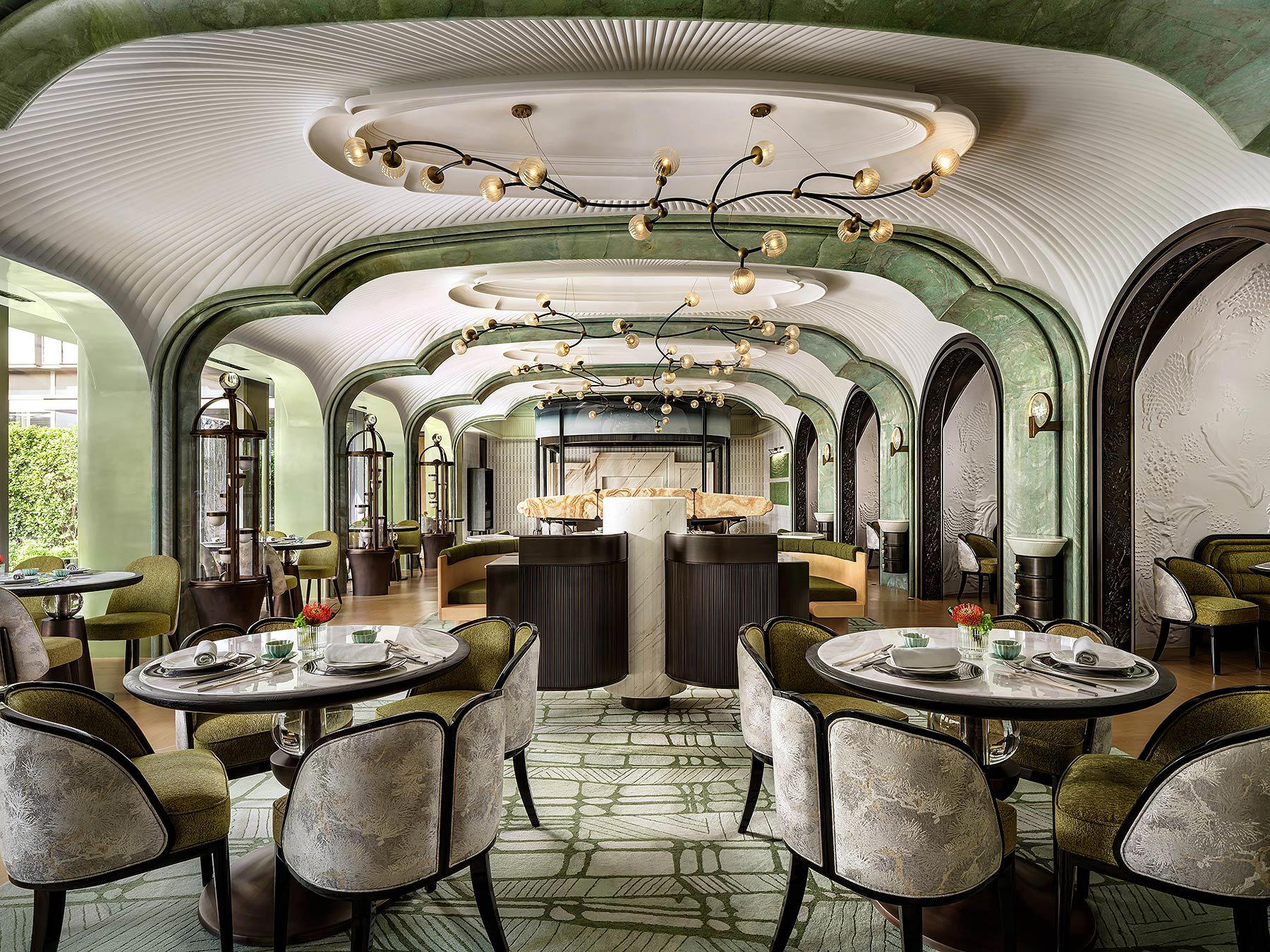
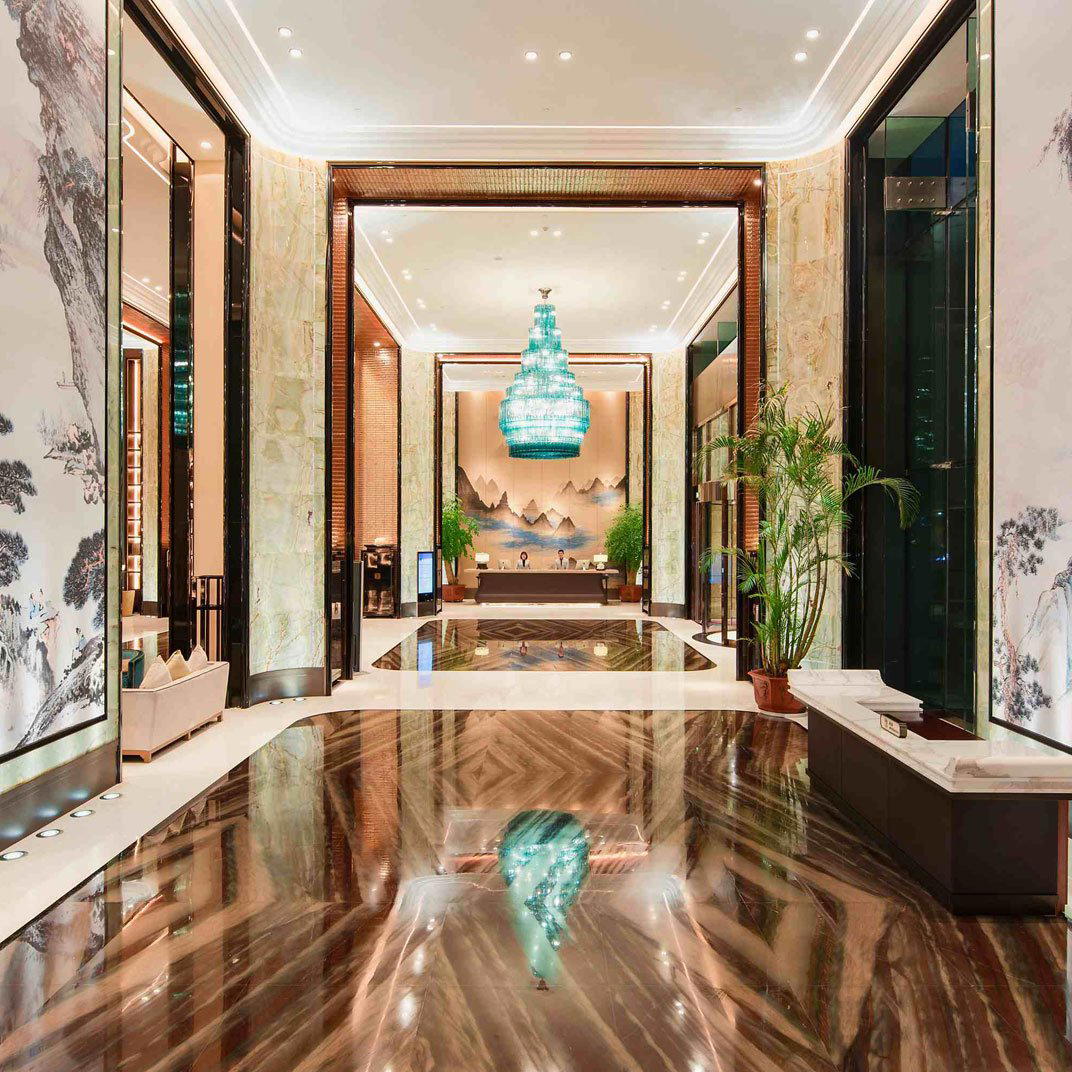
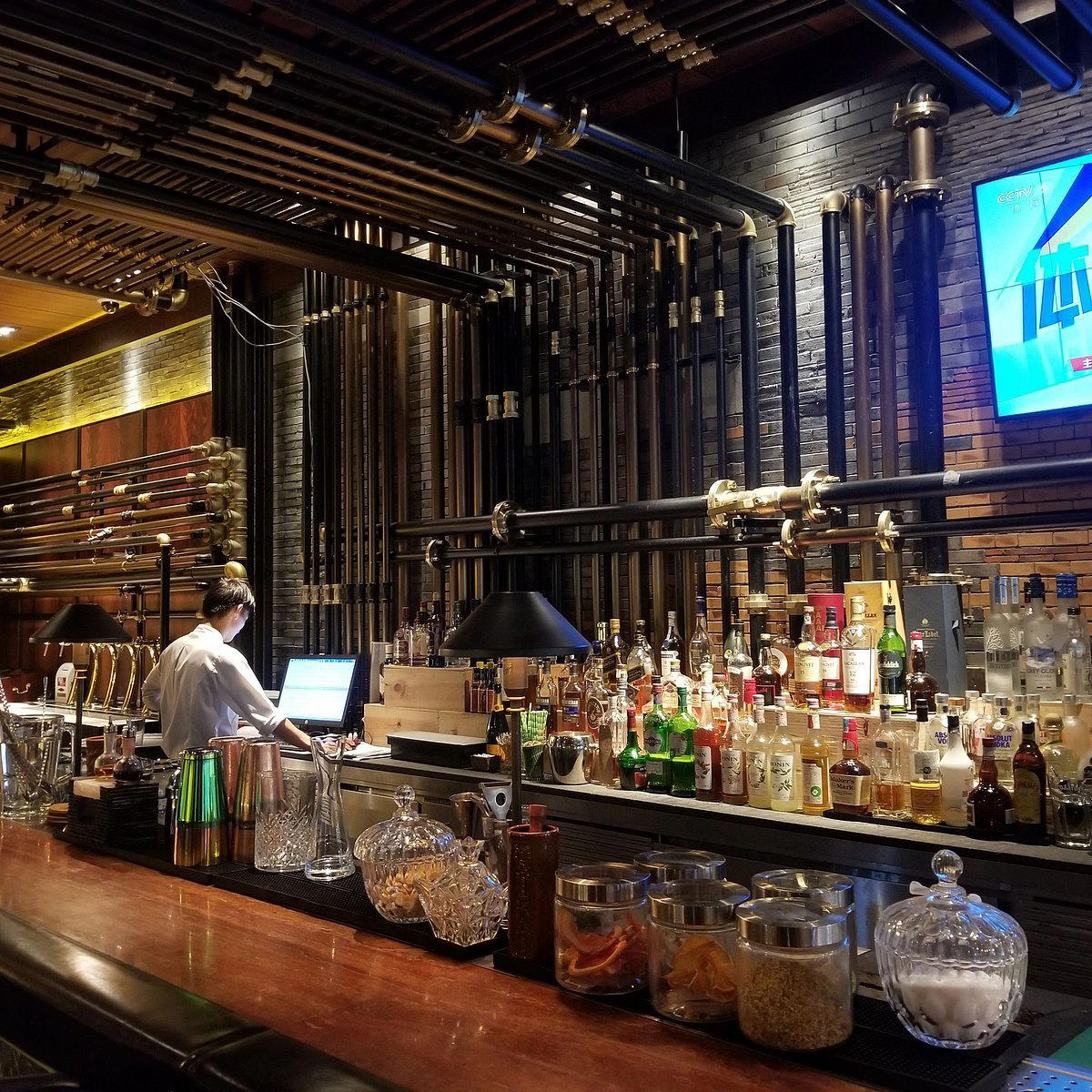
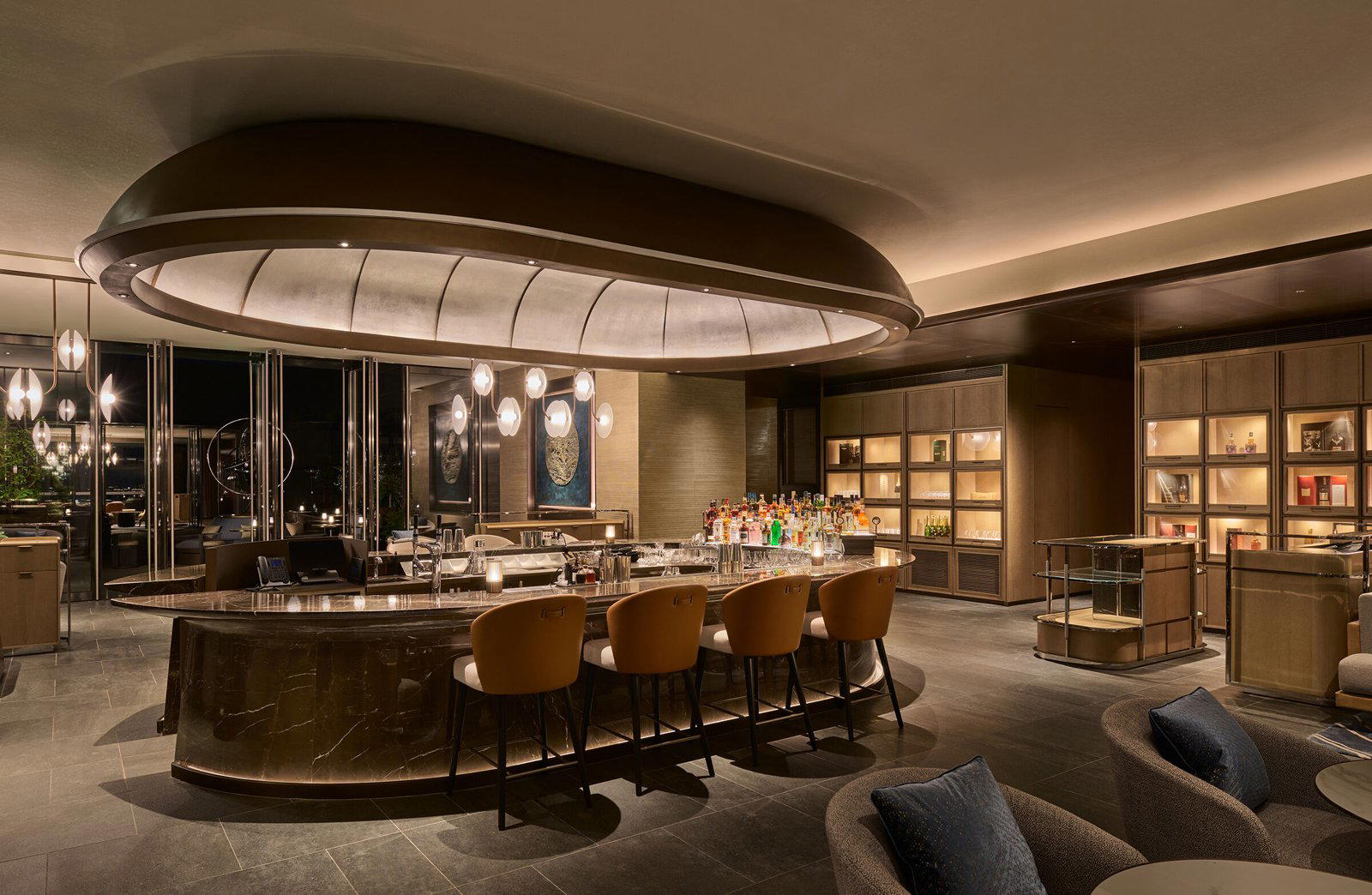
Crisp and bustling with stainless-steel gleam, steam from bamboo baskets, and the sizzle of dumplings on the griddle; compact, convivial seating with open kitchen views.