Han Chu Fried Chicken
Han Chu Fried Chicken represents Seoul's commitment to elevating a beloved Korean comfort staple into something worth seeking out. Set against a city where fried chicken shops number in the tens of thousands, Han Chu operates in a more considered register, offering a pairing-minded approach that positions it closer to a casual dining destination than a standard chimaek counter. A useful starting point for understanding Seoul's fried chicken scene at its more thoughtful end.
Pearl is the En Primeur Club membership app — saves, bookings, and concierge access live there. Same editors, same standards.
- Address
- Seoul, South Korea
- Directions
- Get directions
 Saves & bookings on Pearl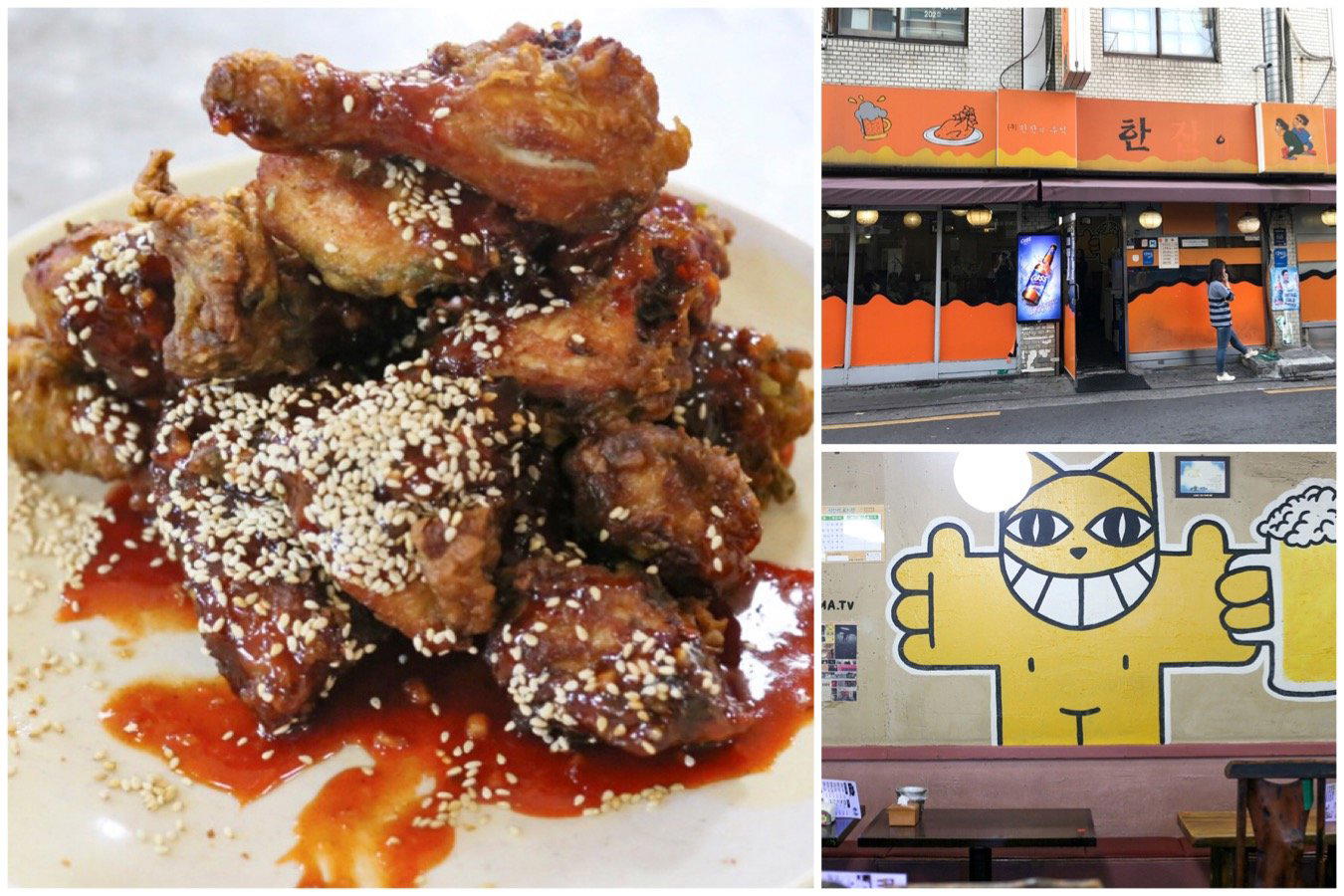
Seoul's Fried Chicken Scene and Where Han Chu Fits
Seoul has somewhere in the vicinity of 87,000 fried chicken restaurants. The city's relationship with chimaek — fried chicken paired with beer, typically cold lager or, increasingly, craft ale — has evolved well beyond the late-night delivery staple it once was. In the past decade, a smaller cohort of chicken-focused spots has pushed toward a more considered format: tighter menus, a more deliberate approach to crust technique, and an actual interest in what you drink alongside. Han Chu Fried Chicken sits within that more intentional tier, operating in a city where the baseline is already high and differentiation requires specificity rather than novelty.
For international visitors arriving from cities where fried chicken is either fast food or fine-dining theatre, Seoul's mid-register chicken culture can be disorienting in the leading way. The category here resists easy mapping onto Western dining structures. A well-regarded Seoul chicken spot is not a casual throwaway meal, nor is it performing the refined-comfort-food routine that has become tired in New York and London. It occupies its own category, and Han Chu is worth understanding in those terms.
The Drink Pairing Question in Seoul's Chicken Culture
The editorial angle that distinguishes Han Chu from the broader field is the question of what to drink. Most chimaek counters default to domestic lager, OB, Hite, Cass, which functions well enough as a palate cleanser between pieces of hot, oil-forward chicken. A smaller number of venues have begun taking the pairing question more seriously, and this is where Han Chu's position in the scene becomes relevant.
Korean craft beer has matured considerably since the mid-2010s licensing changes that allowed small-batch production to scale. Breweries such as Magpie, The Booth, and Craftworks have shifted the conversation, and Seoul's better chicken spots increasingly stock product from this wave. The question of whether a venue treats its drinks list as a curatorial exercise or a logistical afterthought tells you a great deal about how seriously it takes the full experience. At the more deliberate end of the spectrum, you find venues that think about carbonation level, bitterness, and weight in relation to the crust style on offer, whether that's a double-fried yangnyeom-glazed piece or a cleaner, salt-seasoned variety.
Soju and makgeolli also remain in play. Makgeolli in particular, with its mild acidity and low carbonation, pairs against the richness of fried food in a way that lager cannot replicate, and its resurgence among younger Seoul diners has given venues another pairing lane to work with. A chicken spot that stocks a range of makgeolli producers, rather than a single supermarket brand, is signalling something about its approach to the overall experience.
How to Read the Fried Chicken Menu in Seoul
Seoul chicken menus typically divide along two axes: preparation style and seasoning. The preparation question is usually between a single-fry (lighter, faster, less structural) and a double-fry (crisper crust, longer hold time, better for bone-in pieces). The seasoning axis runs from plain salted through to yangnyeom, the sticky-sweet-spicy glaze that has become the format most recognisable to international visitors, to more contemporary variations involving soy-garlic, honey butter, or regional spice profiles.
The better venues in Seoul's considered chicken tier tend to have opinions about sourcing, breed, feed, and processing, because these factors affect moisture retention and the behaviour of the skin during frying. This is the same logic that separates a serious rotisserie chicken in Paris from a supermarket bird, and it applies here with equal force. When a venue signals sourcing specificity, it is also signalling that the menu is built around a product argument, not just a flavour-delivery mechanism.
Seoul's Fine Dining Context and the Street-Level Counterpoint
It is worth situating Han Chu against the broader Seoul dining picture. Innovative formats at places like Soigné and alla prima have pushed Korean-rooted cooking into conversation with the kind of work being done at Atomix in New York. But Seoul's culinary confidence has always rested as much on its street-level and casual formats as on its tasting menu tier, and fried chicken is one of the clearest expressions of that confidence.
The gap between a leading Seoul chimaek spot and a leading Seoul fine dining restaurant is not a gap in seriousness, it is a gap in register. Both can be done with precision, sourcing intelligence, and a genuine understanding of what makes a dish work.
Korea's regional food scene offers additional context. The island province's BBQ culture, represented by spots like Black Pork BBQ in Seogwipo and 88돼지 in Jeju, shows how a single protein-and-fire format can develop genuine regional identity. Seoul's fried chicken culture follows a similar logic, highly localised, technique-driven, and resistant to easy export.
Planning a Visit
Visitors to Seoul exploring the chicken scene beyond Han Chu would do well to build an itinerary that spans the city's range, from the galbi counters of Suwon (see Gobojeong Galbi and Doosoogobang) to the more contemporary formats in central Seoul. For a fuller picture of what the city offers across dining styles, our full Seoul restaurants guide maps the scene by neighbourhood and price tier. Those extending to Busan might find the dining character at Mori or the format at Dining Room worth adding. For Jeju detours, Badang Lounge and Hinode represent the island's more considered end, while Hwangnam Bread and Busan Steamed Bun and Gyeongju Wonjo Kongguk show what Gyeongju does with its own local staples.
Seoul's chicken spots in this tier tend to fill quickly on weekend evenings, and walk-in availability varies considerably by day and time.
A Quick Peer Check
| Venue | Cuisine | Price | Awards |
|---|---|---|---|
| Han Chu Fried ChickenThis venue — the venue you are viewing | This venue | Not listed | Not listed |
| 7th Door | Korean, Contemporary | ₩₩₩₩ | Michelin 1 Star |
| Eatanic Garden | Contemporary | ₩₩₩₩ | Michelin 1 Star |
| Onjium | Korean | ₩₩₩₩ | Michelin 1 Star |
| L'Amitié | French | ₩₩₩ | Michelin 1 Star |
| Zero Complex | Korean-French, Innovative | ₩₩₩₩ | Michelin 1 Star |
At a Glance
- Lively
- Energetic
- Casual Hangout
- After Work
- Late Night
- Beer Program
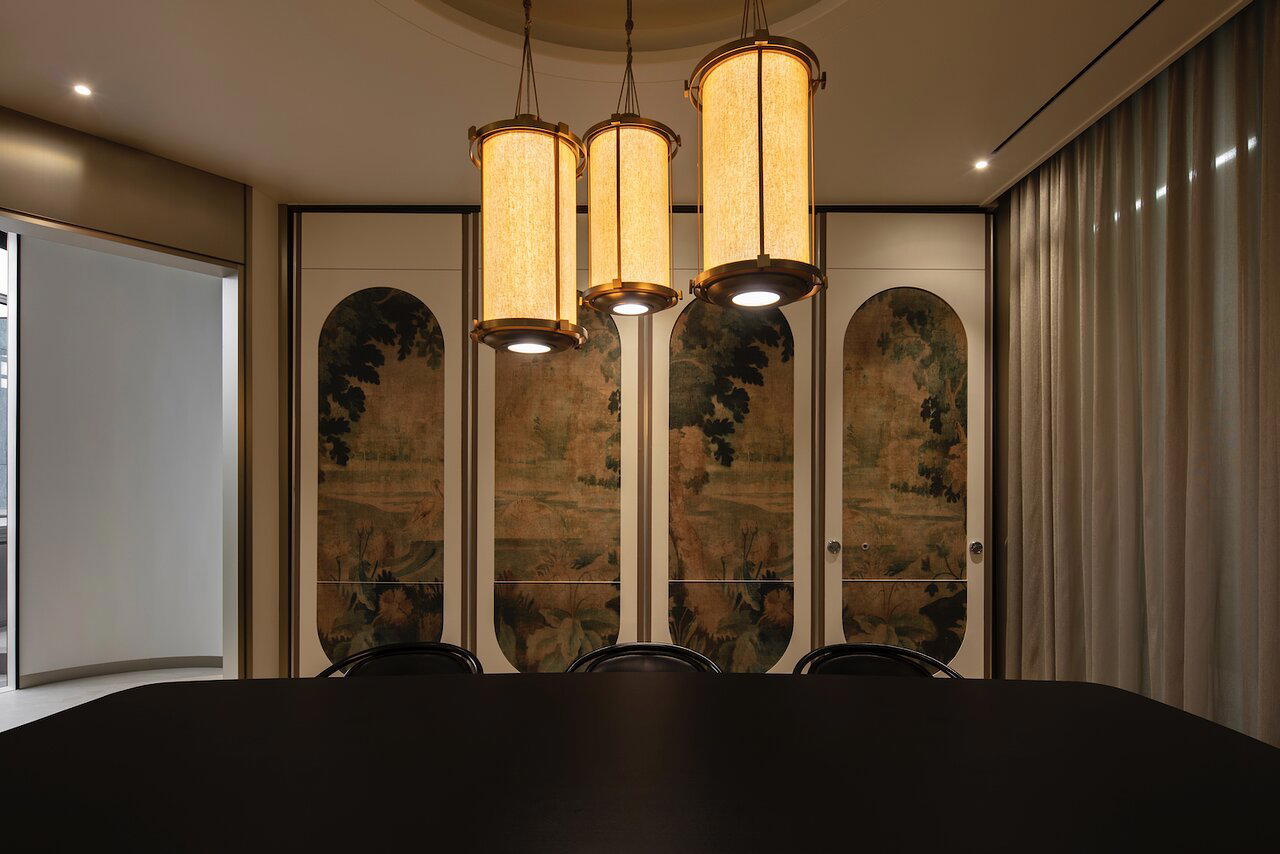
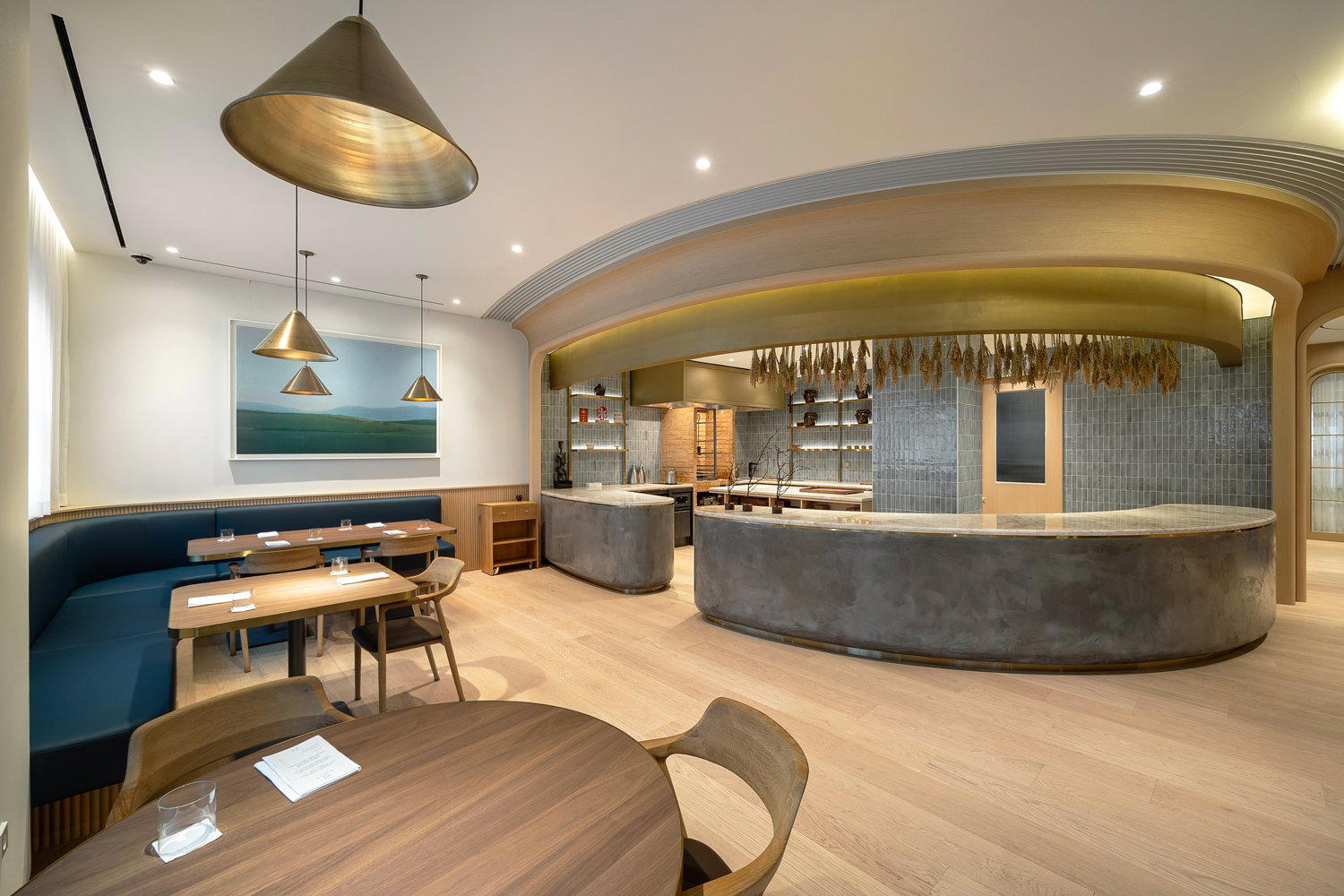
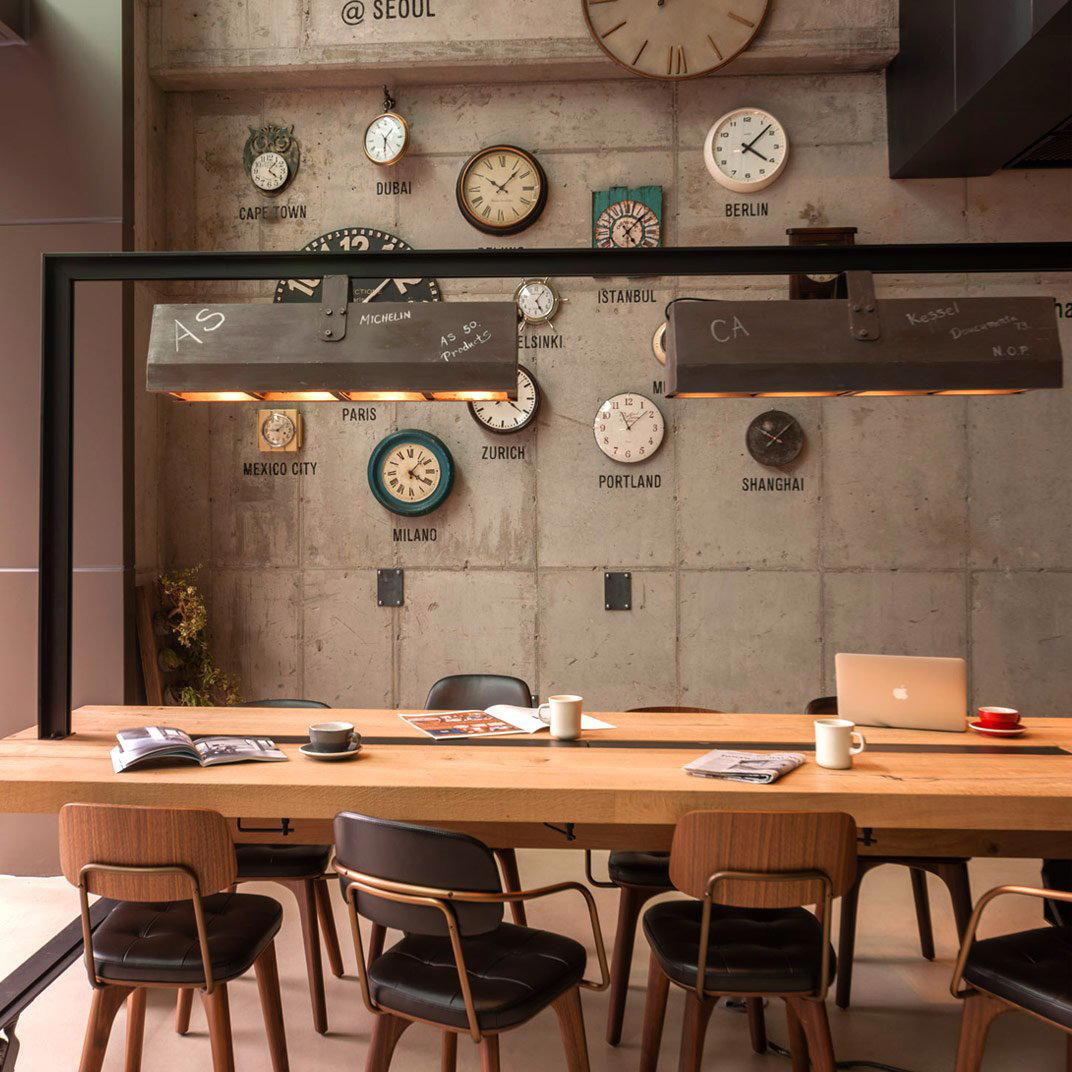
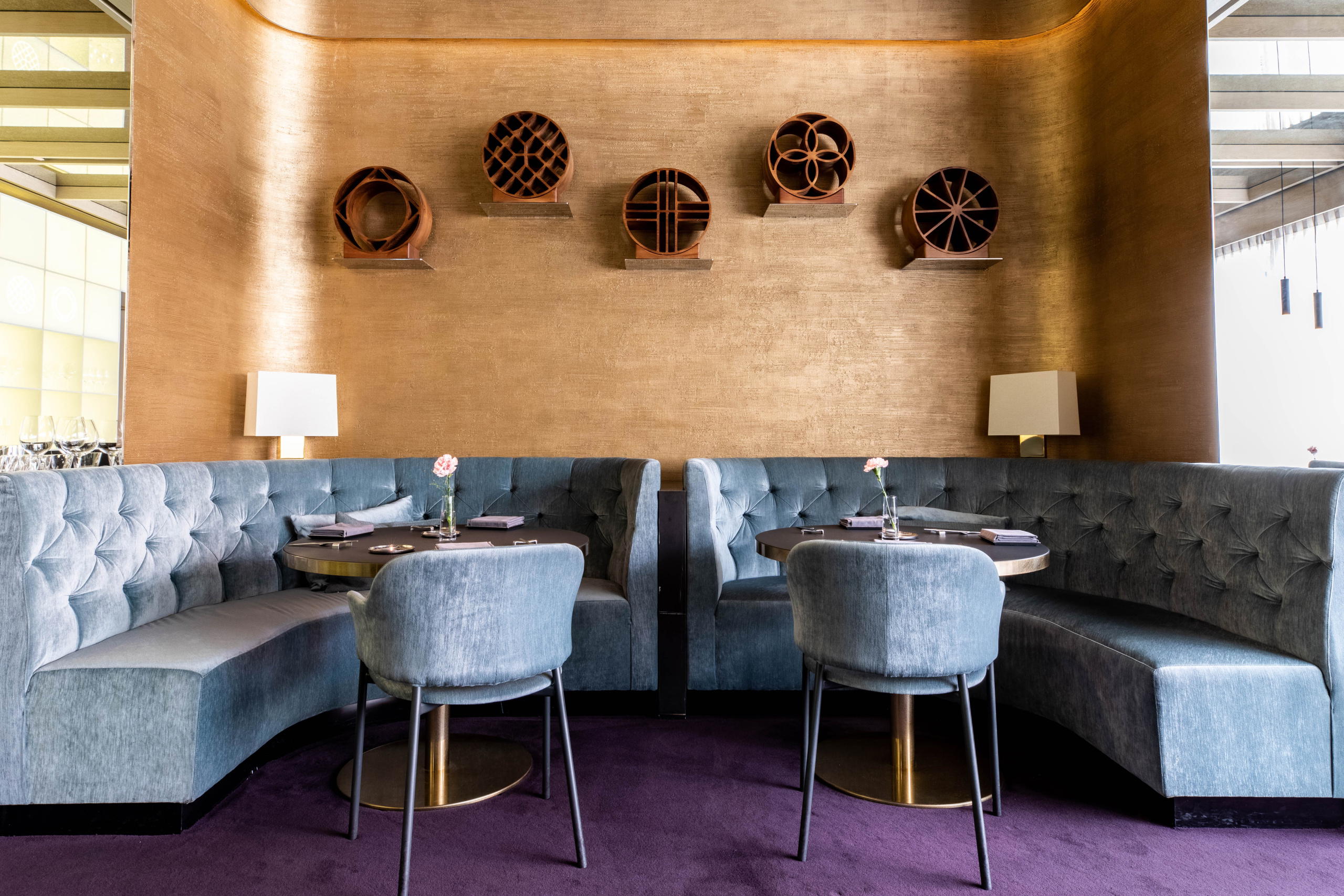
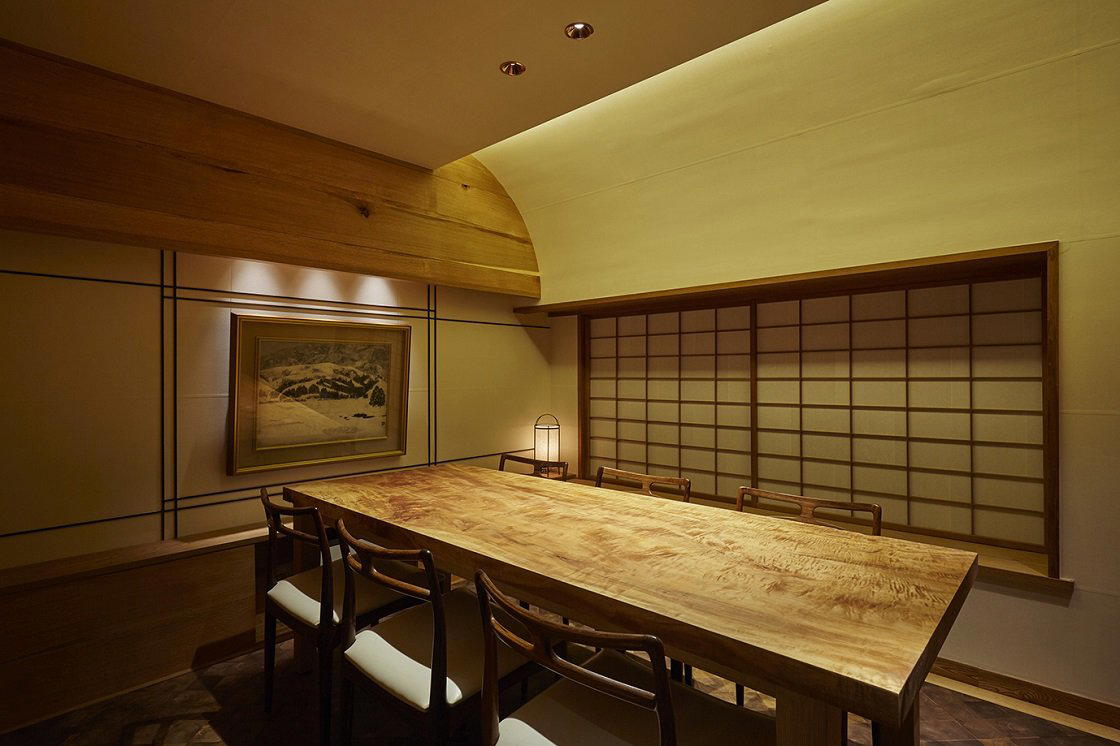
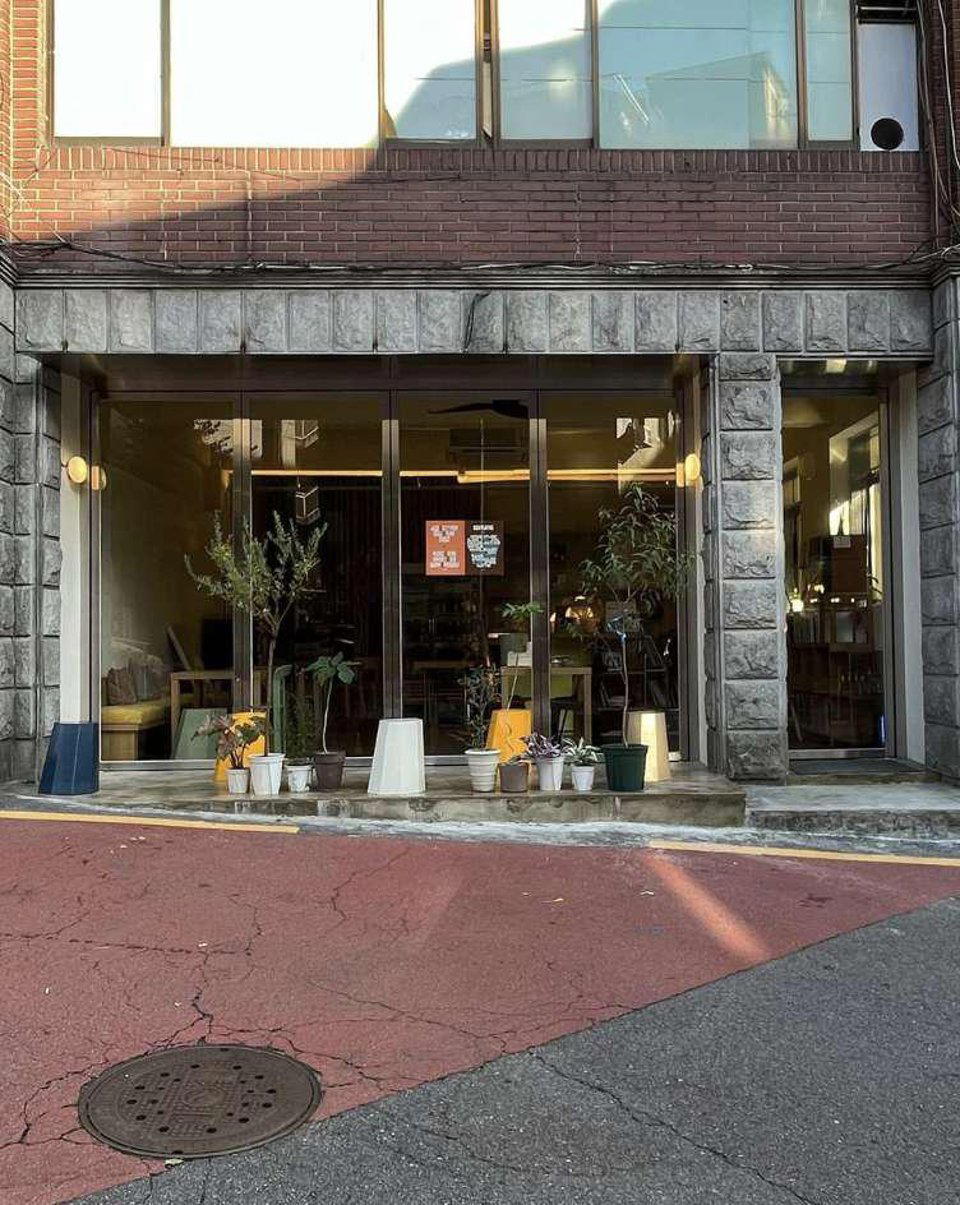
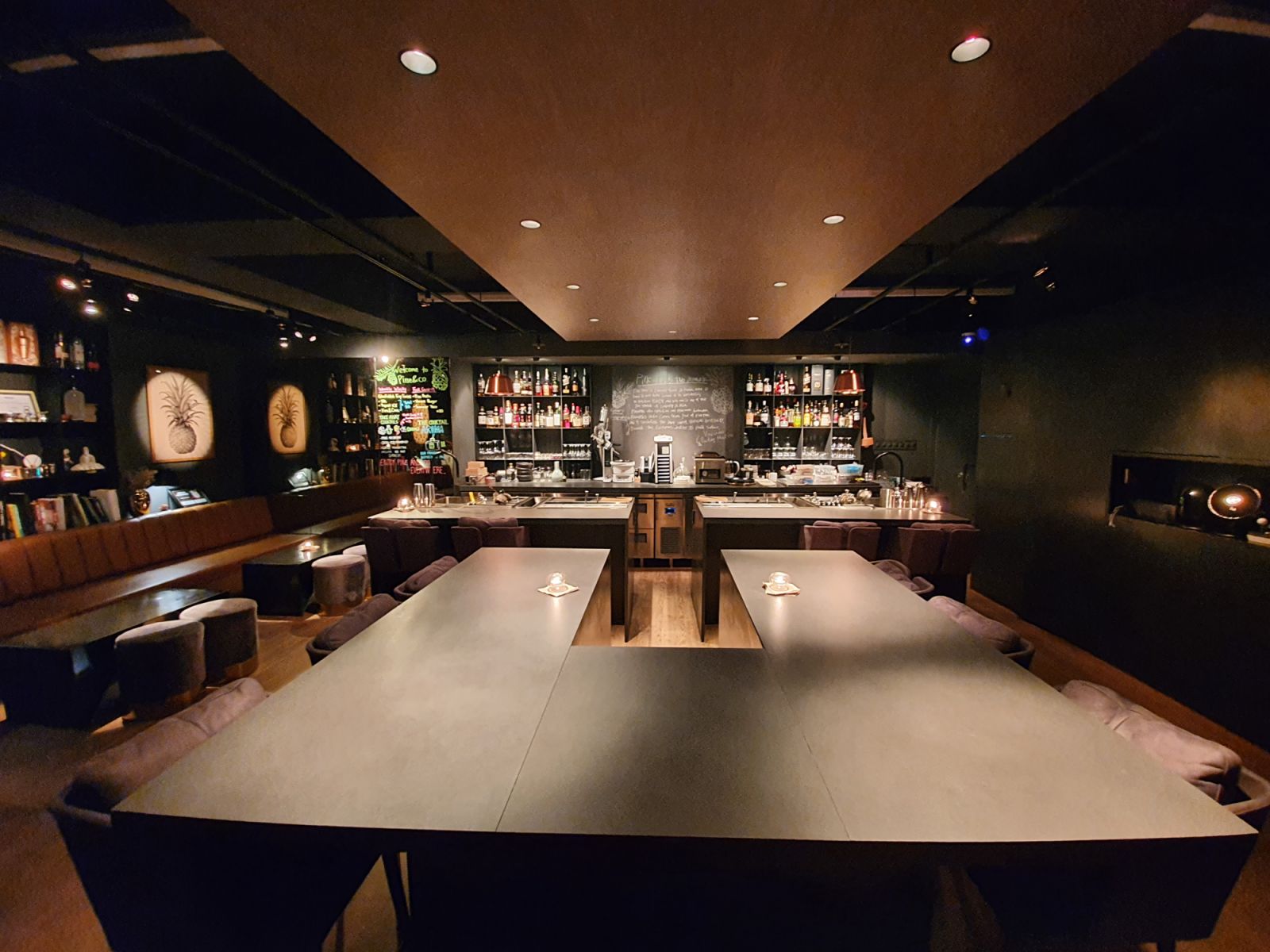
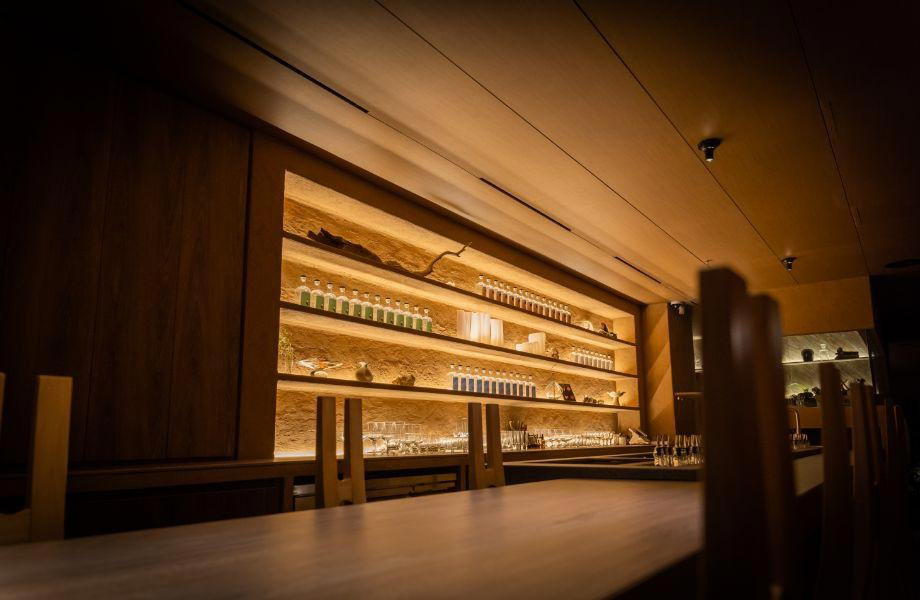
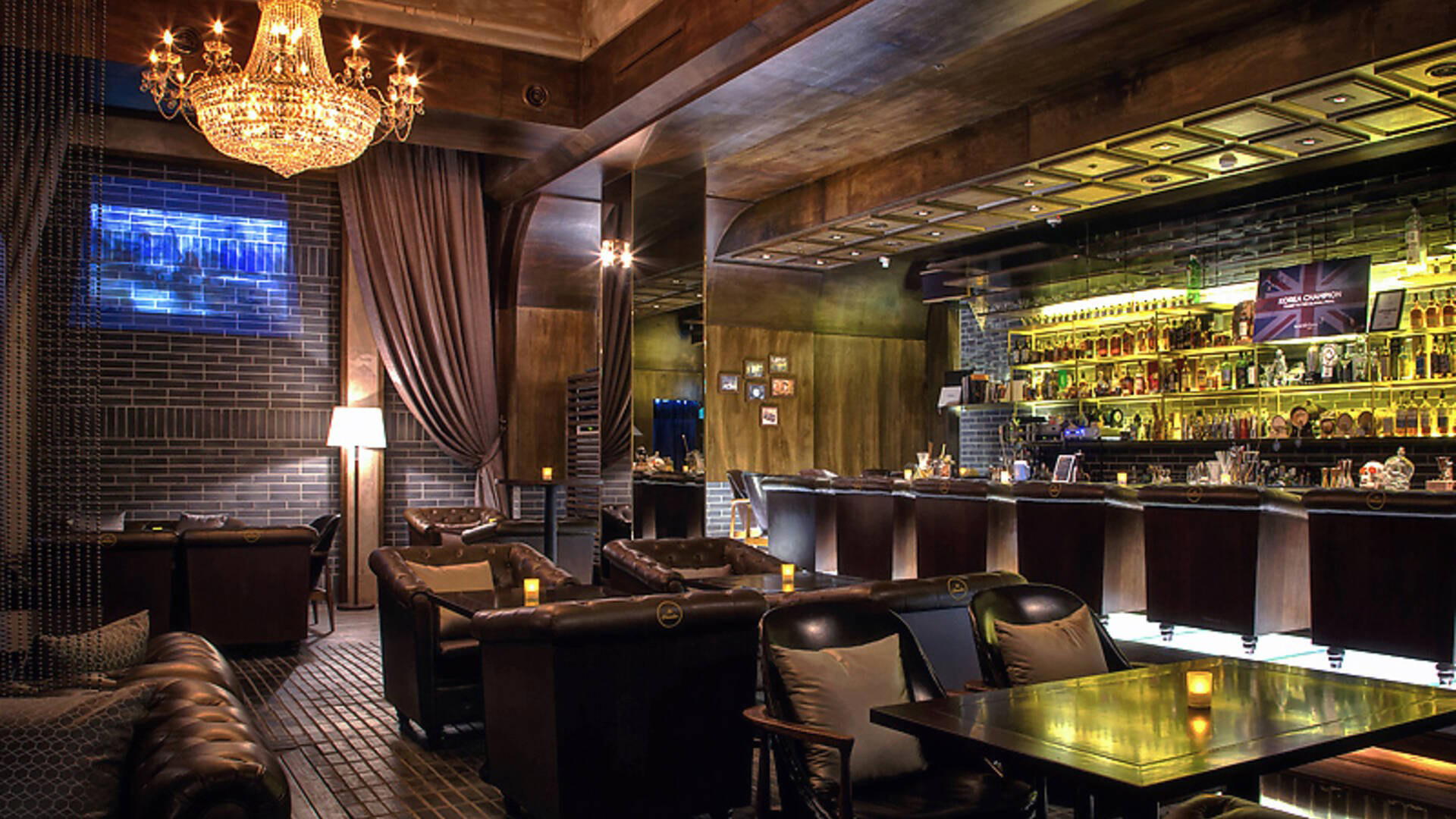
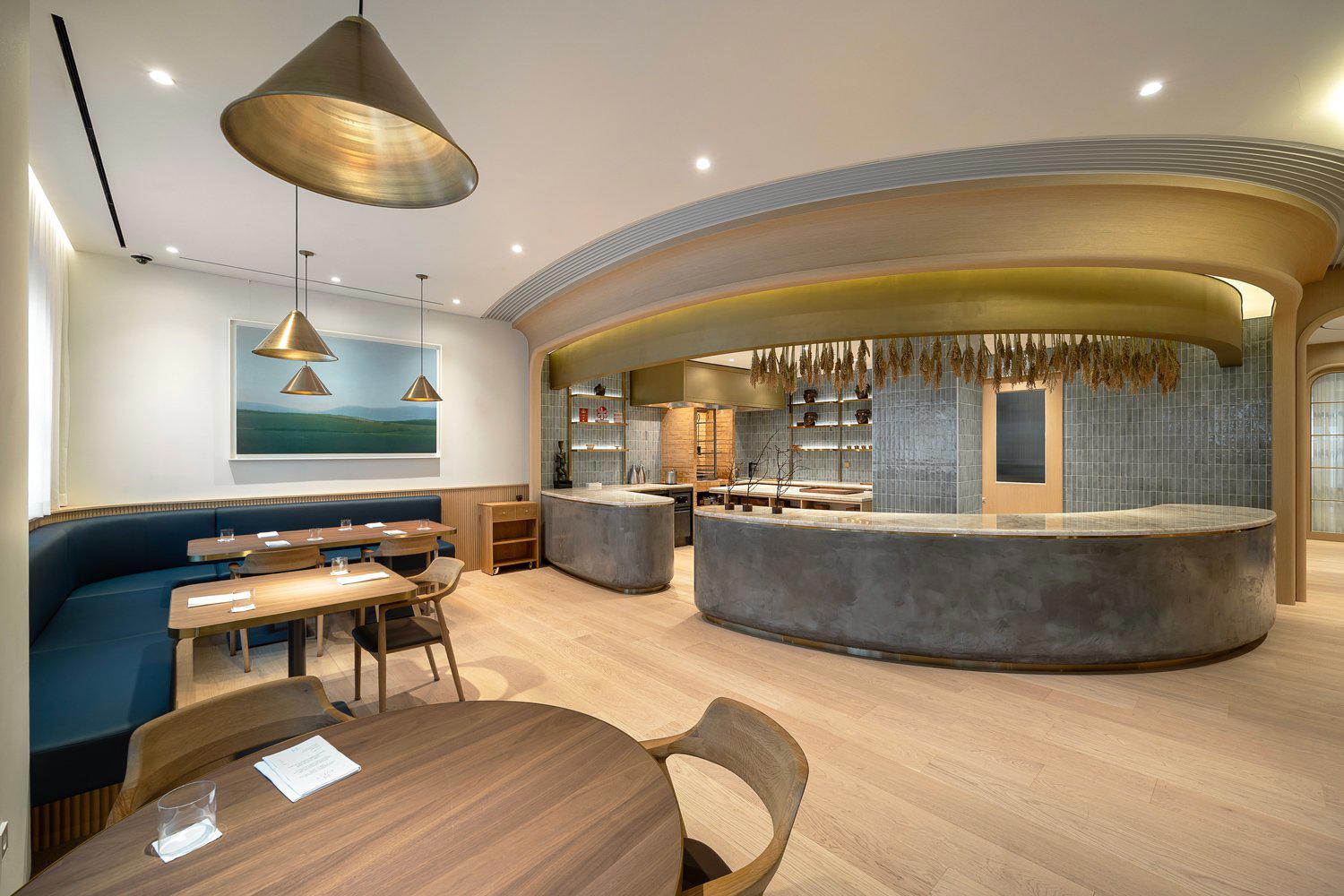
Kinetic and crowded atmosphere with a casual, no-frills interior focused on lively post-work beer and fried chicken sessions.