Our verdict
Hako Ramen serves Authentic Japanese Ramen at Oberanger 28 in Munich, with Miso Ramen, Tantan Ramen, and Gyoza, plus a sake program for lunch or dinner.

Pearl is the En Primeur Club membership app, where members save venues, book tables and use the concierge.

Munich's appetite for Japanese cooking has grown steadily over the past decade. The city now supports a range of formats, from the kaiseki-influenced tasting menus at Tohru in der Schreiberei, which blends Modern German and Japanese traditions at the fine-dining tier, to more casual counter formats in the inner districts. Ramen sits at the approachable end of that spectrum, but the category carries its own internal hierarchy: broth clarity, noodle texture, fat emulsification, and topping balance are all legible to anyone who has eaten seriously in Tokyo or Osaka. The standard is portable even when the address is Bavarian.
The Space Itself
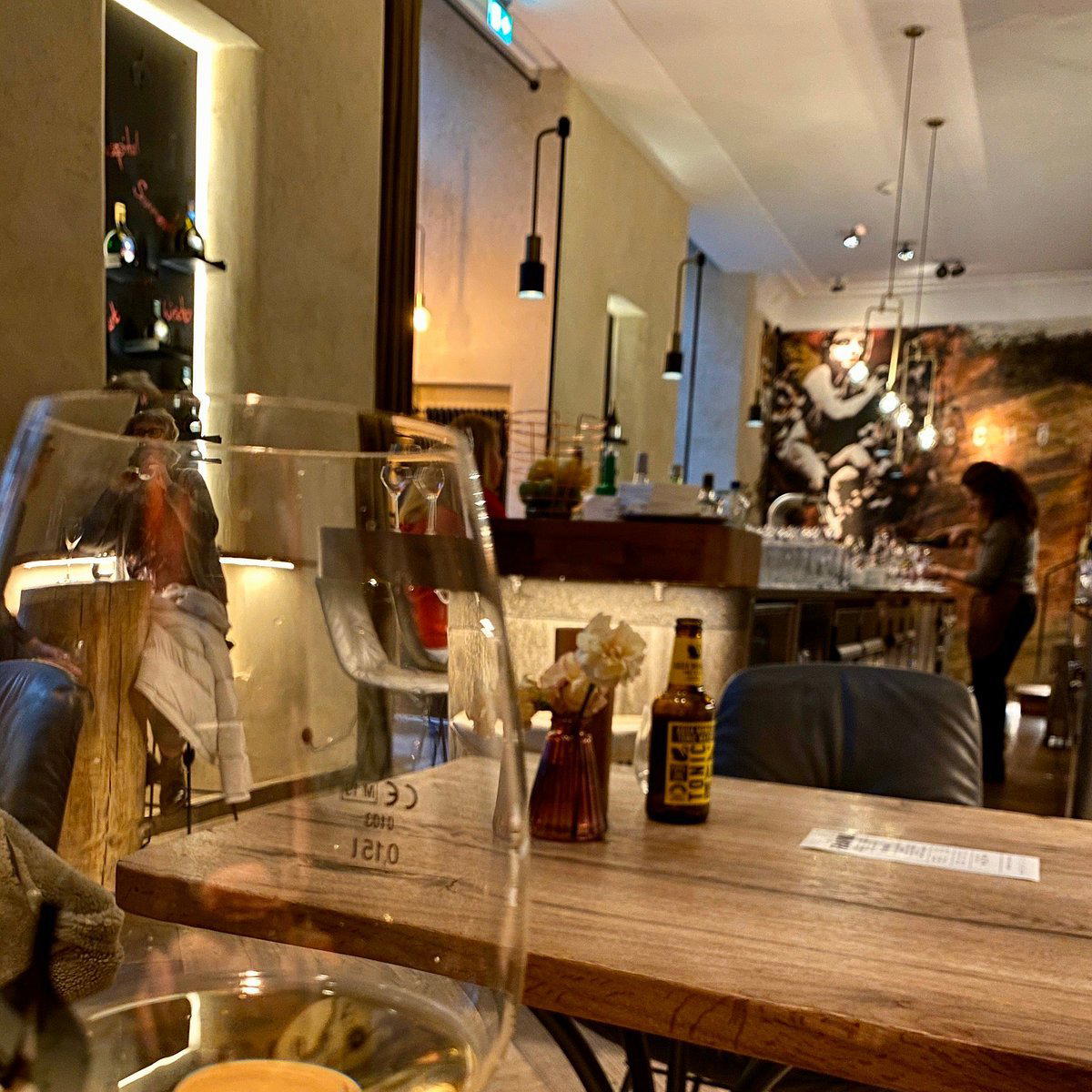
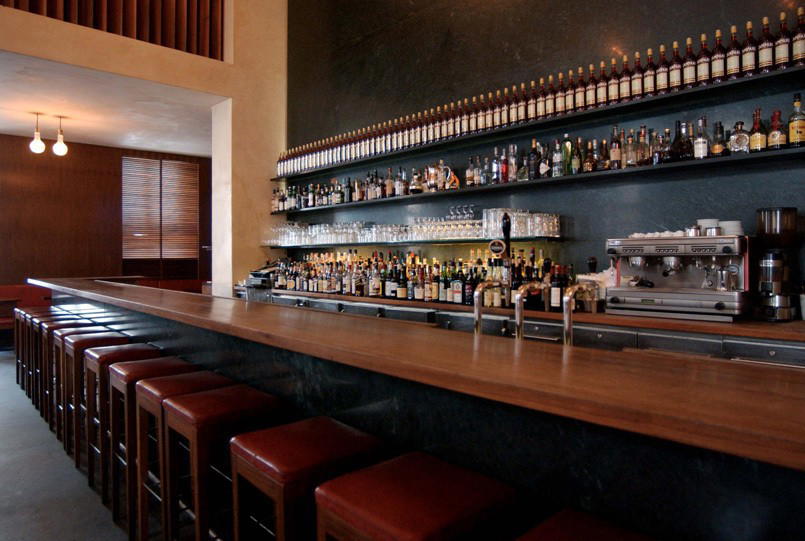
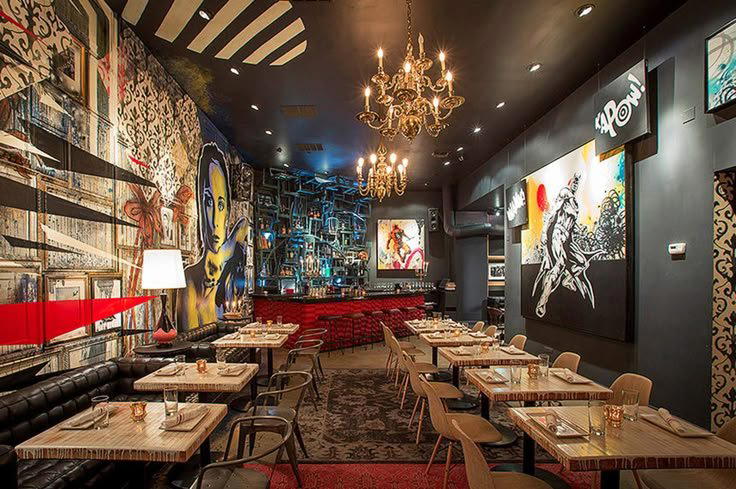
The design language that has come to define serious ramen shops in Japan and across Europe tends toward compression: low ceilings, tight seating, surfaces that absorb steam and noise without becoming oppressive. Counter seating, where it exists, puts the diner in proximity to the kitchen's rhythm, the hiss of broth, the pull of noodles from water. Whether Hako Ramen's interior follows this template closely or departs from it is not something the available record allows a precise account of, but the address and format signal a relatively compact, focused space rather than a large-volume dining room. In a city where grand restaurant architecture runs toward the baroque, think the historic rooms at Tantris or the curated grandeur of Alois - Dallmayr Fine Dining, a small ramen counter reads as a deliberate counter-statement. The point is the bowl, not the room.
This is a consistent pattern in how ramen has globalised. The format has resisted the design inflation that affects premium sushi or omakase when they travel. A well-regarded ramen shop in London, Paris, or Munich tends to look more like its Tokyo equivalent than a tasting-menu restaurant in the same city does. The discipline of the format travels with the food.
Where Ramen Sits in Munich's Dining Structure
Munich's leading restaurant tier skews heavily toward contemporary European cooking with strong French and creative influences. Atelier and JAN both operate in the creative French register, and the city's Michelin presence is concentrated in that upper tier alongside venues that have held stars for decades. German dining at the national level includes three-star kitchens like Aqua in Wolfsburg and Schwarzwaldstube in Baiersbronn, and the country's broader fine-dining conversation encompasses venues as varied as CODA Dessert Dining in Berlin, Vendôme in Bergisch Gladbach, and Victor's Fine Dining by Christian Bau in Perl. Hako Ramen is not competing in that space. It occupies a different register entirely, one where the evaluation criteria are product clarity and execution consistency rather than tasting-menu architecture or sommelier depth.
The relevant comparison set for a ramen kitchen in Munich is not the city's starred restaurants but the quality of its broader Asian dining corridor, and within that, the specific rigour of its Japanese segment. Cities that have developed a serious ramen culture, Berlin among them, show that German diners engage with the format when the broth work is credible. Munich's food spending is high by German standards, and its consumer expectations have grown as the city's international population has expanded. The broader Munich restaurant scene rewards planning: demand is high at the upper tiers, where venues like Tohru in der Schreiberei book weeks in advance, though a casual ramen counter more typically operates on a walk-in or short-lead basis. Those building a wider itinerary around German dining can cross-reference venues ranging from Waldhotel Sonnora in Dreis and Schanz in Piesport to Restaurant Haerlin in Hamburg and Bagatelle in Trier. For a full orientation to Munich's dining options across price tiers and cuisines, see our full Munich restaurants guide.
Internationally, the structural comparison for Japanese-influenced dining at different price points is instructive. In New York, venues like Atomix occupy the high-end Korean-Japanese tasting-menu register, while Le Bernardin anchors the French fine-dining end. Neither is the appropriate peer for a ramen counter, but the contrast clarifies what a format like Hako Ramen is and is not trying to do. It is trying to do one category of thing correctly, in a city that can support it.
Frequently asked questions
What should I eat at Hako Ramen?
Ramen kitchens in the Japanese tradition typically specialise in one or two broth styles, tonkotsu, shoyu, shio, or miso, and the house broth is the clearest indicator of the kitchen's priorities. Restraint in topping selection often lets the broth quality speak more clearly.
Do I need a reservation for Hako Ramen?
Ramen formats in Munich and comparable European cities generally operate on walk-in availability, particularly outside peak dinner hours, though central-city locations with limited seating can fill quickly on weekend evenings. No formal booking policy is confirmed in the available record for Hako Ramen. Arriving before the dinner service opens or visiting on a weekday lunch reduces wait time at most comparable venues in this format and price tier.
What is the defining dish or idea at Hako Ramen?
The defining idea behind a serious ramen kitchen is broth discipline: the ratio of fat to liquid, the clarity or opacity of the base, and the time investment in the stock. These are the variables that separate a credible bowl from a generic one, and they are not visible on a menu, they are legible only in the bowl itself.
How does Hako Ramen fit into Munich's Japanese dining scene more broadly?
Munich supports Japanese dining across a wide range of formats and price points, from the German-Japanese fine-dining synthesis at Tohru in der Schreiberei to more casual counter formats in the central districts. For visitors whose primary interest is the city's premium Japanese-influenced cooking, Tohru represents the tasting-menu register; Hako addresses a different moment in the day and a different set of expectations entirely.
Budget Reality Check
Comparable venues nearby, for context on price, style, and recognition.
| Venue | Cuisine | Price | Notes |
|---|---|---|---|
| Hako RamenThis venue (the venue you are viewing) | Authentic Japanese Ramen | $10–20 | Not listed |
| Haguruma | Authentic Japanese Sushi & Hot Kitchen | Not listed | Isarvorstadt, Authentic Japanese Sushi & Hot Kitchen |
| Kawaru | Japanese Tapas | $30–50 | Theresienwiese, Japanese Tapas |
| Shoya Izakaya | Authentic Japanese Izakaya | $50–100 | Lehel, Authentic Japanese Izakaya |
| Yuki Hana | Japanese Sushi | Not listed | Lehel, Japanese Sushi |
| TAKO -Japanese Casual Food Stand- | Japanese Casual Street Food | $10–20 | Sendling-Westpark, Japanese Casual Street Food |
Continue exploring
More in Munich
Restaurants in Munich
All restaurants in Munich →
Bars in Munich
All bars in Munich →
Details
- Cozy
- Trendy
- Casual Hangout
- Date Night
- Open Kitchen
- Sake Program
- A La Carte
- Vegan Options
- Vegetarian Friendly
Current opening hours
- Monday
- 11:30 AM–10:30 PM
- Tuesday
- 11:30 AM–10:30 PM
- Wednesday
- 11:30 AM–10:30 PM
- Thursday
- 11:30 AM–10:30 PM
- Friday
- 11:30 AM–10:30 PM
- Saturday
- 11:30 AM–10:30 PM
- Sunday
- 11:30 AM–10:30 PM
Hours can change for holidays and private events. Hours as of .
Cozy and welcoming atmosphere with a casual Japanese ramen bar feel.