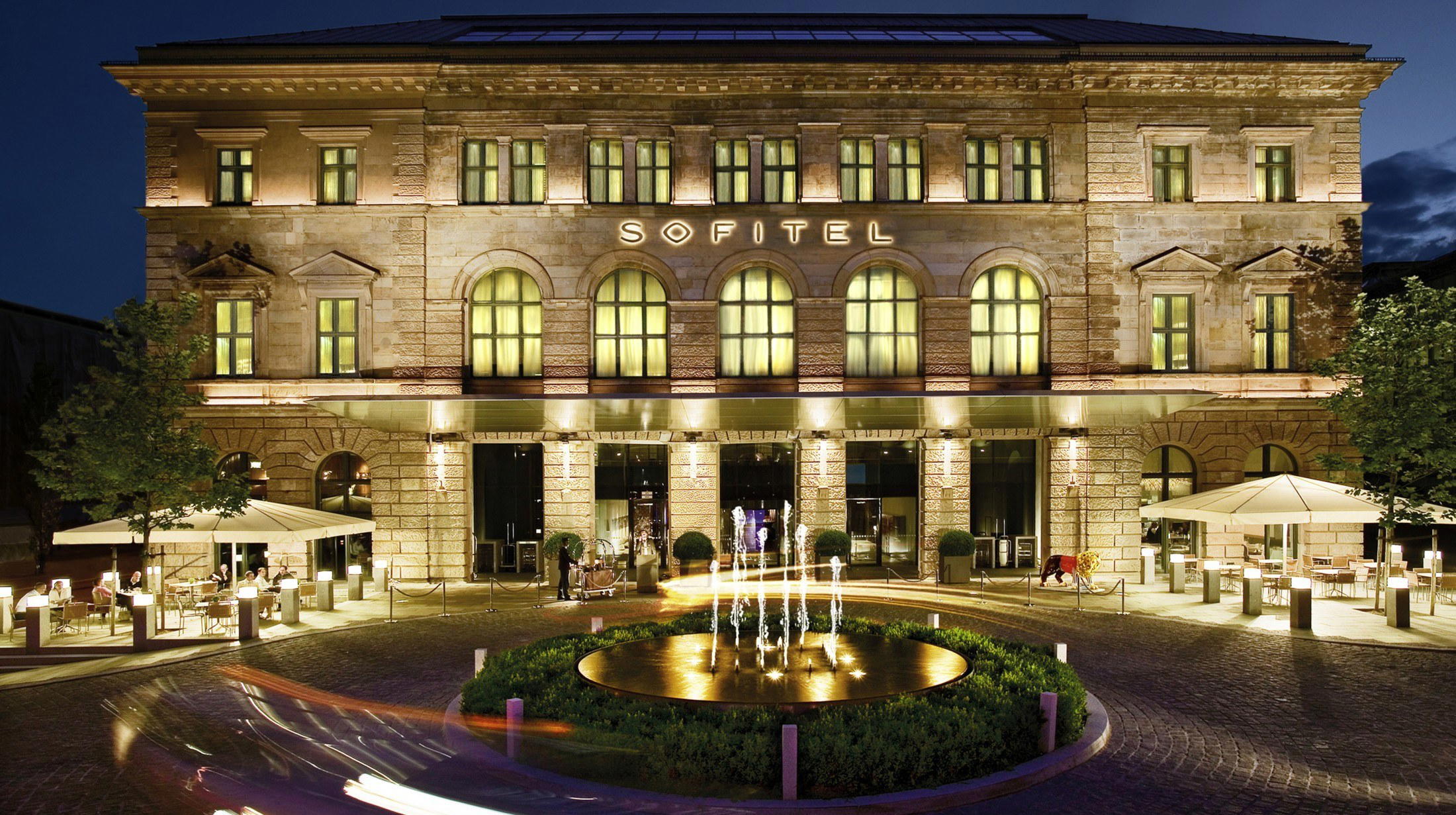
Kawaru occupies a address on Theresienhöhe in Munich's Westend, a district that has quietly become one of the city's more interesting dining corridors as the area reshapes itself around the former trade fair grounds. The restaurant sits within a broader pattern of European dining formats that pursue refinement through restraint rather than spectacle, making it a reference point for how Munich's fine dining scene has continued to diversify beyond its classical Bavarian and French-influenced foundations.
Pearl is the En Primeur Club membership app — saves, bookings, and concierge access live there. Same editors, same standards.
- Address
- Theresienhöhe 5, 80339 München, Germany
- Phone
- +498995875487
- Website
- kawaru-munich.de
- Directions
- Get directions
 Saves & bookings on Pearl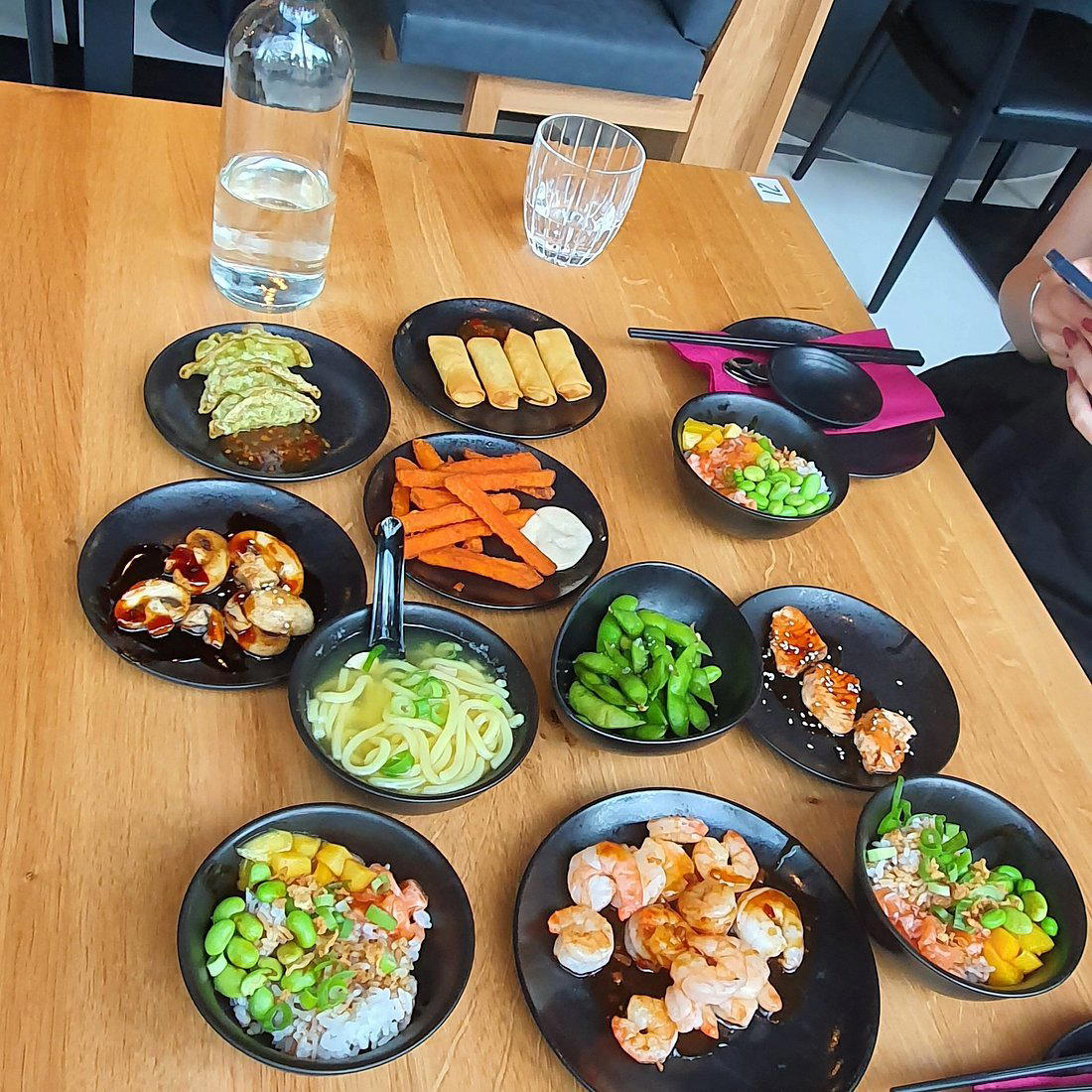
Westend and the Drift Away from Convention
Munich's fine dining identity was built along a particular axis for decades: French technique, Bavarian produce, and a handful of addresses in the city centre and northern neighbourhoods that defined the conversation. That axis has not collapsed, but it has shifted. The area around Theresienhöhe, once dominated by the rhythms of the old trade fair grounds, has drawn a different kind of operator, venues less interested in reprising established formats and more attentive to what European dining looks like when its reference points are genuinely plural. Kawaru is a Japanese tapas restaurant in Munich at Theresienhöhe 5, with a recommended reservation policy and an average price of about $32 per person. Kawaru, at Theresienhöhe 5, sits within that broader movement.
The address itself carries context. Westend is not the neighbourhood you associate with Munich's Michelin corridor, which has traditionally clustered around addresses like Tantris in Schwabing or Atelier in the Hotel Bayerischer Hof. That geographical spread is meaningful. When serious dining moves into districts that have not historically supported it, it signals either a speculative bet or a genuine read of how a neighbourhood is changing. The Theresienhöhe location suggests the latter, an area in transition, with a dining address positioned to grow alongside it rather than import prestige from elsewhere.
A Name That Signals Intention
The name Kawaru is Japanese for change or transformation, a choice that, in a German context, functions as a positioning statement. Munich already has examples of how German and Japanese culinary traditions can intersect productively. Tohru in der Schreiberei has built one of the city's most discussed tasting menus around exactly that intersection, while the broader German fine dining scene, from Aqua in Wolfsburg to Vendôme in Bergisch Gladbach, has demonstrated that the country's most ambitious kitchens are rarely limited by a single culinary tradition.
For Kawaru, the name frames an editorial ambition rather than a fixed cuisine category. Transformation as a concept invites a format built around evolution: menus that shift, techniques that migrate between traditions, a kitchen that does not settle into a single register. The framing itself is deliberate in a way that distinguishes the restaurant from venues content to occupy familiar territory.
The Reinvention Pattern in German Fine Dining
The editorial angle most relevant to Kawaru is one that recurs across serious German dining: venues that have not simply opened and held a position, but that have pivoted, refined, or reframed what they are doing as the dining environment around them has changed. Germany's top tier has been particularly active in this regard. Schwarzwaldstube in Baiersbronn has navigated significant change while retaining its authority. CODA Dessert Dining in Berlin built its entire identity around a format that required the dining public to revise its assumptions about what a tasting menu can centre on. ES:SENZ in Grassau operates in a geography that demands a particular kind of clarity about why a diner should make the journey.
Kawaru participates in this wider pattern. A name meaning change positions the restaurant as one that is not trying to replicate a classical format but to interrogate what fine dining in Munich can look like when it is freed from its historical reference points. That interrogation is the more interesting story, not the specific menu on a given evening, but the posture toward the act of cooking and serving.
Munich's Competitive Reference Set
To understand where Kawaru sits, it helps to map the tier it is operating within. Munich's fine dining addresses span a range from the deeply classical to the architecturally experimental. Alois at Dallmayr works within a creative format that honours the heritage of its Altstadt address while pushing the cuisine into more adventurous territory. JAN has built a reputation around a creative format that reads as genuinely personal without becoming solipsistic. These are the peer addresses against which a venue at Kawaru's location and ambition level competes, not by replicating their formats, but by offering a reason to make the journey to Theresienhöhe rather than booking one of the more established city-centre options.
The comparison extends beyond Munich. Across Germany, venues like Restaurant Haerlin in Hamburg, Schanz in Piesport, Waldhotel Sonnora in Dreis, and Victor's Fine Dining in Perl demonstrate that geographic periphery is no obstacle to serious recognition. What these venues share is a clarity of identity that justifies the visit. Kawaru's positioning in an emerging Munich district follows the same logic: the location is not the drawback; it is the statement.
International reference points also apply here. The cross-cultural tasting menu format that Kawaru's name implies has been developed with considerable sophistication at venues like Atomix in New York City, where Korean foundations meet European technique, and Le Bernardin, which has sustained a single-minded focus for decades without becoming static. The question for any venue operating in a transformation-centred mode is whether the reinvention is disciplined enough to accumulate authority rather than simply signal restlessness. Bagatelle in Trier offers another German instance of a venue that has built its identity around a specific cultural dialogue rather than a generic fine dining template.
Planning a Visit
Kawaru is located at Theresienhöhe 5 in the 80339 postcode, accessible by U-Bahn on the U4 and U5 lines, with Schwanthalerhöhe the nearest station. Advance booking is recommended, particularly for weekend services. For a broader orientation to Munich's dining options across price points and styles, the EP Club Munich restaurants guide maps the full spectrum of the city's current offering.
Cuisine-First Comparison
Comparable venues nearby, for context on price, style, and recognition.
| Venue | Cuisine | Price | Notes |
|---|---|---|---|
| KawaruThis venue — the venue you are viewing | Japanese Tapas | $$ | Not listed |
| Geisha | Modern Pan-Asian Sushi | $$ | Isarvorstadt |
| Haguruma | Authentic Japanese Sushi & Hot Kitchen | $$ | Isarvorstadt |
| Sushi Cent | Japanese Sushi | $$ | Haidhausen |
| Ca Go Restaurant | Vietnamese Fusion | $$ | Theresienwiese |
| Dahoam Restaurant | Traditional Bavarian | $$ | Theresienwiese |
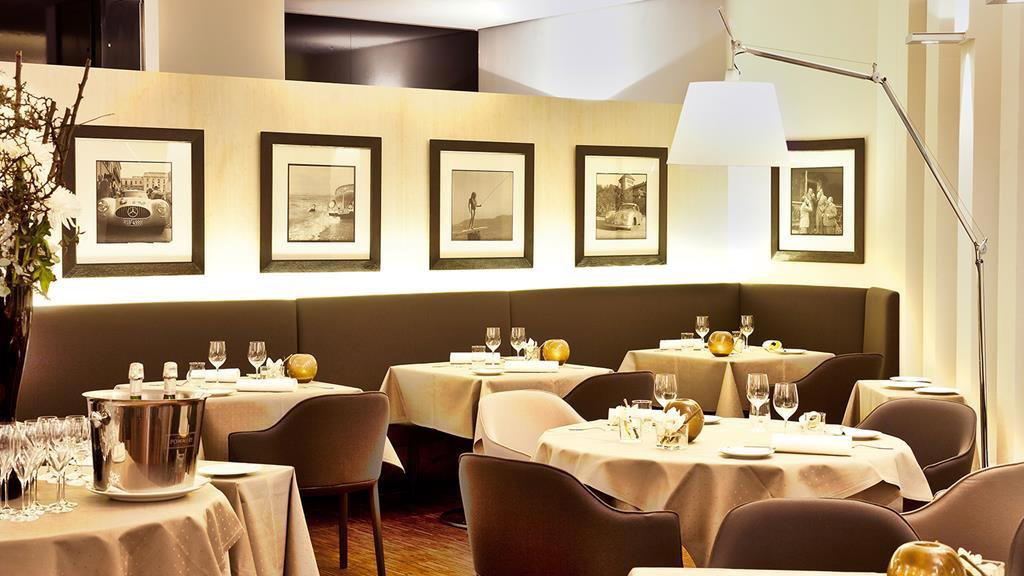
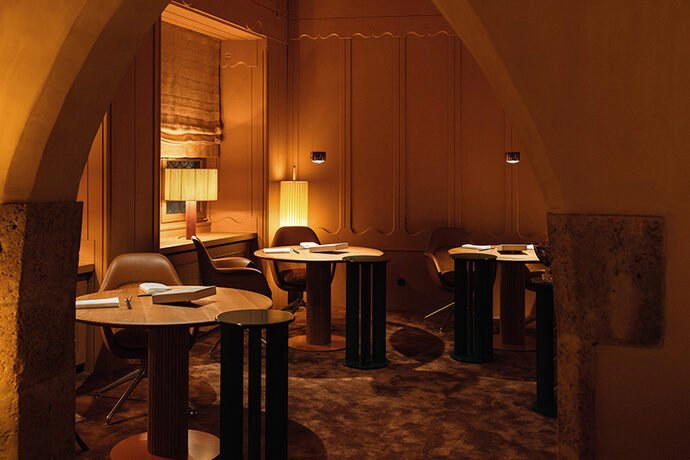
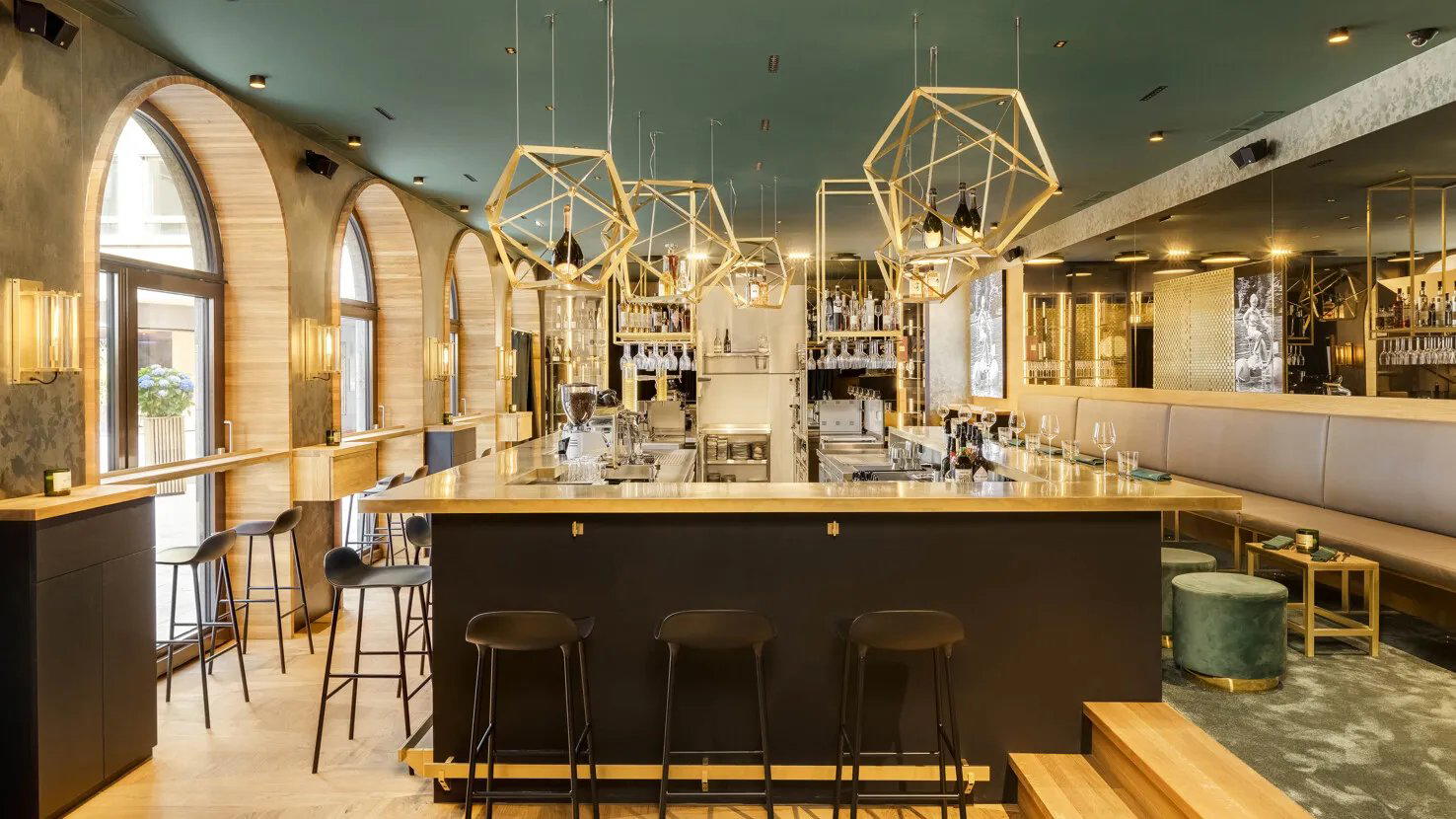
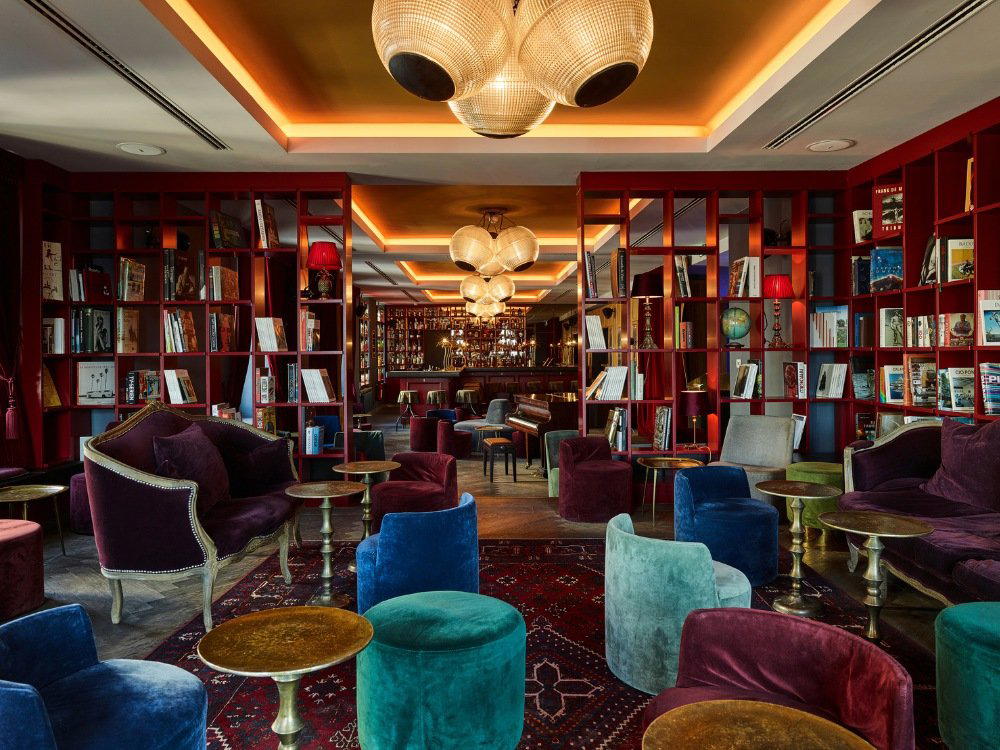
At a Glance
- Lively
- Modern
- Trendy
- Group Dining
- Casual Hangout
- Family
- Open Kitchen
Current opening hours
- Monday
- 11:30 AM–3 PM, 5:30–10 PM
- Tuesday
- 11:30 AM–3 PM, 5:30–10 PM
- Wednesday
- 11:30 AM–3 PM, 5:30–10 PM
- Thursday
- 11:30 AM–3 PM, 5:30–10 PM
- Friday
- 11:30 AM–3 PM, 5:30–10 PM
- Saturday
- 11:30 AM–4 PM, 5:30–10 PM
- Sunday
- 11:30 AM–3 PM, 5:30–10 PM
Hours can change for holidays and private events. Last verified .
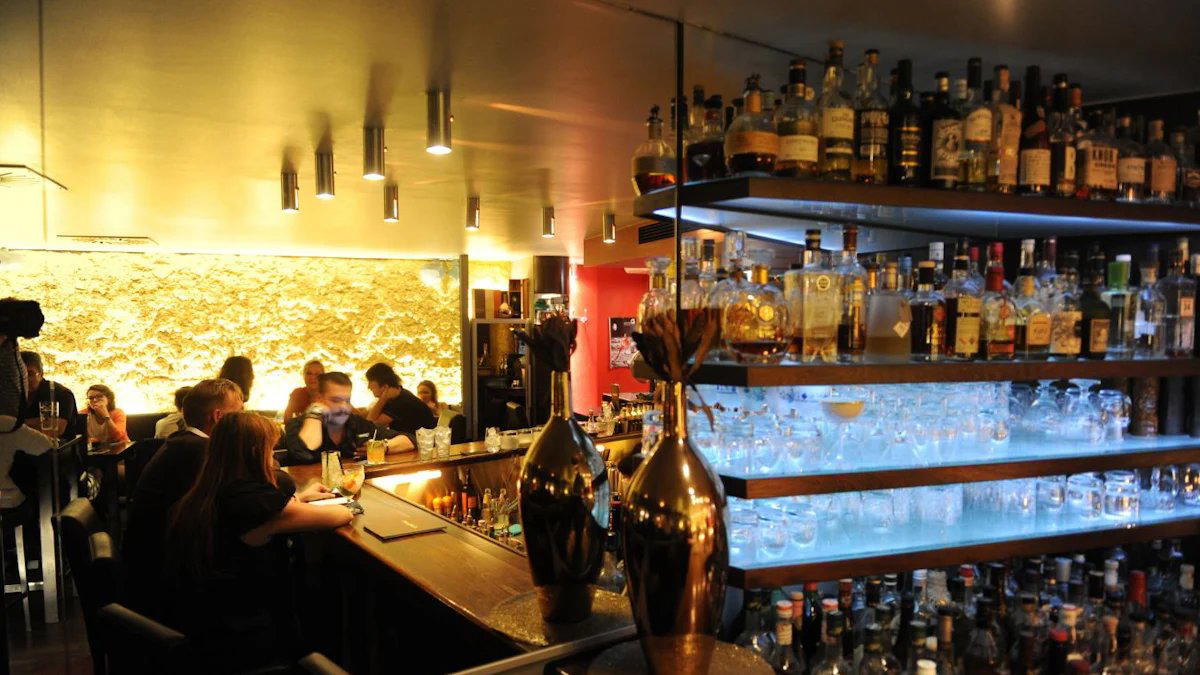
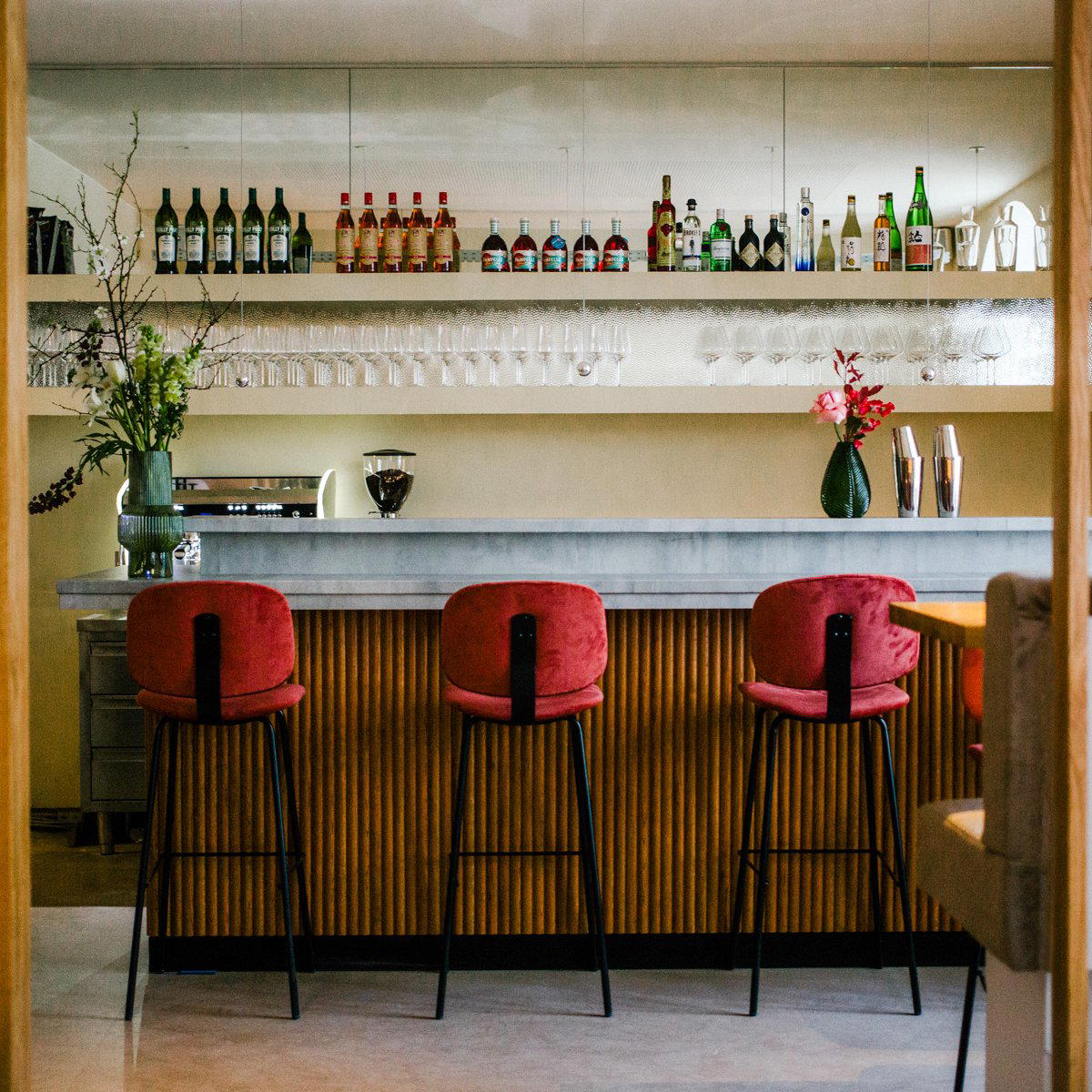
Lively and energetic with a modern, casual atmosphere featuring digital ordering via tablets at tables.