On Baaderstraße in Munich's Glockenbachviertel, Haguruma occupies a compact, considered space that signals the quieter end of the city's Japanese dining scene. The address places it squarely in a neighbourhood known for independent operators over legacy institutions, and the name itself, Japanese for 'gear' or 'cogwheel', hints at a mechanical precision underlying the experience. A reservation here rewards those who pay attention to detail.
- Address
- Baaderstraße 62, 80469 München, Germany
- Phone
- +498913939926
- Directions
- Get directions
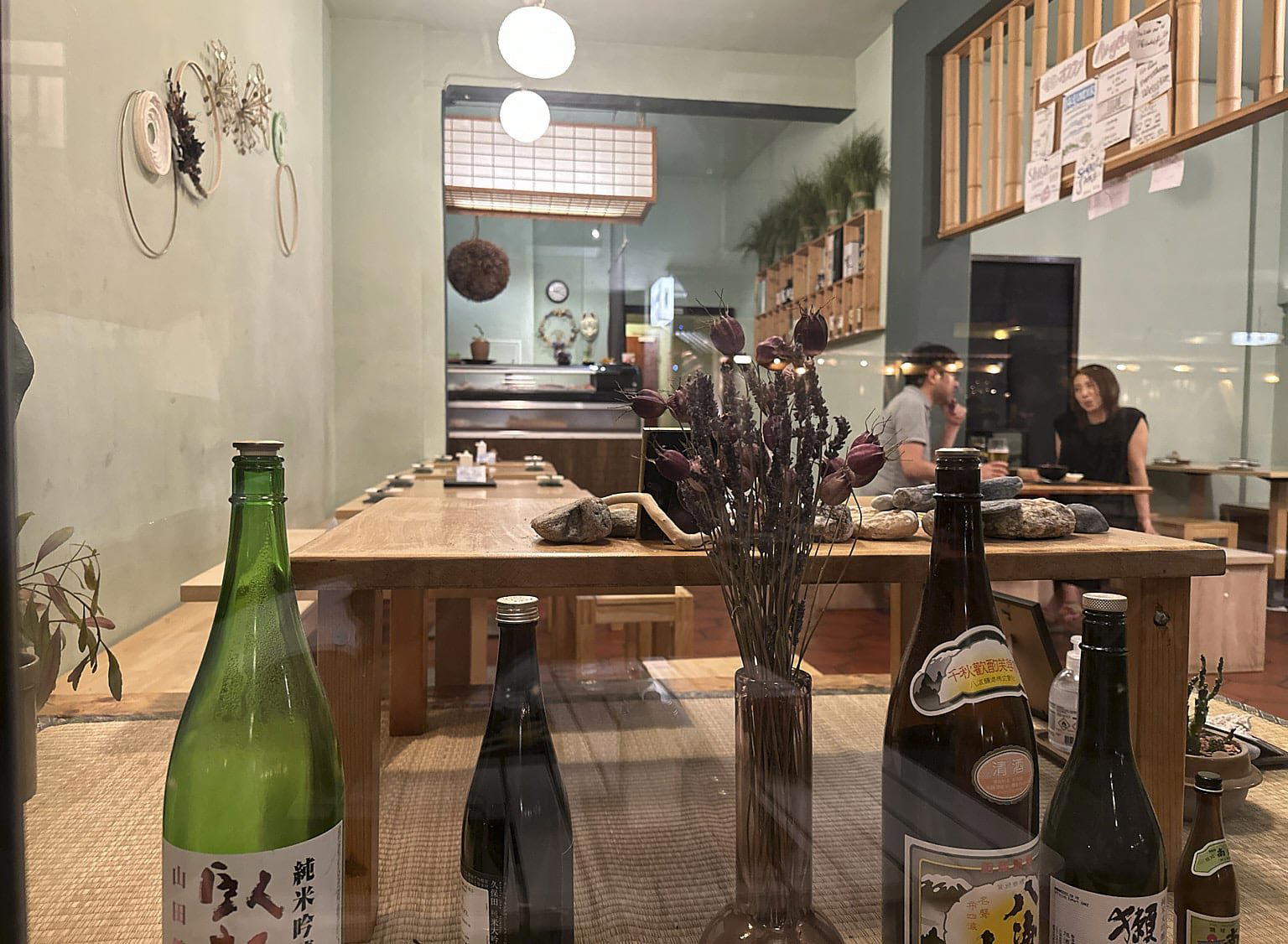
The Physical Logic of Baaderstraße 62
In Munich's dining scene, the Glockenbachviertel occupies a particular position: less formal than the Altstadt institutions, more serious than the Maxvorstadt bistros, and consistently hospitable to the kind of small, specialist restaurant that depends on neighbourhood loyalty and word-of-mouth rather than tourist foot traffic. Haguruma sits at Baaderstraße 62, a street that has accumulated a density of independent operators over the past decade, making it one of the more interesting stretches for anyone tracking how Munich's mid-scale dining has evolved beyond the Bavarian traditional framework.
The name, Japanese for 'gear' or 'cogwheel', carries an implicit promise about the operation: interlocking parts, calibrated movement, nothing decorative that does not also function. That kind of naming convention tends to appear in spaces where the interior design follows the same logic, where the room itself is arranged to direct attention rather than to impress through volume or material excess. Small Japanese restaurants in European cities have, over the past fifteen years, developed a recognisable spatial grammar: counter seating that narrows the distance between kitchen and guest, spare material palettes that borrow from washitsu restraint, and lighting calibrated to make food rather than room the focal point.
Whether Haguruma applies that grammar strictly or departs from it in meaningful ways is a question best answered in person. What the address suggests is a venue scaled for intimacy rather than throughput, which in Munich's current dining context places it alongside a growing cohort of specialists that have chosen depth over breadth.
Where Haguruma Sits in Munich's Japanese Dining Tier
Munich's Japanese restaurant scene has matured considerably since the early 2000s, when the options were largely divided between conveyor-belt sushi for the lunch crowd and a handful of mid-market Japanese-influenced kitchens. The city now supports a more layered offering. At the formal end, Tohru in der Schreiberei operates at the four-star price tier with a Modern German-Japanese hybrid format that has attracted sustained critical attention. Below that, but still operating with clear technical ambition, sits a cluster of smaller specialists whose focus tends toward a single format, ramen, izakaya, omakase, rather than broad menus designed to accommodate every preference.
Haguruma belongs to the specialist tier rather than the all-things-to-all-guests category. That positioning is consistent with a broader European pattern: as Japanese dining literacy has increased among urban audiences, the restaurants that have built durable reputations are those that commit to a specific format and execute it with consistency rather than those that attempt to cover the full range of Japanese culinary tradition under one roof. The Glockenbachviertel address reinforces this reading, the neighbourhood has historically attracted operators willing to run smaller covers and longer booking lead times in exchange for a clientele that comes specifically for what is on offer.
For comparison within Munich's premium tier, venues like JAN and Alois - Dallmayr Fine Dining operate with Michelin recognition and price points at the summit of the city's range. Tantris and Atelier anchor the Modern French end of that same bracket. Haguruma occupies different territory: a Japanese-focused address in a residential-commercial neighbourhood that has built its reputation through the specificity of its offer rather than through institutional prestige or historic legacy.
The Space as Editorial Argument
Interior architecture in small Japanese restaurants does a particular kind of argumentative work. The decision to seat guests at a counter rather than at tables is not merely practical, it is a statement about the relationship between kitchen and dining room, about transparency of process, about the primacy of watching technique over the privacy of conventional table service. Counter-format restaurants in this price and format tier tend to run fewer seats precisely because the format's value depends on proximity and focus. A counter that seats eight functions differently from one that seats twenty, and that difference shapes the entire rhythm of an evening.
The Glockenbachviertel has enough foot traffic on weekend evenings to sustain a small room without requiring aggressive marketing, which is part of what makes it an attractive location for this kind of operator. The neighbourhood's pedestrian culture means that a well-dressed room with considered lighting and visible kitchen activity will draw attention from passersby, building recognition organically over time. This is how many of Europe's more durable small Japanese restaurants have established themselves, through physical presence in the right kind of street rather than through media campaigns or aggregator platforms.
The Broader German Context
Germany's serious dining scene has expanded well beyond its traditional southern strongholds. Restaurants like Aqua in Wolfsburg, Schwarzwaldstube in Baiersbronn, and Vendôme in Bergisch Gladbach represent the formal, award-bearing end of the national scene, while venues like CODA Dessert Dining in Berlin and ES:SENZ in Grassau demonstrate how format experimentation has spread across the country. Victor's Fine Dining by Christian Bau in Perl, Waldhotel Sonnora in Dreis, Restaurant Haerlin in Hamburg, Schanz in Piesport, and Bagatelle in Trier round out a national picture that rewards visitors willing to move beyond the major cities.
Within Munich specifically, the Japanese dining format has benefited from a city whose population includes a significant professional and academic demographic with exposure to Japanese cuisine through travel. That audience sustains the kind of specialist restaurant that does not need to explain its format to every guest who walks in. Internationally, counters like Le Bernardin in New York City and tasting-format venues like Atomix in New York City have demonstrated how a focused, format-committed approach can build sustained reputations in competitive markets. The same logic applies at smaller scale in European cities where the Japanese dining tier is still establishing its hierarchy.
Planning a Visit
Baaderstraße 62 is accessible by foot from the Fraunhoferstraße U-Bahn stop on the U1 and U2 lines, placing it within easy reach of the city centre without the congestion of the Altstadt. The Glockenbachviertel's evening character, walkable, residential, with good bar options on surrounding streets, makes it a natural anchor for a longer evening. Given the specialist format and limited capacity typical of restaurants in this tier, enquiring about reservations well ahead of a planned visit is the sensible approach, particularly for Friday and Saturday evenings when the neighbourhood draws both locals and visitors.
Cuisine and Credentials
Comparable venues nearby, for context on price, style, and recognition.
| Venue | Cuisine | Price | Notes |
|---|---|---|---|
| HagurumaThis venue — the venue you are viewing | Authentic Japanese Sushi & Hot Kitchen | $$ | Not listed |
| KIZUNA KITCHEN | Modern Japanese Fusion | $$ | Isarvorstadt |
| Ichiban Restaurant | Japanese & Vietnamese Sushi Restaurant | $$ | Riem |
| Jack Glockenbach | Authentic Vietnamese | $$ | Isarvorstadt |
| Tavernetta | Authentic Italian with Pizza and Pasta | $$ | Lehel |
| Zunfthaus | Traditional Bavarian & Austrian | $$ | Theresienwiese |
Continue exploring
More in Munich
Restaurants in Munich
Browse all →
At a Glance
- Cozy
- Rustic
- Intimate
- Casual Hangout
- Date Night
- Sake Program
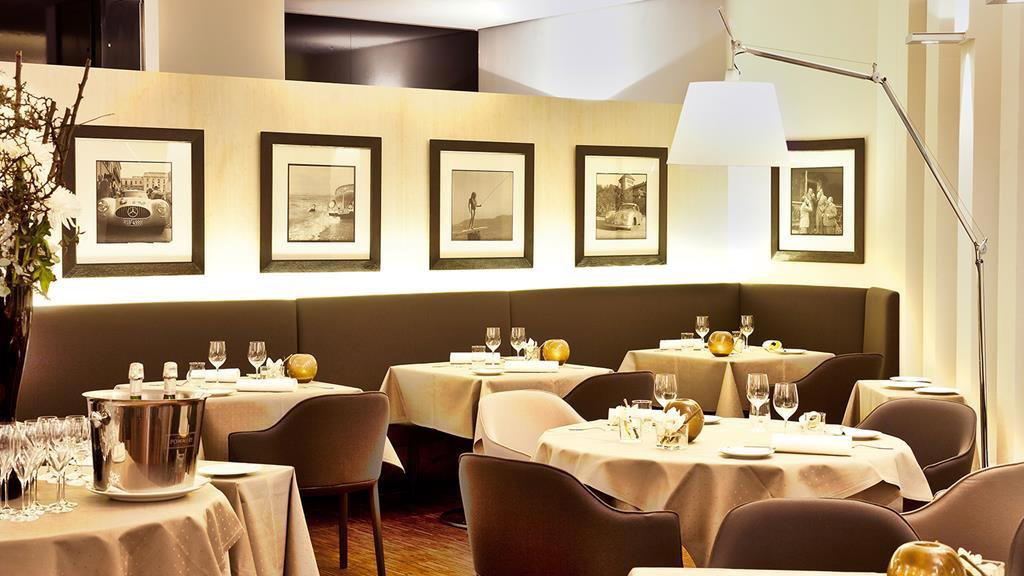
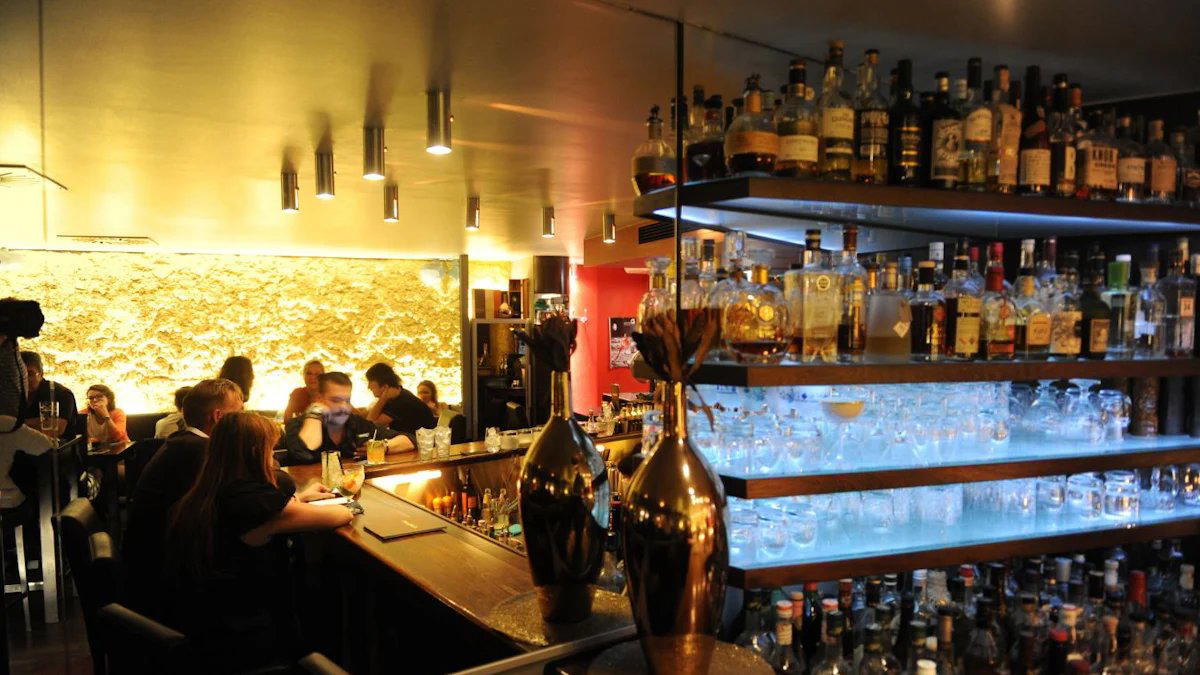
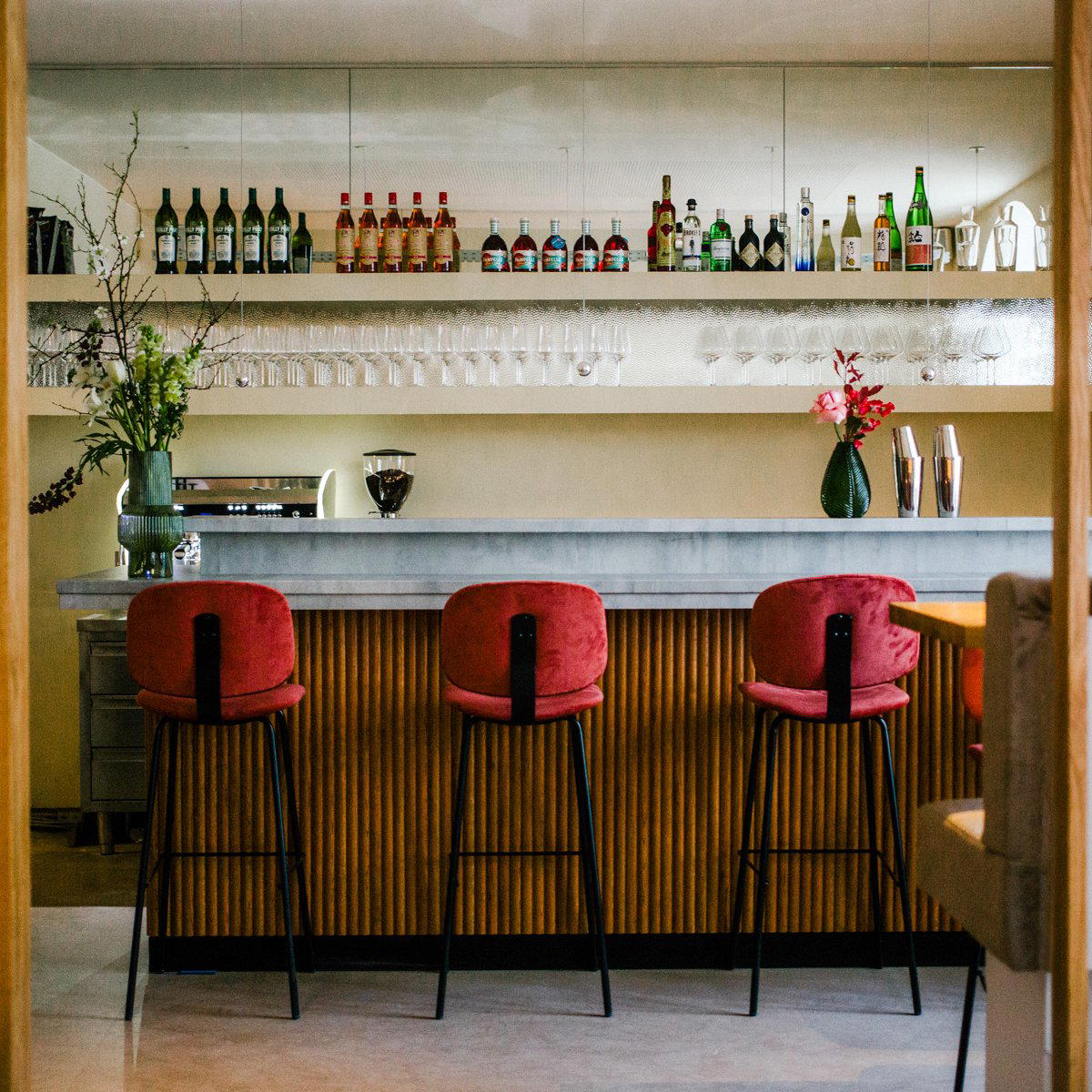
Cozy and familial atmosphere with simple wooden decor and warm, rustic charm.