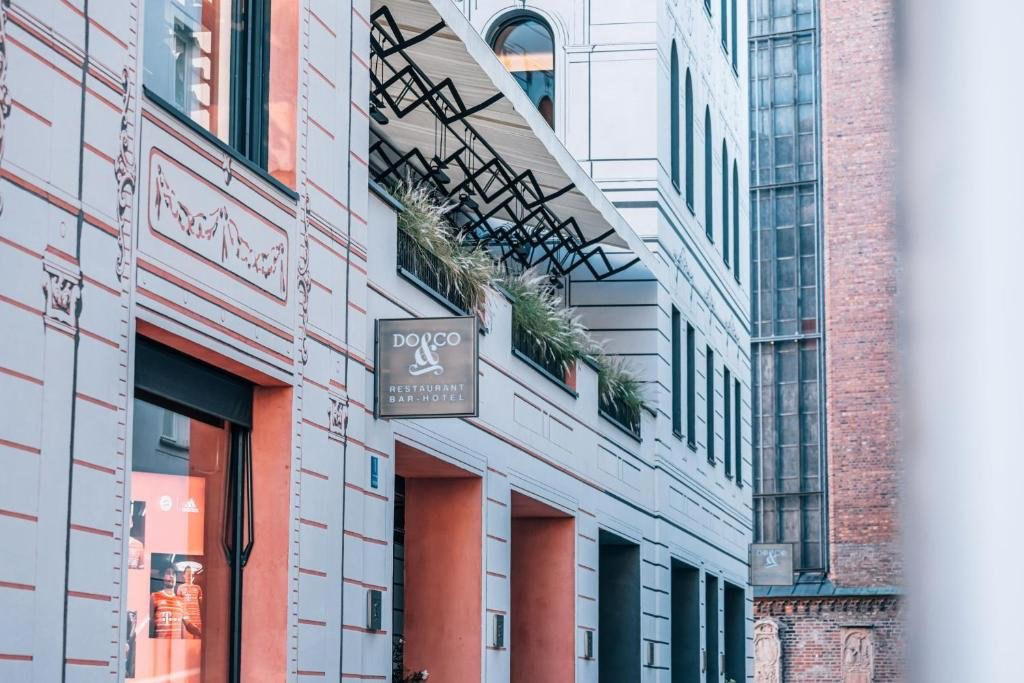
Shoya Izakaya occupies a distinctive address at Platzl 3 in Munich's Altstadt, bringing the informal-but-considered format of the Japanese izakaya to a city whose dining scene skews heavily toward either Bavarian tradition or formal European fine dining. For visitors piecing together a Munich itinerary, it represents one of the few places where the logic of Japanese drinking-and-eating culture maps onto a genuine neighbourhood setting rather than a tourist-facing approximation.
Pearl is the En Primeur Club membership app — saves, bookings, and concierge access live there. Same editors, same standards.
- Address
- Platzl 3, 80331 München, Germany
- Phone
- +4949895428315
- Website
- shoyamuc.de
- Directions
- Get directions
 Saves & bookings on Pearl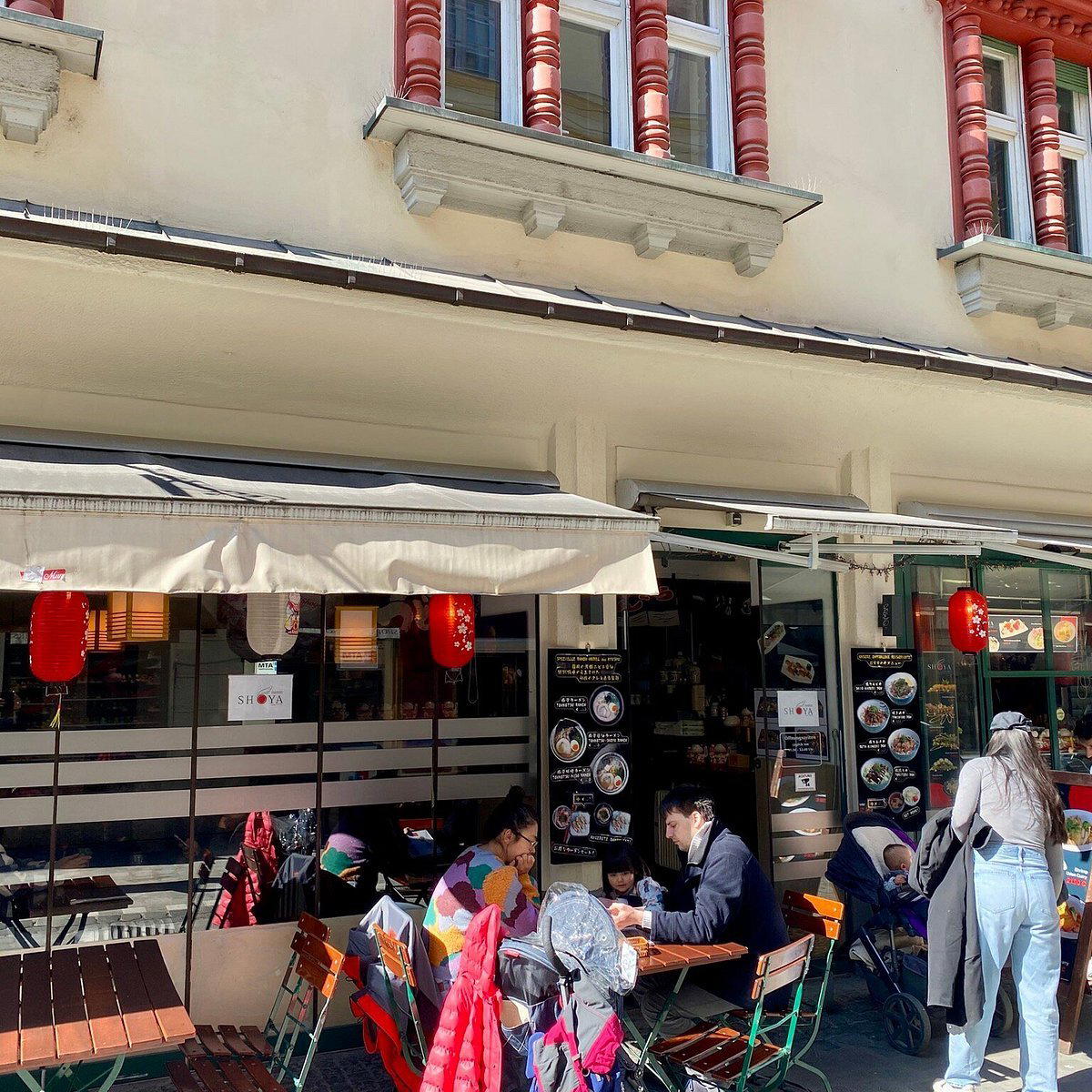
Where Izakaya Logic Meets the Altstadt
Shoya Izakaya is an authentic Japanese izakaya in Munich, Germany, at Platzl 3. Munich's central Altstadt operates on a specific rhythm. The streets around Platzl and Hofbräuhaus draw a high volume of foot traffic, yet the area has quietly accumulated a handful of addresses that reward deliberate planning rather than impulse dining. Shoya Izakaya, at Platzl 3, sits inside that dynamic: a Japanese izakaya format dropped into one of the city's most historically dense neighbourhoods, where the surrounding competition skews toward beer halls and tourist-oriented Bavarian standards rather than anything approximating the izakaya's particular balance of small plates, sake, and extended evening sociability.
The izakaya format itself deserves a brief unpacking for readers unfamiliar with it. In Japan, the izakaya functions as the social infrastructure of the working week: not a restaurant in the Western sense, not a bar, but something between the two, where the food is serious enough to anchor a meal but the structure remains loose enough to sustain a three-hour evening without ceremony. Dishes arrive as ready, the drinks keep pace, and the expectation of a fixed beginning and end to the meal dissolves. That format has travelled well to European cities with established Japanese populations or strong culinary curiosity, but the quality of translation varies enormously. An izakaya that imposes a European service rhythm defeats its own premise.
The Booking Reality at Platzl 3
Munich's broader dining scene has split into two tiers that rarely overlap. At the formal end, addresses like Tantris, Atelier, and Alois – Dallmayr Fine Dining operate at the €€€€ tier with advance booking windows measured in weeks or months. At the casual end, the city's beer garden culture absorbs walk-in demand with little friction. Izakayas occupy an awkward middle position in this map: informal enough that visitors sometimes underestimate demand, structured enough that popular evenings fill early.
For Shoya specifically, the Platzl address compounds this. The immediate neighbourhood attracts significant visitor volumes year-round, which means that an address capable of offering something genuinely different from the surrounding beer hall format tends to see consistent demand from both Munich residents looking for a reliable mid-week option and visitors who have done enough research to look beyond Marienplatz defaults. The planning implication is direct: contact ahead rather than arriving speculatively, particularly on weekend evenings and during Oktoberfest and Christmas market seasons when Altstadt foot traffic peaks sharply.
This is not unusual for smaller independent venues that update their booking channels periodically, and it should not deter planning. What it does suggest is building a modest time buffer into your Munich itinerary rather than treating this as a confirmed same-day option.
Munich's Japanese Dining Tier
Germany's Japanese dining scene is more differentiated than casual observers tend to assume. At the serious end, places like Tohru in der Schreiberei operate a Modern German-Japanese tasting format at fine dining prices, placing them in a comparable set that includes Germany's top-awarded tables rather than anything resembling the izakaya tradition. Atomix in New York and Le Bernardin represent the kind of formal, multi-course Japanese-inflected cooking that sits at the far end of a spectrum from what an izakaya does. Germany also hosts notable awarded tables elsewhere: Aqua in Wolfsburg, Schwarzwaldstube in Baiersbronn, and Vendôme in Bergisch Gladbach all operate at the highest formal tier. That context matters because it clarifies what Shoya is not: it is not competing in the fine dining bracket, and visitors applying fine dining booking logic (reservations weeks in advance via a formal system) may be overcomplicating the process, while those applying beer hall logic (walk in and find a table) may be underestimating demand.
What the Format Delivers
The izakaya format's appeal in a European city context rests on a specific value proposition that formal restaurants cannot replicate: the ability to eat and drink laterally across a menu over an extended period without the structure of a set progression imposing itself. For solo travellers or small groups who want a serious food experience without the ceremony of a tasting menu, the format is practically useful. For groups whose members have different appetites or dietary starting points, the shared-plates logic distributes choice in a way that a conventional à la carte menu does not.
Japanese izakaya menus typically anchor around grilled skewers (yakitori), cold tofu preparations, fried small plates, and rice or noodle finishers, with a drinks list weighted toward draft beer, highball whisky, and sake. The food quality ceiling in a well-run izakaya is genuinely high, even if the aesthetic registers as casual. This is a format that rewards ordering across multiple rounds rather than arriving with a fixed three-course plan.
Germany's broader izakaya provision remains thinner than in cities like London, Paris, or Amsterdam, which makes Munich addresses operating in this format more relevant to visitors who have already encountered the format elsewhere and want to find it in a new city. For those exploring German dining more widely, CODA Dessert Dining in Berlin, ES:SENZ in Grassau, and Schanz in Piesport represent reference points at the formal end of the national scene, while Bagatelle in Trier, Restaurant Haerlin in Hamburg, Victor's Fine Dining by Christian Bau in Perl, and Waldhotel Sonnora in Dreis illustrate how Germany's serious dining culture distributes across smaller cities and resort towns rather than concentrating in Munich alone.
Planning Your Visit
Address: Platzl 3, 80331 München, in the Altstadt, a short walk from Marienplatz and the Hofbräuhaus. Timing: Demand peaks during Oktoberfest (late September to early October) and the Christmas market season (late November to late December); plan with more lead time during these periods. Format: The izakaya structure suits extended group evenings better than quick solo dinners; budget time rather than rushing a fixed course. Dress: Casual. Budget: About $55 per person.
Cuisine and Credentials
Comparable venues nearby, for context on price, style, and recognition.
| Venue | Cuisine | Price | Notes |
|---|---|---|---|
| Shoya IzakayaThis venue — the venue you are viewing | Authentic Japanese Izakaya | $$ | Not listed |
| Haguruma | Authentic Japanese Sushi & Hot Kitchen | $$ | Isarvorstadt |
| Yuki Hana | Japanese Sushi | $$ | Lehel |
| Japan Sushi Gourmet | Authentic Japanese Sushi | $$ | Neuhausen |
| Zento | Modern Japanese Kitchen & Sushi Bar | $$$ | Lehel |
| Geisha | Modern Pan-Asian Sushi | $$ | Isarvorstadt |
At a Glance
- Modern
- Casual
- Casual Hangout
- Solo
- Family
- Open Kitchen
- Beer Program
- Local Sourcing
Current opening hours
- Monday
- 11:30 AM–11 PM
- Tuesday
- 11:30 AM–11 PM
- Wednesday
- 11:30 AM–11 PM
- Thursday
- 11:30 AM–11 PM
- Friday
- 11:30 AM–11 PM
- Saturday
- 11:30 AM–11 PM
- Sunday
- 12–11 PM
Hours can change for holidays and private events. Last verified .
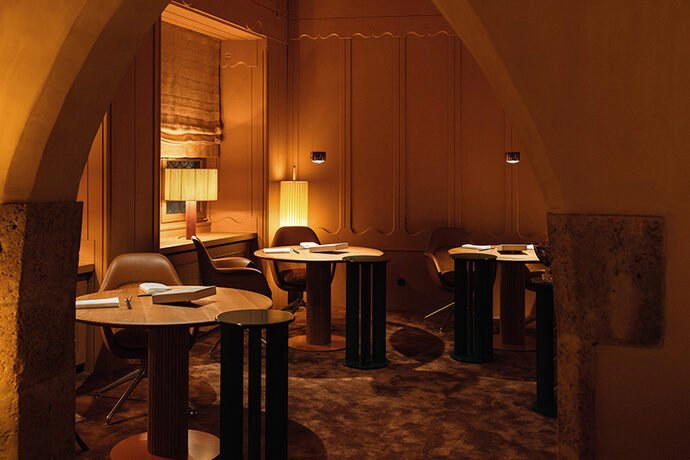
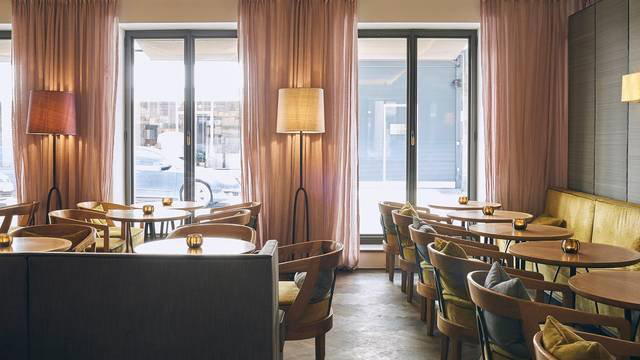
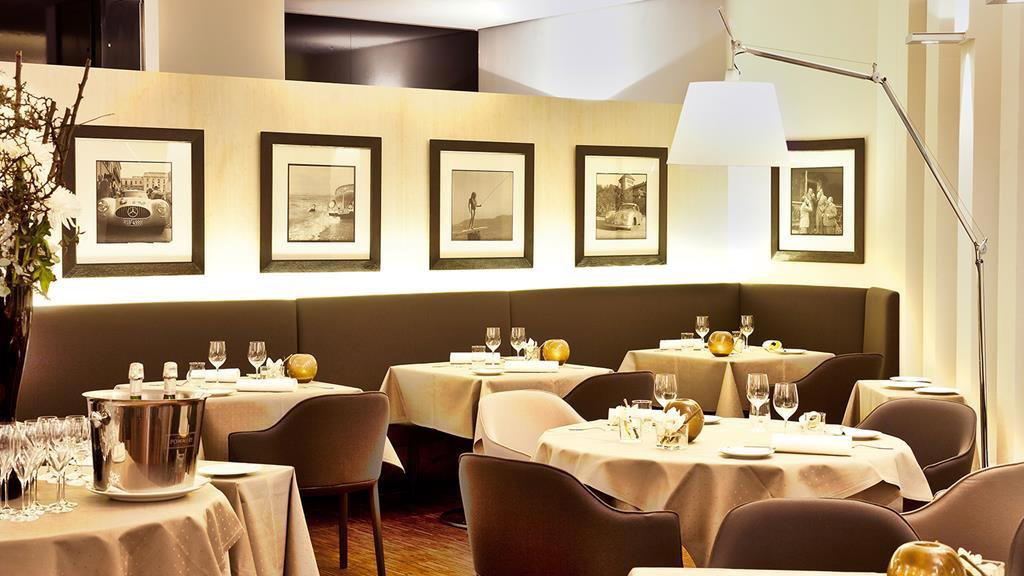
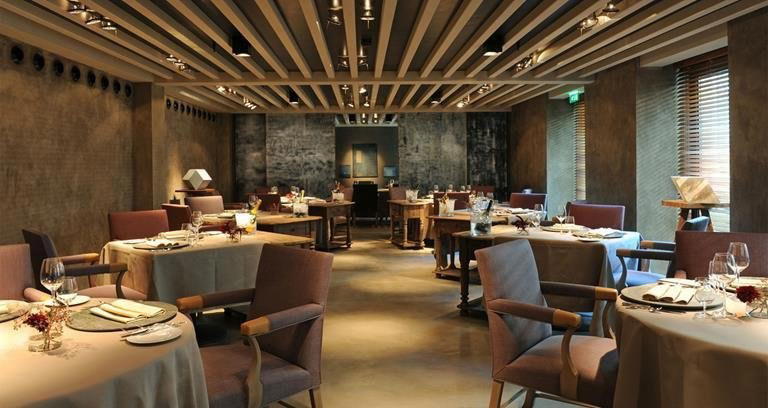
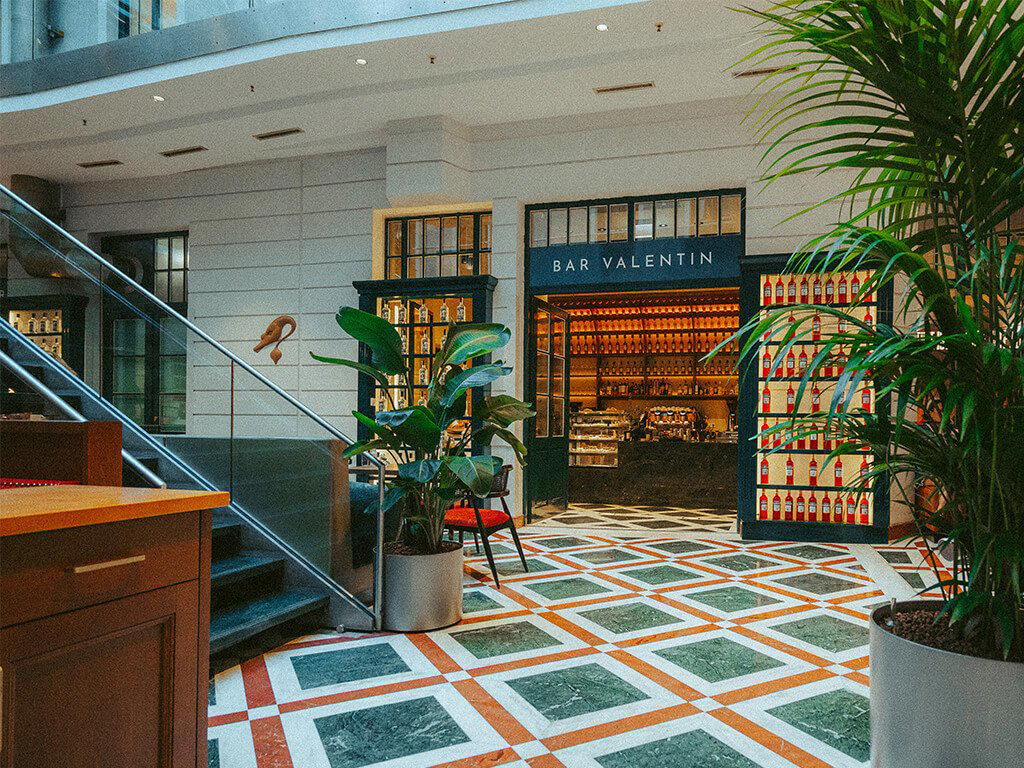
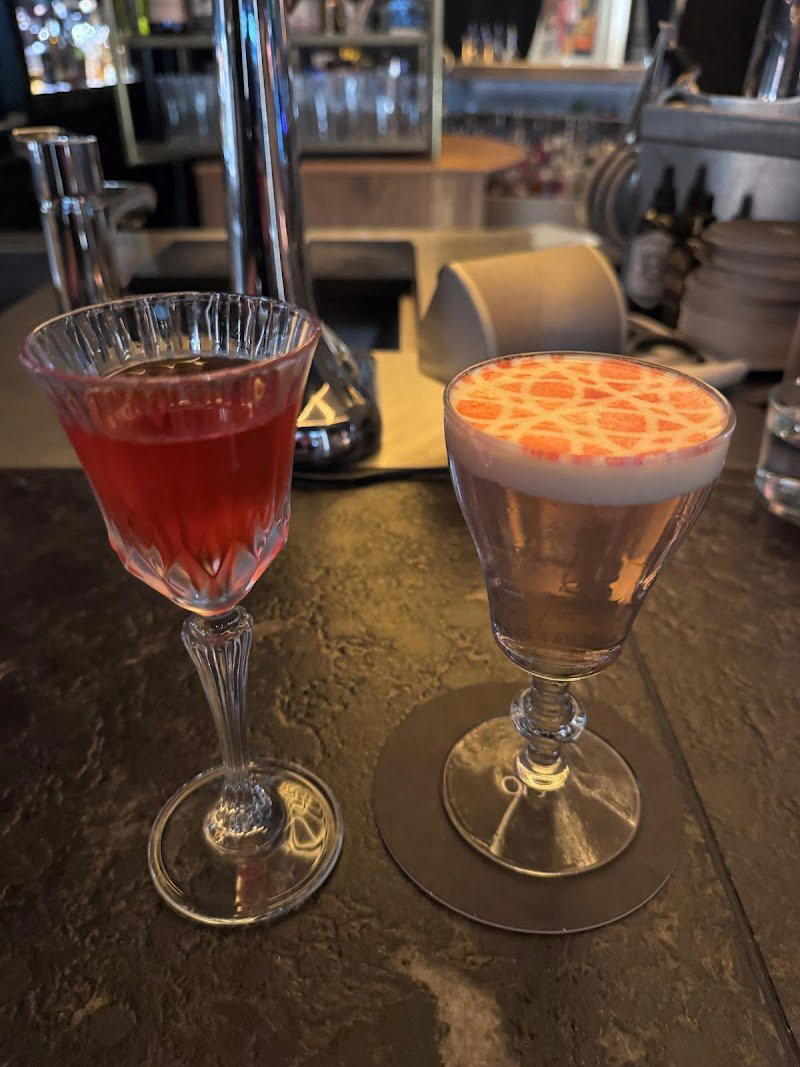
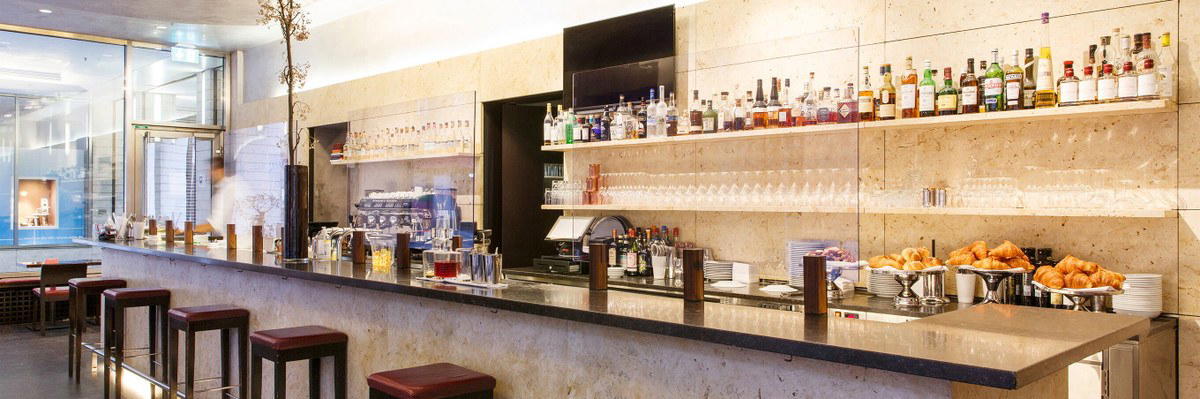
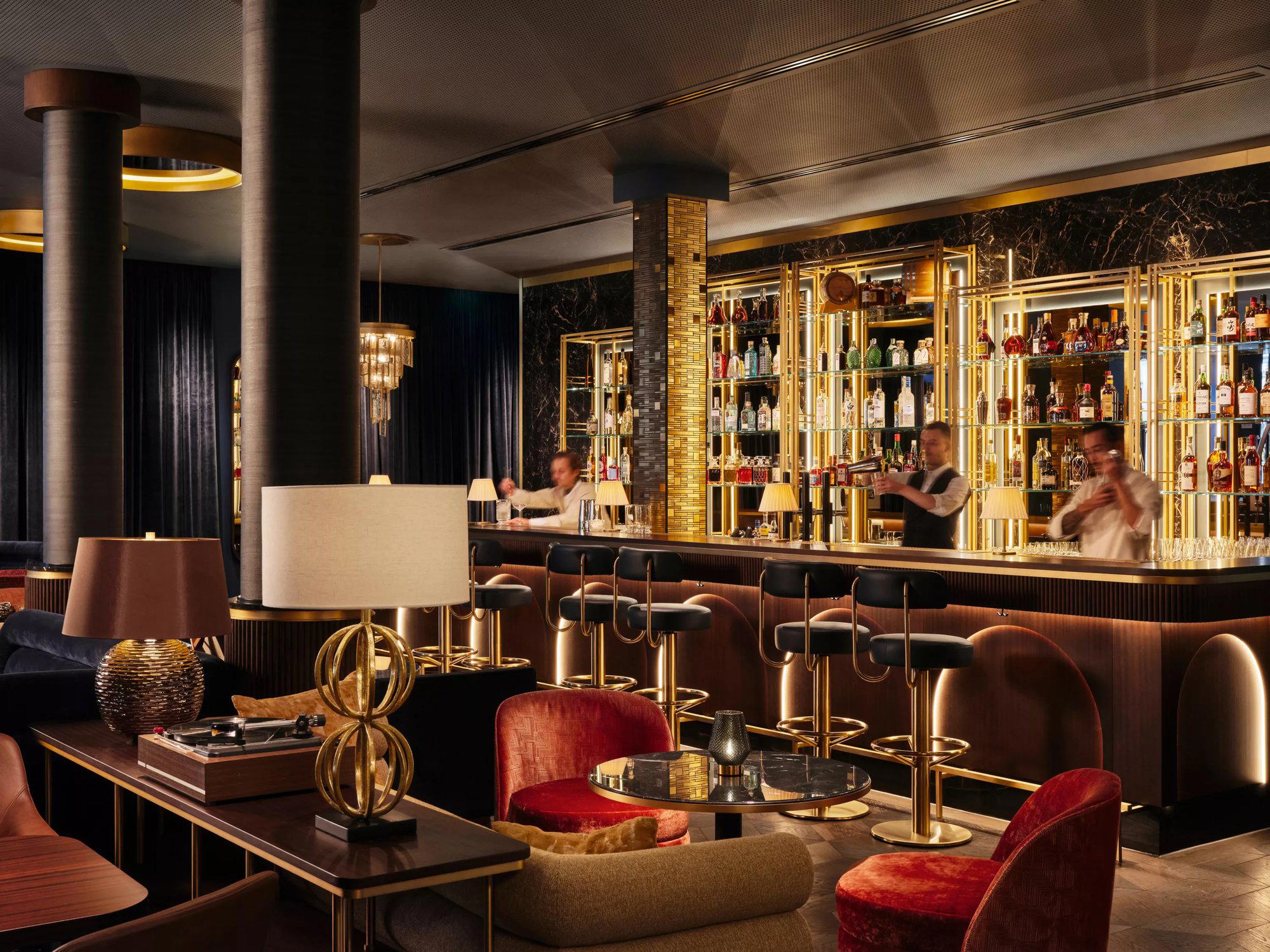
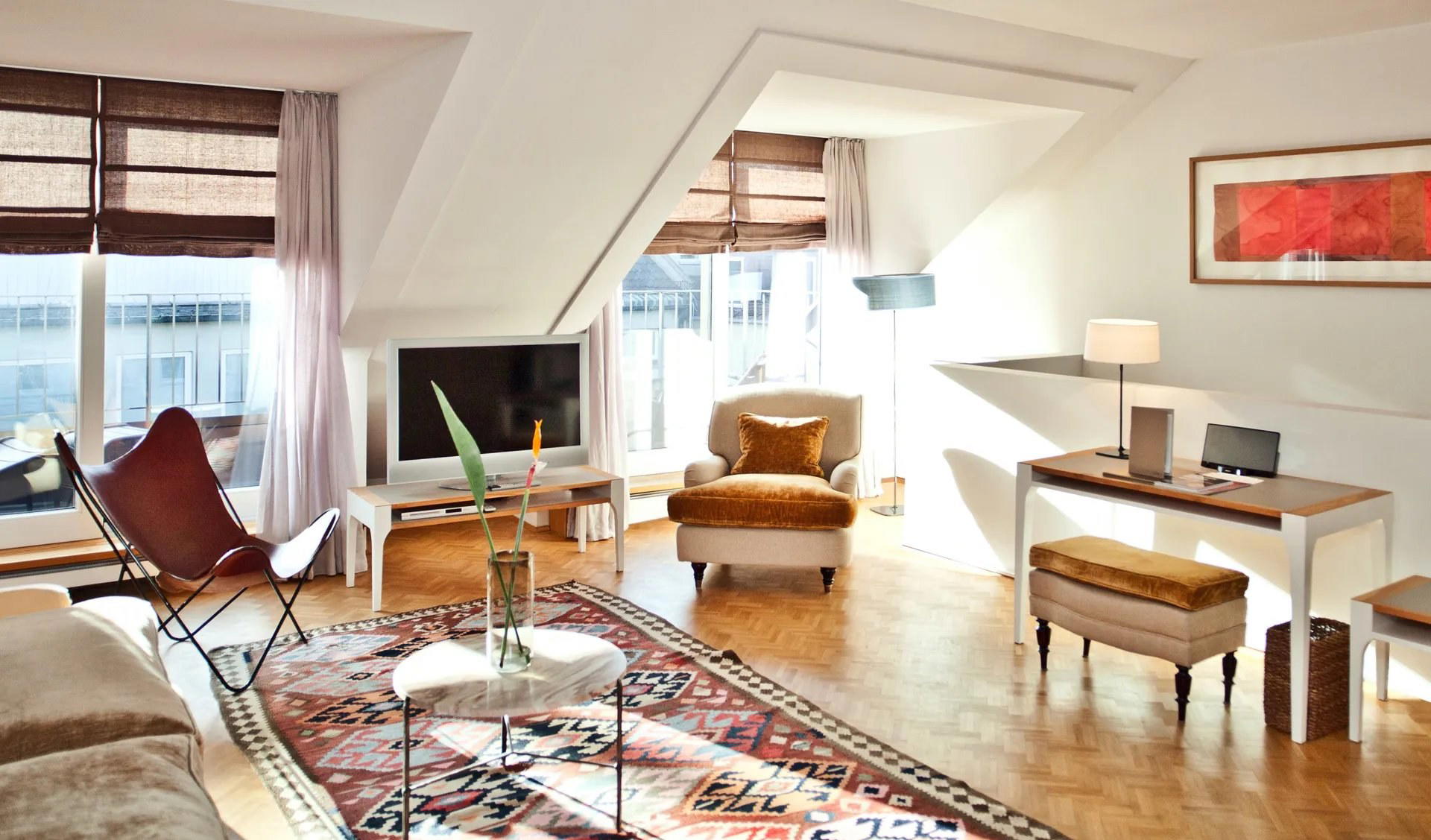
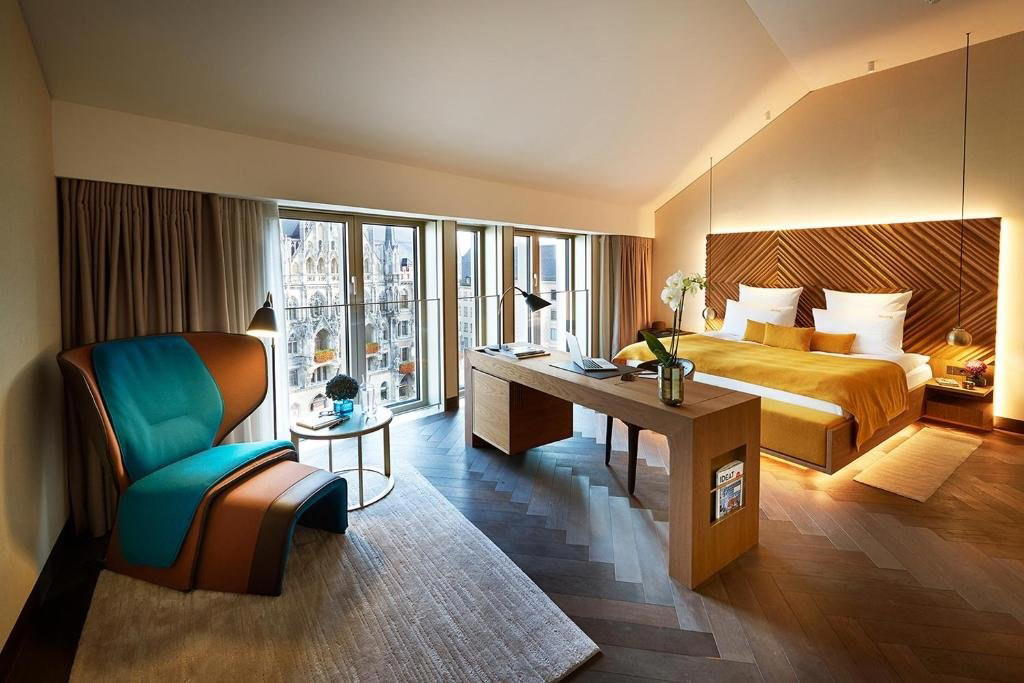
Casual, unpretentious counter-style setting with lively modern décor; intimate lunch counter atmosphere with quick turnover and limited seating.