Hachiko
Our verdict
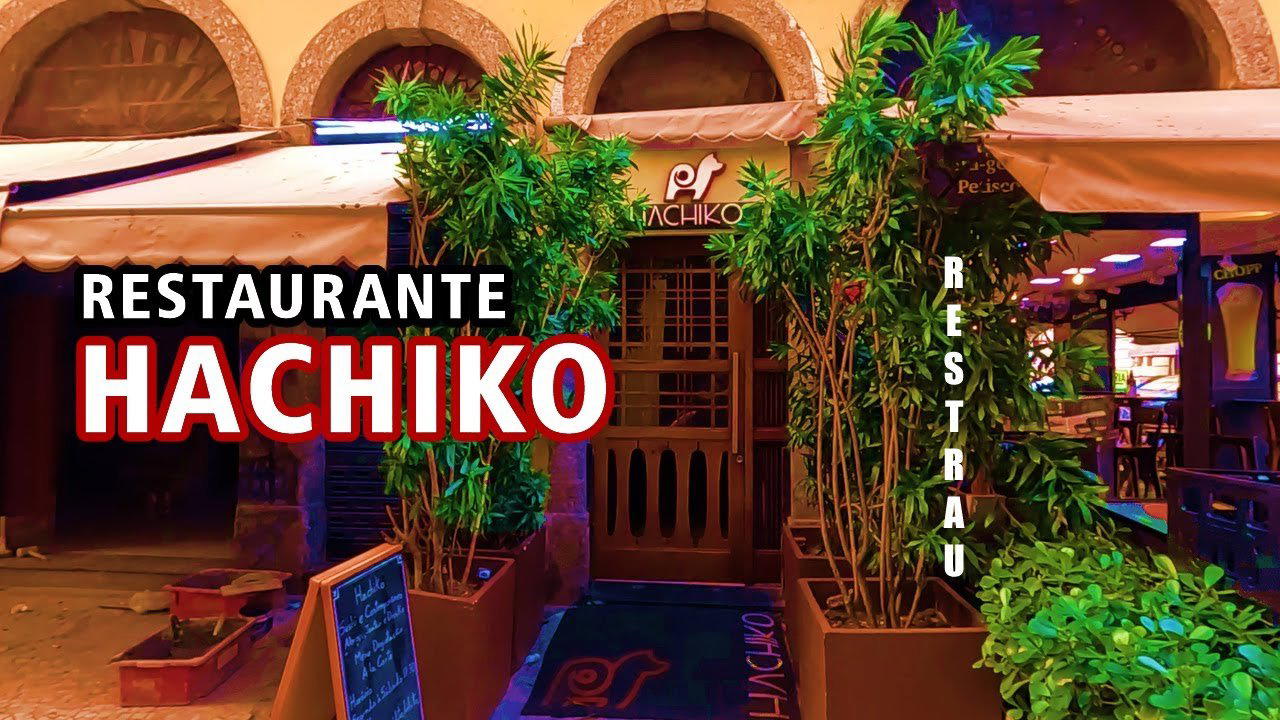
Hachiko occupies a historic address in Rio de Janeiro's Centro district, where the city's older commercial fabric meets a growing wave of serious dining. The address on Travessa do Paço places it steps from some of Rio's most significant civic architecture, making it a reference point for the neighbourhood's evolving restaurant scene rather than an isolated destination.

Pearl is the En Primeur Club membership app — saves, bookings, and concierge access live there. Same editors, same standards.
- Address
- Tv. do Paço, 10 - Centro, Rio de Janeiro - RJ, 20010-170, Brazil
- Phone
- +552121910204
- Hours
- Mon–Sat 11:30 AM–11 PMSun Closed
- Website
- hachiko.com.br
- Directions
- Get directions
- Booking
- Book on the venue's website
The menu
What to order
- Sushi with mango coulis
- Duck in shiso leaf
- Salmon nigiri
- Mushroom cappuccino
- Ceviche
- Tuna tartar with guacamole
Centro's Dining Shift and Where Hachiko Sits Within It
Rio de Janeiro's Centro has spent much of the past decade repositioning itself. The district is historically the city's administrative and financial core, dense with colonial-era buildings and 20th-century commercial architecture. For years, its restaurant scene reflected that identity: working-lunch spots, traditional botequins, and the kind of no-frills counters that close by mid-afternoon when office workers head home. What has changed more recently is the arrival of addresses that treat the neighbourhood's history as an asset rather than a constraint. Hachiko, on Travessa do Paço 10, sits within that shift.
The address itself carries context. Travessa do Paço is a narrow street in one of Centro's most historically layered corners, close to Praça XV and the old imperial palace grounds. In cities with strong dining cultures, the physical texture of a neighbourhood tends to shape how restaurants read: the same menu lands differently in a converted 19th-century commercial building than it does in a purpose-built dining room. Centro's built environment gives venues here a particular kind of atmospheric weight that newer districts in Rio's Zona Sul cannot replicate.
Menu Architecture as an Argument
When very little documented data exists about a restaurant's menu structure, that absence is itself informative. Rio's most discussed restaurant addresses at the top of the market, places like Lasai and Oteque, operate with tasting-menu formats that make a clear argument about what dining there means: a fixed sequence, a declared point of view, a commitment from both sides of the transaction. That format now anchors the top tier of Rio's fine dining conversation, and it sets a reference point against which other formats define themselves.
Restaurants that do not operate on a fixed-sequence model are making a different argument, one about flexibility and access. In a city as socially stratified as Rio, the choice between à la carte accessibility and tasting-menu formality carries real weight. The addresses on Travessa do Paço and surrounding Centro streets have historically leaned toward the former, serving a daytime population that wants to eat well without committing to a two-hour structured experience. How Hachiko positions itself within that choice, whether it signals toward the structured upper tier or the more open mid-market, shapes the kind of venue it is and the kind of reader decision it represents.
The name itself points toward a Japanese reference tradition, a signal that carries particular meaning in a Brazilian city with one of the largest Japanese diaspora communities in the world. São Paulo's Japanese-Brazilian culinary identity is more extensively documented, anchored by high-profile addresses and a deep history of Nikkei cooking. In Rio, the Japanese influence in restaurants tends to manifest differently: not as a community institution but as a culinary vocabulary imported into a broader contemporary frame. Compare this with how a venue like Oro draws on Italian-Brazilian hybridity, or how Casa 201 applies a French framework to local ingredients. Each of those choices is a menu architecture decision before it is anything else.
Centro as a Dining Destination: What the Neighbourhood Tells You
The practical reality of dining in Centro is different from Ipanema, Leblon, or Botafogo. The neighbourhood operates on a compressed schedule anchored to business hours. Getting there is direct by metro, with Uruguaiana and Carioca stations both within walking distance of Travessa do Paço. Evening dining exists, but Centro's energy is concentrated in the lunch window, and restaurants that succeed here tend to understand that rhythm. An address on Travessa do Paço, close to Praça XV's ferry terminals and the concentration of government offices, means a built-in weekday audience of professionals who know the area well.
That geography also situates Hachiko within a neighbourhood undergoing gradual cultural investment. The area around Praça XV has seen restoration projects and increased cultural activity, including the revitalization of Centro's museum cluster. As those investments compound, the argument for dining in Centro during the evening, not just at lunch, becomes stronger. Rio's dining press has tracked this shift, and the addresses that establish themselves now in Centro's historic core are positioning ahead of a neighbourhood that is still in the process of defining its evening identity.
For broader context on where Hachiko sits within Rio's overall restaurant conversation, our full Rio de Janeiro restaurants guide maps the city's dining geography across neighbourhoods and price tiers. Internationally, the structural questions Hachiko raises about format, accessibility, and neighbourhood context echo discussions happening at well-documented addresses from Le Bernardin in New York City to Atomix, where menu architecture and physical placement together define what a restaurant communicates before a plate arrives. Within Brazil, the comparison point is D.O.M. in São Paulo, which has long demonstrated how a strong identity in a specific neighbourhood can anchor a restaurant's reputation across an entire city.
Rio's dining ecosystem also connects outward to the rest of Brazil, from the regional cooking traditions documented at addresses like Cantina Pozzobon in Santa Maria and Bistro Fitz Carraldo in Manaus to the more casual formats at Aero Burguer e Grill in Santa Cruz do Sul and Famosa Pizza in Ribeirao Preto. Understanding Hachiko means placing it inside that national range, recognising that Rio's mid-to-upper dining tier operates in a country with enormous culinary diversity, from the Amazonian ingredients driving menus in Manaus to the Italian-heritage cooking of the south. Other regional comparisons worth noting include Fornazzo Pizzaria in Passo Fundo, Casa da Flor Restaurante in Dourados, Casa da Dika Restô e Eventos in Braganca, Casa da Picanha Penedo in Itatiaia, and Arte e café Imperial in Angra dos Reis.
Planning a Visit
Hachiko is located at Travessa do Paço 10, Centro, Rio de Janeiro. The Centro location means the metro is the most reliable arrival option; Carioca and Uruguaiana stations are both within reasonable walking distance of the address. As with most Centro restaurants, lunch service is the established rhythm of the neighbourhood, and prospective visitors planning an evening meal should verify current service hours directly. Rio's Italian-influenced dining tradition is represented nearby through Cipriani, which offers a useful reference point for understanding the formal end of the city's European-heritage restaurant spectrum.
Frequently asked questions
How do I find Hachiko?
Hachiko is located at Tv. do Paço, 10 - Centro, Rio de Janeiro - RJ, 20010-170, Brazil, Rio De Janeiro.
Is Hachiko connected to Rio de Janeiro's Japanese-Brazilian food tradition?
The name Hachiko points clearly toward Japanese cultural identity, and in Rio de Janeiro that signal sits within a broader Nikkei culinary tradition with roots going back over a century to Japanese immigration in Brazil. Centro's working-district address suggests the venue is positioned for a local, weekday-lunch audience rather than the tourist circuits of Ipanema or Leblon.
What do people recommend at Hachiko?
The venue's name carries a direct Japanese cultural reference, and its Centro, Rio de Janeiro address places it within a neighbourhood that operates primarily on a lunch-driven schedule. Given Brazil's significant Nikkei culinary tradition, Japanese-Brazilian preparations would be a reasonable frame for approaching the menu.
Do they take walk-ins at Hachiko?
Walk-in policy for Hachiko has not been confirmed in publicly available data. Centro restaurants at Travessa do Paço and surrounding streets typically run a compressed midday service tied to the business district's weekday rhythm, which often means capacity loosens outside the 12:30–14:00 peak window. Arriving before or after that window gives the best chance of a walk-in seat.
Reputation Context
Comparable venues nearby, for context on price, style, and recognition.
| Venue | Cuisine | Price | Notes |
|---|---|---|---|
| HachikoThis venue — the venue you are viewing | Contemporary Japanese Fusion with Brazilian Influences | $50–100 | Not listed |
| Naga | Modern Japanese Sushi | $30–50 | Barra da Tijuca |
| Gurumê | Contemporary Japanese Fusion | $30–50 | Leblon |
| Shiso | Modern Japanese Fusion | $30–50 | Barra da Tijuca |
| Puro | Contemporary Brazilian | Not listed | Jardim Botânico |
| Le Blé Noir | Authentic Breton Crepes | $20–30 | Copacabana |
Continue exploring
More in Rio de Janeiro
Restaurants in Rio de Janeiro
Browse all →
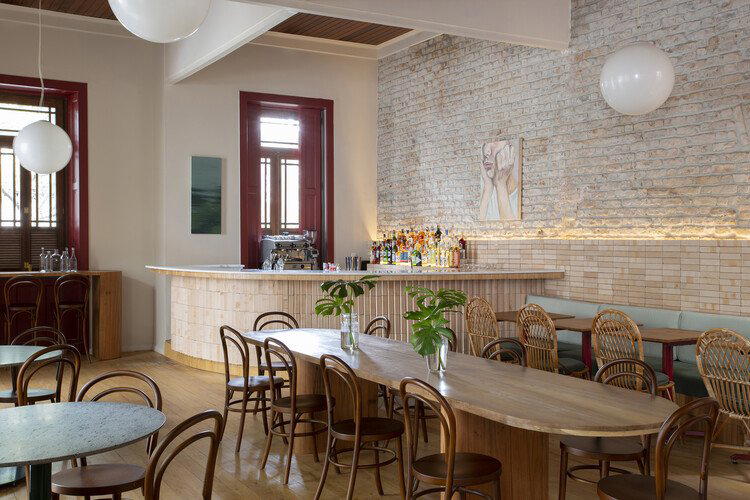
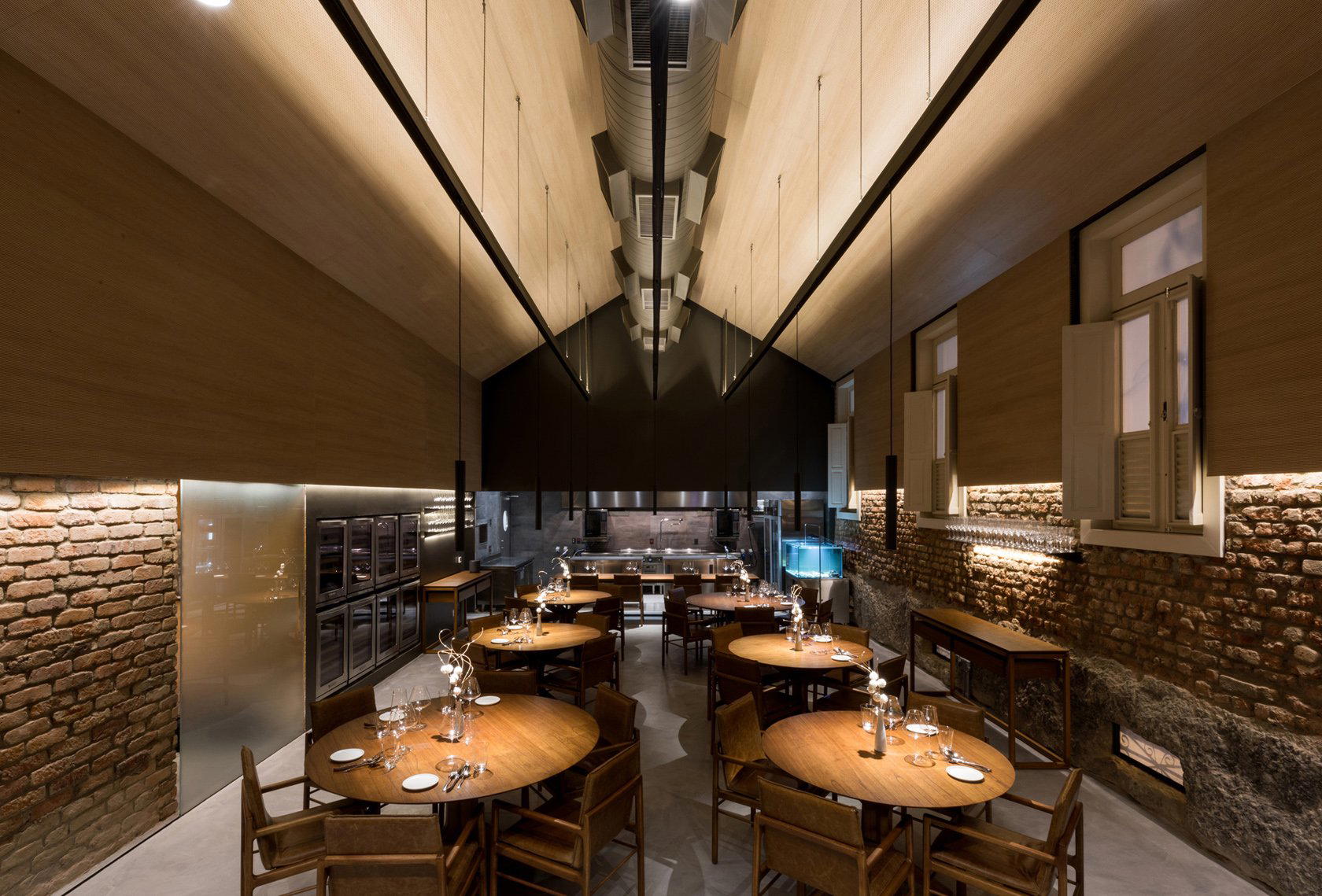
Bars in Rio de Janeiro
Browse all →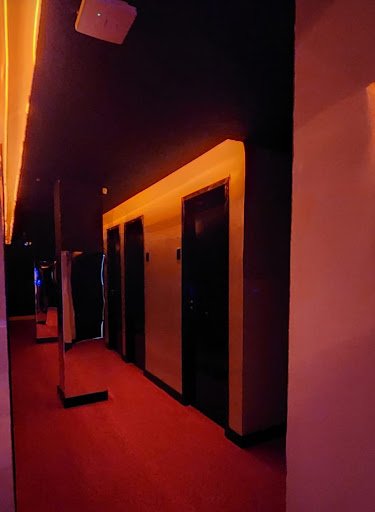
Hachiko
The wine
- Wine program
- Curated wine list
- Craft cocktails
Details
- Elegant
- Intimate
- Cozy
- Sophisticated
- Date Night
- Special Occasion
- Celebration
- Historic Building
- Private Dining
- Open Kitchen
- Craft Cocktails
- Local Sourcing
- Street Scene
- Tasting Menu
- Craft Cocktails
- Wine
- Gluten Free Options
- Vegetarian Friendly
- Allergy Accommodating
Current opening hours
- Monday
- 11:30 AM–11 PM
- Tuesday
- 11:30 AM–11 PM
- Wednesday
- 11:30 AM–11 PM
- Thursday
- 11:30 AM–11 PM
- Friday
- 11:30 AM–11 PM
- Saturday
- 11:30 AM–11 PM
- Sunday
- Closed
Hours can change for holidays and private events. Last verified .
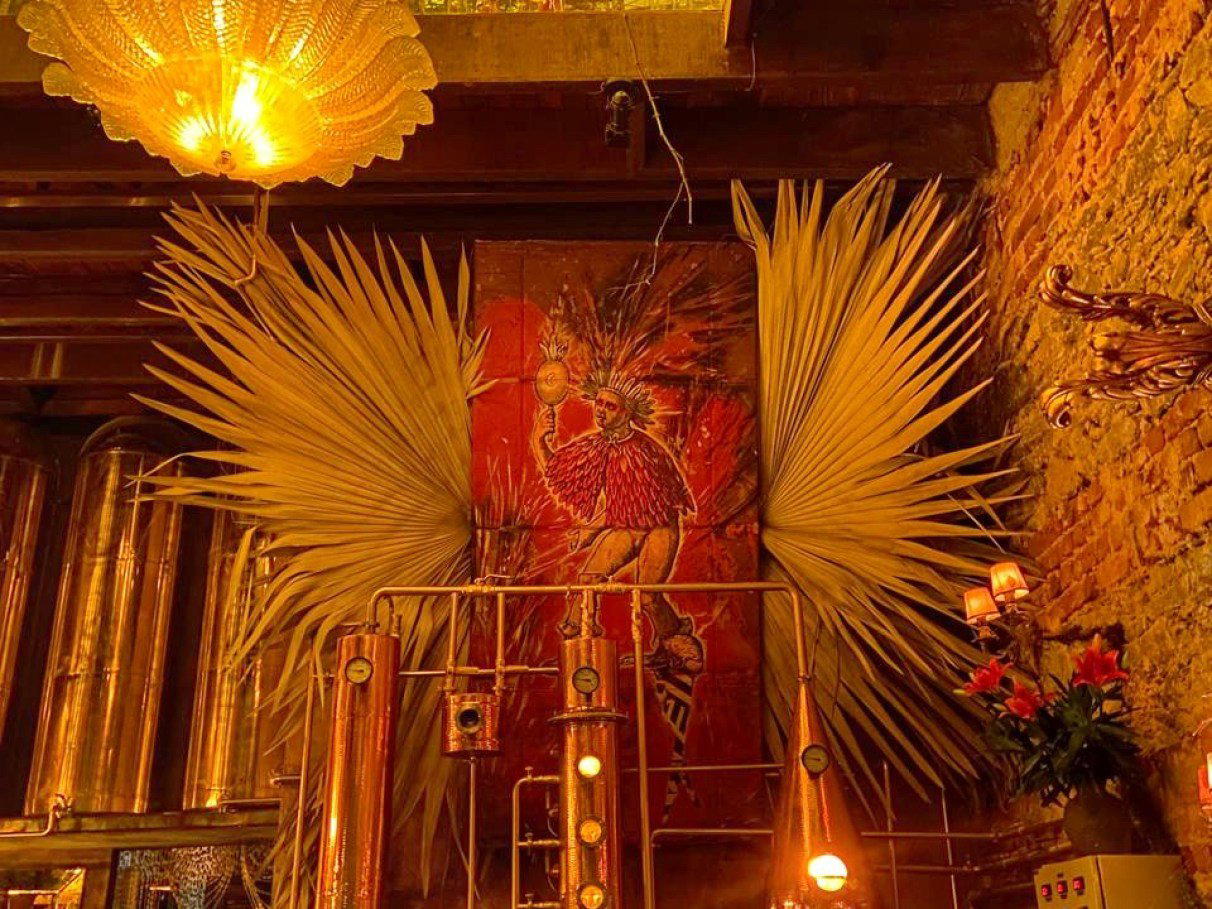
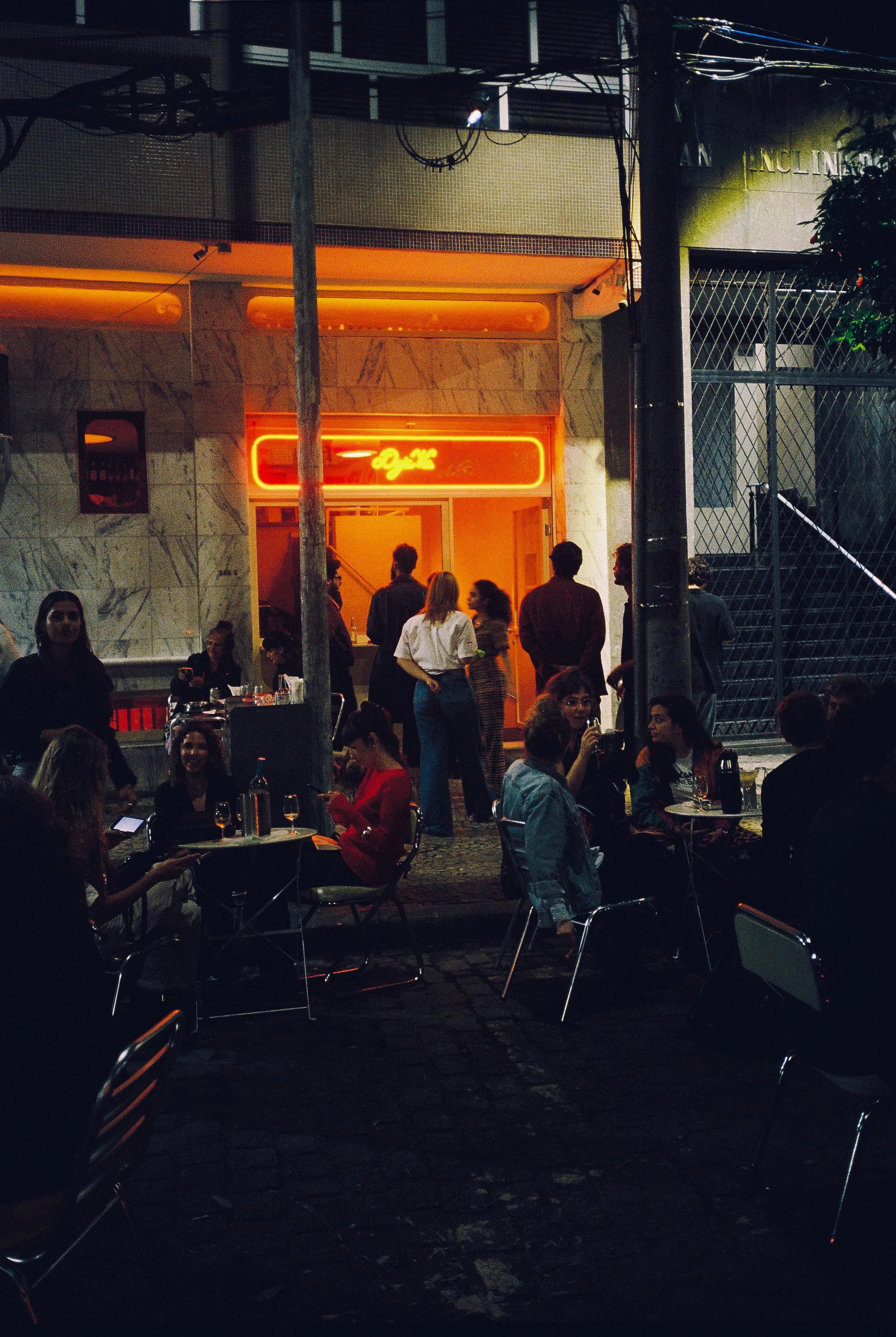
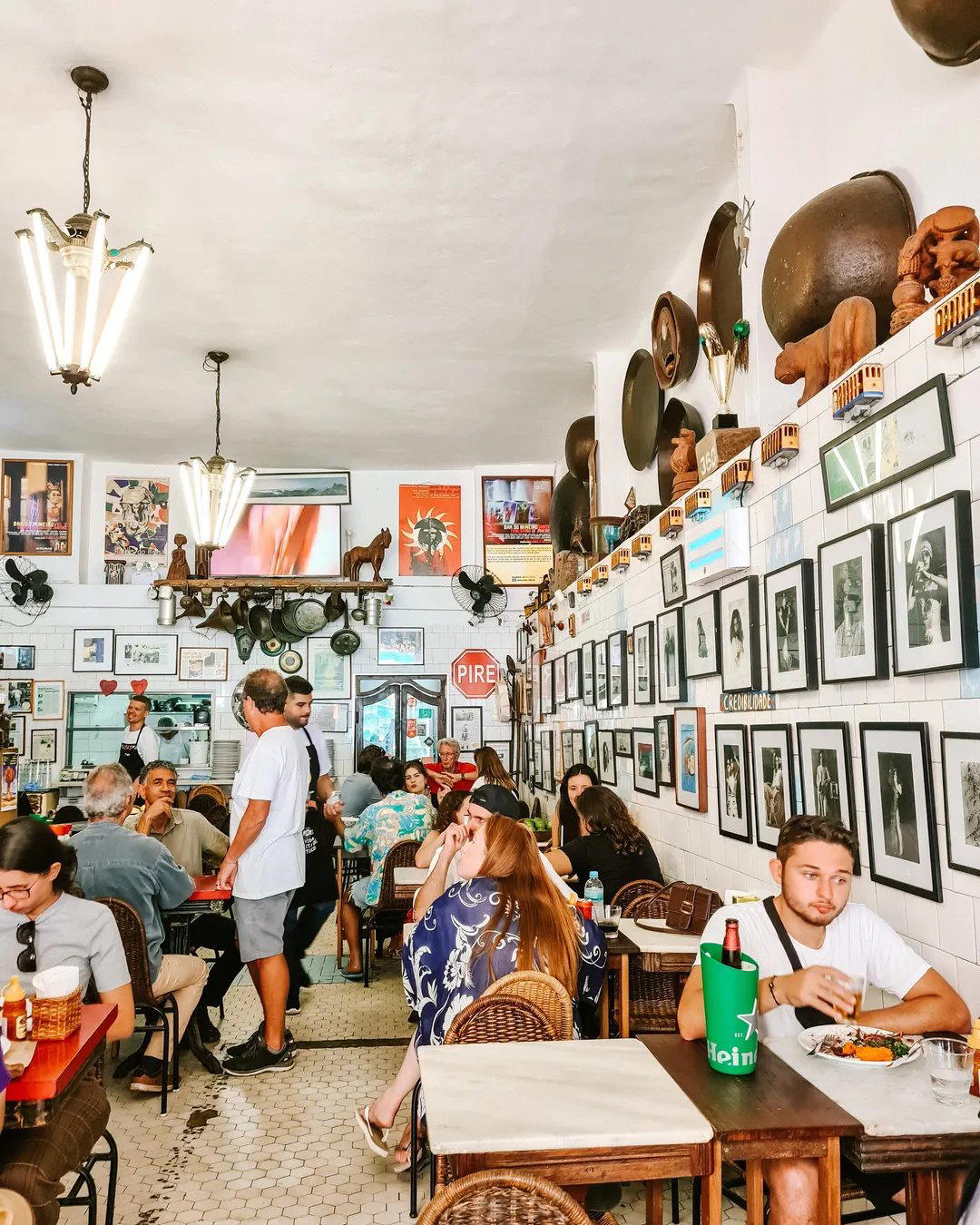
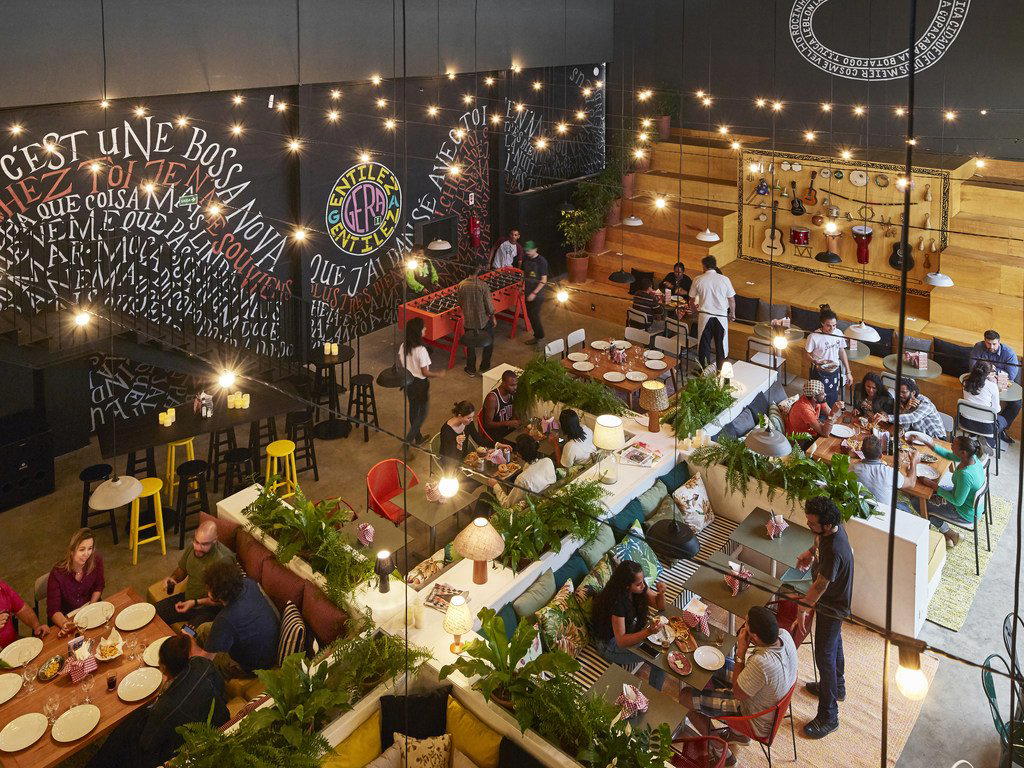
Cozy and beautifully decorated with low lighting and comfortable volume music, housed in a historic colonial-style building with large windows overlooking Palácio Tiradentes.