Bar do Mineiro
Bar do Mineiro sits on Rua Paschoal Carlos Magno in Santa Teresa, Rio de Janeiro's hillside bohemian neighbourhood, functioning as the kind of bar that locals return to out of habit rather than occasion. The food is straightforward boteco fare, the format that defines neighbourhood drinking culture across Rio, and the setting carries the worn, lived-in quality that no amount of interior design can manufacture.

Pearl is the En Primeur Club membership app, where members save venues, book tables and use the concierge.
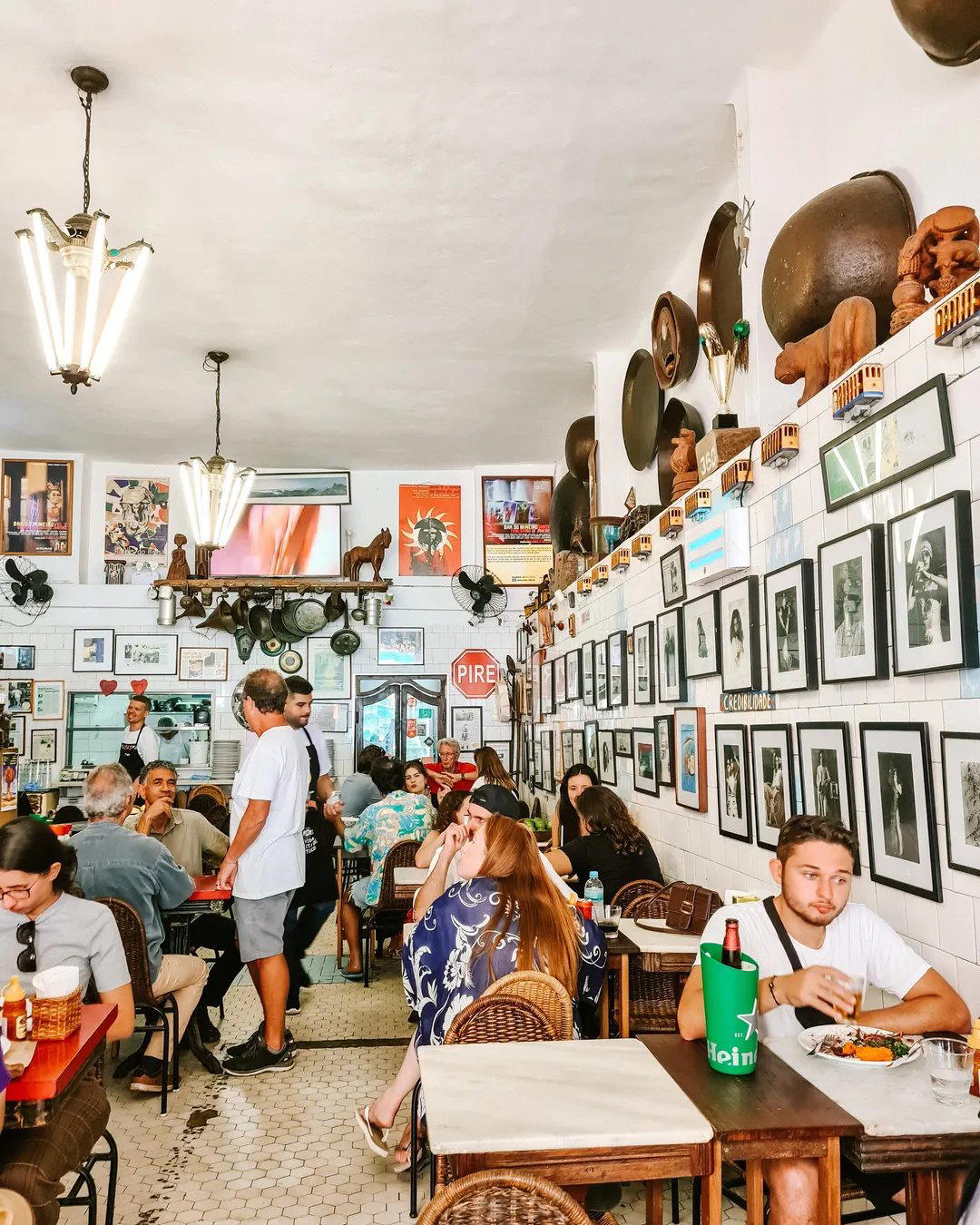
Santa Teresa's Boteco Logic
Rio de Janeiro's bar culture divides along a clear axis. At one end sit the cocktail-forward addresses in Leblon and Ipanema, where menu development and lighting design compete for attention. At the other end are the botecos: neighbourhood bars in which the beer is cold, the food is recognisable, and the clientele returns not because the space is interesting but because it is theirs. Bar do Mineiro, on Rua Paschoal Carlos Magno in Santa Teresa, belongs firmly to the second category, and earns its place there without qualification.
Santa Teresa operates by different rules than the beachfront zones below it. The neighbourhood climbs the serra behind downtown Rio on a grid of cobbled streets, tram tracks, and colonial-era houses in various states of preservation. Artists, longtime residents, and a growing wave of visitors drawn by the area's bohemian reputation coexist in a way that feels less curated than comparable neighbourhoods in São Paulo or Buenos Aires. Bars here function as community anchors as much as commercial enterprises, and Bar do Mineiro has held that role on its stretch of Paschoal Carlos Magno long enough that the building itself seems to belong to the street.
The Room and What It Tells You
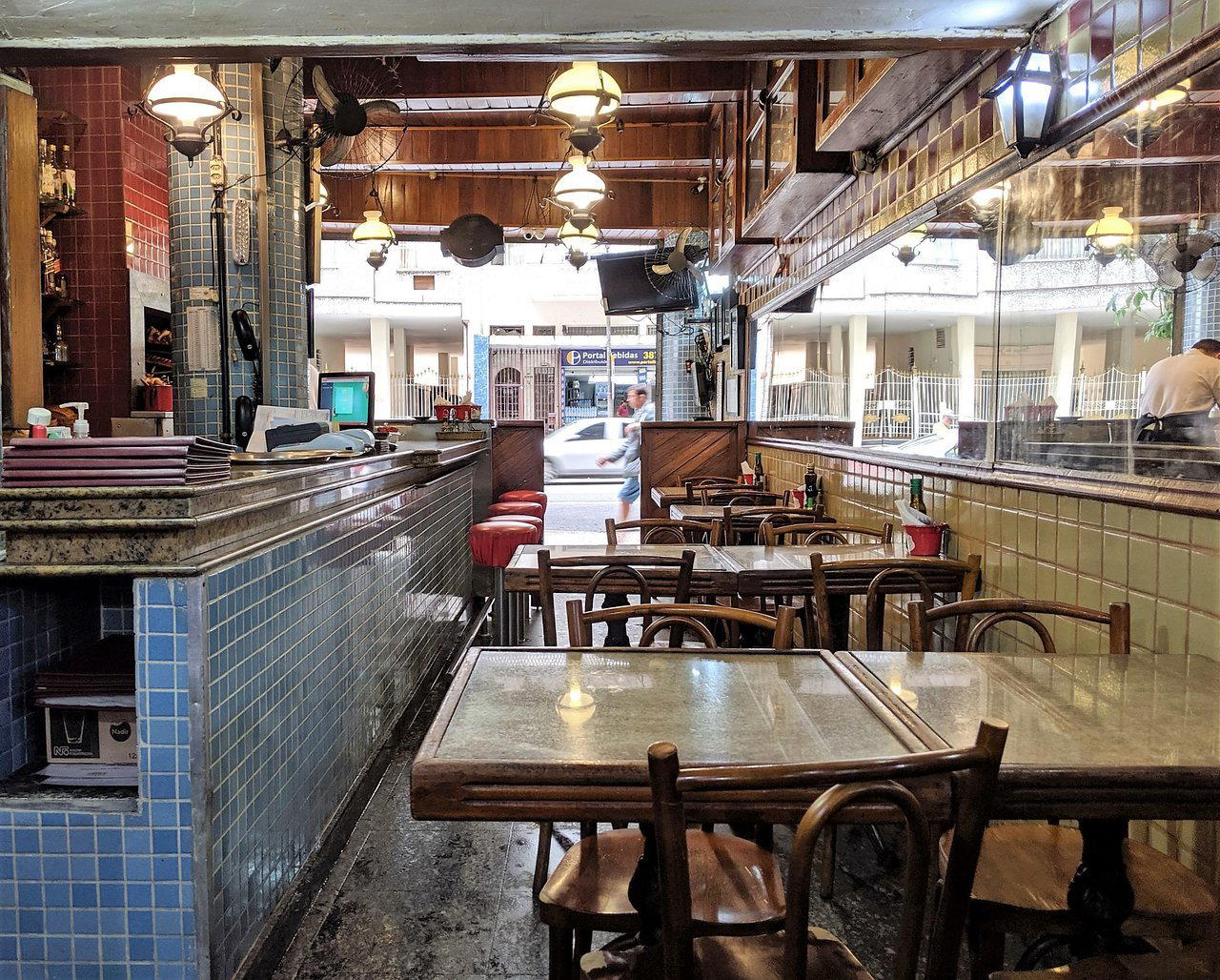
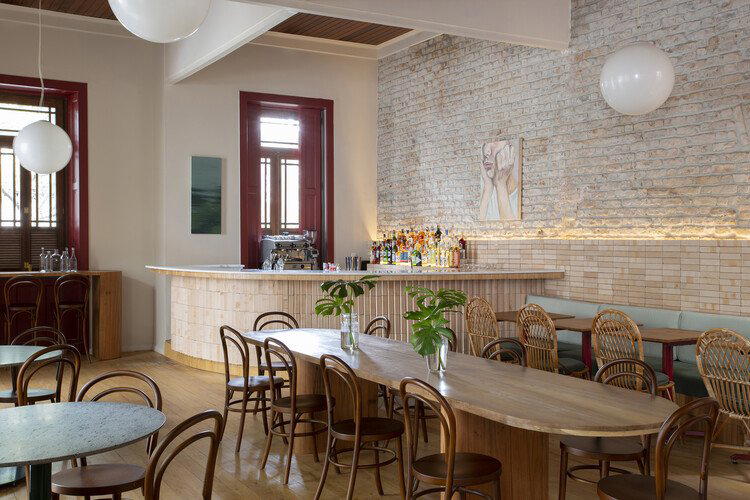
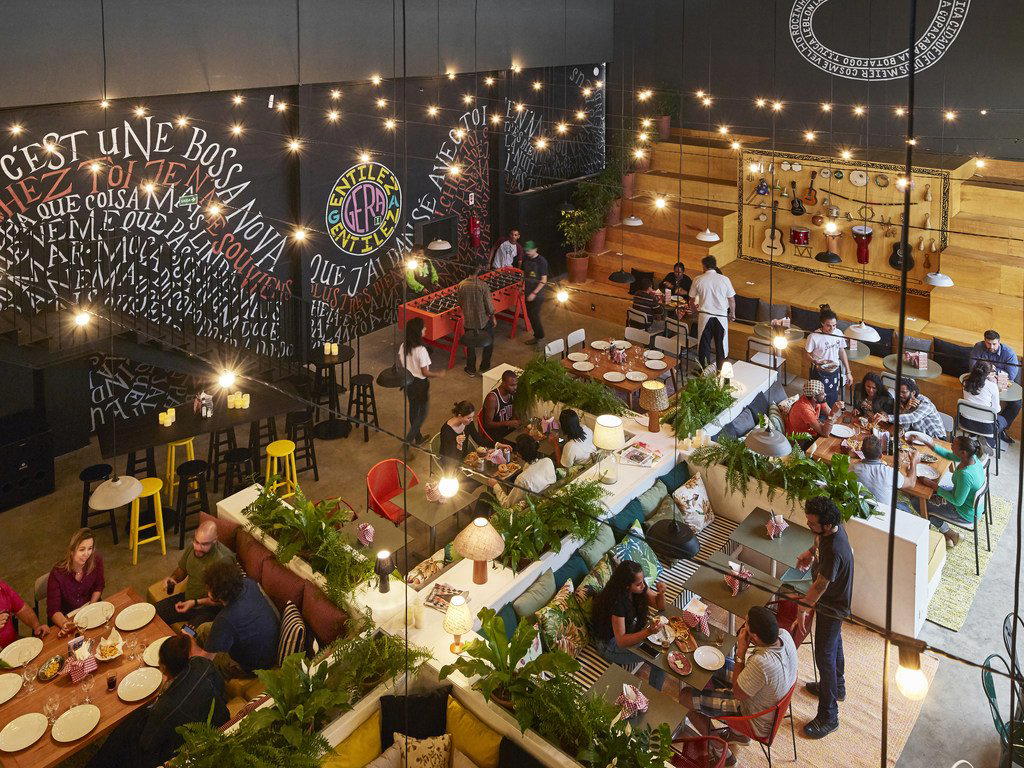
The physical environment at Bar do Mineiro is the first editorial statement the place makes. Tables spill onto the pavement when the interior fills, which it tends to do on weekend afternoons and most evenings. Inside, the walls carry the particular density of a bar that has been accumulating objects, photographs, and signage over years rather than staging them. The effect is less decoration than sediment: the bar looks the way it does because things have happened there, not because someone planned for it to look that way.
This quality is harder to find in Rio than it was a decade ago. Neighbourhood botecos face the same pressure across Brazilian cities that classic neighbourhood bars face in Lisbon or Mexico City: rising property values, generational ownership shifts, and the competition of newer formats. The ones that survive with their character intact do so partly through reputation and partly through regulars who treat the place as an extension of their immediate geography. Bar do Mineiro benefits from both.
What the Kitchen Represents
Mineiro cooking, the cuisine of Minas Gerais state, which sits inland above Rio, has a specific set of reference points: pork preparations, beans cooked low and slow, tutu (a thickened bean paste), torresmo (fried pork skin), and the kind of food that was designed to sustain agricultural work rather than signal sophistication. In Rio, Mineiro food occupies a particular cultural space. It reads as comfort, as interior Brazil, as the opposite of seafood-forward carioca cooking. A bar in Santa Teresa named Bar do Mineiro and serving this tradition is making a clear positioning statement about what kind of place it intends to be.
This matters editorially because the food at a boteco is not incidental to the experience, it is the experience, alongside the beer. Caldo de feijão (bean broth), pastéis, and pork-heavy plates are the expected register, and the expectation is consistency rather than creativity. The kitchen's job in a bar like this is to reinforce the sense of place, not to complicate it. Visitors expecting tasting-menu ambition will arrive at the wrong address; those looking for the food that Rio's working and creative classes have eaten for decades in exactly this kind of setting will find it here.
For context within Rio's broader bar scene, Bar do Mineiro operates in a different tier from cocktail-focused venues like Bar de Copa or the more atmospherically composed Bar dos Descasados. It shares more DNA with neighbourhood institutions like Bar do Bode Cheiroso and the waterfront ease of Bar e Restaurante Urca, places where the draw is situational and communal rather than programmatic.
Santa Teresa in the Broader Brazilian Bar Picture
Placing Bar do Mineiro within Brazilian bar culture more widely helps calibrate what to expect. The boteco format is not unique to Rio, but Rio executes it with a particular density and street-level integration that cities like São Paulo handle differently. In São Paulo, neighbourhood bars tend toward either the craft-beer pivot or the design-led interior; venues like Exímia in São Paulo reflect a more formal cocktail ambition that belongs to a different register entirely.
In Salvador, street-food culture produces something closer to Rio's informality, Acarajé da Dinha in Salvador operates on a similar logic of place-as-institution. In Belo Horizonte, the boteco tradition is arguably even more codified, with bars like Bar da Lora in Belo Horizonte sitting inside a city that takes its neighbourhood bar culture with uncommon seriousness. Rio sits between these poles: less codified than BH, more street-level than SP, and with Santa Teresa adding a particular layer of creative-class identity that the Zona Sul beachfront neighbourhoods lack.
Further south, the bar culture shifts again. Dionisia Restaurante VinhoBar in Porto Alegre and Vivan Wine Bar in Balneario Camboriu reflect wine-forward traditions shaped by European immigration. SEEN Belém in Belem operates in an entirely different climate and culinary tradition. And internationally, the neighbourhood-institution format appears in places as different as Bar Leather Apron in Honolulu, though the execution and cultural framing differ substantially from what Rio's boteco tradition produces.
Planning a Visit
Bar do Mineiro sits at Rua Paschoal Carlos Magno, 99, in Santa Teresa. The neighbourhood is most practically reached from downtown Rio or from the Zona Sul via taxi or rideshare; the historic Santa Teresa tram (bonde) connects from Carioca station but runs limited hours and routes. The bar operates in a neighbourhood that moves to its own rhythms, weekend afternoons draw the densest crowds, when residents from across Santa Teresa converge on Paschoal Carlos Magno's concentration of bars and restaurants. Arriving early in the evening on weekdays tends to offer more space and a more local-skewing crowd. For a wider orientation to Rio's drinking and eating scene before you arrive, the EP Club Rio de Janeiro guide covers the city's full range across neighbourhoods and formats.
Standing Among Peers
| Venue | Price | Awards |
|---|---|---|
| Bar do MineiroThis venue (the venue you are viewing) | $20–30 | Not listed |
| Bar de Copa | $20–30 | World's 50 Best #41 |
| Elena Horto | Not listed | Star Wine List · Top 500 Bars Best Bars #426 |
| Liz Cocktails & Co | $10–20 | Top 500 Bars Best Bars #422 |
| Galeto Sat's Botafogo | $10–20 | Not listed |
Continue exploring
More in Rio de Janeiro
Bars in Rio de Janeiro
All bars in Rio de Janeiro →

Restaurants in Rio de Janeiro
All restaurants in Rio de Janeiro →
Bar do Mineiro
The drinks
- Classic cocktails
Signature drinks: caipirinha.
Details
- Rustic
- Cozy
- Bohemian
- Lively
- Casual Hangout
- Group Outing
- Historic Building
- Communal Tables
- Classic Cocktails
Current opening hours
- Monday
- 8:30 AM–10:30 PM
- Tuesday
- 8:30 AM–10:30 PM
- Wednesday
- 8:30 AM–10:30 PM
- Thursday
- 8:30 AM–10:30 PM
- Friday
- 8:30 AM–10:30 PM
- Saturday
- 8:30 AM–10:30 PM
- Sunday
- 8:30 AM–10 PM
Hours can change for holidays and private events. Hours as of .