Brota


Michelin Bib Gourmand · We're Smart World 2 Radishes
Our verdict
Brota is a vegetarian restaurant in Botafogo that has earned back-to-back Michelin Bib Gourmand recognition in 2024 and 2025, under the cooking of Chef Raphaël Fumio Kudaka. The menu is built around sharing plates, local produce, and combinations that treat vegetables as the structural backbone of each dish rather than a dietary concession. At the $$ price tier, it represents one of Rio's more serious plant-focused kitchens.

Pearl is the En Primeur Club membership app — saves, bookings, and concierge access live there. Same editors, same standards.
- Address
- Rua Conde de Irajá, 98 - Botafogo, Rio de Janeiro - RJ, 22271-020, Brazil
- Phone
- +55 21 97406-0905
- Hours
- Mon ClosedTue–Sat 12–11 PMSun 12–5 PM
- Website
- brota.online
- Directions
- Get directions
Botafogo's Plant Kitchen and What It Says About Rio's Vegetarian Shift
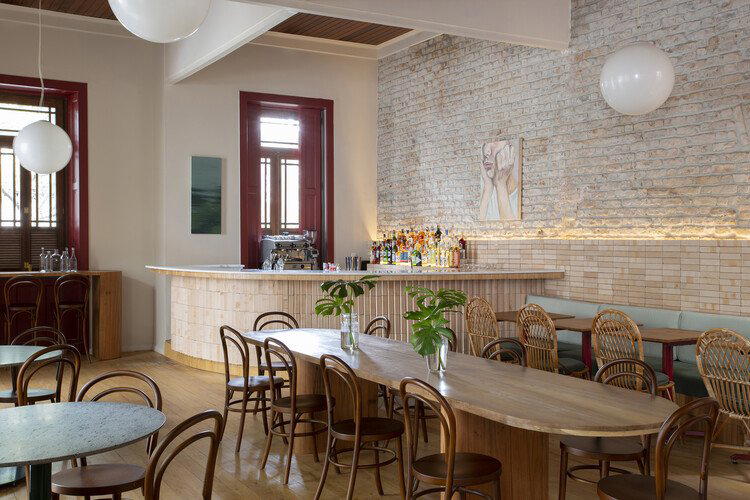
Rua Conde de Irajá runs through one of Botafogo's quieter residential stretches, a neighbourhood that has steadily accumulated the kind of mid-scale, chef-driven restaurants that attract locals rather than tourists looking for a postcard view. In that context, Brota arrives without spectacle. The address is residential in feel, the format is communal, and the price point sits firmly in the accessible bracket. What the room signals, before you've ordered anything, is that this is a place for regulars — the kind of crowd that comes back because the cooking earns it, not because the setting demands a photograph.
That reading is confirmed by Brota's track record. Back-to-back Michelin Bib Gourmand recognition in 2024 and 2025 places it in a tier of restaurants that the Guide considers to deliver quality cooking at a price that doesn't require a special occasion. For a vegetarian kitchen in a city where churrasco remains the culinary default, that credential carries particular weight. Michelin's inspectors noted simple, local cooking with sometimes surprising combinations — a framing that positions the kitchen closer to ingredient-led discipline than to the plant-based showmanship that characterises some of the category's more self-conscious entries.
How the Menu Handles the Protein Question
The single most interesting editorial question at any serious vegetarian restaurant is satiety: how does a kitchen make a meal feel complete when the conventional anchors of protein and fat, meat, fish, aged cheese, are removed from the toolkit? At Brota, the answer appears to lie in the sharing format itself and in the specificity of local sourcing.
Sharing plates, as a structural choice, do something that a standard three-course menu cannot: they allow the kitchen to build cumulative weight through accumulation rather than through a single centrepiece. A table that orders across the full menu arrives at a sense of fullness that is qualitatively different from the experience of eating one substantial main. The dishes arrive in waves, the flavours build, and the absence of meat stops registering because no single moment was supposed to carry the whole burden. This is a format common to some of the more thoughtful plant-focused kitchens globally, Fu He Hui in Shanghai and Lamdre in Beijing both operate in territories where vegetarian fine dining has deep roots, and both use sequential small-plate logic to similar effect.
Chef Raphaël Fumio Kudaka's cooking at Brota is built around local produce and creative combinations that the Michelin record describes as sometimes surprising. That formulation, surprising combinations, is doing real work. It suggests a kitchen that doesn't default to the predictable pairings of international plant-based cuisine (roasted roots with tahini, legume-based ragù approximating Bolognese) but instead works from a Brazilian larder toward unexpected results. The country's biodiversity, from cerrado fruits to coastal vegetables to Amazonian staples, gives any serious kitchen substantial material to work with, and the evidence here is that Brota uses that range with intention.
Where Brota Sits in Rio's Broader Restaurant Scene
Rio's restaurant scene at the leading end is dominated by tasting-menu formats and international influences: Lasai and Oteque both operate at the $$$$ tier with tasting menus that draw on regional Brazilian ingredients through a fine-dining lens. Oro, Casa 201, and Cipriani sit in similar price territory with European-leaning menus. Brota operates at $$, a different competitive set entirely, closer in price positioning to neighbourhood trattorie than to the city's destination restaurants.
That price gap is part of what the Bib Gourmand recognises. The award exists specifically for restaurants that deliver cooking of genuine quality without the overhead that tasting-menu formats require. In Rio's vegetarian niche, Brota appears to have occupied a position that few competitors have seriously challenged: the plant-focused kitchen that holds up on flavour rather than on concept or novelty. The restaurant's Michelin citation mentions a strong reputation in the pure plant field and a loyal base of regular guests, a combination that reads less like a trend restaurant and more like an established neighbourhood institution.
Across Brazil, plant-forward cooking has been gaining traction in distinct ways. In São Paulo, Evvai represents the high-end approach to ingredient-led cooking. In the Northeast, kitchens like Manga in Salvador and Orixás in Itacaré draw on coastal and indigenous produce in ways that naturally privilege vegetables and grains. In the South, Primrose in Gramado and Mina in Campos do Jordão work in mountain contexts with their own seasonal logic. Brota's contribution to this national picture is specifically urban and specifically Rio: a mid-price, sharing-format vegetarian kitchen that has demonstrated staying power in a city not traditionally associated with plant-led dining. Castelo Saint Andrews in Gramado offers a different reference point for how regional ingredients can anchor a dining experience when the format is built around place rather than trend.
Planning Your Visit
Brota sits on Rua Conde de Irajá 98 in Botafogo, a neighbourhood that is direct to reach by metro (Botafogo station) or taxi from most central Rio districts. The $$ price positioning means a full table of sharing plates stays well within reach of what a similar occasion would cost at any of the city's tasting-menu restaurants. The sharing format rewards tables of two or more; a larger group gives you wider coverage of the menu and a better sense of how the kitchen builds a meal across courses.
The Bib Gourmand recognition has been sustained across two consecutive Michelin cycles, which rules out a one-year outlier reading. Chef Roberta Ciasca's name appears in the Michelin record alongside Chef Raphaël Fumio Kudaka, pointing to a kitchen with defined culinary direction rather than a revolving creative lead.
For a fuller picture of where Brota fits in Rio's dining geography, the EP Club Rio de Janeiro restaurants guide covers the city across price tiers and neighbourhoods. For accommodation, the Rio de Janeiro hotels guide covers the city's full range. Bars, wineries, and experiences are mapped in the bars guide, wineries guide, and experiences guide respectively.
Frequently asked questions
Is Brota good for families?
The $$ price tier keeps the stakes low, and the sharing-plate format suits a table that wants to order widely rather than commit to fixed courses. Botafogo is one of Rio's more relaxed residential neighbourhoods, which sets the tone. The Michelin Bib Gourmand recognition in both 2024 and 2025 signals consistent cooking rather than occasion-only splurging.
How would you describe the vibe at Brota?
Think neighbourhood restaurant with a clear culinary point of view, not a tasting-menu showroom. Brota operates in Botafogo's quieter residential stretch on Rua Conde de Irajá, and its $$ pricing reinforces that register. The Michelin Bib Gourmand tag is specifically awarded to places offering quality cooking at moderate prices, which tells you most of what you need to know about the room's register.
What kind of recognition has Brota received?
Brota has received recognition including: Chef Roberta Ciasca opts for pure plant and sharing dishes. The cooking is simple and local, with sometimes surprising combinations. Meanwhile, the Brota restaurant has a strong reputation in the pure plant field and can count on a range of….
What do people recommend at Brota?
Michelin's assessors credit the kitchen specifically for creative combinations within a simple, locally grounded approach, so ordering across the sharing menu rather than anchoring on one or two dishes is the logical move. Chef Raphaël Fumio Kudaka's kitchen has built a strong repeat-guest base in the plant-focused field, which suggests the menu rewards return visits. The Bib Gourmand recognition in consecutive years points to consistency rather than one headline dish carrying the room.
What should I budget for a meal at Brota?
Pricing at Brota is listed as $$.
Where is Brota in Rio de Janeiro?
Brota is located at Rua Conde de Irajá, 98 - Botafogo, Rio de Janeiro - RJ, 22271-020, Brazil, Rio de Janeiro.
The Essentials
| Venue | Cuisine | Price | Awards | Notes |
|---|---|---|---|---|
| BrotaThis venue — the venue you are viewing | Modern Vegetarian & Vegan Sharing Plates | Not listed | Michelin Bib Gourmand · We're Smart World 2 Radishes | Not listed |
| Lasai | Modern Brazilian Fine Dining | Not listed | 2 Michelin Stars · World's 50 Best #28 | Regional Brazilian, Modern Cuisine |
| Oteque | Modern Seafood Fine Dining | $100–150 | 1 Michelin Star · World's 50 Best #38 | Modern Brazilian, Modern Cuisine |
| Oro | Brazilian Vanguard Fine Dining | Not listed | 2 Michelin Stars · La Liste Top Restaurants | Contemporary Italian, Brazilian, Modern Italian |
| Lilia | Modern Brazilian Creative | $20–30 | Michelin Plate | Italian, Brazilian |
| Casa 201 | Modern French with Brazilian Ingredients | $150–200 | 1 Michelin Star | French |
Recognition history
Dated appearances from independent guides and award organizations, with the underlying list record or original source where available.
Michelin Bib Gourmand
Michelin
We're Smart World 2 Radishes
We're Smart World
Full recognition history (4 entries)
Michelin Bib Gourmand
Michelin
Michelin Bib Gourmand
Michelin
Continue exploring
More in Rio de Janeiro
Restaurants in Rio de Janeiro
Browse all →
Bars in Rio de Janeiro
Browse all →




Details
- Cozy
- Elegant
- Modern
- Intimate
- Date Night
- Special Occasion
- Casual Hangout
- Garden
- Craft Cocktails
- Local Sourcing
- Garden
- Small Plates
- A La Carte
- Vegetarian Friendly
- Vegan Options
- Gluten Free Options
Current opening hours
- Monday
- Closed
- Tuesday
- 12–11 PM
- Wednesday
- 12–11 PM
- Thursday
- 12–11 PM
- Friday
- 12–11 PM
- Saturday
- 12–11 PM
- Sunday
- 12–5 PM
Hours can change for holidays and private events. Last verified .
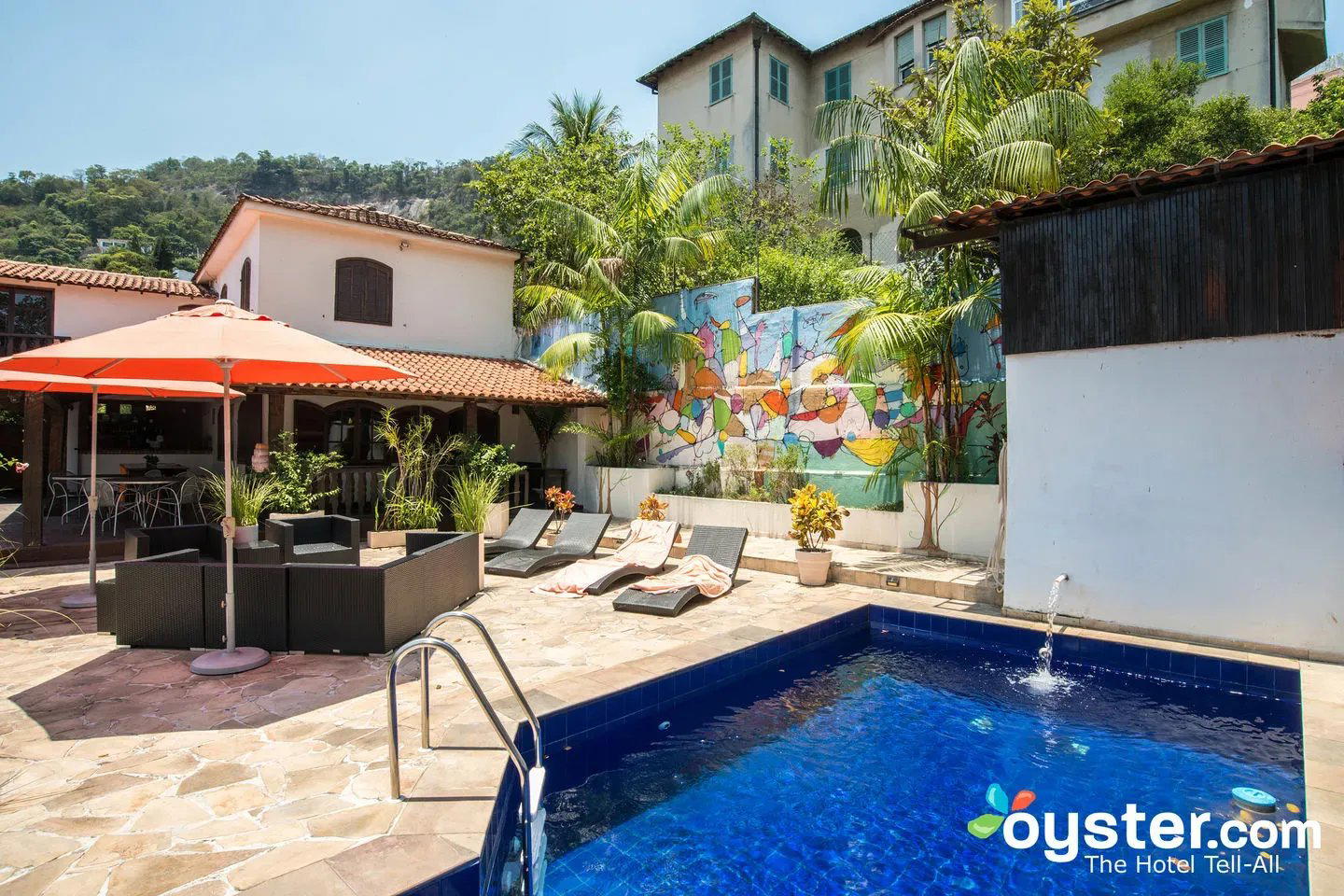
Relaxed, cozy atmosphere in a beautiful historic house with garden surroundings and elegant, sophisticated lighting.