Bar do Bode Cheiroso
Bar do Bode Cheiroso sits on Rua General Canabarro in the Maracanã neighbourhood, occupying the kind of no-frills position that Rio's most characterful bars have always favoured over polish. It draws from a tradition of boteco culture where the bartender's relationship with regulars defines the room as much as anything on the counter. For visitors oriented toward the city's lived-in drinking scene rather than its hotel-bar circuit, it represents a direct line to that tradition.

Pearl is the En Primeur Club membership app, where members save venues, book tables and use the concierge.
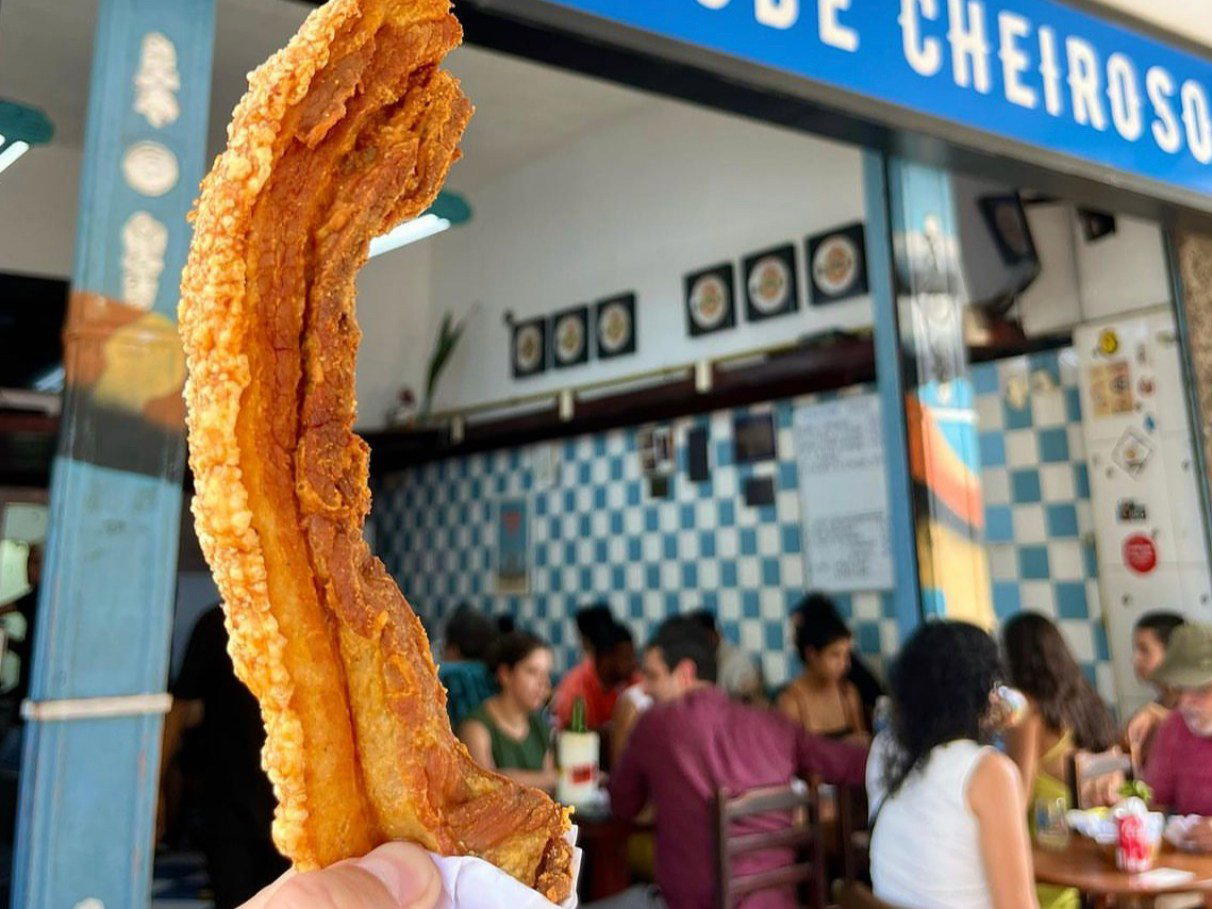
The Maracanã Boteco and What It Represents
Approach Rua General Canabarro on a weekday evening and the scene outside Bar do Bode Cheiroso tells you more about Rio's drinking culture than any bar list. The Maracanã neighbourhood sits north of Tijuca, close enough to the stadium that its streets carry a particular rhythm: working-class, football-adjacent, resistant to the gentrification pressures that have reshaped Botafogo and Santa Teresa over the past decade. Bars here exist because the neighbourhood needs them, not because a concept was designed for them.
This is the original logic of the Rio boteco: a counter, a proprietor who knows the regulars by name, cold beer served in the small 300ml bottle to keep it from going warm, and plates of petiscos arriving without much ceremony. The format is Brazil's most democratic drinking institution, and the Maracanã version of it differs meaningfully from the self-consciously preserved botecos of tourist-facing neighbourhoods. There is less performance involved. The bar at General Canabarro 218 occupies that position, a place shaped by its immediate community rather than by outside expectation.
The Bartender's Role in Rio's Boteco Tradition
In the boteco model, the person behind the bar carries a weight that differs from the mixologist framing that has taken hold in cities like São Paulo, where Exímia in São Paulo represents a technically ambitious, internationally oriented approach to cocktail programming. Rio's neighbourhood bars operate on a different contract. The bartender here is less a technician and more an anchor: someone who manages the social temperature of the room, who knows which regulars want their draft poured first and which ones are coming in from a difficult shift. That kind of hospitality is not taught in a bartending course. It accumulates over years of the same counter, the same neighbourhood, the same faces.
This is the craft that Bar do Bode Cheiroso embodies. The address at General Canabarro has the kind of continuity that matters in boteco culture, bars that survive in non-tourist neighbourhoods do so because they have earned a daily relationship with the people who live nearby. Across Brazil, equivalent institutions hold similar roles: Acarajé da Dinha in Salvador anchors a neighbourhood through food as much as drink, and Bar da Lora in Belo Horizonte demonstrates how a local bar becomes a reference point for an entire district. The mechanism is the same: sustained presence, consistent hospitality, and a room that reflects the people in it.
Where It Sits in Rio's Bar Scene
Rio's bar geography has diversified considerably in recent years. The southern zone, Ipanema, Leblon, Botafogo, now supports cocktail bars with developed spirits programs and internationally trained bar staff. Bar de Copa and Bar dos Descasados occupy that more constructed end of the spectrum. The waterfront tradition is represented by Bar e Restaurante Urca, which has carried institutional status in the Urca neighbourhood for decades. At the community-oriented, neighbourhood-embedded end of the spectrum, Bar do Mineiro in Santa Teresa holds a well-documented position as a reference boteco, though it now draws as many visitors as locals.
Bar do Bode Cheiroso operates with less external profile than any of those venues. Its Maracanã address means it sits outside the circuits that food media and travel coverage tend to follow through the city. That positioning is not a disadvantage within its own context, it means the room functions as intended, without the self-consciousness that tourist-facing recognition tends to introduce. For comparison across Brazil's wider drinking scene, the dynamic is familiar: Dionisia Restaurante VinhoBar in Porto Alegre and Vivan Wine Bar in Balneario Camboriu serve their own local communities with similar independence from national bar conversation, while SEEN Belém in Belem shows how northern Brazilian bars are developing their own distinct identity. Internationally, the model of a bar defined by its bartender's community relationships rather than its technical program finds a counterpart in places like Bar Leather Apron in Honolulu, where hospitality philosophy carries as much weight as the drinks list.
Planning Your Visit
Bar do Bode Cheiroso is on Rua General Canabarro 218 in the Maracanã neighbourhood, accessible from the city centre by metro via the Maracanã station on Line 2, which puts it on the same line as the stadium and a short walk from the bar. The neighbourhood is direct to reach from Tijuca and the northern zone, though it requires more deliberate travel from the southern beaches, this is not a bar you stumble across while walking between Ipanema and Lapa. That journey is part of the point. Arriving in Maracanã from Zona Sul signals a conscious choice to see a different register of the city. For a fuller picture of where this bar sits within Rio's drinking and dining options, the full Rio de Janeiro guide maps the city's venues across neighbourhoods and price tiers. Given the bar's neighbourhood-bar positioning, visits are most natural in the early evening during the week, when the room operates at its characteristic rhythm rather than at the heightened pace of a pre-match or weekend crowd.
The Essentials
Comparable venues nearby, for context on price, style, and recognition.
| Venue | Cuisine | Price | Awards | Notes |
|---|---|---|---|---|
| Bar do Bode CheirosoThis venue (the venue you are viewing) | Maracanã, pub | Not listed | Not listed | Not listed |
| Quiosque do Arvrão. | Vidigal, lounge | $10–20 | Not listed | Not listed |
| Liz Cocktails & Co | Not listed | $10–20 | Top 500 Bars Best Bars #422 | Leblon, cocktail_bar |
| Bar dos Descasados | Lapa, Bar | Not listed | Not listed | Not listed |
| Jockey Club Brasileiro | Jardim Botânico, lounge | Not listed | Not listed | Not listed |
| Bar do Mineiro | Lapa, pub | $20–30 | Not listed | Not listed |
Continue exploring
More in Rio de Janeiro
Bars in Rio de Janeiro
All bars in Rio de Janeiro →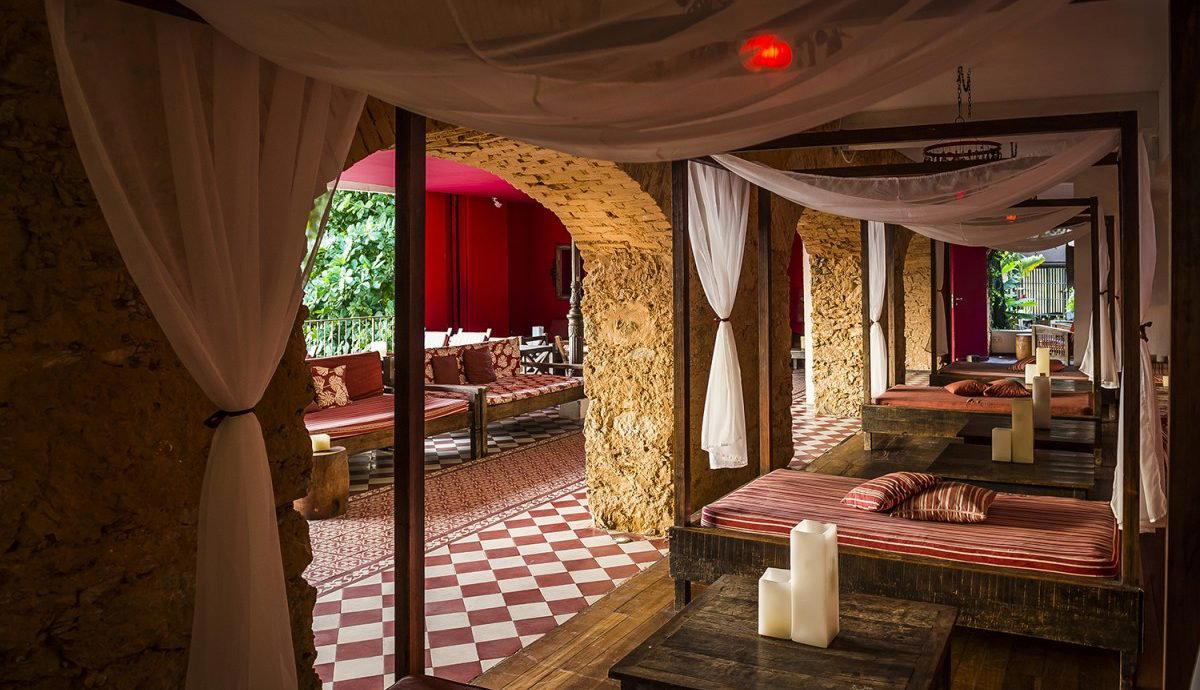
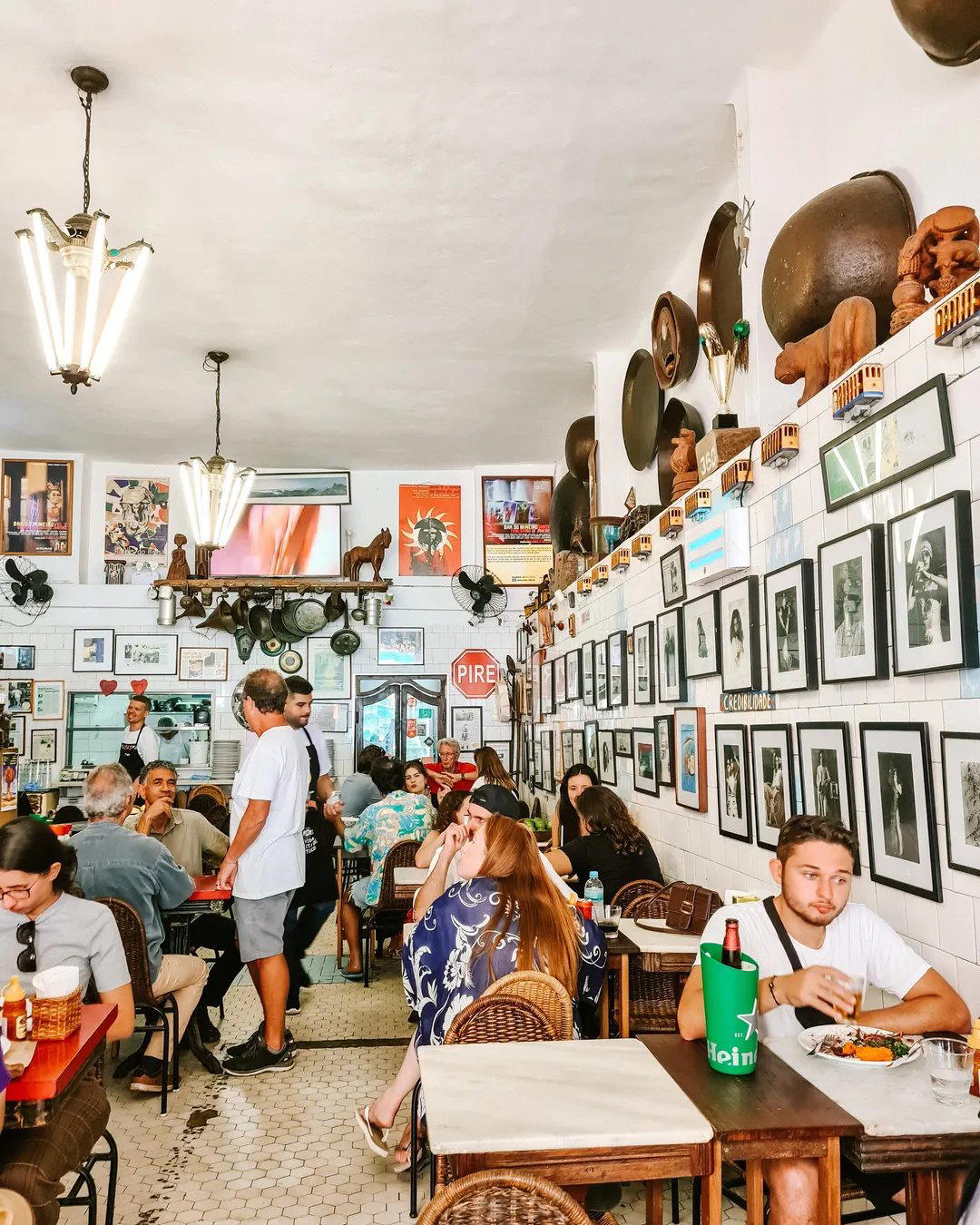
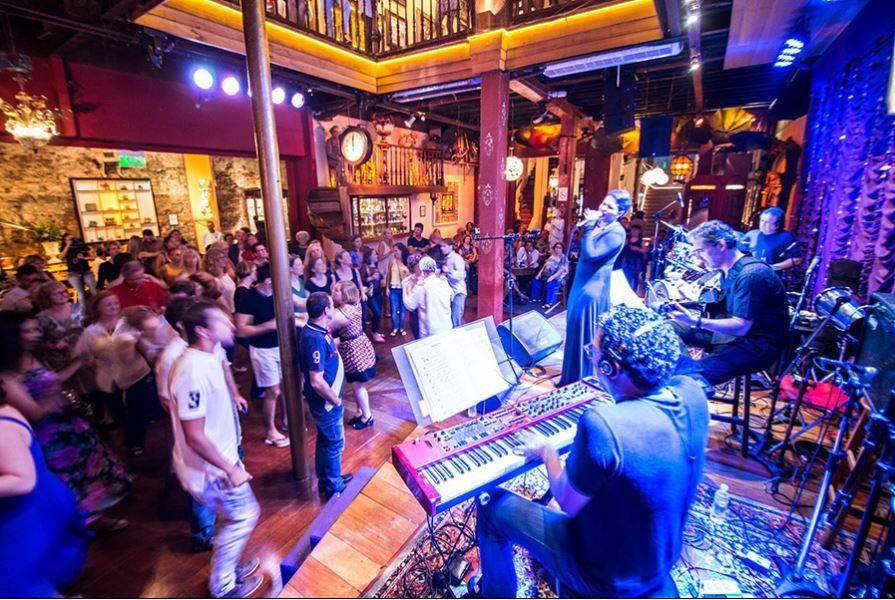
Restaurants in Rio de Janeiro
All restaurants in Rio de Janeiro →
Details
- Lively
- Classic
- Cozy
- After Work
- Casual Hangout
- Group Outing
- Standalone
- Communal Tables
- Craft Beer
Current opening hours
- Monday
- Closed
- Tuesday
- 11:30 AM–10:30 PM
- Wednesday
- 11:30 AM–10:30 PM
- Thursday
- 11:30 AM–10:30 PM
- Friday
- 11:30 AM–11:30 PM
- Saturday
- 11:30 AM–10:30 PM
- Sunday
- 11 AM–6 PM
Hours can change for holidays and private events. Hours as of .
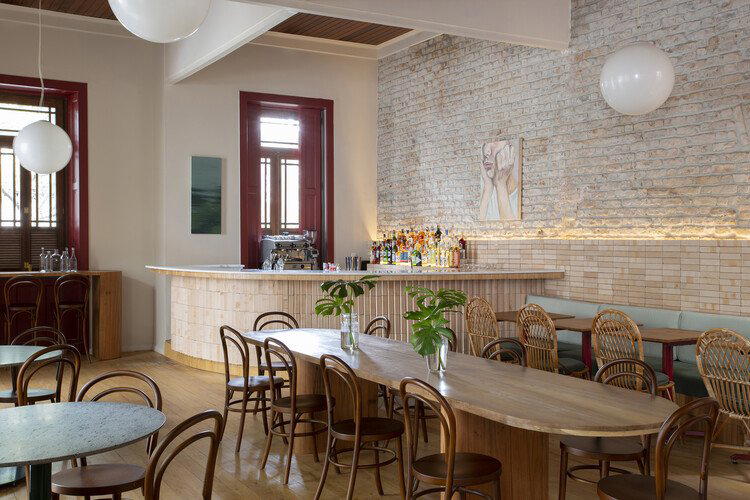
Laid-back and lively traditional bar atmosphere with a focus on casual socializing.