Bar e Restaurante Urca
Set on the ground floor of a residential building along the quieter Urca shoreline, Bar e Restaurante Urca splits into a street-level bar and an upstairs dining room, each operating at its own pace. The venue draws a steady Carioca crowd for cold chopp and petiscos with the bay as backdrop. It sits closer to neighbourhood institution than tourist stop.

Pearl is the En Primeur Club membership app, where members save venues, book tables and use the concierge.

Where the Bay Comes to the Table
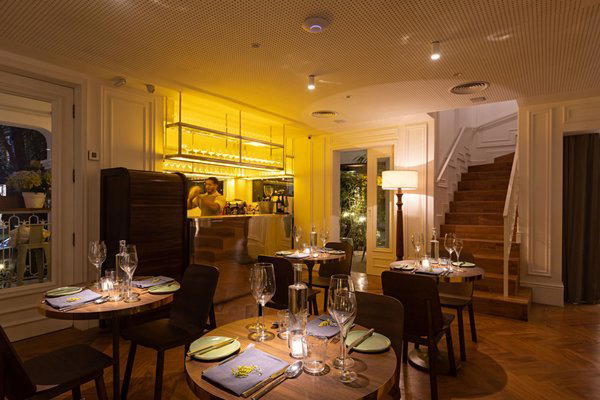
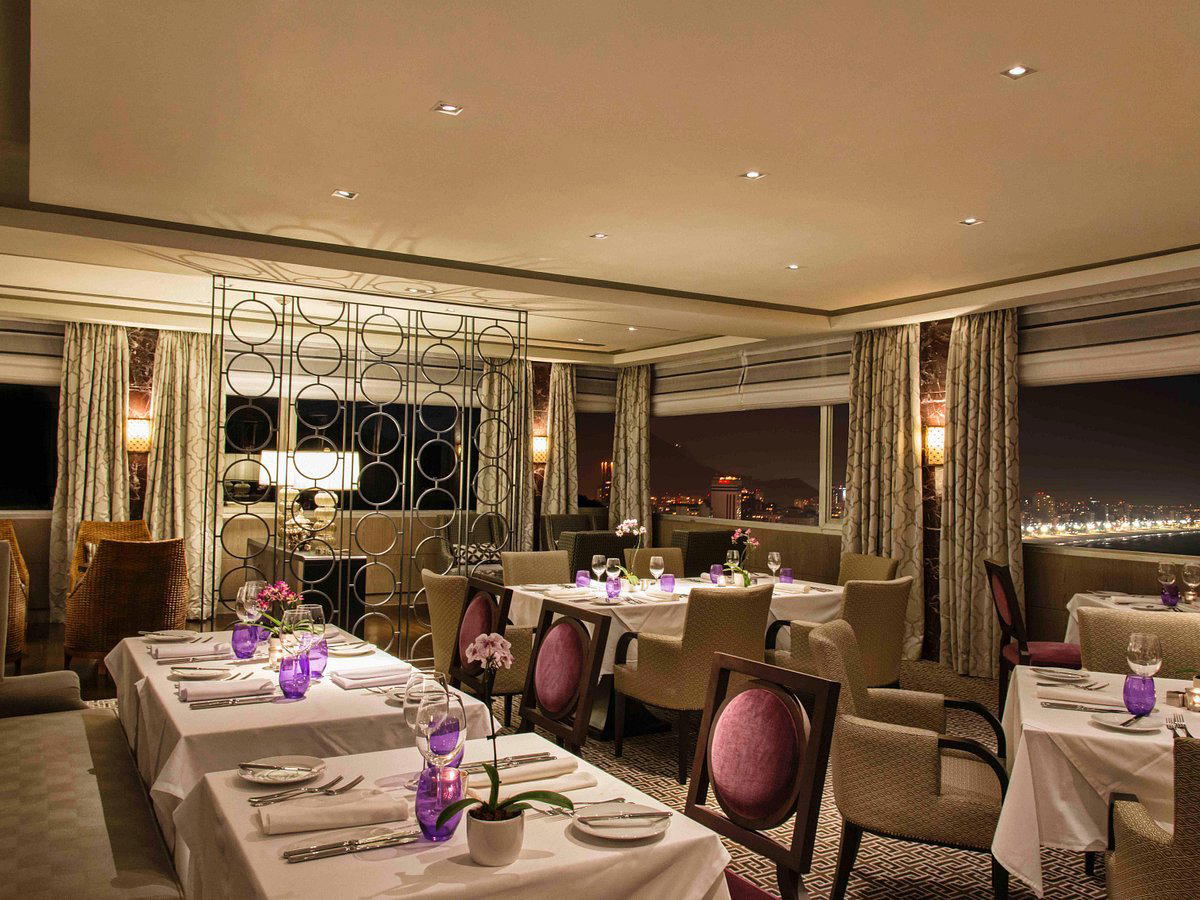
The neighbourhood of Urca occupies one of the more geographically sheltered corners of Rio de Janeiro, a small peninsula tucked between Pão de Açúcar and the Botafogo inlet. The streets are quieter than Santa Teresa, the pace slower than Ipanema, and the bars that survive here tend to do so on the strength of repeat locals rather than foot traffic. Bar e Restaurante Urca sits at R. Cândido Gaffrée, 205, on a stretch where the waterfront is close enough that the salt air carries through open windows. The bar occupies the ground floor; the restaurant takes the sobreloja, the mezzanine level above it. Both rooms operate as distinct registers of the same experience, which is itself a familiar Rio format: drink downstairs, eat above, treat the evening as negotiable.
The Logic of the Two-Level Format
Rio's bar-restaurant hybrids have long operated on a functional split between the social energy of the ground level and the relative calm of an upper dining room. The street-level bar at venues like this one carries the weight of the neighbourhood's social life: chopp on tap, petiscos arriving in small plates, the conversation running across tables without much ceremony. The sobreloja functions differently, pulling back from the street noise and allowing for a more deliberate meal. This two-tier structure is common enough in older Rio establishments that it reads less as a design choice and more as institutional logic, a way of serving the same community at different intensities across the same evening. Bar e Restaurante Urca works within that tradition rather than against it.
Petiscos and the Pairing Logic of Carioca Bar Food
The editorial angle that matters most here is the relationship between what's in the glass and what arrives on the plate. In the Brazilian bar tradition, particularly in Rio, petiscos are not an afterthought to the drinks programme. They are the drinks programme's structural counterpart. The cold, slightly bitter pull of a well-poured chopp demands something saline and fatty alongside it; the sequence of small plates is calibrated to sustain the drinking rather than conclude it. This is a pairing logic that predates the cocktail bar's current obsession with food matching, and it operates on simpler, more durable principles: contrast, pacing, and the understanding that the meal and the drink are co-equal participants in the evening.
In Urca, the neighbourhood's relative calm means this rhythm plays out without the urgency of busier parts of the city. The bar does not need to turn tables at Lapa speed. The result is a format where petiscos can arrive unhurried, where the chopp glass can be half-finished before the next plate appears, and where the pairing is experienced as duration rather than a fixed menu progression. Compare this to the more structured food-and-drink programmes emerging in São Paulo's cocktail circuit, where venues like Exímia in São Paulo position bar food within a more deliberately curated framework. Urca's approach is less programmatic and more habitual, which is precisely what the neighbourhood asks of it.
The Carioca Petisco in Its Competitive Set
Understanding where Bar e Restaurante Urca sits requires mapping the broader Rio bar scene rather than treating the venue as a standalone proposition. Rio's drinking and eating culture distributes itself across very different registers. In Botafogo and Flamengo, bars have gentrified around craft beer and updated pub food without fully abandoning the botequim structure. In Santa Teresa, the aesthetic tends toward the eclectic. In Urca, the expectation is continuity: the same drinks, the same plates, the same crowd returning because the formula holds.
Within Rio's botequim tradition, a cluster of venues operates on comparable principles. Bar do Mineiro in Santa Teresa has built its identity around the intersection of Mineiro cooking and cold beer, a combination that functions on the same pairing logic. Bar dos Descasados operates with a different social character but within the same broad tradition of drinks-anchored neighbourhood dining. Bar do Bode Cheiroso takes a more rustic approach to the same petisco framework. Each of these venues serves as a reference point for understanding what Bar e Restaurante Urca is doing and, equally, what it is not trying to do. It is not competing on novelty. It is competing on reliability within an established form.
Beyond Rio, the logic of the neighbourhood bar-restaurant serving food that anchors the drinks rather than decorating them appears across Brazil in different idioms. Acarajé da Dinha in Salvador operates on a similarly food-forward bar logic rooted in Bahian tradition. Bar da Lora in Belo Horizonte represents how Minas Gerais interprets the same drinking-and-eating compact. The variation across cities makes the Urca approach more legible: it is specifically Carioca in its casualness, its waterfront proximity, and its assumption that the evening will unfold on its own terms.
Getting There and When to Go
Urca is a short ride from central Botafogo and sits at the base of the Pão de Açúcar cable car route, which means visitor traffic spikes predictably around the cable car's operating windows. The bar benefits from that proximity in the late afternoon, when the light over Guanabara Bay shifts and the crowd arriving from the cable car encounter what is already a neighbourhood in session. Rio's summer months, running from November through February, bring heat and humidity that make the ground-floor bar's proximity to the street and open air more significant: the difference between a cooled interior and a table near the entrance is a practical one, not an aesthetic preference. Cooler months, particularly June through August, see more moderate conditions that favour the upstairs dining room for a longer, quieter meal.
For visitors building a broader bar itinerary across the city, Bar de Copa represents a different register of the Rio drinks scene, and Bar dos Descasados fills a complementary slot. Farther afield within Brazil, Dionisia Restaurante VinhoBar in Porto Alegre and Vivan Wine Bar in Balneario Camboriu show how the bar-restaurant hybrid resolves differently in the south. For something at the outer edge of Brazil's bar geography, SEEN Belém in Belem operates in a category of its own. International comparison points like Bar Leather Apron in Honolulu illustrate how a deliberate bar-food pairing programme can be formalised into a distinct identity, which usefully frames what Urca's more informal approach does differently. The full context for Rio's bar and restaurant scene is available in our full Rio De Janeiro restaurants guide.
Comparable Options
| Venue | Cuisine | Price | Awards |
|---|---|---|---|
| Bar e Restaurante UrcaThis venue (the venue you are viewing) | This venue | $10–20 | Not listed |
| Bar de Copa | Not listed | $20–30 | World's 50 Best #41 |
| Elena Horto | Not listed | Not listed | Star Wine List · Top 500 Bars Best Bars #426 |
| Liz Cocktails & Co | Not listed | $10–20 | Top 500 Bars Best Bars #422 |
| Galeto Sat's Botafogo | Not listed | $10–20 | Not listed |
Continue exploring
More in Rio de Janeiro
Bars in Rio de Janeiro
All bars in Rio de Janeiro →
Restaurants in Rio de Janeiro
All restaurants in Rio de Janeiro →
Details
- Classic
- Scenic
- Casual
- Casual Hangout
- Waterfront
- Historic Building
- Seated Bar
- Outdoor Terrace
- Classic Cocktails
- Waterfront
Current opening hours
- Monday
- 9 AM–11 PM
- Tuesday
- 9 AM–11 PM
- Wednesday
- 9 AM–11 PM
- Thursday
- 9 AM–11 PM
- Friday
- 9 AM–11 PM
- Saturday
- 9 AM–11 PM
- Sunday
- 9 AM–10 PM
Hours can change for holidays and private events. Hours as of .
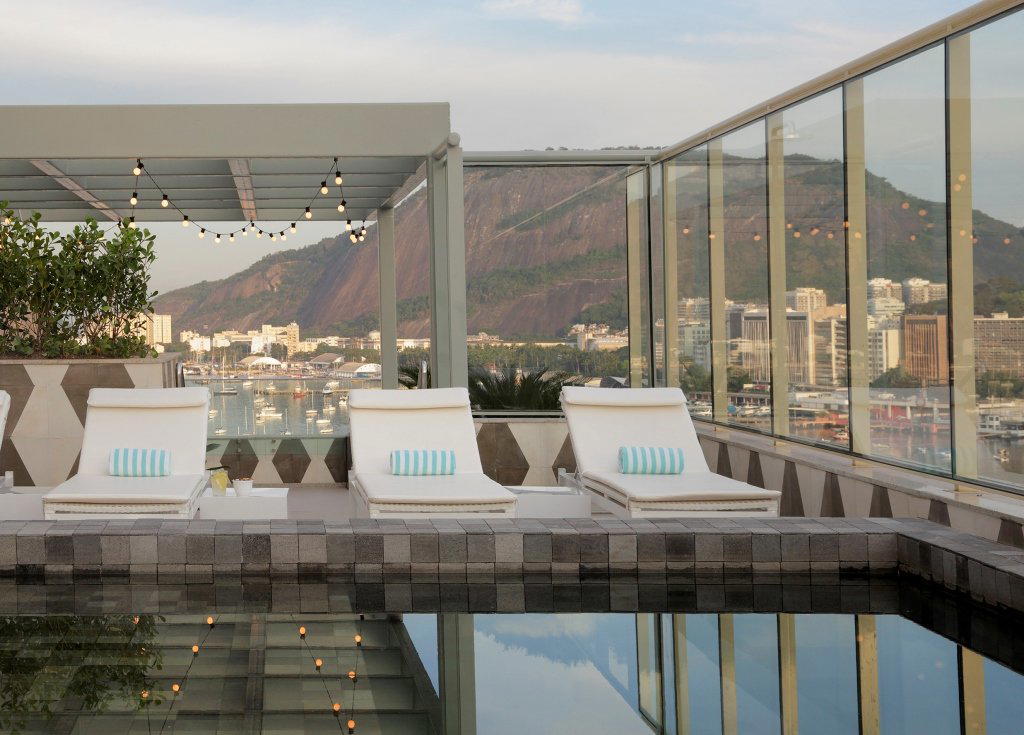
Laidback casual atmosphere with dramatic bay views, well-suited for sunset snacks and people-watching.