Mama Shelter Rio de Janeiro Santa Teresa
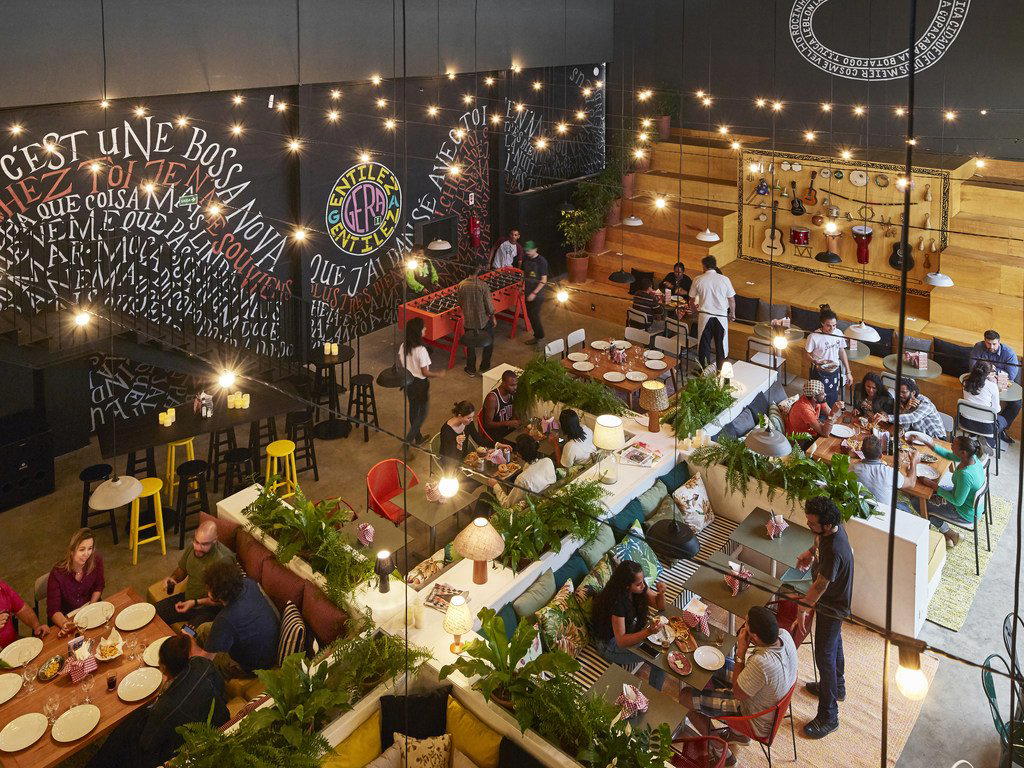
Perched in the hillside neighbourhood of Santa Teresa, Mama Shelter Rio de Janeiro brings the brand's signature irreverence to one of the city's most atmospheric addresses. The property sits within reach of colonial architecture, tramway culture, and the kind of slow, art-saturated pace that distinguishes Santa Teresa from Rio's beachfront corridors. It occupies a distinct position in the neighbourhood's emerging accommodation tier.

Pearl is the En Primeur Club membership app, where members save venues, book tables and use the concierge.
Santa Teresa's Particular Logic
Rio de Janeiro divides more sharply by neighbourhood than almost any other city in Latin America. The beachfront strip running through Ipanema and Copacabana operates on one set of premises, sea-facing terraces, international hotel chains, the rhythm of carioca beach culture, while the hillside bairros operate on another entirely. Santa Teresa, connected to the city centre by the iconic yellow bonde tram and defined by steep cobbled streets and colonial-era villas, has historically attracted artists, intellectuals, and those who find the seafront hotels too anonymous. For visitors seeking a slower, more textured engagement with Rio, the neighbourhood functions as a counterpoint to the immediate pleasures of the zona sul.
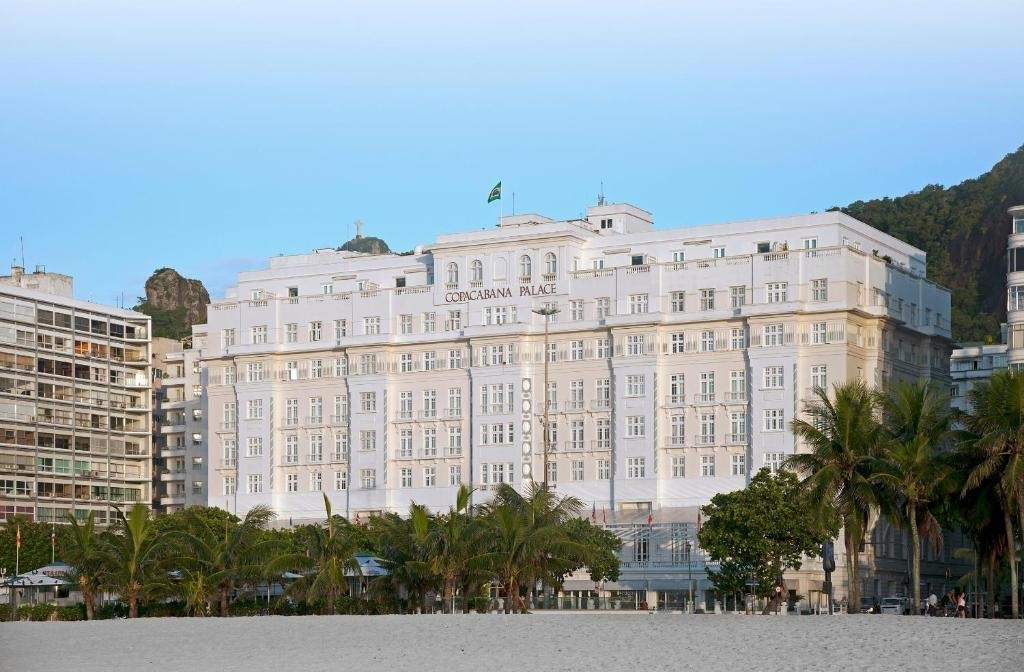
Properties that have opened in Santa Teresa over the past decade reflect this division deliberately. Where Copacabana Palace, A Belmond Hotel and Fairmont Rio de Janeiro Copacabana are structured around the Atlantic and the rituals that come with it, Santa Teresa accommodations tend toward intimacy, design character, and cultural adjacency. Hotel Fasano Rio de Janeiro and Emiliano Rio each represent a particular strand of the beachfront category; what's happening on the hill follows different rules.
Where Mama Shelter Sits in This Context
Mama Shelter Rio de Janeiro Santa Teresa, located at Rua Paschoal Carlos Magno 5, occupies a position that the brand has cultivated across multiple cities: design-forward, mid-to-upper market, with a social atmosphere that deliberately avoids the formality of conventional luxury hotels. The Mama Shelter format, developed in Paris and extended to cities including Los Angeles, London, and Beirut, consistently targets a guest who wants personality and energy in a property rather than traditional service codes. In Santa Teresa, that positioning connects naturally with the neighbourhood's own identity, the area has never been defined by convention.
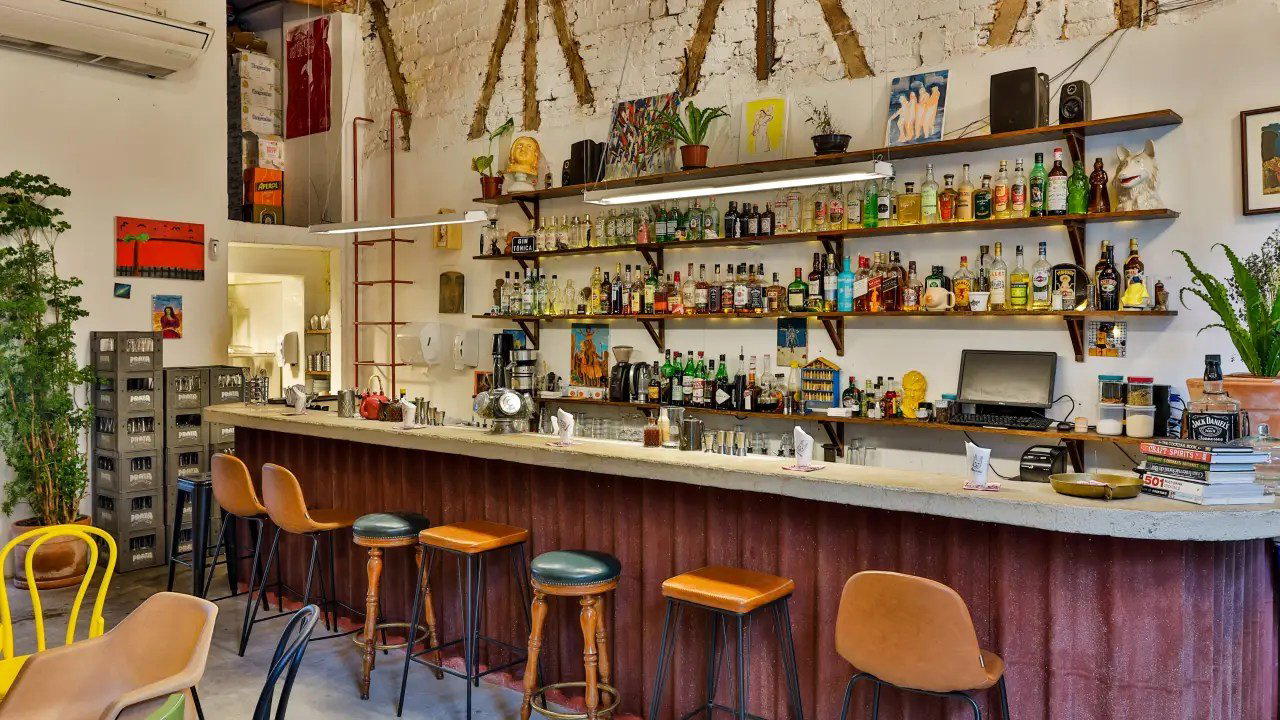
The Santa Teresa address places it alongside a small cluster of character-led properties in the bairro. Casa Cool Beans, Casa Marques Santa Teresa, and Casa Mosquito represent smaller, more intimate stays in the same neighbourhood, each with distinct personalities but comparable positioning in terms of guest profile. Mama Shelter operates at a larger scale than most of these, which gives it a social infrastructure, bar, restaurant, communal areas, that smaller guesthouses cannot match.
The Retreat Logic of Santa Teresa
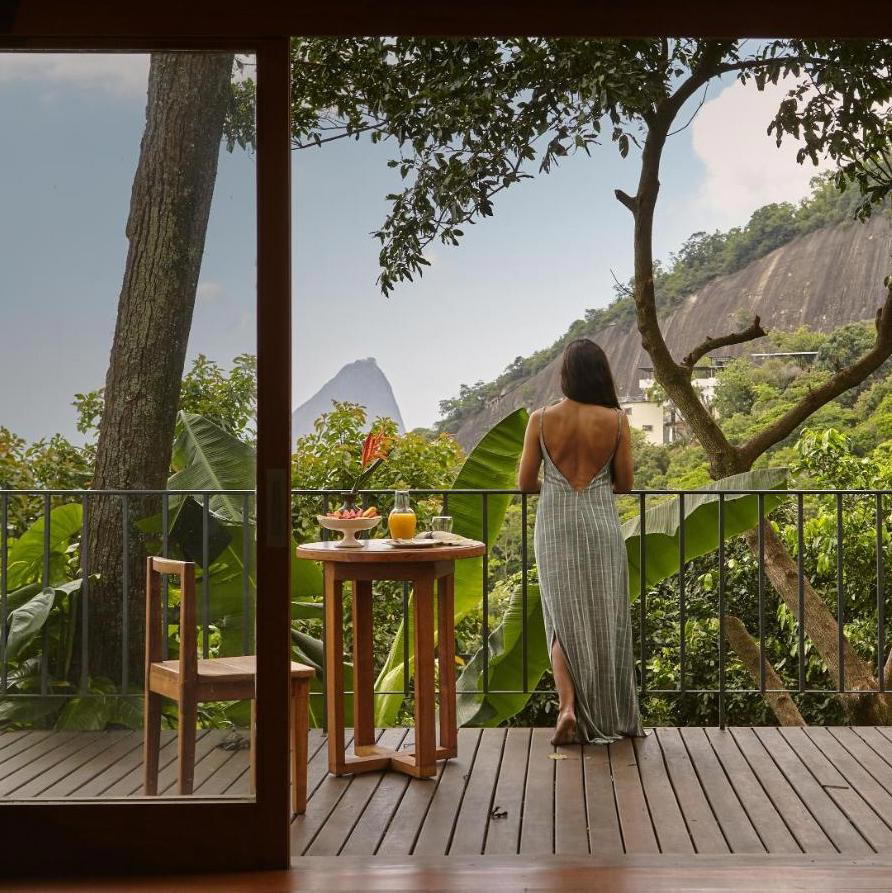
The wellness and retreat argument for staying in Santa Teresa is spatial and psychological before it is programmatic. The neighbourhood sits above the noise and density of the city's flatlands, physically separated by elevation and geography. The pace on the hill is different: mornings quieter, streets narrower, the view across Rio's rooftops and toward the bay providing a kind of decompression that the beachfront, for all its pleasures, cannot offer.
For travellers using a Rio stay as part of a broader Brazil itinerary that includes nature-led or spa-focused properties, properties such as Botanique Hotel Experience in Campos do Jordão, Casas Brancas Boutique Hotel & Spa in Buzios, or the immersive ecological isolation of Cristalino Lodge in Alta Floresta, Santa Teresa functions as a productive urban counterpart. It offers the city's culture and connectivity without the sensory overload of the beachfront hotel districts. The hillside position and the neighbourhood's relative quiet make it a more viable base for travellers who want to sleep and recover rather than be immediately in the centre of Rio's most intense social energy.
This matters when considering what a Rio stay is actually for. Many visitors arrive from or depart to destinations that demand physical engagement: Caiman in the Pantanal, Hotel das Cataratas at Iguassu Falls, or the beach-focused rhythms of Barracuda Hotel & Villas in Itacaré. A Santa Teresa base provides a different kind of recovery: culturally stimulating enough to feel like an active choice, but structured in a way that doesn't demand constant output from the guest.
The Neighbourhood as Programme
Santa Teresa's arts infrastructure is genuine rather than curated for tourism. The Museu Chácara do Céu, housed in a modernist villa with views across the city, holds a collection that includes works by Matisse, Picasso, and significant Brazilian modernists. The neighbourhood's streets carry murals and gallery spaces in roughly equal proportion to restaurants and bars. For a guest arriving from a more remote property, say, Atlantica Jungle Lodge on Ilha Grande or Awasi in Santa Catarina, the neighbourhood provides cultural reentry at a pace that doesn't immediately throw them into the density of Ipanema or Leblon.
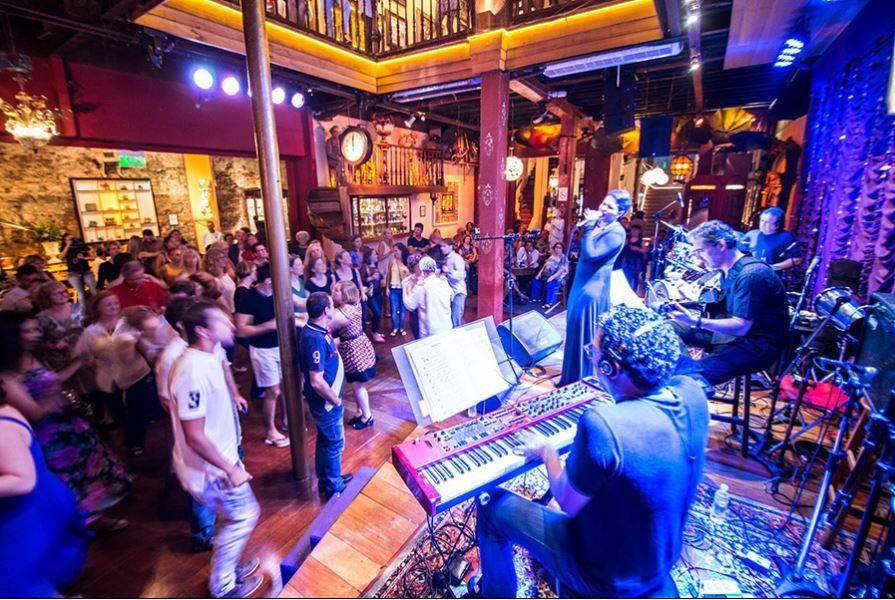
The Mama Shelter brand's approach to social spaces, rooftop bars, communal dining areas, late-night energy, complements this neighbourhood context rather than working against it. In Santa Teresa, the communal space functions as a meeting point between the property's guests and the neighbourhood's own creative residents, a dynamic that distinguishes it from hotels positioned primarily as self-contained retreats. The rooftop, where present in Mama Shelter properties, typically delivers the kind of city view that a hillside location in Rio makes possible by geography alone.
For those planning a wider Brazil circuit, the Santa Teresa base connects logically to properties across the country with different registers: the coastal ease of Carmel Charme Resort in Ceará and Carmel Taíba Exclusive Resort, the wine-country calibration of Buona Vitta Gramado, or the urban premium of Rosewood São Paulo. Rio, approached via Santa Teresa, sits within that circuit as the cultural and historical anchor. See our full Rio de Janeiro guide for broader context on the city's dining and hospitality scene.
Planning Your Stay
Mama Shelter Rio de Janeiro Santa Teresa is located at Rua Paschoal Carlos Magno 5, in the Santa Teresa neighbourhood. The address is accessible from the city centre via the historic bonde tram, one of the few remaining urban tram systems in Brazil, or by taxi and rideshare from Galeão or Santos Dumont airports. For booking details, room rates, and current availability, direct contact with the property or the Mama Shelter website is advisable, as specific pricing, room categories, and amenity configurations were not available at time of writing. Visitors comparing properties in Santa Teresa should also consider Casa Cool Beans and Casa Marques Santa Teresa as alternatives within the same neighbourhood tier.
Recognition, Side-by-Side
| Venue | Price | Awards |
|---|---|---|
| Mama Shelter Rio de Janeiro Santa TeresaThis venue (the venue you are viewing) | Not listed | Not listed |
| Copacabana Palace, A Belmond Hotel, Rio de Janeiro | $750–1,000 | 2 Michelin Keys · World's 50 Best #29 |
| Fairmont Rio de Janeiro Copacabana | $300–500 | Michelin Selected · Forbes Recommended |
| Hotel Fasano Rio de Janeiro | $500–750 | Michelin Selected · La Liste Top Hotels |
| Santa Teresa Hotel RJ - MGallery Hotel Collection | $1,000–1,500 | 1 Michelin Key · Condé Nast Johansens Best for Romance |
| Emiliano Rio | Not listed | Michelin Selected · Virtuoso Luxury Hotel Partner |
Continue exploring
More in Rio de Janeiro
Hotels in Rio de Janeiro
All hotels in Rio de Janeiro →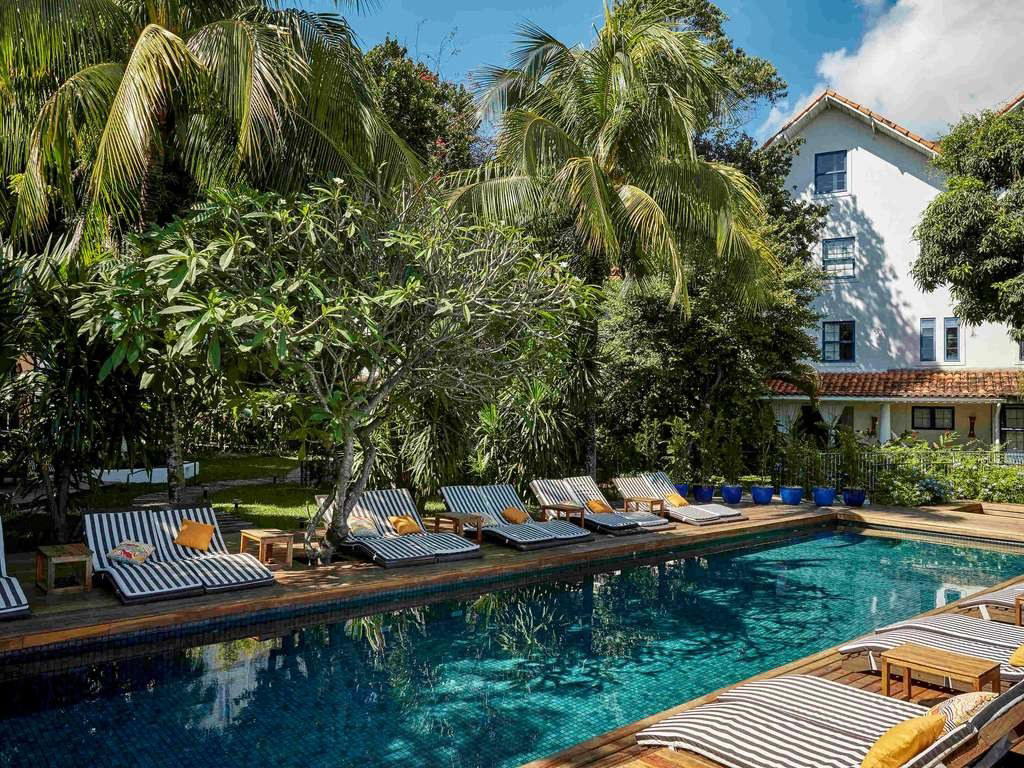

Details
- Bohemian
- Trendy
- Lively
- Modern
- Weekend Escape
- Terrace
- Historic Building
- Wi Fi
- Restaurant
- Bar
- Elevator
- Skyline
- Street Scene
- Wheelchair Accessible
- Elevator
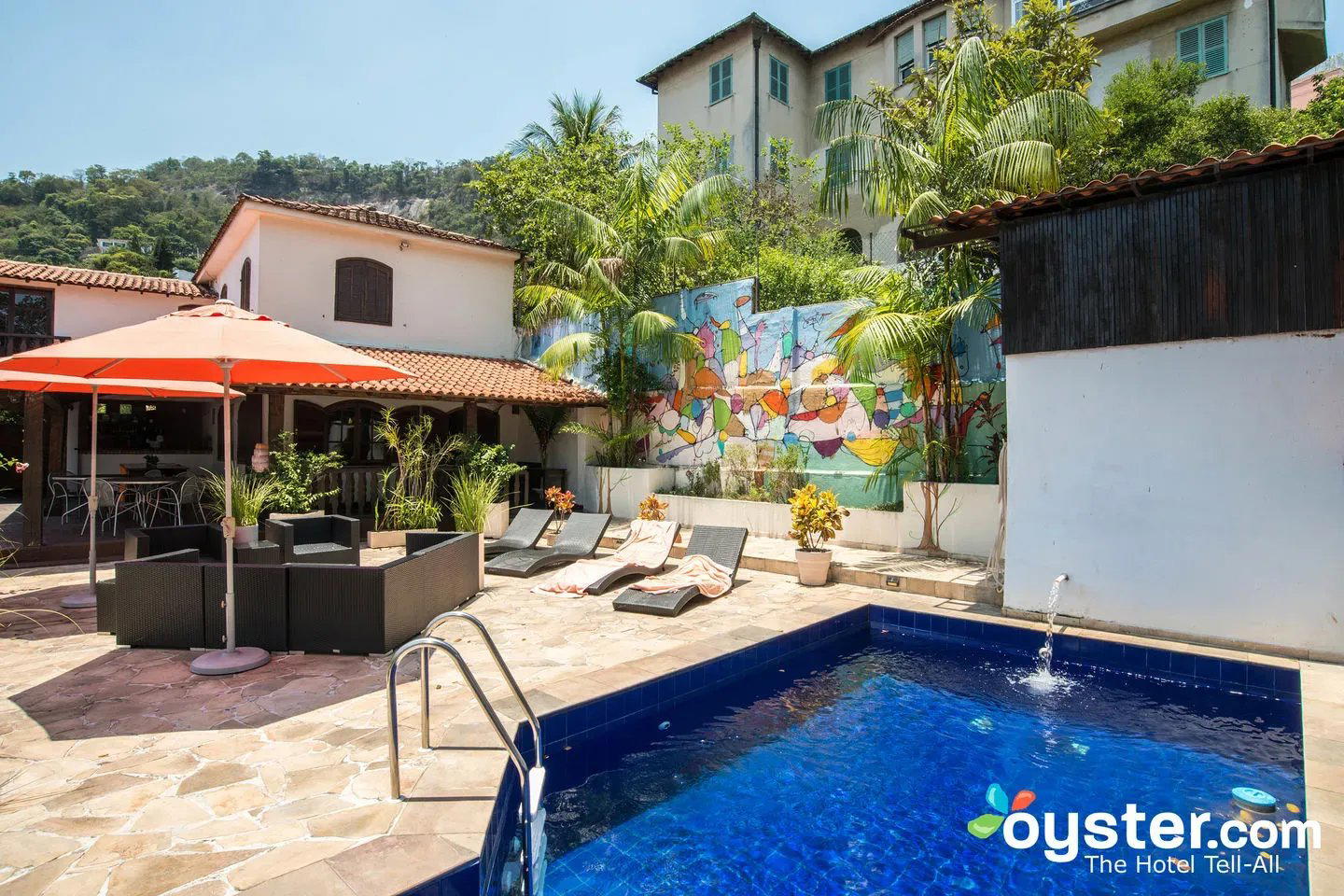
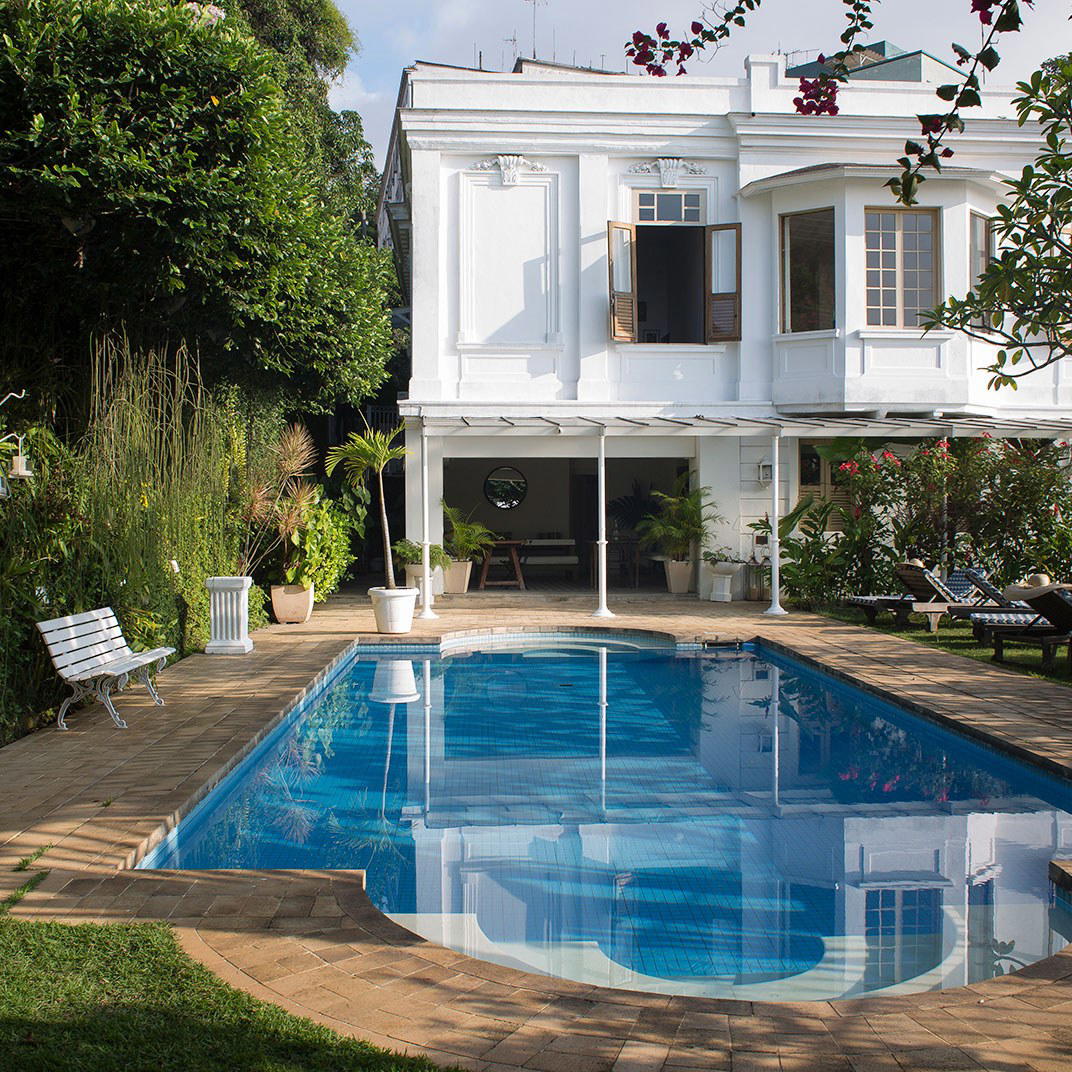
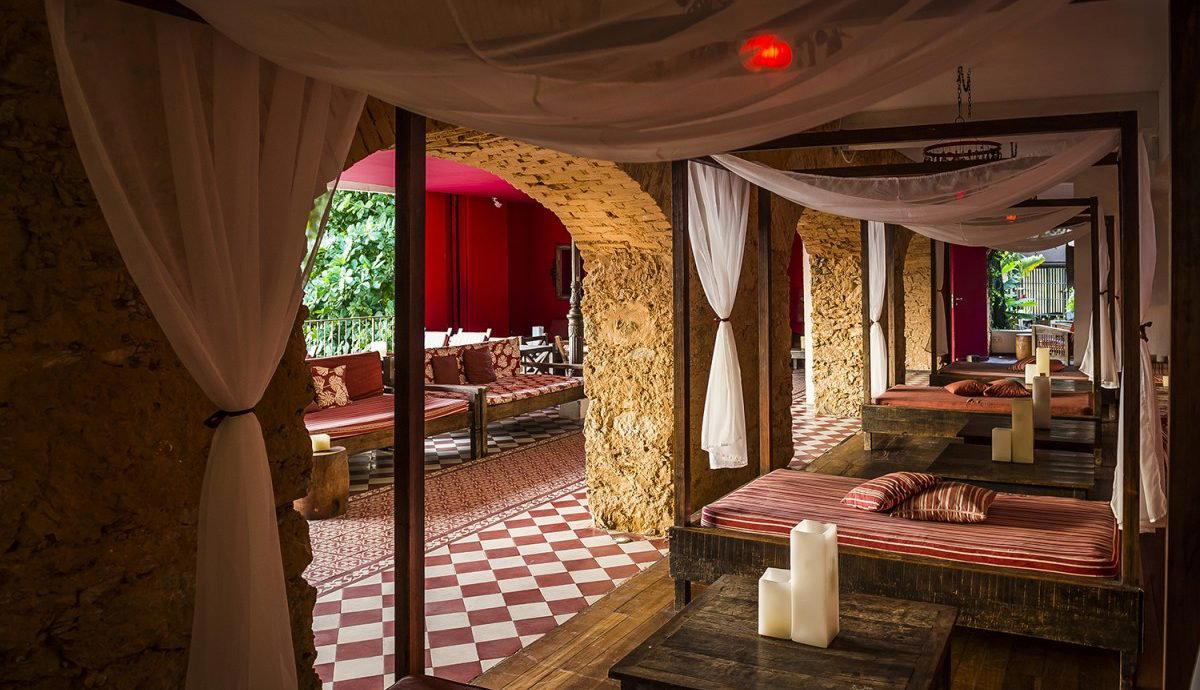
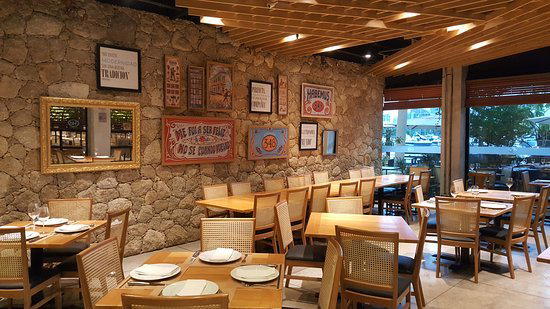
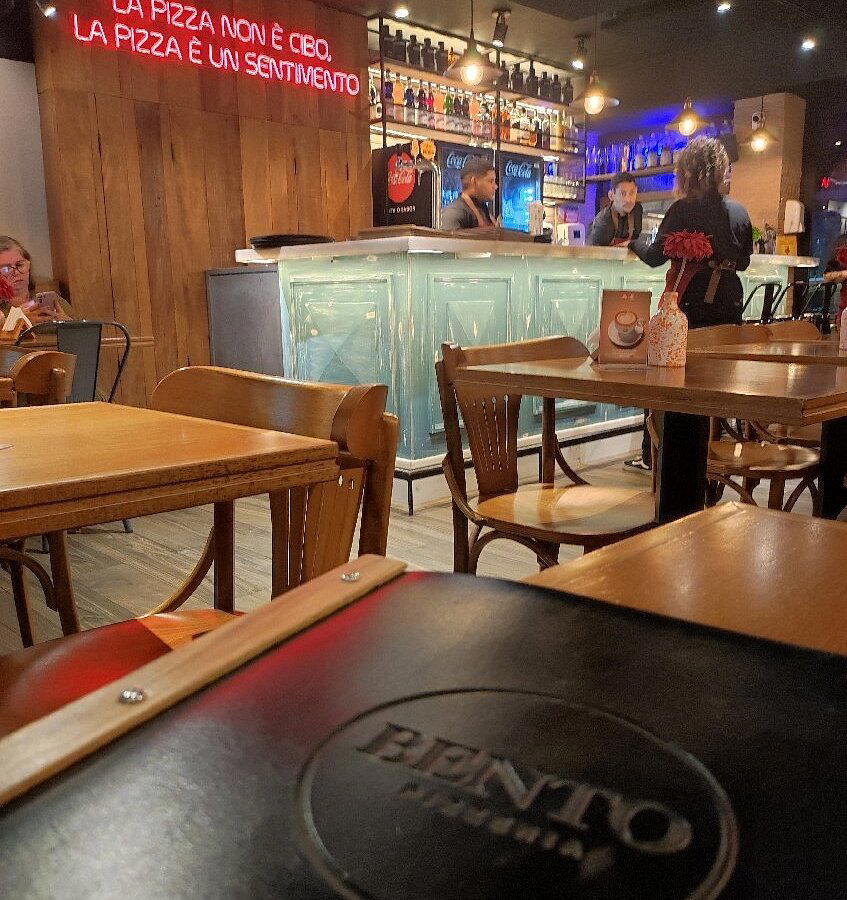
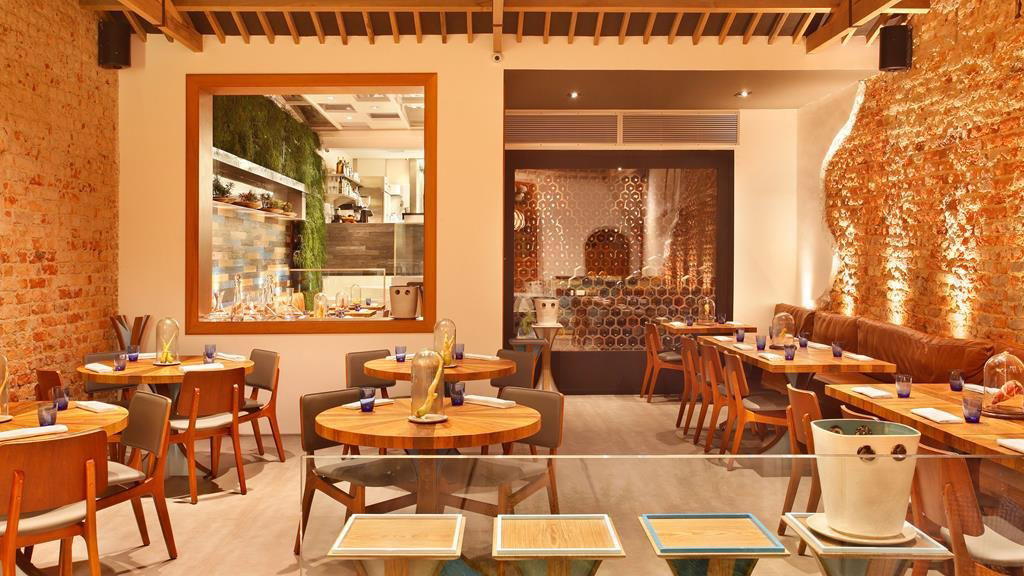
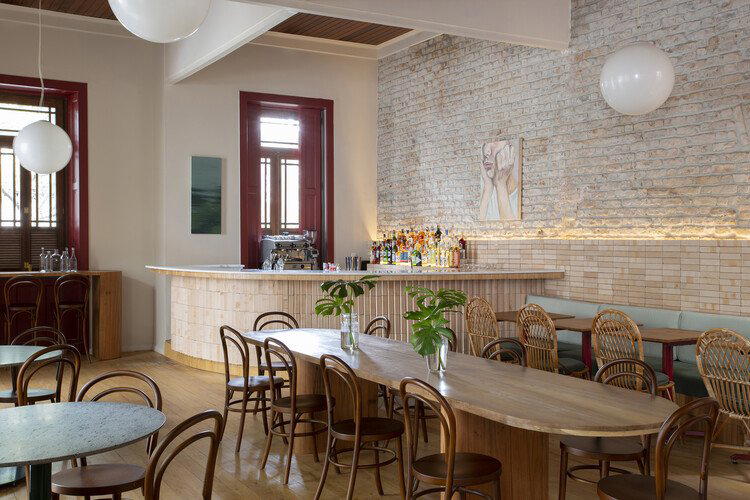
Cheerful and homely mix of urban chic and bohemian cool with lively colors, leafy courtyards, and lively bar atmosphere.