
Mitaka’s dumpling culture sits at a calmer remove from central Tokyo’s counter-seat theatre, and Gyoza no Harbin fits that rhythm: compact, practical, and built around a house-restaurant scale rather than spectacle. Its Tabelog 100 Dumplings selections in 2019, 2021, and 2024 place it among Tokyo’s serious gyoza rooms without pushing the meal into luxury pricing.
Pearl is the En Primeur Club membership app — saves, bookings, and concierge access live there. Same editors, same standards.
- Address
- 3 Chome-31-8 Shimorenjaku, Mitaka, Tokyo 181-0013, Japan
- Phone
- +81 422-42-8030
- Website
- harpin.jp
 Saves & bookings on Pearl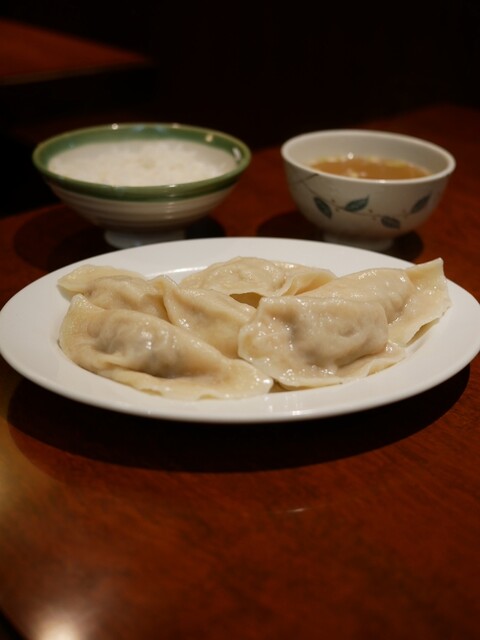
Approaching Shimorenjaku, the restaurant scene changes register. Central Tokyo’s polished counters give way to smaller rooms, local foot traffic, and dining rooms that tell the story before the menu does. Gyoza no Harbin fits that category: a house restaurant with counter seating, table seating, and the physical economy of a neighbourhood dumpling room rather than the staged minimalism of Ginza or Aoyama.
That matters because gyoza in Tokyo is not one genre. There are late-night ramen-adjacent plates, Chinese-style dim sum rooms, lunch-counter specialists, and family-friendly shops where dumplings anchor a casual meal. In Mitaka, the format is less theatre than repetition: a compact room, a familiar lunch-and-dinner cadence, and enough recognition to pull diners beyond the immediate neighbourhood. Selection for Tabelog 100 Dumplings in 2019, 2021, and 2024 gives the address a clear trust signal in a category where word of mouth can be hard to parse.
A compact Mitaka room built for dumplings, not dining-room drama
The design is functional, not decorative. The room is listed with 24 seats, including five at the counter and 19 at tables, with temporary reduction noted to 19 seats. That split explains the meal: counter seats suit solo diners and quick pairs; tables work for friends and families. This is not long-counter omakase, where the chef becomes the focal point. The space contains a dumpling meal, with turnover, proximity, and shared-plate rhythm doing the work.
Tokyo’s casual specialists often show seriousness through constraints. Private rooms are not part of the format, private use is unavailable, and the room is non-smoking. Take-out is offered, placing the operation closer to everyday western Tokyo dining habits than destination-only tasting-menu culture. For travellers coming off reservation-heavy restaurants, this room is a useful correction: low ceremony, direct cooking category, and a price band that leaves room for a second stop.
The category listing, dumpling plus dim sum and yum cha, also positions the restaurant outside the narrower ramen-side gyoza model. Tokyo has many places where dumplings are an accompaniment; here the classification puts the dumpling tradition at the centre. That helps when comparing casual Tokyo meals. Ganso Stamina Manten Ramen Suzuki sits in a sub-JPY 999 bracket, while Shichijo and Ramen Sukoyaka occupy JPY 1,000 to JPY 1,999. Yakitori Yamamoto and Sakita move into far higher evening budgets. Against that spread, this Mitaka address lands in the affordable specialist tier, not the special-occasion bracket.
Recognition without the luxury tax
Tabelog’s Hyakumeiten lists separate category specialists from general popularity. A dumpling selection does not mean the same thing as a Michelin-starred tasting menu, and should not be read that way. It signals repeat credibility inside a narrow field. For travellers, that is often the point: gyoza is a dish category where the difference between a casual plate and a destination detour can be subtle, and external category recognition helps justify leaving the central hotel grid.
The economics reinforce the argument. Dinner is listed at JPY 2,000 to JPY 2,999, while lunch is listed below JPY 999 in the primary price range. The main cost is not the bill but the trip to Mitaka and the willingness to work around a small room. Credit cards, transportation IC cards, several e-money systems, and QR payments are accepted, so practical friction is lower than at many older cash-leaning casual shops.
Mitaka shapes the experience. The area is not trying to mimic Shinjuku density or Marunouchi polish. It is a residential and commuter district where dining rooms work because they are useful to locals first. That local-use quality is the appeal. A compact dumpling specialist here reads differently from a central Tokyo restaurant designed for foreign media attention. The meal shows how Tokyo’s recognised casual food culture extends well beyond the neighbourhoods that dominate hotel concierge lists.
For broader Tokyo planning, this address pairs better with a western-side day than a tight east-side itinerary. Readers building a citywide food map can place it alongside other Tokyo entries such as . 鮪と炭火焼き うお炭 秋葉原店, 12/10 Shinjuku ten, 124. KAGURAZAKA (Yakitori), 2D Cafe, and 3 Chome no Curry Ya San. The contrast is instructive: Tokyo’s dining value is not concentrated in one cuisine, station, or price band.
How to fit a Mitaka dumpling stop into a Tokyo trip
The strongest case for coming here is not luxury. It is category clarity. The restaurant has operated since 1982, carries multiple Tabelog 100 Dumplings selections, and keeps a small, mixed seating format suited to how dumplings are usually eaten: quickly, communally, and without inflated ceremony. Reservations are unavailable, so the decision suits diners who can tolerate uncertainty in exchange for a lower-key meal outside the central circuit.
Its practical profile is family-friendly, with children welcome, and the table seating makes that credible rather than merely polite. Parking is unavailable, so rail access is sensible; Mitaka Station is the relevant station for the area. Tuesday and Wednesday closures shape the week, and lunch and dinner services run on the remaining listed days. Those constraints are not a flaw. They are part of the operating scale that keeps this closer to a neighbourhood dumpling room than a polished exportable concept.
For restaurants, start with Our full Tokyo restaurants guide; for where to sleep between meals, see Our full Tokyo hotels guide. Drinking plans sit in Our full Tokyo bars guide, while adjacent category research can continue through Our full Tokyo wineries guide and Our full Tokyo experiences guide.
For readers comparing casual Japanese formats beyond Tokyo, the same lens applies: category, room, price, and context before hype. See -Grilled beef Sukiyaki- KAMAKURA TANUKIAN 鎌倉 たぬき庵 in Kamakura.cafe in Osaka.know in Kumamoto, (Shoku) Vietnam in Kawasaki, [Curry Senmon Ten] Maruyama Kyoju. in Sapporo, and [ki:] in Kyoto. For Japanese drinking and snack culture outside Japan, Jōdo Saké Bar in Los Angeles and Onigiri Time in Pasadena offer useful comparison points.
Cuisine and Credentials
Comparable venues to place this listing in its category.
| Venue | Cuisine | Price | Notes |
|---|---|---|---|
| Gyoza no HarbinThis venue — the venue you are viewing | Casual Chinese Dumpling Shop | $ | Not listed |
| Rairai Ken | Traditional Chinese gyoza & ramen shop | $ | Kōtō |
| Shinga | Classic neighborhood Chinese (Showa‑style) | $ | Bunkyō |
| Anda Gyoza Yoyogi uehara ten | Chinese Gyoza | $$ | Shibuya |
| Tim Ho Wan (添好運) | Authentic Cantonese Dim Sum | $$ | Chiyoda (Hibiya) |
| SEN YO | Shenzhen-inspired regional Chinese | $$ | Suginami |
Recognition history
Dated appearances from independent guides and award organizations, with the underlying list record or original source where available.
Tabelog 100 #24 · No. 24
Tabelog · Tabelog 100 - Dumplings - 2024
Continue exploring
More in Tokyo
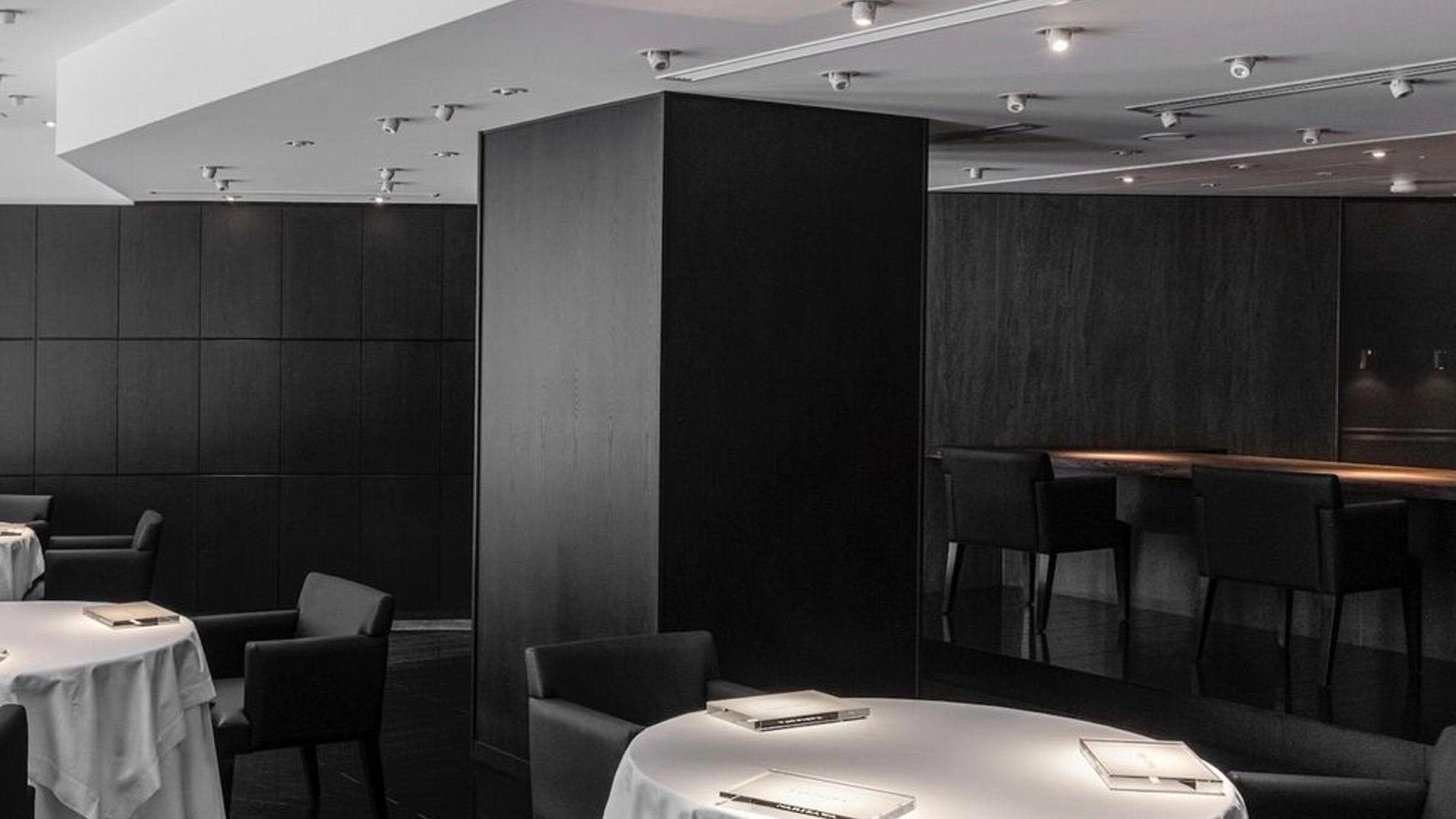
Restaurants in Tokyo
Browse all →



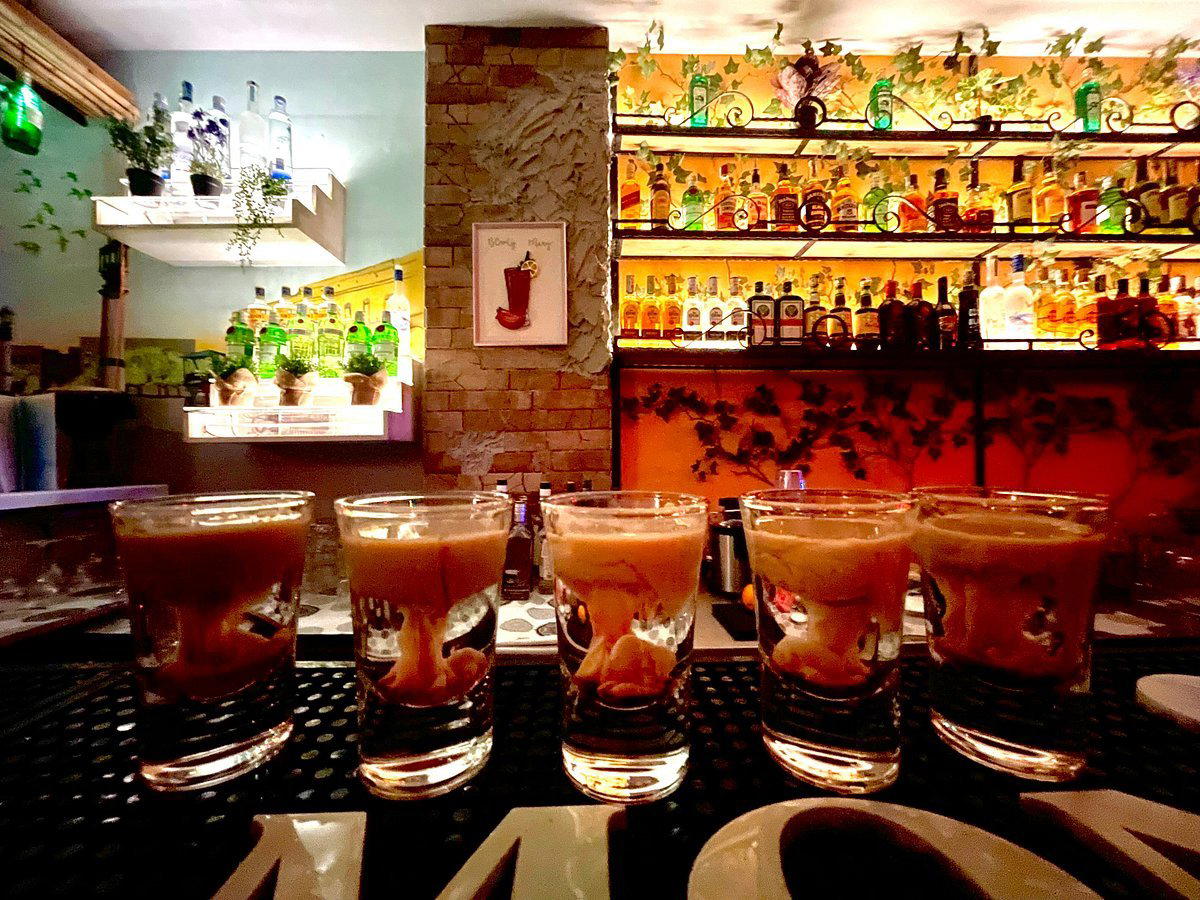
Bars in Tokyo
Browse all →



Hotels in Tokyo
Browse all →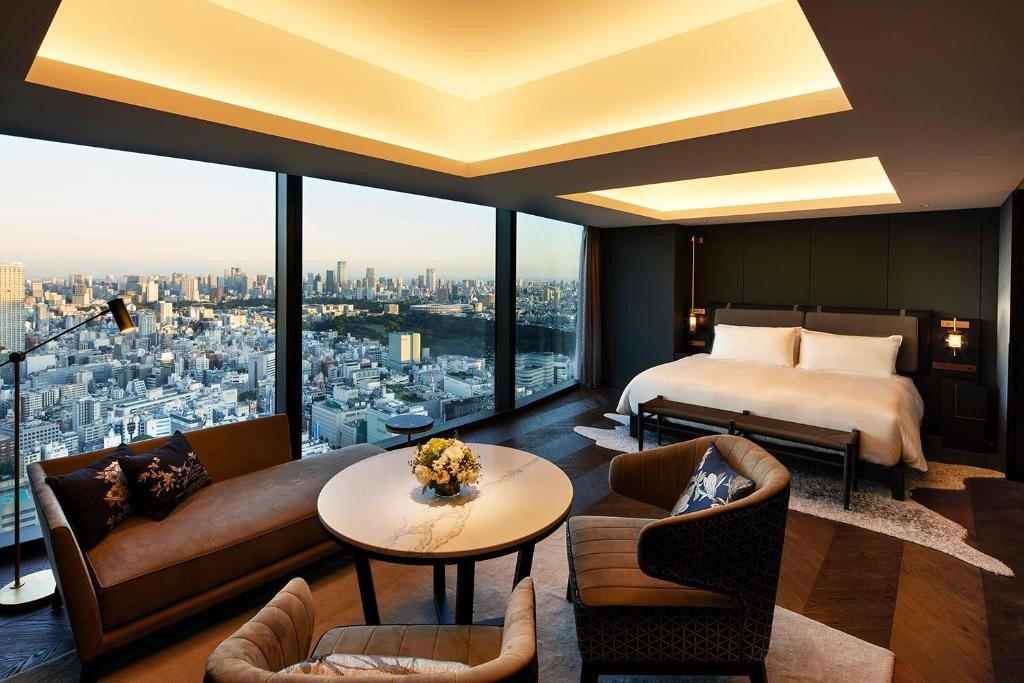




Wineries in Tokyo
Browse all →
At a Glance
- Cozy
- Solo
- Casual Hangout
- Late Night
- Standalone
Current opening hours
- Monday
- 11:30 AM–2 PM, 5–9 PM
- Tuesday
- Closed
- Wednesday
- Closed
- Thursday
- 11:30 AM–2 PM, 5–9 PM
- Friday
- 11:30 AM–2 PM, 5–9 PM
- Saturday
- 11:30 AM–2 PM, 5–9 PM
- Sunday
- 11:30 AM–2 PM, 5–9 PM
Hours can change for holidays and private events. Last verified .
Simple, no-frills Chinese diner atmosphere with counter-style seating, close quarters, and a relaxed, local feel rather than any design focus.