
Rairai Ken puts Tokyo’s everyday gyoza culture into a small Koto dining-room frame, with dumplings, Chinese dishes, and ramen treated as neighborhood food rather than ceremony. Its selection for Tabelog 100 - Dumplings - 2024 places it in a serious gyoza conversation, while the low price band keeps the occasion grounded: a casual milestone meal for people who care more about the plate than the performance.
Pearl is the En Primeur Club membership app — saves, bookings, and concierge access live there. Same editors, same standards.
- Address
- 3 Chome-21-4 Toyo, Koto City, Tokyo 135-0016, Japan
- Phone
- +81 3-6458-6368
- Website
- rairaiken.co.jp
 Saves & bookings on Pearl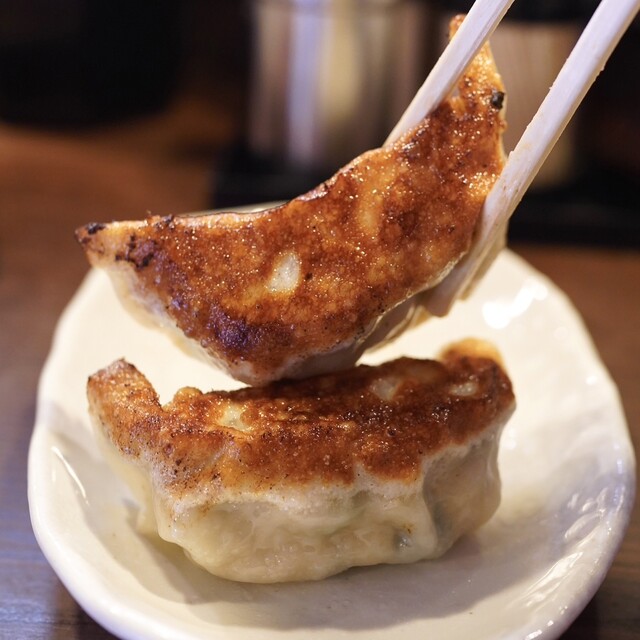
Approaching the eastern side of Tokyo’s dining map changes the tempo. Koto does not perform luxury with hotel lobbies and tasting-menu choreography; it works through station-adjacent counters, compact rooms, and meals that fit around family schedules, office breaks, and small celebrations. In that setting, gyoza carries a different kind of status. It is democratic food, but Tokyo treats democratic food with rigorous comparison: texture, pan work, filling balance, pacing, and whether a shop can hold attention without ceremony.
Rairai Ken belongs to that register. The format is small, the cooking category is direct, and the recognition is specific: selected for Tabelog 100 - Dumplings - 2024, with earlier selections in 2021 and 2019. That matters because dumpling lists in Japan reward consistency across a crowded field rather than novelty. A counter-scale Chinese and ramen shop in Toyo, Koto City has to earn its place against specialists whose entire reputation can sit on a single pan of gyoza.
Gyoza as an occasion, not a spectacle
Tokyo milestone dining is often imagined through omakase counters, private rooms, and long tasting menus. The more revealing version is smaller: a birthday lunch that does not require a jacket, a family stop after errands, a catch-up where the food needs to be good enough to carry the table without dominating it. Gyoza fits those occasions because it is shared by instinct. The dish arrives as a unit, but the experience is communal: ordering another plate, splitting ramen, adding a Chinese side, moving quickly without feeling rushed.
The menu category tells the story better than any grand claim. Dumpling, Chinese, and ramen place the restaurant inside Tokyo’s machi-chuka tradition, the neighborhood Chinese-Japanese dining style that has fed the city for decades. These restaurants are not built around imported formality. They are built around repetition, speed, value, and a kitchen’s ability to make familiar dishes worth crossing a few stations for. In that world, a Tabelog dumpling selection is a useful signal because it points to a humble format being judged on technical reliability.
There is also a price-tier point here. The listed lunch and dinner budget sits at JPY 1,000 - JPY 1,999, which makes the recognition sharper rather than lesser. Tokyo has become comfortable charging luxury prices for precision, but gyoza culture works on another test: can a place deliver enough pleasure, structure, and repeatability at everyday cost? That is why this kind of meal can be a strong choice for a low-key celebration. It has stakes for people who follow food, but it avoids the social pressure of a formal room.
Koto's quieter dining geography changes the comparison
Kiba and Toyocho sit outside the usual visitor circuit of Ginza, Shinjuku, and Aoyama, and that affects how restaurants are read. In central Tokyo, reputation often travels through English-language lists, concierge channels, and reservation scarcity. In Koto, the better signals are narrower: local repeatability, station access, category awards, and whether a shop can draw attention without a destination-dining apparatus. Rairai Ken’s 15-seat scale, with counter seating as the dominant mode, suits that neighborhood grammar.
The nearby comparison set also shows how eastern Tokyo dining resists a single identity. Tandoor Bar Kamalpur Kiba ten occupies a different casual-to-midrange lane, while commedia brings Italian cooking into the area at a higher spend. Mon Cher Touyouchou koujou sits in the same JPY 1,000 - JPY 1,999 bracket, Shiomi Skippers moves into a higher dinner band, and BAR Opa Monzennakachou ten belongs to the drinking side of the district. Against those options, a dumpling-led Chinese and ramen shop is not competing on polish. It competes on usefulness: the kind of meal that can anchor a neighborhood evening and still satisfy a diner who reads award lists closely.
For visitors building a broader Tokyo itinerary, this distinction is useful. The city’s dining culture is not only a ladder from casual to luxurious; it is a grid of specialisms. Sushi, yakitori, curry, ramen, coffee, bars, and regional cooking each have their own codes. A gyoza-focused stop in Koto adds a grounded counterpoint to more formal meals, especially for travelers who want one occasion that feels closer to everyday Tokyo than to a reservation trophy.
How to read the room before choosing it for a celebration
This is not the setting for a long, stage-managed anniversary dinner. It is better read as a precise casual choice: a small birthday meal, a family lunch, a relaxed dinner with friends, or a food-led detour for someone who measures Tokyo by specialist counters rather than grand rooms. Children are welcomed, take-out is part of the service model, and the room’s compact size favors smaller groups over extended gatherings.
The practical intelligence is simple because the format is simple. Reservations are unavailable, Wednesday is the regular closed day, and additional first and third Thursday closures appear in the posted schedule. Payment skews modern in one direction and old-fashioned in another: credit cards are not accepted, while transportation IC cards, several electronic-money options, and QR payments are listed. There is no private room, no private-use format, and no smoking. None of that diminishes the experience; it defines the right occasion. Choose it when the celebration is about eating well without ceremony.
For a wider Tokyo plan, pair this kind of stop with more specialized addresses rather than treating it as a substitute for them. EP Club’s broader city coverage includes Our full Tokyo restaurants guide, Our full Tokyo hotels guide, Our full Tokyo bars guide, Our full Tokyo wineries guide, and Our full Tokyo experiences guide. Nearby and category-adjacent reading might include. 鮪と炭火焼き うお炭 秋葉原店, 12/10 Shinjuku ten, 124. KAGURAZAKA (Yakitori), 2D Cafe, and 3 Chome no Curry Ya San. For contrast beyond Tokyo, see -Grilled beef Sukiyaki- KAMAKURA TANUKIAN 鎌倉 たぬき庵 in Kamakura.cafe in Osaka.know in Kumamoto, (Shoku) Vietnam in Kawasaki, [Curry Senmon Ten] Maruyama Kyoju. in Sapporo, [ki:] in Kyoto, Jōdo Saké Bar in Los Angeles, and Onigiri Time in Pasadena.
Peers in This Market
Comparable venues by category and price.
| Venue | Cuisine | Price | Notes |
|---|---|---|---|
| Rairai KenThis venue — the venue you are viewing | Traditional Chinese gyoza & ramen shop | $ | Not listed |
| Tokyo Gyoza Ro Sangenjaya ten | Casual Gyoza & Izakaya Dishes | $ | Setagaya |
| Hao Hao | Vegan Hong Kong & Taiwanese Chinese | $ | Shinagawa |
| Kameido Gyoza Ryougoku shiten | Chinese Dumpling House | $ | Sumida |
| Shinga | Classic neighborhood Chinese (Showa‑style) | $ | Bunkyō |
| Nanxiang Steamed Bun Restaurant (南翔饅頭店) | Shanghai Xiaolongbao | $$ | Roppongi |
Recognition history
Dated appearances from independent guides and award organizations, with the underlying list record or original source where available.
Tabelog 100 #78 · No. 78
Tabelog · Tabelog 100 - Dumplings - 2024


At a Glance
- Classic
- Cozy
- Solo
- Casual Hangout
- After Work
- Family
- Group Dining
- Standalone
- Historic Building
- Local Sourcing
Current opening hours
- Monday
- 10:30 AM–2:30 PM, 5–7:30 PM
- Tuesday
- 10:30 AM–2:30 PM, 5–7:30 PM
- Wednesday
- Closed
- Thursday
- 10:30 AM–2:30 PM, 5–7:30 PM
- Friday
- 10:30 AM–2:30 PM, 5–7:30 PM
- Saturday
- 10:30 AM–2:30 PM, 5–7:30 PM
- Sunday
- 10:30 AM–2:30 PM, 5–7:30 PM
Hours can change for holidays and private events. Last verified .
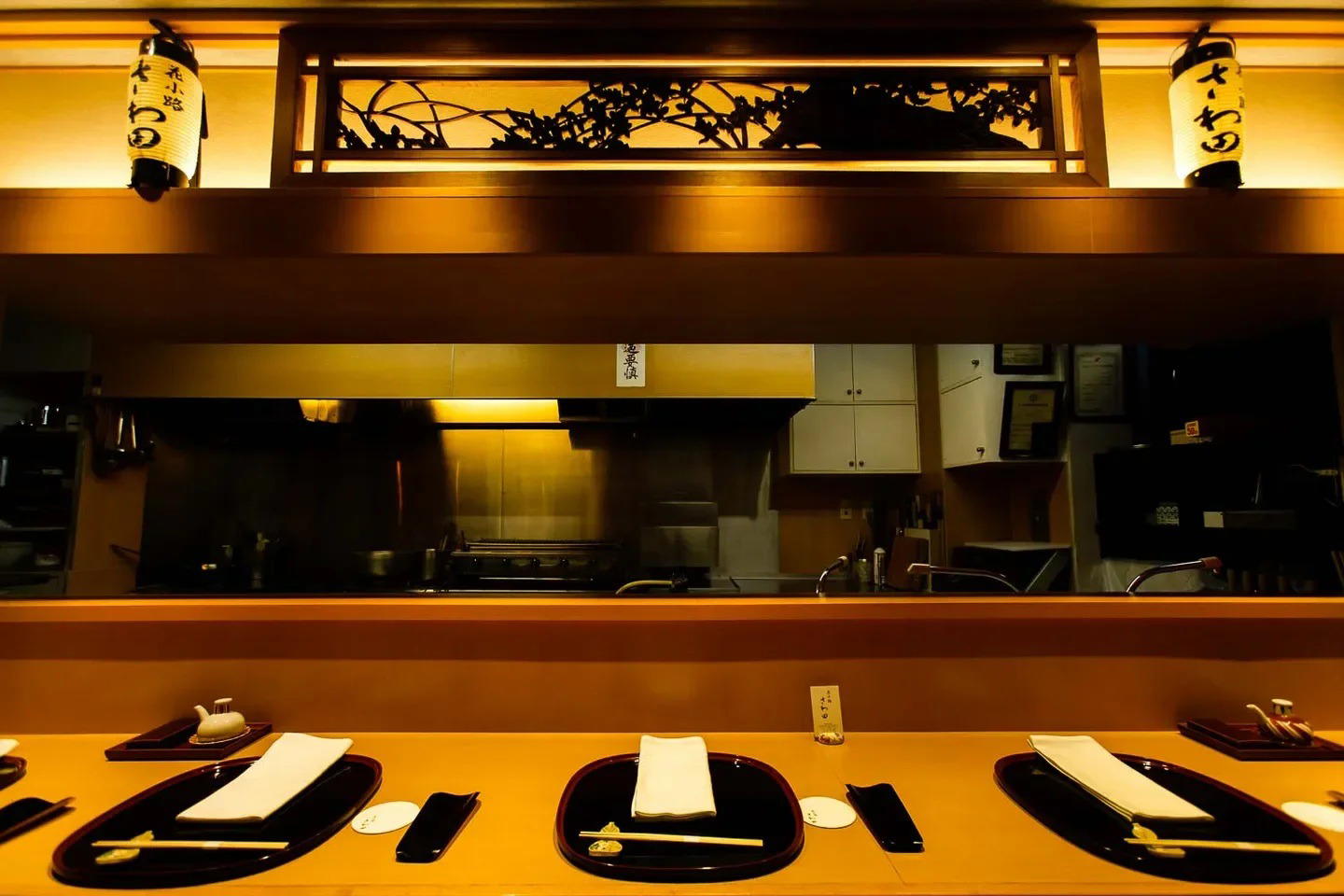
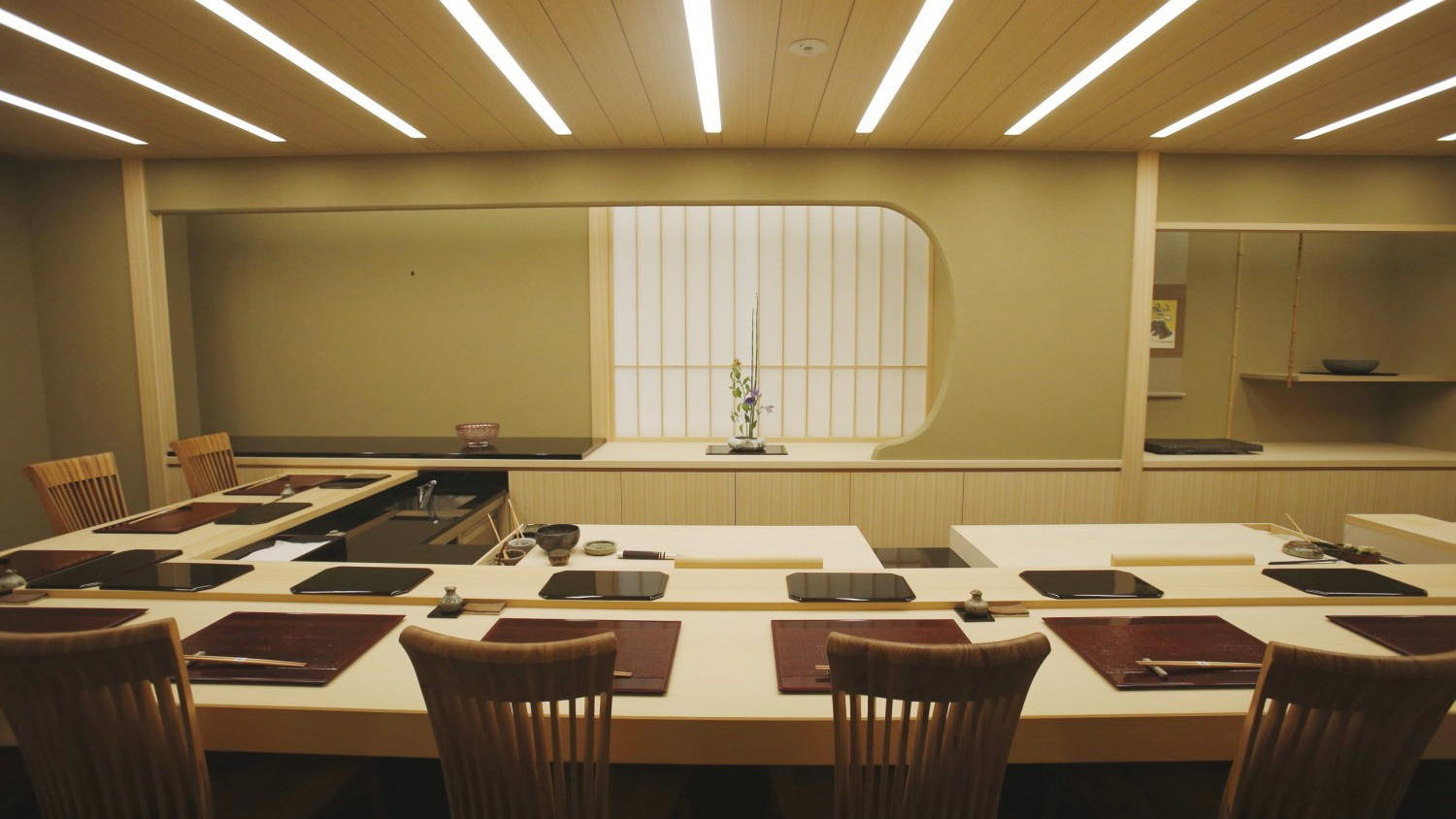
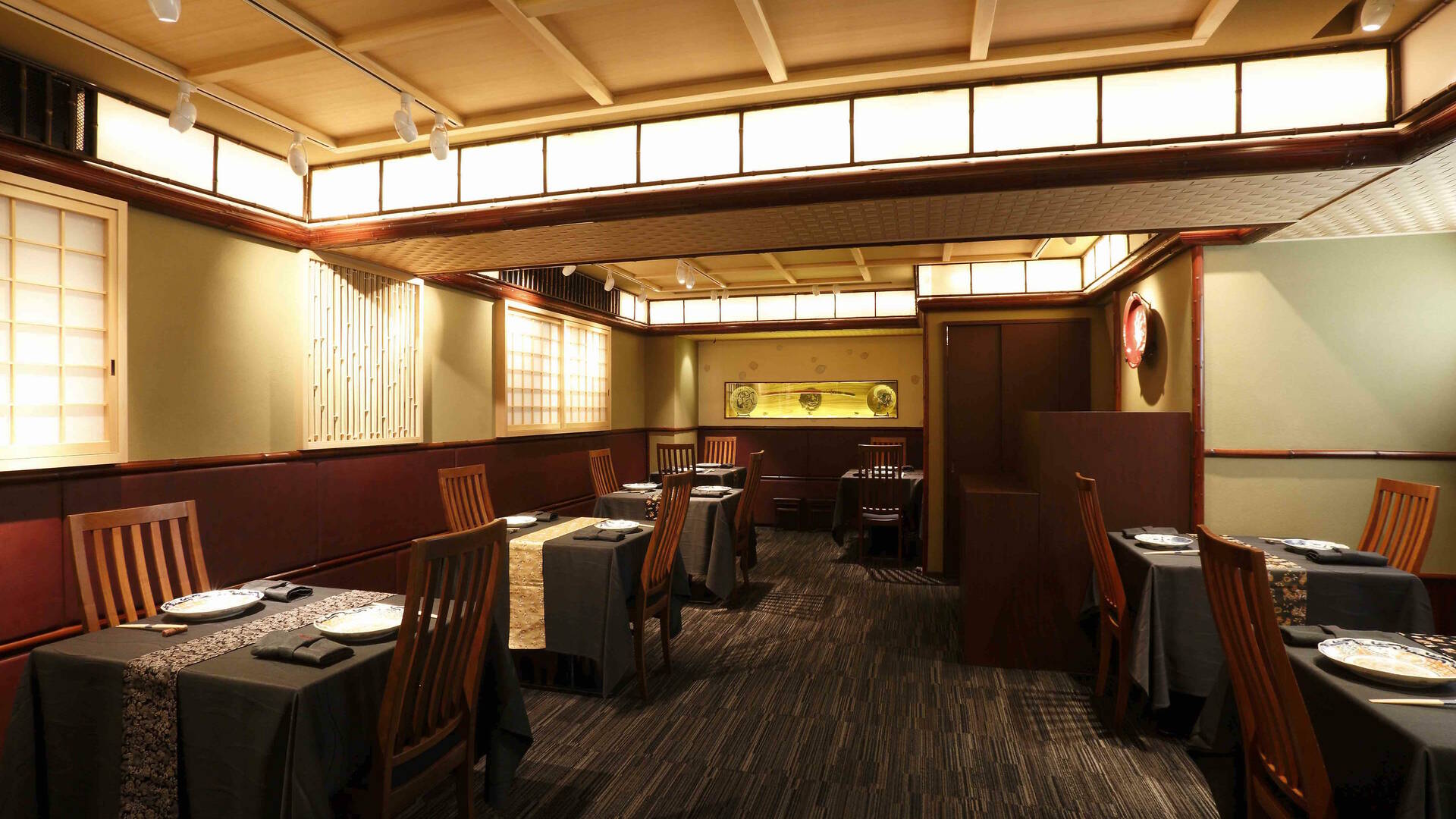
Informal, retro Chinese diner feel with counter-style and table seating, bright but simple interior, and a bustling atmosphere at peak lunch hours.