
SEN YO brings Tokyo’s Chinese dining conversation to Higashi-Koenji rather than the usual central luxury districts. The draw is value: Tabelog 100 Chinese TOKYO recognition in 2026, Sichuan and dim sum categories, an 18-seat room, and pricing that sits well below the city’s formal Chinese tasting-menu tier.
Pearl is the En Primeur Club membership app — saves, bookings, and concierge access live there. Same editors, same standards.
- Address
- 東京都杉並区和田3-18-9
- Phone
- +81363825320
- Website
- chinese-senyou.jp
 Saves & bookings on Pearl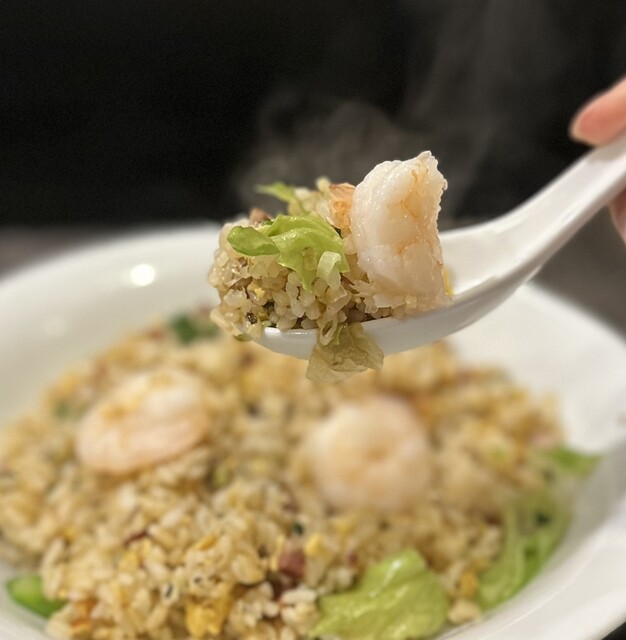
Higashi-Koenji shifts the mood before dinner: the Marunouchi Line leaves Shinjuku’s retail gravity, and Wada’s streets feel residential rather than theatrical, with low buildings, local errands, and restaurants rewarding diners who leave the hotel corridor. Here, SEN YO belongs to a small Tokyo category that matters beyond its footprint: serious Chinese cooking outside the luxury hotel circuit.
Tokyo often treats Chinese cuisine in two parallel modes: polished banquet rooms with private rooms and choreographed service, and neighbourhood counters or compact rooms where Sichuan seasoning, dim sum craft, and vegetable-led cooking carry the meal without ceremony. The latter is especially useful for travellers who know Tokyo’s sushi and kaiseki hierarchy and want a local rhythm rather than a staged occasion.
Neighbourhood Chinese with a stronger value equation than the central-room circuit
The value proposition is not cheapness, but comparison. SEN YO is a Chinese restaurant selected for Tabelog’s Chinese TOKYO “Tabelog 100” in 2026, with previous selections in 2024, 2023, and 2021, operating far smaller than the city’s formal Chinese dining rooms. Repeated recognition gives the address a signal beyond neighbourhood loyalty, while the compact format keeps it closer to a local table than a hotel restaurant.
The categories tell the useful story: Chinese, Sichuan, and dim sum and yum cha. That combination gives the meal breadth rather than single-dish specialization. Sichuan cooking in Tokyo is often flattened into heat, but better rooms work through oil, aroma, sourness, texture, and shared-dish pacing. Dim sum adds discipline because small-format cooking exposes dough, filling, timing, and steam control that large platters can hide.
Vegetables matter too. The listed food orientation notes vegetable focus and vegetarian options, important in Tokyo Chinese dining, where many restaurants lean on meat, shellfish, and banquet proteins as price justification. A vegetable-conscious kitchen gives mixed parties more range and feels less rigid than chef’s-counter formats where substitution is awkward.
For readers mapping Tokyo by category, this differs from ramen, curry, yakitori, or sukiyaki. Lower-ticket specialties are easy to find; award-recognised Chinese cooking in a small, suburban-feeling room is narrower. Contrast casual specialists such as Raamen Yama to Ki, Dashi to Men Yuei, Tokoi, and Jun Teuchi Daruma, each in a leaner price band, with a higher-spend Japanese room such as Komatsu. SEN YO sits between them: more considered than a quick single-bowl stop, less financially loaded than a central special-occasion table.
The room keeps the stakes human
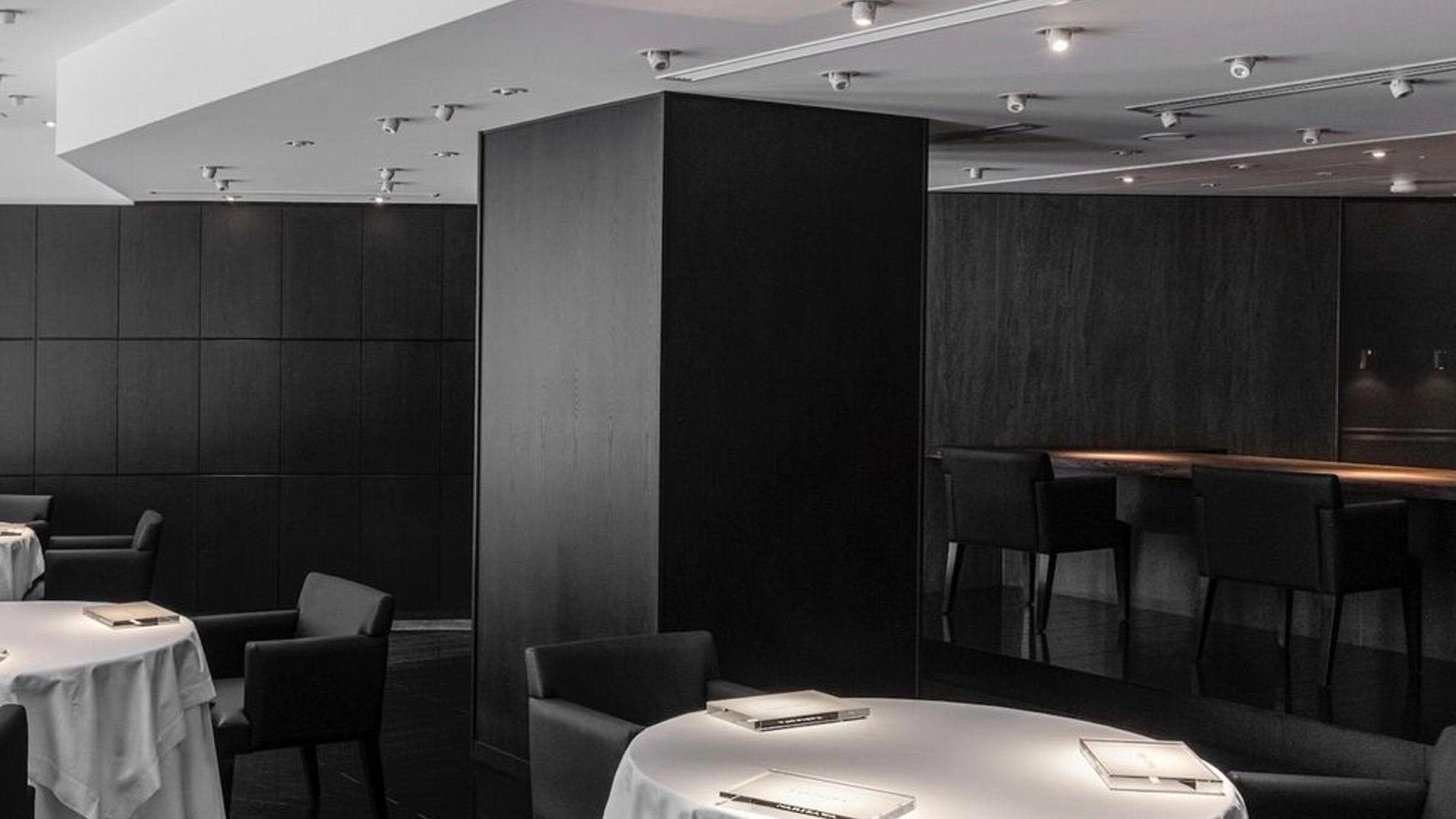
The format is part of the argument. Eighteen seats, six counter seats and twelve table seats, mean the room cannot absorb walk-in uncertainty like a large dining floor. Counter seating also changes the feel of Chinese dining. Tokyo has made counters central to sushi, tempura, kappo, yakitori, and modern French, while Chinese restaurants often remain table-first. Here, the counter gives smaller parties access without needing a banquet group.
The absence of private rooms clarifies the experience. This is not Chinese dining built for corporate enclosure or ceremonial hosting, but a compact neighbourhood room with citywide notice. Private use is listed for up to 20 people, reinforcing the scale: a full buyout is dinner-party size, not an event floor.
Drinks sit in a Tokyo register. Sake, shochu, and wine are listed, showing how Japanese Chinese restaurants can differ from Hong Kong, Singapore, or Shanghai counterparts. Pairing culture in Tokyo is flexible; a Sichuan-leaning meal might move through nihonshu or shochu as naturally as wine. That hybridity gives Chinese dining in Japan its own grammar rather than simply reproducing mainland categories.
Tabelog recognition is not Michelin grammar, and the distinction helps. Hyakumeiten selections tend to highlight strong category performers across a city, including places regular diners use and debate. In Tokyo’s depth, selection for the Chinese TOKYO list signals local relevance. It does not make the meal a luxury ritual, which is precisely the point.
Where it fits in a Tokyo itinerary
SEN YO works well after the obvious Tokyo meals are covered. First-time visitors often spend early dinners on sushi, ramen, izakaya, or wagyu formats; repeat travellers gain more by using a night for a neighbourhood Chinese address with category recognition. Higashi-Koenji also suits a west-side evening, especially for travellers staying around Shinjuku, Nakano, or Marunouchi Line stations.
The practical read is simple: a small room with reservations available, no dedicated parking, non-smoking status, and card acceptance for major brands. That makes planning easier than at many tiny Tokyo restaurants, though Tuesday and Wednesday closures mean the calendar should be checked before building a west-side dinner around it. For a compact restaurant with repeated Tabelog 100 Chinese TOKYO selection, treating the booking casually would be a mistake.
EP Club readers building a broader Tokyo map can place it alongside other city entries rather than as a standalone trophy stop. For more restaurant context, use Our full Tokyo restaurants guide, then widen the trip through Our full Tokyo hotels guide, Our full Tokyo bars guide, Our full Tokyo wineries guide, and Our full Tokyo experiences guide. Within the restaurant index, compare different formats through. 鮪と炭火焼き うお炭 秋葉原店, 12/10 Shinjuku ten, 124. KAGURAZAKA (Yakitori), 2D Cafe, and 3 Chome no Curry Ya San.
For travellers extending the same category thinking beyond Tokyo, the wider Japan and overseas listings show how price, format, and local demand reshape a meal: -Grilled beef Sukiyaki- KAMAKURA TANUKIAN 鎌倉 たぬき庵 in Kamakura,.cafe in Osaka,.know in Kumamoto, (Shoku) Vietnam in Kawasaki, [Curry Senmon Ten] Maruyama Kyoju. in Sapporo, [ki:] in Kyoto, Jōdo Saké Bar in Los Angeles, and Onigiri Time in Pasadena.
The editorial case is clear: Tokyo visitors often overspend for formality when they want evidence of local judgment. SEN YO provides it through repeated category recognition, a small room, a west-side neighbourhood address, and a Chinese menu structure with more range than a single-specialty stop. It is a smart allocation of one Tokyo dinner for travellers who value the strongest return on attention, not merely the lowest bill.
Local
Comparable venues at the same tier.
| Venue | Cuisine | Price | Notes |
|---|---|---|---|
| SEN YOThis venue — the venue you are viewing | Shenzhen-inspired regional Chinese | $$ | |
| Ren Shan | Creative Chinese countryside cuisine | $$ | Minato |
| Asia Kappou Rengetsu | Gyoza-focused Japanese-Chinese dumpling house | $$ | Minato |
| Nanxiang Steamed Bun Restaurant (南翔饅頭店) | Shanghai Xiaolongbao | $$ | Roppongi |
| Sichuan Hashoku | Traditional Sichuan Chinese | $$ | Taitō |
| Midoricho Ikoma | Creative Chinese | $$ | Sumida |










At a Glance
- Cozy
- Hidden Gem
- Classic
- Casual Hangout
- Family
- Group Dining
- After Work
- Standalone
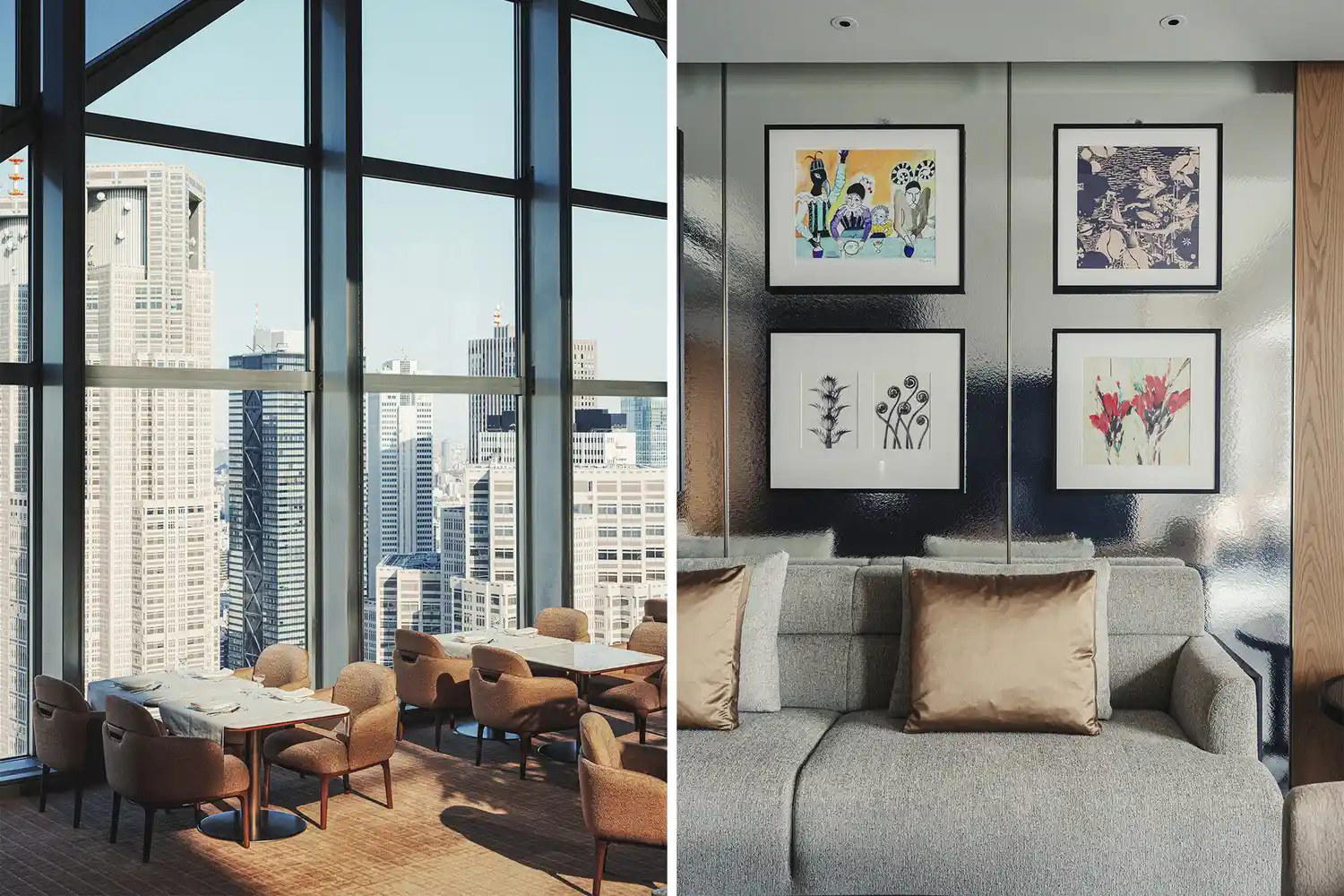
Atmosphere of a neighborhood Chinese restaurant near Higashi-Koenji, with a cozy, low-key setting suited to relaxed lunches and casual dinners.[1][13]