On a quiet Chamartín street, GOXO operates in a register that Madrid's northern dining corridor has been quietly building toward: a menu architecture that reveals intention before the first course arrives. For visitors mapping the city's creative restaurant tier alongside names like DiverXO and Coque, GOXO offers a distinct entry point, structured, considered, and worth understanding on its own terms.
Pearl is the En Primeur Club membership app — saves, bookings, and concierge access live there. Same editors, same standards.
- Address
- C. de Mantuano, 4, Chamartín, 28002 Madrid, Spain
- Website
- elgoxo.com
- Directions
- Get directions
 Saves & bookings on Pearl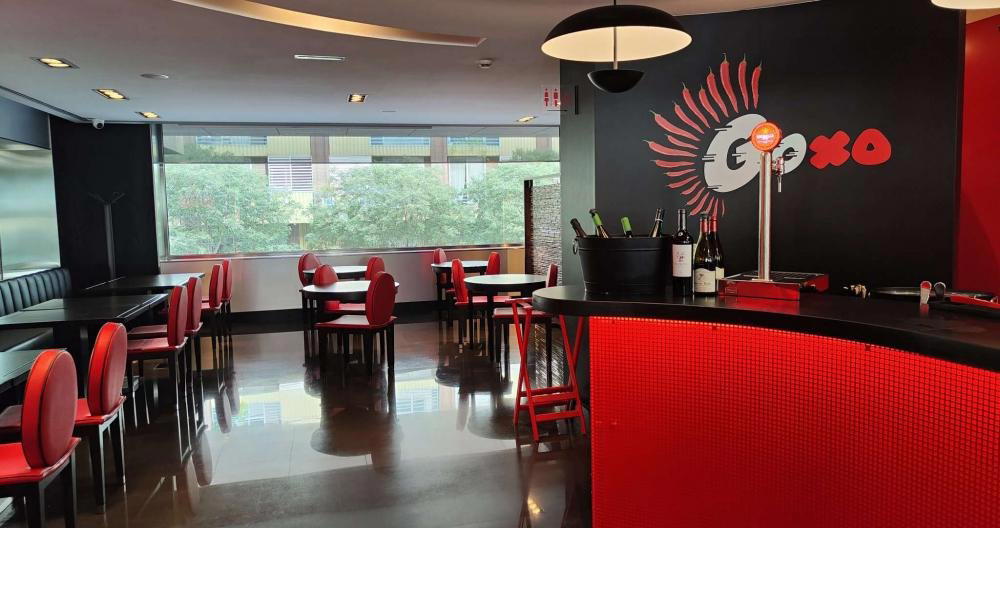
A Street in Chamartín, and What It Tells You
Madrid's serious restaurant energy has long clustered in two directions: the theatrical flagship rooms of the city centre, and the quieter, more residential addresses north of the M-30 ring. Chamartín belongs to the latter. The neighbourhood carries the kind of functional respectability, government ministries, corporate headquarters, mid-century apartment blocks, that rarely generates dining conversation, yet has produced some of the city's more considered rooms. GOXO, on Calle de Mantuano, sits inside that tradition: a casual, walk-in-friendly restaurant serving Global Fusion Fast Food, not a destination engineered around spectacle, but a room that asks you to pay attention to what arrives at the table.
DiverXO operates as full-commitment theatre, a multi-hour progression with no off-ramp. Coque deploys a structured journey through the building itself. Deessa and Paco Roncero each anchor their menus to a particular conceptual framework. GOXO enters this conversation from a different angle, one where the architecture of the menu, what comes first, what follows, what the progression implies, does more communicative work than any individual dish alone.
How the Menu Is Built, and What That Signals
One revealing thing about any serious restaurant is the logic it uses to sequence a meal. In Spain's leading creative rooms, that logic has evolved considerably over the past two decades. Where the early-2000s avant-garde model favoured maximum course count and aggressive technique signalling, the more recent tendency among kitchens working at this level is toward compression: fewer, denser courses that carry more meaning per plate. This is not minimalism for its own sake. It reflects a maturing understanding that the reader of a menu, and every serious tasting menu is a text, tires of repetition before they tire of complexity.
GOXO's menu structure fits that compressed, intentional model. What the format implies, based on the restaurant's positioning within Chamartín's northern corridor, is a kitchen that has chosen depth over breadth, a commitment to fewer, more deliberate moves rather than the kind of sprawling progression that requires stamina as much as appetite. This is consistent with a broader pattern across Madrid's creative mid-tier, where particularly interesting rooms have stopped competing on volume and started competing on coherence.
Spanish fine dining's reference points for this approach extend well beyond the capital. El Celler de Can Roca in Girona built its reputation on exactly this kind of menu literacy, courses that reference each other, that build an argument across the table. Mugaritz in Errenteria takes the model further, treating the menu as an explicitly philosophical structure. Arzak in San Sebastián and Azurmendi in Larrabetzu demonstrate how Basque kitchens have long used menu architecture as identity. GOXO belongs to a generation of Madrid rooms absorbing those lessons and applying them in a capital context.
Where GOXO Sits in the Madrid Creative Tier
Madrid's restaurant classification has sharpened over the past five years. The city now runs a legible spectrum from neighbourhood asadors and traditional tabernas at one end to full-commitment tasting-menu operations at the other, with a growing middle band of creative rooms that offer serious cooking without the full theatrical overlay. DSTAgE occupies a distinctive position in that middle band, as does Smoked Room, which applies a progressive asador logic to contemporary format. GOXO's Chamartín address places it slightly outside the central cluster, which tends to produce a different kind of clientele: more local, more repeat, less reliant on tourism to fill covers.
That local orientation matters for menu design. A room that depends on regulars builds its menu differently from one that turns over high volumes of first-time visitors. Regulars require evolution, a reason to return, while first-timers require orientation. The kitchens that manage both simultaneously tend to produce menus with a stable structural logic but rotating content: the architecture stays legible, the ingredients change with season and supply. This is a harder problem to solve than it appears, and the rooms that solve it well earn a different kind of loyalty than the spectacle-first operations.
Madrid's version of this, as GOXO reflects, is a city-kitchen sensibility: cosmopolitan in reference, specific in execution, less tied to a single product territory than coastal or agricultural regions.
Internationally, the compressed-menu model that GOXO appears to follow has strong precedents. Le Bernardin in New York City has built four decades of authority on exactly this principle, fewer distractions, greater depth per course. Atomix, also in New York, uses a card-based presentation system to make the menu's architecture legible to diners in real time. The underlying question both rooms answer, how do you make the structure of a meal as meaningful as its individual courses, is the same one that Madrid's more thoughtful creative kitchens are now asking.
Know Before You Go
| Detail | Information |
|---|---|
| Address | C. de Mantuano, 4, Chamartín, 28002 Madrid, Spain |
| Neighbourhood | Chamartín, northern Madrid |
| Nearest Metro | Avenida de América or Prosperidad (Lines 4, 6, 7, 9) |
| Reservations | |
| Price Range | Not published; consistent with creative tasting-menu tier |
| Hours | Confirm directly with the restaurant before visiting |
In Context: Similar Options
Comparable venues nearby, for context on price, style, and recognition.
| Venue | Cuisine | Price | Notes |
|---|---|---|---|
| GOXOThis venue — the venue you are viewing | Global Fusion Fast Food | $$ | Not listed |
| Raimunda | Ibero-American Fusion | $$ | Recoletos |
| Trotamundos | Mestizo Fusion: Asian & Spanish | $$ | Jeronimos |
| Tsunami Nikkei Chamberi | Peruvian-Japanese Nikkei Fusion | $$ | Trafalgar |
| Canaima Grill Fusión | Venezuelan Fusion Grill | $$ | Butarque |
| Tripea | Peruvian-Asian Fusion | $$ | Arapiles |
Continue exploring
More in Madrid
Restaurants in Madrid
Browse all →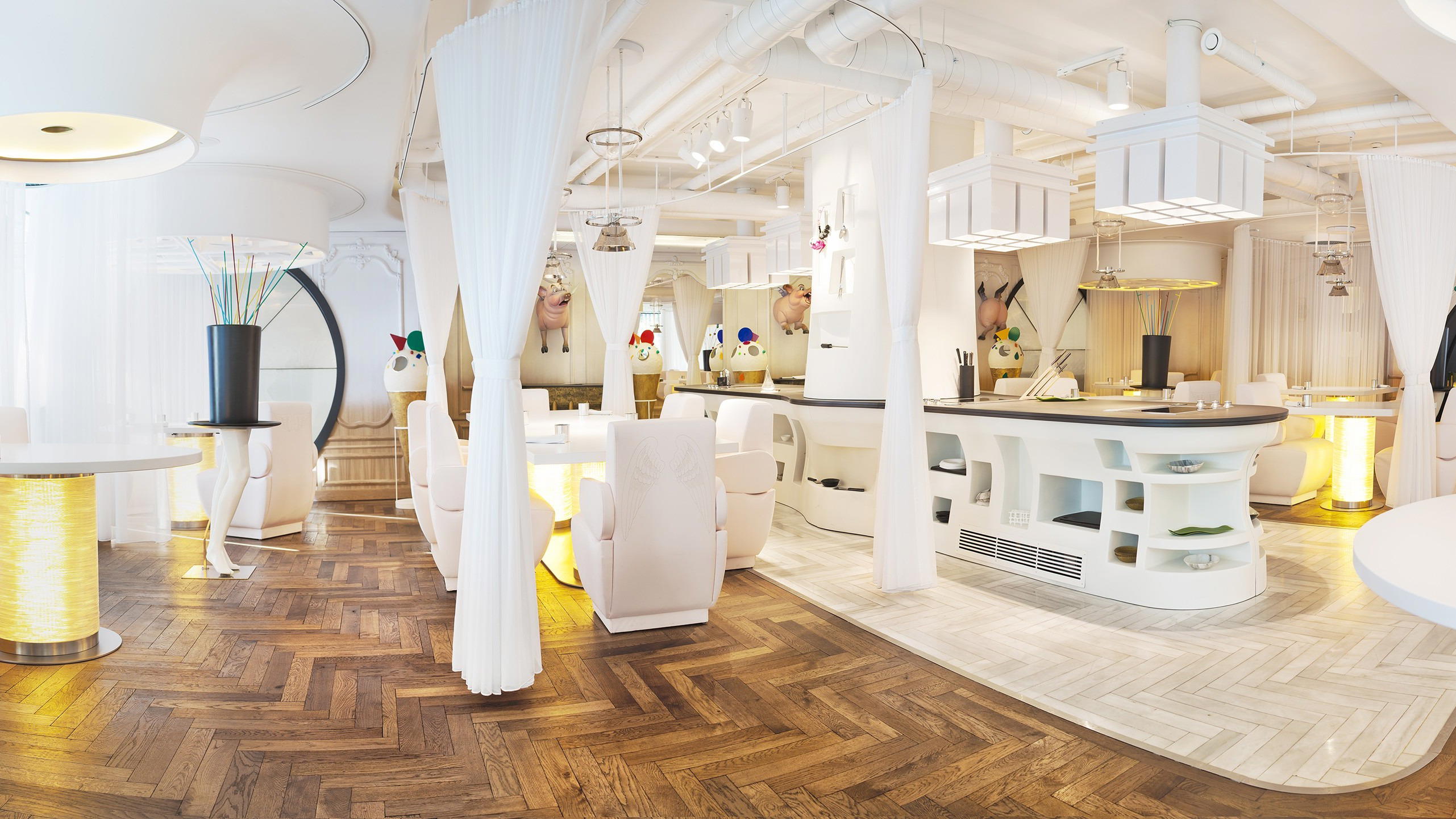
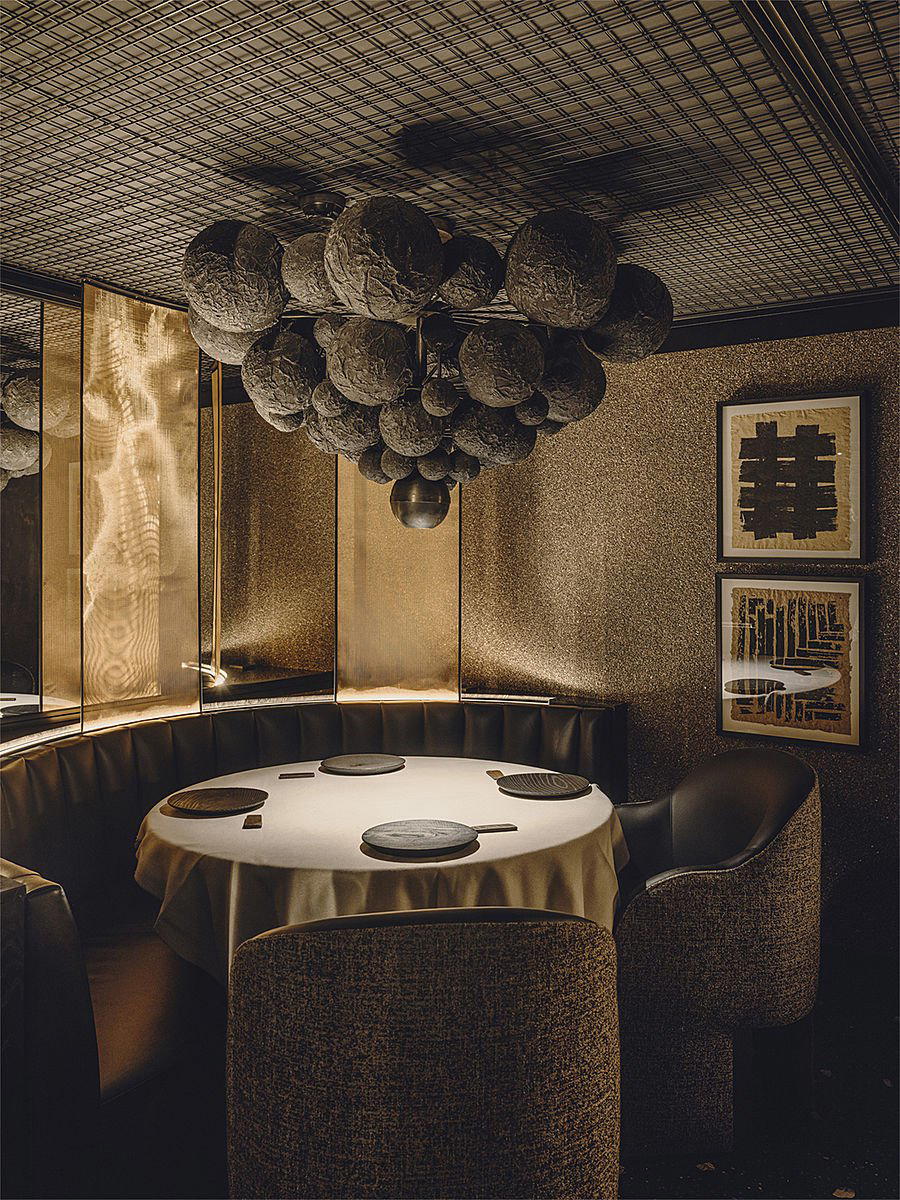
Bars in Madrid
Browse all →
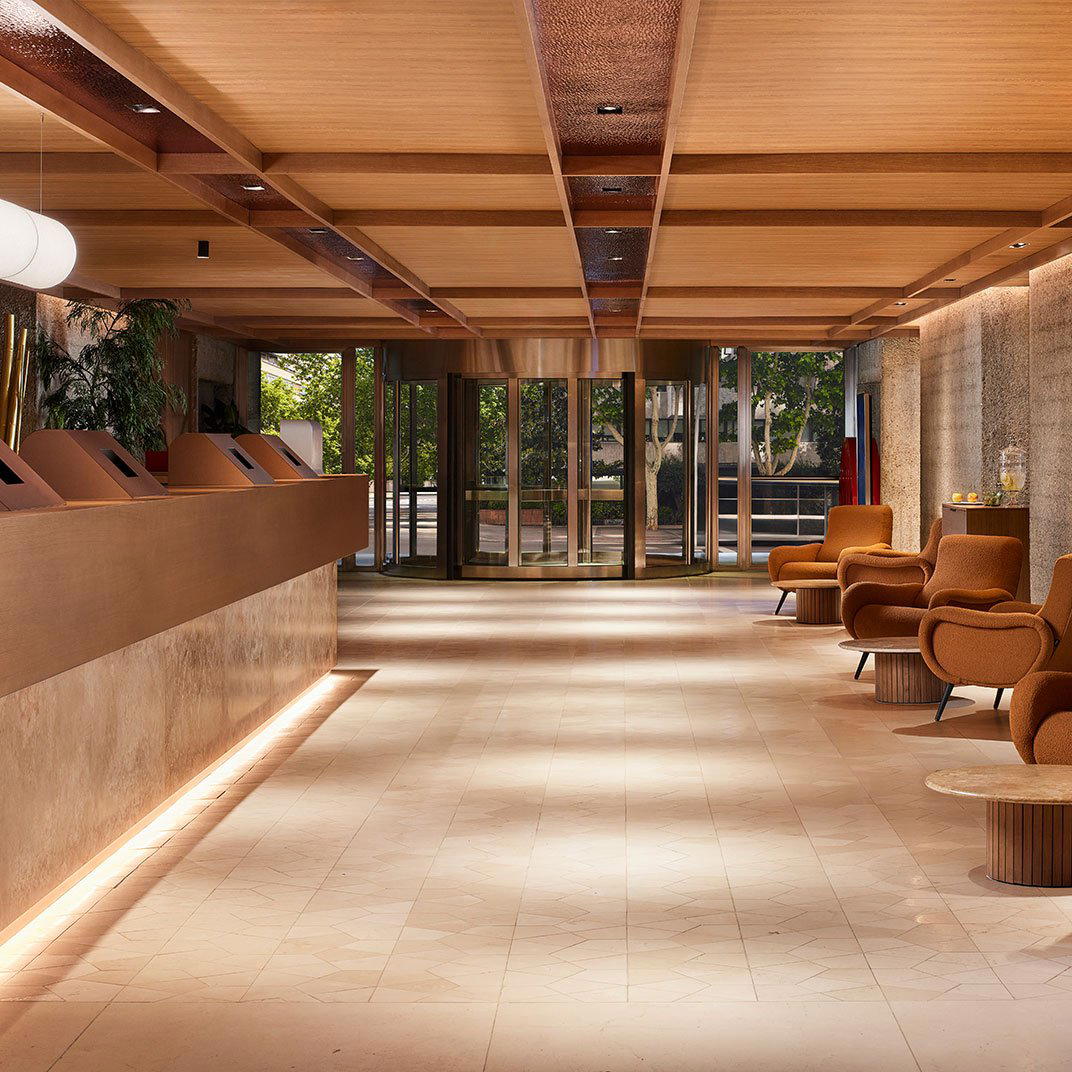
Hotels in Madrid
Browse all →



At a Glance
- Trendy
- Modern
- Lively
- Casual Hangout
Current opening hours
- Monday
- 1–4:30 PM, 8–11:30 PM
- Tuesday
- 1–4:30 PM, 8–11:30 PM
- Wednesday
- 1–4:30 PM, 8–10:30 PM
- Thursday
- 1–4:30 PM, 8–11:30 PM
- Friday
- 1–4:30 PM, 8–11:30 PM
- Saturday
- 1–4:30 PM, 8–11:30 PM
- Sunday
- 1–4:30 PM, 8–11:30 PM
Hours can change for holidays and private events. Last verified .
Dark, neon-lit fast food joint atmosphere with a modern, transgressive edge.