In the small Koroška town of Muta, Gostilna pri lipi operates within a tradition of Slovenian gostilna culture where the kitchen draws from what grows and grazes nearby. The address on Mariborska cesta places it squarely in the working rhythm of a rural market town, where dining out means something closer to a shared table than a restaurant occasion. For travellers moving through the Drava valley, it represents the regional tier of Slovenian hospitality at its most grounded.
Pearl is the En Primeur Club membership app — saves, bookings, and concierge access live there. Same editors, same standards.
- Address
- Mariborska cesta 12, 2366 Muta, Slovenia
- Phone
- +38641722091
- Website
- prilipi.si
- Directions
- Get directions
 Saves & bookings on Pearl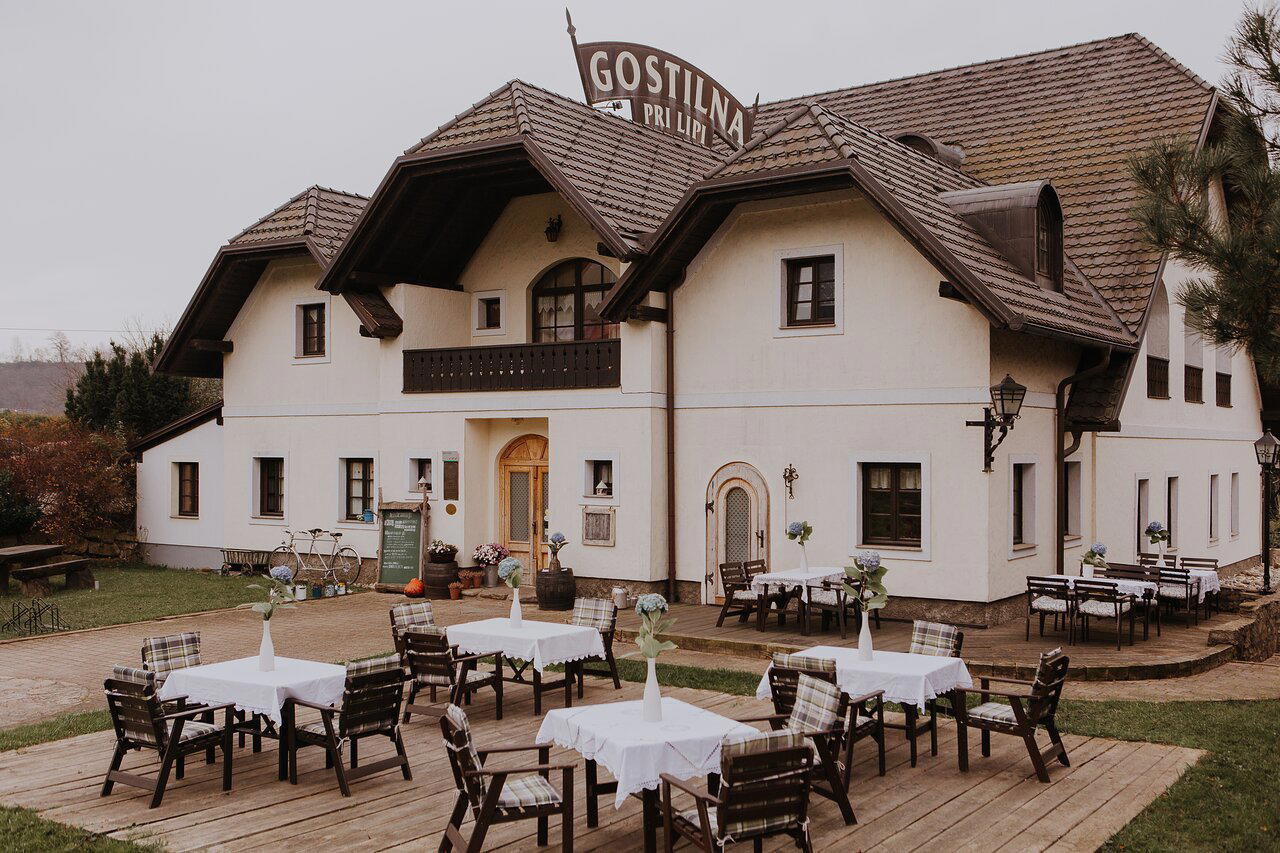
Koroška on the Plate: What the Drava Valley Puts on the Table
The Koroška region of northern Slovenia is not where most food-focused travellers begin their itinerary. The restaurants drawing international attention tend to cluster elsewhere: Hiša Franko in Kobarid and Milka in Kranjska Gora occupy the creative end of Slovenian dining, where tasting menus and Michelin recognition pull visitors into the Soča valley or the alpine west. Koroška operates on a different register entirely. Here, the gostilna tradition remains intact in a way that is harder to find in places where tourism has reshaped the local hospitality economy. The cooking is grounded in what the surrounding land produces, and the format is one that Slovenians have known for generations: a family-run house, a menu that reflects the season and the region, and a room that functions as much for the local community as for anyone passing through.
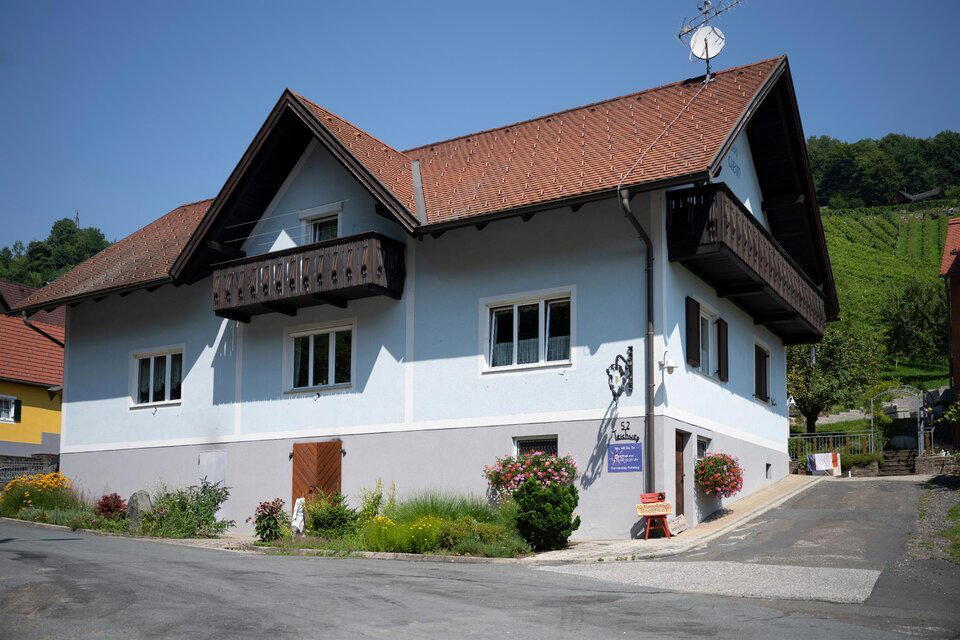
Muta itself sits in the upper Drava valley, a small market town whose scale means that a gostilna like Gostilna pri lipi is less a dining destination than a fixture of daily life. The name references the linden tree (lipa in Slovenian), a symbol so embedded in Slovenian cultural identity that it appears on the national coat of arms. Arriving at Mariborska cesta 12, the setting signals that register immediately: this is not a converted farmhouse positioned for weekend visitors, but a working gostilna where the rhythms of the town determine the pace of the room.
The Sourcing Logic of a Koroška Gostilna
The argument for regional sourcing in Slovenian cooking is not an ideological stance imported from Nordic or Californian fine dining. It is, in the context of rural Koroška, closer to a practical inheritance. The upper Drava valley has long relied on a food economy built around small farms, forest foraging, and animal husbandry suited to a mountainous terrain. Gostilne in this part of the country have always cooked with what the surrounding area provides, not because it is fashionable but because the supply chains of a small rural town make it the obvious approach.
This matters when comparing Gostilna pri lipi to the more architecturally ambitious end of Slovenian restaurant culture. Operations like Gostilna Pri Lojzetu in Vipava or Grič in Šentjošt nad Horjulom have formalised the farm-to-table framework into a conscious culinary programme, with dedicated sourcing relationships and tasting menu formats that communicate that programme to the guest. The rural gostilna in a town like Muta does something structurally similar but without the editorial layer: the produce is local because the kitchen has always worked that way, and the menu reflects what is available without announcing it as a concept. Both approaches have integrity; they simply address different audiences and different price points.
Koroška's terrain produces lamb and game from the surrounding hills, freshwater fish from the Drava river system, and foraged ingredients from extensive forests. Buckwheat, a staple of Slovenian highland cooking, appears in preparations that connect the region to its agricultural history in ways that dishes in Ljubljana's more cosmopolitan dining scene often do not. For travellers who have spent time at the creative end of the Slovenian restaurant spectrum, a gostilna in Muta offers an instructive counterpoint: the same raw ingredients, processed through a tradition rather than a programme.
Where Muta Sits in the Slovenian Dining Map
Slovenia's restaurant culture has developed significant range over the past decade. At one end, internationally recognised houses like Hiša Denk in Zgornja Kungota and Hiša Linhart in Radovljica have built reputations that travel beyond the country's borders. At the other end, a network of gostilne across the country's rural regions maintains an older model of hospitality that preceded and will likely outlast the current tasting-menu moment. Pavus in Laško and Restavracija Strelec in Ljubljana occupy a middle tier that combines culinary ambition with accessibility. Gostilna pri lipi in Muta operates closer to the foundational layer of this structure.
For context on what makes regional gostilne distinct from the urban dining scene, it helps to look at how similar establishments function elsewhere in Slovenia. Gostilna Mlinar in Idrija and Gostišče Karavla 297 in Trzic demonstrate how a gostilna format can maintain regional culinary identity while serving a community that is not primarily composed of food tourists. Gostišče Neptun in Piran and Turistična Kmetija Breg in Brda show how coastal and wine-region properties have adapted the same model to a more visitor-oriented economy. Muta's version is less adapted, which is partly the point.
The comparison with destinations further afield is instructive for calibrating expectations. The precision and sourcing philosophy visible at a venue like Le Bernardin in New York City or the conceptual rigour at Atomix in New York City represents one end of a global spectrum. A gostilna in the upper Drava valley represents a different set of values, none of them lesser, but calibrated entirely around community function rather than gastronomic ambition. For travellers who appreciate both registers, moving between them is one of the more useful exercises the European dining map offers.
Planning a Visit to Muta
Muta is accessible from Maribor to the northeast and from the Koroška regional hub of Slovenj Gradec further up the valley. Travellers routing through this part of Slovenia, whether on a drive toward Austria or looping through the Pohorje hills, will find the town a practical stop rather than a dedicated destination. For those specifically tracing Slovenian regional cooking beyond the better-documented circuits, Koroška rewards the detour. Gostilne in this part of the country tend to keep traditional lunch and dinner hours aligned with local working patterns, so arriving outside the main service windows is worth avoiding. Checking locally before arrival is advisable.
Those building a wider Slovenian itinerary around regional cooking should also consider Gostilna Oštirka in Celje and Gostilna Pr'Bizjak in Preddvor, both of which operate within the same gostilna tradition and offer useful points of comparison for understanding how the format varies by region. Dam in Nova Gorica provides a contrasting lens from the western end of the country, where Mediterranean influence changes the ingredient logic significantly.
How It Stacks Up
Comparable venues nearby, for context on price, style, and recognition.
| Venue | Cuisine | Price | Notes |
|---|---|---|---|
| Gostilna pri lipiThis venue — the venue you are viewing | Traditional Slovenian Gostilna | $$ | Not listed |
| Gostišče Dolinšek | Traditional Slovenian | $$ | Sevnica |
| Gostilna Pri Stričku | Traditional Slovenian | $$ | Ljubljana |
| Gostilna Mencinger | Traditional Slovenian Pannonian | $$ | Gornja Radgona |
| Gostišče Tolc | Modern Slovenian | $$ | Sorica |
| Gostišče Pekel | Slovenian Traditional | $$ | Ohonica |
Continue exploring
More in Muta
Restaurants in Muta
Browse all →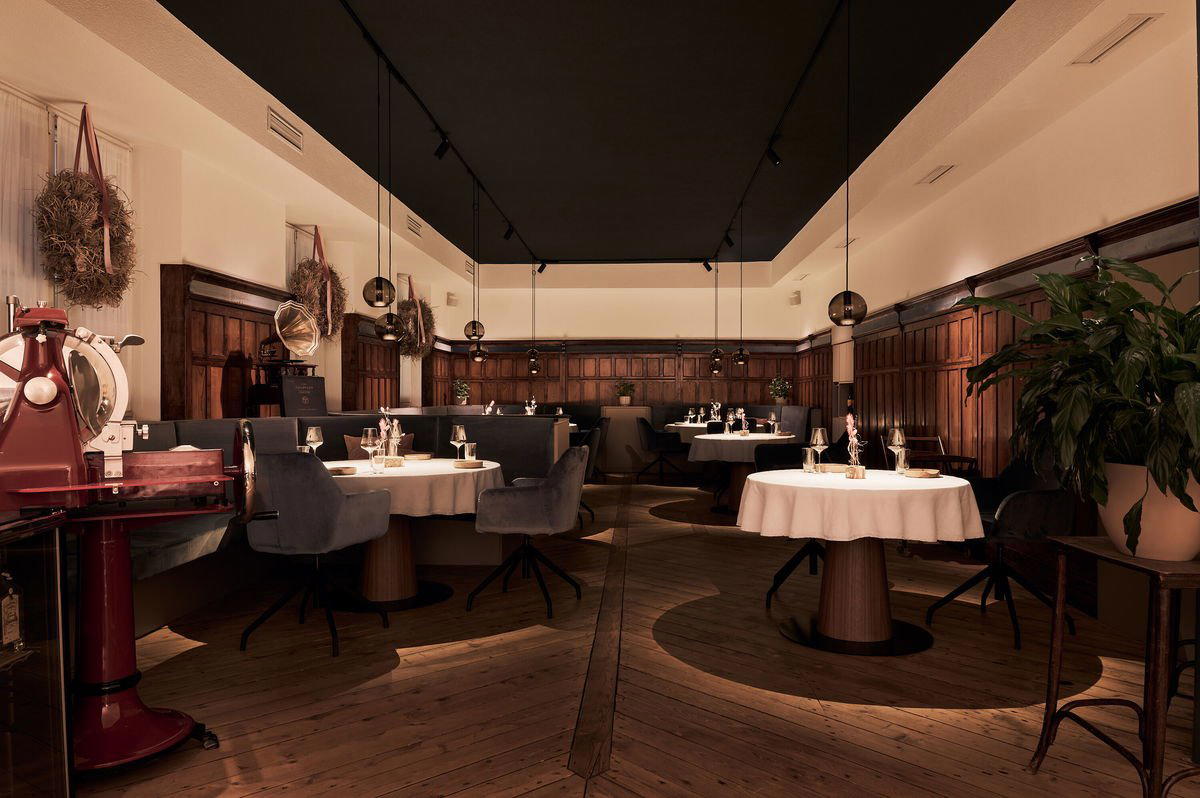
Bars in Muta
Browse all →
Hotels in Muta
Browse all →

At a Glance
- Rustic
- Cozy
- Classic
- Family
- Casual Hangout
- Historic Building
- Local Sourcing
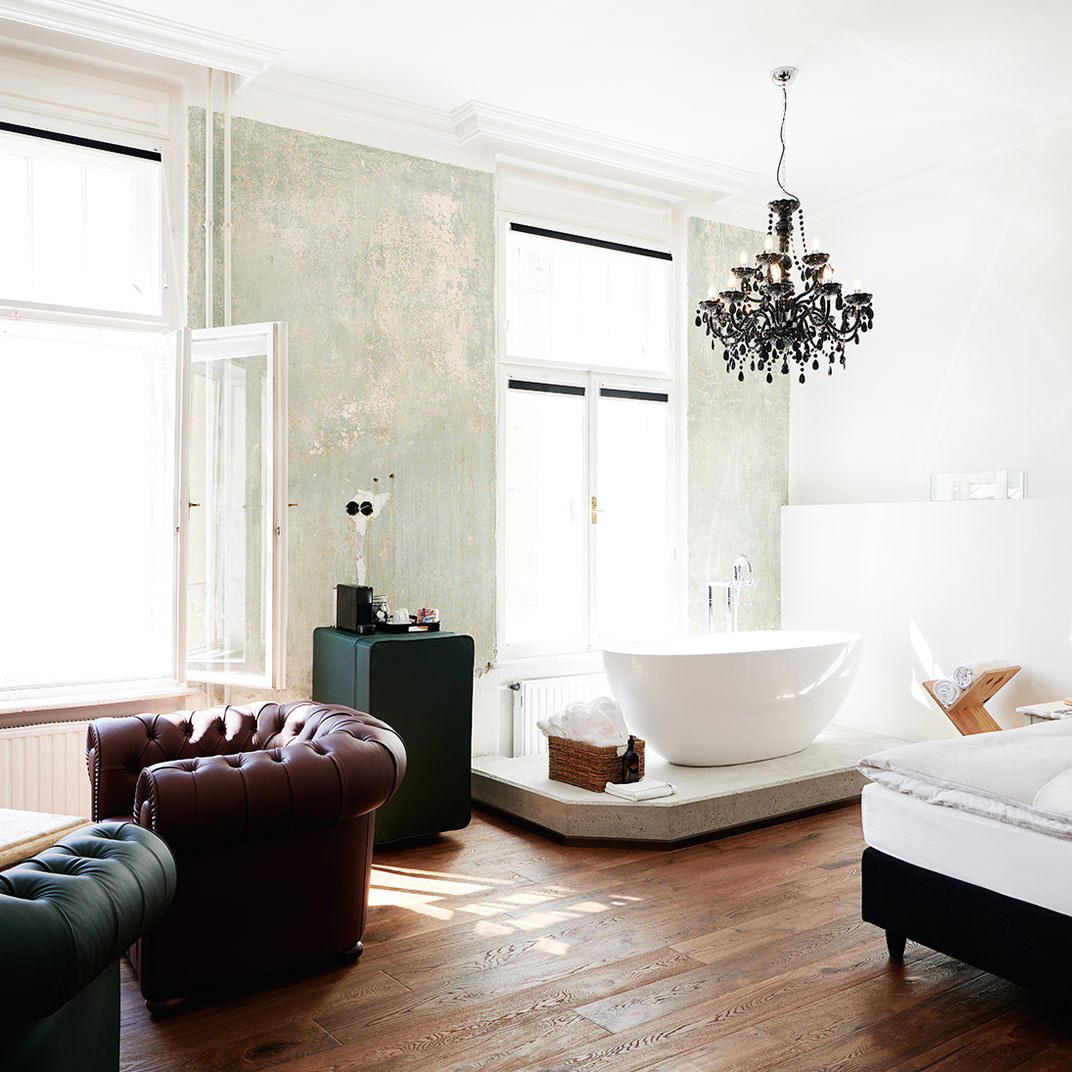
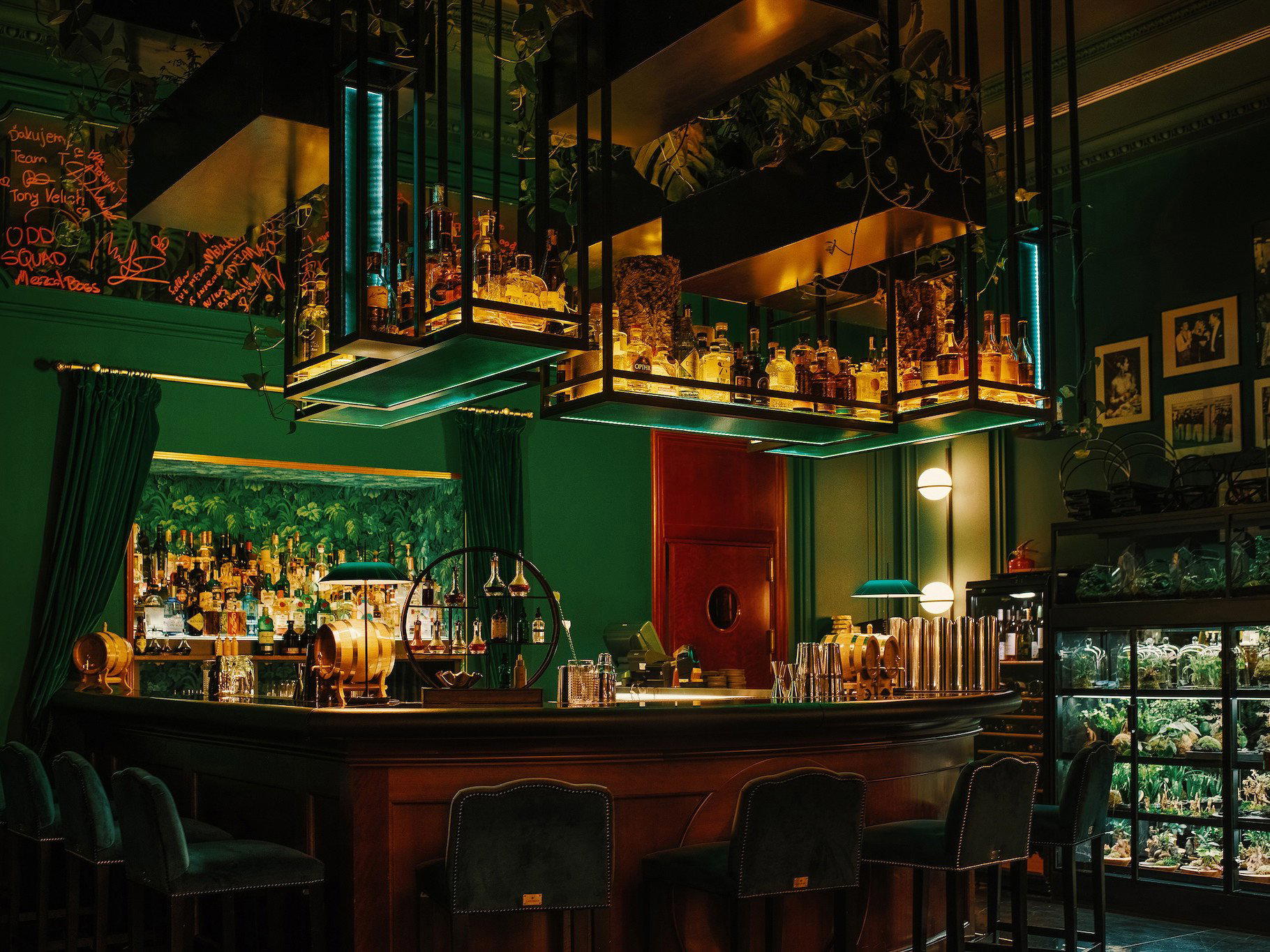
Cozy setting with traditional Koroška decor, wooden floors, period furniture, and relaxed pleasant atmosphere.