Gostilna Mencinger
In the Prekmurje borderlands northeast of Gornja Radgona, Gostilna Mencinger operates as a village gostilna rooted in the agricultural rhythms of the Mura region. The kitchen draws from hyperlocal sourcing traditions that define northeastern Slovenian cooking, placing it alongside a quiet tier of countryside restaurants that outlast trend cycles by staying close to the land and the seasons.
Pearl is the En Primeur Club membership app — saves, bookings, and concierge access live there. Same editors, same standards.
- Address
- Črešnjevci 93, 9250 Gornja Radgona, Slovenia
- Phone
- +38640278700
- Website
- gostilna-mencinger.si
- Directions
- Get directions
 Saves & bookings on Pearl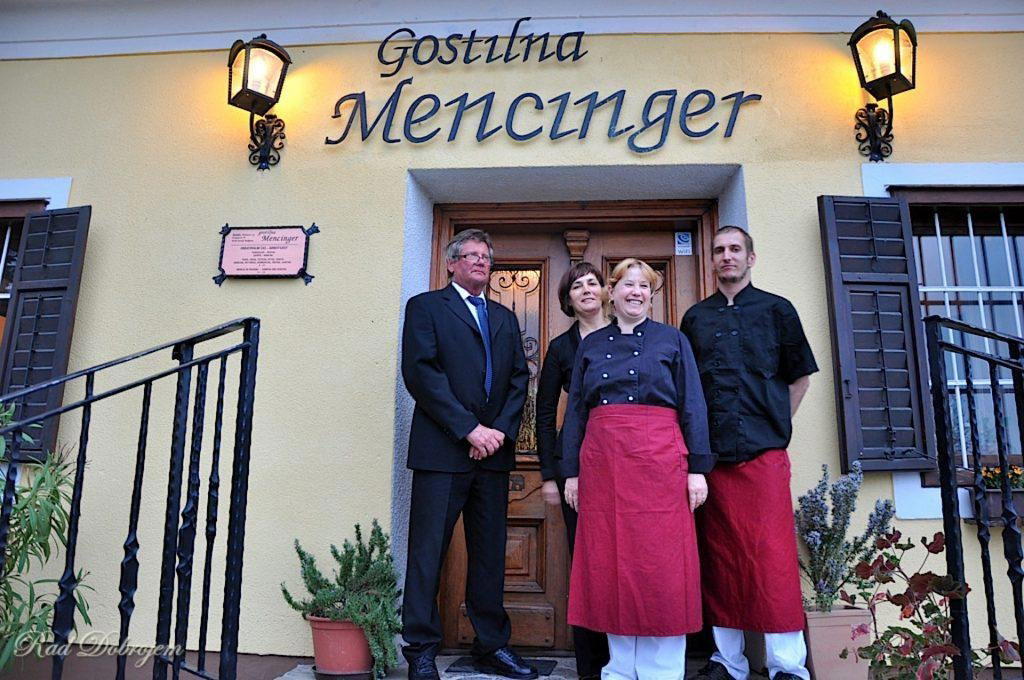
Where the Mura Region Sets the Table
The road northeast from Gornja Radgona into the Prekmurje flatlands passes through a working agricultural countryside that has fed this corner of Slovenia for centuries. Arriving at Črešnjevci 93, the address of Gostilna Mencinger, means leaving the small border town behind and entering a village rhythm where the distance between kitchen and field is measured in minutes rather than supply chains. This is the defining context for understanding what a traditional Slovenian gostilna does.
Northeastern Slovenia occupies a distinct position in the country's food culture. The Mura and Drava river plains produce ingredients, pumpkins, maize, freshwater fish, pork, dairy, that differ substantially from the coastal and alpine traditions that tend to receive more international attention. Restaurants rooted here, including Gostilna Mencinger, draw from a larder shaped by Pannonian rather than Mediterranean or Alpine influences. The result is a cuisine that reads as quieter and more austere than Slovenia's more celebrated dining destinations, but is no less considered in its sourcing logic.
The Gostilna Model and What It Demands
The word gostilna carries specific meaning in Slovenian culture: it implies a dining house with deep local roots, typically family-operated, where the menu reflects what is grown, raised, or foraged nearby rather than what international food trends dictate. This model places enormous pressure on ingredient quality, because there is no elaborate technique or global pantry to compensate for produce that is less than seasonal and local. The gostilnas that endure in Slovenian villages do so because their sourcing networks hold. Those that lose the thread tend to drift toward generic Central European menus and lose their reason for existing.
Slovenia's celebrated countryside restaurants, from Hiša Franko in Kobarid at the creative modern end to Grič in Šentjošt nad Horjulom with its farm-to-table discipline, and Hiša Denk in Zgornja Kungota on the Styrian border, have in common a commitment to their immediate agricultural context. Gostilna Mencinger sits in that broader tradition, in the northeastern corner of the country where Prekmurje's flatland agriculture provides the raw material.
Sourcing from the Pannonian Larder
Prekmurje's food identity is built around ingredients that rarely appear in Slovenia's fine dining conversation, yet are essential to the region's domestic cooking. Bučno olje, cold-pressed pumpkin seed oil, produced just across the border in Austrian Styria and in the Slovenian Mura valley, is as fundamental to northeastern Slovenian cooking as olive oil is to the coast. Freshwater fish from the Mura, locally raised pork, buckwheat, and the distinctive Prekmurska gibanica (a layered pastry combining poppy seeds, walnuts, cottage cheese, and apple) define a food culture that is entirely its own.
A village gostilna operating in Črešnjevci has access to this agricultural network at its most immediate. The sourcing advantage of rural locations like this is that supply relationships tend to be direct and multi-generational. Farmers, foragers, and producers who supply small local restaurants in Prekmurje are typically neighbours rather than distributors, which means the kitchen's ingredient calendar tracks the actual growing season rather than a procurement catalogue. This is the same logic that drives particularly celebrated farm-connected restaurants in Slovenia, Gostilna Pri Lojzetu in Vipava, Turistična Kmetija Breg in Brda, applied here at a village scale and price point.
Gornja Radgona and the Cross-Border Dining Belt
Gornja Radgona sits at the Mura river crossing between Slovenia and Austria, a position that has made it a transit point and market town for centuries. The town's dining options range from the direct to the regionally focused, and the restaurant's location in the Črešnjevci village nearby places it in the rural periphery of that small urban orbit. For visitors based in Gornja Radgona, it represents a short drive into the countryside for a meal grounded in Prekmurje agricultural traditions.
The broader Gornja Radgona dining context includes RG Bistro, which offers a contrasting urban format in the town itself. For travellers moving through northeastern Slovenia, the region connects to a wider network of countryside restaurants: Hiša Linhart in Radovljica, Pavus in Lasko, and Gostilna Mlinar in Idrija each represent different regional expressions of Slovenian cooking at village and small-town scale.
Slovenia's restaurant network rewards patience with geography. The country's most discussed tables, from Restavracija Strelec in Ljubljana to Milka in Kranjska Gora, operate in high-profile settings. But the quieter gostilna tier, operating in villages like Črešnjevci, preserves culinary knowledge that the tasting-menu circuit rarely reproduces: the specific flavour of Prekmurje pumpkin oil in October, or the buckwheat preparations that define this corner of the country at its most unselfconscious. Restaurants at this level function as custodians of regional specificity rather than ambassadors of Slovenian cuisine to an international audience, a different kind of value, but a durable one.
Planning a Visit
The restaurant is located at Črešnjevci 93, a short drive from Gornja Radgona town centre in the Prekmurje borderlands. As a village gostilna, it operates on local demand and traditional hospitality rhythms rather than an international reservations infrastructure, so visiting during standard Slovenian mealtime hours, midday for lunch, early evening for dinner, and calling ahead when possible is the practical approach. The cross-border position between Slovenia and Austria makes Gornja Radgona accessible from Graz as well as from Maribor, Slovenia's second city, which lies roughly an hour to the south.
Comparable Venues
Comparable venues nearby, for context on price, style, and recognition.
| Venue | Cuisine | Price | Notes |
|---|---|---|---|
| Gostilna MencingerThis venue — the venue you are viewing | Traditional Slovenian Pannonian | $$ | Not listed |
| RG Bistro | Traditional Slovenian Bistro with Sparkling Wine Focus | $$$ | Gornja Radgona |
| Gostišče Karavla 297 | Traditional Slovenian | $$ | Podljubelj |
| Spica | Slovenian & Neapolitan Pizza | $$ | Lake Bled |
| Turistična kmetija Puhan | Traditional Prekmurje Slovenian | $$ | Bogojina |
| Gostilna Pr. Matičku | Slovenian Game & Local Cuisine | $$ | suburbs |
Continue exploring
More in Gornja Radgona
Restaurants in Gornja Radgona
Browse all →
Bars in Gornja Radgona
Browse all →
Hotels in Gornja Radgona
Browse all →


At a Glance
- Rustic
- Cozy
- Classic
- Family
- Casual Hangout
- Standalone
- Local Sourcing
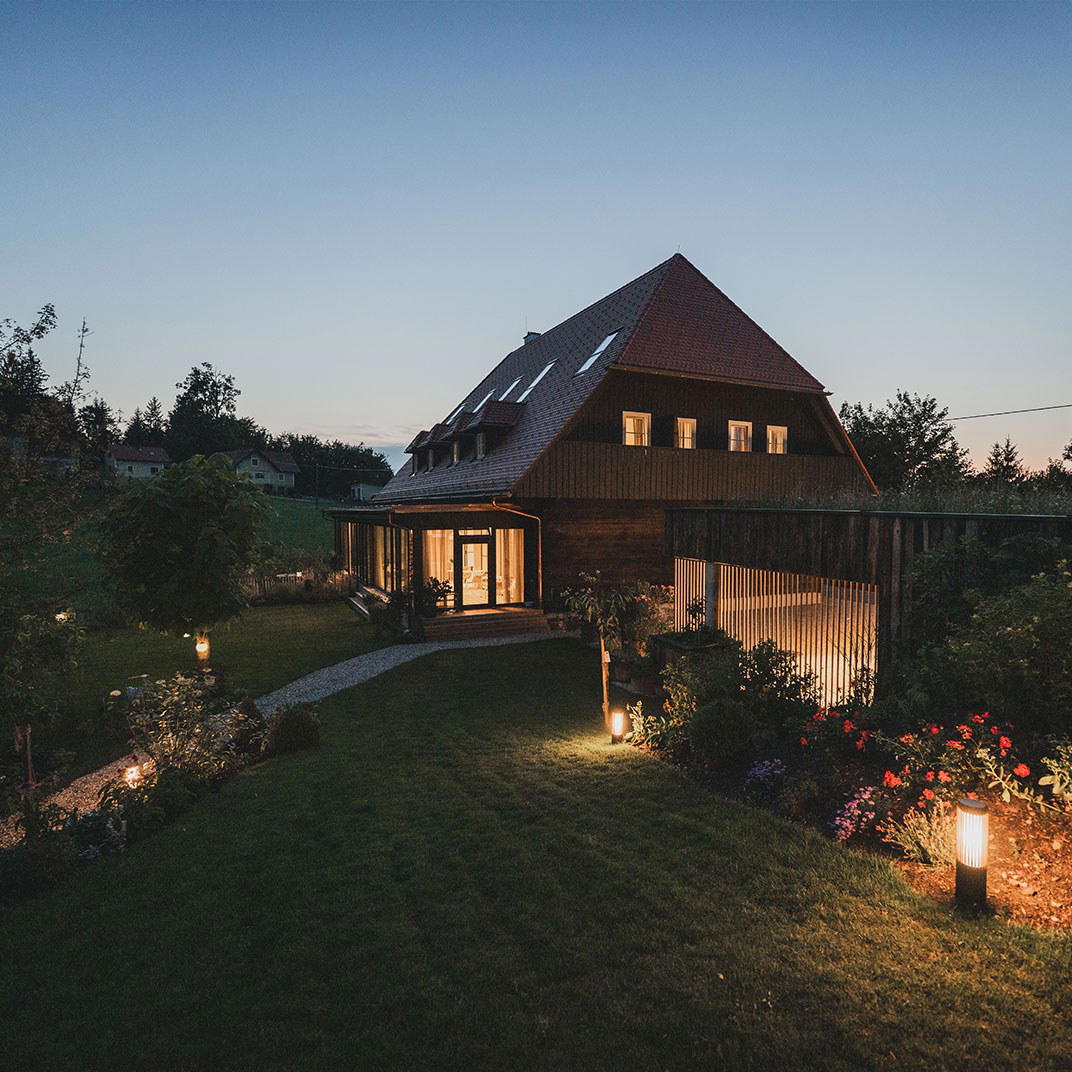
Homey atmosphere with courteous staff and pleasant cultural setting.