Our verdict
Turistična Kmetija Breg sits at the agricultural heart of Brda, where the farm-to-table logic is not a concept but a physical fact: the land, the kitchen, and the table occupy the same hillside. The cooking draws directly from what the property produces, placing it squarely within Brda's tradition of agritourism dining that prioritises provenance over performance. A reference point for anyone wanting to eat close to the source in western Slovenia.

Pearl is the En Primeur Club membership app, where members save venues, book tables and use the concierge.

The menu
What to order
- Frico
- Gnocchi with herbs and fruit
- Chestnut minestrone
- Pâtés
- Prosciutto dishes
Where the Farm and the Table Share the Same Address
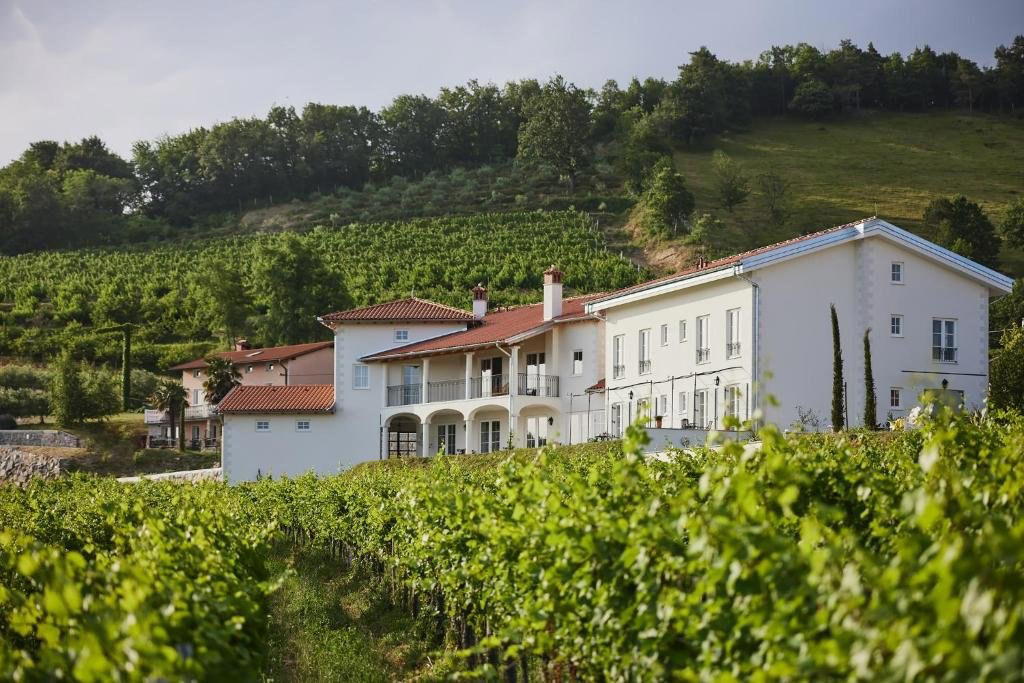
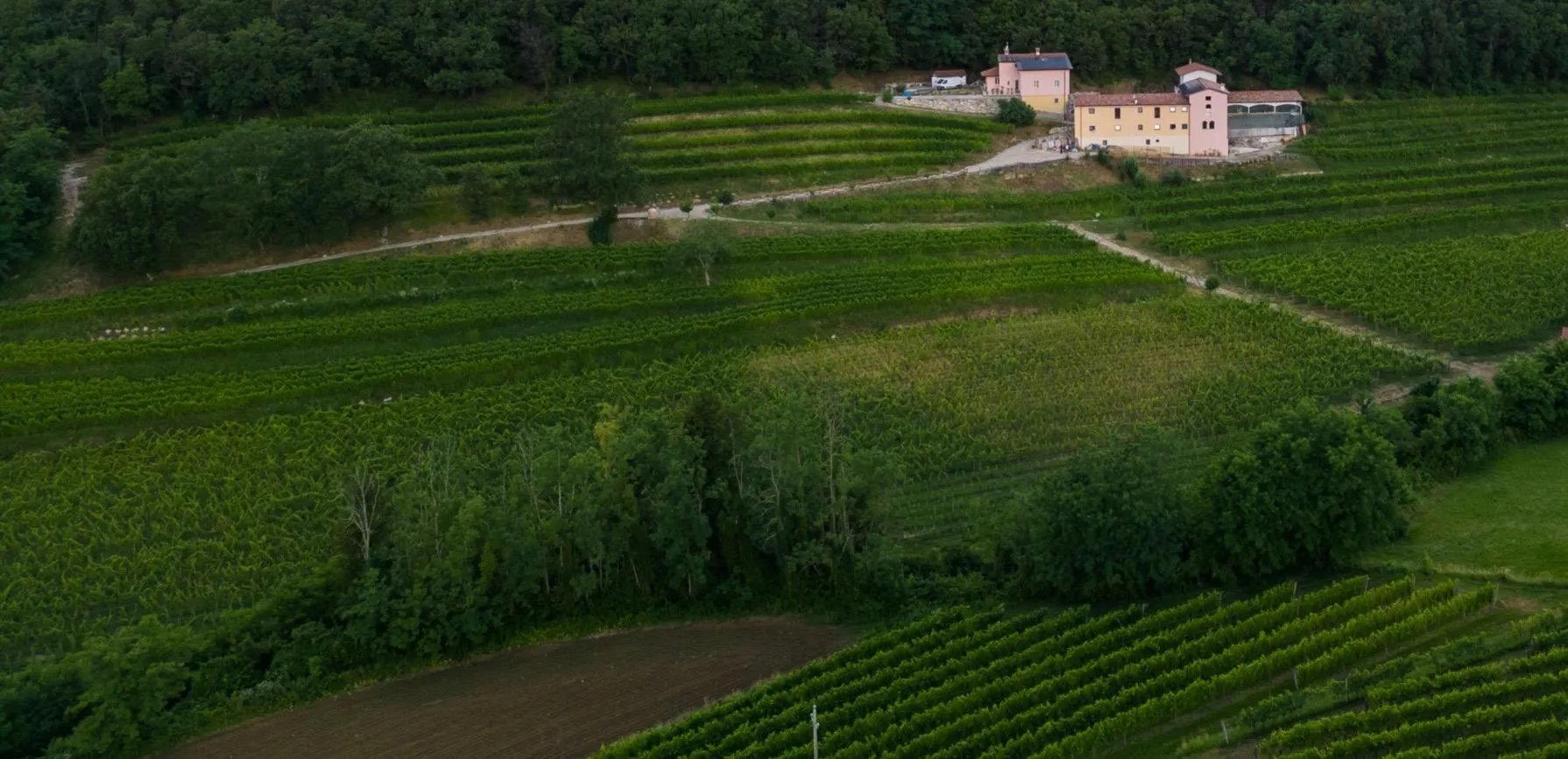
Brda's hillside farms do not perform rurality, they practise it. The Collio-adjacent slopes of this westernmost Slovenian wine region have sustained a particular kind of hospitality for generations: the turistična kmetija, or tourist farm, where accommodation, wine, and food emerge from the same agricultural operation. Turistična Kmetija Breg, at Breg pri Golem Brdu 3 in the municipality of Dobrovo v Brdih, sits within that tradition rather than borrowing from it. The address itself tells you something: Breg, meaning "bank" or "slope," locates the property on the working terrain that defines this corner of Slovenia, a range of terraced vineyards, cherry orchards, and olive groves that edges toward the Italian border.
Arriving in this part of Brda means accepting the pace the land sets. The roads narrow between vine rows, the views open toward the Julian Alps to the north and the Friulian plain to the west, and the built environment stays low and stone-faced. Kmetija properties in this zone are not spa retreats or design hotels; they are working farms that have formalised the act of hospitality. The distinction matters because it shapes every expectation from the moment you turn off the main road.
The Logic of Sourcing in Brda's Agritourism Tradition
Brda sits in a pocket of Slovenia where the ingredient question answers itself. The region produces Rebula and Merlot-based wines, grows some of the country's most prized cherries, presses olives into oil, and keeps the kind of kitchen gardens that supply ingredients by season rather than by delivery schedule. For the turistična kmetija category, this is the operating model: the property produces, the kitchen processes, the table receives. There is no supply chain to speak of in the conventional sense.
B&B; Klinec and Kabaj Morel occupy the same category and similarly anchor their hospitality in estate production. Domačija Belica and Bužinel represent further iterations of this model, where the cooking is inseparable from what the surrounding fields and cellars yield each season. Gredič takes a somewhat more formal approach while remaining rooted in the same regional ingredient pool.
What distinguishes this tier of dining from Slovenia's higher-profile restaurant destinations is precisely the absence of abstraction. At Hiša Franko in Kobarid, the sourcing story is told through a tasting menu with considerable technical ambition. At a turistična kmetija in Brda, that same sourcing story is told through the directness of the plate: cured meats from the farm's animals, wine poured from the estate's barrels, vegetables picked from the kitchen garden that morning. The register is different, not lesser.
Brda's Place in Slovenia's Wider Dining Geography
Slovenia has built a credible fine dining reputation over the past decade, anchored by Michelin recognition in Ljubljana, Kobarid, and the Vipava Valley. Gostilna Pri Lojzetu in Vipava, Restavracija Strelec in Ljubljana, and Hiša Denk in Zgornja Kungota each operate within that formal tier, as do Hiša Linhart in Radovljica, Milka in Kranjska Gora, and Pavus in Lasko. Brda's farm hospitality tradition runs parallel to that story rather than competing with it. The region's contribution to Slovenian food culture is not a tasting menu format but a model of integrated agriculture and hospitality that has existed for generations before farm-to-table became an international phrase.
That context matters when placing Turistična Kmetija Breg. The property is not trying to compete with Dam in Nova Gorica or Grič in Šentjošt nad Horjulom on the terms of restaurant ambition. It operates on the older, more grounded terms of Brda's agricultural economy: produce something of quality, serve it to guests, repeat across seasons. Gostilna Mlinar in Idrija offers a useful comparison from a different Slovenian region, where a similar commitment to local ingredients operates within a more traditional gostilna format. The underlying philosophy is cognate even if the setting differs.
For readers accustomed to the international fine dining circuit, where restaurants like Le Bernardin in New York City or Atomix in New York City set a particular register of ambition, Brda's agritourism dining asks for a recalibration of expectations. The satisfaction here comes from proximity to production rather than from technical transformation of ingredients. Both are legitimate pleasures; they simply require different modes of attention.
Planning a Visit
Dobrovo v Brdih, the administrative centre of the Brda municipality, sits roughly 30 kilometres northwest of Nova Gorica and is accessible by car along routes that traverse the vine-terraced hills of the Soča Valley approaches. Public transport into the interior of Brda is limited, and a car is the practical choice for reaching properties along the rural roads between Dobrovo and the Italian border. The Breg property address, Breg pri Golem Brdu 3, places it in the quieter eastern reaches of the municipality, away from the main tourist concentration around Šmartno and Vipolže.
Given that the turistična kmetija format typically combines accommodation and dining under one roof, stays at farm properties in this zone tend to work leading when planned around a minimum of two nights. This allows time to visit the wider region, including the hilltop village of Šmartno, the Dobrovo Castle wine cellar, and the cross-border connections into Friuli-Venezia Giulia that give Brda its hybrid character. Our full Brda restaurants guide covers the broader dining options across the region for visitors planning a longer stay.
Frequently asked questions
Is Turistična Kmetija Breg child-friendly?
Working farms in Brda's agritourism tradition routinely accommodate families, and Turistična Kmetija Breg sits in this same rural, open-air context at Breg pri Golem Brdu 3 in Dobrovo v Brdih. The farm setting means space is less constrained than a city restaurant, which generally suits younger visitors. Contact the kmetija directly to confirm seating arrangements and any specific provisions for children before your visit.
How would you describe the vibe at Turistična Kmetija Breg?
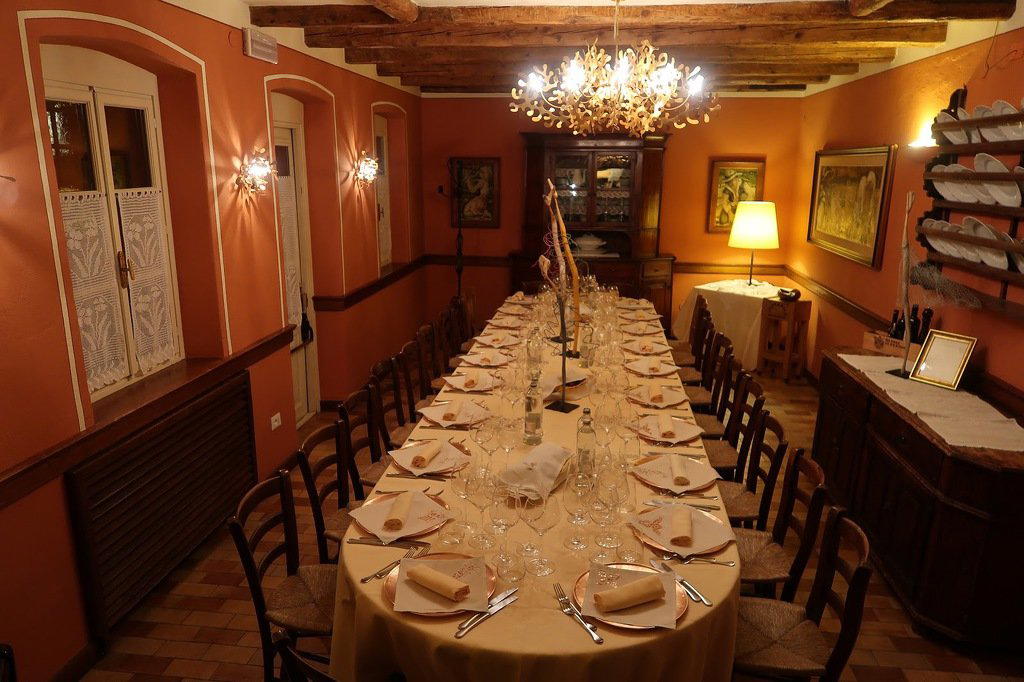
The atmosphere is functional farmhouse rather than curated countryside aesthetic. Brda's agritourism kmetije operate as working properties first, and the dining experience at Breg pri Golem Brdu 3 reflects that: produce-driven, unhurried, and rooted in the rhythms of the surrounding Collio-adjacent hillsides. Expect the kind of directness that comes from a kitchen sourcing close to home.
What makes Turistična Kmetija Breg different from a standard restaurant in the Brda wine region?
Turistična Kmetija Breg is a registered tourist farm in Dobrovo v Brdih, which means it operates under Slovenia's agritourism classification, a legal designation requiring that food served comes substantially from the farm's own production or immediate local sourcing, rather than from a general supply chain. That distinguishes it structurally from the wine-bar restaurants and trattorias along the Brda tourist circuit. The address at Breg pri Golem Brdu 3 places it on the hillside terrain that defines the region's agricultural character, putting the source and the table in the same location.
What do regulars order at Turistična Kmetija Breg?
Brda's farms are known for cherries, olive oil, and wine grapes, and regional kmetije typically build their tables around whatever is growing on or immediately adjacent to the property. Without a published menu on record, the safest approach is to ask what is being prepared on the day of your visit, seasonal availability drives the offer here more than a fixed list.
How do I find Turistična Kmetija Breg?
Turistična Kmetija Breg is located at Breg pri Golem Brdu 3, 5212 Dobrovo v Brdih, Slovenia, Brda.
Should I book Turistična Kmetija Breg in advance?
Yes. Agritourism farms in Brda operate on limited covers, and Turistična Kmetija Breg at Breg pri Golem Brdu 3 is no exception. The region draws steady visitor traffic, particularly during the Rebula harvest and cherry season, when availability at local kmetije tightens quickly. Arrange your booking ahead of arrival rather than on the day.
At-a-Glance Comparison
| Venue | Cuisine | Price | Awards |
|---|---|---|---|
| Turistična Kmetija BregThis venue (the venue you are viewing) | Traditional Brda-Friulian Farm Cuisine | $30–50 | Not listed |
| Kabaj Morel | Modern Brda Regional Cuisine | $50–100 | Not listed |
| B&B Klinec | Modern Slovenian | Not listed | Not listed |
| Klinec Medana | Slovenian Brda Home Cooking | Not listed | Michelin Bib Gourmand |
| Domačija Belica | Traditional Slovenian Farmhouse | $30–50 | Not listed |
| Bužinel | Adriatic Seafood with Wine Country Elegance | $30–50 | Falstaff Winery - 2 Stars |
Continue exploring
More in Brda
Restaurants in Brda
All restaurants in Brda →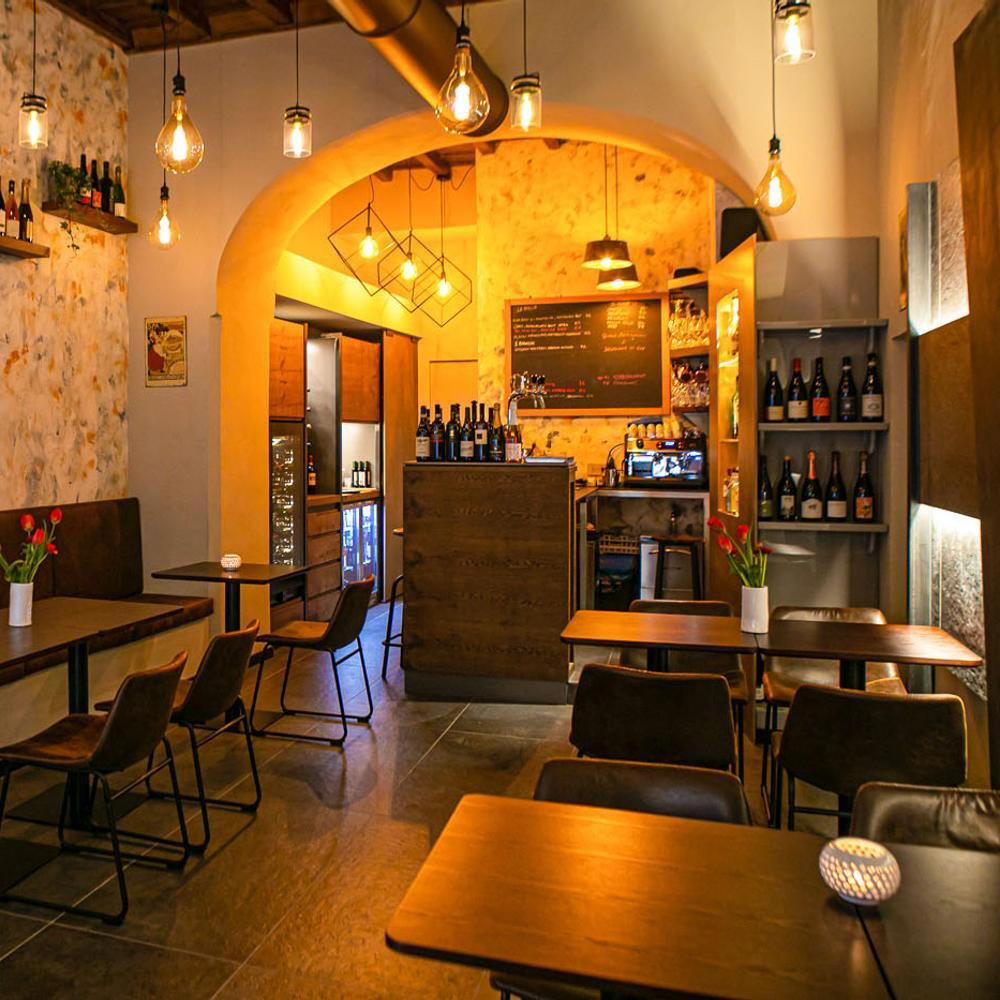
Details
- Scenic
- Rustic
- Cozy
- Date Night
- Family
- Special Occasion
- Casual Hangout
- Terrace
- Panoramic View
- Standalone
- Beer Program
- Farm To Table
- Local Sourcing
- Vineyard
- Mountain
- Family Style
- Set Menu
- Wine
- Organic Focus
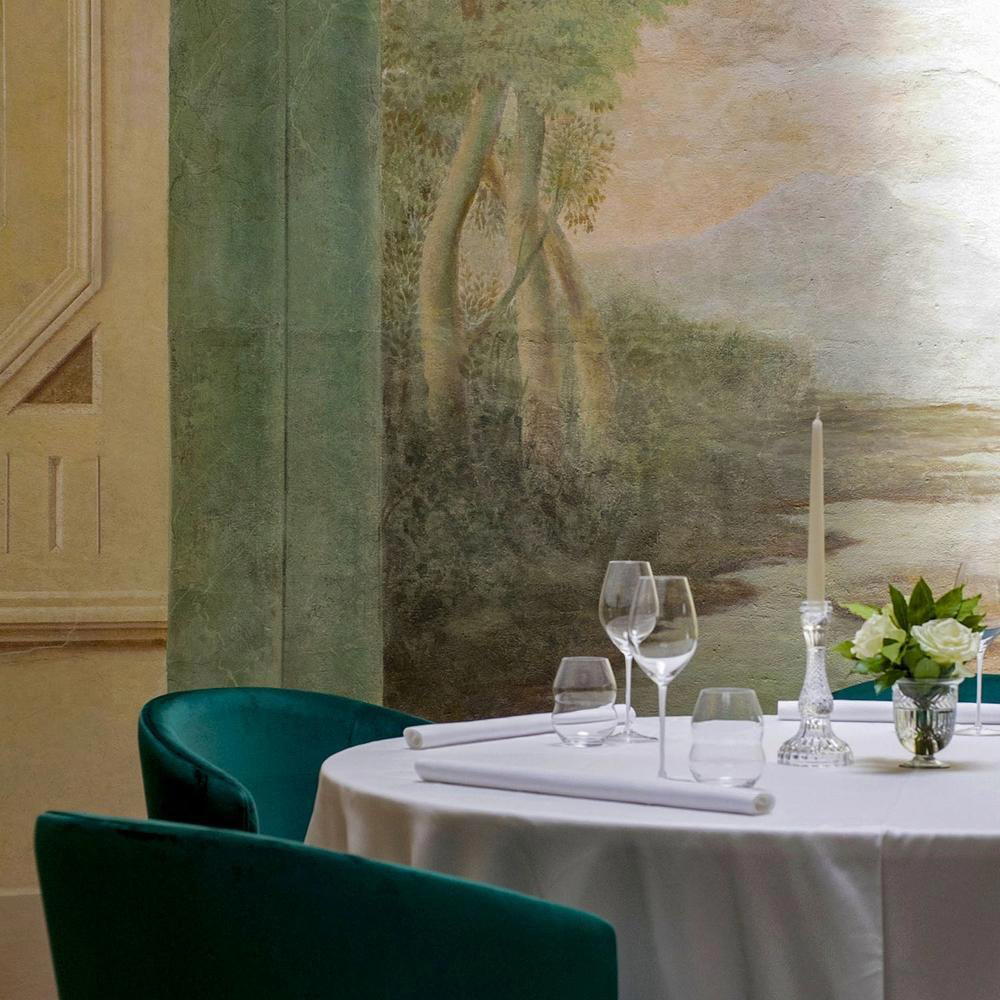
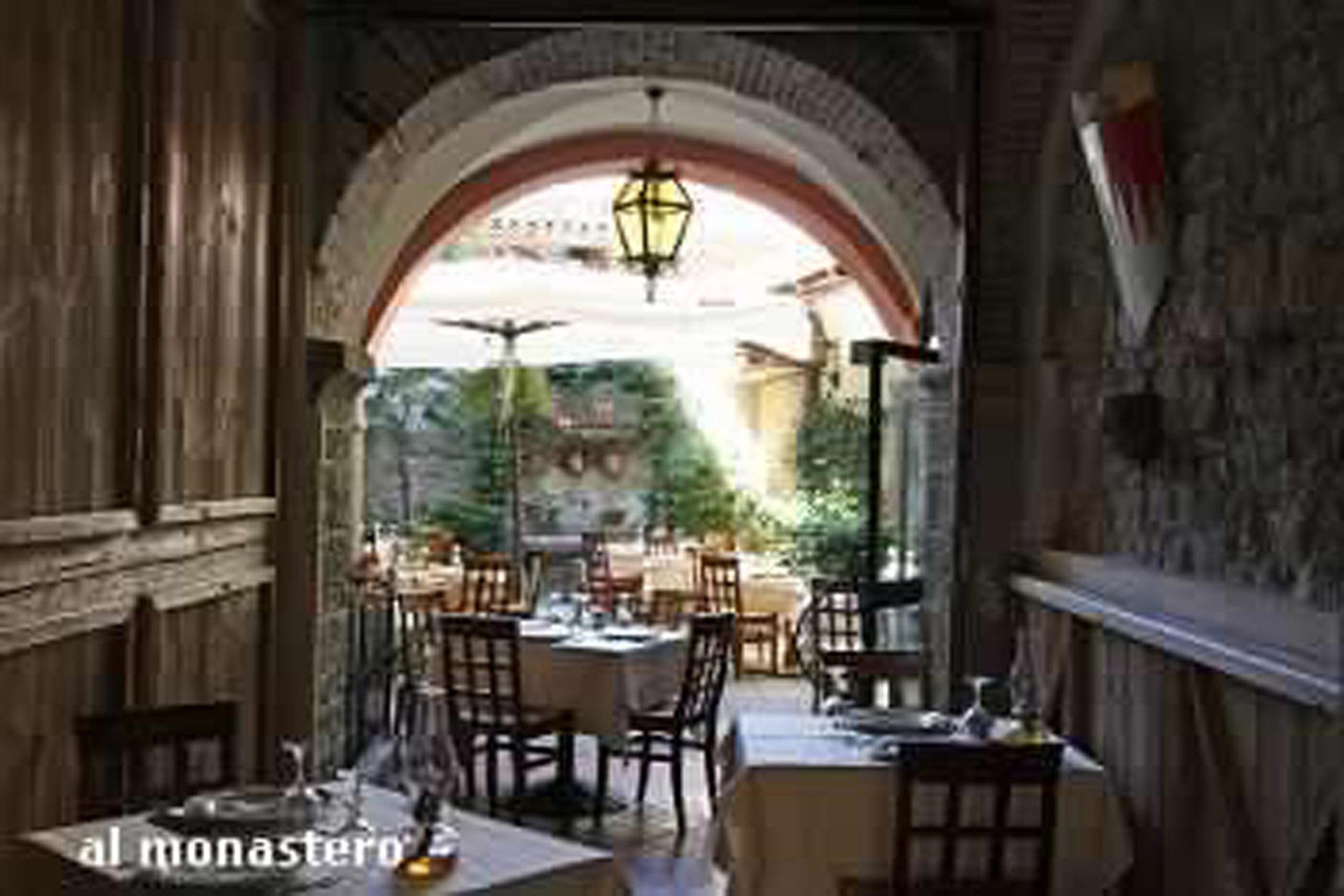
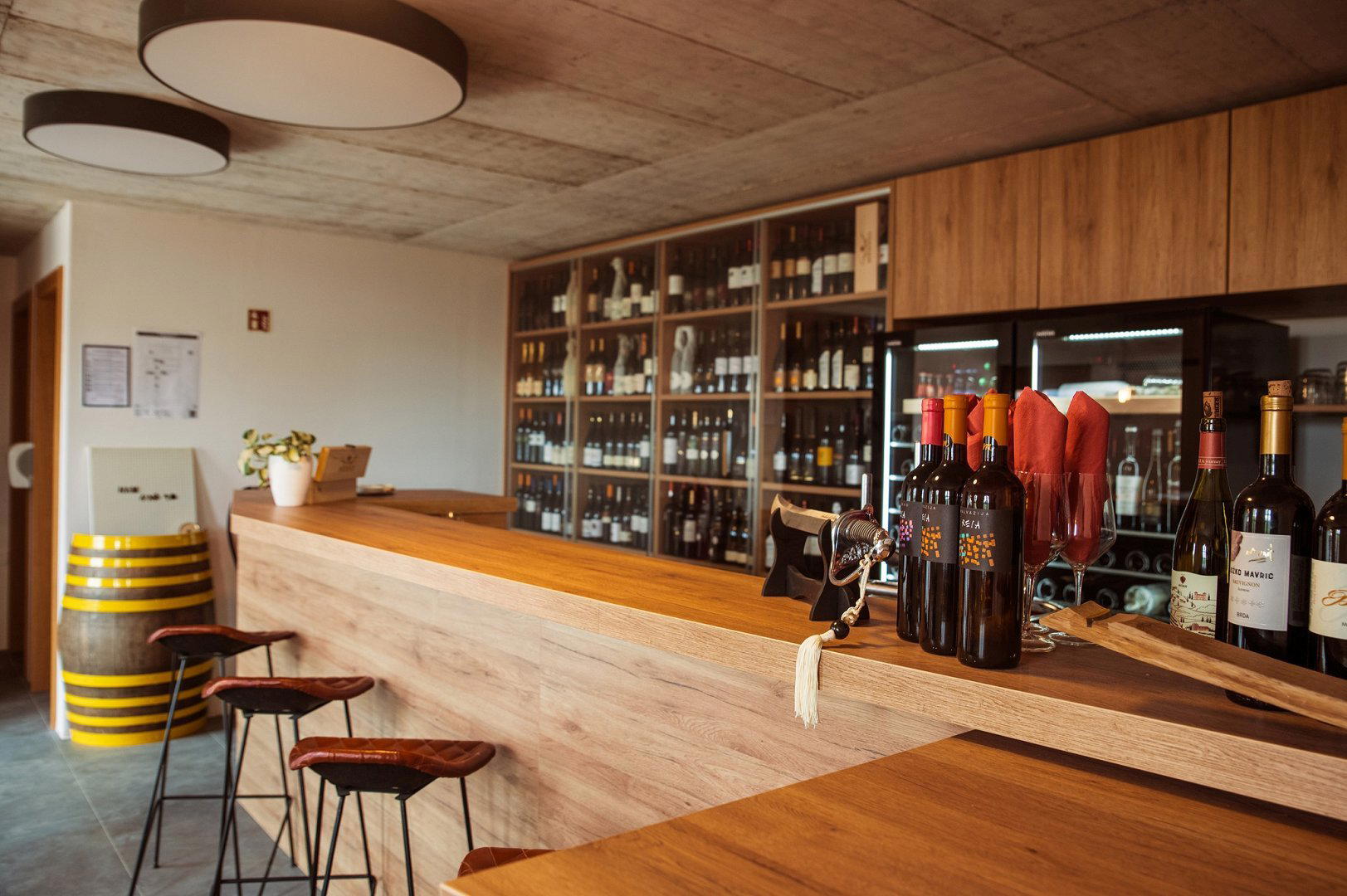
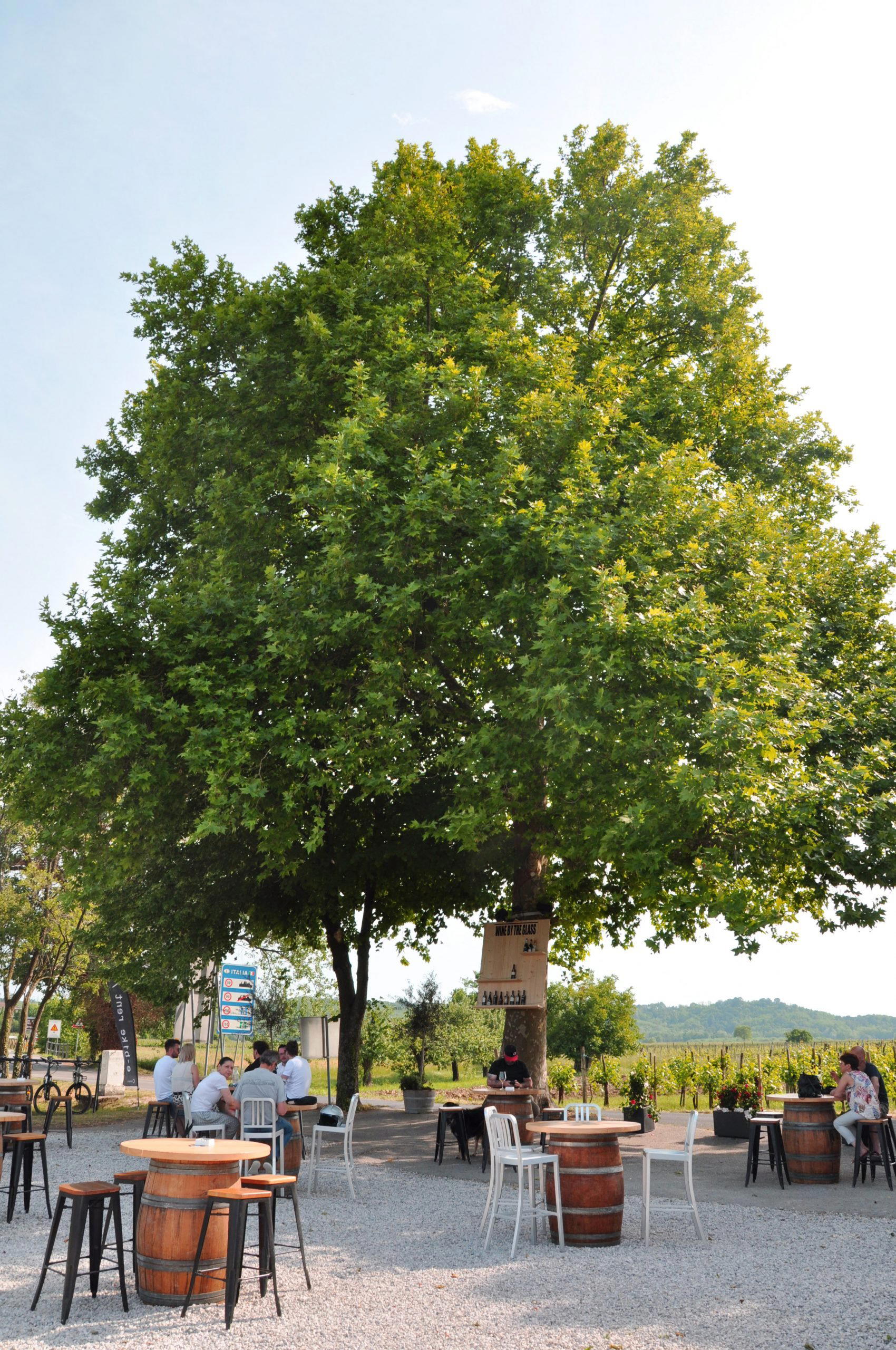
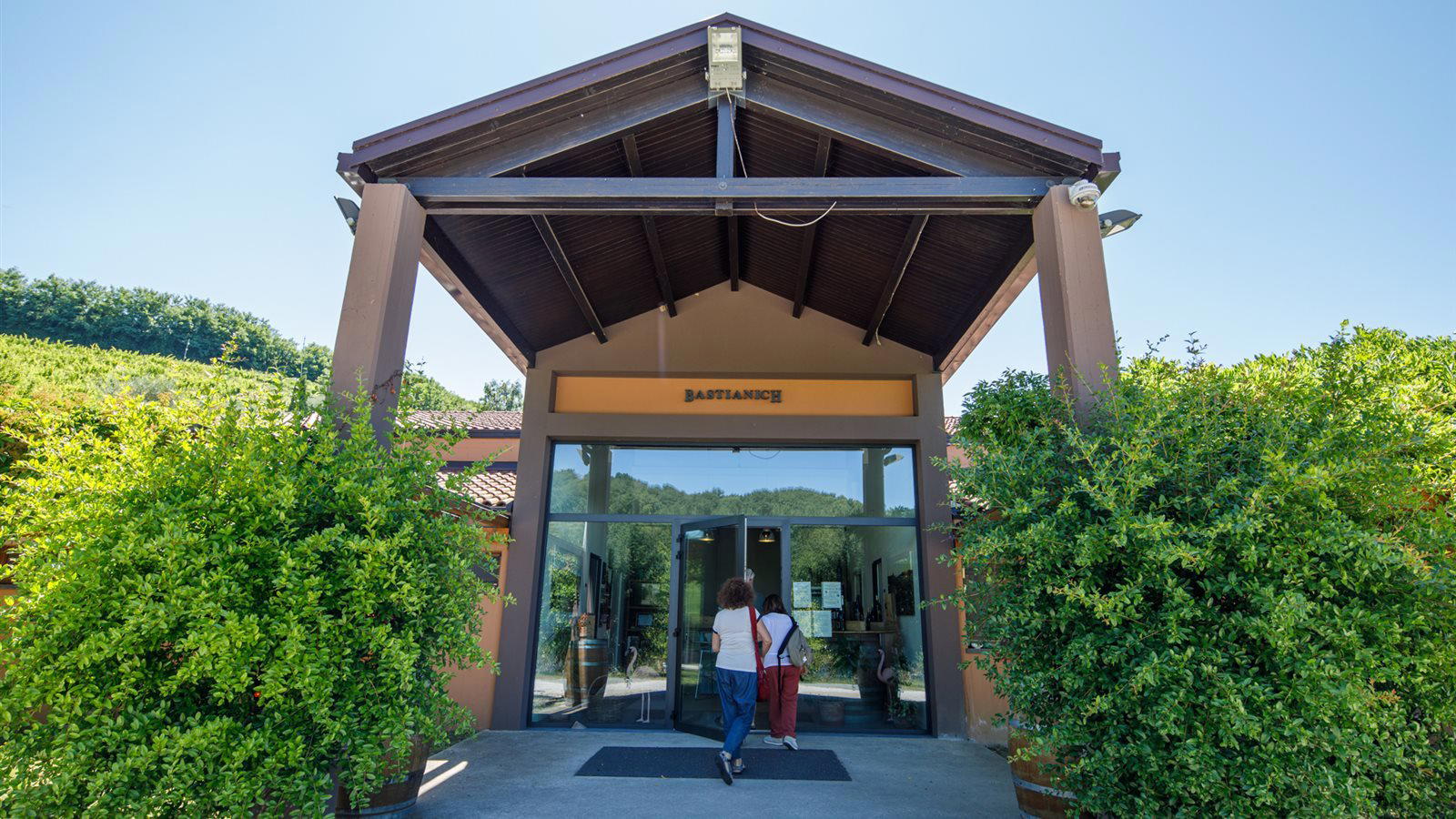
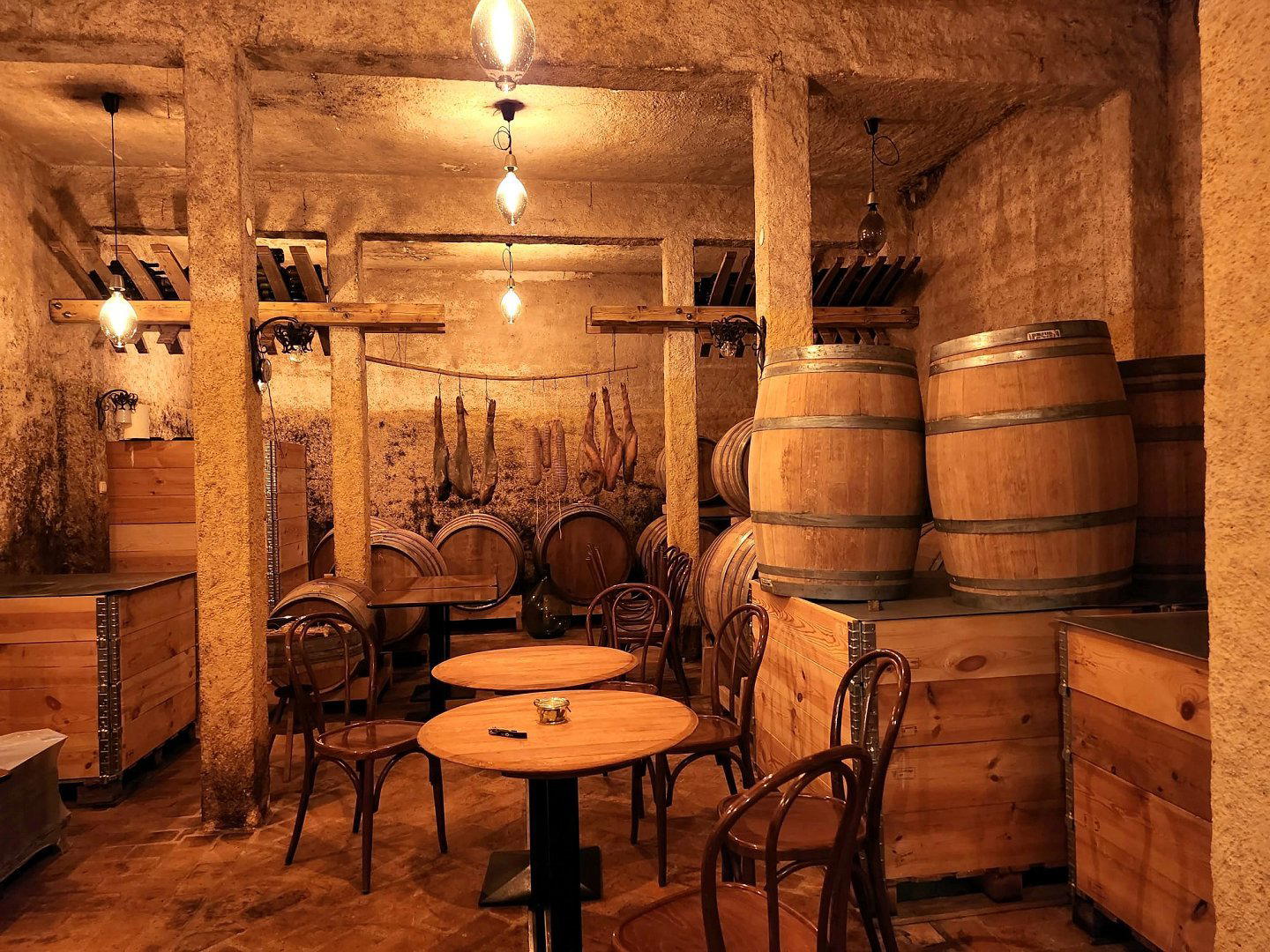
Quiet, rural, and scenic, with a relaxed conversational atmosphere and a warm countryside feel.