Gostišče Karavla 297 sits at Podljubelj in the Karawanks foothills above Tržič, a part of Slovenia where Alpine ingredient traditions run deep and mountain proximity shapes what ends up on the plate. The address alone signals a certain remove from urban dining circuits, placing this gostišče within a pattern of rural Slovenian cooking houses that draw their identity from the land immediately around them. For visitors moving through the Upper Carniola region, it represents a distinct point of reference.
Pearl is the En Primeur Club membership app — saves, bookings, and concierge access live there. Same editors, same standards.
- Address
- Podljubelj 297, 4290 Tržič, Slovenia
- Phone
- +38641467459
- Website
- karavla297.si
- Directions
- Get directions
 Saves & bookings on Pearl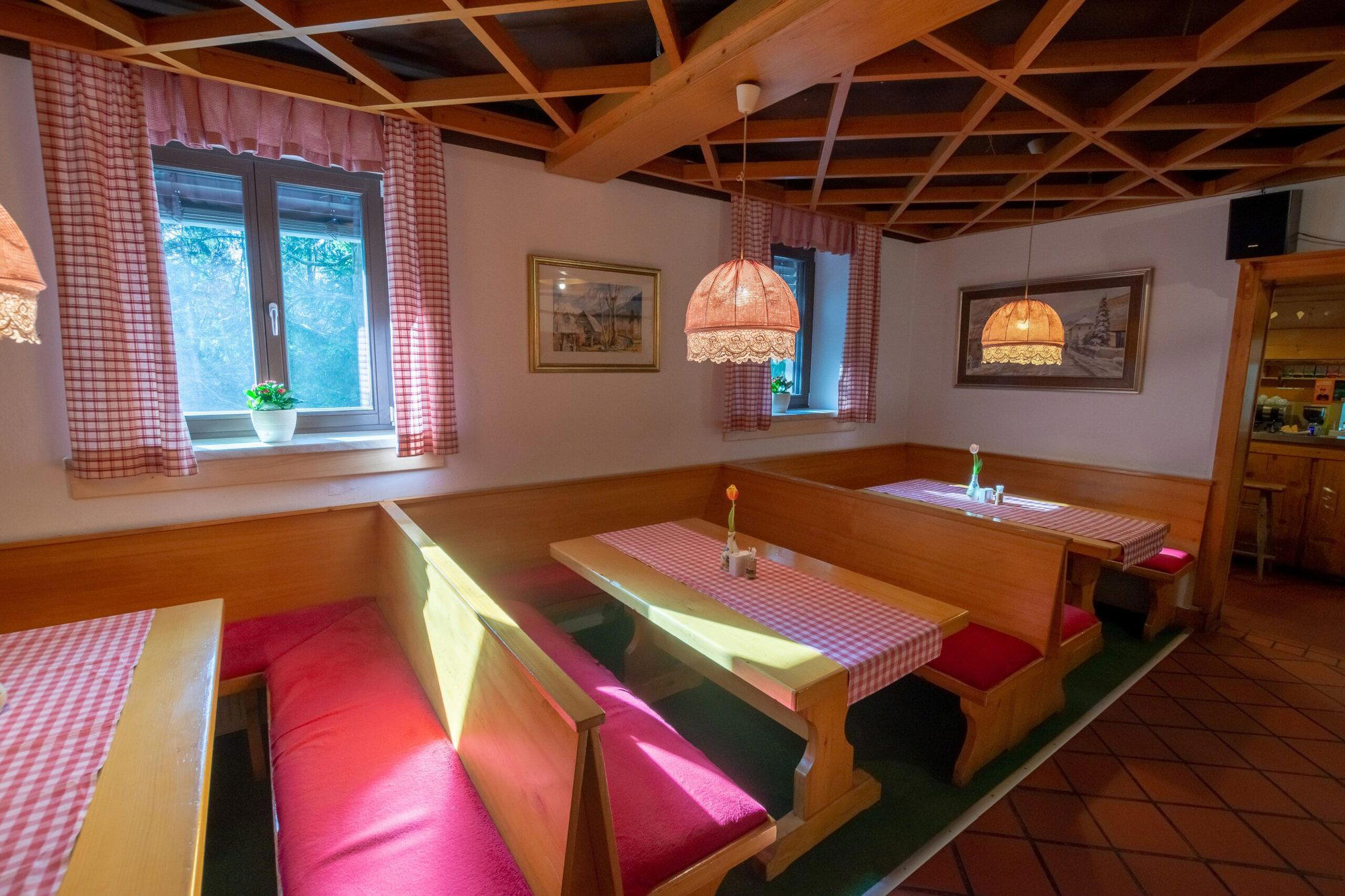
The Road to Podljubelj and What It Signals
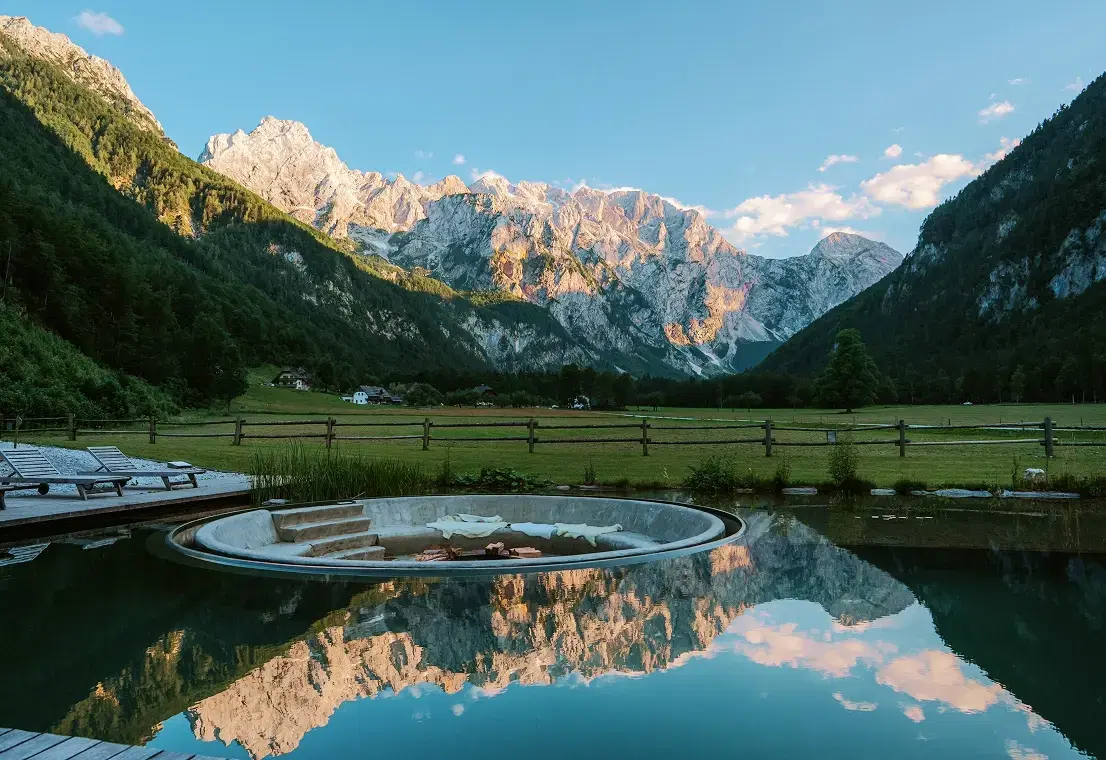
The drive up toward Podljubelj from Tržič is the kind of approach that reorients your expectations before you arrive anywhere. The Karawanks range closes in on both sides of the valley, funnelling the road through forested gradients that separate the Slovenian lowlands from the Austrian border at the Ljubelj pass. Restaurants and gostišče houses at this altitude and in this geography do not draw their clientele from passing city traffic. They draw people who have chosen to come specifically, often because the cooking has a relationship with that surrounding terrain that urban kitchens cannot replicate.
Gostišče Karavla 297 is a traditional Slovenian restaurant at Podljubelj 297 in Tržič, Slovenia. It is a casual, reservation-recommended gostišče set in the Podljubelj valley, a location that places it inside a well-established Slovenian tradition: the rural gostišče as a node of Alpine-inflected regional cooking, positioned closer to its sources than almost any restaurant in a town or city could manage. The Karawanks and the wider Upper Carniola region have historically produced dairy, game, foraged forest ingredients, and river fish, and the gostišče format has long been the mechanism through which those ingredients reach a table with minimal distance between origin and plate.
The Ingredient Logic of the Upper Carniola Mountains
Understanding why a gostišče at this elevation matters to Slovenian food culture requires understanding how ingredient sourcing works in the Alpine interior. Slovenia's mountain zones have access to products that arrive in commercial kitchens in Ljubljana or Maribor already at a remove: forest mushrooms, wild herbs, dairy from animals grazing at altitude, freshwater fish from the Sava tributaries. At a place like Karavla 297, that remove collapses. The supply chain is the surrounding geography.
This is the same logic that elevates rural establishments across Slovenia's dining scene. Hiša Franko in Kobarid operates in the Soča valley using a similar spatial relationship between kitchen and landscape, drawing from the river and surrounding hillside to define its menu. Grič in Šentjošt nad Horjulom takes an explicit farm-to-table position in the hills west of Ljubljana. At both, the editorial argument for the food rests substantially on where the ingredients come from, not merely on how they are prepared. Rural Slovenian cooking at its most coherent is always partly an argument about proximity.
The gostišče format reinforces this. Unlike the tasting-menu restaurants that have brought Slovenia international recognition in recent years, such as Gostilna Pri Lojzetu in Vipava or Milka in Kranjska Gora, a traditional gostišče operates more like a inn with a kitchen: broader in scope, less formally curated, but often more directly connected to immediate seasonal availability because it lacks the infrastructure to source far afield. The menu responds to what is there. That constraint produces a different kind of authenticity.
Tržič and the Upper Carniola Dining Pattern
Tržič itself sits at the edge of the Karawanks, a small industrial town historically associated with leather and shoe manufacturing, with a compact centre that carries little of the tourist apparatus found further west in Bled or Kranjska Gora. The dining pattern around Tržič follows Upper Carniola conventions: a concentration of gostišče and gostilna houses serving regional Slovenian food, with wine programs leaning toward domestic producers, and a guest profile that mixes local families, hikers, and the occasional traveller crossing toward Austria via the Ljubelj tunnel.
For context, the broader Slovenian dining scene that draws international attention is spread thinly across the country. Ljubljana anchors the urban end with places like Restavracija Strelec, while the creative end of the rural spectrum includes Hiša Linhart in Radovljica and Hiša Denk in Zgornja Kungota. Karavla 297 operates in a different register from all of these: not competing on creative ambition, but positioned around the fundamentals of place, season, and direct sourcing that Alpine gostišče houses have maintained for generations.
Visitors who appreciate how the coastal and wine-region restaurants of Slovenia connect to their immediate terrain, places like Gostišče Neptun in Piran or Turistična Kmetija Breg in Brda, will recognise a parallel logic operating at altitude in the Karawanks: the landscape is not background, it is the supply chain.
Planning a Visit to Podljubelj
Getting to Gostišče Karavla 297 requires a car. Public transport connections to Podljubelj are minimal, and the valley road from Tržič is the practical approach. The Ljubelj pass and its tunnel make this route a natural stop for those moving between Slovenia and Austria's Carinthia region, and the gostišče format suggests it functions as a destination for hikers and mountain visitors as much as for dedicated food travellers.
As with most gostišče houses operating in rural Alpine settings, the seasonally dependent nature of mountain ingredients means the experience shifts across the year. Spring and autumn tend to concentrate particularly interesting foraged and game-adjacent products in kitchens of this type; summer brings hiking traffic and broader tourist availability. Given the limited data publicly available about Karavla 297's specific hours, booking policy, and current kitchen program, contacting the establishment directly before visiting is the sensible approach.
Visitors building a wider Upper Carniola itinerary might also consider Gostilna Pr'Bizjak in Preddvor or, for those prepared to extend south, Gostilna pri Mari in Brezovica and Gostilna Oštirka in Celje. Each represents a distinct node in a Slovenian gostilna and gostišče pattern that rewards systematic exploration. For reference on how Slovenia's rural dining compares to destination-driven formats internationally, Pavus in Laško and Gostilna Mlinar in Idrija offer useful mid-range benchmarks within the country's own hierarchy.
- Shepherd's veal stew
- Tržič-style ribs
- Game goulash
- Roasted calf's liver
- Venison stew
- Truffle gnocchi
How It Stacks Up
Comparable venues nearby, for context on price, style, and recognition.
| Venue | Cuisine | Price | Notes |
|---|---|---|---|
| Gostišče Karavla 297 | Traditional Slovenian | $$ | Podljubelj |
| Pension Resje Restaurant | Traditional Slovenian | $$ | Nemški Rovt |
| Slavkov dom | Traditional Slovenian | $$ | Golo Brdo |
| Gostišče Tulipan | Traditional Slovenian | $$ | Lesce |
| Gostilna Avguštin | Traditional Slovenian | $$ | Linhartov trg |
| pr' Pepet | Modern Slovenian | $$ | Škofja Loka |
Continue exploring
More in Trzic
Restaurants in Trzic
Browse all →
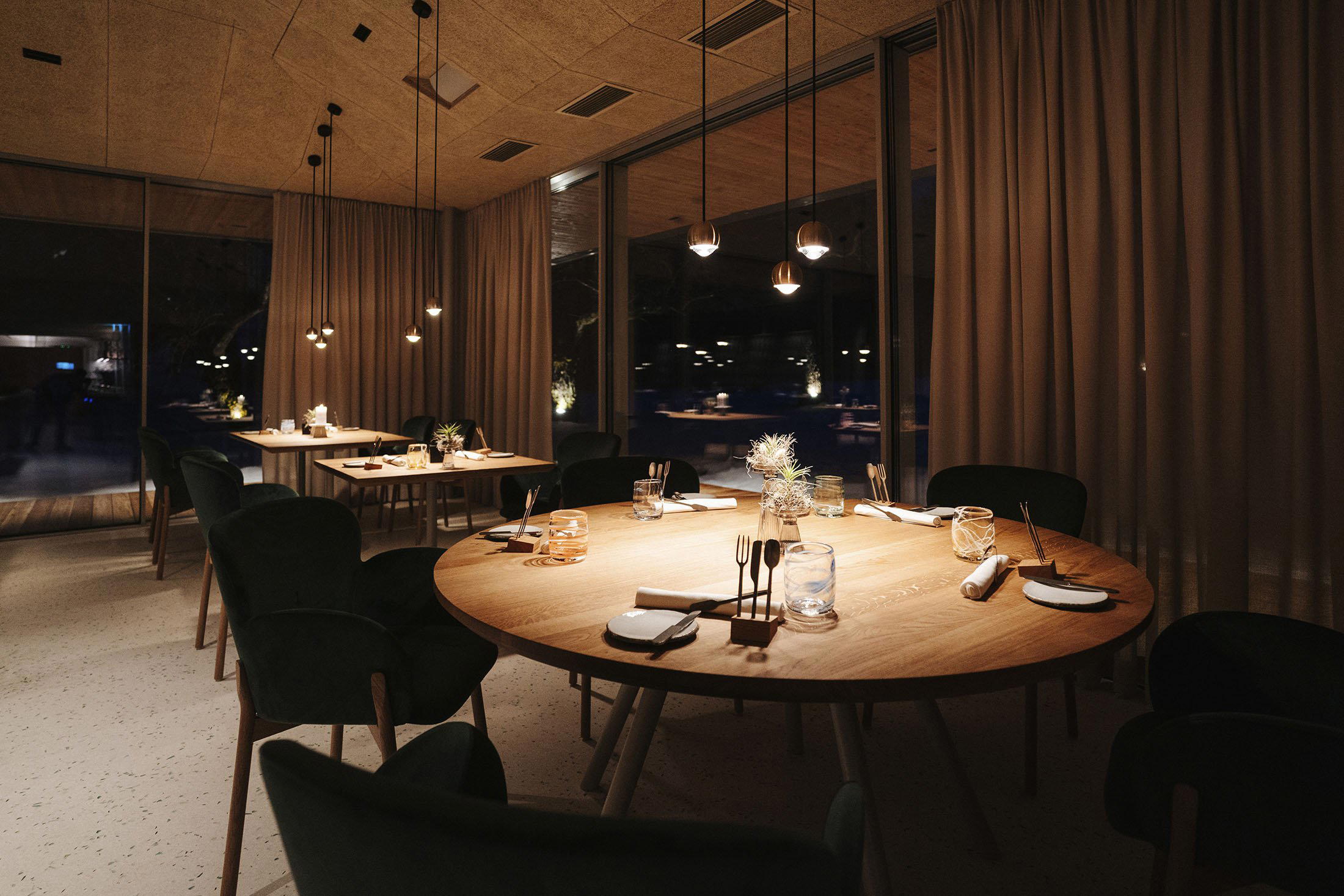
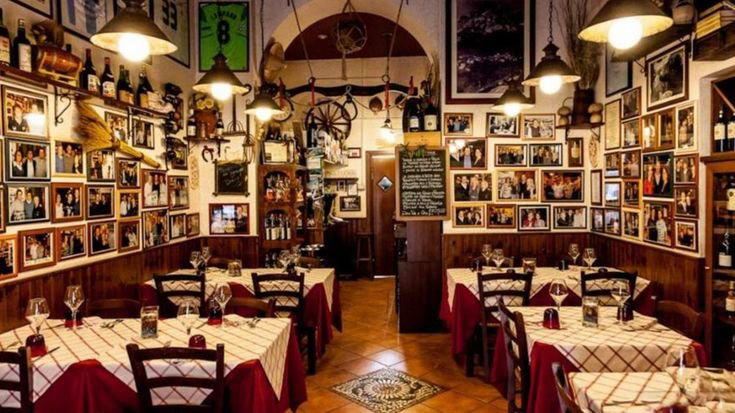
Bars in Trzic
Browse all →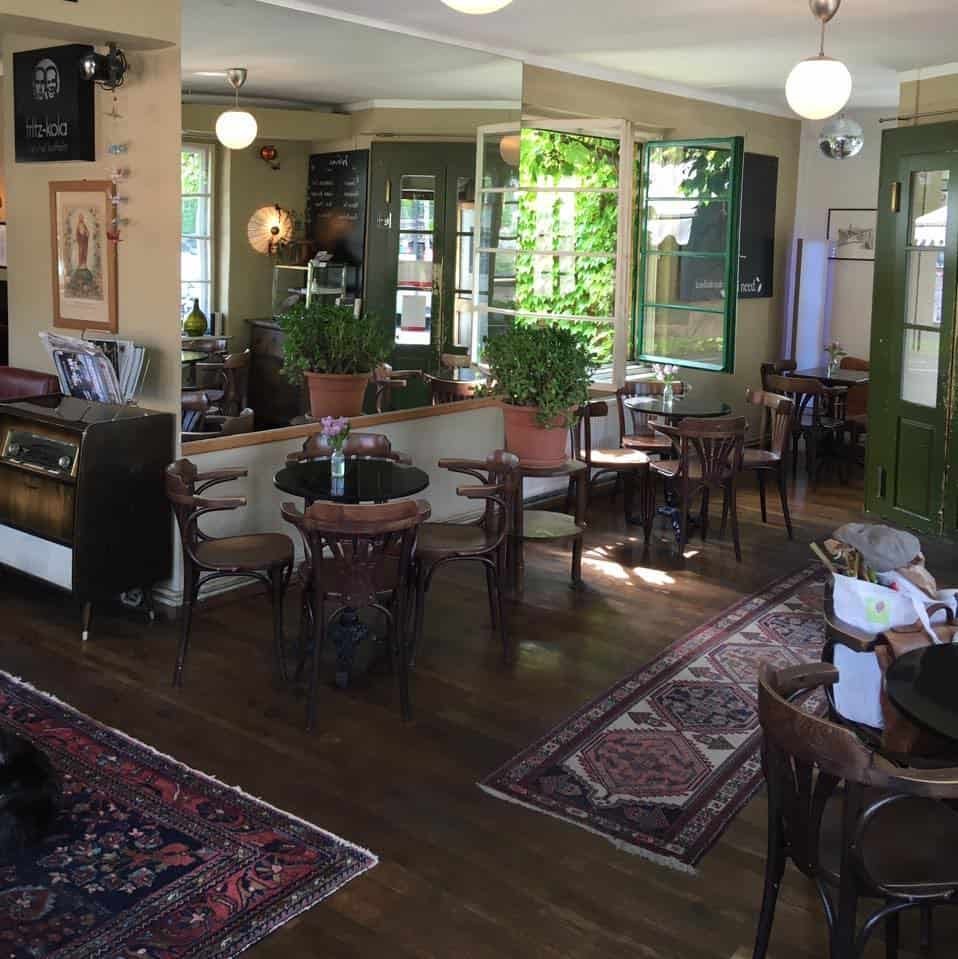
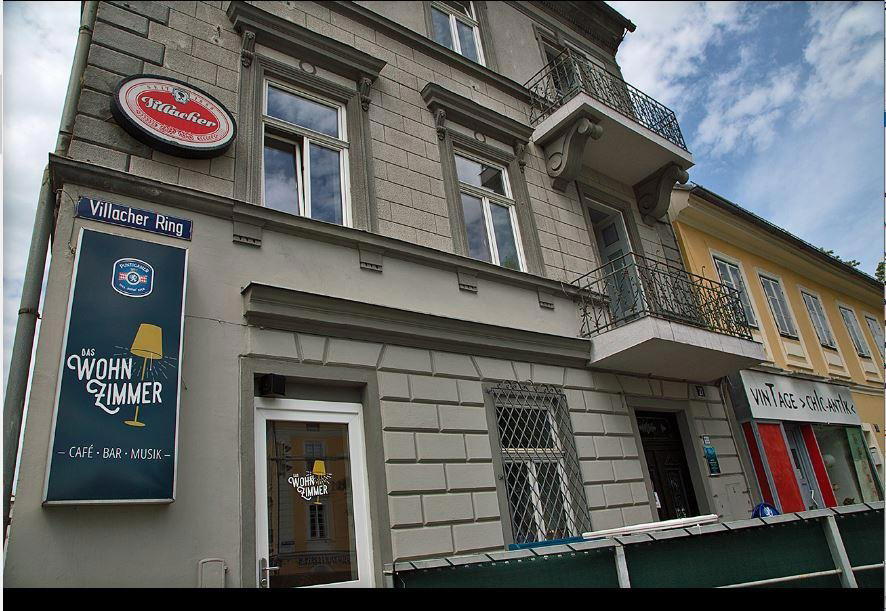

Hotels in Trzic
Browse all →

At a Glance
- Rustic
- Cozy
- Quiet
- Scenic
- Family
- Group Dining
- Casual Hangout
- Special Occasion
- Terrace
- Garden
- Historic Building
- Standalone
- Beer Program
- Local Sourcing
- Mountain
- Garden
Current opening hours
- Monday
- Closed
- Tuesday
- 10 AM–10 PM
- Wednesday
- 10 AM–10 PM
- Thursday
- 10 AM–10 PM
- Friday
- 10 AM–10 PM
- Saturday
- 10 AM–10 PM
- Sunday
- 10 AM–7 PM
Hours can change for holidays and private events. Last verified .
Warm, domestic atmosphere with natural wood surroundings and cozy lighting; guests describe it as having good energy and a homey feel despite being in a remote mountain location.