
Star Wine List
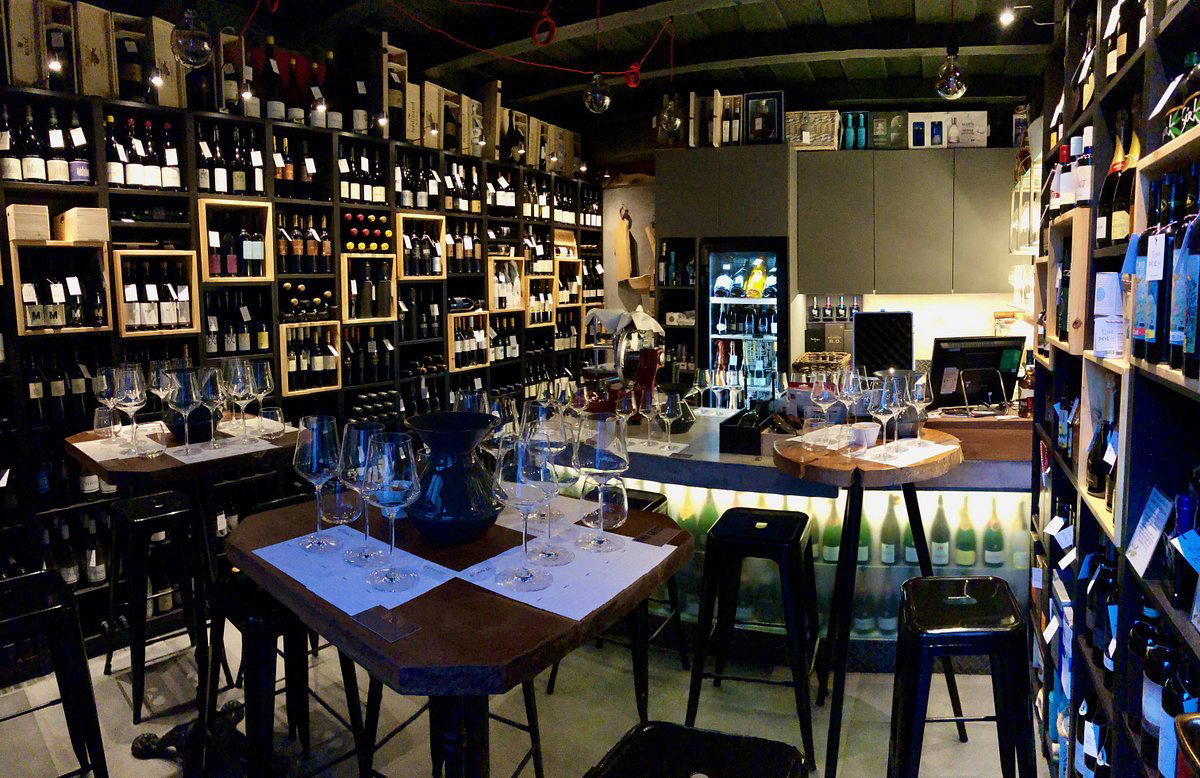
Polek sits in Maribor's university quarter, a city that holds a singular distinction in the wine world: home to the oldest productive vine on earth, with vineyards running inside the city limits. The bar draws on that context, offering a setting where local wine culture and a considered drinks programme meet in one of Slovenia's most underrated urban destinations.

Pearl is the En Primeur Club membership app, where members save venues, book tables and use the concierge.
Drinking in the World's Oldest Wine City
There are wine cities, and then there is Maribor. The Styrian capital is the only city in Europe, possibly the world, where a vine classified as the oldest still-productive specimen on the planet grows within the urban boundary. The Stara Trta, rooted on Vojašniška ulica, has been producing Žametovka grapes for over four centuries. That vine is not a museum piece: it still yields a small annual harvest, bottled and distributed as a ceremonial wine. When a city carries that kind of viticultural gravity, its bars do not need to manufacture atmosphere, the context does the work.
Polek occupies Tyrševa ulica 13, inside Maribor's university quarter, which sets the social register immediately. University districts in mid-sized European cities tend toward informal intelligence: the clientele is young, the hours are late, and the conversation runs fast. The leading bars in such neighbourhoods earn their reputation not through formality but through the quality of what's in the glass and the literacy behind it. Polek fits that model, drawing on a city whose wine tradition is far older than most of its patrons.
The Drinks Programme: Local Fluency in a Global Frame
Slovenia's bar scene has been moving in an interesting direction over the past decade. The cocktail programme at bars like Klub K4 in Ljubljana reflects a broader shift across the country toward technical seriousness, with bartenders engaging with fermentation, local botanicals, and regional spirits in ways that connect to the wider European craft movement. Maribor, sitting in the Štajerska wine region, has its own distinct angle: the proximity to serious wine production shapes what drinkers expect and what skilled bars feel compelled to offer.
At Polek, the drinks selection operates within that local fluency. Štajerska is Riesling and Sauvignon Blanc country at its more expressive, with producers in the surrounding hills making wines that read as structurally precise but fruit-forward, a different register from the more mineral Brda styles to the west. A bar in this city that understands its region will pour those wines with some purpose, and the leading local venues tend to treat the Maribor wine identity as a starting point rather than a marketing note. That approach, when applied consistently, produces a programme that sits credibly alongside the broader Slovenian wine bar circuit, which includes strong operations like Konvin in Kojsko and Koželj in Portorož.
For visitors whose frame of reference runs toward the international bar canon, Polek's university-quarter positioning places it closer to the accessible, convivial end of the spectrum than to the high-ceremony technical bar model. Think of the difference, in terms of register, between a place like 1806 in Melbourne, a programme built around encyclopedic cocktail history, and a neighbourhood bar that happens to pour very well. Polek leans toward the latter. That is not a limitation; it reflects a particular kind of bar culture where the drink is excellent but the experience is not freighted with performance.
Maribor's Bar Scene in Wider Context
Slovenia punches above its weight in the bar category. Ljubljana's programme, represented by venues that have attracted European attention, shows that the country can produce technically serious cocktail work. What Maribor offers is different: a smaller city with a more cohesive sense of identity, where wine culture runs through the social fabric in a way that shapes how bars operate. Internationally, comparisons can be drawn to university cities in wine regions, places where the bar and wine culture overlap productively rather than running on separate tracks.
The broader reference points for technically ambitious bar programmes, Bar Leather Apron in Honolulu, Jewel of the South in New Orleans, Julep in Houston, Kumiko in Chicago, Superbueno in New York City, or The Parlour in Frankfurt on the Main, each reflect a bar culture shaped by their city's specific ingredients, whether that is bourbon lineage, rum tradition, Japanese technique, or regional wine proximity. Polek's context is wine-first in a city where wine predates the concept of a cocktail bar by several centuries. That produces a particular kind of drinks intelligence, one that values the local product and knows when to frame it appropriately.
Within the Slovenian context, 1930 in Milan offers a useful contrast in format: a historically grounded bar programme operating in a city with deep aperitivo tradition, where the drinks serve a defined social ritual. Maribor does not have that same ritual codification, but the wine culture provides an equivalent gravitational centre, a reason to pour with intention.
Planning Your Visit
Polek is at Tyrševa ulica 13 in the university quarter, a walkable area close to Maribor's old town and the Drava riverbank. The university district's character means the bar is most alive in the evening, with a younger, local-dominant crowd that shifts the energy away from tourist-circuit venues. For visitors staying in central Maribor, the location is convenient on foot. As with many bars in smaller European university cities, hours and booking practices are best confirmed before arrival, as the format may vary seasonally. For a fuller picture of where Polek sits within the city's restaurant and bar offering, see our full Maribor restaurants guide.
How It Stacks Up
Comparable venues nearby, for context on price, style, and recognition.
| Venue | Cuisine | Awards |
|---|---|---|
| PolekThis venue (the venue you are viewing) | wine_bar | Star Wine List |
Recognition history
Dated appearances from independent guides and award organizations, with the underlying list record or original source where available.
Star Wine List
Star Wine List
Continue exploring
More in Maribor
Restaurants in Maribor
All restaurants in Maribor →
Hotels in Maribor
Browse all →

Details
- Cozy
- Trendy
- Intimate
- Date Night
- Casual Hangout
- Standalone
- Seated Bar
- Outdoor Terrace
- Conventional Wine
Current opening hours
- Monday
- 7:30 AM–9 PM
- Tuesday
- 7:30 AM–9 PM
- Wednesday
- 7:30 AM–9 PM
- Thursday
- 7:30 AM–9 PM
- Friday
- 7:30 AM–10 PM
- Saturday
- 9 AM–10 PM
- Sunday
- Closed
Hours can change for holidays and private events. Hours as of .
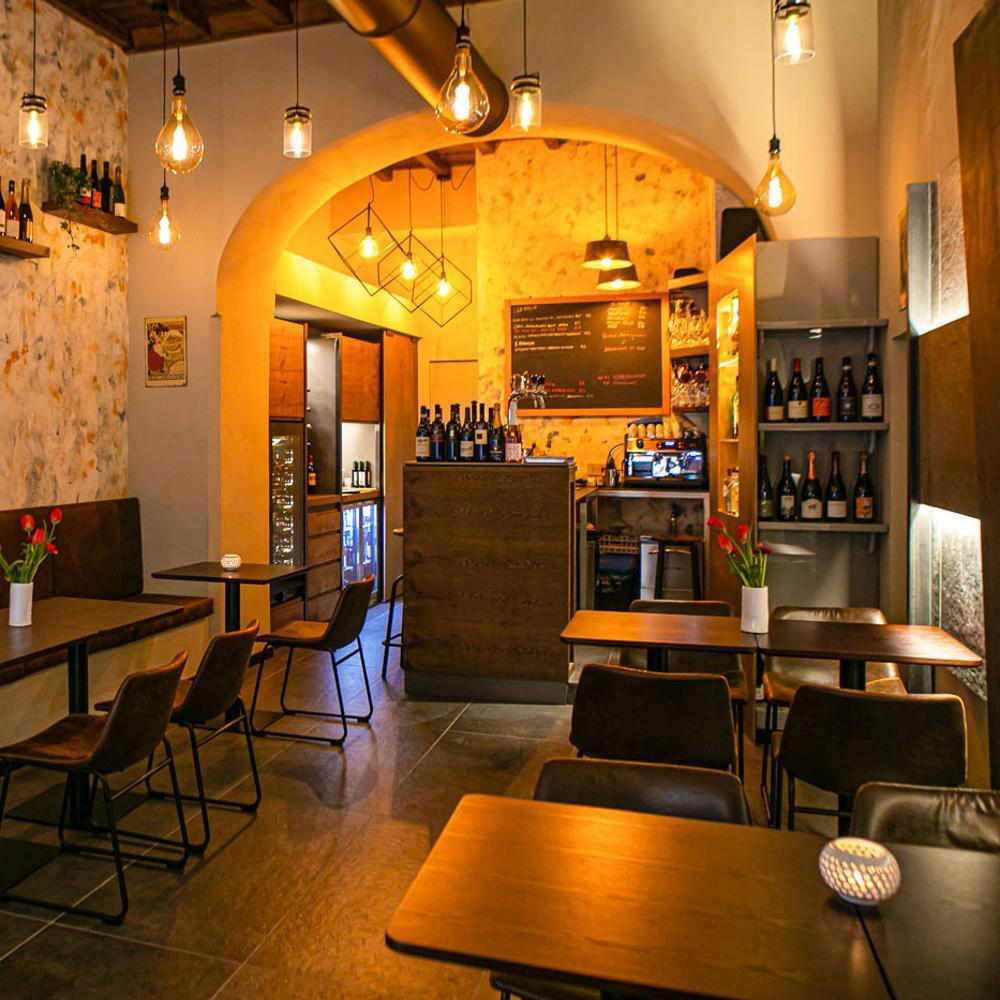
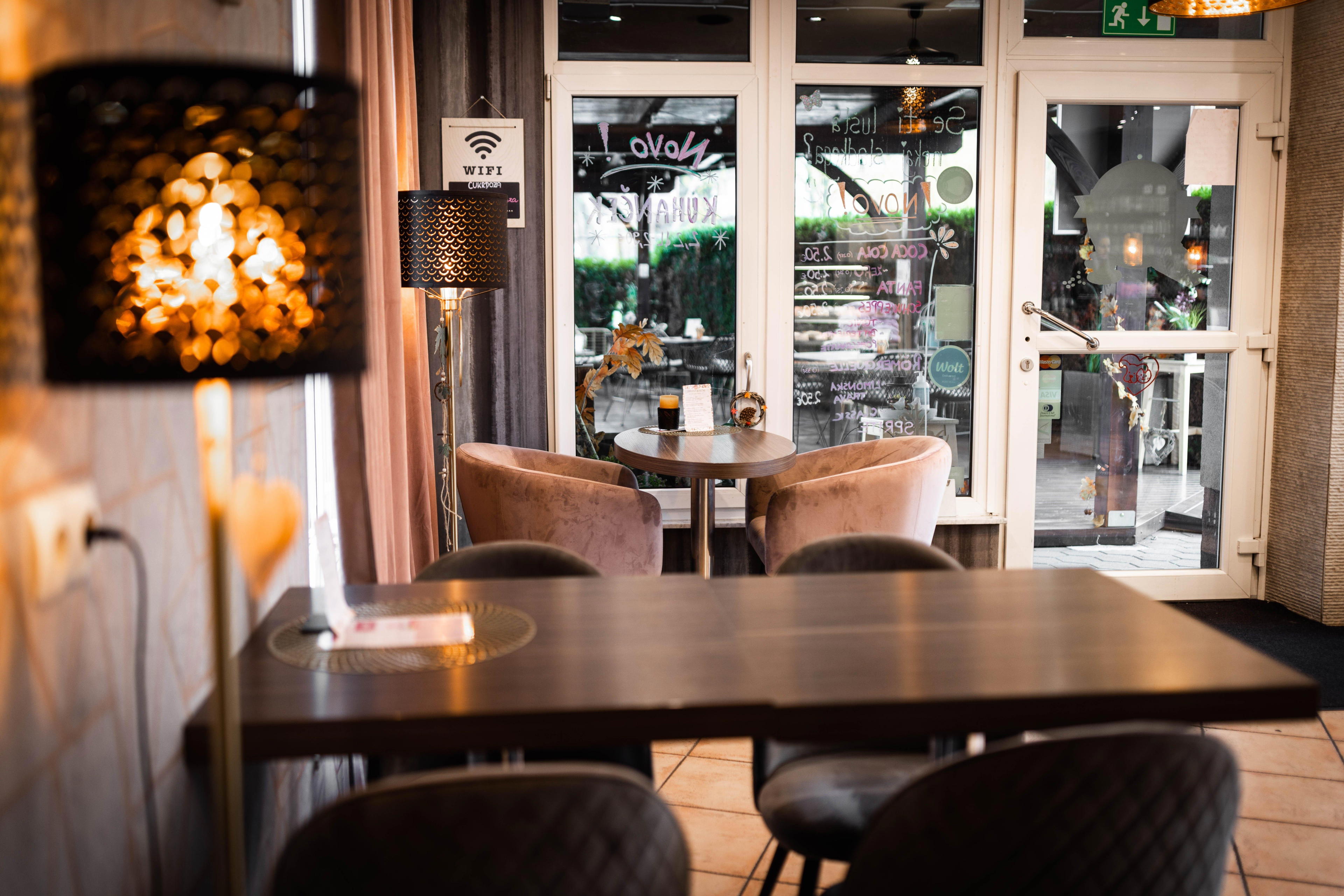
Warm and inviting with shelves lined with wines, cozy atmosphere well-suited for relaxed hangouts.