Gostilna Pr'Bizjak sits in Zgornja Bela on the edge of Preddvor, a small settlement in the Kamnik-Savinja Alps where the surrounding farmland and forest define what ends up on the plate. The gostilna format, a Slovenian tradition of family-run eating houses rooted in local produce and unpretentious hospitality, is exactly what this address represents. For visitors working through Slovenia's wider dining circuit, it offers a grounded counterpoint to the country's more celebrated destination kitchens.
Pearl is the En Primeur Club membership app — saves, bookings, and concierge access live there. Same editors, same standards.
- Address
- Zgornja Bela 20a, 4205 Preddvor, Slovenia
- Phone
- +38642555600
- Website
- gostilnabizjak.si
- Directions
- Get directions
 Saves & bookings on Pearl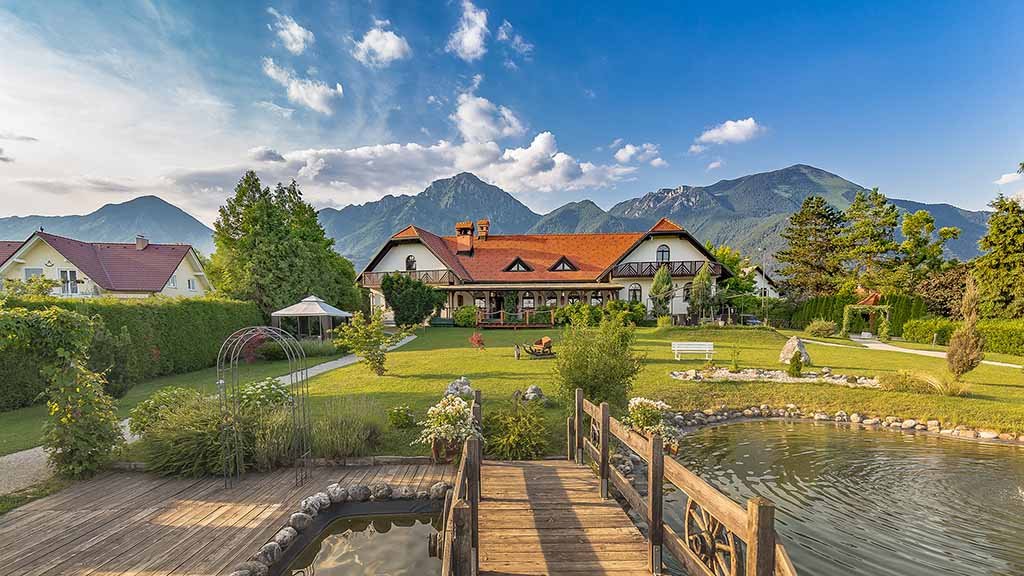
Where the Alps Meet the Table
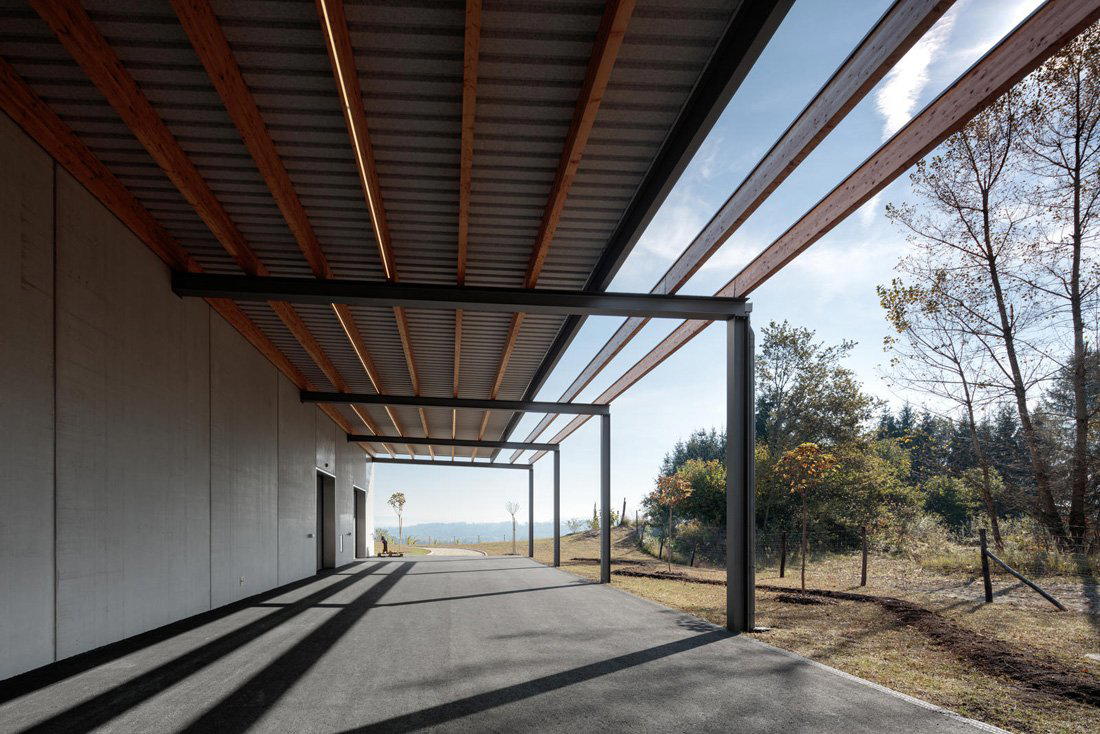
The road to Zgornja Bela climbs gently out of the Preddvor basin, passing meadows that stay green well into autumn and patches of managed forest that signal you are entering working agricultural country. At this altitude, in this part of the Kamnik-Savinja Alps, the relationship between landscape and kitchen is not a concept deployed on a menu, it is a practical reality shaped by what grows nearby, what is raised on local farms, and what can be preserved through a Slovenian winter. Gostilna Pr'Bizjak occupies that context: a casual restaurant at Zgornja Bela 20a, Preddvor, serving Traditional Slovenian Gorenjska cooking at about $28 per person, operating in a tradition that predates any current conversation about farm-to-table dining by several generations.
The gostilna format itself is worth understanding before arriving. Across Slovenia, these family-run eating houses form the backbone of everyday dining culture, distinct from the destination restaurant circuit that draws international attention to addresses like Hiša Franko in Kobarid or Hiša Denk in Zgornja Kungota. Where those kitchens apply creative technique to regional sourcing, the traditional gostilna draws its authority from proximity and repetition: the same suppliers, the same recipes refined across years, the same regulars who provide an immediate feedback loop that no critical review can replicate. Pr'Bizjak sits within that tradition, in a village setting that gives it a defined geographic sourcing radius rather than the open procurement market available to urban kitchens.
Sourcing at This Altitude
Alpine fringe of Upper Carniola, which is the broader region encompassing Preddvor, produces ingredients that carry genuine altitude character. Dairy from this area reflects grazing on herb-rich mountain pasture. Foraged elements, including mushrooms from beech and spruce forest, wild herbs, and seasonal berries, follow a compressed calendar dictated by elevation. Pork and game, both central to traditional Slovenian gostilna cooking, are available from farms and hunting estates operating within the regional food economy that has sustained communities here for centuries.
This sourcing geography matters because it shapes what a kitchen like Pr'Bizjak can and cannot do. Unlike restaurants in Ljubljana or Nova Gorica, where Dam and Restavracija Strelec draw on broader supply networks and Mediterranean cross-influences, a gostilna in Zgornja Bela operates from a narrower, more defined palette. That constraint is also the point. The cooking here is a direct expression of what this particular corner of Slovenia produces, not a curated selection from a national or European sourcing catalogue.
For comparison, the farm-to-table model pursued at Grič in Šentjošt nad Horjulom applies explicit sourcing discipline as a stated editorial position, with the kitchen architecture built around that commitment. The traditional gostilna arrives at a similar result through different means: institutional habit, family networks, and the basic logic of cooking what is available locally and affordably. Both represent legitimate expressions of Slovenian ingredient culture, operating at different points on the formality spectrum.
Where Pr'Bizjak Sits in the Slovenian Dining Picture
Slovenia's serious dining circuit has expanded considerably in recent years, with kitchens across the country attracting attention from European food media and earning places on broader regional lists. The Vipava Valley's Gostilna Pri Lojzetu, the creative output at Milka in Kranjska Gora, and the Radovljica address of Hiša Linhart all occupy a tier defined by formal tasting menus, wine programs, and deliberate engagement with international dining trends. Pr'Bizjak does not compete in that tier. It operates in a different register entirely, one where the measure of quality is the kitchen's fidelity to local tradition rather than its distance from it.
Within the Upper Carniola region, the nearest dining peer in format and geography is something like Gostišče Karavla 297 in Trzic, which similarly draws from Alpine sourcing traditions. Visitors building a broader Slovenian itinerary might also consider Gostilna Mlinar in Idrija, Gostilna Oštirka in Celje, or Gostilna pri Mari in Brezovica for a cross-section of how the gostilna format expresses itself across different Slovenian microclimates and ingredient cultures. For coastal contrast, Gostišče Neptun in Piran and the Brda wine country address of Turistična Kmetija Breg round out the picture of how Slovenia's rural eating houses connect to their immediate geography. Our full Preddvor restaurants guide maps the local options in more detail.
The contrast with destination dining extends internationally: kitchens like Le Bernardin in New York City or Atomix represent the furthest end of the formality and technique spectrum. The value of the gostilna tradition is precisely that it offers something those environments cannot: the specificity of a kitchen that has nowhere else to source from and no audience to impress beyond the village and the valley.
Arriving and Planning Your Visit
Preddvor is reachable from Kranj in roughly 15 minutes by car, and from Ljubljana in under an hour. The address at Zgornja Bela 20a places Pr'Bizjak slightly outside the main Preddvor settlement, which means arriving by private vehicle is the practical approach. Given the rural address and the gostilna format, which typically operates on a schedule tied to meal service rather than extended café hours, contacting the kitchen directly before visiting to confirm opening times is advisable. Seasonality matters here: the Alpine calendar means that certain ingredients and certain dishes will shift between summer and winter service.
For Pavus in Lasko and the broader Slovenian dining circuit, formal reservation infrastructure is a given.
Comparable Venues
Comparable venues nearby, for context on price, style, and recognition.
| Venue | Cuisine | Price | Notes |
|---|---|---|---|
| Gostilna Pr'BizjakThis venue — the venue you are viewing | Traditional Slovenian Gorenjska | $$ | Not listed |
| Hotel & Restaurant Lipa | Mediterranean & Central European | $$ | Kranjska Gora |
| Gostilna Korte | Traditional Istrian Mediterranean | $$ | Korte |
| Saraj Restavracija | Bosnian Grill & Balkan Cuisine | $$ | Ljubljana |
| Restavracija Harfa | Modern Mediterranean Slovenian | $$$ | Vič |
| Domačija Ražman | Authentic Istrian | $$ | Gračišče |
Continue exploring
More in Preddvor
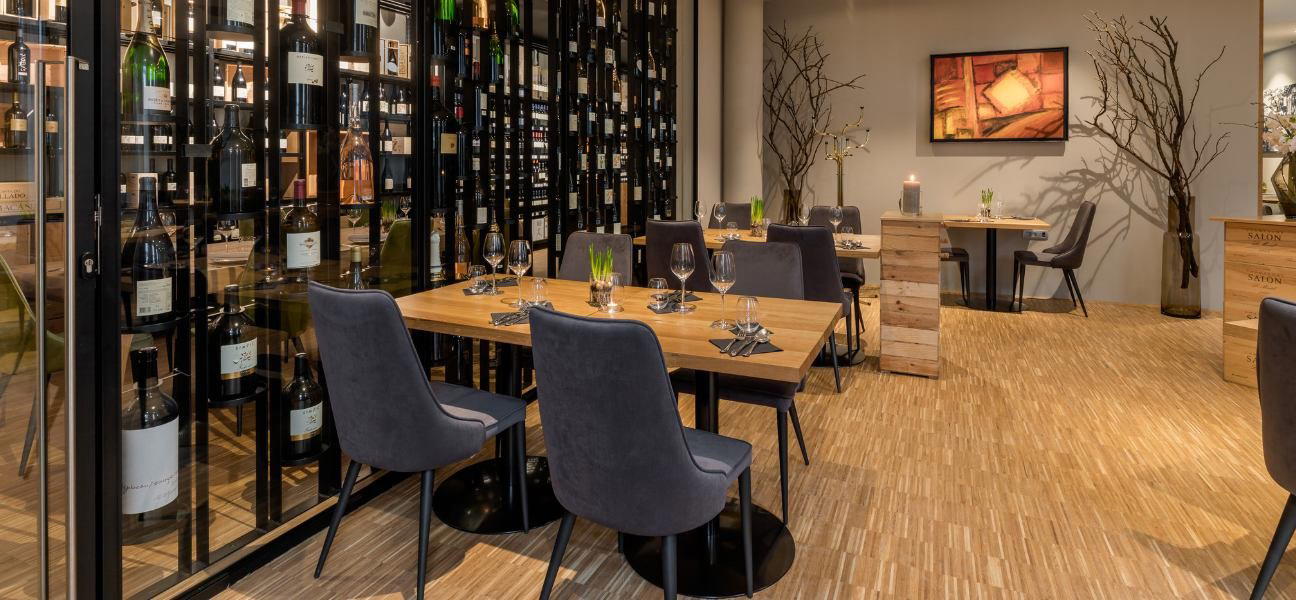
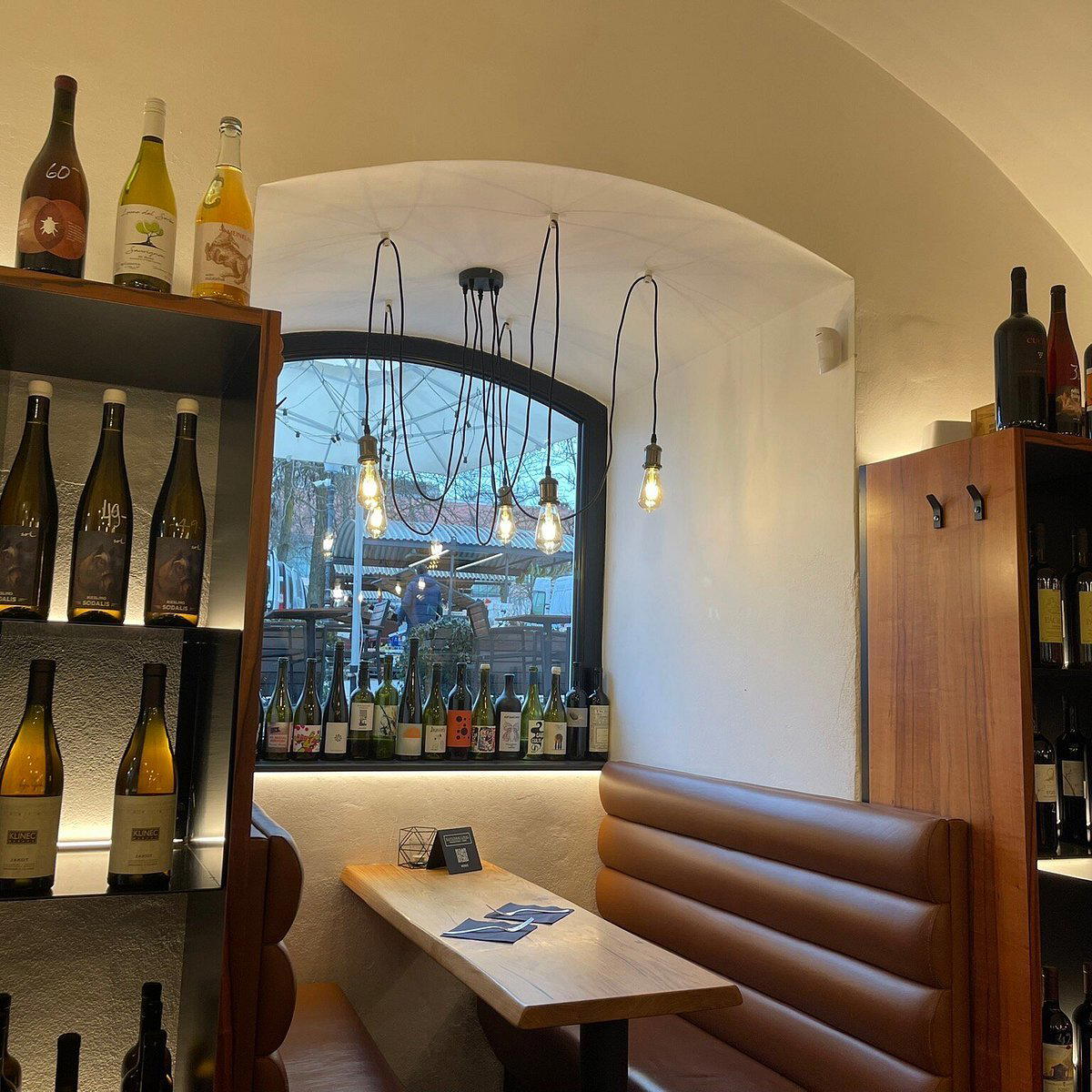
Restaurants in Preddvor
Browse all →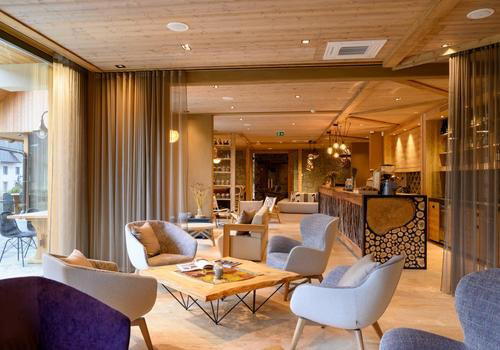
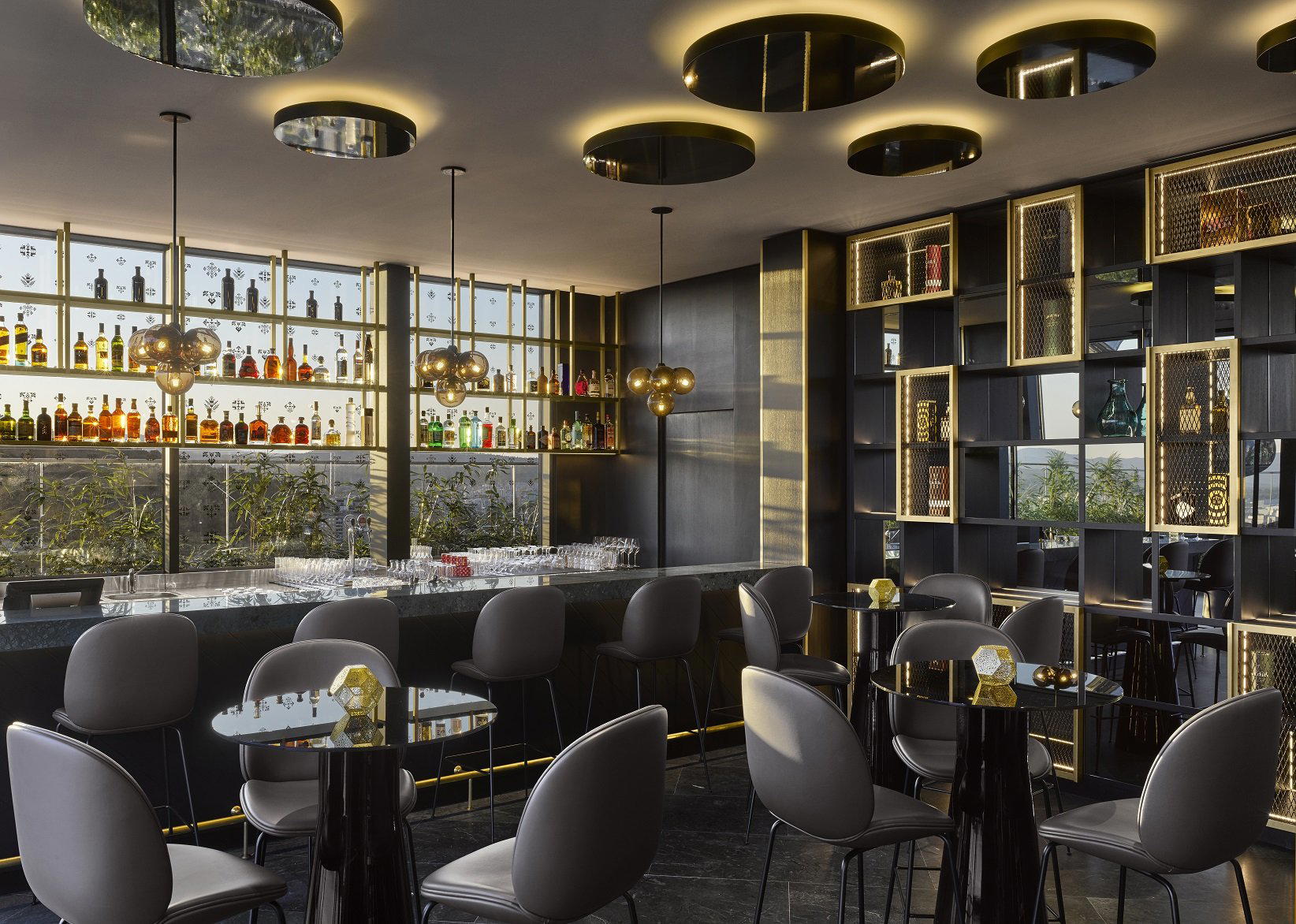
Bars in Preddvor
Browse all →
Hotels in Preddvor
Browse all →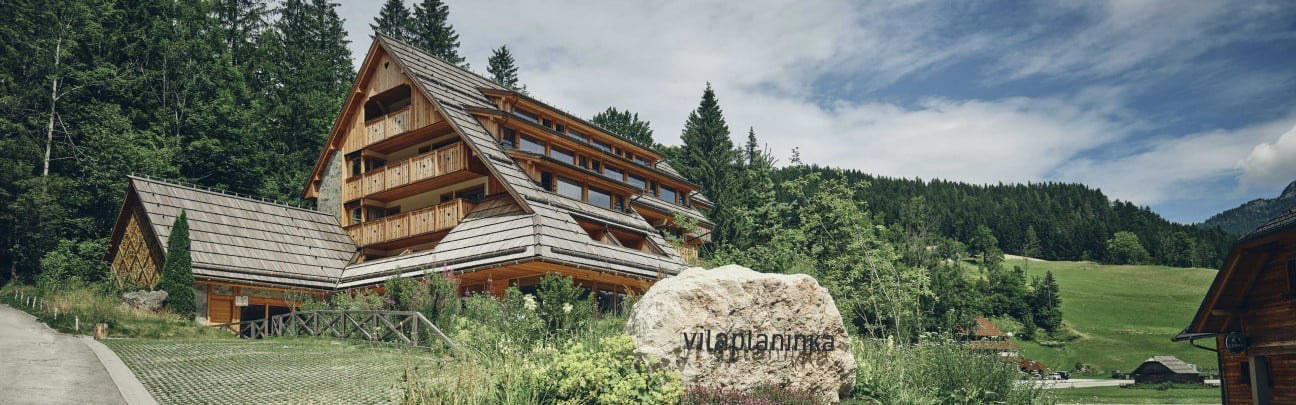

At a Glance
- Rustic
- Cozy
- Classic
- Romantic
- Date Night
- Celebration
- Special Occasion
- Group Dining
- Historic Building
- Terrace
- Garden
- Standalone
- Local Sourcing
- Farm To Table
- Mountain
Current opening hours
- Monday
- Closed
- Tuesday
- 12–8 PM
- Wednesday
- 12–8 PM
- Thursday
- 12–8 PM
- Friday
- 12–8 PM
- Saturday
- 12–8 PM
- Sunday
- Closed
Hours can change for holidays and private events. Last verified .
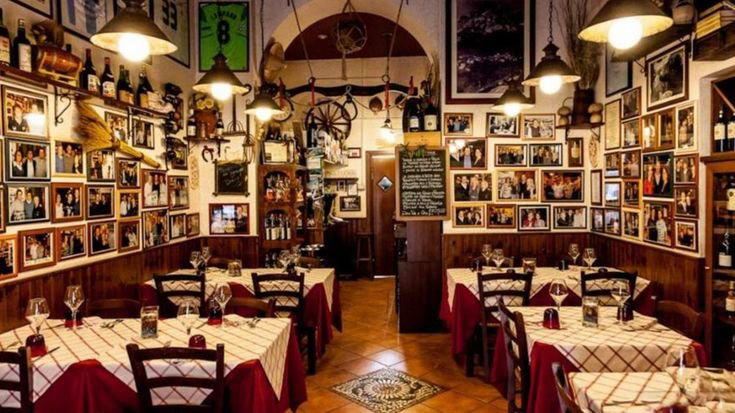
Warm, soul-filled atmosphere with rustic charm reflecting centuries of tradition; intimate setting ideal for special occasions and celebrations.