Gostišče Pekel serves Slovenian Traditional cooking in Borovnica, with fresh trout, crayfish and an extensive wine list for lunch or dinner.
Pearl is the En Primeur Club membership app — saves, bookings, and concierge access live there. Same editors, same standards.
- Address
- Ohonica 22, 1353 Borovnica, Slovenia
- Phone
- +38617546124
- Website
- freetime.si
- Directions
- Get directions
 Saves & bookings on Pearl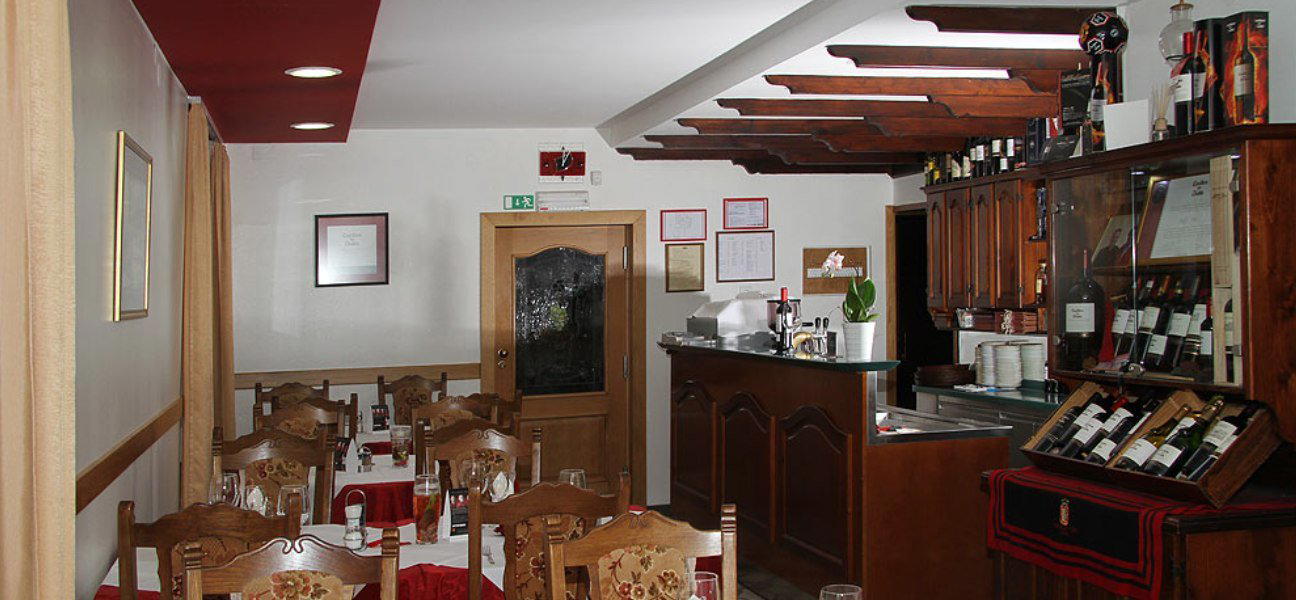
Where the Forest Meets the Table in BorovnicaThe road to Ohonica 22 runs through the kind of Slovenian countryside that does not announce itself. Karst edge territory, forest cover, a stillness that arrives before the building does. Gostišče Pekel sits in this setting outside Borovnica, a small municipality in the Ljubljana Urban Region roughly thirty kilometres southwest of the capital. Arriving here, the atmosphere is defined less by interior design than by the weight of the surrounding landscape: the Pekel gorge, from which the venue takes its name, channels cold air off limestone and beech, and that environmental context shapes everything that follows at the table.
In Slovenian, pekel translates as hell, a name attached historically to the dramatic gorge nearby rather than anything infernal about the hospitality. The gostišče format itself, somewhere between a country inn and a serious restaurant, is a distinctly Central European category that blurs the line between local institution and destination dining. It operates outside the urban fine-dining logic of Ljubljana and positions itself instead within a tradition of rural Slovenian cooking where the sourcing radius is short and the cooking reference points are the surrounding fields, forests, and waters rather than imported technique.
Ingredient Sourcing and the Gorenjska Tradition
The region around Borovnica sits at the agricultural intersection of the Ljubljana Basin and the forested edges of the Notranjska karst. That geography matters when reading any menu that draws on local sourcing. Wild mushrooms, forest herbs, freshwater fish from Slovenian rivers, lamb from higher pastures, and seasonal game are the recurring material of serious gostišče cooking in this part of the country. The blueberry, known locally as borovnica, gives the town its name and is a signature agricultural product of the area.
Slovenia's broader restaurant conversation has increasingly centred on provenance. The success of destination addresses like Hiša Franko in Kobarid placed Slovenian ingredient sourcing on an international critical map, and that attention has filtered down through the category. Where Hiša Franko operates at the €€€€ level with a globally recognised creative European format, the gostišče tier operates closer to the ground, with sourcing discipline driven by proximity and seasonality rather than chef-driven curation. The distinction matters: in places like Gostišče Pekel, the relationship between farm, forest, and table is structural, not a marketing overlay.
This is not a niche limited to one venue. Grič in Šentjošt nad Horjulom, which operates explicitly on farm-to-table principles at the €€€€ level, represents the premium end of this sourcing-first approach in the wider Ljubljana hinterland. Turistična Kmetija Breg in Brda takes a similar position in wine country further west. Gostišče Pekel, sitting between these poles geographically, belongs to the same Slovenian culinary logic: cook what the land around you offers, and cook it with reference to how it has always been cooked in this region.
The Gostišče Format and Its Regional Peers
The gostišče sits below the formal restavracija in Slovenian hospitality hierarchy, but that positioning does not reflect ambition or quality so much as format. These are places where tables are shared, where a Sunday lunch might extend for two hours, and where the wine list draws from Slovenian producers rather than international prestige labels. The format favours abundance over precision plating, and local recognition over critical awards cycles.
Across Slovenia, the category produces addresses with serious culinary conviction. Gostilna Mlinar in Idrija operates within the same rural-institutional format, as does Gostilna Pr'Bizjak in Preddvor in the Gorenjska region to the north. Gostišče Karavla 297 in Trzic operates in a similarly forested alpine-edge setting. What distinguishes these venues within their tier is not kitchen technique alone but the specificity of their regional ingredient vocabulary.
For comparison, city-based operators like Restavracija Strelec in Ljubljana and Pavus in Lasko translate Slovenian produce into more formal dining formats. The gostišče tradition that Gostišče Pekel represents is a different proposition: the point is rootedness in a specific place, not translation for a broader audience. Even internationally ambitious Slovenian addresses such as Milka in Kranjska Gora or Gostilna Pri Lojzetu in Vipava are operating in a different register.
Planning a Visit to Borovnica
Borovnica is accessible from Ljubljana by regional road in under forty minutes, making it practical as a half-day or full-day excursion from the capital. The venue's address at Ohonica 22 places it outside the village centre, which means a car or pre-arranged transport is advisable. Slovenian gostišče venues typically operate on lunch-heavy schedules, but Gostišče Pekel is open Wednesday and Thursday from 12 to 6 PM, Friday and Saturday from 12 to 9 PM, and Sunday from 12 to 6 PM. For those building a broader itinerary through the Ljubljana hinterland, the area connects logically with the Notranjska karst and the Postojna cave region to the south. Those extending further west might incorporate addresses like Dam in Nova Gorica or Hiša Denk in Zgornja Kungota into a multi-day Slovenian dining route. For a full picture of where Gostišče Pekel sits among its regional peers, see our full Borovnica restaurants guide.
Context Within the Wider Slovenian Scene
Slovenia has developed one of the more coherent rural dining cultures in Central Europe, with a density of serious restaurants relative to population that surprises visitors expecting a minor culinary footnote. The country's progression from regional obscurity to a scene capable of sustaining addresses covered by publications that also cover Le Bernardin in New York City and Atomix in New York City has been driven partly by the farm and forest sourcing infrastructure that places like Gostišče Pekel have always relied upon. The high-end addresses built their credibility on the same ingredient geography that gostišče cooking has occupied for generations.
Gostilna Oštirka in Celje and Gostišče Neptun in Piran illustrate how the format adapts across the country's varied geography, from alpine to coastal. Hiša Linhart in Radovljica sits at the more formal end of the Gorenjska tradition. Gostišče Pekel, in Borovnica, operates in the zone between casual local institution and serious regional restaurant, where the gorge outside and the forest above the village set the terms of what ends up on the plate.
How It Stacks Up
Comparable venues nearby, for context on price, style, and recognition.
| Venue | Cuisine | Price | Notes |
|---|---|---|---|
| Gostišče PekelThis venue — the venue you are viewing | Slovenian Traditional | $$ | Not listed |
| Gostilna Čubr | Traditional Slovenian | $$ | Komenda |
| Gostišče Draga | Traditional Slovenian with Gorenjska Flavors | $$ | Begunje na Gorenjskem |
| Gostilna Pri Stričku | Traditional Slovenian | $$ | Ljubljana |
| Kavarna Kapitanija | Artisan Cafe with Desserts & Ice Cream | $$ | Koper |
| Kodila Gourmet & Bistro Market | Traditional Slovenian Bistro | $$ | Central Market |
Continue exploring
More in Borovnica
Restaurants in Borovnica
Browse all →
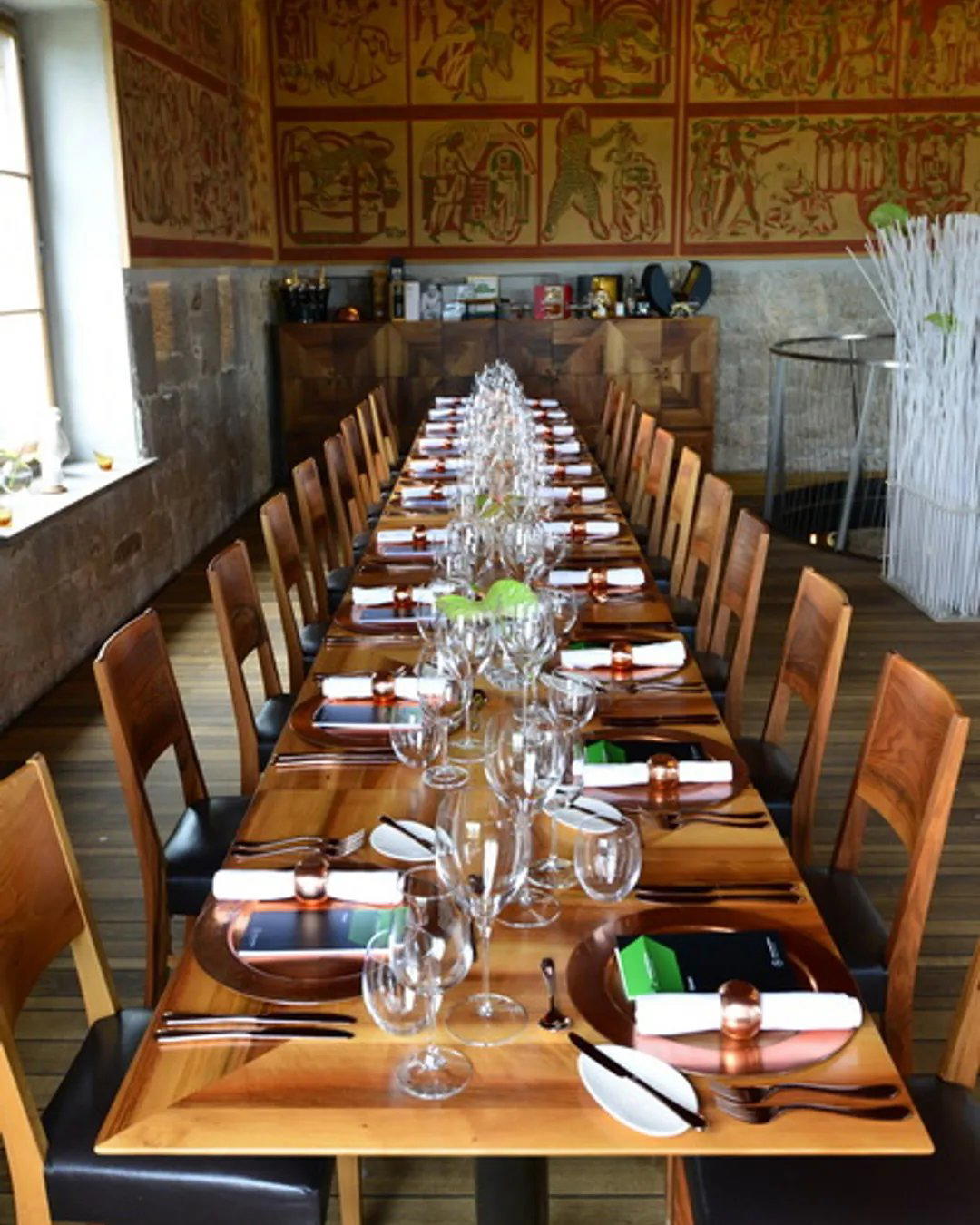
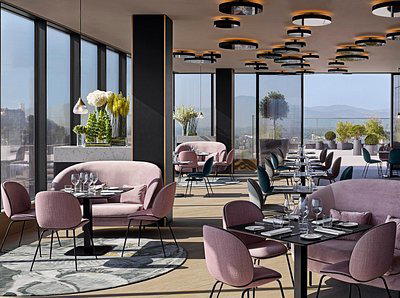
Bars in Borovnica
Browse all →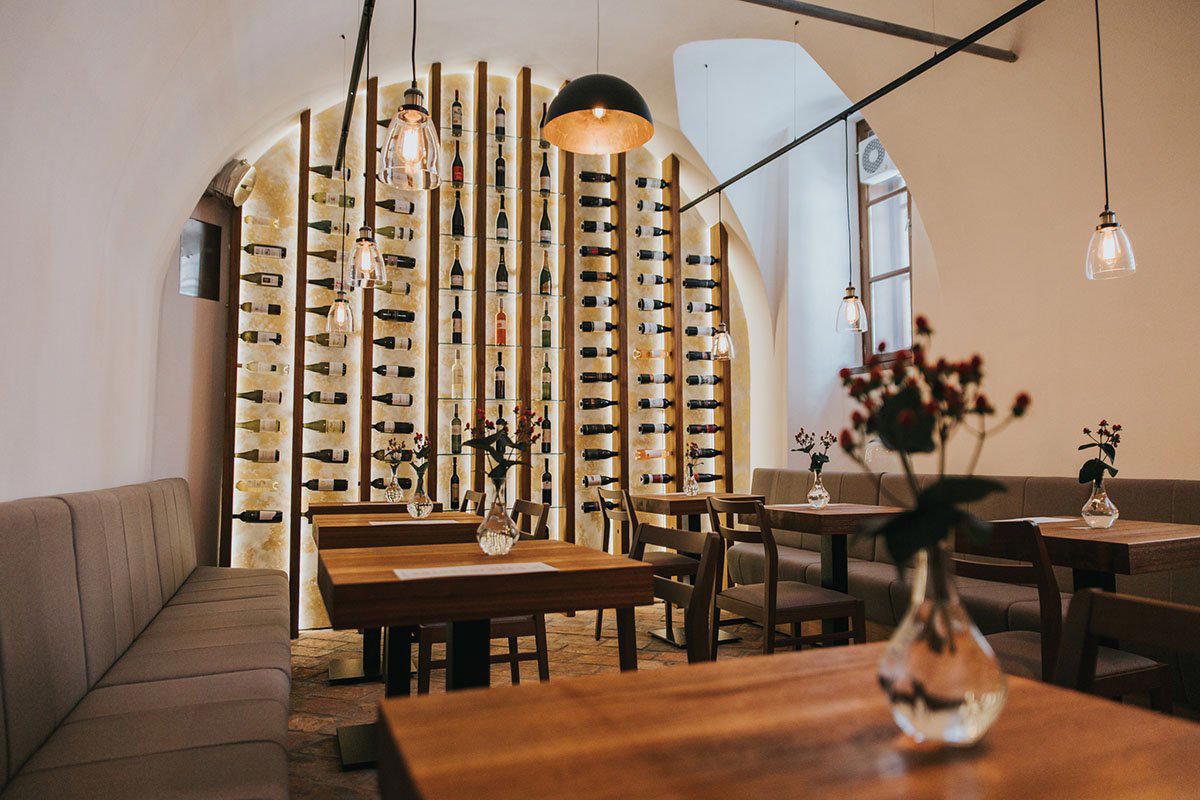
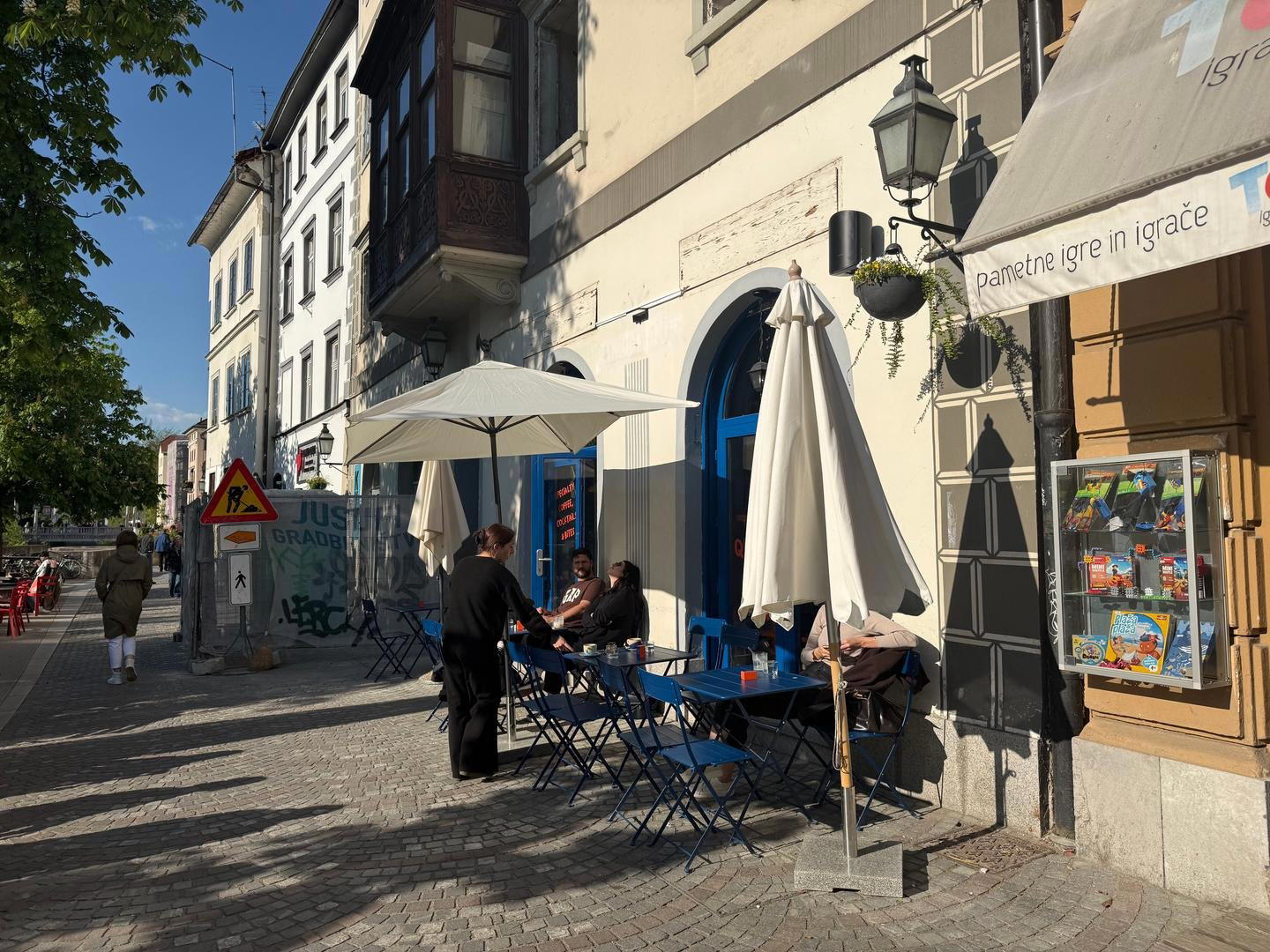

Hotels in Borovnica
Browse all →



At a Glance
- Rustic
- Cozy
- Scenic
- Casual Hangout
- Family
- Standalone
- Terrace
- Extensive Wine List
- Local Sourcing
Current opening hours
- Monday
- Closed
- Tuesday
- Closed
- Wednesday
- 12–6 PM
- Thursday
- 12–6 PM
- Friday
- 12–9 PM
- Saturday
- 12–9 PM
- Sunday
- 12–6 PM
Hours can change for holidays and private events. Last verified .
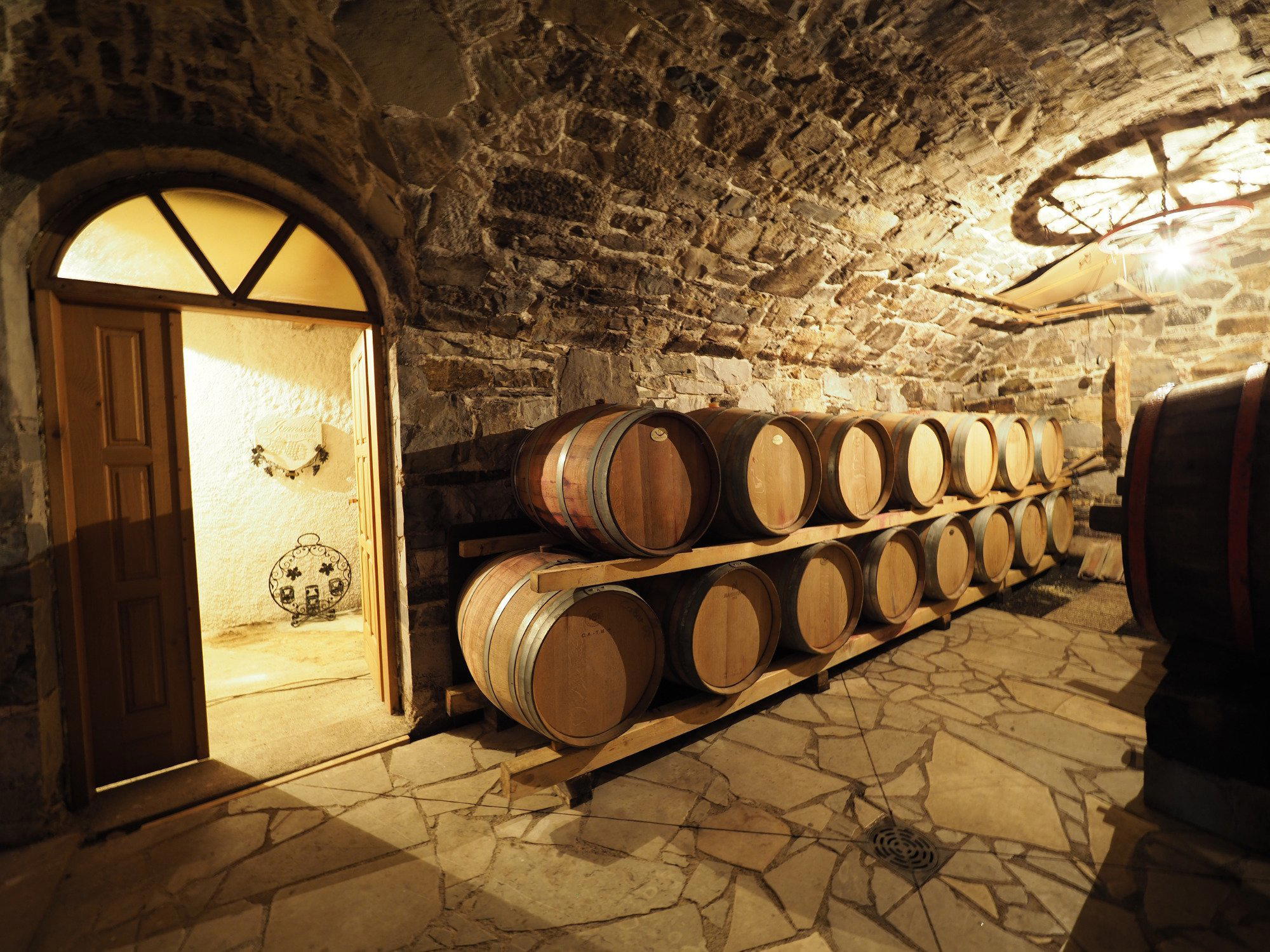
Rustic and cozy atmosphere ideal for hikers seeking hearty home-style meals after exploring the scenic gorge.