


1 Michelin Star · Star Wine List · Falstaff Restaurant - 92 Falstaff Points
Our verdict
A Michelin-starred table in a listed hilltop building above Leibnitz, Schlosskeller Gourmetstube positions itself at the serious end of Styrian fine dining. The kitchen runs surprise menus of five or seven courses built around locally sourced produce, with occasional Asian inflections and expertly assembled wine pairings. For the southern Styrian wine country, this is the reference point for ingredient-led modern Austrian cooking.

Pearl is the En Primeur Club membership app — saves, bookings, and concierge access live there. Same editors, same standards.
- Address
- Frauenberg 5, 8430 Leibnitz, Austria
- Phone
- +43 3452 74499
- Hours
- Mon–Tue ClosedWed–Sat 6–11 PMSun Closed
- Directions
- Get directions
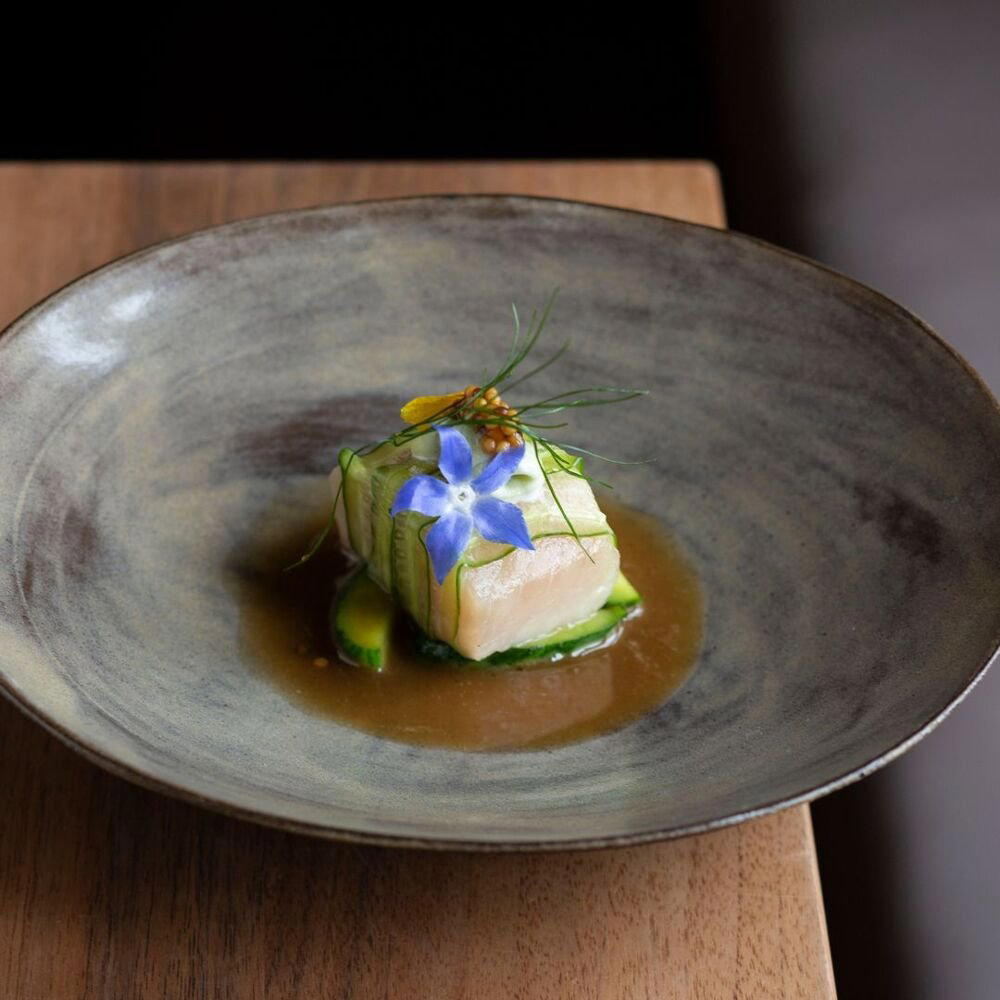
Where Southern Styria Sets the Table
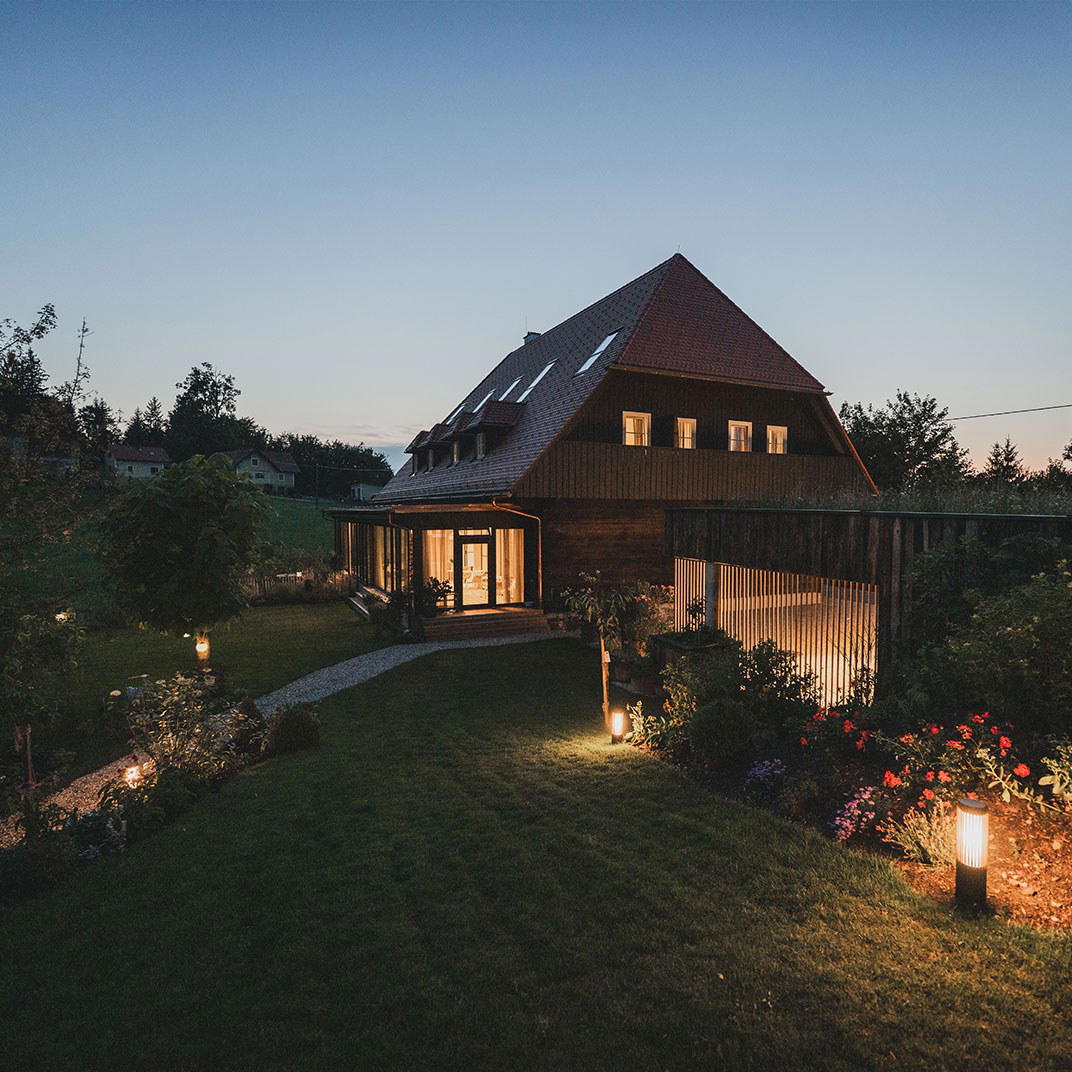
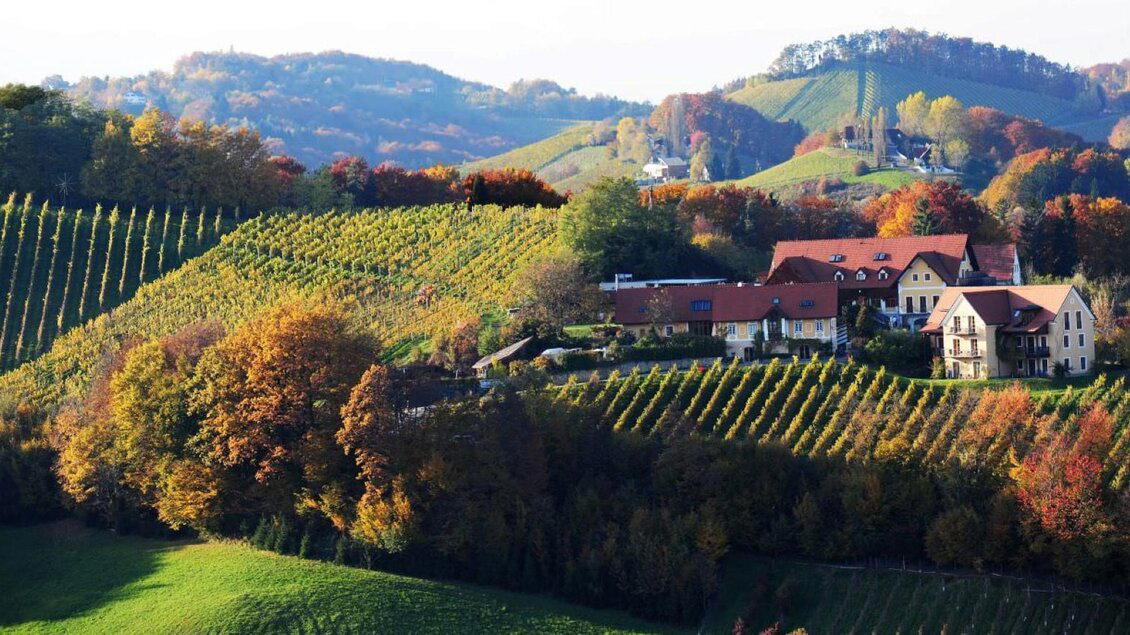
The road to Frauenberg climbs out of the Leibnitz basin through vineyards that supply some of Austria's most closely watched white wines. The building that houses Schlosskeller Gourmetstube is a listed structure — preserved architecture in a small village setting that places the restaurant physically apart from the more urban fine-dining circuits of Graz or Vienna. Arriving here, the proportions of the historic building register before anything else: stone, elevation, the kind of silence that comes with altitude. The summer terrace opens onto views across the southern Styrian countryside, and it draws guests who plan entire evenings around sitting outside as the light changes over the hills.
Inside, the design choices acknowledge the building's age without being consumed by it. Modern elements sit against the historical fabric — a pairing that mirrors what the kitchen does with its sourcing, placing contemporary technique alongside the agricultural traditions of the region. It is an approach that has earned the restaurant a Michelin star in 2024, placing it inside the tier of Austrian fine-dining addresses that carry meaningful independent validation.
The Sourcing Logic Behind the Menu
Southern Styria is one of Austria's most productive agricultural zones, and the region's identity on the plate reflects that directly. The Leibnitz district sits at the intersection of warm Pannonian air from the east and cooler Alpine influence from the north and west, a climate that pushes both viticulture and market gardening further than the country's mountain-dominated centre can sustain. Producers here work with ingredients that rarely travel far before reaching a kitchen: the geography itself enforces a kind of locality.
At Schlosskeller Gourmetstube, that geography becomes the architecture of the menu. The kitchen works with select locally sourced produce, and the format, a surprise menu of five or seven courses, is structured precisely to let sourcing availability drive composition rather than the reverse. This is a meaningful distinction in contemporary Austrian cooking. The surprise format is not a gimmick but a structural commitment: it allows the kitchen to respond to what the season and the surrounding producers are actually delivering, rather than anchoring the menu to ingredients that must be sourced regardless of condition or timing.
The occasional incorporation of Asian elements within this locally grounded framework reflects a wider movement in Central European fine dining, where chefs trained in classical European technique are drawing on Japanese and Southeast Asian approaches to seasoning, fermentation, and texture, not as fusion in the older, looser sense, but as a specific technical vocabulary applied to regional ingredients. For guests arriving from elsewhere in the Austrian fine-dining circuit, from Steirereck im Stadtpark in Vienna, Döllerer in Golling an der Salzach, or Obauer in Werfen, the approach here will feel coherent with what Austrian cooking has been doing at the serious end of the market for a decade, but with a distinctly southern Styrian accent.
The Michelin Star in Context
Austria's one-star tier is competitive and geographically distributed. The country's most decorated addresses cluster in Vienna and Salzburg, but the 2024 Michelin recognition for Schlosskeller Gourmetstube confirms a pattern visible across the Alpine south: serious kitchens operating in rural or small-town settings are earning recognition that was once concentrated in capital cities. This mirrors trends visible across the broader European fine-dining tier, where ingredient provenance and regional specificity have become as weighted in the assessment process as classical technique and service formality.
For comparison within the Austrian context: Ikarus in Salzburg operates in a high-profile urban setting with a rotating guest-chef format; Kräuterreich by Vitus Winkler in Sankt Veit im Pongau and Gourmetrestaurant Tannenhof in Sankt Anton am Arlberg are anchored to mountain resort contexts; Griggeler Stuba in Lech and Restaurant 141 by Joachim Jaud in Mieming serve Tyrolean audiences.
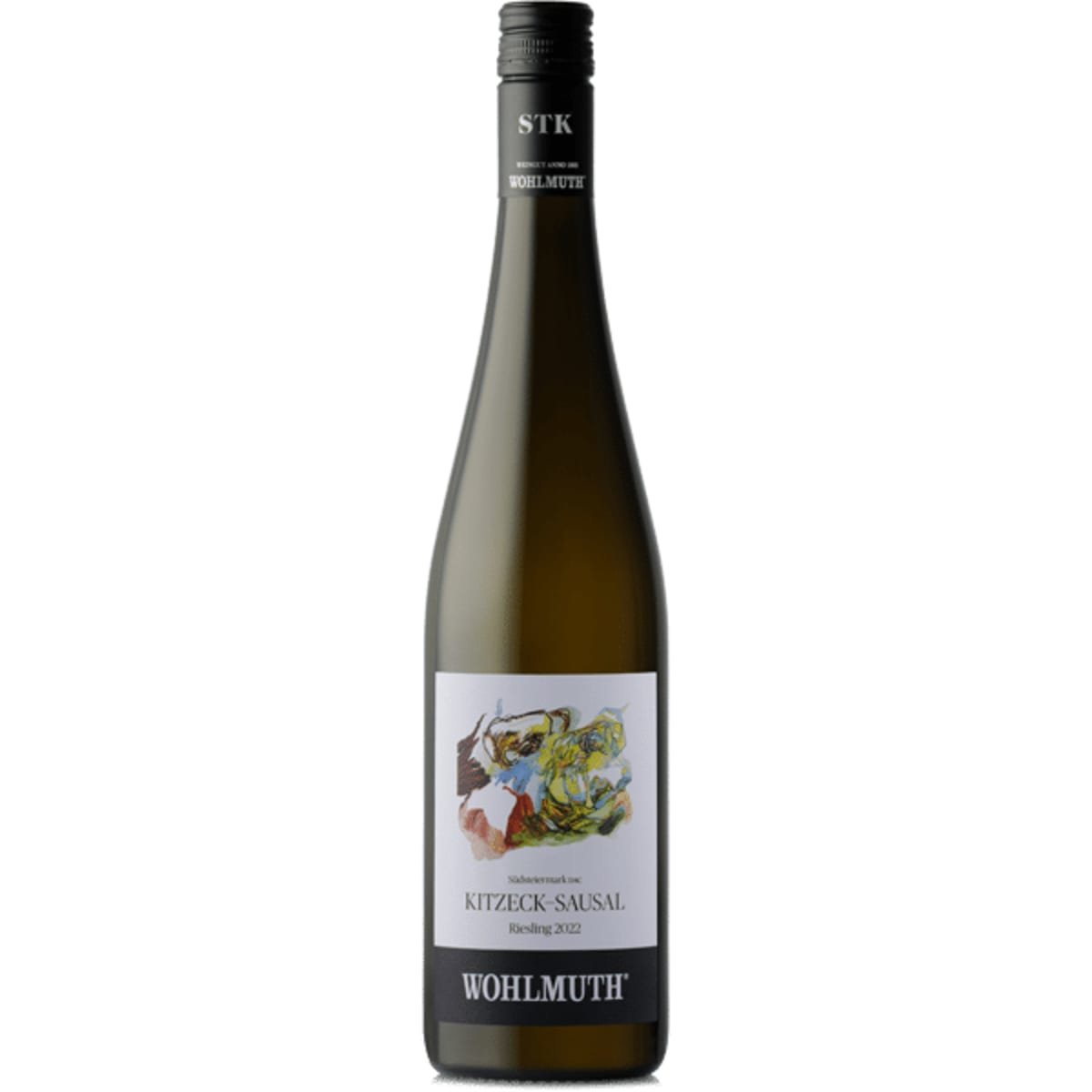
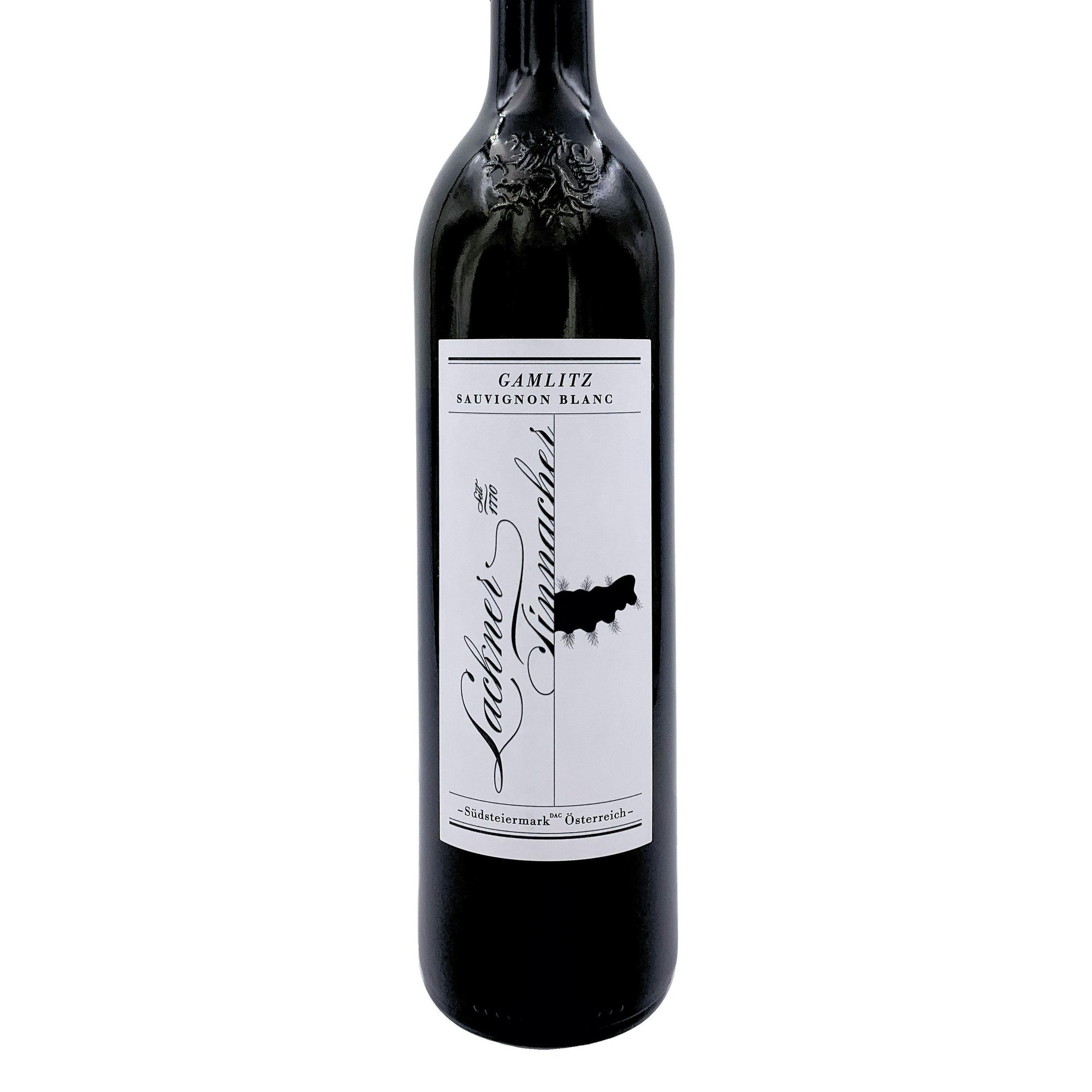
The White Star recognition from Star Wine List, published in August 2024, adds a separate credential relevant to wine-focused guests. Southern Styria's Sauvignon Blanc and Morillon (Chardonnay) productions are among the country's most respected, and a restaurant at this level in this region is expected to carry a list that reflects the geography. The wine pairings, which the kitchen proposes alongside non-alcoholic alternatives, are assembled to complement the surprise menu format, meaning the pairing selection shifts with the menu rather than operating as a fixed sequence.
Service and Format
The service model at Schlosskeller Gourmetstube involves the kitchen team directly in the dining room, which is consistent with the smaller-format fine-dining operations that have become prevalent across Central Europe's rural star-tier. This format concentrates authority and reduces the distance between preparation and presentation, a structural choice that works particularly well when menus are built around surprise sequencing, since the team delivering courses carries direct knowledge of what was prepared and why.
Attentive service from a friendly and experienced team reflects an approach to hospitality that is characteristic of Styrian dining more broadly: less formal than Vienna's grand restaurant culture, more personal in scale, and oriented toward guests who have made a deliberate trip rather than a spontaneous booking.
Planning the Visit
Leibnitz sits roughly 35 kilometres south of Graz, accessible by regional rail or road, and the village of Frauenberg is a short distance from the town centre. At the €€€€ price point, the restaurant positions itself at the top of the local market and in line with Austria's broader fine-dining tier. Guests planning a southern Styrian itinerary can pair a visit here with the region's wine producers and with other Leibnitz dining options, including Schlosskeller Wirtshaus and Wirtshaus Kogel 3 for more casual registers of local cooking. The summer terrace is the prime booking target for the warmer months, timing a visit to coincide with long June or July evenings, when the views across the Styrian hills are at their most legible, is the direct logistical argument for seasonal planning.
For guests building a wider Austrian fine-dining circuit, the southern Styrian wine country is an undervisited segment relative to its quality density. The Leibnitz district's position as an agricultural and viticultural hub gives restaurants here access to ingredients that more urbanised kitchens in the north have to source at a remove. That structural advantage is visible in what Schlosskeller Gourmetstube puts on the plate.
Further context on dining, drinking, and staying in the region: our full Leibnitz restaurants guide, our full Leibnitz hotels guide, our full Leibnitz bars guide, our full Leibnitz wineries guide, and our full Leibnitz experiences guide.
For those tracking how ingredient-led modern cuisine operates across different national contexts, the same structural thinking, local sourcing, surprise sequencing, wine pairing as an integrated editorial choice, appears in formats as different as Frantzén in Stockholm and FZN by Björn Frantzén in Dubai, and in Austrian kitchens like Ois in Neufelden. The common thread is a menu architecture that responds to sourcing conditions rather than overriding them, and in southern Styria, the sourcing conditions are unusually strong.
What Regulars Order
What do regulars order at Schlosskeller Gourmetstube?
The menu format at Schlosskeller Gourmetstube is built around surprise, guests choose between a five- or seven-course sequence, and the kitchen determines the content based on seasonal and local availability. There is no à la carte selection to return to. What regulars are actually choosing, then, is the longer format: the seven-course menu, which allows the kitchen the fuller range of movement and provides the more complete account of what the sourcing logic produces in a given season. The wine pairing is the natural complement, given the restaurant's White Star wine recognition and its position in one of Austria's most productive white wine regions. Non-alcoholic pairing alternatives are offered for those who want the structural experience of a matched sequence without the alcohol component.
Frequently asked questions
What kind of recognition has Schlosskeller Gourmetstube received?
Schlosskeller Gourmetstube has received recognition including: Schlosskeller Südsteiermark is a restaurant in Leibnitz, Austria. It was published on Star Wine List on August 7, 2024 and is a White Star.; This well-preserved listed building boasts a picturesque location in a small village near Leibnitz.….
What do regulars order at Schlosskeller Gourmetstube?
There is no fixed à la carte selection to choose from. The menu is built entirely around a surprise format — guests commit to either five or seven courses, and the kitchen determines the sequence based on seasonal Southern Styrian produce, occasionally incorporating Asian elements. The seven-course format is the version that gives chef Markus Rath the fullest range to work across, and the wine pairing option is designed specifically to move alongside it.
What should I budget for a meal at Schlosskeller Gourmetstube?
Pricing at Schlosskeller Gourmetstube is listed as €€€€.
Comparable Spots, Quickly
| Venue | Cuisine | Price | Awards |
|---|---|---|---|
| Schlosskeller GourmetstubeThis venue — the venue you are viewing | Modern Styrian Fine Dining | $100–150 | 1 Michelin Star · Star Wine List |
| Steirereck im Stadtpark | Creative | Not listed | Michelin 3 Star |
| Döllerer | Contemporary Austrian, Innovative | Not listed | Michelin 2 Star |
| Ikarus | Modern European, Creative | Not listed | Michelin 2 Star |
| Mraz & Sohn | Modern Austrian, Creative | Not listed | Michelin 2 Star |
| Obauer | Classic Cuisine | Not listed | Michelin 2 Star |
Recognition history
Dated appearances from independent guides and award organizations, with the underlying list record or original source where available.
Michelin 1 Star
Michelin
Star Wine List
Star Wine List
Falstaff Restaurant - 92 Falstaff Points
Falstaff
Full recognition history (5 entries)
Michelin 1 Star
Michelin
Michelin 1 Star
Michelin
Continue exploring
More in Leibnitz
Restaurants in Leibnitz
Browse all →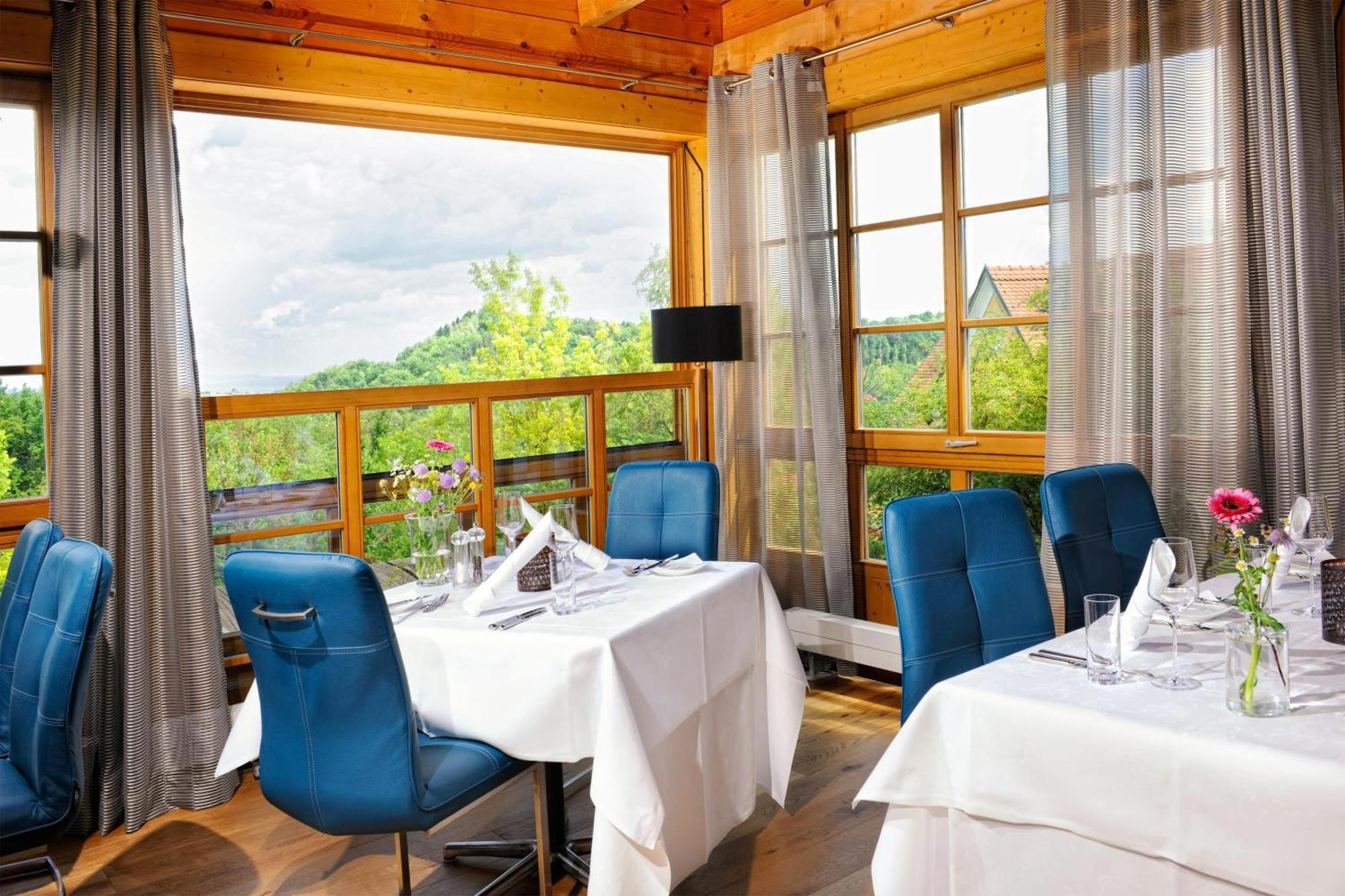
Bars in Leibnitz
Browse all →
Hotels in Leibnitz
Browse all →

Details
- Elegant
- Sophisticated
- Cozy
- Intimate
- Date Night
- Special Occasion
- Historic Building
- Terrace
- Wine Cellar
- Extensive Wine List
- Sommelier Led
- Local Sourcing
- Vineyard
- Mountain
- Tasting Menu
- Vegetarian Friendly
Current opening hours
- Monday
- Closed
- Tuesday
- Closed
- Wednesday
- 6–11 PM
- Thursday
- 6–11 PM
- Friday
- 6–11 PM
- Saturday
- 6–11 PM
- Sunday
- Closed
Hours can change for holidays and private events. Last verified .
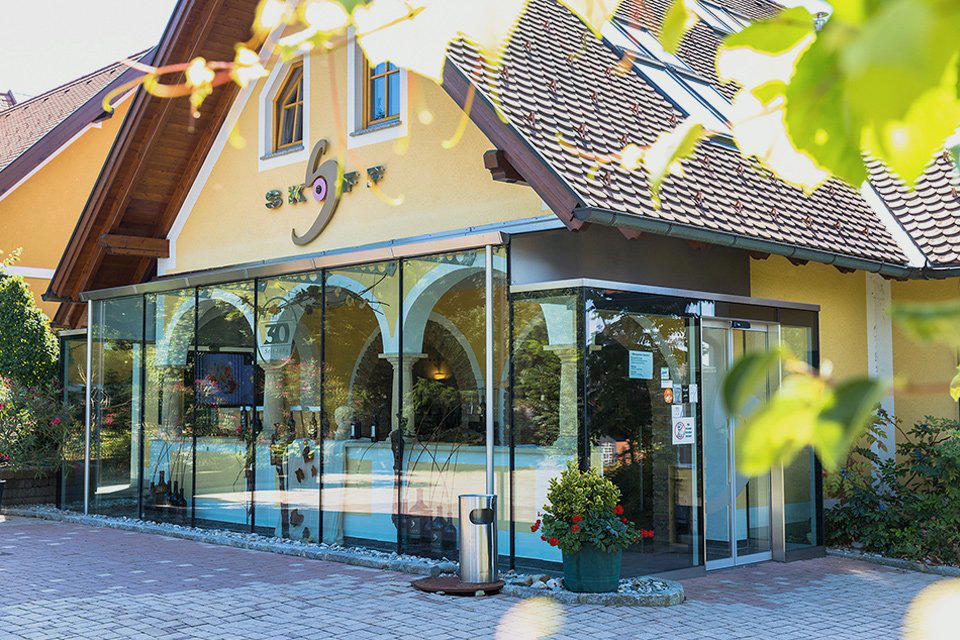
Linen tables, quiet conversation, modern design blended with original stone and timber in a well-preserved listed building, calibrated lighting for unhurried meals.