A countryside gostišče in the hills above Boštanj, Gostišče Dolinšek belongs to the tradition of Slovenian rural dining where the land around the kitchen determines what appears on the table. Set along the Sava valley corridor in Lower Carniola, it draws visitors who want the regional cooking that the country's more celebrated destination restaurants have built their reputations on translating to fine-dining format.
Pearl is the En Primeur Club membership app — saves, bookings, and concierge access live there. Same editors, same standards.
- Address
- Vrh pri Boštanju 23, 8294 Boštanj, Slovenia
- Phone
- +38678141595
- Website
- gostisce-dolinsek.com
- Directions
- Get directions
 Saves & bookings on Pearl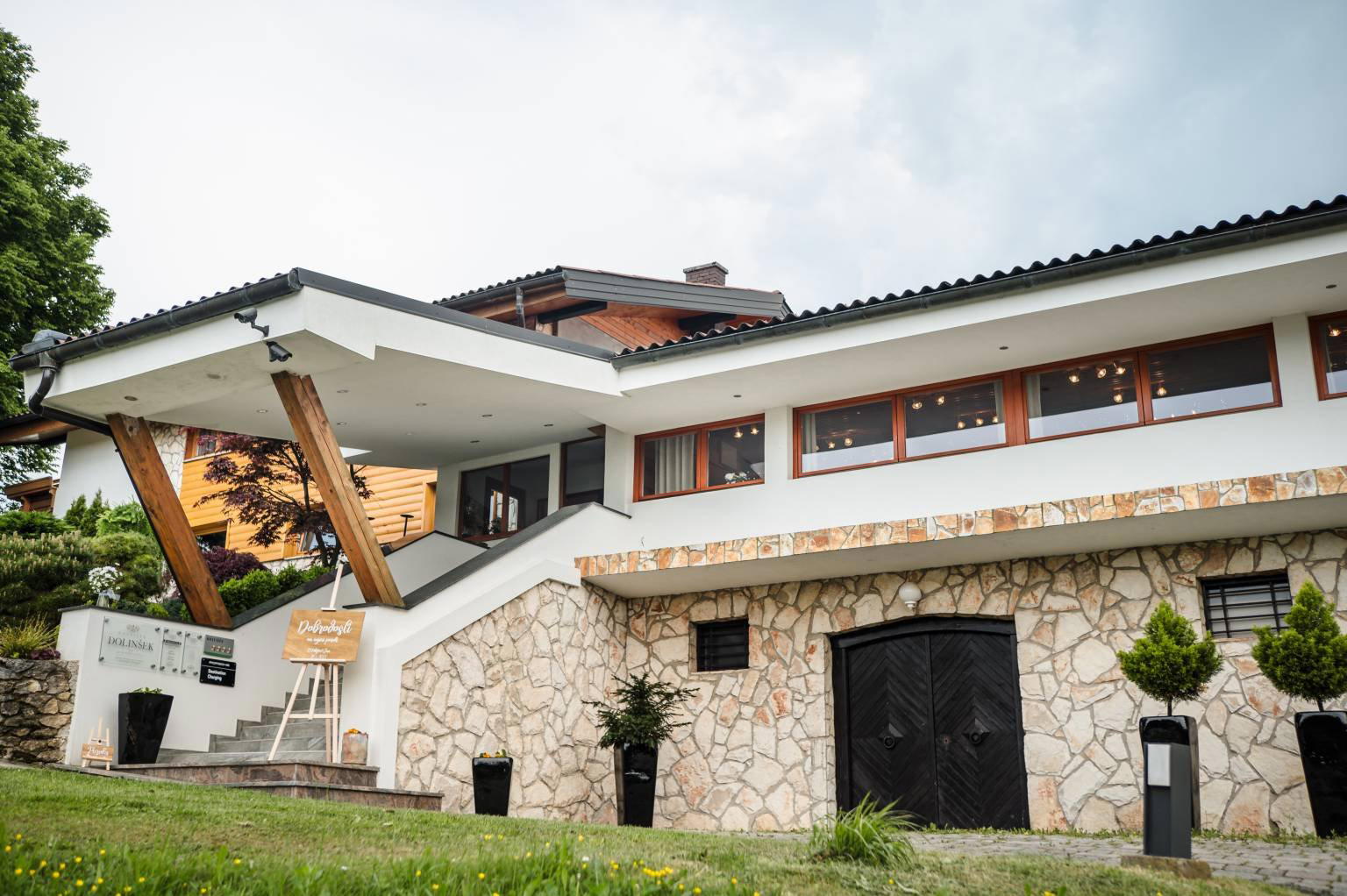
Where the Sava Valley Sets the Table
The road to Vrh pri Boštanju climbs out of the Sava valley through a sequence of hayfields and mixed woodland that is characteristic of Lower Carniola's interior. By the time the elevation flattens and the settlement comes into view, the landscape has already communicated the logic of the cooking inside: this is terrain that produces mushrooms, game, orchard fruit, and garden vegetables in rotation through the year, and the kitchen's job, in the tradition of the Slovenian gostišče, is to convert what surrounds it into something that makes sense on a plate. Gostišče Dolinšek occupies that position in the hills above Boštanj, a short drive from Sevnica on the Sava corridor.
The gostišče format itself deserves context. It sits between a village inn and a family restaurant in the Slovenian typology, and it differs from a gostilna primarily in the informality of its social contract with guests. These are places where generations of the same family have cooked from the same general larder, adjusting by season rather than by menu cycle, and where the distinction between a weekday lunch crowd and a Sunday family gathering is one of quantity rather than atmosphere. Slovenia's broader dining reputation has been shaped by destination addresses further west and north, Hiša Franko in Kobarid, Hiša Denk in Zgornja Kungota, Gostilna Pri Lojzetu in Vipava, but the rural gostišče model in Lower Carniola represents something distinct from that fine-dining tier: a more direct relationship between a specific patch of ground and the food it supports.
Ingredient Logic in Lower Carniola
Culinary logic that operates in this part of Slovenia is shaped by geography as much as tradition. Lower Carniola sits between the Sava and Krka river valleys, with terrain that shifts from river-bottom flood plains to wooded ridgelines over short distances. The result is a varied foraging and growing environment: wild garlic and mushrooms from the forest edges, trout from the rivers, pork from smallholdings that have supplied village kitchens for centuries, and orchard varieties, particularly plums, pears, and apples, that don't survive the journey to urban markets in prime condition but arrive at a local table in their proper state.
This is the supply chain that the gostišče tradition runs on, and it differs structurally from the sourcing programs that have made addresses like Grič in Šentjošt nad Horjulom or Turistična Kmetija Breg in Brda notable as farm-to-table destinations. Where those venues have built a sourcing narrative around named producers and deliberate programming, the rural gostišče sourcing model is more embedded and less curated: the kitchen uses what is available because that is what has always been available, not because it reflects a positioning choice. The distinction is meaningful for visitors deciding where to direct their attention.
In the Sevnica area specifically, the autumn and early-winter calendar tends to concentrate stronger examples from what the region produces: porcini and other boletes, game from the surrounding woodland, preserved summer produce in fermented or dried forms, and the first cold-weather cuts of pork that signal the koline season. Spring brings a different register, with foraged greens, fresh dairy, and the lighter preparations that follow a heavier winter menu. For visitors calibrating when to make the drive from Sevnica or from further afield, these seasonal rhythms are more relevant than any fixed menu consideration.
Reading Dolinšek Against the Regional comparable set
Slovenia's dining map in 2024 and 2025 has consolidated around a recognisable tier of destination restaurants that carry Michelin recognition or equivalent editorial currency, Hiša Linhart in Radovljica, Restavracija Strelec in Ljubljana, Milka in Kranjska Gora, while a separate, less-documented tier of rural addresses continues to operate largely outside that recognition framework. Gostišče Dolinšek belongs to the second group. It serves a different function and a different visitor.
The relevant comparison set for Dolinšek is not Hiša Franko or Dam in Nova Gorica but rather the cluster of family-operated country addresses in the Posavje and Dolenjska regions that have maintained cooking rooted in the immediate agricultural environment without reformatting it for fine-dining consumption. In that comparable set, the question is not which kitchen has the more refined technique but which has one honest relationship with its supply chain. For visitors who have spent time at Pavus in Lasko or Gostilna Oštirka in Celje, the gostišče register will read immediately; for those arriving from a meal at Gostišče Neptun in Piran on the coast, the contrast in idiom will be instructive.
Getting There and What to Expect
The address at Vrh pri Boštanju 23 places Gostišče Dolinšek on a minor road above the Sava valley floor, accessible from Boštanj and from Sevnica, which lies roughly five kilometres to the west along the river. Sevnica is reachable by rail from Ljubljana on the Ljubljana-Zidani Most line, but onward travel to Vrh pri Boštanju requires a car or a local taxi from the Sevnica station. The drive through the valley and up the hillside adds directional weight to the meal: arriving by road rather than on foot communicates immediately that this is a destination requiring intention, not a walk-in. For visitors building a Lower Carniola itinerary, pairing the stop with other addresses in the Posavje wine-growing zone, the region produces Cviček, the distinctive light red assemblage that is closely tied to this part of Slovenia, adds coherence to the day. For broader Slovenian context across different dining formats and price tiers, comparisons further afield in tone and ambition extend to Gostilna Pr'Bizjak in Preddvor, Gostilna Mlinar in Idrija, and Gostišče Karavla 297 in Trzic.
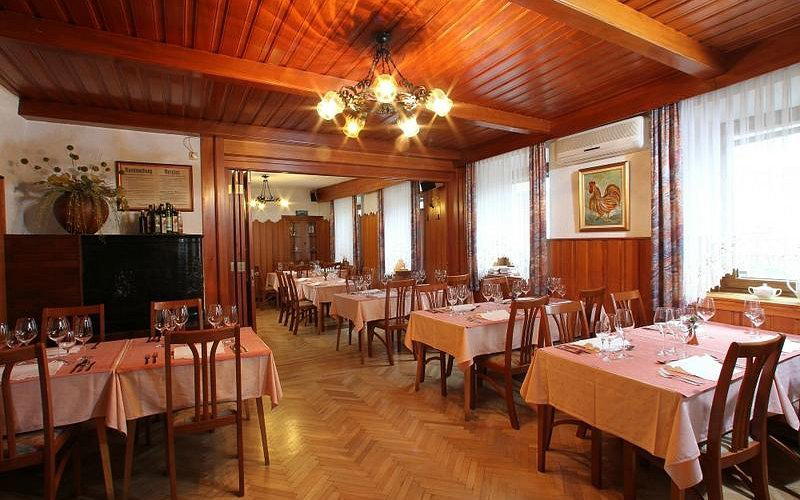
Visitors should arrive with an expectation calibrated to the format: hearty, seasonal cooking in an informal village-inn setting, with pricing in the moderate range. Reservations, where possible, are advisable for weekend lunches, when local families tend to fill country gostišče dining rooms ahead of walk-in visitors from outside the area.
In Context: Similar Options
Comparable venues nearby, for context on price, style, and recognition.
| Venue | Cuisine | Price | Notes |
|---|---|---|---|
| Gostišče DolinšekThis venue — the venue you are viewing | Traditional Slovenian | $$ | Not listed |
| Bistro Marco | Modern Bistro | $$ | Zgornja Kungota |
| Čad | Traditional Balkan Grill | $$ | Rožnik |
| Restaurant Šobec | Traditional Gorenjska with pizzas | $$ | Lesce |
| KUHLA, krčma na gradu | Slovenian Castle Tavern | $$ | Šmartno pri Litiji |
| Gostilna Kunstelj | Traditional Slovenian Gorenjska | $$ | Radovljica |

At a Glance
- Cozy
- Rustic
- Scenic
- Family
- Casual Hangout
- Historic Building
- Local Sourcing
- Mountain
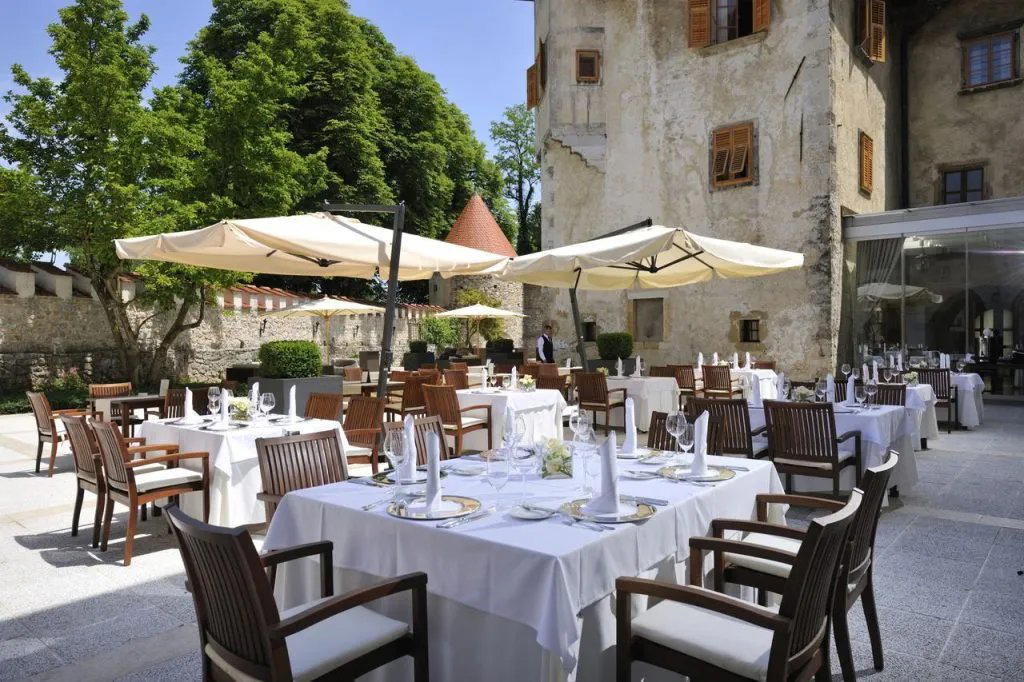
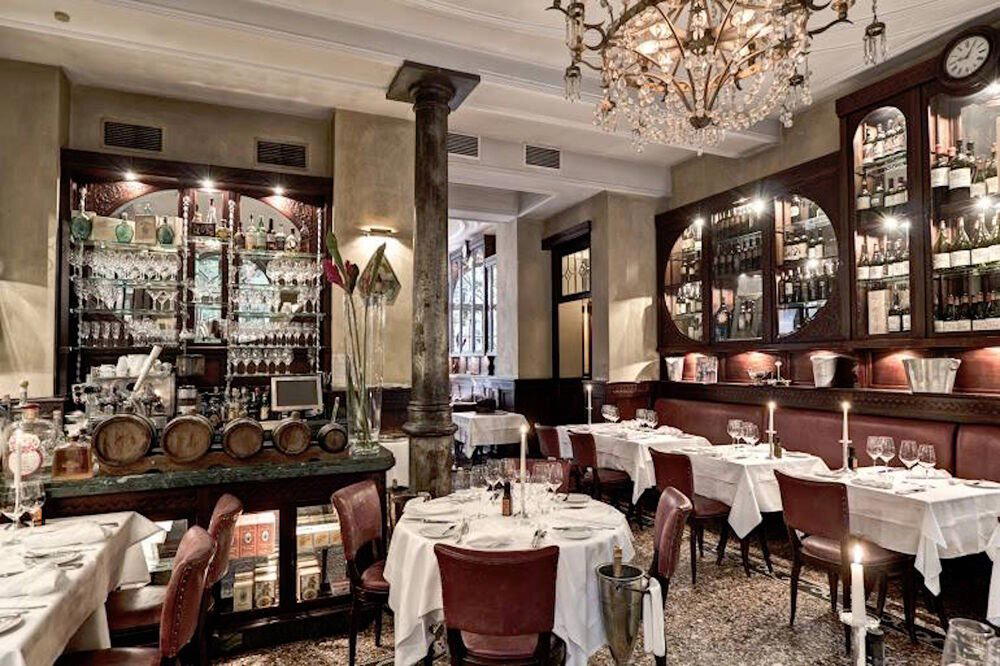
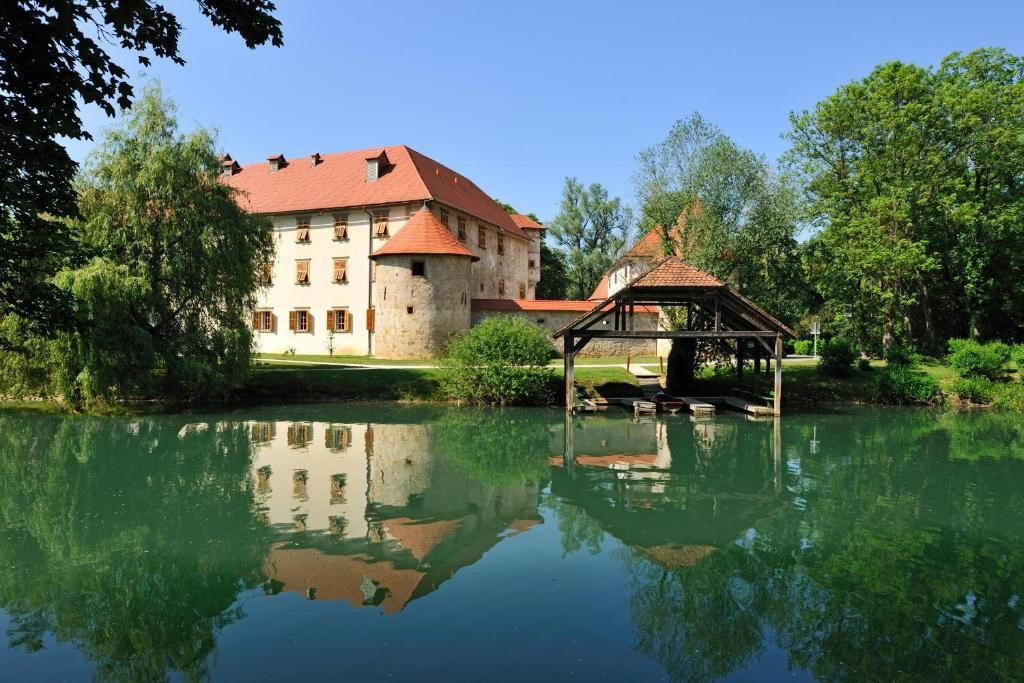
Homely and traditional atmosphere with jaw-dropping views.