Feindestillerie Stelzl
Feindestillerie Stelzl sits in the Saggautal valley of southern Styria, a region where distilling traditions run as deep as the vine-covered slopes around it.. For those tracing the character of Styrian terroir through spirits rather than wine, it rewards a detour.

Pearl is the En Primeur Club membership app — saves, bookings, and concierge access live there. Same editors, same standards.
- Address
- St. Johann im Saggautal 13, 8453 St. Johann im Saggautal
- Phone
- +43 3455 20041
- Website
- destillerie-stelzl.com
- Directions
- Get directions
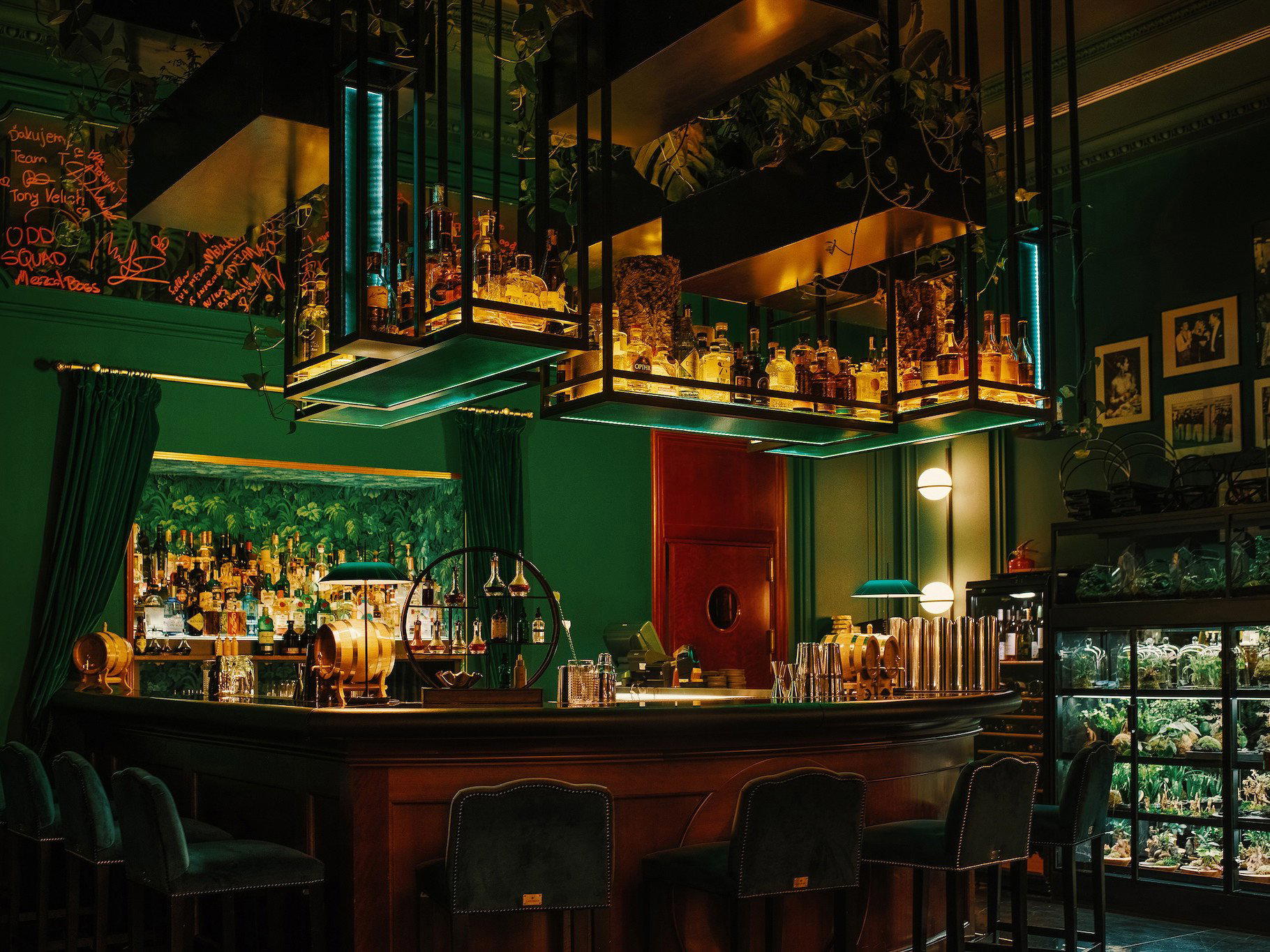
Southern Styria's Distilling Tradition and Where Stelzl Sits Within It
The southern Styrian hills around St. Johann im Saggautal produce some of Austria's most characterful fruit spirits. The terrain here, carved by the Saggau valley and its tributaries, creates microclimates that concentrate stone fruit flavours in ways that flatter the Feinbrand tradition, the slow, careful double-distillation practice that separates premium Austrian Obstbrand from industrial fruit spirit. Feindestillerie Stelzl, at St. That credential puts it alongside a small cohort of producers where precision of process and provenance of raw material both carry weight.
Austria's artisan distilling scene has grown considerably in the past decade, with producers from Burgenland to Vorarlberg drawing sharper distinctions between farm-sourced fruit and bought-in raw material, between column distillation for volume and pot-still craft for character. For context on the broader Austrian landscape, producers like Weingut Scheiblhofer Distillery in Andau and 1310 Spirit of the Country Distillery in Sierning represent different regional expressions within that expanding category. Stelzl's southern Styrian address positions it in a fruit-growing corridor where the raw material argument is as strong as anywhere in Austria.
Terroir and the Case for Place in Austrian Fruit Spirits
The word terroir gets used carefully among serious Austrian distillers, and with good reason. Unlike wine, where soil mineral uptake has been studied for centuries, fruit spirit terroir operates through a more observable chain: the microclimate shapes the fruit ripeness, the ripeness shapes the fermentation character, and the fermentation character shapes what the still captures. In southern Styria, the elevation changes across relatively short distances, exposing orchards to different temperature gradients and rainfall patterns within a few kilometres of each other. Producers in this zone argue, with some justification, that apricot, plum, and pear grown here carry a regional signature that survives distillation when the process is handled without heavy intervention.
The Setting: Arriving in St. Johann im Saggautal
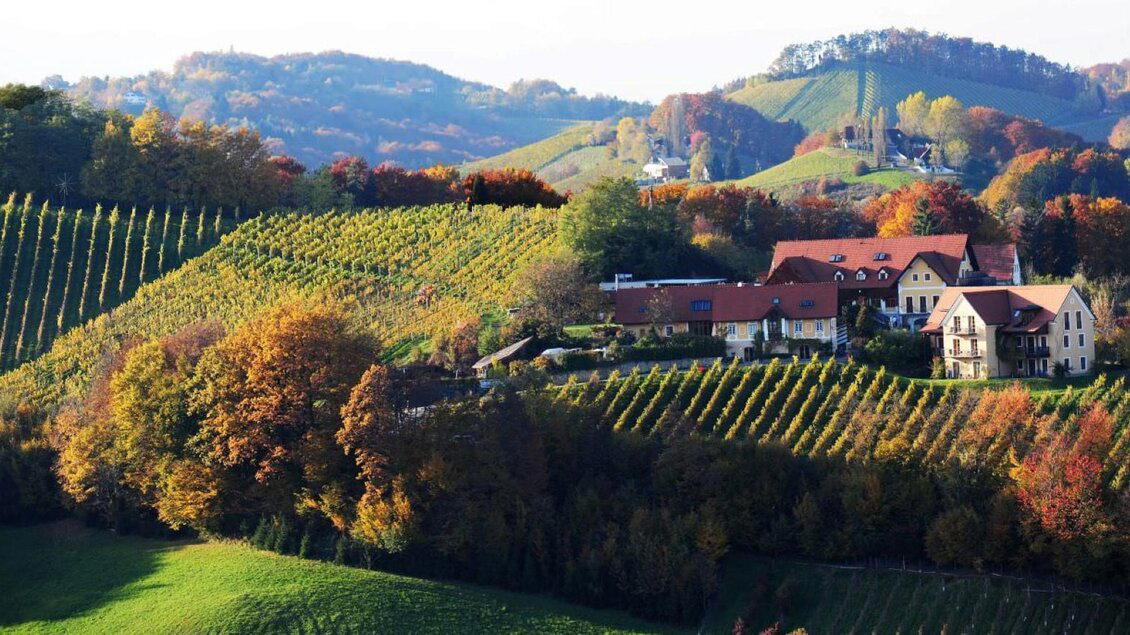
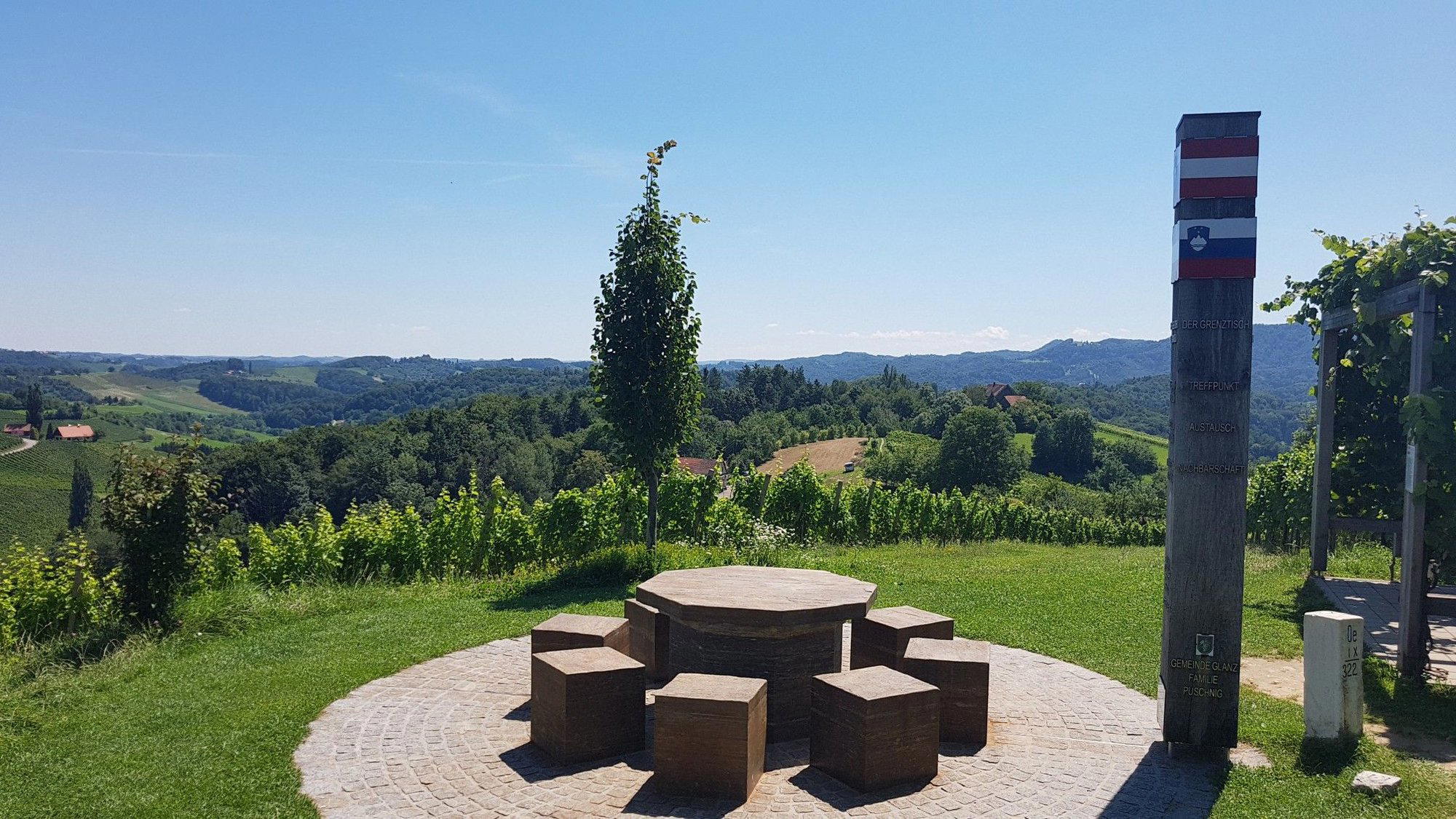
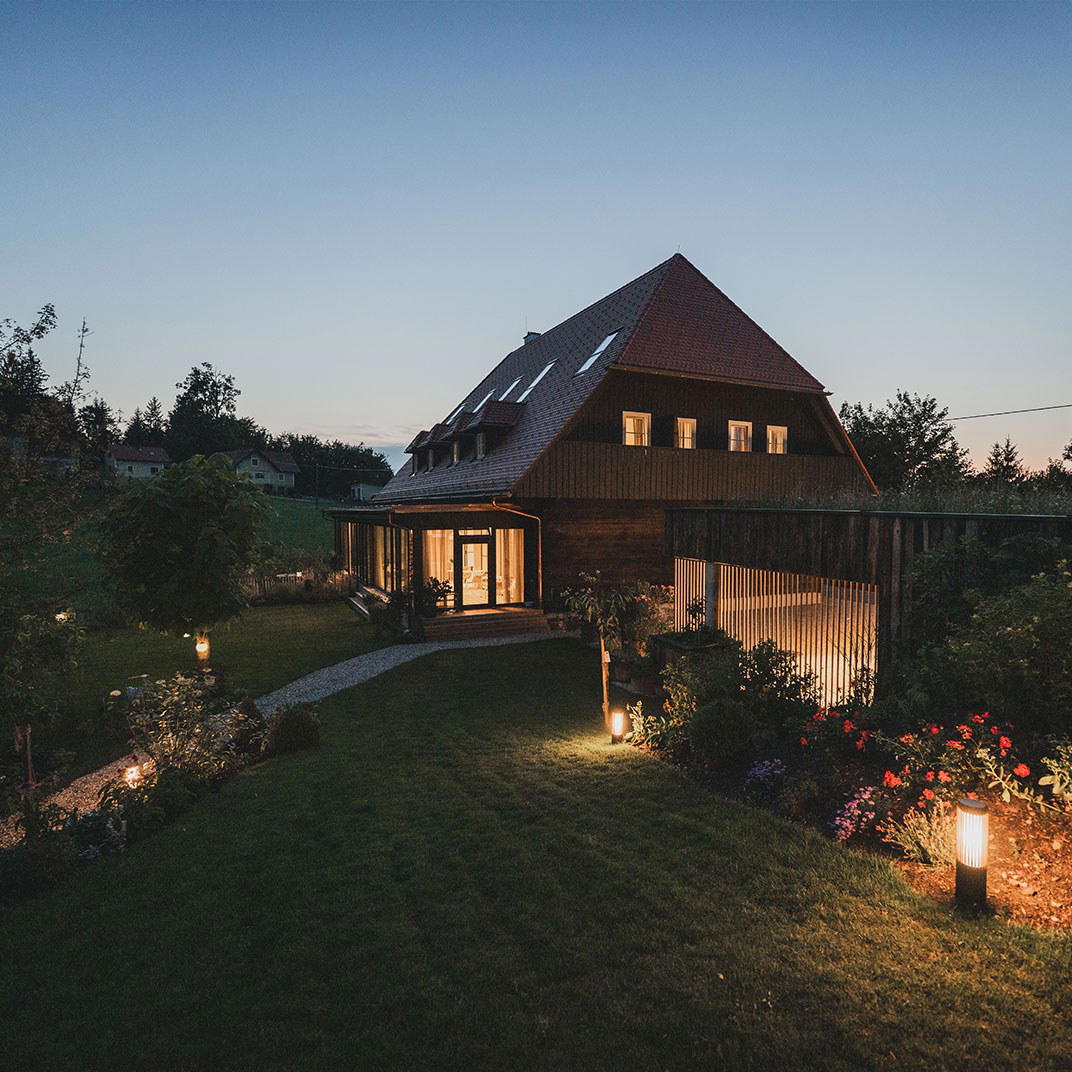
St. Johann im Saggautal is a small village community in the southern Styrian wine country, south of Leibnitz and within reach of the Slovenian border. The roads approaching from Leibnitz pass through vineyard-covered hillsides, with roadside orchards appearing more frequently as you move deeper into the valley. The address at number 13 places Stelzl in the agricultural heart of the village rather than on a main thoroughfare, which is typical for farm distilleries in this part of Austria. You are arriving at a working property, not a purpose-built visitor attraction, and the atmosphere reflects that.
This category of destination, the farm distillery accessible by appointment in rural southern Styria, draws a specific kind of visitor: someone already oriented toward Austrian craft spirits, often arriving after visits to the region's wine producers, or combining a distillery call with time spent exploring the Saggau or Sulm valley wine routes. For context on the broader southern Styrian producer network, Weingut Wohlmuth in Kitzeck sits a short distance north in Kitzeck im Sausal, one of the highest wine-growing villages in Europe, and represents the wine counterpart to Stelzl's spirit focus. Combining the two in a single itinerary through southern Styria makes geographical and thematic sense.
How Stelzl Compares Within Austria's Premium Craft Distillery Set
Austria's premium craft distillery category is smaller than Germany's or Switzerland's in absolute numbers, but it punches above its size in award recognition per producer. The Abfindungsbrennerei Franz in Leithaprodersdorf represents a different Burgenland tradition, while producers in the alpine north such as those near Salzburg and Upper Austria operate with different raw material profiles. Southern Styrian distillers like Stelzl work primarily with the stone and pome fruits that define this corridor, which means their competitive set is regional rather than national in the most meaningful sense.
That is a different signal than a local agricultural fair medal, which reflects how the distillery is being tracked by the specialist sector rather than simply the broader regional food and drink scene.
Visitors who have already engaged with the Austrian wine scene through recognised producers like Weingut Bründlmayer in Langenlois, Weingut Emmerich Knoll in Dürnstein, or Weingut Kracher in Illmitz will find that the quality discourse at Stelzl operates at a comparable level of seriousness, simply in a different category.
Planning Your Visit
St. Johann im Saggautal is accessible by car from Leibnitz, approximately 15 kilometres to the north, which itself is served by the Graz-Spielfeld rail line. Graz is the nearest major hub. Given the rural address and the specialist nature of the operation, arriving without prior confirmation is a risk. Those building a southern Styrian itinerary should treat Stelzl as an appointment visit and plan accordingly, pairing it with wine calls in the Sausal or Kitzeck area to make the drive worthwhile. For a fuller picture of what the region offers across both wine and spirit production, see our full St. Johann im Saggautal restaurants guide.
How It Stacks Up
Comparable venues nearby, for context on price, style, and recognition.
| Venue | Cuisine | Price | Awards | Notes |
|---|---|---|---|---|
| Feindestillerie StelzlThis venue — the venue you are viewing | Williams Christ pear, Zwetschke plum | $50–100 | Not listed | Not listed |
| Brennerei Schwarzenberger | Winery | Not listed | Not listed | Haiming |
| Kraxenbräu Distillery | Winery | Not listed | Not listed | Schladming |
| Private Distillery Weisz | Winery | Not listed | Not listed | Gols |
| Weingut Markus Huber | Grüner Veltliner, Riesling | Not listed | Falstaff Winery - 4 Stars | Reichersdorf |
| Stock Austria Distillery | Winery | Not listed | Not listed | Vienna |
Continue exploring
More in St. Johann im Saggautal
Wineries in St. Johann im Saggautal
Browse all →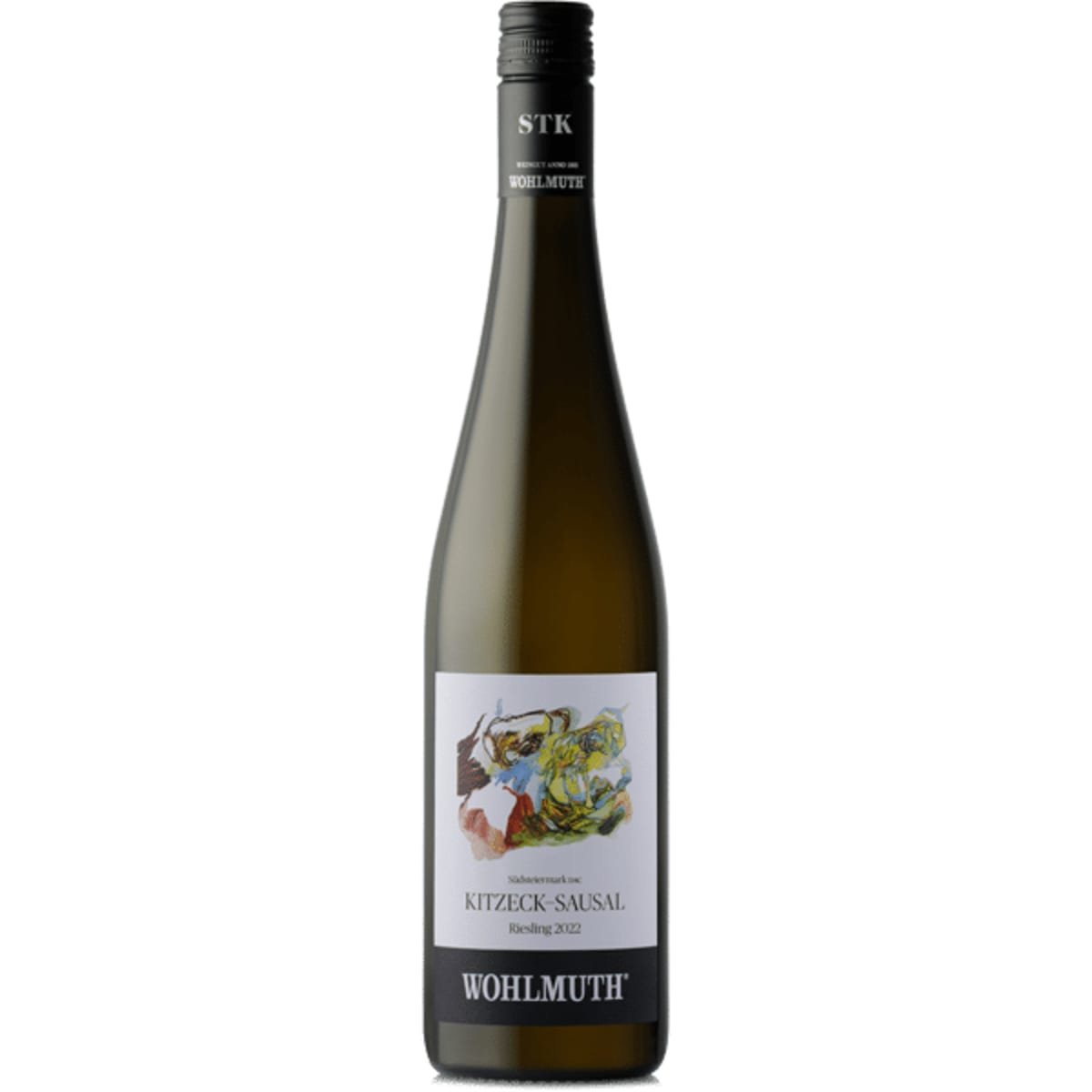
Bars in St. Johann im Saggautal
Browse all →
Restaurants in St. Johann im Saggautal
Browse all →

Details
- Classic
- Rustic
- Intimate
- Solo Exploration
- Special Occasion
- Group Outing
- Historic Building
- Private Tasting
- Sustainable
- Vineyard
- Williams Christ Pear
- Zwetschke Plum
- Fortified
- Spirits Tasting
- Guided Tasting
- German
- English
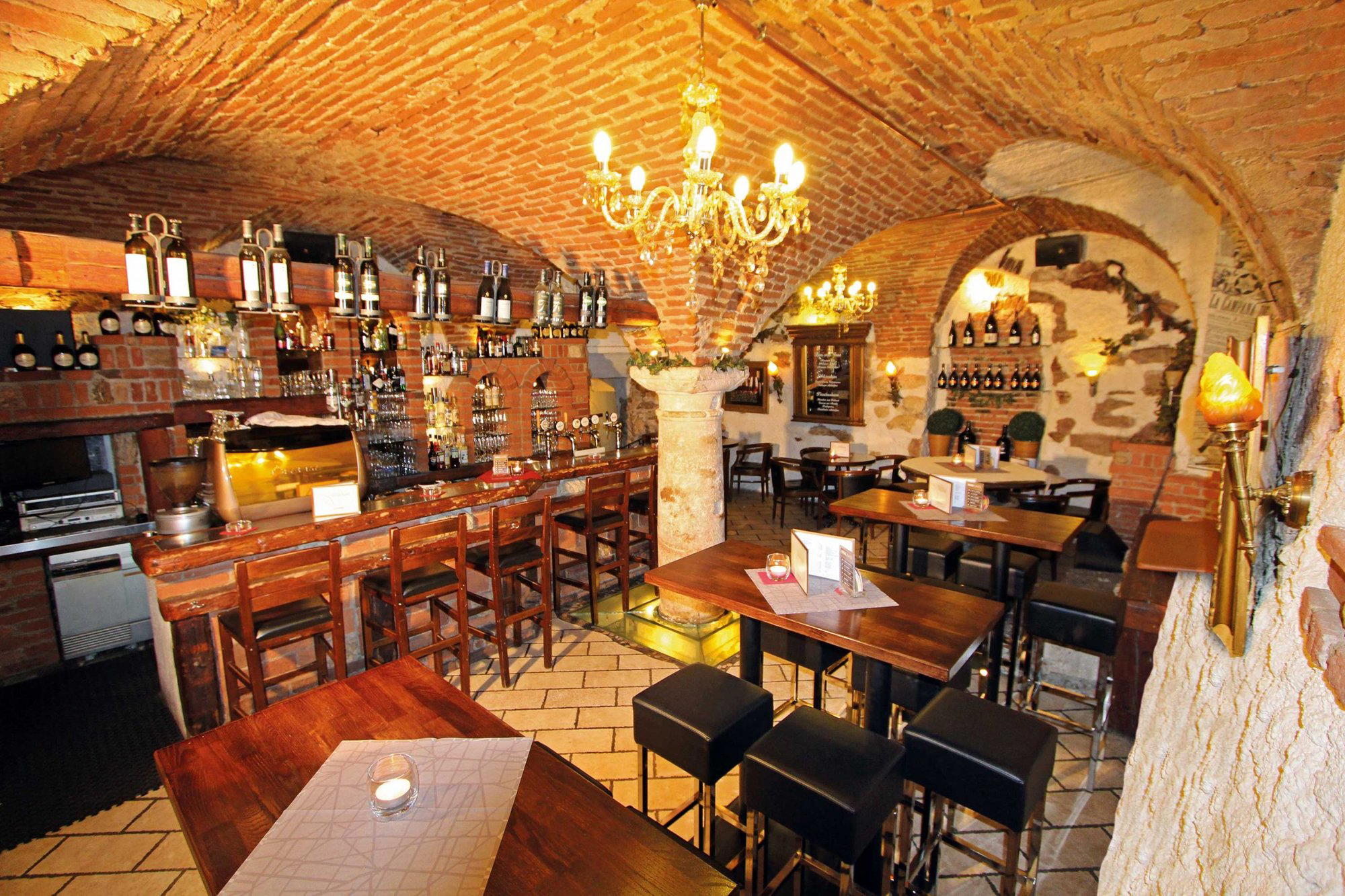
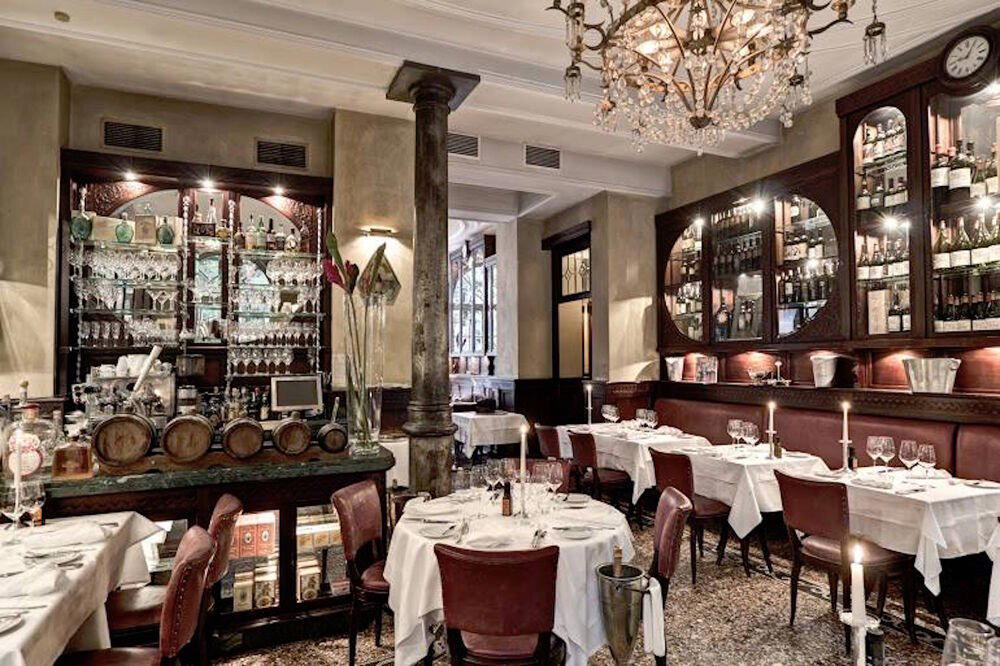
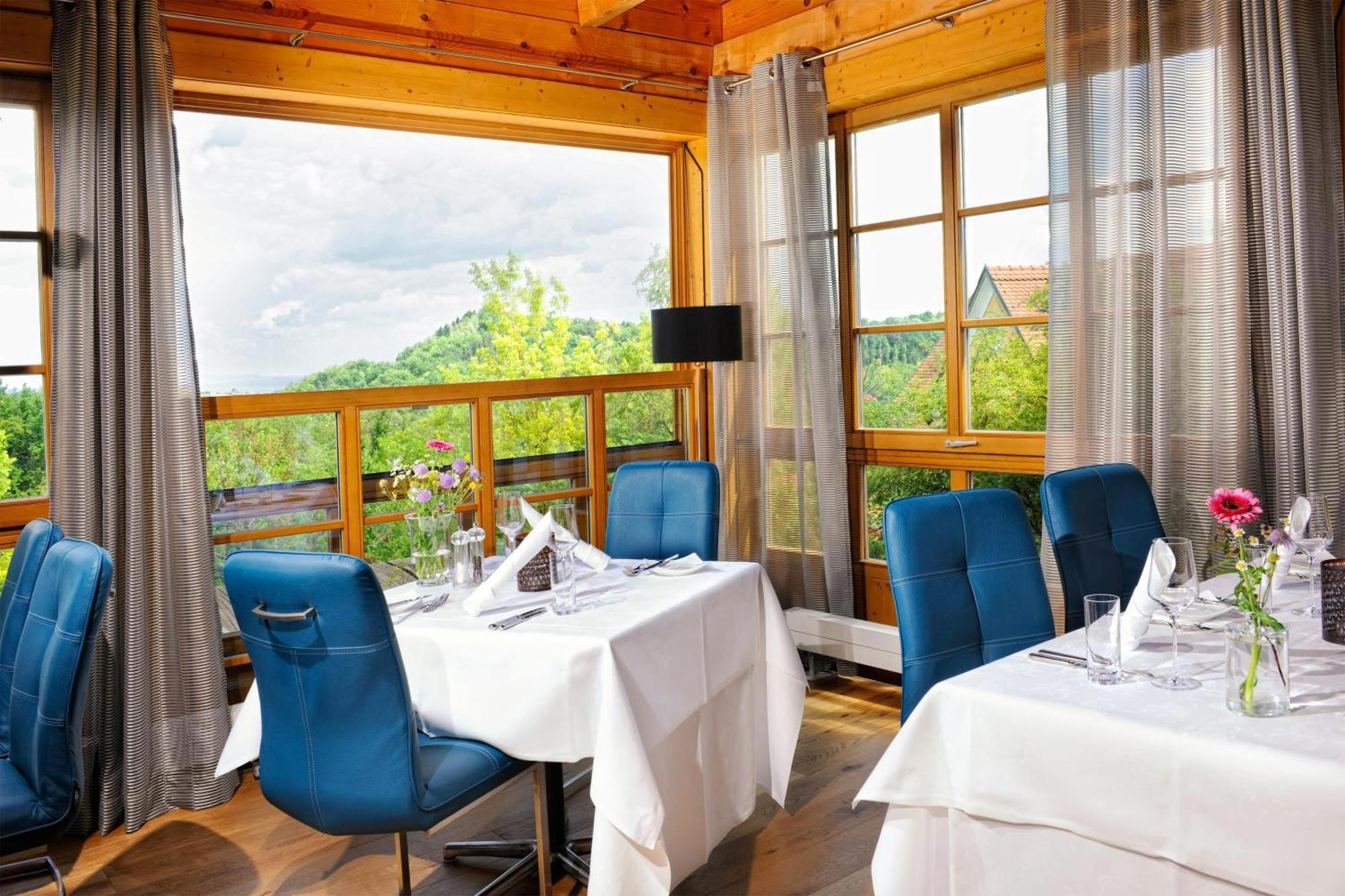
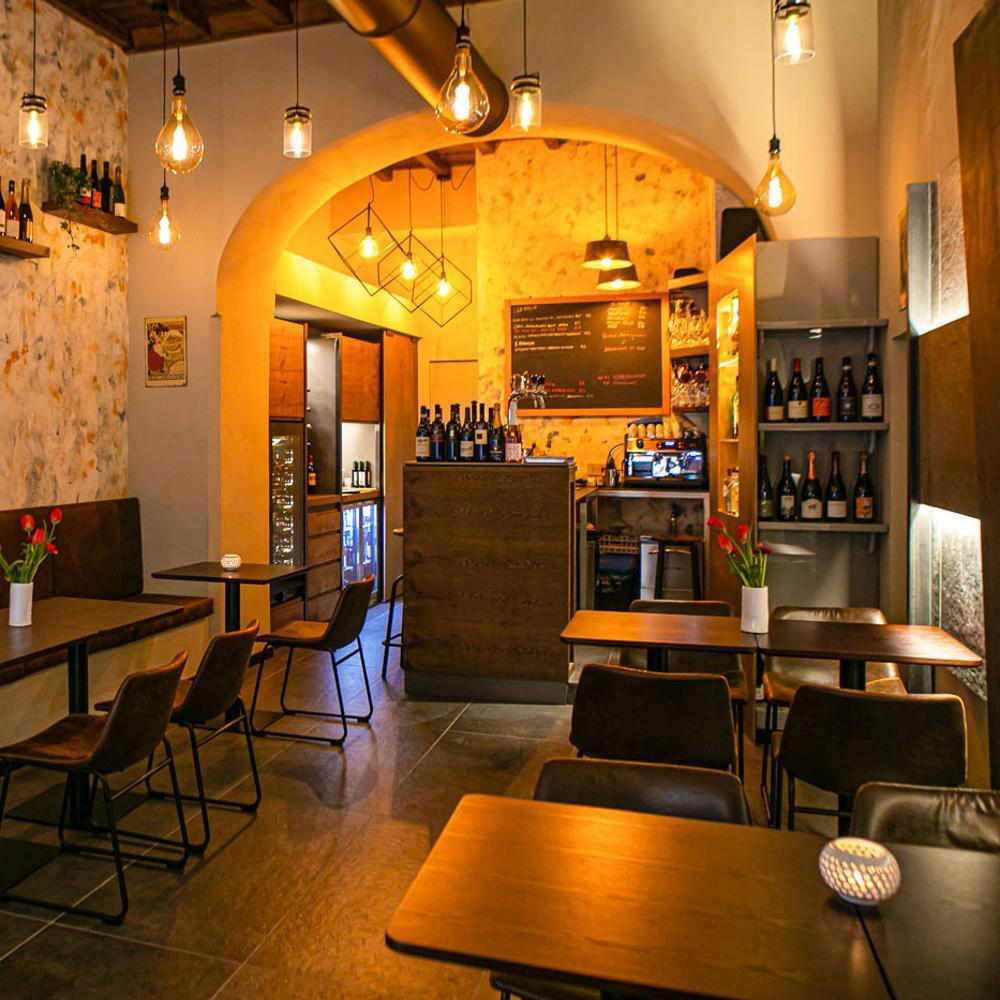
Traditional and artisanal, with a historic cellar tasting setting and a production-focused distillery atmosphere.