Destillerie Krauss
Destillerie Krauss operates out of the Styrian hills near Schwanberg, in a corner of Austria where small-batch distilling is tied closely to the agricultural character of the land.

Pearl is the En Primeur Club membership app — saves, bookings, and concierge access live there. Same editors, same standards.
- Address
- Aigen 52, 8543 St. Martin im Sulmtal
- Phone
- +43 3465 20800
- Website
- distillery-krauss.com
- Directions
- Get directions
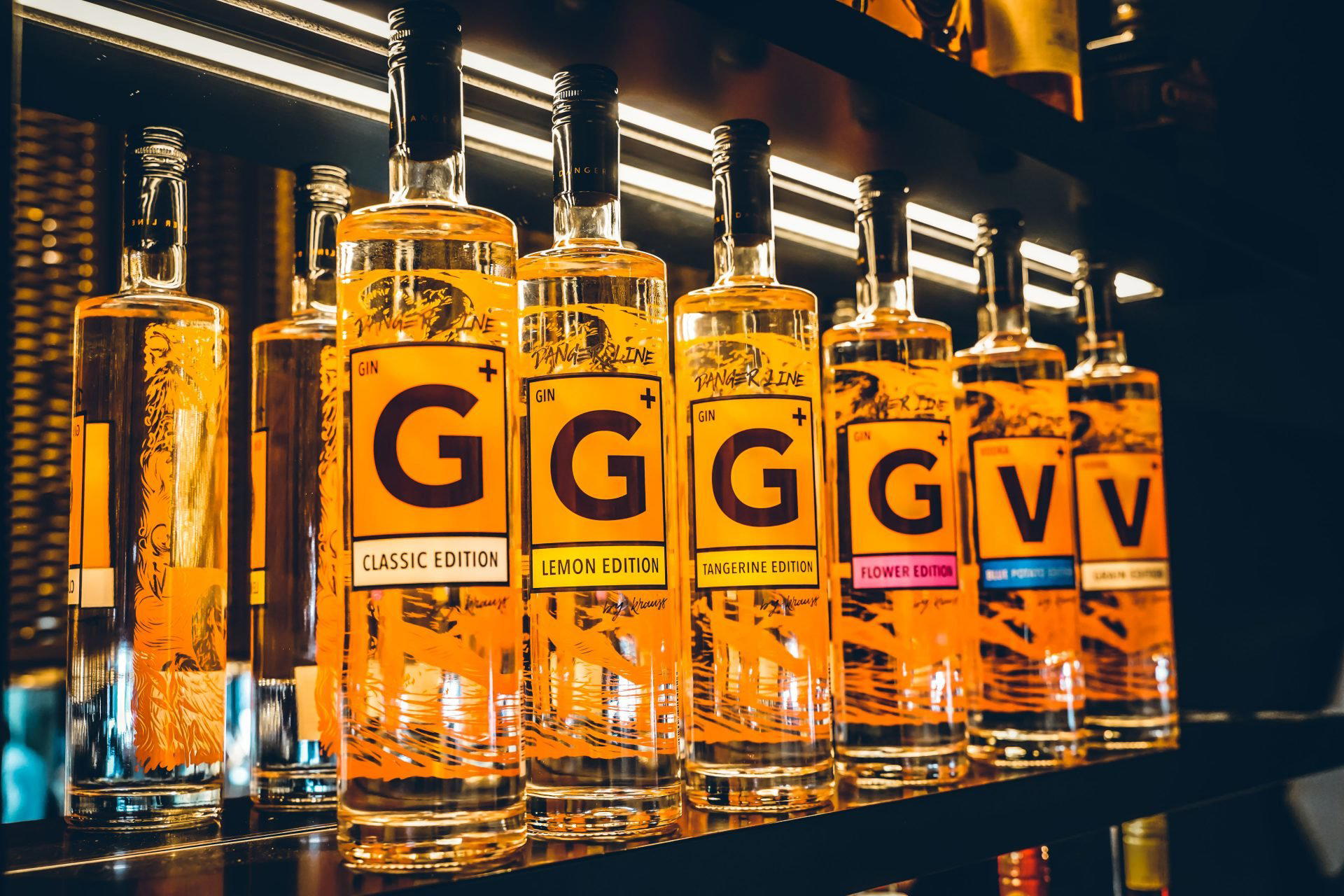
Where the Styrian Hills Shape the Spirit
Southern Styria occupies a specific position in the Austrian drinks map: a region better known for its white wines and pumpkin oil than for distilling, yet one whose cool continental climate and sloped terrain have historically supported small-scale spirits production alongside its better-publicised agricultural exports. The valley around St. Martin im Sulmtal, where Destillerie Krauss operates at Aigen 52, sits inside this quieter tradition. The address alone places it in working agricultural Styria rather than in any tourist circuit, which is partly the point. Distilleries that carry serious production credentials in this part of Austria tend to be found on farm roads rather than in pedestrianised centres.
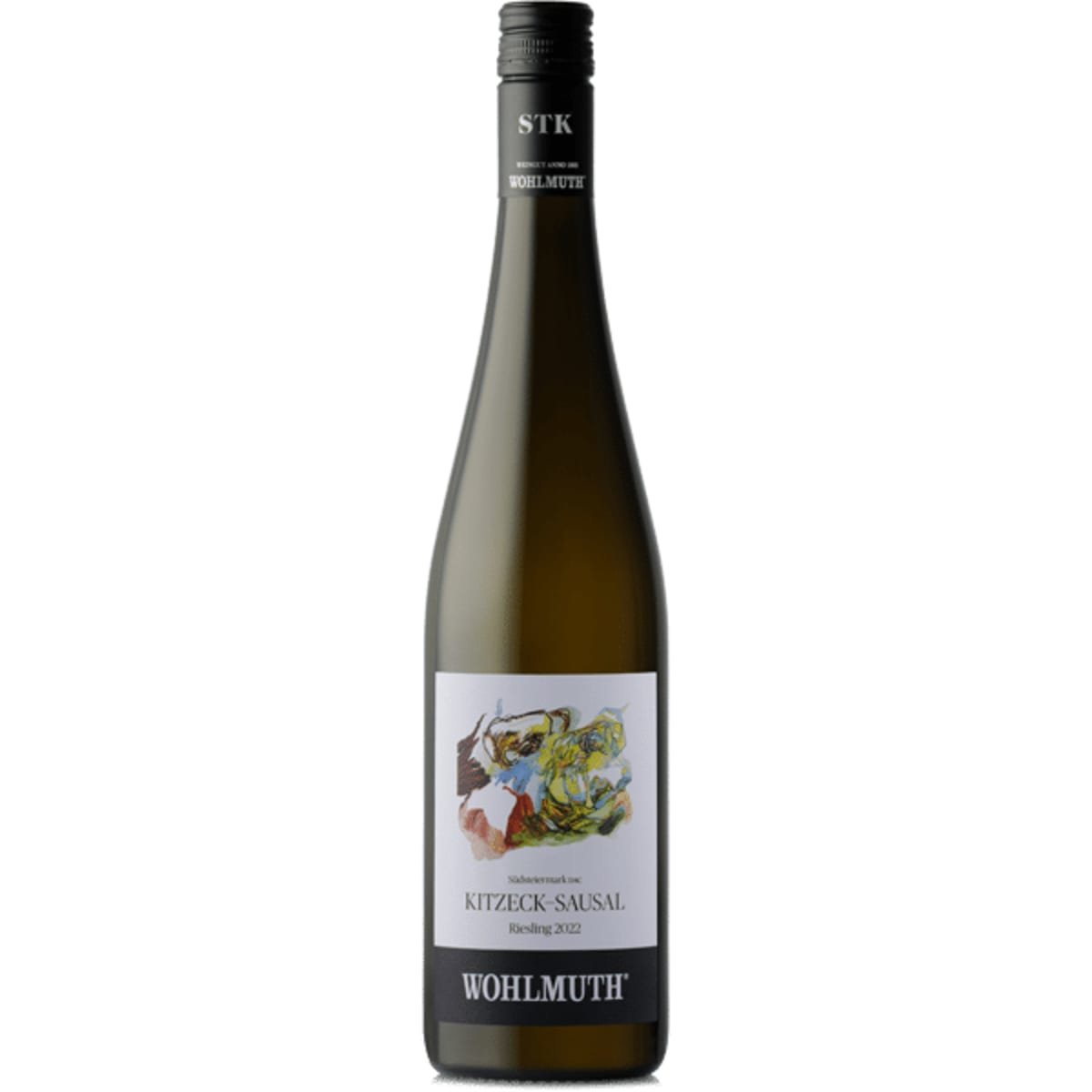
The region shares latitudinal and climatic characteristics with the Sausal and Schilcherland wine zones nearby, where diurnal temperature shifts and relatively poor soils push fruit toward concentration and aromatic precision. That same logic applies to fruit destined for distillation: slow ripening, high acidity, and pronounced varietal character translate well into spirit, particularly in the Austrian Obstbrand tradition. Weingut Wohlmuth in Kitzeck operates in adjacent Styrian terrain and illustrates the broader regional emphasis on site-specific expression, even if spirits and wine follow different production paths.
Austrian craft distilling has increasingly fragmented into tiers defined by award recognition, production method, and distribution ambition. At one end sit large commercial producers supplying national retail; at the other, small-batch operations whose output is limited, whose methods are labour-intensive, and whose recognition comes through specialist awards rather than supermarket shelf presence. Destillerie Krauss falls into the latter category. That placing signals meaningful quality validation within a competitive field that includes operations across Styria, Carinthia, and the Alpine foothills.
For context, the Austrian spirits landscape has produced internationally recognised producers in categories from fruit brandy to grain spirit. Operations like Weingut Scheiblhofer Distillery in Andau and 1310 Spirit of the Country Distillery in Sierning demonstrate the range of approaches taken across different Austrian regions, from Burgenland fruit-forward styles to Alpine grain expressions. Krauss operates within this broader peer field, distinguished by its Styrian agricultural base and its 2025 prestige recognition.
The Terroir Argument in Distilling
The idea that distilled spirits carry terroir, in the way wine does, remains contested in production circles. The counter-argument holds that distillation strips site-specific character more completely than fermentation does. The more nuanced position, supported by producers in Alsace, Normandy, and Austria's own fruit-brandy tradition, is that raw material quality and site conditions establish a ceiling that the distiller either reaches or falls short of. In the Sulmtal valley, the raw material argument is made through fruit: Williams pear, Mirabelle plum, and quince grown in Styrian orchards where the combination of moderate rainfall, adequate sun hours, and cool nights produces fruit with structural acidity alongside sweetness.
Whether or not distillate from these orchards carries traceable terroir character in a technical sense, the production tradition around St. Martin im Sulmtal is materially connected to the agricultural specifics of the area. That is a different and more defensible claim than a generically applied terroir label. The comparison with wine is instructive: just as Weingut Emmerich Knoll in Dürnstein draws its identity from the particularities of Wachau loess and gneiss, a serious Styrian distillery draws from the fruit character that the local growing conditions make possible. The link is real, even if the mechanism is different.
Austrian Craft Distilling in a European Frame
Austrian craft distilling does not yet command the same international attention as Scottish single malt or Cognac, but it occupies a well-defined specialist niche. Fruit brandy, classified under the Obstler or varietal Edelbrand categories, has a documented tradition in the Alpine and pre-Alpine regions stretching back centuries. The modern premium tier has refined production technique, moved toward single-variety releases, and invested in longer resting and barrel selection where appropriate. Austrian producers now appear regularly in European spirits competitions, and the category has gained export traction in Germany, Switzerland, and increasingly in the United Kingdom and Benelux.
Within that frame, Styrian producers occupy a particular sub-niche: slightly warmer and wetter than Tyrolean or Vorarlberg counterparts, their fruit profiles tend toward softer stone fruit and pear rather than the harder Alpine varieties. Operations like A. Batch Distillery in Bergheim and 1404 Manufacturing Distillery in Sankt Peter-Freienstein sit in different regional and stylistic registers, illustrating how much variation exists within the Austrian craft category. Internationally, the tradition connects to Alsatian eau-de-vie and to the broader European Obstbrand tradition, making producers like Aberlour in Aberlour an instructive comparative reference for how geographic appellation and heritage can anchor a category's international identity over time.
Planning a Visit to the Sulmtal Valley
Schwanberg and the surrounding Sulmtal area sit in the southern Styrian wine country, roughly an hour's drive south of Graz along routes that pass through the Sausal wine zone. The region receives fewer visitors than the Südsteiermark's more publicised wine road to the east, which means small producers here operate without the infrastructure of a well-trodden tourist route. That has practical consequences: visiting requires direct contact with the producer, planning around agricultural schedules, and a degree of advance preparation that is not required at more commercially oriented destinations.
Martin im Sulmtal or through the Austrian spirits trade bodies that maintain producer directories. The address at Aigen 52 is verifiable, and the location in the Sulmtal valley makes it a logical pairing with a broader Styrian itinerary that might include the wine estates of the Sausal or the villages around Leibnitz. For broader orientation in the region, our full Schwanberg restaurants and producers guide covers the surrounding area in more depth. Austrian wine and spirits tourism in this corridor also connects to estates further north: Weingut Bründlmayer in Langenlois, Weingut Kracher in Illmitz, Weingut Pittnauer in Gols, and Weingut Heinrich Hartl in Oberwaltersdorf all represent Austrian producers with strong award credentials, and together they sketch the geographic and stylistic range available to a serious producer-focused itinerary across Austria. For those extending further afield, Accendo Cellars in St. Helena and Abfindungsbrennerei Franz in Leithaprodersdorf offer comparative reference points for small-production prestige positioning in very different geographic contexts, while 1516 Brewing Company Distillery in Vienna demonstrates how Austrian distilling traditions translate into an urban production setting.
Comparable Venues
Comparable venues nearby, for context on price, style, and recognition.
| Venue | Cuisine | Notes |
|---|---|---|
| Destillerie KraussThis venue — the venue you are viewing | plum, pear | Not listed |
| Kraxenbräu Distillery | Winery | Schladming |
| Destillerie Weisz | Winery | Neckenmarkt |
| Mühlbauer Distillery | Winery | Zwettl |
| Privatbrennerei Hiebl | Winery | Reikersdorf |
| Aeijst Gin Distillery | Südsteiermark | Sankt Nikolai im Sausal |
Continue exploring
More in Schwanberg
Wineries in Schwanberg
Browse all →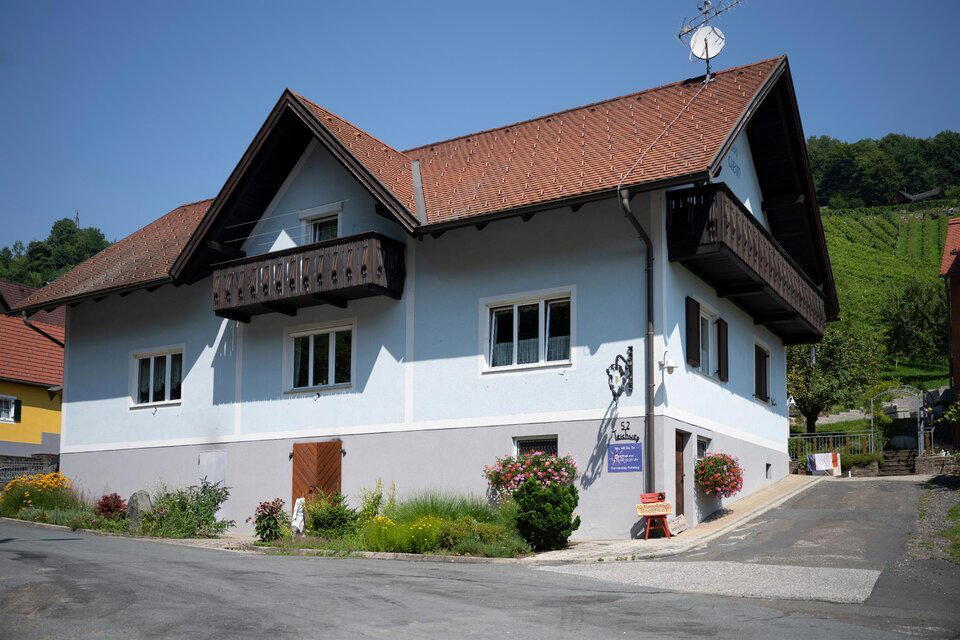

Bars in Schwanberg
Browse all →
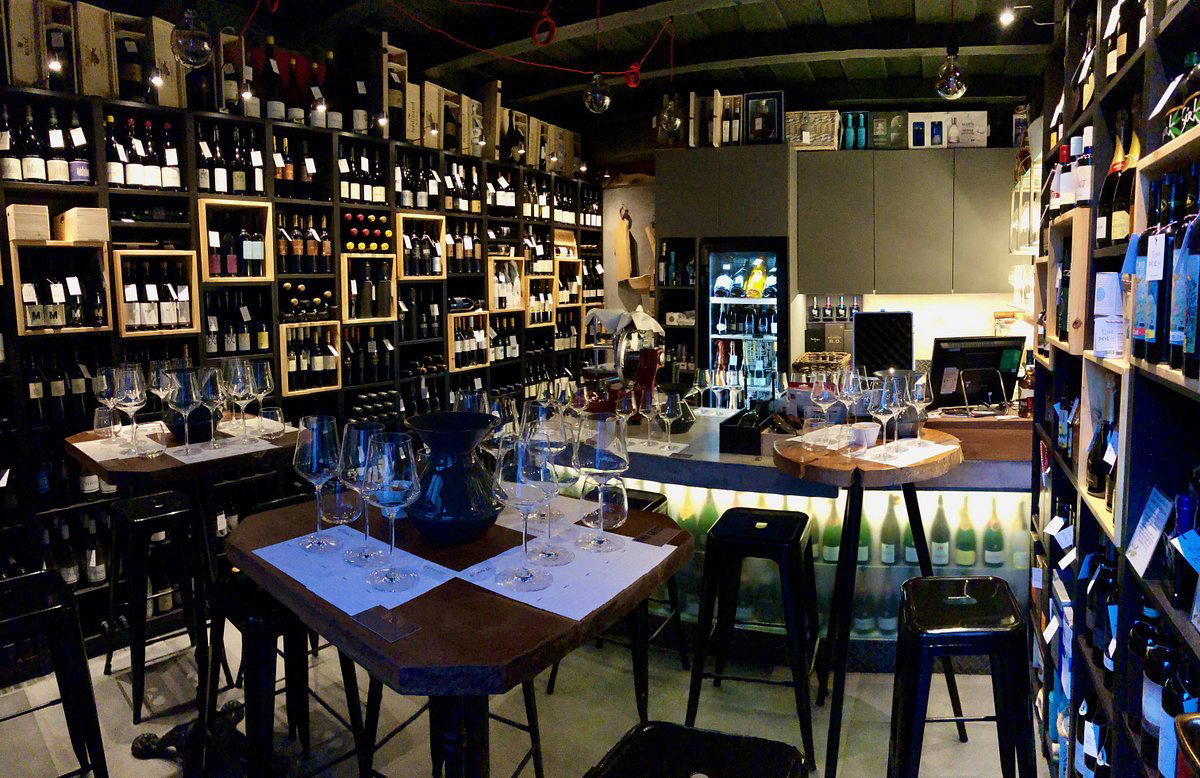
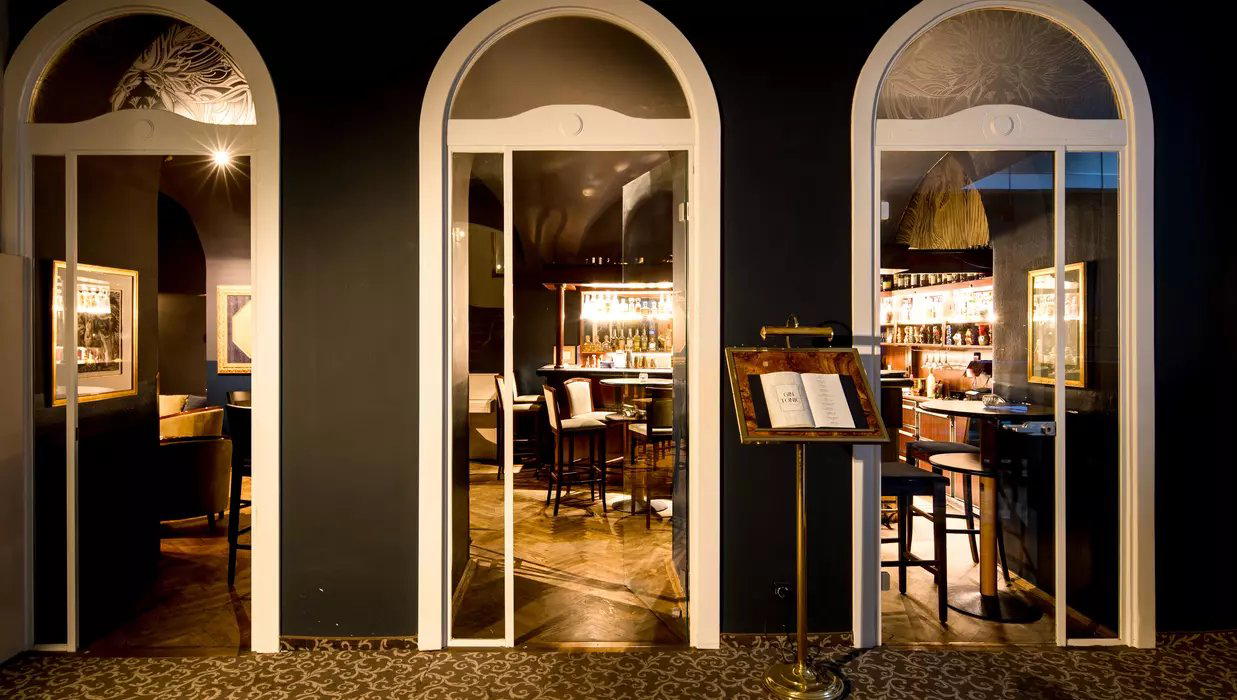
Restaurants in Schwanberg
Browse all →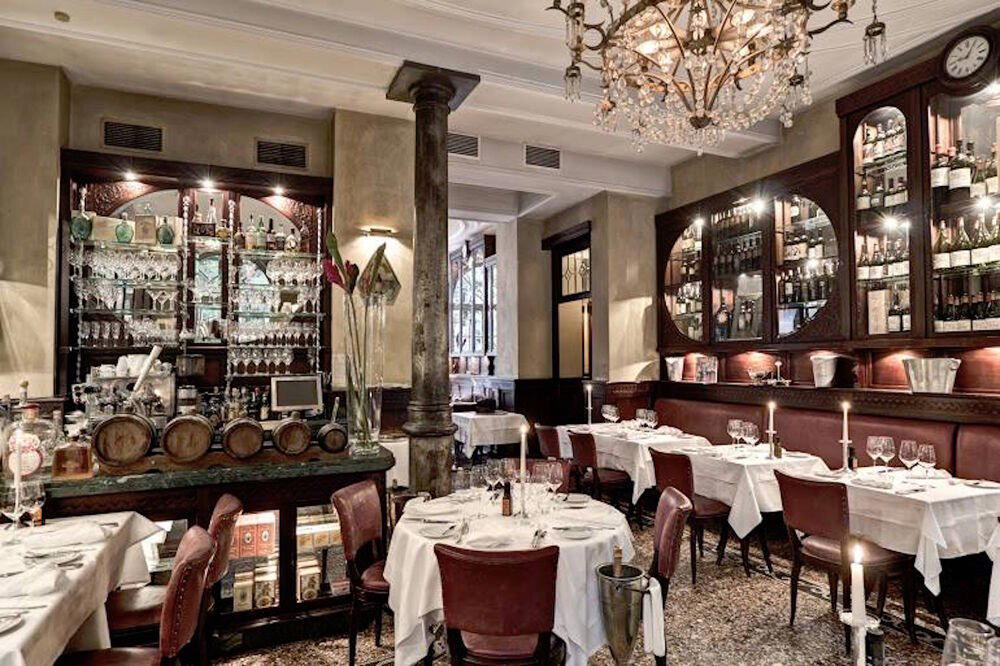
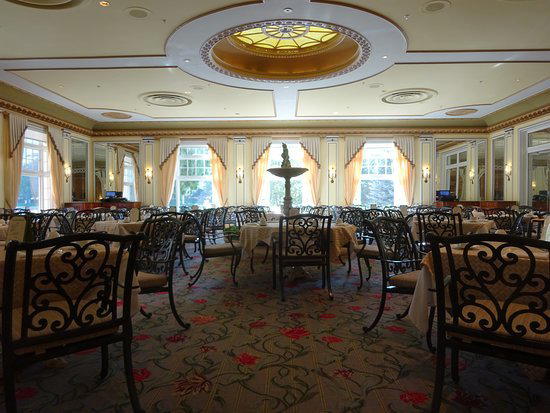

Details
- Wine Education
- Estate Grounds
- Organic
- Mountain
- Plum
- Pear
- Apple
- Grape
- Raspberry
- Cave Tasting
- German
- English
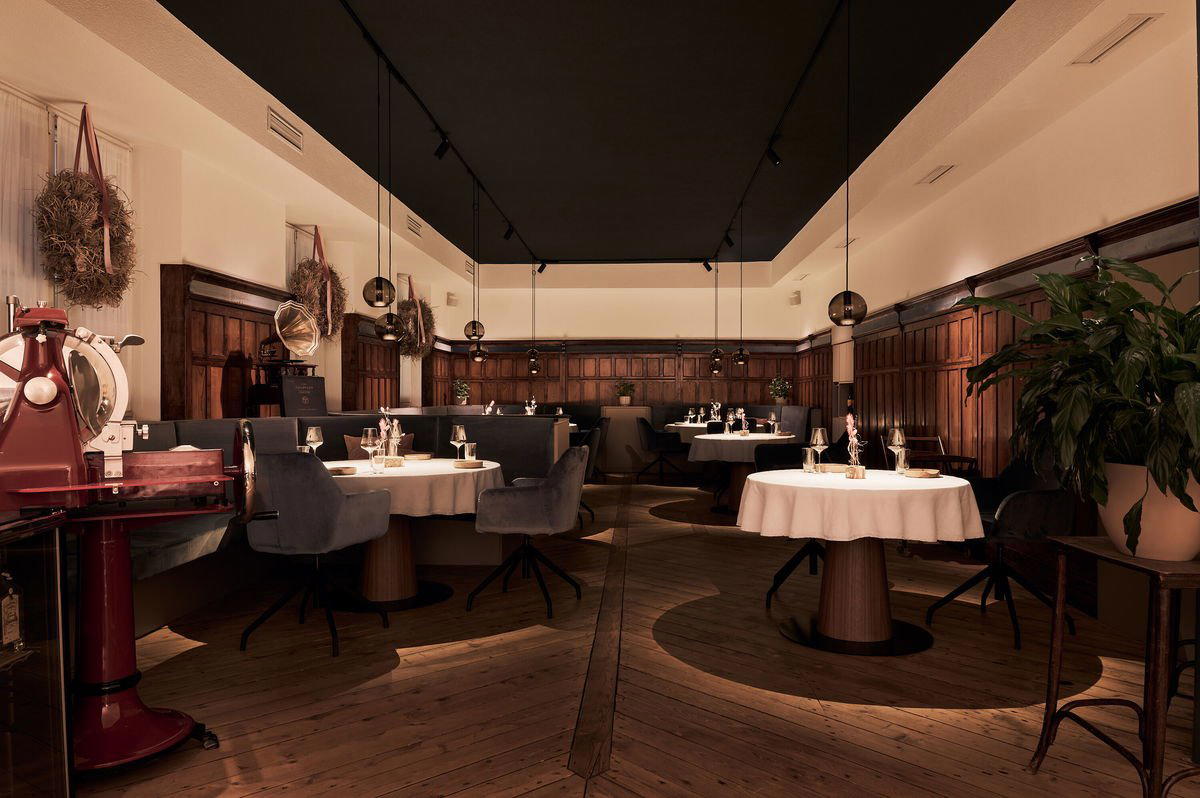
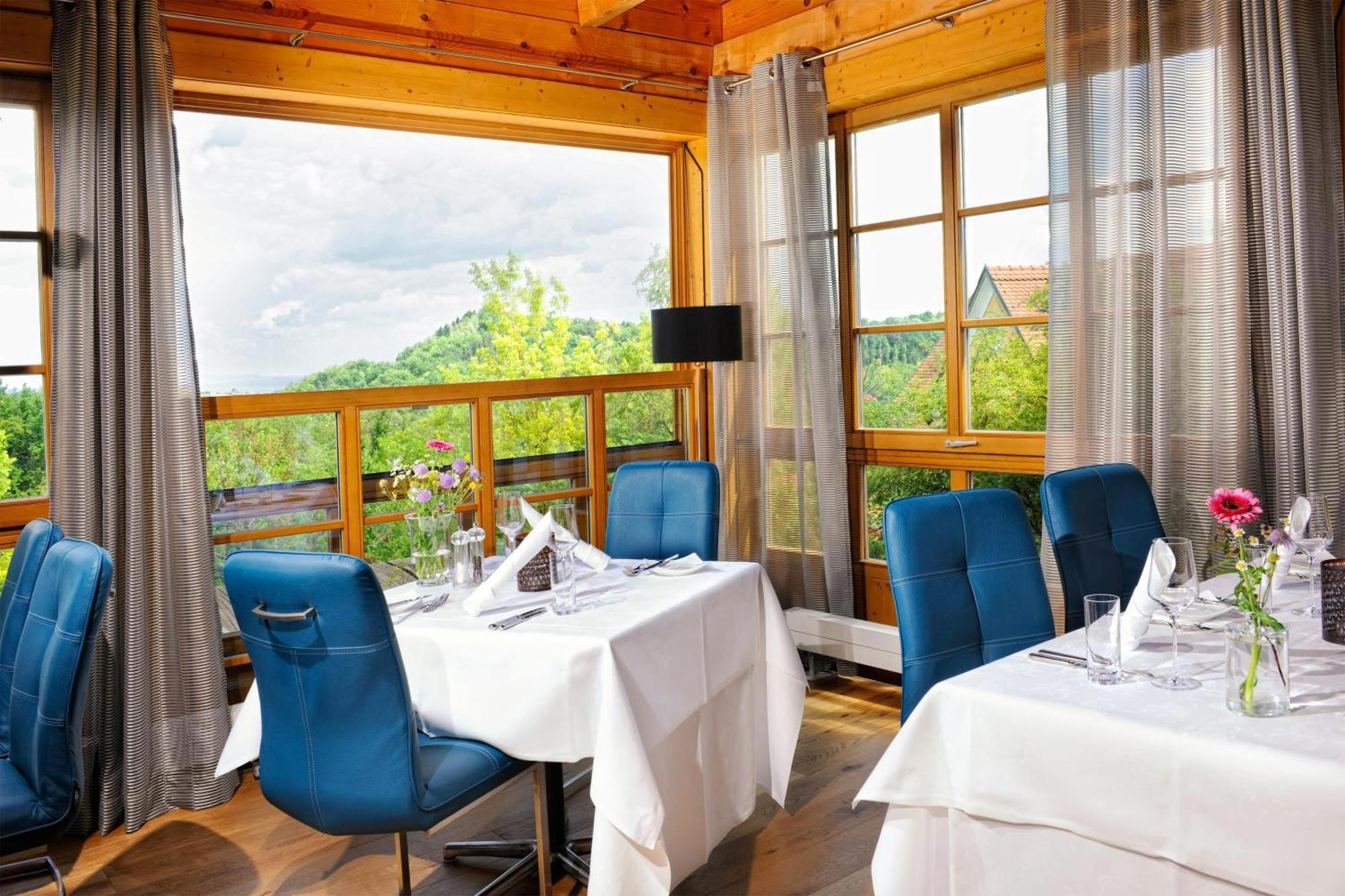
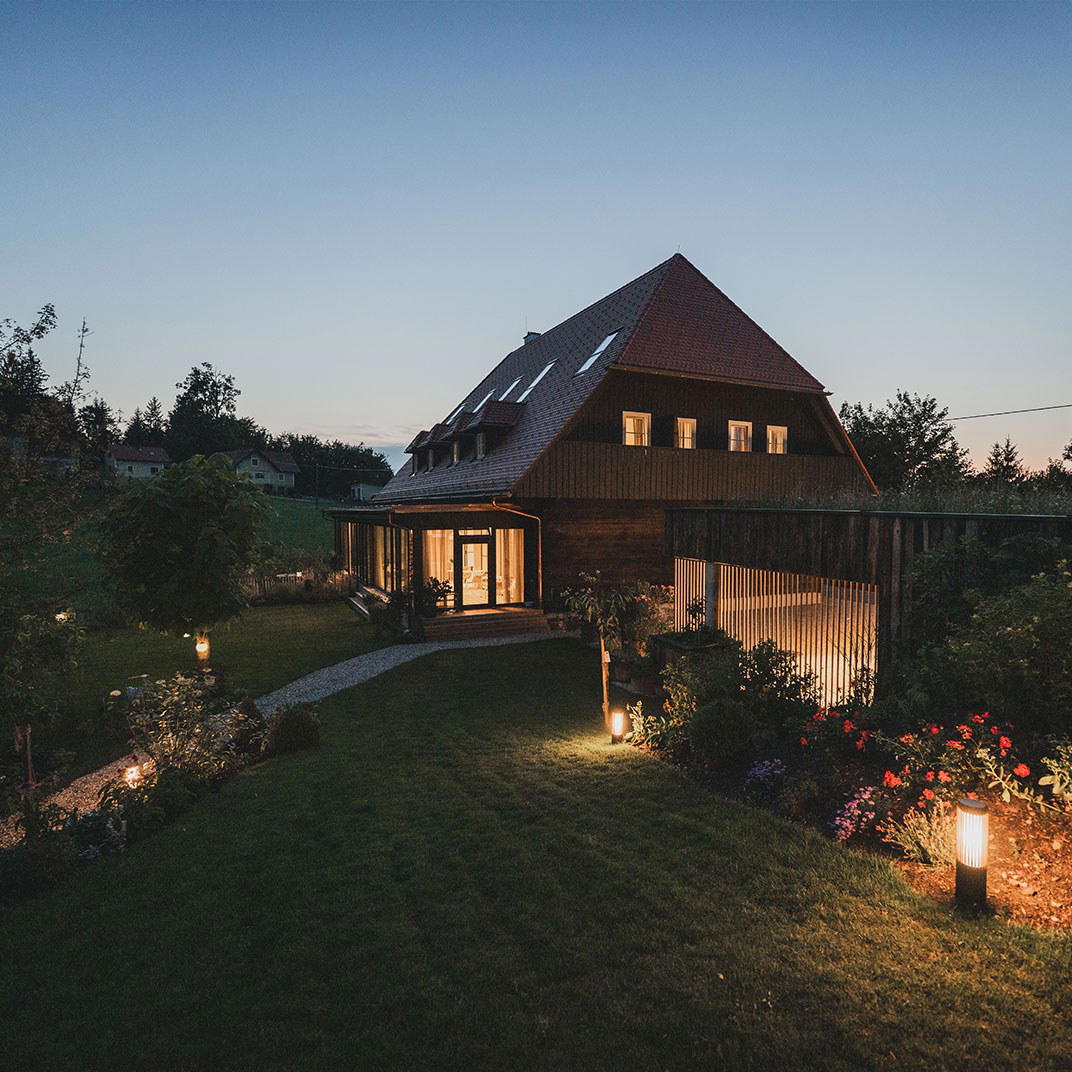
Rustic garage distillery atmosphere with focus on craftsmanship and purity.