
Tabelog 100 #70
Our verdict
Ginpachitei Yazawa sits in Kameari, a residential pocket of Katsushika far from central Tokyo's dining circuit, where the absence of tourist infrastructure tends to filter out casual visitors. The restaurant operates at a remove from the Michelin-dense clusters of Ginza and Minami-Aoyama, placing it in the tradition of neighbourhood specialists that Tokyo's food culture has always sustained quietly alongside its flagship venues.

Pearl is the En Primeur Club membership app, where members save venues, book tables and use the concierge.
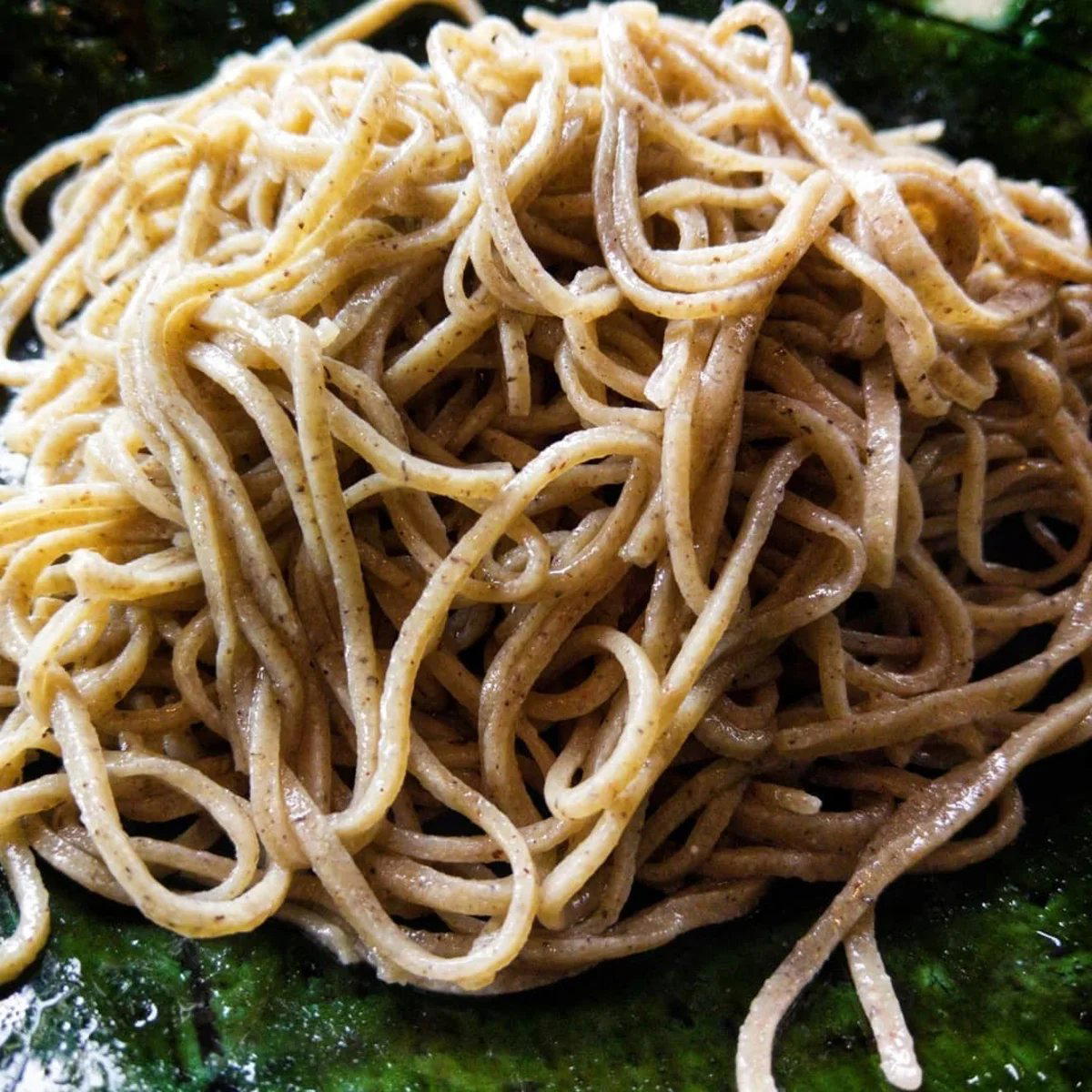
Katsushika at the Table: What a Neighbourhood Restaurant Reveals About Tokyo Dining
The Kameari district in Katsushika Ward sits at the far northeastern reach of Tokyo's Yamanote orbit, past the point where most dining itineraries stop. The streets around Kameari Station follow the logic of a working residential neighbourhood rather than a gastronomic quarter: local shotengai arcades, family-run establishments, low foot traffic from visitors. It is exactly the kind of address where Tokyo's most enduring neighbourhood restaurants tend to operate, sustained by regulars rather than reservation platforms, and largely absent from the lists that aggregate central-Tokyo fine dining.
Ginpachitei Yazawa occupies that context. Its address at 1 Chome-27-8 Kameari places it squarely within this residential fabric, removed from the density of Ginza counters and the Roppongi-to-Aoyama corridor where the city's internationally recognised dining scene concentrates. Understanding what Ginpachitei Yazawa is requires understanding what that positioning means in Tokyo's food culture, and why the city's most interesting eating often happens outside the zones that receive the most coverage.
The Geography of Serious Eating in Tokyo
Tokyo's restaurant geography has always split along lines that don't map neatly onto prestige. Central wards, Chuo, Minato, Shibuya, attract the award-chasing venues and the international press; they also carry the overhead that shapes menus, pricing, and the theatrics of the dining room. Outer wards like Katsushika operate differently. The economics allow a different kind of proposition: lower per-cover pressure, a more settled relationship with a local customer base, and less incentive to design an experience for first-time visitors who arrive with a checklist.
This pattern repeats across Japanese cities. Gion Sasaki in Kyoto holds its own against the highest-tier kaiseki rooms partly because its neighbourhood credibility reinforces rather than undercuts its standing. Goh in Fukuoka operates in a city whose restaurant culture is less internationally trafficked than Tokyo or Osaka, yet it commands attention on its own terms. The lesson, repeated across Japan, is that geographic periphery and culinary seriousness are not in conflict.
Within Tokyo itself, the outer wards have produced a long tradition of neighbourhood specialists whose consistency outlasts trendier central options. The dining infrastructure that Katsushika offers, local suppliers, a community that returns weekly rather than annually, the absence of pressure to perform for international audiences, has shaped restaurants in this part of the city for decades.
Reading a Multi-Course Meal as Narrative
Japanese multi-course formats, whether kaiseki-influenced or drawing on other traditions, treat the sequence of dishes as a compositional argument. The logic differs from Western tasting menus that tend toward escalation: Japanese sequencing is more likely to move through registers of intensity and restraint, circling back rather than building to a single climax. Early courses establish seasonal and textural reference points; middle courses carry the structural weight; closing courses return to simplicity. The meal functions as a full arc rather than a collection of highlights.
This structural discipline separates the strongest neighbourhood specialists from more casual operations. A kitchen that has been cooking for the same community over years develops a different kind of confidence with sequencing, less incentive to impress on individual plates, more investment in how the meal reads as a whole. The contrast with central Tokyo's high-profile counters, where individual dishes often carry the full burden of justifying a high cover price, is instructive.
Tokyo's most recognised multi-course venues, RyuGin with its kaiseki framework, L'Effervescence in the French tradition, Sézanne operating at the top of the French fine-dining bracket, all carry significant price and occasion weight. They reward planning, but they also create a particular kind of pressure in the room. The neighbourhood alternative trades that register for something more settled: a pace set by the kitchen rather than by the billing structure, a dining room where the audience already knows the context.
What the address confirms is a positioning far from the central clusters where those data points are most commonly generated. That absence of documented awards should be read in context: Tokyo's outer wards are systematically underrepresented in the major guides relative to their actual restaurant quality, a pattern that affects Katsushika as it does other residential wards.
Ginpachitei Yazawa is unlikely to sit in that bracket, either in pricing or in the type of visitor it attracts, which is precisely what defines its value proposition for a different kind of Tokyo diner.
Japan's broader restaurant network offers useful reference points for this dynamic. HAJIME in Osaka and akordu in Nara both demonstrate how serious cooking operates outside Tokyo's central frame. Further afield, affetto akita in Akita, Aji Arai in Oita, Ajidocoro in Yubari District, Akakichi in Imabari, aki nagao in Sapporo, and Abon in Ashiya each represent the distributed geography of Japanese restaurant culture, where quality does not correlate with proximity to a major transit hub or international hotel district.
For those building a Tokyo itinerary around dining, our full Tokyo restaurants guide maps the full range of options across price tiers and neighbourhoods. The comparison also extends internationally: the neighbourhood-specialist model has analogues at Lazy Bear in San Francisco and the hyper-local sourcing logic of Le Bernardin in New York City, where institutional credibility coexists with a defined, loyal audience.
Planning a Visit: Logistics and Peer Comparison
The following comparison locates Ginpachitei Yazawa against central Tokyo alternatives on the key logistical variables that affect planning decisions.
| Venue | Neighbourhood | Price Tier | Award Profile | Booking Lead Time |
|---|---|---|---|---|
| Ginpachitei Yazawa | Kameari, Katsushika | Not confirmed | Not confirmed | Not confirmed |
| Harutaka | Ginza | ¥¥¥¥ | Michelin-recognised | Months in advance |
| RyuGin | Roppongi | ¥¥¥¥ | Michelin Three Stars | Weeks to months |
| Sézanne | Marunouchi | ¥¥¥¥ | Michelin Two Stars | Weeks in advance |
| Crony | Shibuya area | ¥¥¥¥ | Michelin-recognised | Weeks in advance |
Kameari Station is served by the Tokyo Skytree Line (Tobu), accessible from Asakusa with a direct transfer. Travel time from central Tokyo is longer than for Ginza or Roppongi venues, which is a genuine logistical consideration for a single-evening visit. That journey is also part of what defines the experience: arriving in a neighbourhood that does not perform for visitors shifts the context before you reach the table.
Frequently asked questions
Is a meal at Ginpachitei Yazawa worth the investment?
Price data is not confirmed, which makes a direct value assessment difficult. The relevant comparison is not against Tokyo's ¥¥¥¥ fine-dining circuit, venues like RyuGin or L'Effervescence, but against the neighbourhood-specialist tier where the value equation is different: lower occasion pressure, more consistent regulars, and a kitchen that is cooking for an audience it knows well. That is a different kind of investment from a prestige-dining booking, and for the right visitor, it is the more instructive one.
How does Ginpachitei Yazawa fit into a broader Tokyo dining itinerary?
Ginpachitei Yazawa sits in Katsushika, well outside the central Tokyo corridors that most multi-day dining itineraries follow. Its value within a broader trip is contextual: it represents the residential, locally-oriented side of Tokyo's food culture that the Ginza and Roppongi venues do not. For visitors building an itinerary across multiple meal types, including stops at higher-profile addresses in our Tokyo guide, a visit to Kameari offers a useful counterpoint to the award-circuit dining that dominates most Tokyo food coverage.
Cuisine and Awards Snapshot
Comparable venues nearby, for context on price, style, and recognition.
| Venue | Cuisine | Price | Awards | Notes |
|---|---|---|---|---|
| Ginpachitei YazawaThis venue (the venue you are viewing) | Handmade Soba | Not listed | Tabelog 100 #70 | Not listed |
| Tengoku | Retro Japanese Cafe | $1–10 | Not listed | Asakusa |
| Grill Sakura | Classic Yoshoku (Japanese‑style Western) | $20–30 | Tabelog 100 #18 | Taitō |
| Tonkatsu Yutaka | Traditional Asakusa Tonkatsu & Japanese Cuisine | $10–20 | Tabelog 100 #90 | Taitō |
| Ramen 1/20 | Ramen shop | $10–20 | Tabelog 100 #29 | Arakawa |
| Yakiniku Uguisudanien | Japanese Yakiniku (Grilled Wagyu) | $50–100 | Tabelog 100 #59 | Taitō |
Recognition history
Dated appearances from independent guides and award organizations, with the underlying list record or original source where available.
Tabelog 100 #70 · No. 70
Tabelog · Tabelog 100 - Soba - EAST - 2025
Continue exploring
More in Tokyo
Restaurants in Tokyo
All restaurants in Tokyo →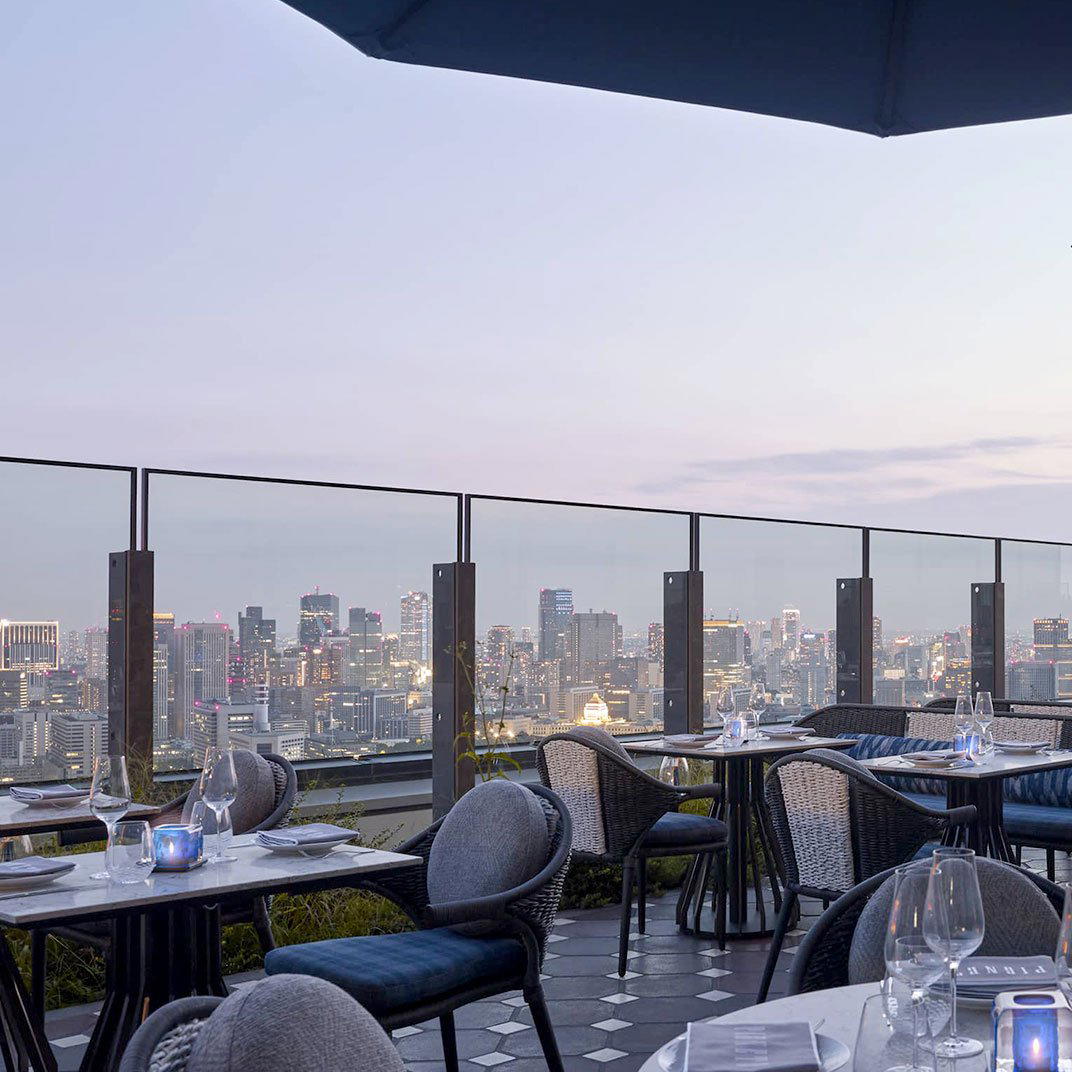
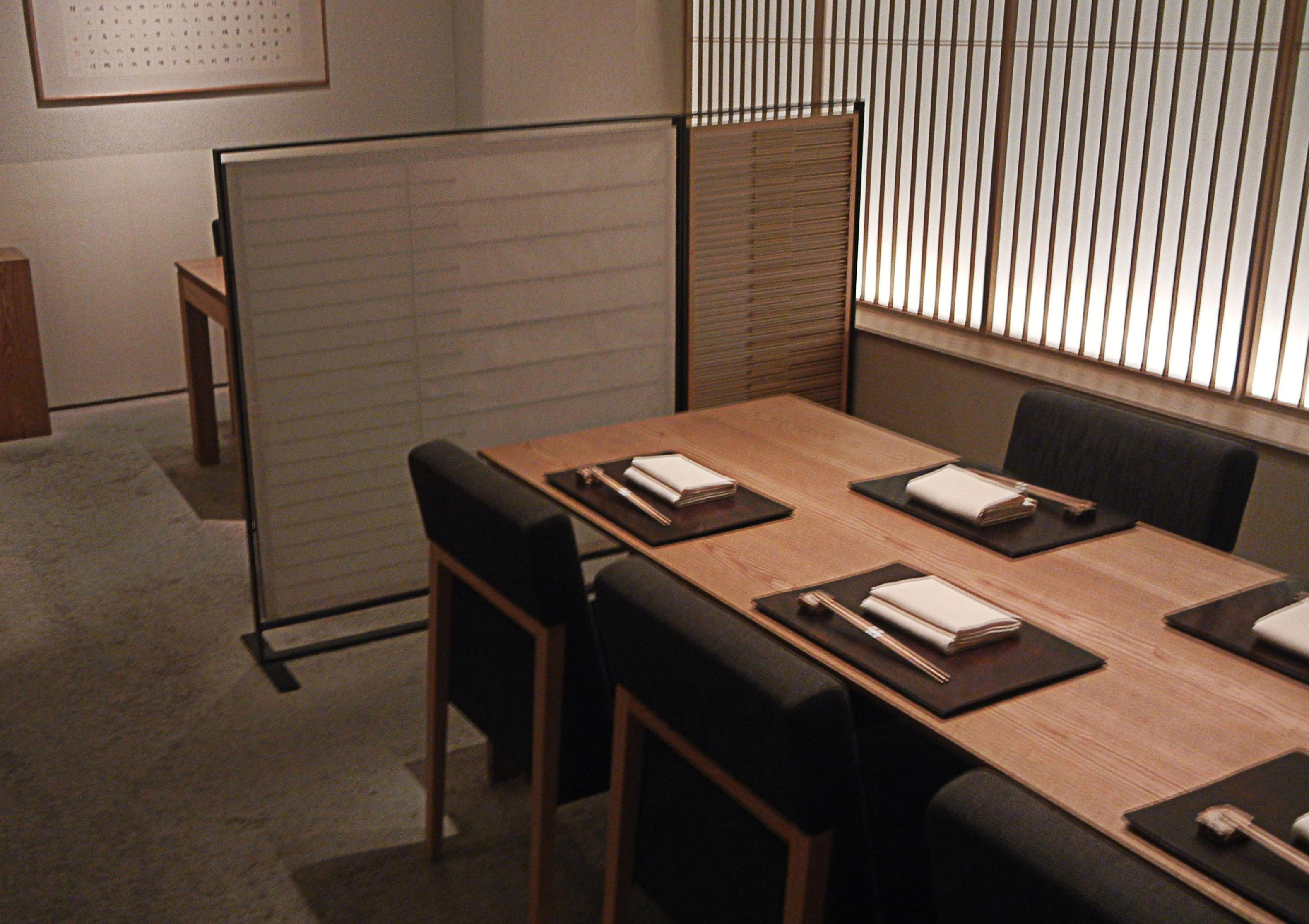



Bars in Tokyo
All bars in Tokyo →

Details
- Classic
- Cozy
- Casual Hangout
- Special Occasion
- Open Kitchen
- Sake Program
- Local Sourcing
- A La Carte
- Sake
Current opening hours
- Monday
- 11:30 AM–3 PM, 5–8 PM
- Tuesday
- 11:30 AM–3 PM, 5–8 PM
- Wednesday
- Closed
- Thursday
- Closed
- Friday
- 11:30 AM–3 PM, 5–8 PM
- Saturday
- 11:30 AM–3 PM, 5–8 PM
- Sunday
- 11:30 AM–3 PM
Hours can change for holidays and private events. Hours as of .
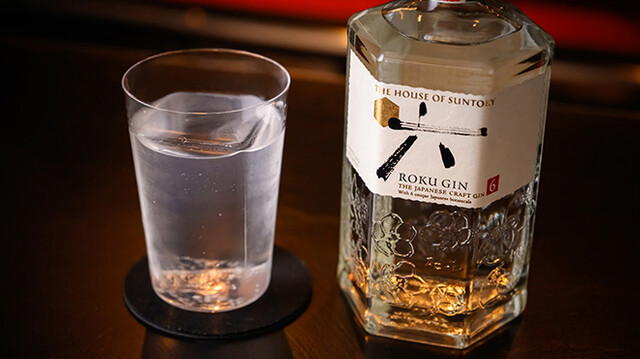
Charming traditional atmosphere in a downtown setting with a focus on the craft of soba making.