Tabelog 100 #59
Our verdict
Yakiniku Uguisudanien occupies a quiet address in Taito City's Negishi district, operating at the less-visited northern edge of Tokyo's yakiniku scene. The format places diners in direct relationship with the grill, a format that has defined Japanese barbecue culture for decades. For visitors looking beyond Minami-Aoyama and Roppongi's prestige corridors, Negishi offers a different register of the city's meat-grilling tradition.

Pearl is the En Primeur Club membership app, where members save venues, book tables and use the concierge.
Where Yakiniku Meets the Old City
Tokyo's yakiniku scene is easier to map by geography than by any other variable. The high-visibility tier clusters around Nishi-Azabu, Ginza, and the hotel dining corridors; a second, less-discussed tier operates in the older shitamachi neighbourhoods north and east of the Yamanote Line, where the clientele tends to be local and the room designs follow older templates. Yakiniku Uguisudanien sits at 1 Chome-5-15 Negishi, Taito City, a district that most visitors to Tokyo pass over entirely in favour of Asakusa, five minutes south, or Ueno, a short walk west. That geographic context is not incidental: the Negishi area has a long residential and commercial identity predating the postwar restaurant boom, and venues here are calibrated for a neighbourhood audience rather than the tourist or expense-account circuit.
The Physical Container: Space as Argument
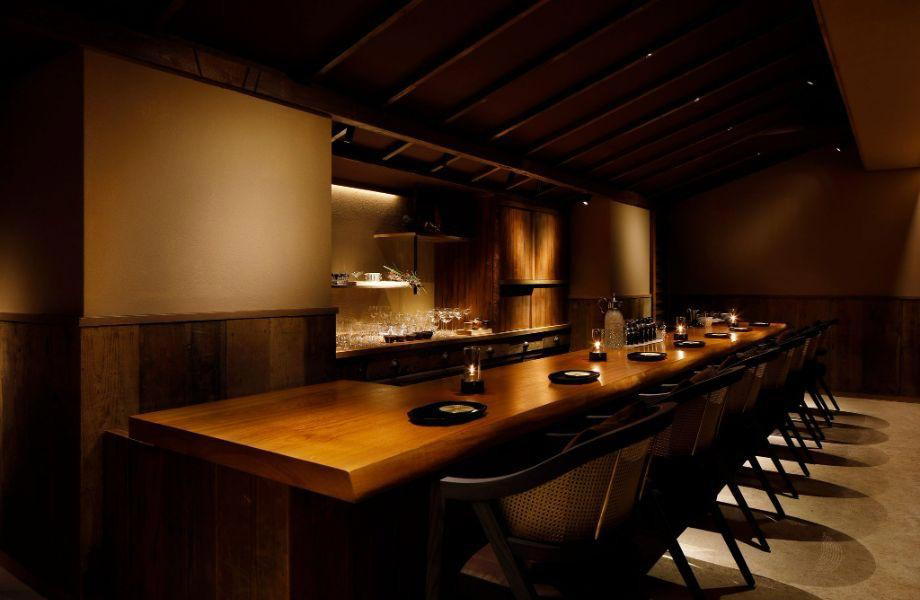
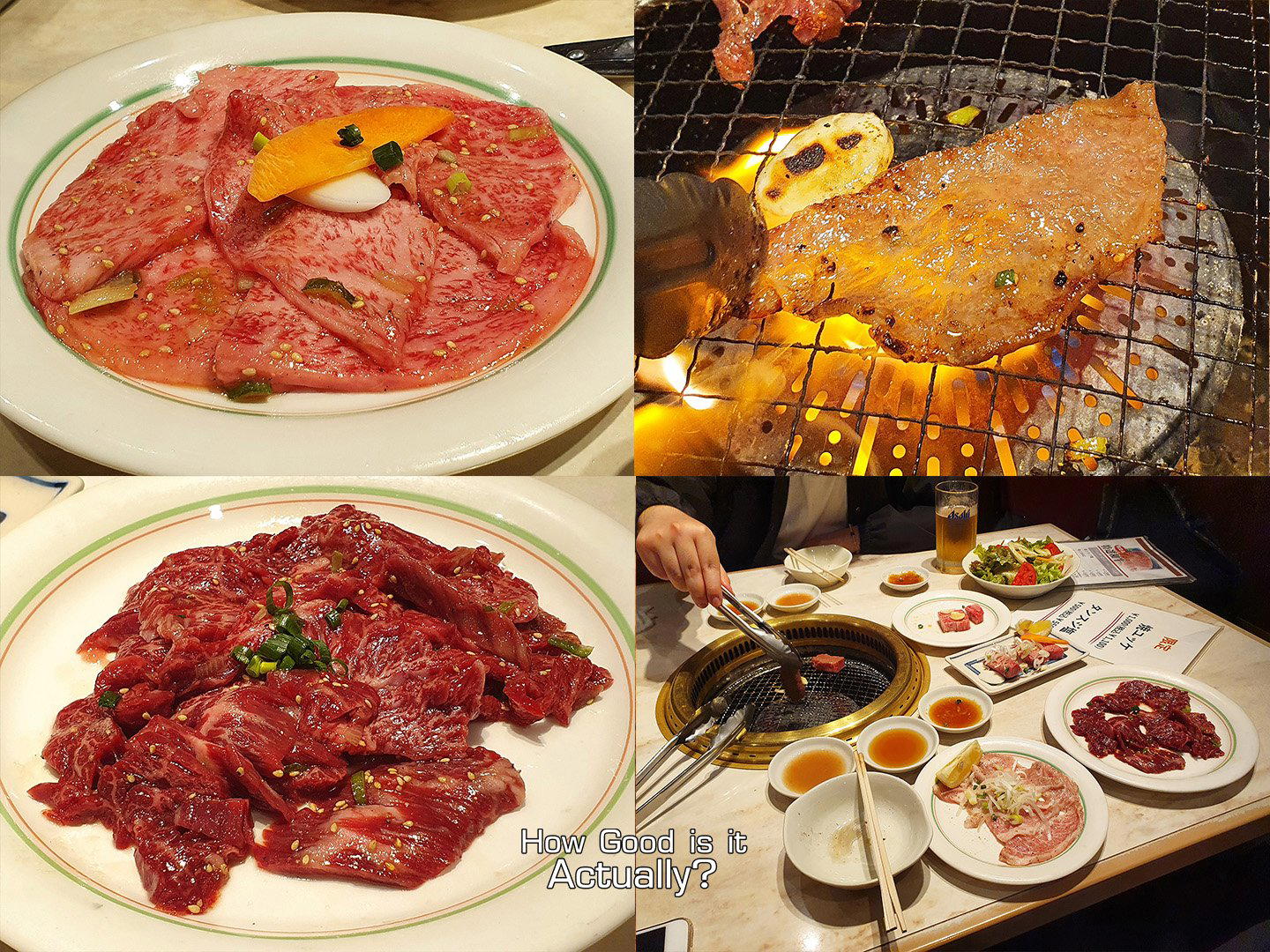
Yakiniku, as a format, imposes a specific spatial logic that distinguishes it from almost every other Japanese dining tradition. Unlike kaiseki rooms, where the distance between kitchen and table is deliberate and theatrical, or omakase counters, where the cook's workspace is the dining room's focal point, yakiniku places the heat source at the table itself. The grill becomes the architectural centre of each seating unit. Older yakiniku establishments in shitamachi districts like Negishi often retain narrower layouts inherited from the low-rise commercial buildings they occupy: rooms that prioritise table density and a certain practical closeness between groups rather than the curated separation that defines newer premium formats.
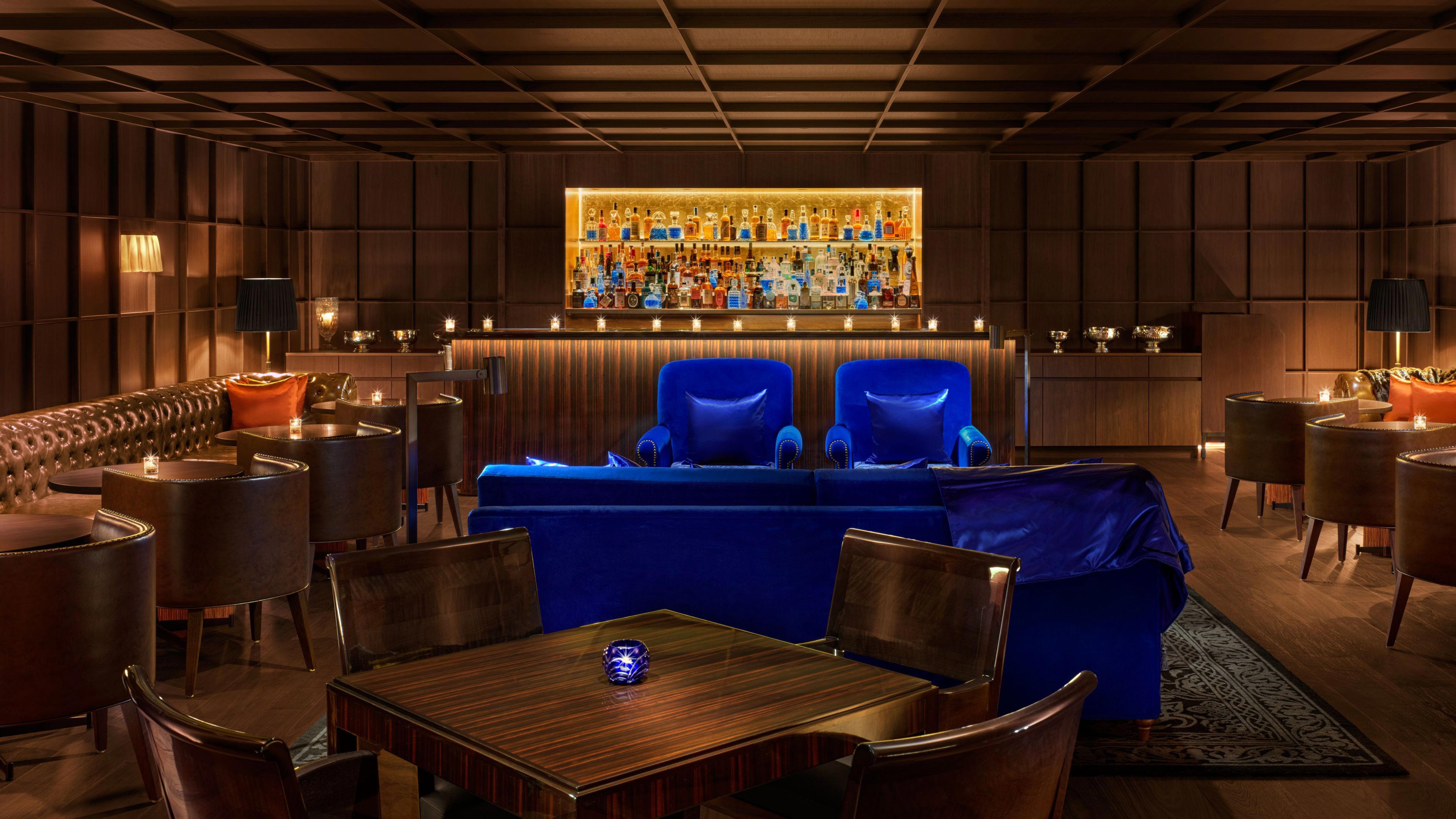
That spatial tradition produces a specific atmosphere. The smoke-extraction systems, the tile or metal grill surrounds, the proximity of neighbouring tables, these are not design failures in the shitamachi yakiniku context; they are the format. Compare this with the architectural language at premium venues like RyuGin or the restrained French-influenced interior discipline at L'Effervescence, and the contrast makes the category distinction legible. Yakiniku Uguisudanien operates in a register where the room is a working space, not a composed one.
The Yakiniku Tradition in Tokyo's Broader Restaurant Map
Japan's yakiniku culture has Korean-origin roots, the term itself is a Japanese reading of the Korean gogi-gui, and the style arrived in Japan through the postwar Korean-Japanese community, spreading through commercial districts in Osaka and Tokyo from the late 1940s onward. By the 1970s and 1980s, yakiniku had become a mainstream dining category across Japanese cities, embedded in neighbourhoods at every price tier. Today the format spans a wide range: all-you-can-eat chains at the budget end; mid-tier neighbourhood restaurants with rotating set menus; and a premium tier in which Wagyu provenance, individual cuts, and charcoal selection are positioned with the same precision applied to sake pairings at a kaiseki counter.
The Negishi address places Yakiniku Uguisudanien in the middle geography of this spread, not in the premium Wagyu-provenance conversation that venues in Nishi-Azabu conduct, but also operating on different terms from the chain-format market. This is the tier where Tokyo's resident population actually eats yakiniku regularly: neighbourhood rooms with consistent regulars, menus structured around core beef cuts, offal options for those who want them, and a pace set by the table rather than a kitchen brigade. For context on how different the upper end of Tokyo dining looks, the Sézanne and Harutaka tier operates on allocation and prestige signals that do not apply here.
Taito City and the Shitamachi Dining Register
Taito City contains more registered restaurants per square kilometre than most Tokyo wards, but the density is concentrated in specific corridors: Asakusa's tourist-adjacent stretch, Ueno's ramen and izakaya lanes, and the smaller pockets around Negishi, Iriya, and Minowa that serve primarily the working population of the ward. The Negishi sub-district in particular sits between Uguisudani Station to the north and the southern edges of Ueno Park, a location that keeps it a step removed from both the tourist flow at Asakusa and the Ueno cultural-institution circuit.
Dining in this part of the city follows a different rhythm than in Minami-Aoyama or Azabu-Juban. Reservations are less standard; walk-in culture persists at many addresses; and the physical format of rooms tends toward the utilitarian. This is not a neighbourhood that attracts the same editorial attention as the premium corridors featured in our full Tokyo restaurants guide, but it represents a more continuous picture of how Tokyo residents actually eat.
Positioning Against Japan's Wider Yakiniku and Grill Circuit
Across Japan, the grilled-meat format takes different regional expressions. Birdland in Sakai works the yakitori register with a specificity that earns its own category. In Fukuoka, Goh operates at the high end of a city with its own distinct dining identity. Osaka's HAJIME and Kyoto's Gion Sasaki operate in premium registers that make different arguments about Japanese cuisine's potential. Against that national spread, Yakiniku Uguisudanien in Negishi represents the neighbourhood-anchored middle of the yakiniku category, geographically specific, locally oriented, and operating without the infrastructure of awards or international recognition that shapes the venues listed above.
For those whose Tokyo itinerary includes highly awarded rooms like Crony alongside neighbourhood eating, Negishi-area yakiniku offers a counterweight: the city at a scale and pace that omakase counters and prix-fixe restaurants deliberately exclude. Regional comparisons extend further when you consider venues like akordu in Nara or the distinct formats at 一本木 名川製 in Nanao and 琵琶湖庵 in Takashima, all of which represent Japanese dining traditions anchored in specific local conditions rather than national prestige circuits.
Planning a Visit: What to Expect Logistically
Uguisudani Station on the JR Yamanote Line is the most direct access point for the Negishi address, placing the restaurant within comfortable walking distance of the station's south exit. The neighbourhood is not served by the major subway lines that connect the premium dining districts, which contributes to its lower profile among visitors. No phone number or booking platform data is available in the public record for Yakiniku Uguisudanien at time of writing; walk-in availability follows the standard pattern for neighbourhood yakiniku in Tokyo, where weekday evenings are generally more accessible than weekend dinner service, which tends to fill by early evening for established local rooms. For international visitors, the comparison venues at Atomix in New York City or Le Bernardin operate with advance reservation infrastructure that Negishi-tier yakiniku does not replicate; the logistics here are simpler and less structured. Similarly, 古代山乃 in Sapporo and 庄羽屋 in Nishikawa Machi and Bistro Ange in Toyohashi illustrate the range of Japanese regional dining that operates outside the major-city prestige infrastructure.
Frequently asked questions
What part of town is Yakiniku Uguisudanien in?
Yakiniku Uguisudanien is located at 1 Chome-5-15 Negishi, Taito City, Tokyo 110-0003, Japan, Tokyo.
Is Yakiniku Uguisudanien a good option for a yakiniku meal away from Tokyo's tourist-heavy districts?
The Negishi address in Taito City places Uguisudanien well outside the high-visibility yakiniku corridors of Nishi-Azabu and Ginza, in a ward that runs a dense, resident-oriented restaurant culture rooted in the shitamachi tradition. Uguisudani Station on the JR Yamanote Line provides direct access, making the location straightforward to reach without crossing central Tokyo. For diners who want a neighbourhood grill context rather than a destination-dining production, the geography alone distinguishes this from the city's more conspicuous yakiniku addresses.
What dish is Yakiniku Uguisudanien famous for?
What the address does establish is a yakiniku format, tabletop charcoal or gas grilling of portioned beef cuts, offal, and accompaniments, consistent with the broader Tokyo yakiniku tradition. For confirmed menu details, contacting the restaurant directly before visiting is advisable.
Can I walk in to Yakiniku Uguisudanien?
Yakiniku restaurants in Tokyo's neighbourhood dining corridors vary considerably: some smaller rooms operate on a first-come basis while others require reservations, particularly on weekends. Arriving early or calling ahead is the practical approach until booking information is published.
City Peers
Comparable venues nearby, for context on price, style, and recognition.
| Venue | Cuisine | Price | Awards | Notes |
|---|---|---|---|---|
| Yakiniku UguisudanienThis venue (the venue you are viewing) | Japanese Yakiniku (Grilled Wagyu) | $50–100 | Tabelog 100 #59 | Not listed |
| Kooriya Peace | Japanese Kakigori Shaved Ice | $10–20 | Not listed | Kichijoji |
| M & C Cafe Marunouchi oazo | Yoshoku-style cafe in a bookstore | $10–20 | Tabelog 100 #6 | Chiyoda |
| Tonkatsu Kenshin | Tonkatsu | Not listed | Tabelog 100 #46 | Shinjuku |
| Kurobuta Tonkatsu Hori Ichi | Kurobuta tonkatsu specialist | $20–30 | Tabelog 100 #79 | Minato |
| Akasaka Musashi | Japanese Shabu-shabu & Sukiyaki | $30–50 | Tabelog 100 #21 | Minato |
Recognition history
Dated appearances from independent guides and award organizations, with the underlying list record or original source where available.
Tabelog 100 #59 · No. 59
Tabelog · Tabelog 100 - Yakiniku - TOKYO - 2025