
In the heart of Ginza, a storied teahouse is reborn as a sanctuary of contemporary French gastronomy. At Gendaisaryo Ginza Fugetsudo, chef and sommelier choreograph an elegant dialogue between cuisine and cellar, pairing each course with curated wines or bespoke cocktails. The prix fixe menu evolves every week of the year, honoring the seasons with pristine ingredients and refined sauces that whisper of classic technique while embracing modern sensibility. A luminous nod to its confectionary heritage, the dessert program spans Japanese and Western traditions in precise balance. Expect hushed sophistication, polished service, and a deeply personal journey across texture, temperature, and tone, an intimate Ginza address for those who dine not simply to savor, but to remember.
Pearl is the En Primeur Club membership app — saves, bookings, and concierge access live there. Same editors, same standards.
- Address
- Japan, 〒104-0061 Tokyo, Chuo City, Ginza, 6 Chome−6−1 銀座風月堂ビル 3階
- Phone
- +81 3-3572-1777
- Website
- ginza-fugetsudo.co.jp
- Directions
- Get directions
 Saves & bookings on Pearl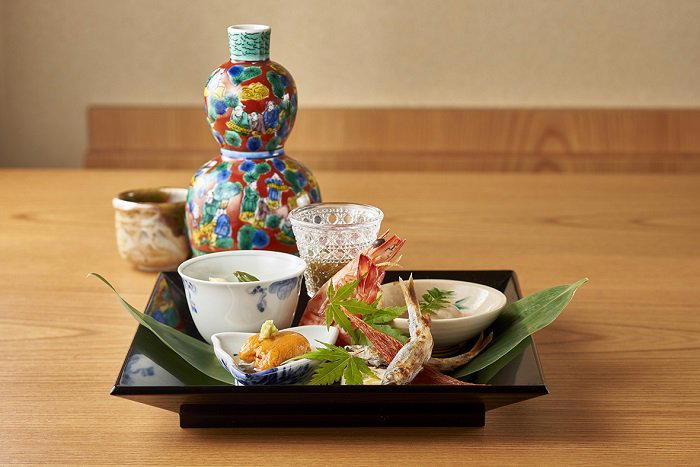
A Confectionery House Turns to Carême
Ginza's third floors carry a particular kind of weight. Street level belongs to luxury retail; the basement floors to bars and late-night counters. But the mid-floors of Ginza's older buildings have long sheltered a different register of dining: formal, unhurried, and oriented around a clientele that has been eating here for decades. Gendaisaryo Ginza Fugetsudo is a restaurant in Tokyo serving Classic French with Seasonal Japanese Ingredients, at a price tier of ¥¥¥¥. It occupies that tier, on the third floor of the Ginza Fugetsudo building at 6-6-1 Ginza. It draws its identity not from a chef's personal narrative but from something rarer in contemporary Tokyo: institutional continuity. The restaurant operates under the roof of Ginza Fugetsudo, one of Tokyo's most venerable confectionery houses, and that lineage shapes everything from the menu's reference points to the room's pace.
What the Address Signals
In Paris, the arrondissement tells you almost everything about a restaurant's self-image before you sit down. Ginza works similarly. A French restaurant in this district is not making a casual argument. The neighbourhood has hosted European fine dining since the Meiji period, when Ginza became the first area in Tokyo designed to receive Western commerce and culture. French cuisine in Ginza today still carries that historic weight: it is expected to be correct, formal, and grounded in technique rather than provocation. Venues that operate here at the mid-to-upper price tier are positioned against a long tradition of Franco-Japanese dining, not against the more freewheeling contemporary French scene you find in Minami-Aoyama or Ebisu.
That peer context matters when reading Gendaisaryo. The ¥¥¥ price positioning places it below the rarefied four-symbol bracket occupied by L'Effervescence and Sézanne, and at a similar level to some of the more accessible Ginza French rooms. Within that tier, the restaurant's declared reference point is not innovation but fidelity: menus drawn from old cookbooks, sauces treated as structural rather than decorative, and classical preparations that most contemporary kitchens have quietly retired.
The Logic of the Menu
Classic French cooking in Japan has its own sub-tradition, distinct from both Parisian bistro food and the Japanese-inflected nouvelle cuisine that became globally recognised in the 1980s and 1990s. What Gendaisaryo represents is something closer to the older strand: the French canon as it was absorbed by Japan in the postwar decades, when French restaurants in Tokyo trained on Escoffier and Carême more than on Bocuse. That discipline is visible in the menu's architecture. Pâté en croûte anchors the appetiser section, a preparation that demands precision pastry work and patience. White-fleshed fish is served meunière, the butter-and-lemon treatment that reduces classical technique to its essentials. Meats arrive roasted or encased in pastry, preparations that prioritise the interplay of crust and interior over the char-forward approach that dominates more contemporary rooms.
The sauce program is the clearest signal of where the kitchen's priorities lie. In a period when many French restaurants have moved toward cleaner, lighter finishing, a kitchen that positions sauces as the soul of the menu is making a deliberate statement about what it values. Reductions, fond-based constructions, and butter-mounted finishing sauces are technically demanding and time-consuming. Maintaining them at this level in a mid-tier Ginza room is not the path of least resistance.
The dessert register draws directly from the Fugetsudo heritage. A confectionery house turning its hand to plated restaurant desserts has advantages that a standalone kitchen does not: institutional knowledge of sugar work, pastry, and the kind of precision that comes from decades of production-scale confection. The desserts here are positioned as a natural extension of that tradition rather than an afterthought appended to the savory menu.
Tokyo's French Tier: Where This Fits
Tokyo's French restaurant scene spans a wider range than most cities. At the leading, three-Michelin-star rooms like L'Effervescence operate at ¥¥¥¥ with seasonal tasting menus built around a clear philosophical framework. A tier below, two-star rooms like Crony work at the intersection of innovation and French structure. The classical wing, where Gendaisaryo operates, is smaller and less photographed but has its own consistent following. Château Restaurant Joël Robuchon represents the grand-tradition end of that spectrum at a higher price point. ESqUISSE and Florilège occupy adjacent territory with more contemporary interpretations. Gendaisaryo's particular position, cookbook-referencing classicism at ¥¥¥ in central Ginza, does not have many direct competitors in the current Tokyo market.
The guide has noted the kitchen without awarding it star status. The Plate signals that inspectors found the cooking competent and the experience credible, while stopping short of the recommendation-tier distinction. For a restaurant operating in this deliberate, traditional register, that assessment is consistent with the profile: technically grounded, historically oriented, and serving a clientele that prioritises continuity over novelty.
, if specialist, audience. The relatively modest review count, for a Ginza address over multiple years, points to a room that draws repeat visitors rather than tourists working through a list. That pattern is characteristic of Ginza's older French establishments, where regulars account for a disproportionate share of covers and the dining room functions as something closer to a private club than a destination restaurant.
The Fugetsudo Building Context
The building itself is worth noting as part of the experience. Ginza Fugetsudo has operated as a confectionery institution in the district for over a century, and the building at 6-6-1 carries that institutional character. Arriving via the building's own entrance, rather than through a hotel lobby or a street-level restaurant door, gives the approach a different quality: you are entering a confectionery house that also happens to serve lunch and dinner, not a standalone restaurant that happens to make good pastry. That framing is accurate to the experience. The restaurant is an expression of the institution's values extended into the dining room, not a separate enterprise that borrowed a name.
For readers exploring the broader regional French scene in Asia, Les Amis in Singapore and Hotel de Ville Crissier in Crissier represent different points on the classical-French spectrum outside Japan. Within Japan, the range extends from HAJIME in Osaka to more traditional rooms across Kyoto and beyond. EP Club's guides to Nara, Fukuoka, Yokohama, and Okinawa provide further regional context.
Planning a Visit
| Detail | Gendaisaryo Ginza Fugetsudo | L'Effervescence | Sézanne |
|---|---|---|---|
| Cuisine style | Classic French, cookbook-referenced | Contemporary French | Contemporary French |
| Price tier | ¥¥¥ | ¥¥¥¥ | ¥¥¥¥ |
| Michelin recognition | Plate (2024, 2025) | 3 Stars | 3 Stars |
| Location | Ginza 6-chome, 3F | Nishi-Azabu | Four Seasons Marunouchi |
| Character | Institutional, traditional | Seasonal, nature-driven | Franco-Japanese precision |
Address: 6 Chome-6-1 Ginza, Chuo City, Tokyo 104-0061, 3rd floor of the Ginza Fugetsudo building.
Compact Comparison
Comparable venues nearby, for context on price, style, and recognition.
| Venue | Cuisine | Price | Notes |
|---|---|---|---|
| Gendaisaryo Ginza FugetsudoThis venue — the venue you are viewing | French | $$$$ | Not listed |
| Ne Quittez pas | Not listed | $$$$ | Shinagawa, French Fine Dining with Avant-Garde Soil Course |
| Keichitsu | Not listed | $$$$ | Shibuya, Modern French with Japanese Influences |
| KEI Collection PARIS | Minato, Modern French Grill Gastronomy | $$$$ | Not listed |
| La Lune | Not listed | $$$ | Minato, Modern French with Japanese Influences |
| ABBESSES | Shibuya, Parisian Bistro | $$$ | Not listed |
Recognition history
Dated appearances from independent guides and award organizations, with the underlying list record or original source where available.
Michelin Plate
Michelin
Michelin Plate
Michelin
Michelin Plate
Michelin









At a Glance
- Elegant
- Sophisticated
- Intimate
- Modern
- Date Night
- Special Occasion
- Celebration
- Business Dinner
- Chefs Counter
- Open Kitchen
- Private Dining
- Design Destination
- Extensive Wine List
- Sommelier Led
- Craft Cocktails
Current opening hours
- Monday
- Closed
- Tuesday
- 11 AM–6 PM
- Wednesday
- 11 AM–6 PM
- Thursday
- Closed
- Friday
- 11 AM–6 PM
- Saturday
- 11 AM–6 PM
- Sunday
- 11 AM–6 PM
Hours can change for holidays and private events. Last verified .
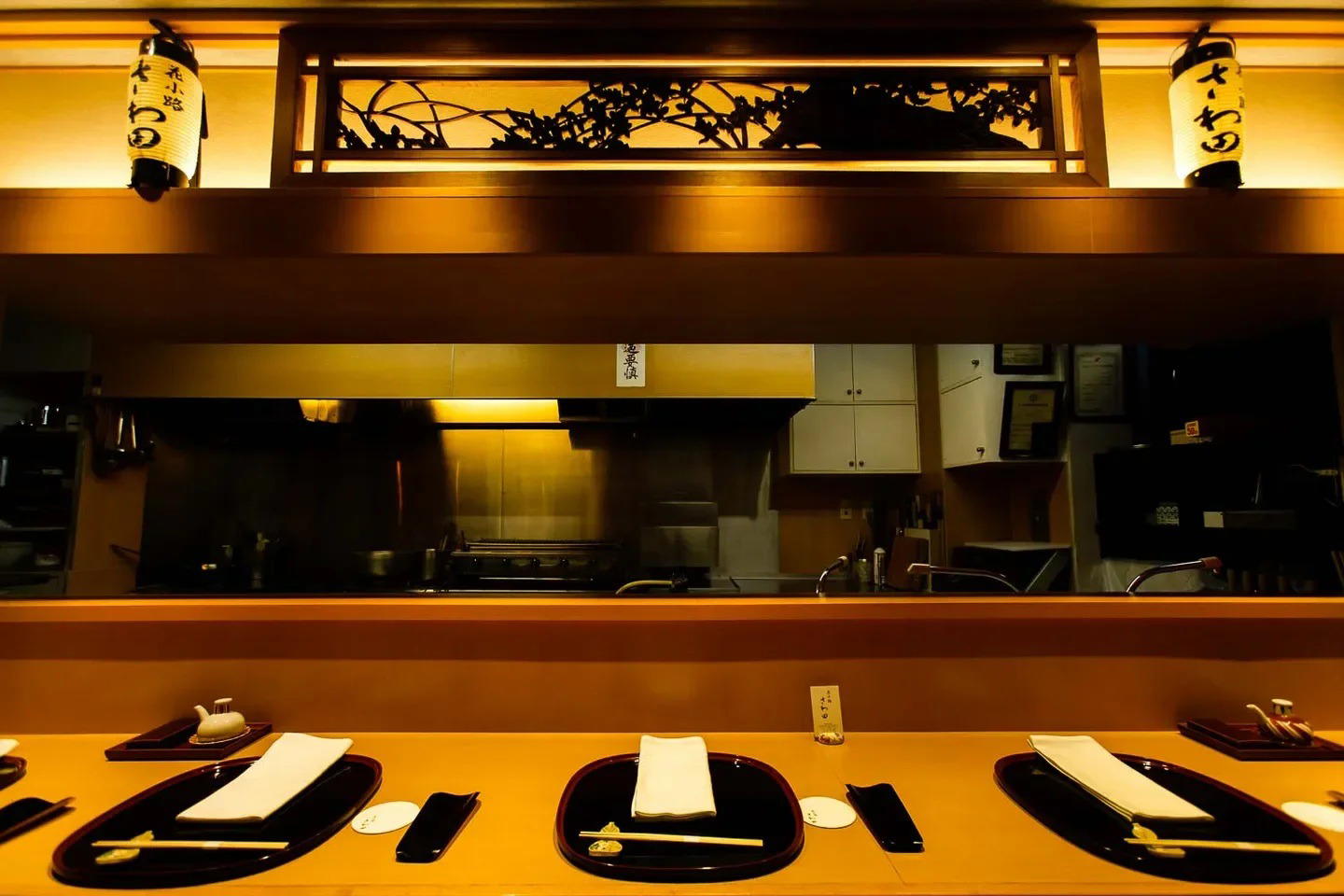
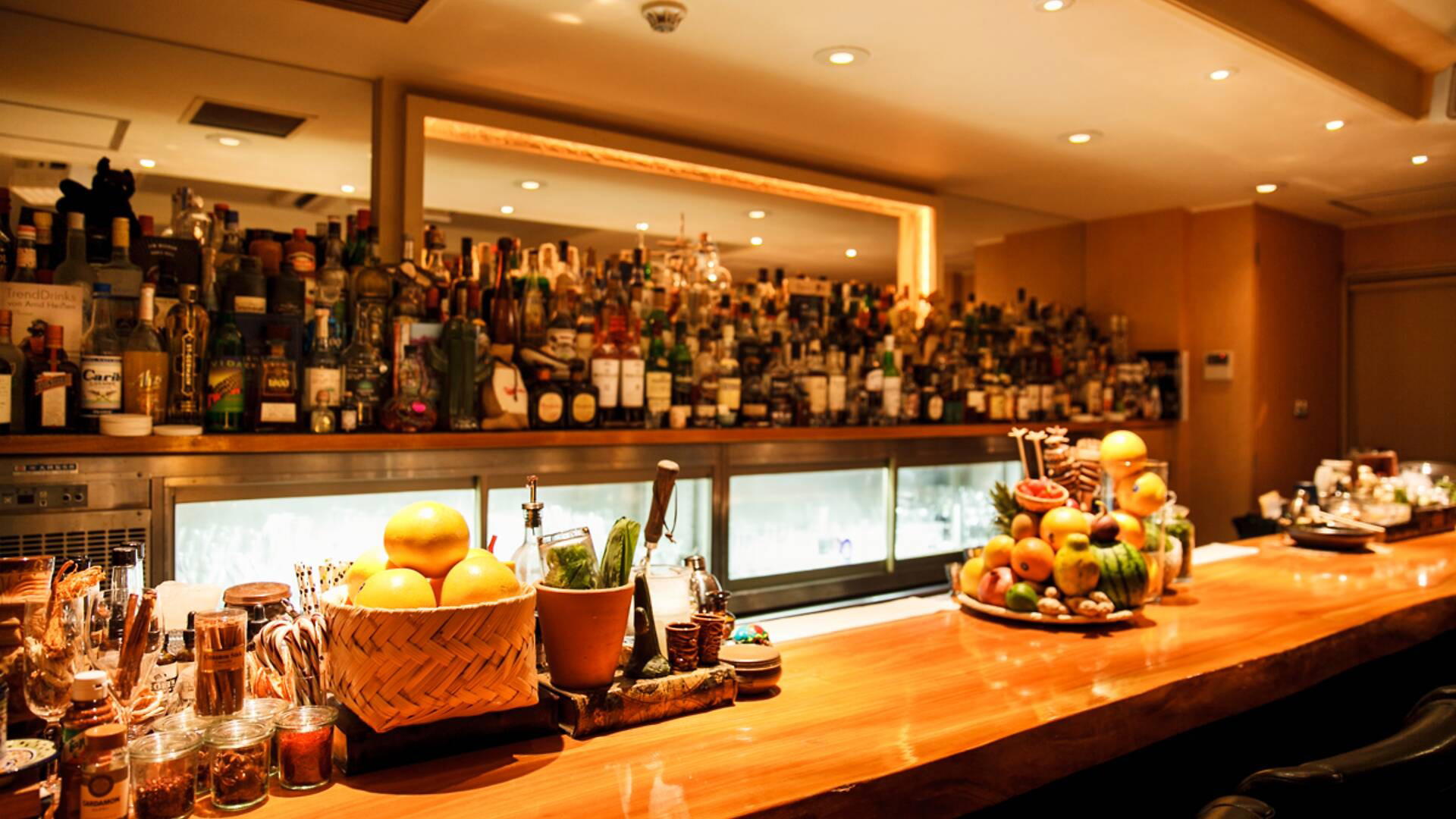
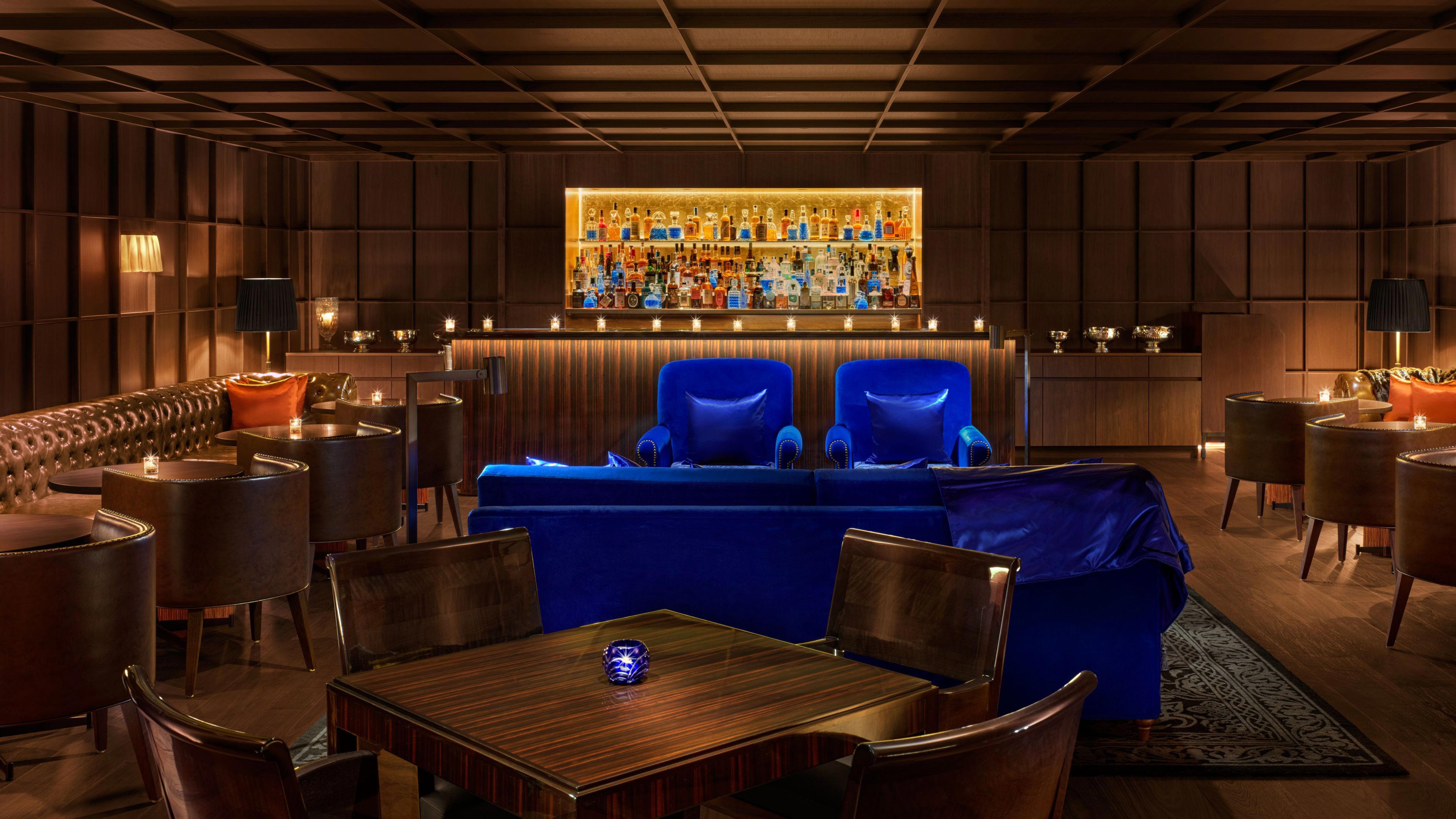
Luxurious, detail-oriented interior designed to engage all five senses; intimate counter seating with attentive service in a refined, hideout-like setting.