Michelin Plate
Our verdict
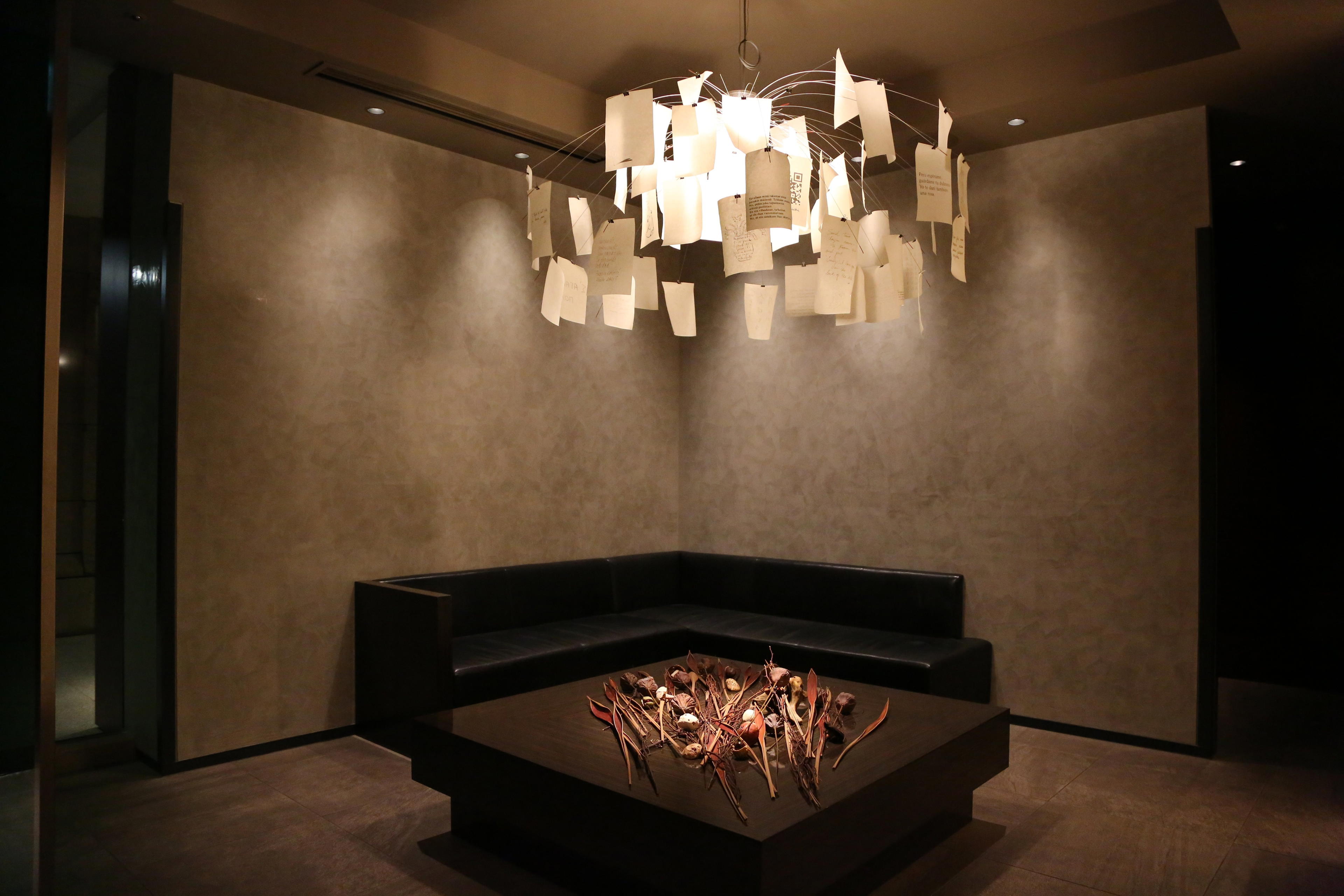
A Michelin Plate-recognised French restaurant in Shinagawa, Ne Quittez pas occupies a distinctive position in Tokyo's French dining scene: seasonal prix fixe menus shaped by an imagination that moves freely between a dedicated 'soil course', watermelon-themed offerings, and grilled clams. Chef Toshio Tanabe brings a background as unconventional as the menu to a neighbourhood far from Tokyo's usual fine-dining corridors.

Pearl is the En Primeur Club membership app — saves, bookings, and concierge access live there. Same editors, same standards.
- Address
- 3 Chome-15-19 Higashigotanda, Shinagawa City, Tokyo 141-0022, Japan
- Phone
- +81 3-3442-2382
- Hours
- Mon ClosedTue–Sat 12–3 PM, 6–11 PMSun 12–3 PM, 6–10 PM
- Website
- nequittezpas.com
- Directions
- Get directions
- Booking
- Book on TableCheck
The menu
What to order
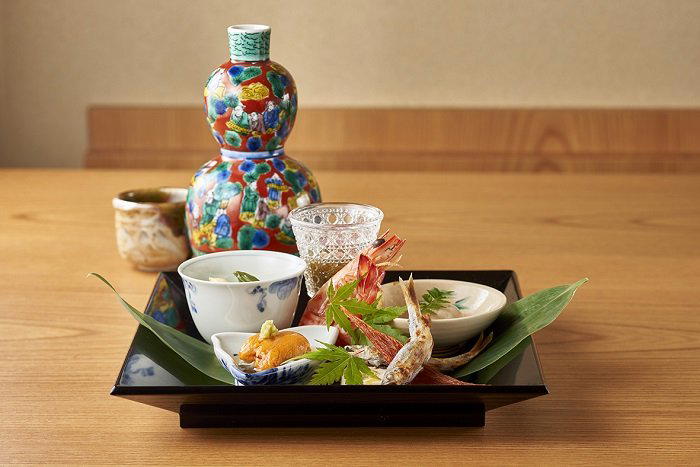
- Charcoal Grilled Clams
- Soil Soup
- Soil Ice Cream
- Fish Soup
French Dining in Tokyo, and the Case for Going Further South
Tokyo's French restaurant scene has long concentrated in Minami-Aoyama, Ginza, and Omotesando, where addresses carry their own credibility. The more interesting question, for anyone who has worked through that familiar circuit, is what exists outside it. Higashigotanda, a Shinagawa neighbourhood better known for office buildings and mid-range business hotels, is not where most visitors look for prix fixe French cuisine. That distance from the centre is part of what makes Ne Quittez pas
For context on where the Michelin Plate sits in Tokyo's French hierarchy: it signals a kitchen producing food that inspires attention, below the one-star tier occupied by restaurants like L'Effervescence, Florilège, and ESqUISSE, and well below the multi-star register of Sézanne or Château Restaurant Joël Robuchon. Ne Quittez pas prices at ¥¥¥, sitting a tier below the ¥¥¥¥ range that defines Tokyo's leading French tables. That pricing, combined with the Michelin Plate, positions it squarely in the category of serious cooking at accessible-by-Tokyo-standards cost — the kind of restaurant that rewards a deliberate visit rather than a splurge reserved for anniversaries.
The Logic of the Prix Fixe at Ne Quittez pas
Multi-course prix fixe dining in France follows a certain institutional logic: a fixed sequence communicates the chef's priorities, controls pacing, and allows kitchen labour to concentrate on execution rather than à la carte variability. Tokyo's French restaurants adopted that model decades ago, but the leading among them have moved beyond faithful replication toward something that uses the structure as a frame for more idiosyncratic ideas. Ne Quittez pas sits in that latter group.
The restaurant's menu, as described in its own terms, centres on seasonal seafood and vegetables — a statement that sounds conventional until you look at what it actually produces. The 'soil course' is the telling signal: a section of the meal dedicated to ingredients drawn from the earth, treated as a distinct category worthy of the same formal attention French kitchens typically reserve for protein. That framing reflects an understanding of how prix fixe menus work at their most considered, as a sequence that educates as it feeds, drawing attention to distinctions the diner might otherwise miss.
The watermelon prix fixe is the other notable structural choice. Building a tasting-menu offering around a single fruit is a move that requires the kitchen to think compositionally across multiple courses, not just execute one good dish. It also signals a willingness to let seasonal produce set the agenda rather than defaulting to classical protein-centred progression. Taken together, these two ideas, the soil course and the fruit-led prix fixe, suggest a kitchen that uses the fixed-menu format to make an argument about what deserves attention, not simply to deliver a reliable sequence of French-inflected dishes.
Fish soup and grilled clams, described in the restaurant's own framing as carrying 'secret stories', position specific dishes within the prix fixe as carriers of meaning beyond technique. That is a different kind of multi-course logic: one where the meal becomes the medium for something closer to narrative. Whether that lands depends on the diner's appetite for that register, but it marks Ne Quittez pas as operating in a more personal register than most institutional French tables at this price tier.
Tokyo's French Restaurant Tradition and Where Ne Quittez pas Fits
French cuisine arrived in Japan with serious institutional weight, culinary schools, formal brigades, extended apprenticeships in Europe, and Tokyo became one of the few cities outside France where classical French technique was transmitted with genuine rigour. That foundation produced restaurants operating at the highest international level. It also produced a second, equally interesting tier: chefs who absorbed the technical foundation and then applied it to materials and ideas that the French tradition never anticipated.
Ne Quittez pas represents that second tendency. The kitchen's declared focus on seasonal seafood and vegetables aligns it with broader currents in contemporary French cooking, where the rigid hierarchy of proteins has given way to greater attention to produce. But the specific courses, soil, watermelon prix fixe, grilled clams as story-bearers, suggest a mind that arrived at those priorities through a different path than most. The restaurant's name, which translates from French as 'don't hang up' or 'hold on' (the phone operator's phrase), carries its own quiet stubbornness: a refusal to conform to category.
For those building a broader understanding of French dining across Japan, the conversation extends well beyond Tokyo. HAJIME in Osaka and akordu in Nara each represent different expressions of how French and European technique has been absorbed into Japanese regional contexts. Internationally, the prix fixe tradition finds its most institutionally serious expression at places like Hotel de Ville Crissier in Crissier and Les Amis in Singapore, where the structured meal has been refined over decades.
Seasonal Timing and the Watermelon Window
The watermelon prix fixe is the clearest example of why timing matters at Ne Quittez pas. Japanese watermelon season runs through summer, with peak quality typically in July and August. A prix fixe built around a single ingredient at that scale only makes sense when the ingredient is at its finest, which means visiting outside that window means encountering a different menu configuration altogether. For anyone whose interest has been caught specifically by that offering, mid-to-late summer is the relevant planning horizon. The soil course and seafood-led elements shift with the season in the usual way, Tokyo's French kitchens at this level change their prix fixe according to what the markets carry, which means the menu a visitor encounters in March will differ substantially from one in October.
Reservations in Shinagawa follow less competition for tables than equivalent-quality restaurants in central Tokyo's French cluster, but that gap should not be taken for granted. Booking ahead remains sensible practice.
Know Before You Go
- Address: 3 Chome-15-19 Higashigotanda, Shinagawa City, Tokyo 141-0022
- Price range: ¥¥¥
- Recognition:
- Cuisine: French, prix fixe, seasonal seafood and vegetables
- Seasonal note: The watermelon prix fixe is a summer offering; menu content shifts substantially by season
- Getting there: Higashigotanda is served by the JR Yamanote Line (Gotanda station) and the Toei Asakusa Line
Explore More
For broader planning across the city, see our full Tokyo restaurants guide, our full Tokyo hotels guide, our full Tokyo bars guide, our full Tokyo wineries guide, and our full Tokyo experiences guide. French dining comparisons across the region include Gion Sasaki in Kyoto, Goh in Fukuoka, 1000 in Yokohama, and 6 in Okinawa.
Frequently asked questions
Is Ne Quittez pas okay with children?
The structured prix fixe format, ¥¥¥ price tier, and 2025 Michelin Plate recognition collectively suggest a dining room oriented toward adult guests with patience for a multi-course sequence. Families with older children who are comfortable in formal French restaurant settings will likely find it manageable, but the format is not designed around flexible or abbreviated meals.
What is the atmosphere like at Ne Quittez pas?
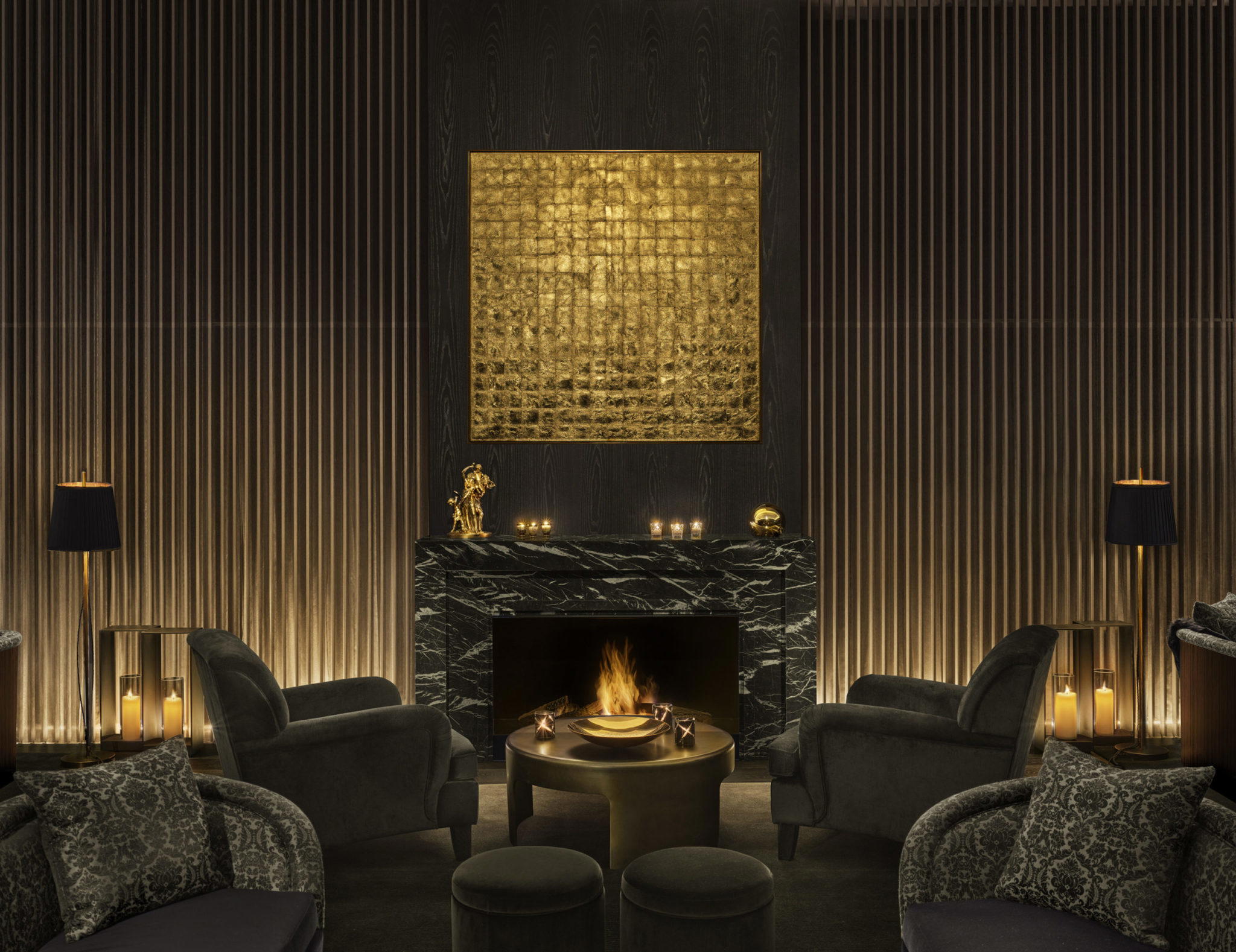
Higashigotanda is a working residential neighbourhood in Shinagawa — not a district where French restaurants typically put down roots. That address sets the tone: this is destination dining by conviction rather than by postcode, drawing guests who come specifically for Tanabe's cooking rather than for a scene. The ¥¥¥ price tier and multi-course format signal a formal, focused room rather than a casual neighbourhood bistro.
What distinctions does Ne Quittez pas have?
Ne Quittez pas has received recognition including: Toshio Tanabe was an Olympic gymnast candidate and a professional boxer before he became a chef, steering his ambitions for the wider world towards French cuisine. His billboard reads, ‘French cuisine with seasonal seafood and vegetables’. ….
What do people recommend at Ne Quittez pas?
The two signature draws are the 'soil course' — a structured prix fixe element built around earth-grown ingredients — and the watermelon prix fixe, a seasonal offering tied to Japan's summer harvest window. Both reflect chef Toshio Tanabe's stated focus on seasonal seafood and vegetables, and the kind of conceptual thinking that earned the restaurant its 2025 Michelin Plate. The fish soup and grilled clams are also cited as defining dishes within the restaurant's own account of its identity.
| Venue | Cuisine | Price | Awards | Notes |
|---|---|---|---|---|
| Ne Quittez pasThis venue — the venue you are viewing | French Fine Dining with Avant-Garde Soil Course | $100–150 | Michelin Plate | Not listed |
| Harutaka | Edo-Style Omakase Sushi | $200–300 | 3 Michelin Stars · World's 50 Best #76 | Sushi |
| RyuGin | Modern Kaiseki | $500+ | 3 Michelin Stars · World's 50 Best #41 | Kaiseki, Japanese |
| L'Effervescence | Modern French with Japanese Influences | $200–300 | 3 Michelin Stars · World's 50 Best #69 | French |
| HOMMAGE | Modern French with Japanese Influences | $150–200 | 2 Michelin Stars · World's 50 Best #78 | Innovtive French, French |
| MAZ | Innovative Peruvian-Japanese Fusion | $150–200 | 2 Michelin Stars · World's 50 Best #28 | Innovative |
Recognition history
Dated appearances from independent guides and award organizations, with the underlying list record or original source where available.
Michelin Plate
Michelin
Full recognition history (2 entries)
Michelin Plate
Michelin