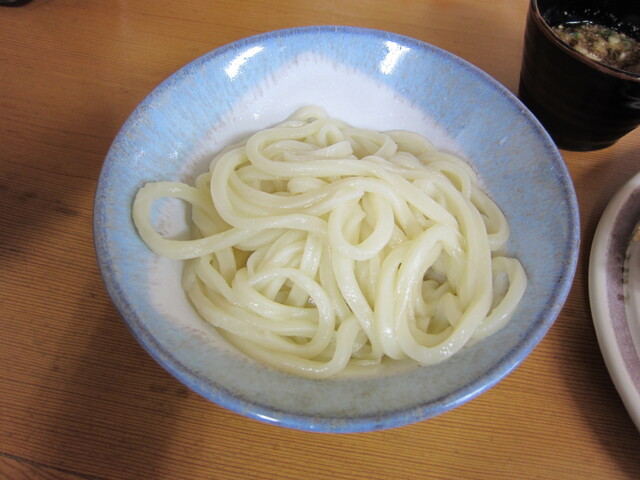
Kagawa Prefecture is the spiritual home of Sanuki udon, and Gamō Udon in Sakaide sits inside that tradition with the low-key confidence of a shop that has never needed to advertise. Located in Kamocho on the outskirts of Sakaide city, it draws udon pilgrims making the rounds of the prefecture's storied noodle circuit. Simple format, ingredient-driven execution, and the kind of queue that forms before the sign goes up.
Pearl is the En Primeur Club membership app — saves, bookings, and concierge access live there. Same editors, same standards.
- Address
- 420-1 Kamocho, Sakaide, Kagawa 762-0023, Japan
- Phone
- +81877480409
- Website
- facebook.com
 Saves & bookings on Pearl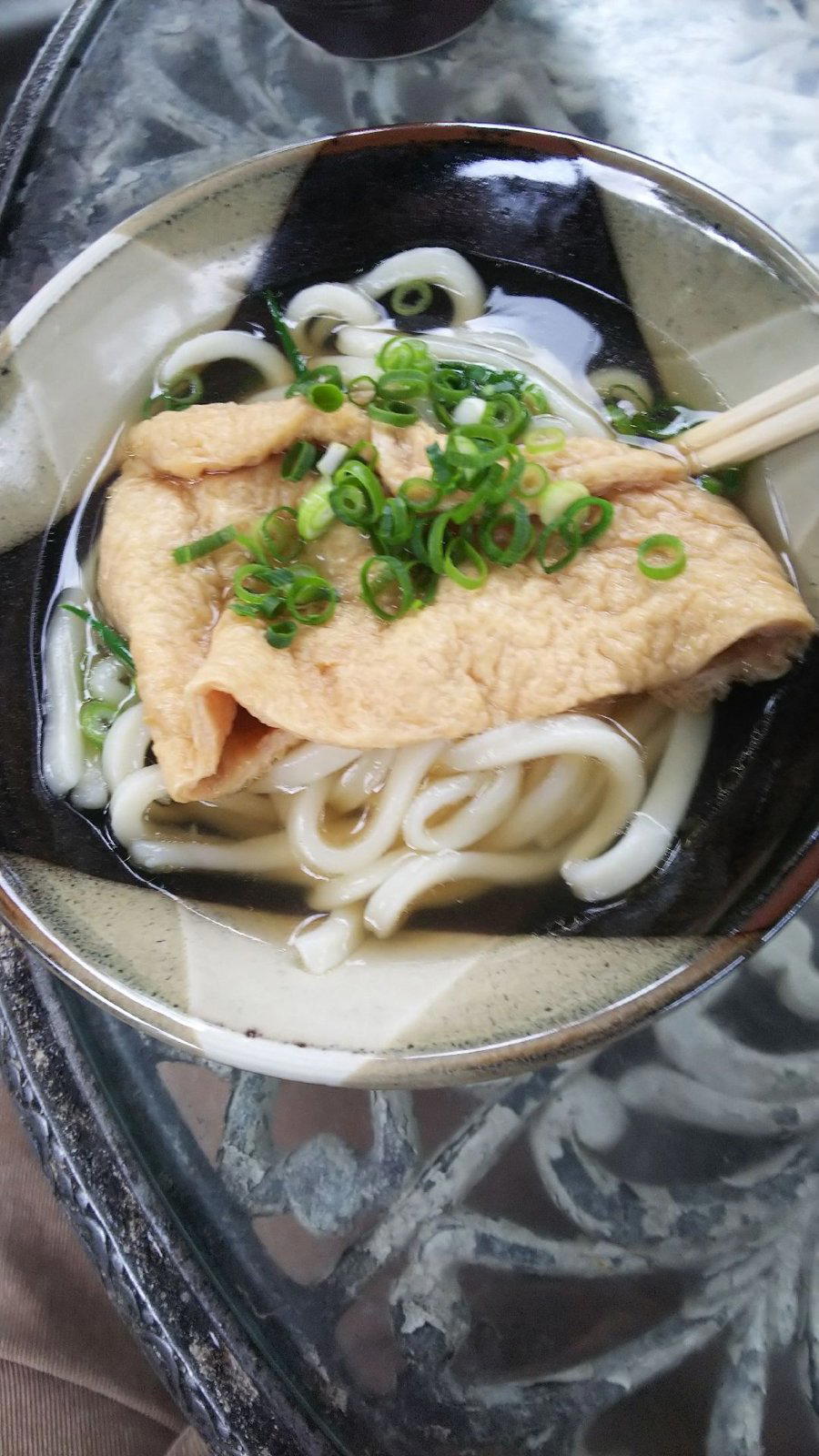
Where Sanuki Udon Is Made, Not Performed
Kagawa Prefecture produces more udon per capita than any other region in Japan, and the culture around it is less a dining scene than a daily civic ritual. Sakaide sits on the northern coast of Shikoku, connected to Honshu via the Seto Ohashi Bridge, and the udon shops here operate on a tempo that has nothing to do with tourism cycles or social media discovery. Gamō Udon is a casual, walk-in-friendly udon restaurant at 420-1 Kamocho, Sakaide, Kagawa 762-0023, Japan. You arrive at a building that announces itself plainly, in a neighbourhood where the loudest thing is usually the cicadas or a passing freight truck. The cooking here is the communication.
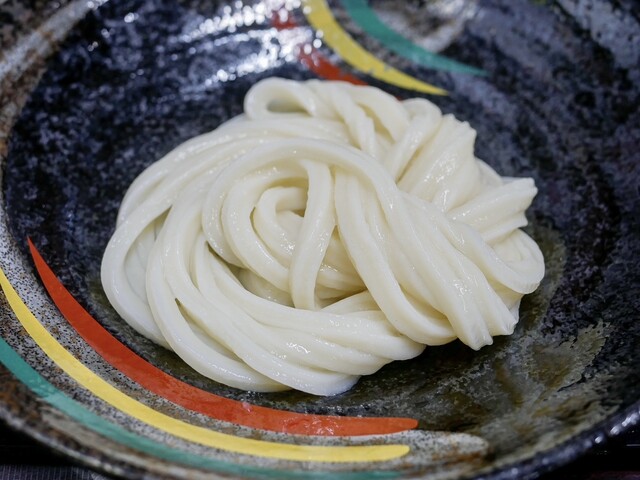
Sanuki udon is defined by its noodles: square-cut, with a firm, almost elastic bite that distinguishes it from the softer wheat textures common in Osaka or Tokyo. The grain sourcing and water composition of Kagawa have long been credited for this character, and local millers supply the flour that regional shops use. That relationship between ingredient origin and final texture is not marketing language in this context, it is a measurable quality difference that udon scholars and food journalists have documented across decades. Gamō Udon operates within that sourcing ecosystem, which is why the comparison base for a shop like this is not a restaurant in any conventional sense. The comparison is to Yamagoshi, Yamashita, Nakamura, or Tanaka, the other Kagawa names that serious udon travellers place on their itineraries.
The Ingredient Logic Behind Sanuki Noodles
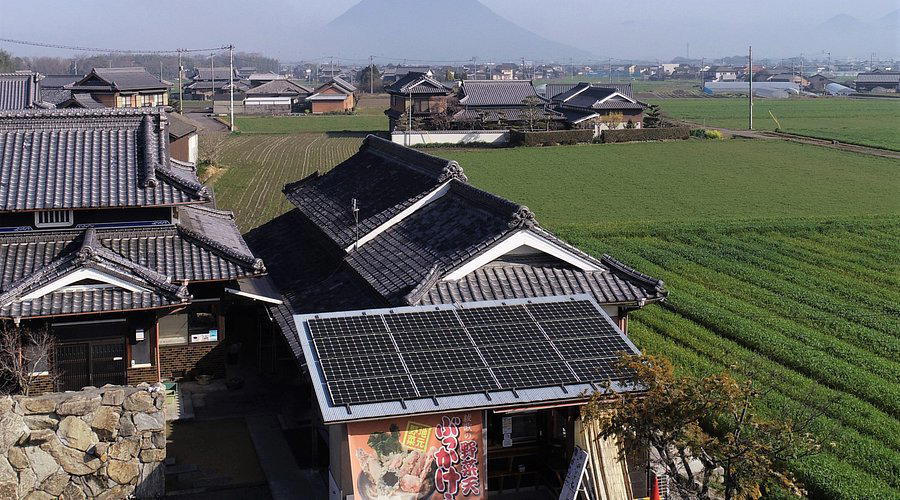
Kagawa's udon identity rests on a specific agricultural and geological combination. The prefecture's wheat cultivation, concentrated around the Manno and central plains areas, produces flour with a protein content suited to the long kneading and resting process that Sanuki noodle-making demands. Local artisan mills convert that grain into the white, high-gluten flour that gives Sanuki udon its signature snap. Water drawn from the Tokushima highland basin, which feeds much of Kagawa's water supply, is soft and mineral-light, conditions that allow gluten development without over-toughening the dough.
The dashi that anchors most Sanuki preparations comes from Rishiri or Rausu kombu combined with iriko (dried baby sardines harvested from the Seto Inland Sea), which runs directly past Sakaide's waterfront. The iriko fishery in the Seto region is one of Japan's most active, and the short distance between catch and kitchen matters in a broth that is served the same day it is made. This is ingredient sourcing at its most geographically compressed: the sea that frames the city supplies the fish stock that flavours the bowl. For a shop in Sakaide specifically, that proximity is structural, not incidental.
Against this backdrop, consider how different the sourcing logic is at, say, HAJIME in Osaka or Harutaka in Tokyo, where ingredient sourcing is a curatorial act performed at considerable distance and expense. At a Kagawa udon shop, the sourcing advantage is structural and historical. It does not require curation because the ingredients are embedded in the local economy. That is a different kind of ingredient story, and a more durable one.
The Udon Circuit and Where Gamō Sits
Kagawa's udon circuit is one of the more unusual food tourism phenomena in Japan. The prefecture hosts over 600 udon shops for a population of roughly 950,000, a density that has no parallel in any other food category or region. Serious visitors plan multi-day itineraries moving between small towns and outer neighbourhoods, eating at shops that open at 6am and close when the day's noodles are gone. Gamō Udon in Sakaide sits on the western arc of that circuit, accessible by car or local train from Takamatsu in under 40 minutes. It is not on one concentrated stretch of the trail, that cluster runs closer to Takamatsu and the central plains, which means it draws a self-selecting visitor who has moved past the obvious stops.
The format at shops in this tier is typically self-service or semi-self-service: you select a base preparation (kamaage, kamatama, kake, or zaru), add toppings from a counter, and carry your bowl to a bench or standing shelf. The pricing structure at regional Kagawa shops reflects a social contract that has held for generations, udon as an affordable daily staple, not a premium dining category. That pricing context distinguishes the Kagawa circuit sharply from the ¥¥¥¥ tier occupied by Gion Sasaki in Kyoto or akordu in Nara. The comparison is not relevant on price, it is relevant on precision, on sourcing discipline, and on the kind of accumulated craft knowledge that produces noodles at this textural standard every morning without variation.
Other regional Japanese restaurants worth cross-referencing for their ingredient sourcing philosophies include Goh in Fukuoka and Abon in Ashiya, both of which operate within tight local sourcing frameworks. The approach at Gamō Udon is more elemental, fewer ingredients, less technique on display, but the sourcing logic rhymes. See also affetto akita in Akita, Aji Arai in Oita, Ajidocoro in Yubari District, Akakichi in Imabari, aki nagao in Sapporo, Amaki in Aichi, Amegen in Saga, anchoa in Kanagawa, and Arakawa in Hyogo for other examples of regional Japanese dining with deep local sourcing commitments. For a global frame of reference on ingredient-driven precision, Le Bernardin in New York City and Lazy Bear in San Francisco represent the high-investment end of that same philosophy in different contexts.
Planning a Visit
Sakaide is reachable from Takamatsu by JR Yosan Line in approximately 30 minutes, or by car via Route 11 along the northern Shikoku coast. The restaurant's address places it in the Kamocho area, southwest of central Sakaide, which is most practically reached with a vehicle or taxi from the station. Regional udon shops in Kagawa typically open early, some as early as 6am, and operate until the noodles are finished, which can mean closure by mid-morning on busy days. Arriving before 9am is advisable at well-regarded shops on the circuit. The restaurant is open Tuesday through Friday from 8:30 AM to 2 PM, Saturday from 8:30 AM to 1 PM, and closed Monday and Sunday. The broader Kagawa circuit rewards a minimum two-day visit, which allows coverage of the Takamatsu-area shops alongside outer-circuit stops like Sakaide.
How It Stacks Up
Comparable venues nearby, for context on price, style, and recognition.
| Venue | Cuisine | Price | Notes |
|---|---|---|---|
| Gamō UdonThis venue — the venue you are viewing | Authentic Sanuki Udon | $ | Not listed |
| Maido Maido | Self-service Sanuki udon | $ | Sakaide |
| Toraya | Kagawa udon and curry udon shop | $ | Okinohama |
| Yamashita Udon | Traditional Sanuki udon | $ | .null |
| Hinode Seimenjo | Traditional Sanuki udon noodle factory | $ | Fujimicho |
| 麺dining 月乃家 | Japanese Ramen | $ | 有田川町 |
Continue exploring
More in Sakaide
Restaurants in Sakaide
Browse all →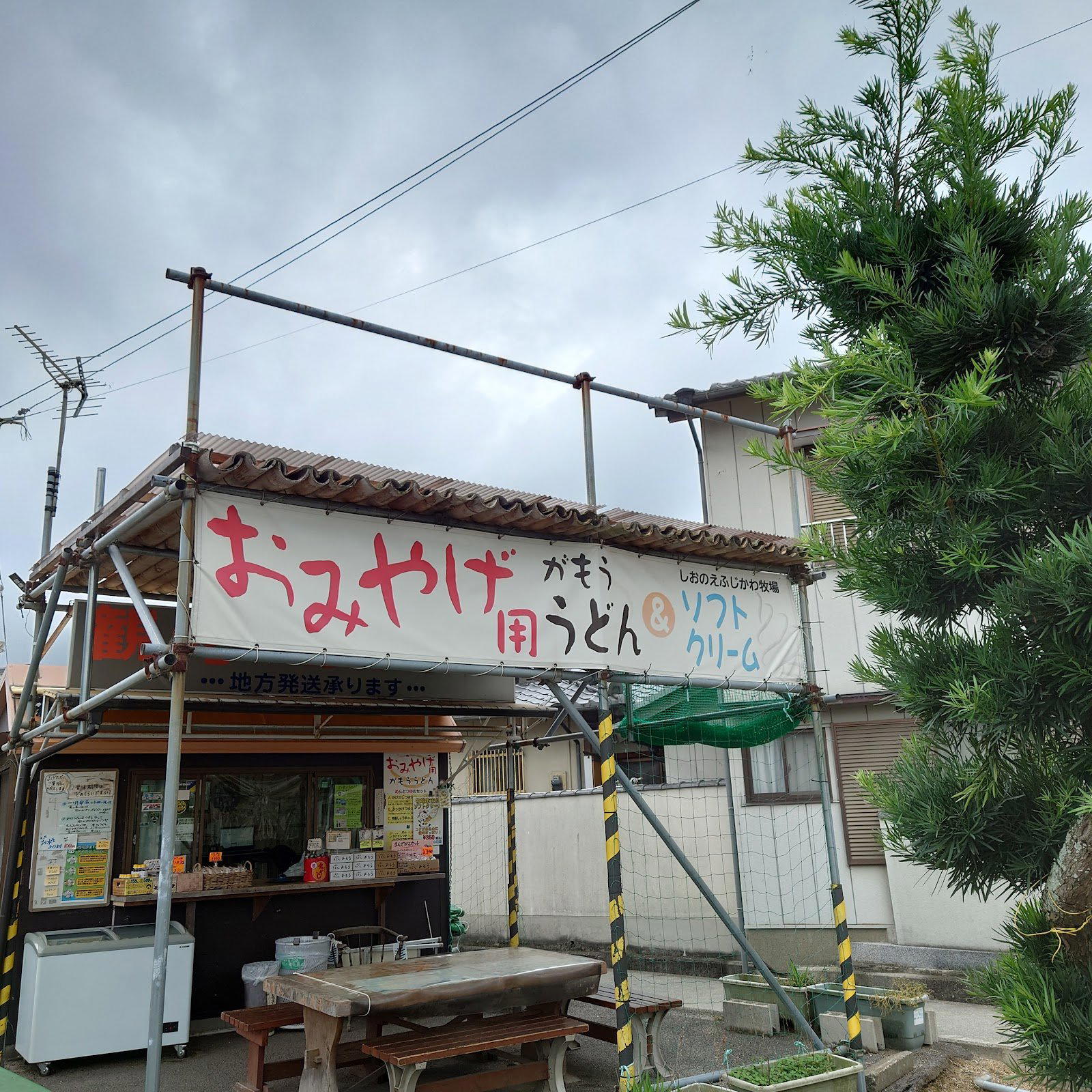
At a Glance
- Rustic
- Casual Hangout
- Open Kitchen
- Sake Program
Current opening hours
- Monday
- Closed
- Tuesday
- 8:30 AM–2 PM
- Wednesday
- 8:30 AM–2 PM
- Thursday
- 8:30 AM–2 PM
- Friday
- 8:30 AM–2 PM
- Saturday
- 8:30 AM–1 PM
- Sunday
- Closed
Hours can change for holidays and private events. Last verified .
Casual, lived-in noodle factory atmosphere with the sounds of hot water splashing, ladles, and fresh wheat aromas.