
Tabelog Bronze
Our verdict
Open four mornings a week until 2pm, it draws the kind of repeat local traffic that defines serious Sanuki udon culture. For those tracing the prefecture's noodle traditions beyond the tourist circuit, it belongs on the itinerary.

Pearl is the En Primeur Club membership app — saves, bookings, and concierge access live there. Same editors, same standards.
- Address
- 420-1 Kamocho, Sakaide, Kagawa 762-0023, Japan
- Phone
- +81 877-48-0409
- Hours
- Mon ClosedTue–Fri 8:30 AM–2 PMSat 8:30 AM–1 PMSun Closed
- Website
- facebook.com
- Directions
- Get directions
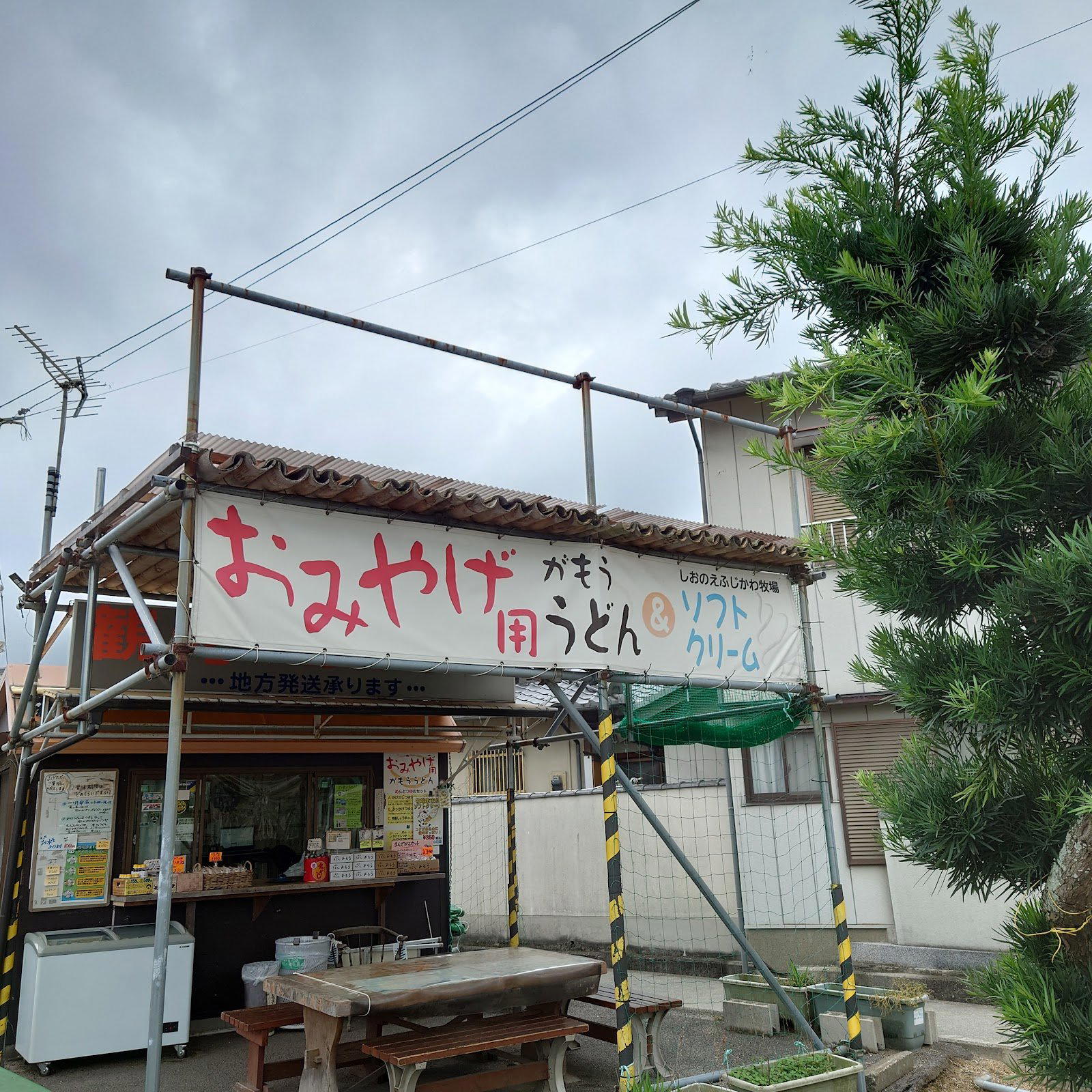
Where Sanuki Udon Begins: The Kagawa Context
Kagawa Prefecture has built a food identity around a single ingredient prepared with obsessive consistency: hand-pulled wheat noodles served in dashi broth, known throughout Japan as Sanuki udon. The prefecture counts more udon shops per capita than anywhere else in the country, and the culture around them is specific — early morning service, short hours, counter seating, no ceremony. Shops earn their reputations through decades of repeat visits from locals who know exactly what the noodles should feel like and precisely how the broth should taste. Recognition in this category, where margins are thin and expectations are formed from childhood, carries a different kind of weight than a Michelin star at a kaiseki counter.
The Approach to Sakaide
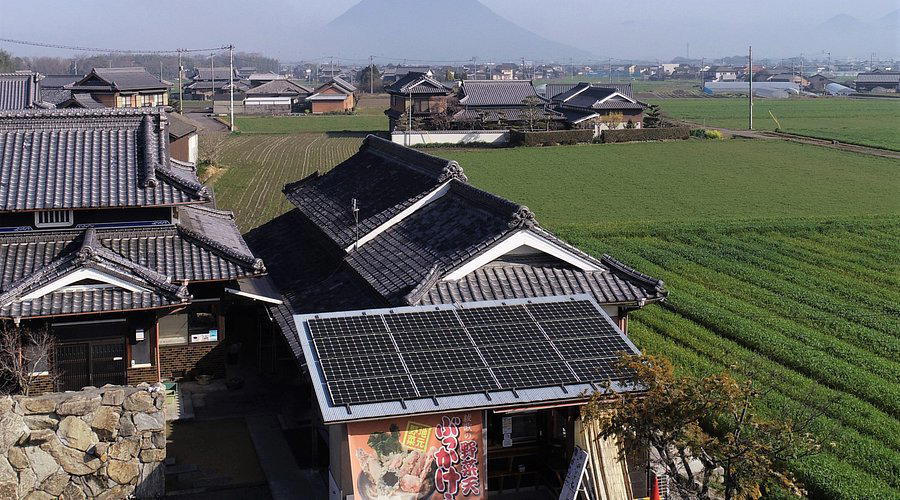
Sakaide occupies the western edge of the Seto Inland Sea coastline in Kagawa, separated from the larger city of Takamatsu by roughly 30 kilometres of national highway. The Kamo area, where Gamou sits at 420-1 Kamocho, is a residential and light-industrial pocket of the city rather than a tourist precinct. Approaching on a Tuesday through Friday morning, the shop operates between 08:30 and 14:00 — hours that follow the logic of the Kagawa udon circuit, where serious visits happen before noon and many shops have sold out of their leading batches by early afternoon. The timing matters: arriving close to opening makes both practical and qualitative sense. The four-day operating week (Tuesday through Friday) is a recurring feature of Kagawa's better udon houses, where the rhythm of dough preparation, resting, and pulling dictates the schedule rather than customer convenience.
Wheat and Water: The Sourcing Logic Behind Sanuki Noodles
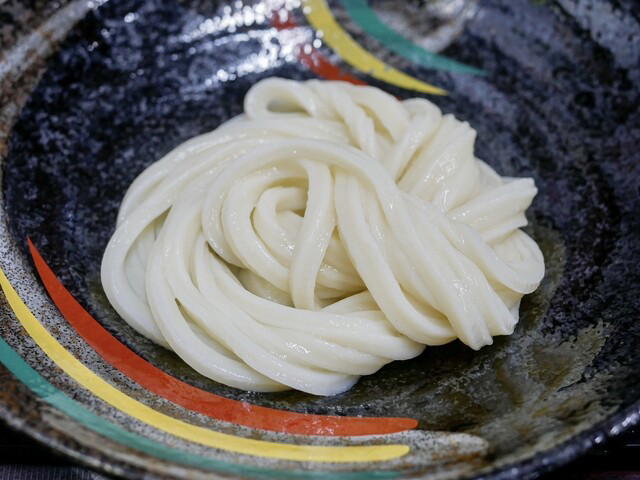
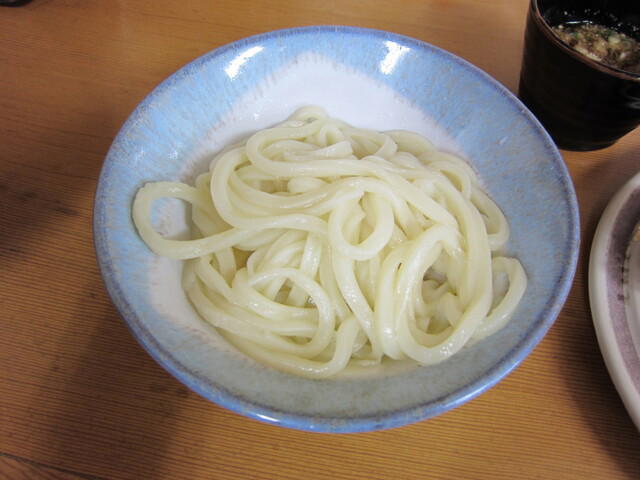
The ingredient argument for Sanuki udon is direct in principle and demanding in execution. The noodle texture that defines the category, firm with a smooth exterior and elastic centre, referred to locally as koshi, depends on wheat flour of a specific protein content, water from local sources, and salt proportions that vary by season. Kagawa's traditional reliance on flour milled from domestic soft wheat, combined with the prefecture's humidity patterns and the mineral character of its water, produces conditions that have made replication elsewhere consistently difficult. Producers in Kagawa operating at the serious end of the market source wheat with attention to the crop year and the mill, details that rarely appear on menus but are understood by regular customers.
The dashi component in a bowl of Sanuki udon is equally source-dependent. The dominant style is iriko dashi, made from dried sardines (niboshi) caught from the Seto Inland Sea. The quality of the sardines, their fat content, their freshness before drying, the grade of the dried product, directly determines the broth's depth and the sharpness of its finish. Shops that source their iriko from established suppliers in coastal Kagawa produce a notably different bowl from those using commodity dried fish. This is the key ingredient distinction between the prefecture's better udon houses and the broader category, and it is visible in the broth's colour, clarity, and the sustained umami that lingers after the bowl is finished.
Gamou's position within this tradition, backed by a Tabelog Bronze Award and a score that places it in the upper tier of rated Kagawa udon shops, signals that the sourcing and preparation disciplines are in place. A 3.88 Tabelog score in the udon category, where reviewers are predominantly local and the reference points are deep, requires consistency across hundreds of visits over multiple years. That kind of score is harder to sustain in Kagawa than in most other food categories in Japan, because the audience's expectations are formed by a lifetime of comparison.
Kagawa's udon ecosystem divides loosely into several tiers. At the most casual end, self-service shops (seiru-mise) offer noodles at close to cost, with customers ladling their own broth and adding toppings from shared trays. Above that sits a tier of full-service neighbourhood shops where the quality of the noodle and broth determines the reputation. The Tabelog-recognised layer occupies a smaller bracket still: shops where scores consistently exceed 3.7 and where the review base runs into the thousands, suggesting a draw that extends beyond the immediate neighbourhood.
Gamou operates in this upper neighbourhood tier. The shop's 3.88 places it comfortably within the recognised Kagawa udon cohort rather than at the margins of it. Kagawa visitors following the udon circuit can cross-reference Gamou with other Tabelog-recognised options in Sakaide and the broader western prefecture, noting that the Kamo address and the morning-only format suggest a shop that has built its audience from within the local population first, with out-of-prefecture visitors arriving later.
Elsewhere in the Kagawa dining scene, Ryobo and Suzaki Shokuryohinten represent different points on the prefecture's food map. For the full picture of where to eat, drink, and stay across Kagawa, the EP Club [full Kagawa restaurants guide](), [hotels guide](), [bars guide](), [wineries guide](), and experiences guide cover the range in depth.
Sanuki Udon Against Japan's Fine Dining Register
It is worth locating Sanuki udon on Japan's wider culinary map, because the category invites misreading from visitors whose reference points are drawn from formal Japanese dining. The Michelin three-star tier in Japan includes restaurants of the formal register: Harutaka in Tokyo, Gion Sasaki in Kyoto, HAJIME in Osaka, Goh in Fukuoka, and akordu in Nara represent the kind of multi-course, reservation-months-ahead experiences that sit at a different price point and require a different preparation from the visitor. Further afield, 1000 in Yokohama, 6 in Okinawa, Abon in Ashiya, and affetto akita in Akita illustrate the breadth of Japan's regional fine dining, while internationally, Le Bernardin in New York City and Atomix in New York City anchor the comparison for readers who approach Japan's food scene from a Western fine dining perspective.
Sanuki udon does not compete with any of these on format or price. It competes on precision: the degree to which a single ingredient, prepared in a form with almost no hiding places, achieves exactly what the tradition demands. A bowl at Gamou and a tasting menu at a kaiseki counter are asking to be judged by entirely different measures, but both reward the same basic orientation in a visitor: attention to the specific over the generic, and willingness to go where the local evidence points.
Planning a Visit to Gamou
The practical logistics for Gamou are unambiguous. Service runs Tuesday through Friday, 08:30 to 14:00, at 420-1 Kamocho, Sakaide, Kagawa 762-0023. The four-day week and the morning cut-off mean calendar planning matters more than it would for a dinner restaurant. Sakaide is reachable from Takamatsu by JR Yosan Line in under 30 minutes, placing Gamou within comfortable reach of a morning departure from the prefectural capital. The Kamo address sits outside Sakaide's main station zone, so local transport or a taxi adds a short additional leg. Arriving at or shortly after opening is the most reliable strategy, both for table access and for catching noodles at their freshest pull of the morning. For any operational queries, the phone number on record is 0877-48-0409.
Frequently asked questions
Where is Gamou located?
Gamou is located at 420-1 Kamocho, Sakaide, Kagawa 762-0023, Japan, Kagawa.
What kind of recognition has Gamou received?
Gamou has received recognition including: Tabelog Bronze Award 2025 Score: 3.88 Cuisine: Udon / Kagawa Phone: 0877-48-0409 Hours: Tue, Wed, Thu, Fri 08:30 - 14:00 Address: Kagawa 坂出 City加茂 Town 4201 Tabelog:.
What's the signature dish at Gamou?
Gamou serves Sanuki udon, the hand-pulled wheat noodle form that defines Kagawa Prefecture's food identity. The category is built around a specific noodle texture — firm, with a pronounced chew — served in dashi-based broth. Gamou's Tabelog score of 3.88 and 2025 Bronze Award place it among the prefecture's consistently recognised shops in this format.
What are the opening hours for Gamou?
Hours at Gamou: Tue, Wed, Thu, Fri 08:30 - 14:00.
What's Gamou best at?
Consistency within a demanding category. A Tabelog Bronze Award (2025) with a score of 3.88 reflects sustained quality across a high volume of visits, which in Kagawa's crowded udon field is a harder metric to hold than a single peak review. The focused Tuesday-to-Friday service window, 08:30 to 14:00, reinforces a kitchen running on its own terms rather than expanded hours.
| Venue | Cuisine | Price | Awards | Notes |
|---|---|---|---|---|
| GamouThis venue — the venue you are viewing | Traditional Sanuki Udon | $1–10 | Tabelog Bronze | Not listed |
| Harutaka | Sushi | Not listed | Michelin 3 Star | Not listed |
| RyuGin | Modern Kaiseki | $500+ | 3 Michelin Stars · World's 50 Best #41 | Kaiseki, Japanese |
| HAJIME | French, Innovative | Not listed | Michelin 3 Star | Not listed |
| L'Effervescence | French | Not listed | Michelin 3 Star | Not listed |
| HOMMAGE | Innovtive French, French | Not listed | Michelin 2 Star | Not listed |
Recognition history
Dated appearances from independent guides and award organizations, with the underlying list record or original source where available.
Tabelog Bronze
Tabelog
Full recognition history (2 entries)
Tabelog 100 #14 · No. 14
Tabelog · Tabelog 100 - Udon - KAGAWA - 2024
Details
- Rustic
- Cozy
- Solo
- Family
- Casual Hangout
- A La Carte
Current opening hours
- Monday
- Closed
- Tuesday
- 8:30 AM–2 PM
- Wednesday
- 8:30 AM–2 PM
- Thursday
- 8:30 AM–2 PM
- Friday
- 8:30 AM–2 PM
- Saturday
- 8:30 AM–1 PM
- Sunday
- Closed
Hours can change for holidays and private events. Last verified .
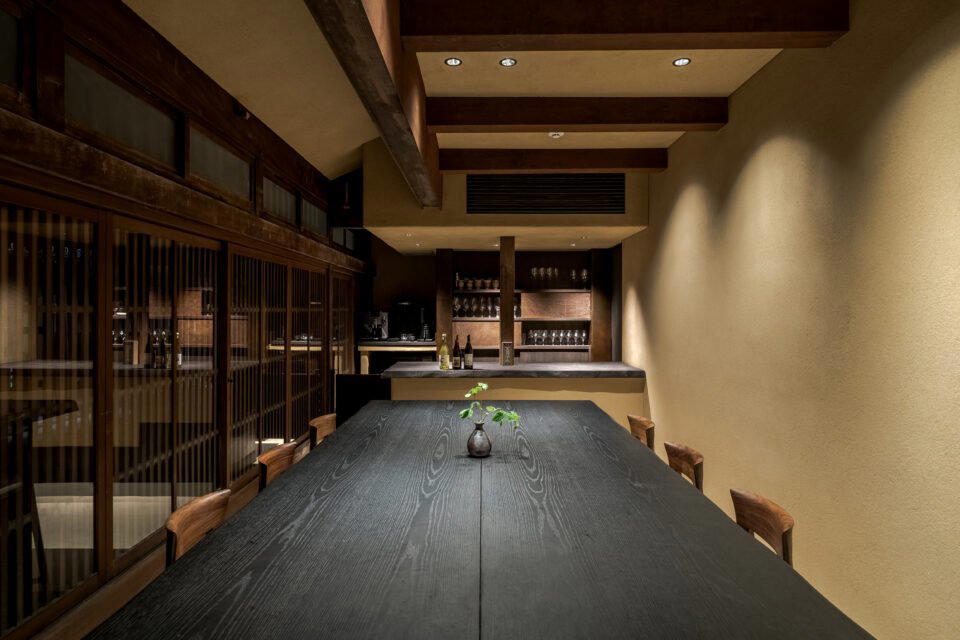
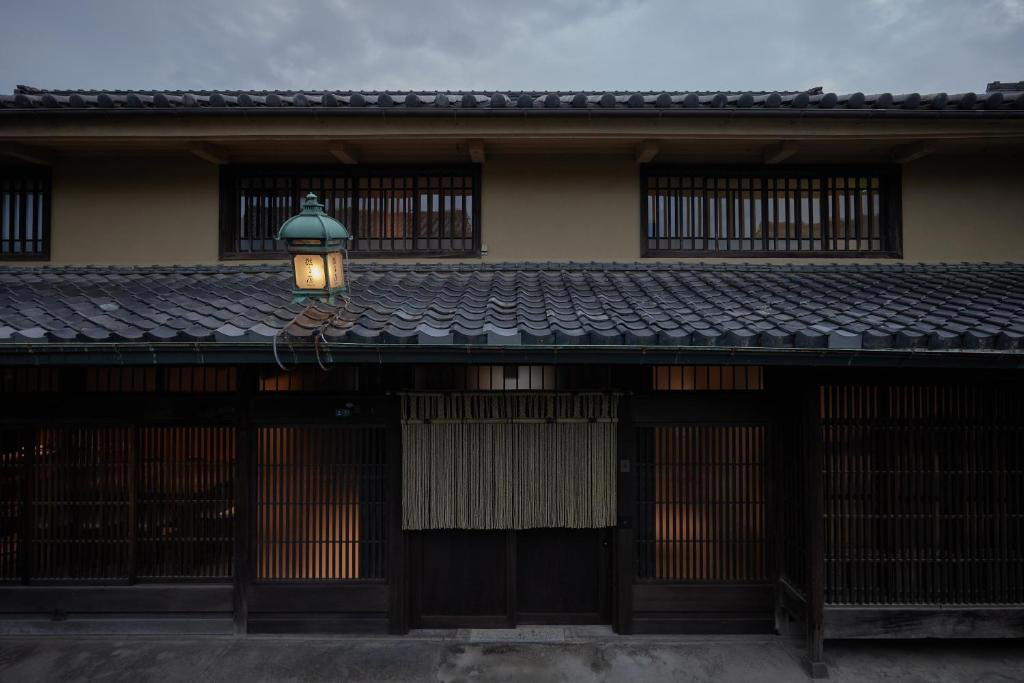
Casual, no-frills atmosphere in a small, cluttered house-like space with counter seating inside and open terrace benches outside; functional like a noodle factory with a lively queue.