Fuku Ramen
Fuku Ramen brings Japanese ramen technique to Amsterdam's Oost neighbourhood at Ingogostraat 14A. In a city where Dutch pantry ingredients increasingly meet global cooking methods, this address sits within a growing pocket of serious noodle culture.
Pearl is the En Primeur Club membership app — saves, bookings, and concierge access live there. Same editors, same standards.
- Address
- Ingogostraat 14A, 1092 HZ Amsterdam, Netherlands
- Phone
- +31642608596
- Website
- fukuramenamsterdam.com
- Directions
- Get directions
 Saves & bookings on Pearl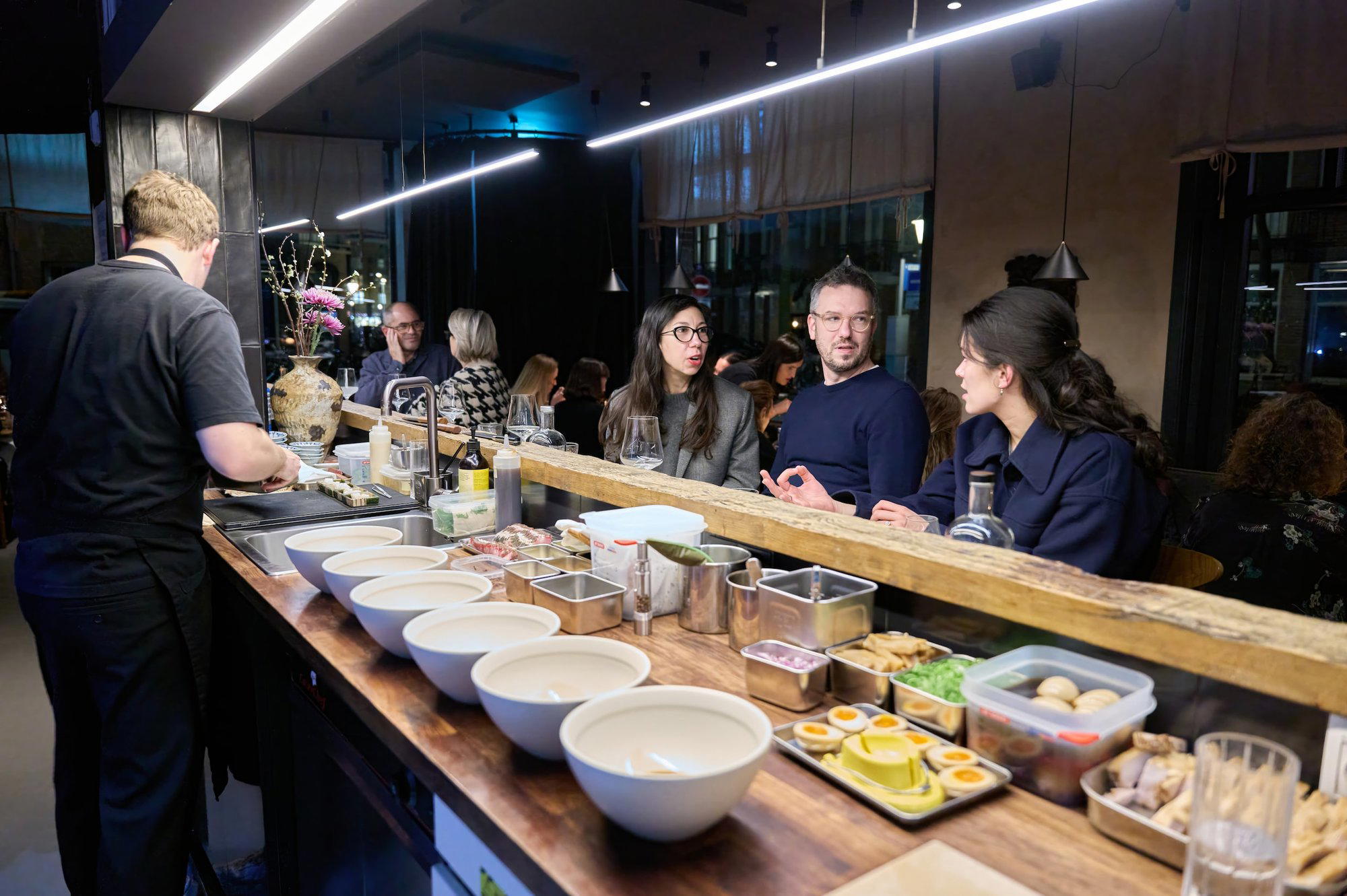
Amsterdam's Ramen Moment, and Where Fuku Fits
Japanese ramen arrived in the Netherlands the same way it reached most of Western Europe: first as curiosity, then as category. Amsterdam took longer than London or Paris to produce a credible ramen tier, but the gap has closed quickly. The city now has a spread of ramen addresses ranging from fast-casual tonkotsu counters aimed at students and tourists to smaller operations that apply genuine technique to local produce.
Amsterdam-Oost is not the city's traditional dining centre, but that has become one of its advantages. Rents that would be prohibitive in the Grachtengordel or De Pijp allow smaller kitchens to operate with more culinary freedom and less pressure to maximise throughput. The result is a cluster of independently run spaces that tend to be more ingredient-driven and less format-predictable than their tourist-facing counterparts in the centre. Fuku Ramen is part of that pattern.
Japanese Technique, Dutch Ingredients, The Case for Local Ramen
The more interesting question with any European ramen address is not whether it replicates Japan, but how honestly it handles the gap between imported method and available produce. Ramen is a cuisine built on specific inputs: pork bone, aged soy, kombu, particular noodle flour. Those inputs are now globally accessible, but the surrounding ingredient context in the Netherlands is different, Dutch pork has a distinct fat profile, local alliums and root vegetables carry different sweetness levels, and the water chemistry in Amsterdam affects broth differently than in Fukuoka or Sapporo.
The kitchens doing this seriously in Europe tend to take one of two approaches: strict importation of Japanese inputs as far as possible, or a hybrid method that treats ramen structure as the architecture and sources regionally within it. The latter produces something harder to benchmark but potentially more interesting. Venues like De Nieuwe Winkel in Nijmegen have demonstrated how far Dutch ingredient culture can be pushed through disciplined international technique. Ramen, as a format built around long-cooked stocks and precise noodle hydration, is a reasonable vehicle for a similar negotiation.
That editorial angle, local ingredients meeting global technique, is also well-documented in Amsterdam's broader dining scene. At the higher end of the city's restaurant tier, places like Ciel Bleu and Flore have each built their identities around European classical technique applied to seasonally driven Dutch sourcing. Spectrum and Vinkeles work similar ground from different angles. Ramen sits further down the price register, but the same tension between method and material is the thing worth watching.
The Oost Address and What It Signals
Ingogostraat is in the Indische Buurt sub-district of Amsterdam-Oost, an area with a dense history of Indonesian and Surinamese food culture shaped by the Netherlands' colonial past. That culinary substrate matters: the neighbourhood already has a sophisticated relationship with layered spice and long-cooked bases, which means diners here tend to be less surprised by depth and umami than those coming from the city's more generic tourist corridors.
The location also places Fuku Ramen away from the concentration of Amsterdam's Michelin-recognised addresses, most of which cluster in the centre or Canal Ring. That separation is not a disadvantage. The Netherlands' Michelin footprint extends well beyond Amsterdam, De Librije in Zwolle, Inter Scaldes in Kruiningen, and De Lindenhof in Giethoorn demonstrate that serious kitchens operate across the country. But within Amsterdam, the Oost addresses operate on a neighbourhood logic rather than a destination-dining logic, which tends to reward more casual, repeat-visit formats. Ramen is well-suited to that rhythm.
Ramen in Context: What Comparable European Operators Have Established
Across Europe, the ramen addresses that have built durable reputations share a few structural features: a defined broth identity (not a rotating menu of six styles), a noodle programme with real specificity, and a toppings approach that reflects either Japanese sourcing discipline or a coherent local adaptation. The weaker operators tend to offer a broad style menu, shio, shoyu, miso, tonkotsu all at once, without the kitchen depth to execute each well. The stronger ones commit to one or two preparations and develop them fully.
Internationally, frequently discussed ramen operators are in Tokyo and Osaka, where the Michelin Guide has now recognised ramen at the one-star level, a shift that formalised what serious ramen cooks already knew: that broth construction, noodle texture, and ingredient quality can match the precision of any other restaurant format. In the United States, venues like Lazy Bear in San Francisco have demonstrated how tasting-menu technique filters down into more accessible formats over time. Seafood-driven technique as seen at Le Bernardin in New York City similarly reflects how method-led kitchens shape the restaurants that follow them in their respective cities. European ramen is still in an earlier phase of that development arc.
For Amsterdam's ramen tier specifically, the gap between the city's casual noodle shops and what the serious broth-based format could produce remains wider than in London or Berlin. That gap is where addresses like Fuku Ramen operate, and it is the gap worth watching as the city's Asian food culture continues to mature. Bistro de la Mer to the city's €€€€ creative kitchens.
Know Before You Go
Address: Ingogostraat 14A, 1092 HZ Amsterdam, Netherlands
Neighbourhood: Indische Buurt, Amsterdam-Oost
Hours: Mon: Closed; Tue: Closed; Wed: Closed; Thu: Closed; Fri: Closed; Sat: Closed; Sun: Closed
Booking: Essential
Dress code: Smart casual
Price per person: €95
Pricing, Compared
Comparable venues nearby, for context on price, style, and recognition.
| Venue | Price | Notes |
|---|---|---|
| Fuku RamenThis venue — the venue you are viewing | $$$ | Not listed |
| Hosokawa | $$$ | Leidsebuurt Noordoost, Modern Japanese Teppanyaki |
| MOYŌ | $$$ | Bellamybuurt Zuid, Modern Japanese Omakase |
| Ikkoku | $$$ | Hercules Seghersbuurt, Japanese Omakase & Robatayaki |
| Brasserie Bruis | $$$ | Haarlem city centre, Seasonal French Brasserie |
| Hakata Senpachi | $$ | Wielingenbuurt, Traditional Japanese Yakitori Izakaya |
Continue exploring
More in Amsterdam
Restaurants in Amsterdam
Browse all →
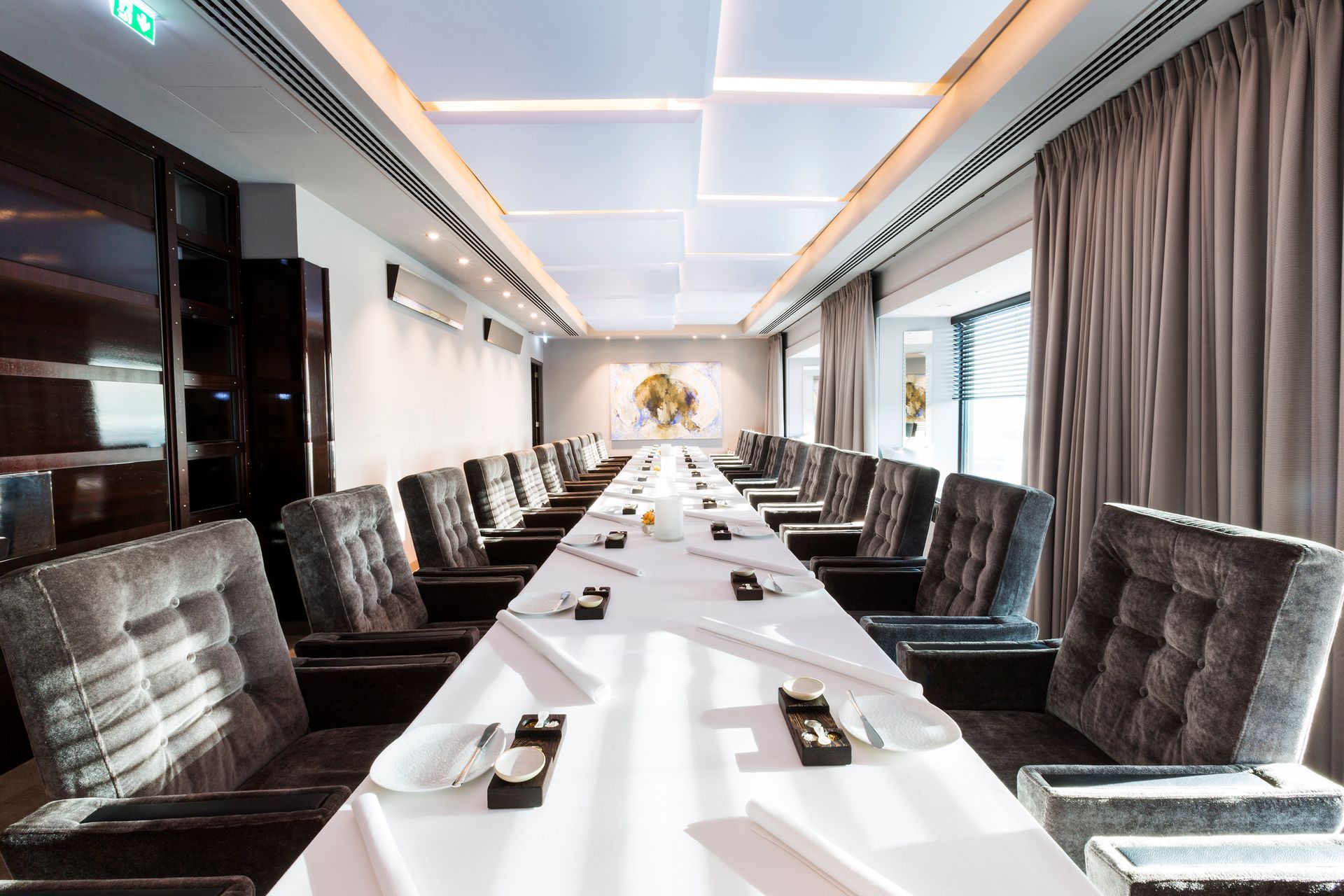
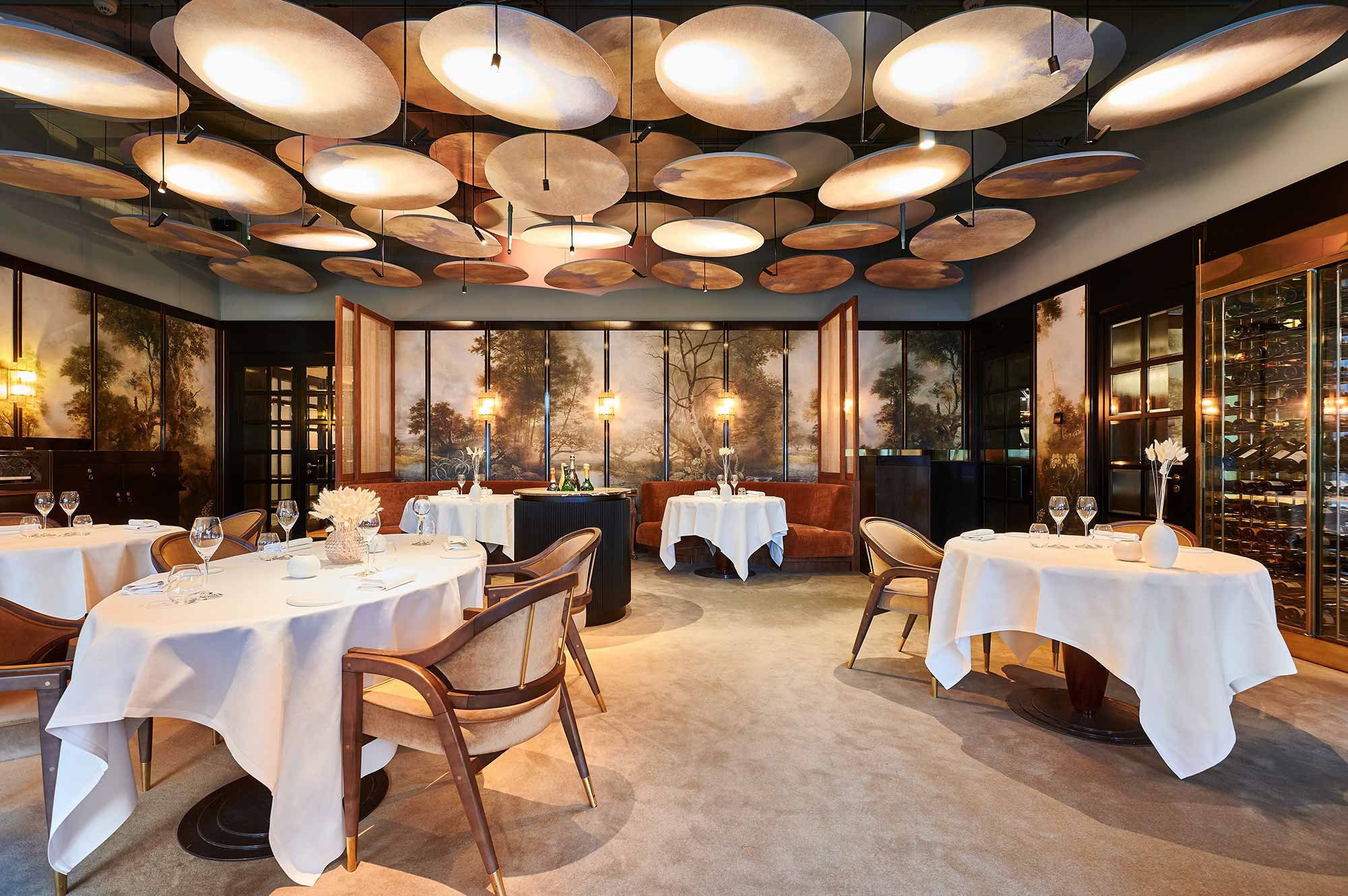
Bars in Amsterdam
Browse all →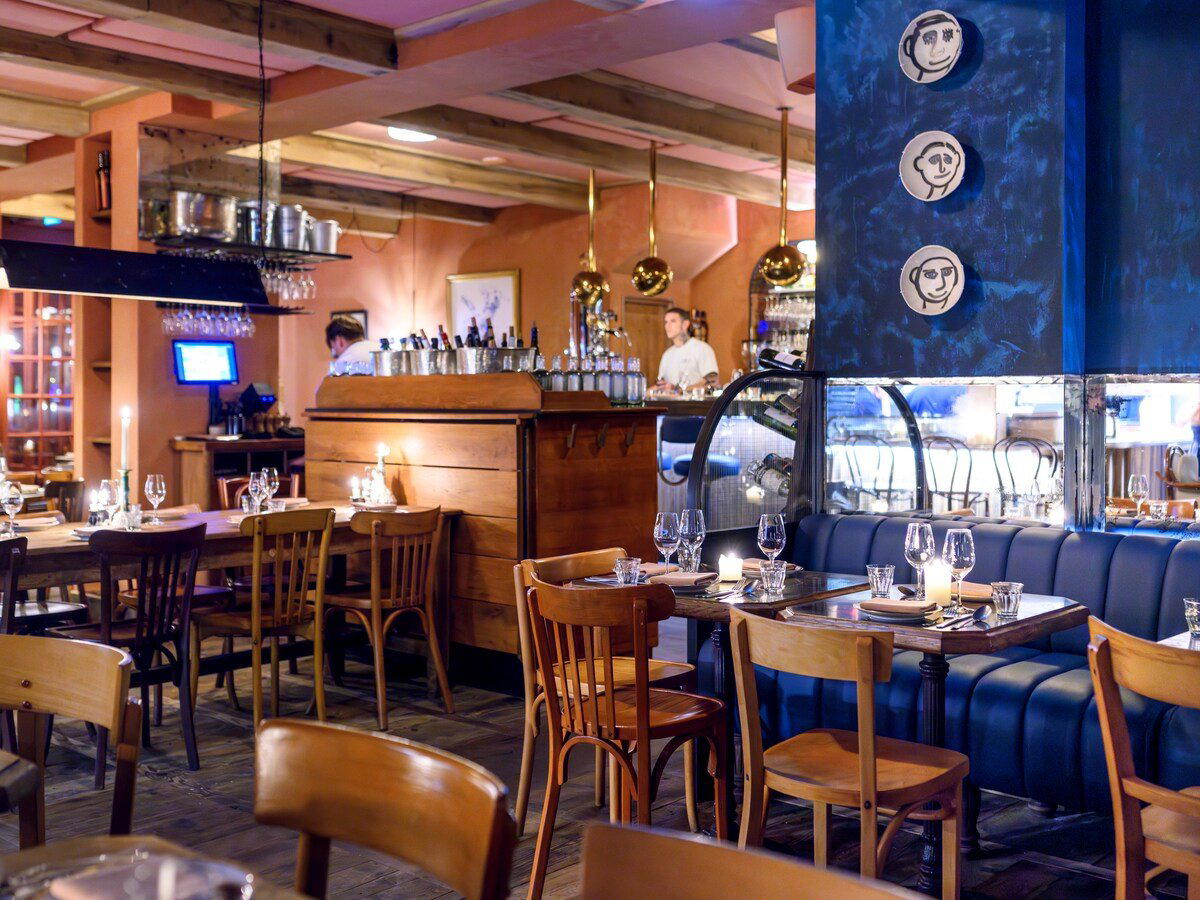
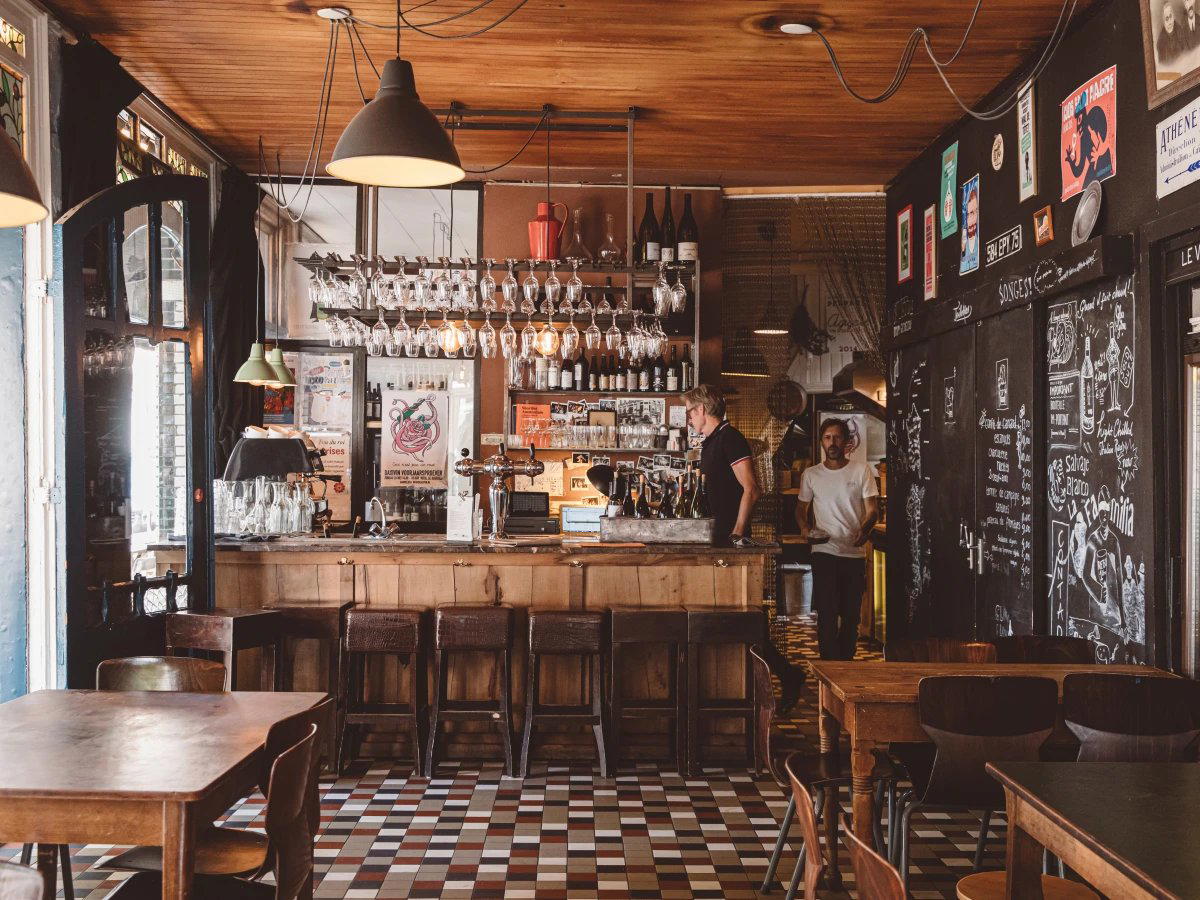
Hotels in Amsterdam
Browse all →
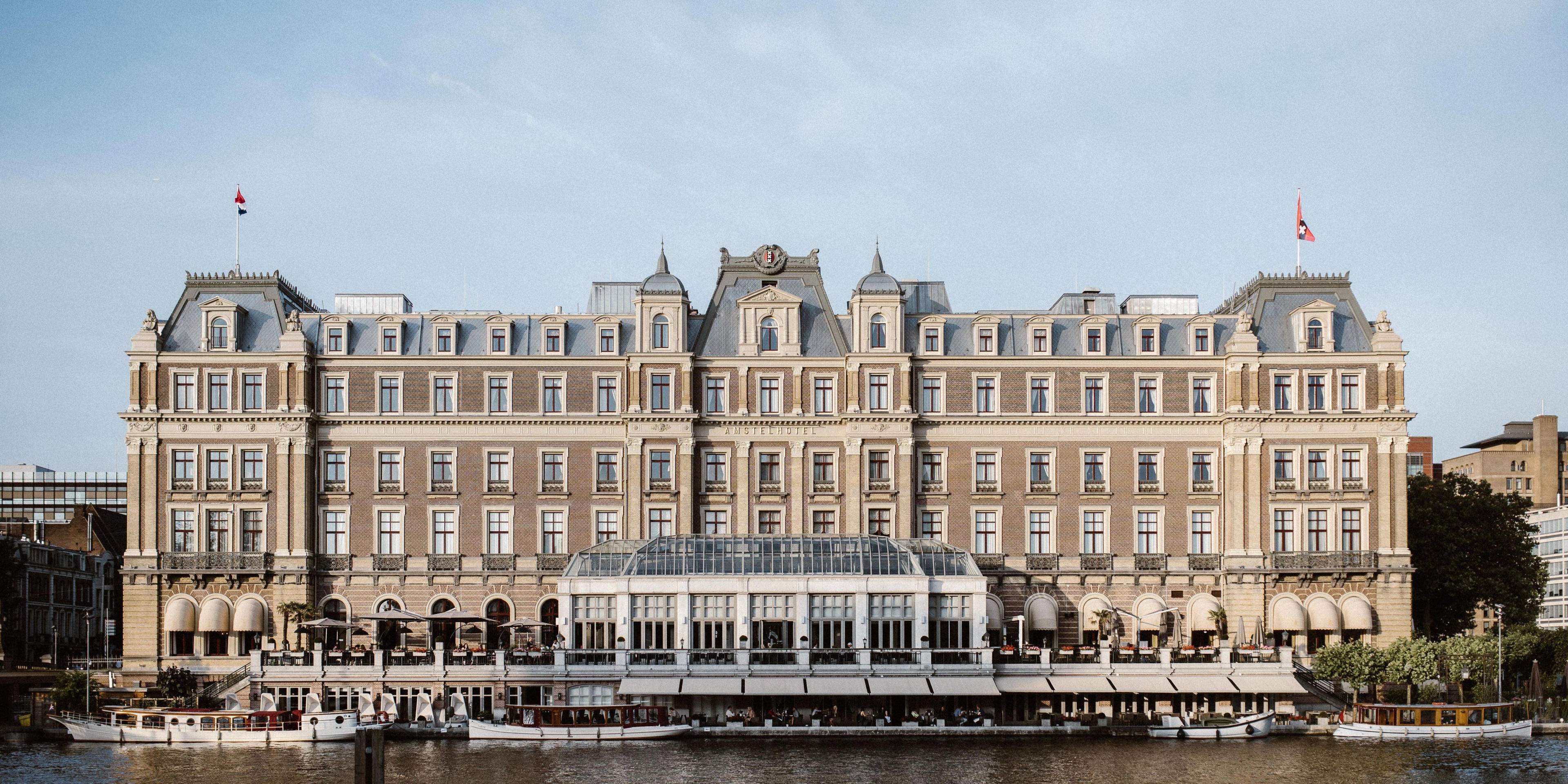
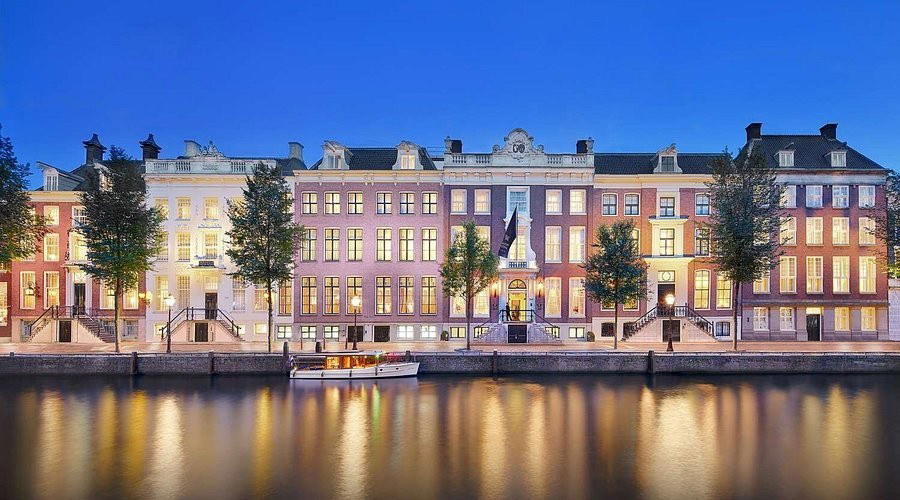
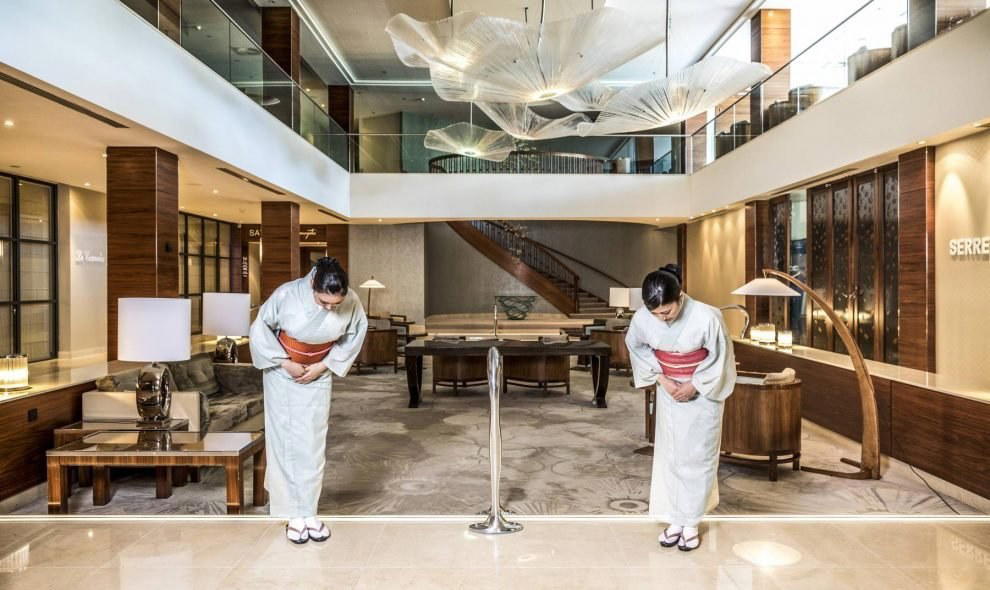
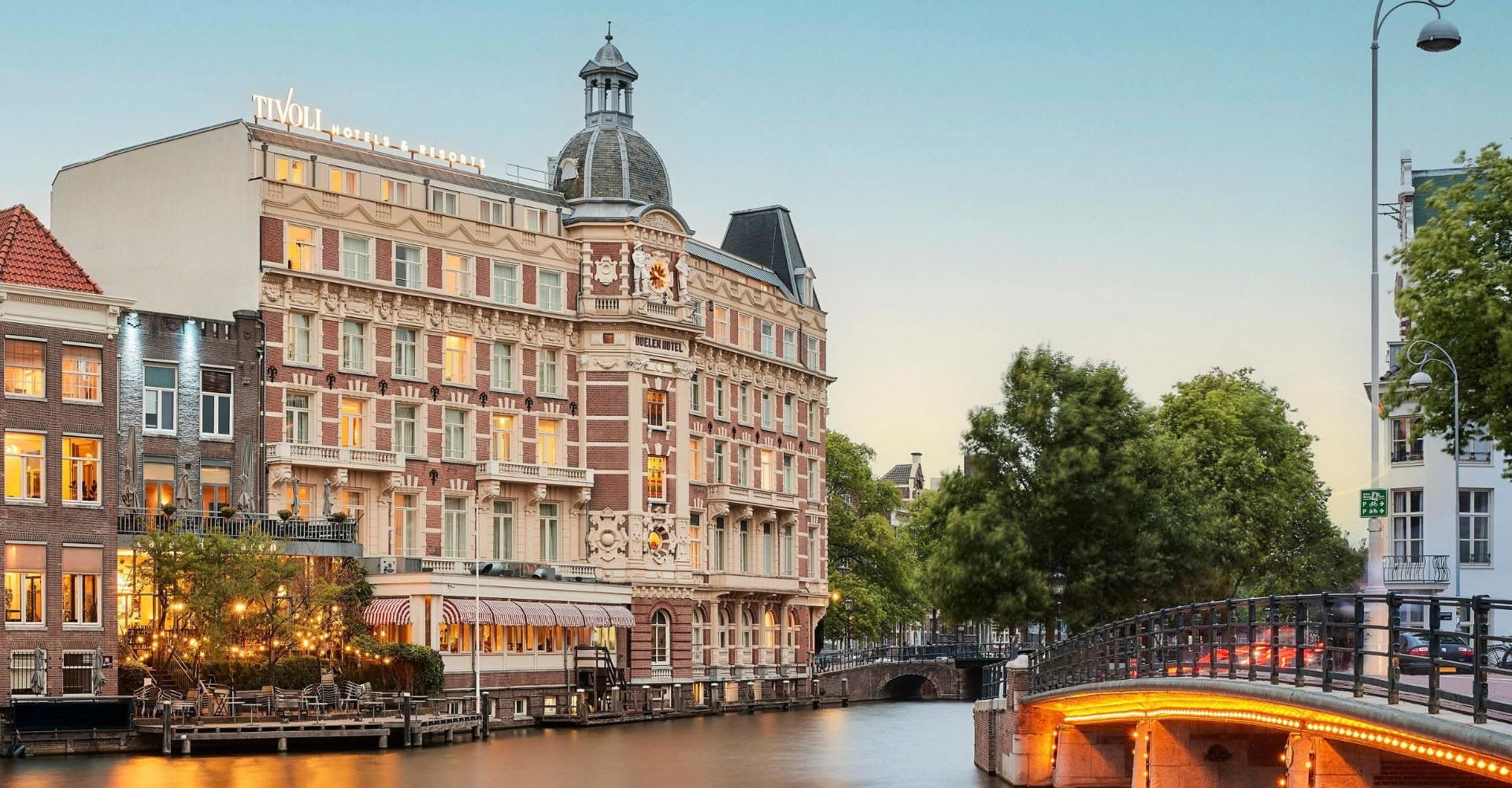
Wineries in Amsterdam
Browse all →
At a Glance
- Intimate
- Cozy
- Modern
- Elegant
- Date Night
- Special Occasion
- Solo
- Open Kitchen
- Chefs Counter
- Design Destination
- Sake Program
- Craft Cocktails
- Local Sourcing
Current opening hours
- Monday
- Closed
- Tuesday
- Closed
- Wednesday
- Closed
- Thursday
- Closed
- Friday
- Closed
- Saturday
- Closed
- Sunday
- Closed
Hours can change for holidays and private events. Last verified .
Warm and welcoming with earthy tones, light wood, sleek minimalist design, and a tranquil Japanese aesthetic; intimate 8-seat bar allows guests to watch chefs prepare dishes.