MOYŌ
On Kinkerstraat in Amsterdam's Oud-West, MOYŌ occupies a stretch of the city where neighbourhood eating has quietly moved well beyond its corner-café origins. The address places it inside a district that now draws serious diners away from the canal-belt circuit, offering a more grounded alternative to the formal dining rooms clustered around Leidseplein and the Museumkwartier.
Pearl is the En Primeur Club membership app — saves, bookings, and concierge access live there. Same editors, same standards.
- Address
- Kinkerstraat 122, 1053 ED Amsterdam, Netherlands
- Website
- paindemie-amsterdam.com
- Directions
- Get directions
 Saves & bookings on Pearl
Kinkerstraat and the Oud-West Dining Shift
Ciel Bleu, Flore, and Spectrum each operate within that familiar premium corridor. What has changed over the past several years is the degree to which Oud-West, the district running west of Leidseplein along the Kinkerstraat axis, has developed a credible alternative identity, one built less on formal ceremony and more on neighbourhood density and a younger dining public that expects quality.
MOYŌ sits at Kinkerstraat 122, a street that functions as the commercial spine of Oud-West. To arrive here is to move through a part of the city that feels genuinely inhabited rather than curated for visitors. The tram lines that run along the broader corridor bring locals rather than tour groups. The shops and cafés on either side of the address are the kind that suggest regular custom, not transient footfall. That context matters for any restaurant on this street: the audience is predominantly a resident Amsterdam one, and the expectations that come with that audience differ meaningfully from those that shape the canal-belt dining room.
What Oud-West Asks of Its Restaurants
In a neighbourhood like Oud-West, the competitive pressure runs differently than in the Michelin-tracked dining rooms of the city centre. The reference points for diners here include De Kas in the Frankendael park area, BAK in the Westerdok, and Wils in the Vondelpark vicinity, all venues that have built followings among Amsterdam's food-literate resident population without necessarily chasing formal accolades. The question a restaurant on Kinkerstraat faces is not whether it can compete with Vinkeles or Ciel Bleu on ceremony and technical register, but whether it can hold its own against venues that have successfully translated culinary seriousness into a more accessible, neighbourhood-facing format.
That local-facing model has become one of the more interesting fault lines in Dutch dining more broadly. The Netherlands has a deep tradition of destination restaurants in smaller cities and towns, De Librije in Zwolle, 't Nonnetje in Harderwijk, Aan de Poel in Amstelveen, De Bokkedoorns in Overveen, Brut172 in Reijmerstok, where the restaurant itself is the reason for travel. What Amsterdam's mid-tier neighbourhoods are developing is something structurally different: restaurants that serve a residential public with the same seriousness those destination venues bring to their tasting menus, but calibrated to weekly rather than annual dining rhythms. De Groene Lantaarn in Staphorst, De Lindehof in Nuenen, and De Nieuwe Winkel in Nijmegen each represent that destination-restaurant tradition in their respective regions, which makes the Amsterdam neighbourhood counterpart all the more interesting as a different kind of proposition.
The Address as Editorial Statement
A restaurant choosing Kinkerstraat over a more obviously prestigious postal code makes an implicit argument about what kind of dining it intends to be. The street's character, mid-rise brick, ground-floor retail, the specific rhythm of a working Amsterdam neighbourhood rather than a tourist-facing one, sets an expectation of directness. Restaurants here tend to succeed or fail on the quality of what they serve and how regularly locals return, rather than on the lift provided by a prestigious location. That is a harder test in some ways than performing well for a well-disposed anniversary-dinner audience who have arrived wanting to be impressed.
This dynamic is not distinctive to Amsterdam. In cities where premium dining has concentrated in well-defined zones, Paris's eighth, London's Mayfair, New York's midtown dining corridors covered by venues like Le Bernardin or the precision-focused tasting-menu format represented by Atomix, the restaurants that have built particularly durable reputations outside those zones have generally done so by serving a local constituency with genuine consistency rather than by importing the codes of fine dining into an incongruous setting. The Kinkerstraat location positions MOYŌ as a participant in that neighbourhood-over-prestige argument.
Situating MOYŌ in the Amsterdam comparable set
Amsterdam's mid-to-upper restaurant tier is not a single category. At the formal end, you have the hotel dining rooms and Michelin-tracked creative kitchens covered in our full Amsterdam restaurants guide. At the neighbourhood end, you have a growing cohort of serious independent restaurants in Oud-West, De Pijp, and Noord that have developed loyal followings without the infrastructure of a hotel group or a Michelin star to anchor their marketing. Bistro de la Mer represents the classic end of that spectrum; the more modern iterations tend toward smaller formats, shorter menus, and a directness of ingredient sourcing that reads clearly in the plate.
Venues at this level across Dutch cities, De Treeswijkhoeve in Waalre and De Lindenhof in Giethoorn among them, demonstrate that serious cooking in the Netherlands does not require a metropolitan postcode. What the Kinkerstraat address offers is a version of that seriousness applied to urban neighbourhood conditions: a local public, a competitive immediate environment, and the absence of the tourist cushion that softens the feedback loop for canal-belt dining rooms.
Planning a Visit
Kinkerstraat is accessible directly by tram from Centraal Station and Leidseplein, making MOYŌ direct to reach from most parts of the city without a taxi or extended walk. The street is at its most active in the evening, when the neighbourhood's resident dining public comes out, and the atmosphere shifts from daytime-retail to something more specifically social. Given the limited public information currently available about booking channels and specific service hours, one direct route to a reservation is approaching the venue directly.
Pricing, Compared
Comparable venues nearby, for context on price, style, and recognition.
| Venue | Price | Awards | Notes |
|---|---|---|---|
| MOYŌThis venue — the venue you are viewing | $$$ | Not listed | Not listed |
| Taiko | $$$$ | Not listed | P.C. Hooftbuurt, Modern Japanese Cuisine |
| Ottolenghi Amsterdam | $$$ | Not listed | P.C. Hooftbuurt, Modern Vegetable-Centric Mediterranean |
| EN | $$$ | Michelin Plate | Cornelis Troostbuurt, Modern Japanese Kaiseki |
| Hemelse Modder | $$$ | Not listed | Scheepvaarthuisbuurt, Contemporary Dutch-French Cuisine |
| Bluespoon | $$$ | Not listed | Canal Ring (Prinsengracht), European with Dutch Twist |
Continue exploring
More in Amsterdam
Restaurants in Amsterdam
Browse all →
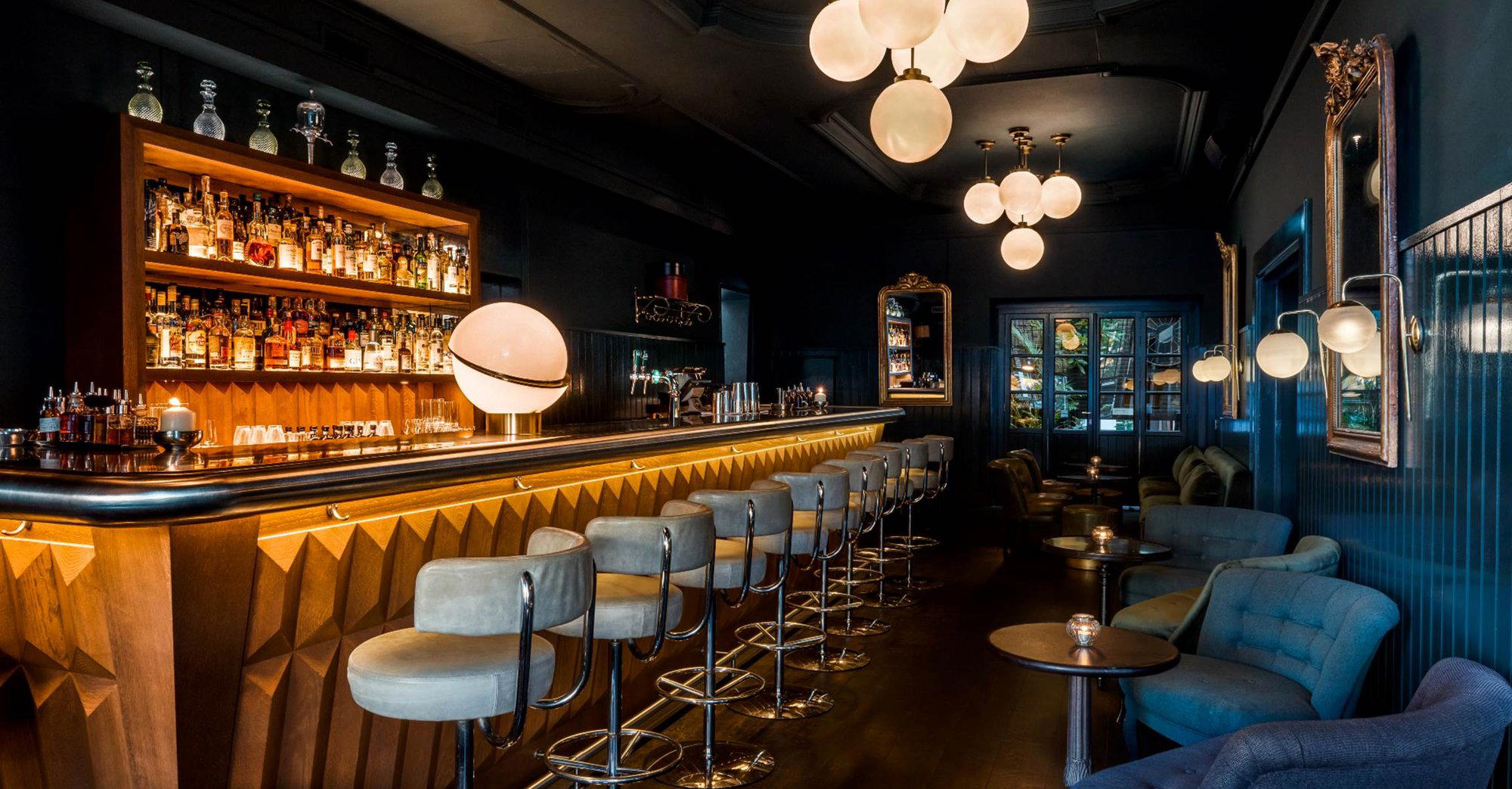
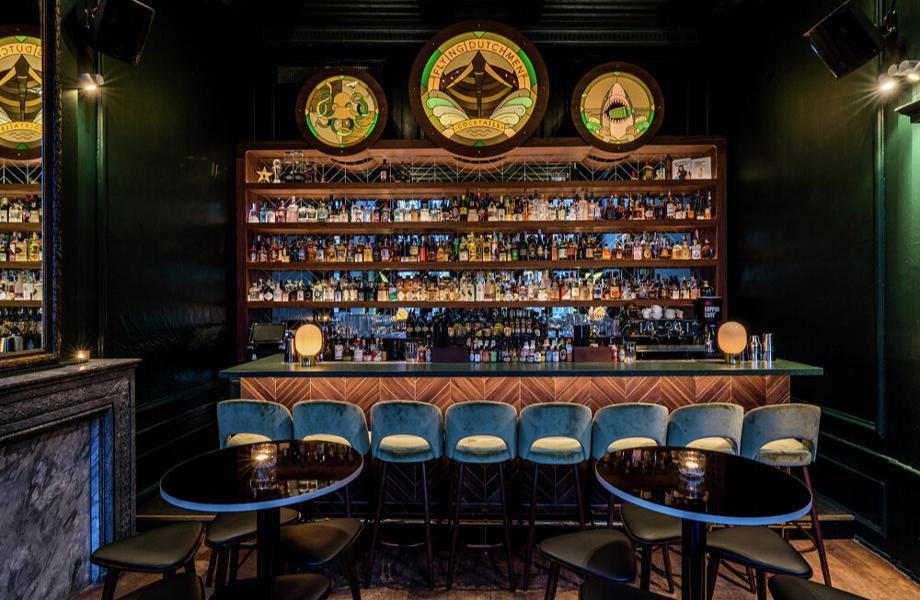
Bars in Amsterdam
Browse all →
Hotels in Amsterdam
Browse all →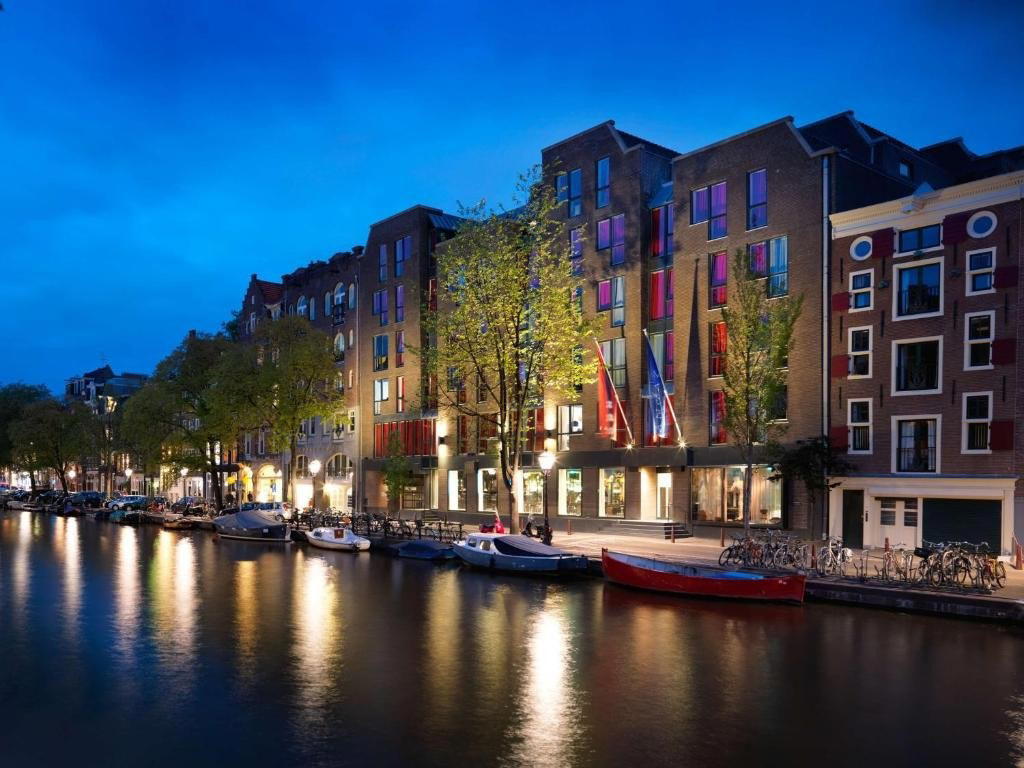
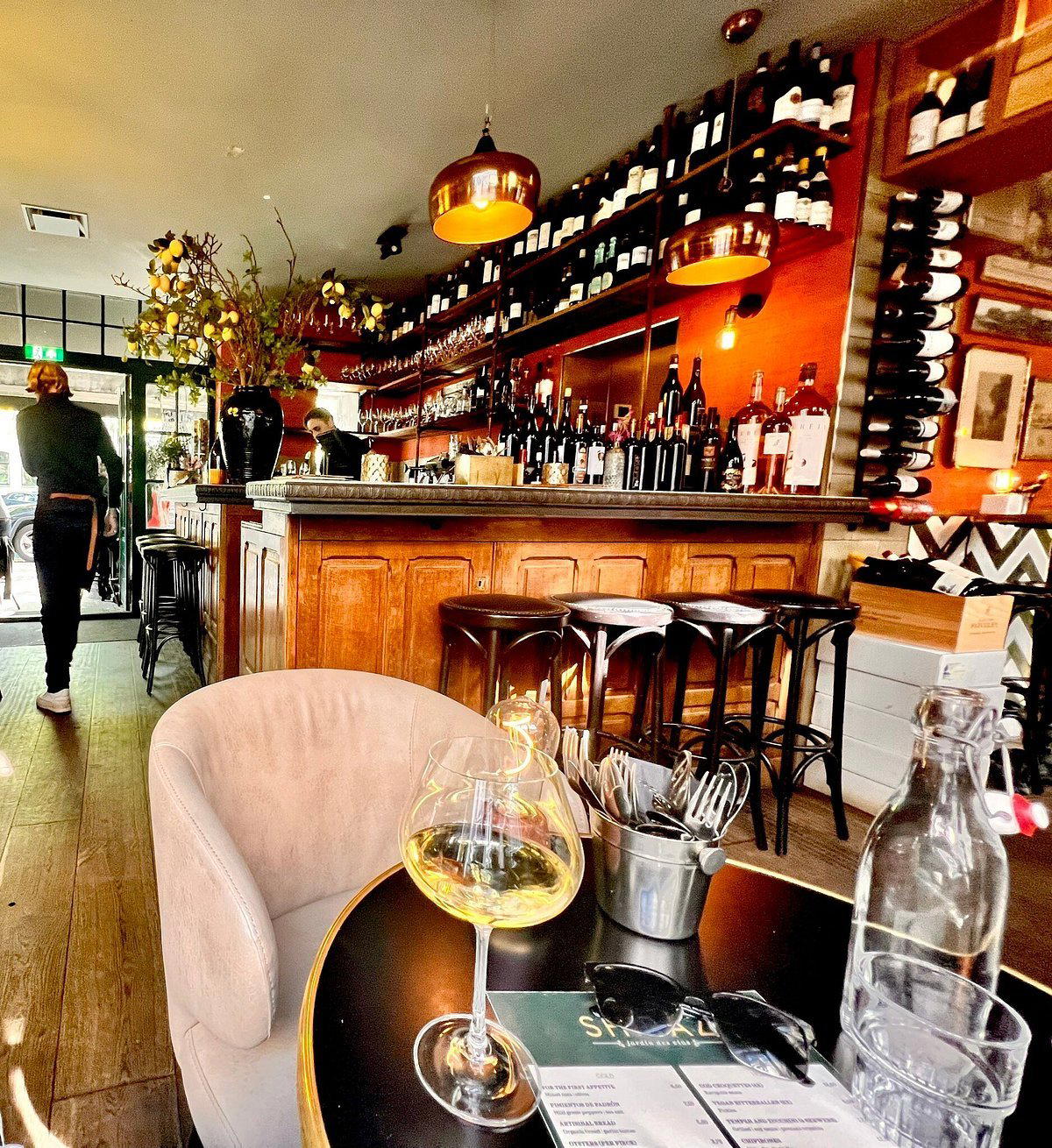
Wineries in Amsterdam
Browse all →
At a Glance
- Modern
- Trendy
- Sophisticated
- Date Night
- Special Occasion
Current opening hours
- Monday
- Closed
- Tuesday
- Closed
- Wednesday
- 5:01–10:58 PM
- Thursday
- 5–10:56 PM
- Friday
- 11:58 AM–12:57 AM
- Saturday
- 11:58 AM–12:57 AM
- Sunday
- 12:03–10:54 PM
Hours can change for holidays and private events. Last verified .
Intimate and elegant with a focus on high-end Japanese culinary experiences.