Brasserie Bruis
Brasserie Bruis belongs to Amsterdam’s casual brasserie conversation rather than the city’s high-ceremony tasting-menu circuit. With no public awards, chef credit, price band, or signature dishes attached here, the smarter read is category-led: judge it through produce, seasonality, and how convincingly a brasserie format turns market ingredients into relaxed city dining.

Pearl is the En Primeur Club membership app — saves, bookings, and concierge access live there. Same editors, same standards.
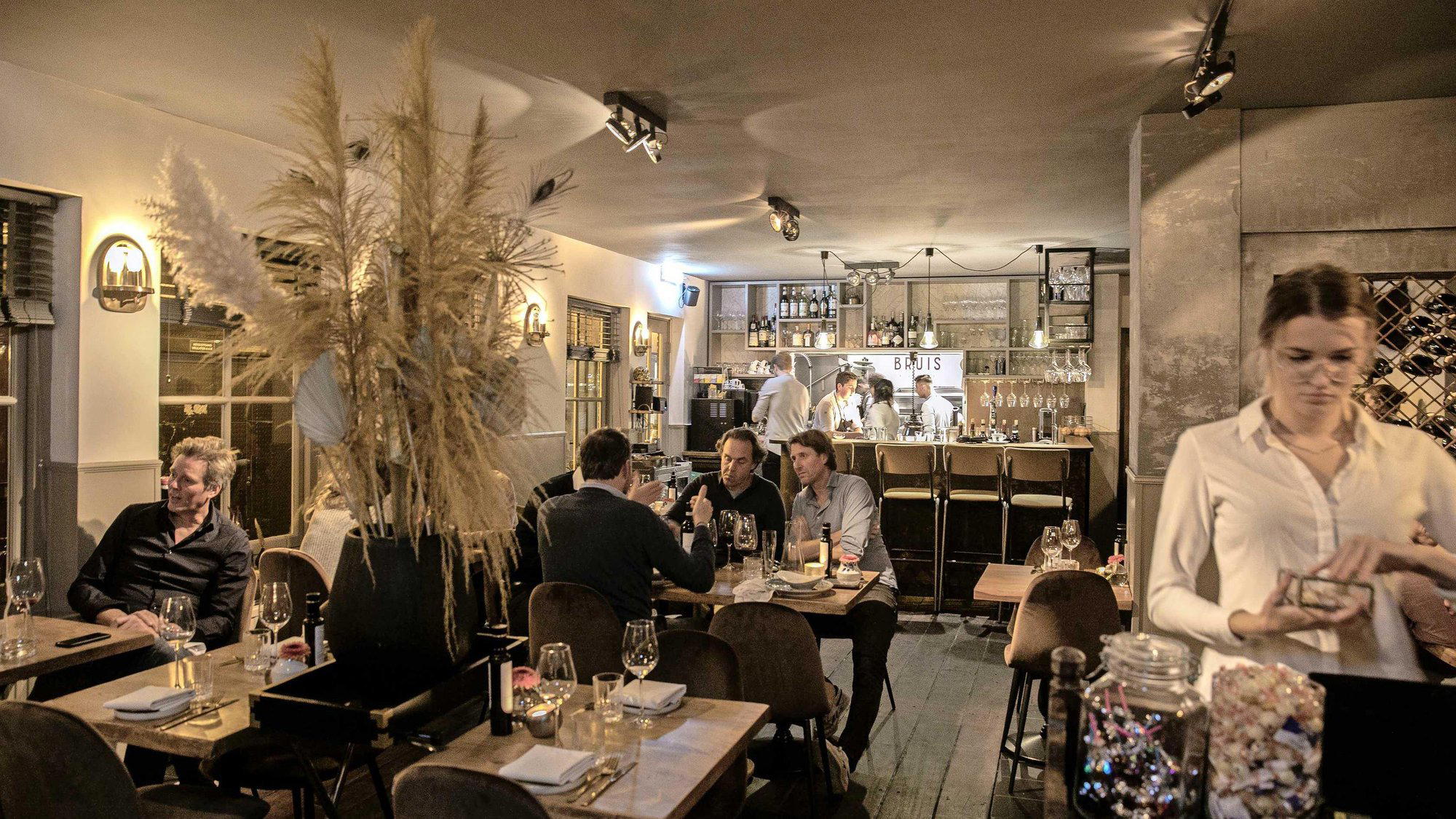
Amsterdam brasseries work best when the room feels useful before it feels theatrical: a place for conversation, plates built around the market, and cooking that does not need ceremony to make its point. Brasserie Bruis sits in that register. The name signals fizz and sociability, but the more serious question is sourcing: in a city fed by North Sea fish, Dutch dairy, greenhouse vegetables, and a strong bakery culture, a brasserie earns attention by how clearly it lets those ingredients carry the meal.
Amsterdam brasserie cooking is strongest when produce leads the table
The Dutch capital has spent the past decade widening its restaurant vocabulary. At one end are structured creative menus, represented in the city by addresses such as & moshik and 212 (€€€€ · Creative). At another are wine-led, informal rooms such as 4850 (Wine Bar), where the bottle can shape the evening as much as the kitchen. A brasserie occupies a different lane: less about surprise, more about repeatability, temperature, texture, and the confidence to keep dishes legible.
That makes ingredient sourcing the central test. Amsterdam’s everyday larder is unusually strong for a northern European city: herring and shellfish from cold waters, butter and cheese from a dairy culture with real depth, chicories and brassicas that suit the climate, and herbs and vegetables from a greenhouse sector that supplies much of Europe. In a brasserie setting, those materials should not be buried under concept. The better version of the format lets acidity sharpen dairy, lets bitter greens balance richness, and treats seafood with enough restraint that freshness remains the point.
Brasserie Bruis has no listed Michelin recognition, named chef, public price band, or confirmed signature dish attached here, so it should not be read as an awards-led destination. That matters. Amsterdam diners often split their evenings between reservation-driven dining and looser neighbourhood meals; a brasserie without a heavy public credential trail belongs to the second decision set. The question is not whether it competes with tasting-menu rooms, but whether it gives the city’s produce a relaxed, coherent frame.
The useful comparison is format, not fame
In Amsterdam, the brasserie format has an advantage over more rigid dining rooms: it can respond to appetite. It can suit a short meal, a longer dinner, or a table that wants to drink seriously without committing to a full menu sequence. That flexibility is also where weak brasseries fail. If sourcing is vague, the room becomes generic. If the kitchen treats the brasserie label as permission for broad crowd-pleasing, the food loses its Dutch context and is anywhere.
Brasserie Bruis is therefore best approached through ordering discipline. Look for dishes that show where the plate comes from: seasonal vegetables, fish or shellfish handled plainly, dairy used for structure rather than weight, and sauces that support rather than dominate. If the menu reads broadly European, the Amsterdam test remains the same. The strongest meal will usually be the one that feels closest to local supply and least dependent on imported luxury cues.
For readers mapping a wider city stay, it helps to place this kind of restaurant alongside Amsterdam’s other categories rather than force a hierarchy. The broader scene includes Italian rooms such as A Tavola, lower-priced Asian dining such as A-Fusion (€ · Asian), and a growing collection of specialist bars and hotels that shape how visitors plan evenings. Use Our full Amsterdam restaurants guide, Our full Amsterdam hotels guide, Our full Amsterdam bars guide, Our full Amsterdam wineries guide, and Our full Amsterdam experiences guide to build the rest of the itinerary around the meal.
How to read Brasserie Bruis before committing an evening
The absence of a published award trail or named culinary figure shifts the burden back to the fundamentals: menu clarity, seasonal signals, and whether the room feels calibrated for locals rather than passing traffic. That is not a downgrade; many city meals live or die on exactly those details. A brasserie with a short, produce-aware menu is often a better Amsterdam decision than a more ambitious room trying to do too much.
Travellers extending a Netherlands food route beyond Amsterdam can also use the country’s smaller dining rooms as context, from 't Amsterdammertje in Loenen aan de Vecht and 't Arsenaal in Deventer to 't Fnidsen in Alkmaar, 't Ganzenest in Rijswijk, 't Golfje in Midsland, and 't Havenmantsje in Harlingen. Those names underline a broader Dutch pattern: serious dining here is not confined to capital-city glamour. Ingredient-led cooking travels well across the country because the supply chain is national, not neighbourhood decoration.
For a cross-cultural contrast, the precision of compact Japanese formats in California, including Jōdo Saké Bar in Los Angeles and Onigiri Time in Pasadena, shows the opposite model: narrower format, tighter product focus, less brasserie elasticity. Amsterdam’s brasserie tradition asks for a broader table. The restaurant should be judged on whether that breadth still has a point.
In Context
Comparable venues nearby, for context on price, style, and recognition.
| Venue | Cuisine | Price | Notes |
|---|---|---|---|
| Brasserie BruisThis venue — the venue you are viewing | Not listed | $$$ | Not listed |
| Lion Noir | Gouden Bocht, Stylish French Bistro | $$$ | Not listed |
| Van De Kaart | Spiegelbuurt, French Regional Bistro | $$$ | Not listed |
| Cafe Maurits | Not listed | $$$ | Aalsmeerwegbuurt Oost, French Bistro with Seasonal Influences |
| Restaurant Seven Seas | Scheepvaarthuisbuurt, French Seafood | $$$$ | Not listed |
| Denc, Dik & Cunningham | Not listed | $$$ | Amstelveldbuurt, French-Mediterranean with Local Dutch Influences |
Continue exploring
More in Amsterdam
Restaurants in Amsterdam
Browse all →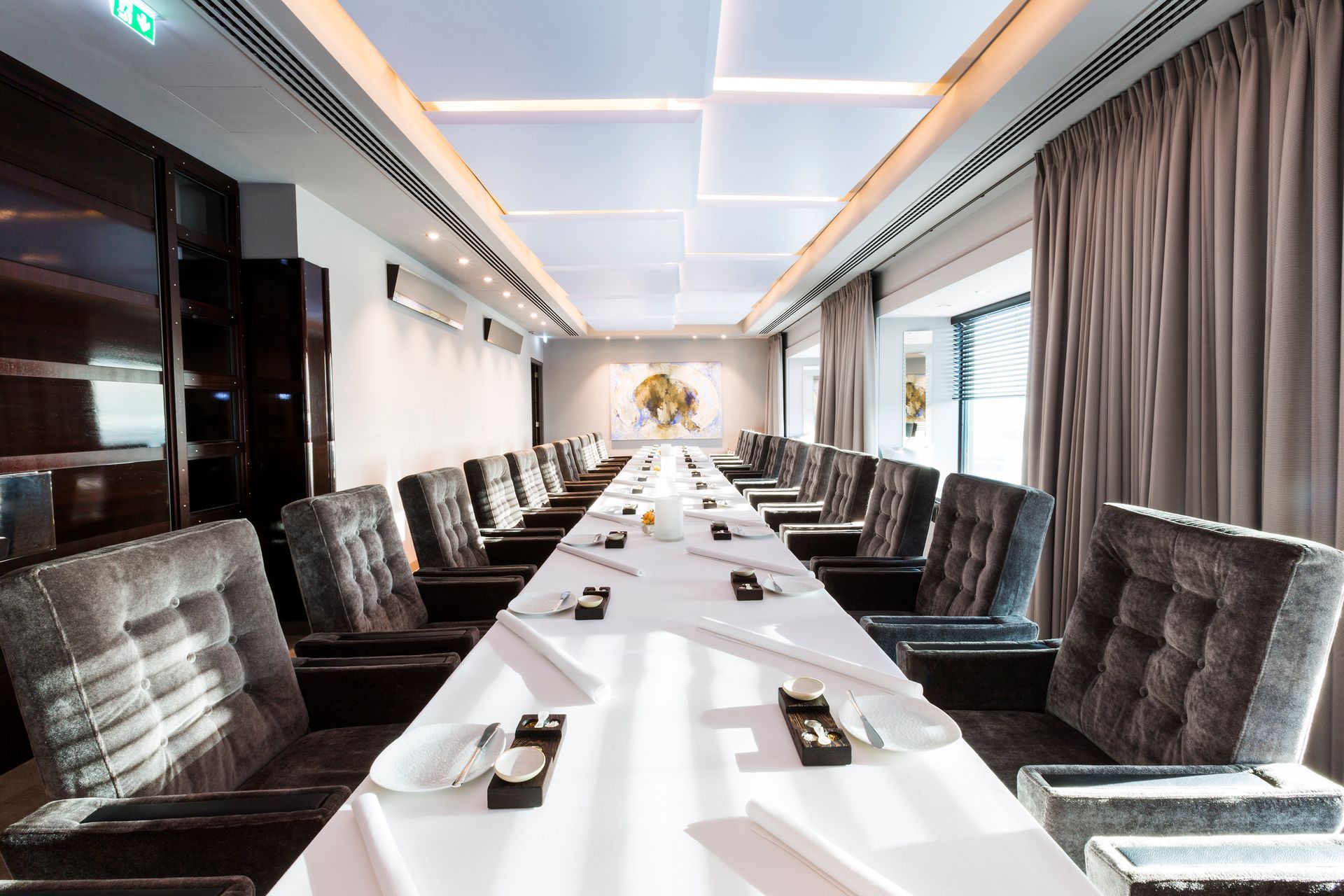
Bars in Amsterdam
Browse all →
Hotels in Amsterdam
Browse all →
Wineries in Amsterdam
Browse all →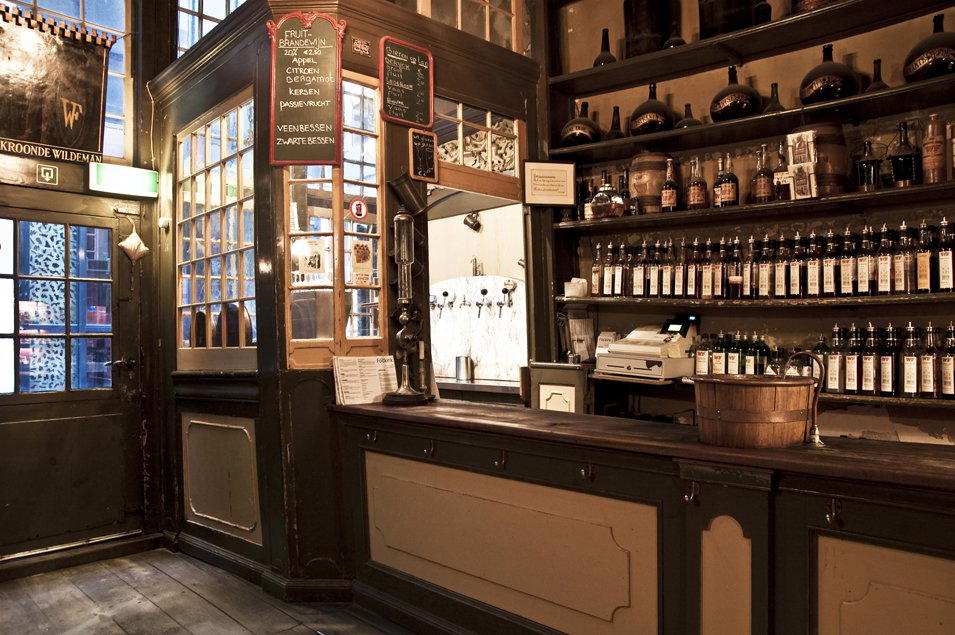
At a Glance
- Elegant
- Cozy
- Romantic
- Sophisticated
- Date Night
- Business Dinner
- Group Dining
- Celebration
- Special Occasion
- After Work
- Wine Cellar
- Standalone
- Extensive Wine List
- Sommelier Led
- Natural Wine
- Local Sourcing
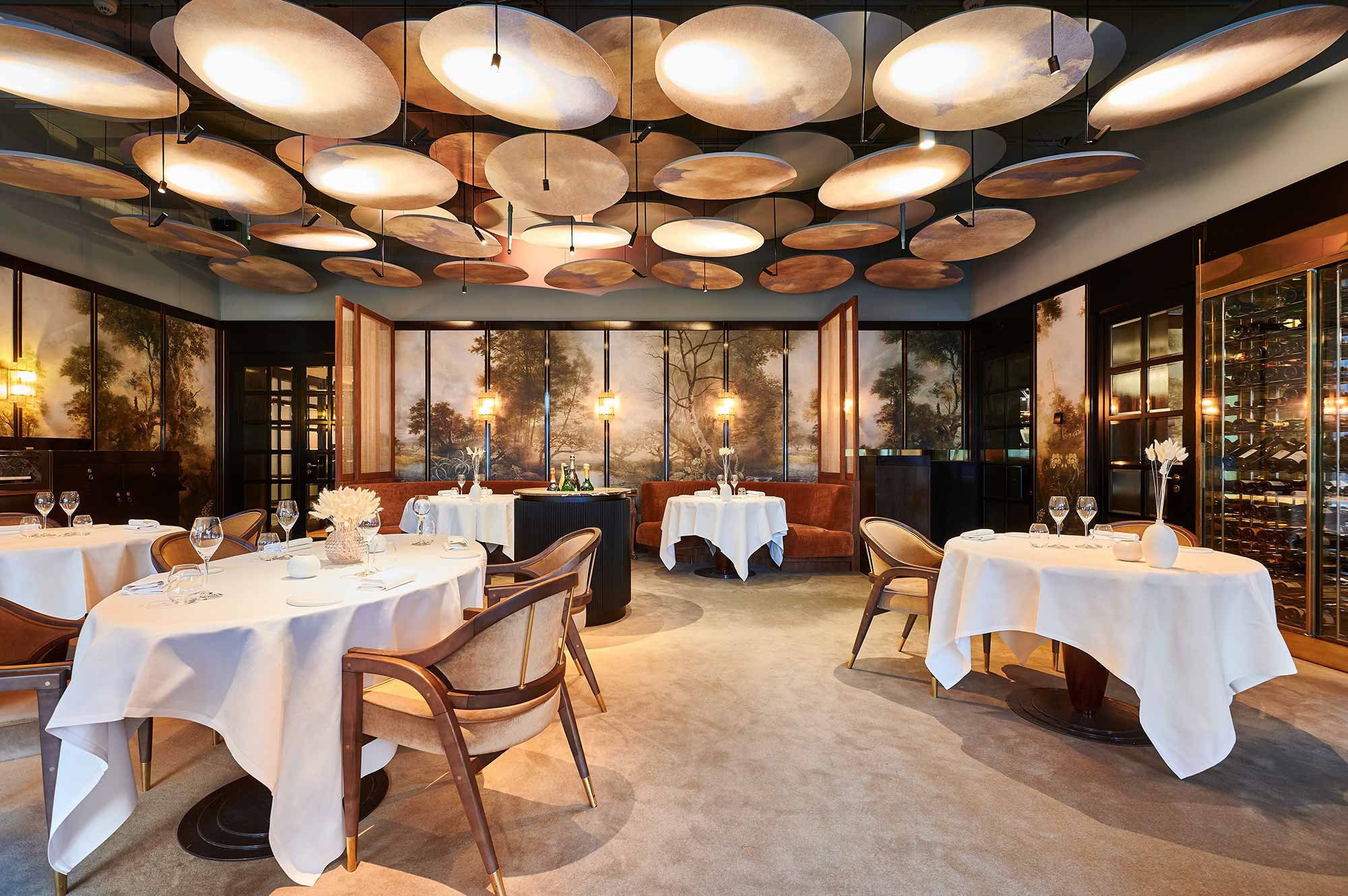
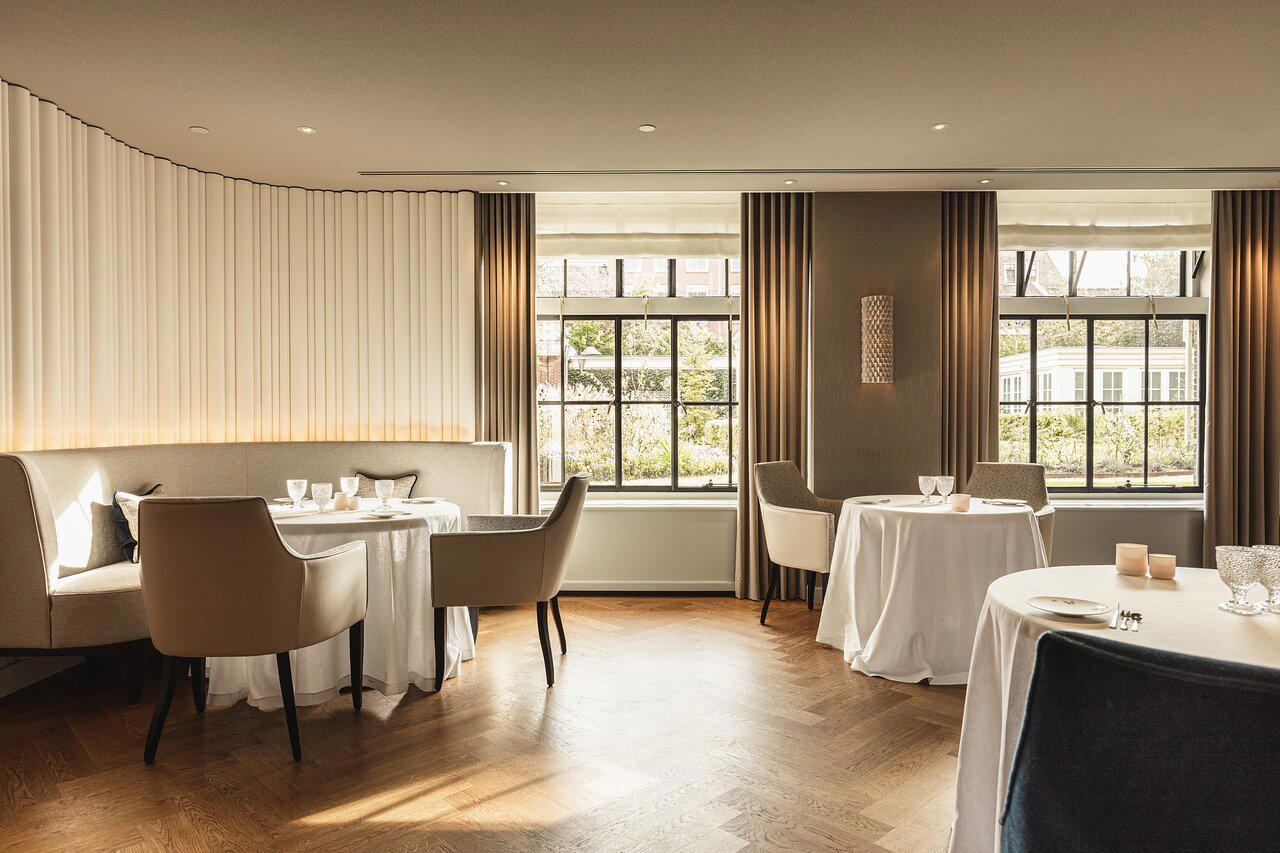
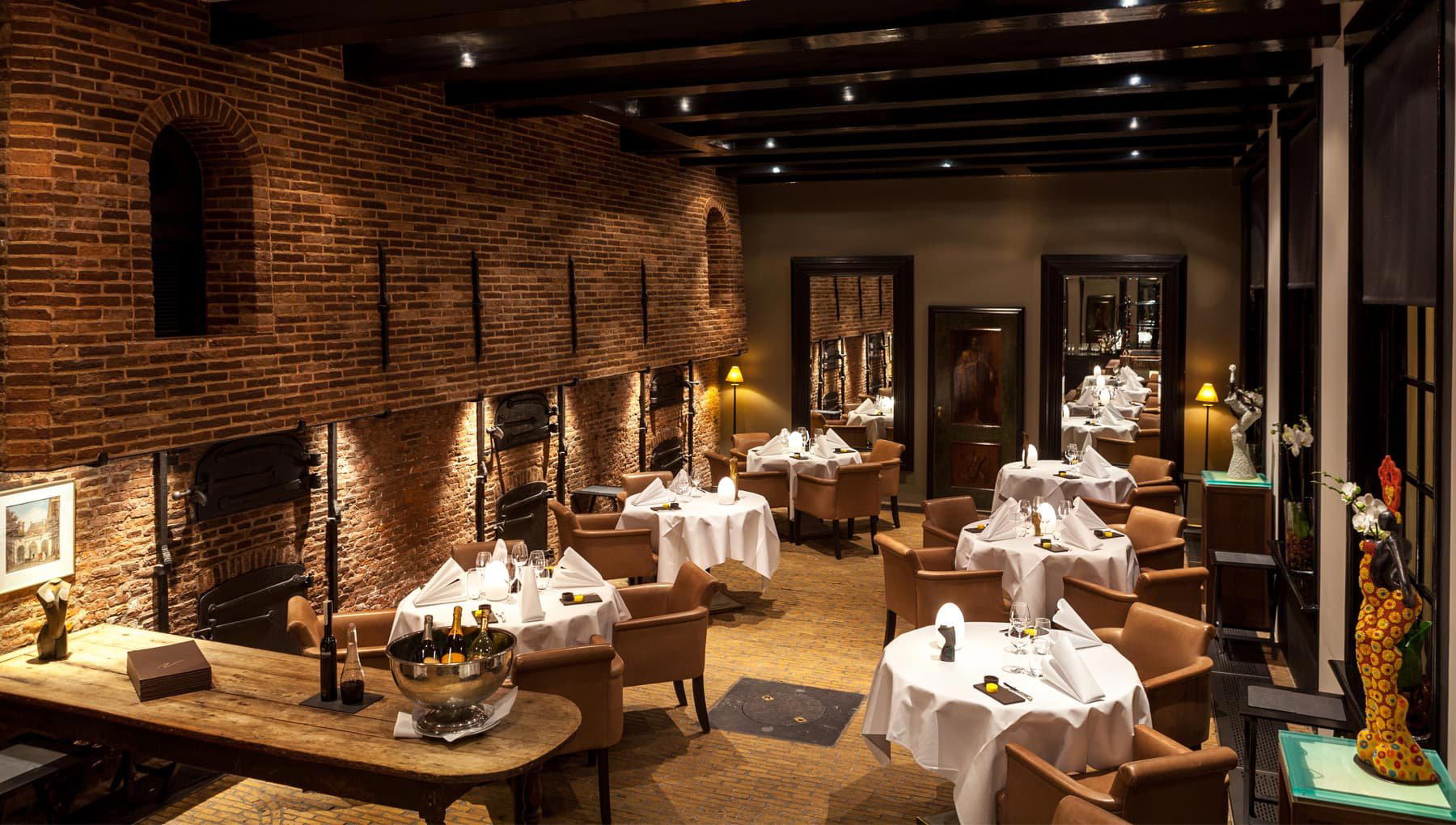
An intimate French-style brasserie with warm, refined decor, white-clothed tables and candlelit, relaxed lighting, creating a casual yet polished atmosphere suited to lingering multi-course dinners.