Pillows Grand Boutique Hotel Maurits at the Park


A restored 1908 university building beside Amsterdam's Oosterpark, Pillows Grand Boutique Hotel Maurits at the Park trades on architectural character rather than canal-front convention. Eighty-eight rooms occupy high-ceilinged, light-filled spaces fitted with bespoke beds and heated floors, while a brasserie and a 1920s-style cocktail lounge round out the in-house offer. Rates from around $412 per night position it in Amsterdam's mid-upper boutique bracket.
Pearl is the En Primeur Club membership app — saves, bookings, and concierge access live there. Same editors, same standards.
- Address
- Mauritskade 61, 1092 AD Amsterdam
- Phone
- +31 20 802 0200
- Website
- pillowshotels.com
- Directions
- Get directions
 Saves & bookings on Pearl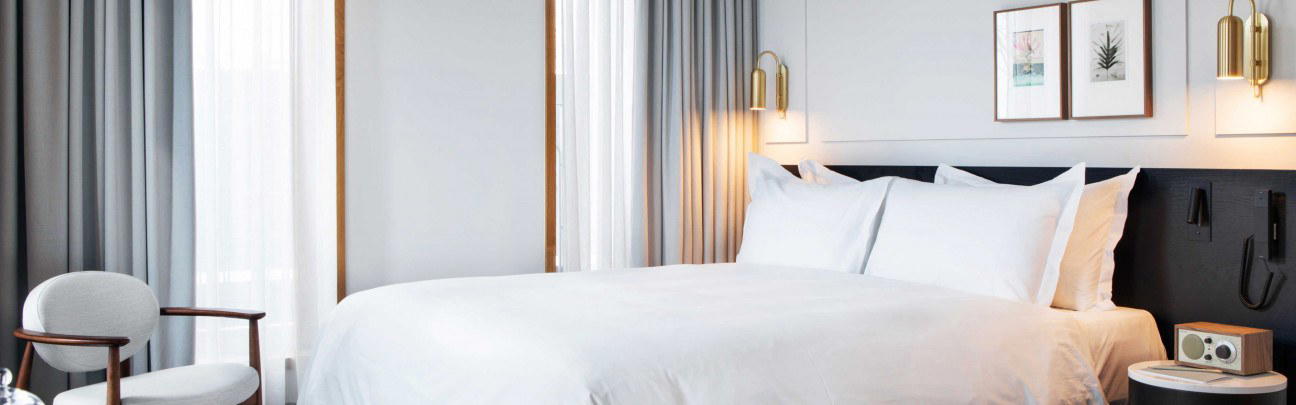
A Different Kind of Amsterdam Address
Amsterdam's hotel geography has long been defined by the canal belt: grand properties on Herengracht, design-led conversions on Prinsengracht, and the occasional lateral move into the Jordaan. The city's east, by contrast, has attracted less lodging attention, which makes the Oosterpark quarter an instructive counterpoint. The neighbourhood is residential, green, and anchored by one of Amsterdam's larger public parks, and the buildings that line Mauritskade carry the civic seriousness of early-twentieth-century Dutch institutional architecture. It is into this context that Pillows Grand Boutique Hotel Maurits at the Park fits, occupying a listed 1908 university building at Mauritskade 61 rather than a canal-house conversion or a purpose-built tower. For travellers used to measuring Amsterdam hotels by their proximity to the Rijksmuseum or the Anne Frank House, this is a deliberate trade-off: fewer tourist crowds at the door, more of the city's actual residential rhythm outside the window.
The building's original character has been preserved in ways that matter. Brick facades, high-arching ceilings, and large windows overlooking the park are structural facts, not decorative choices layered on top of a neutral interior. That distinction shapes the atmosphere considerably: the light quality in the rooms changes through the day in a way that purpose-built hotels, with their standardised window placement, rarely achieve. Even in summer, guests and staff alike describe the atmosphere as having a crisp, collegiate quality, something in the proportions and the materials that the original architects probably never anticipated would read as a hospitality asset.
Daytime at Maurits: The Park-Side Advantage
The editorial angle most applicable to Pillows Maurits is how differently the property functions at noon versus midnight. The daytime offer is unusually coherent for a hotel of 88 rooms. The Oosterpark, directly across from the entrance, provides a ready-made extension of the hotel's public space: morning walkers, cyclists cutting through on their way to work, and the low-key rhythm of Amsterdam's eastern residential districts form the backdrop. The hotel's position beside the Tropenmuseum, a striking neo-Renaissance building housing the Royal Tropical Institute's collection, adds a cultural anchor that the canal-belt properties, surrounded by tourist infrastructure, tend to lack.
Inside, the modern guest lounge operates as a genuine daytime hub. Complimentary snacks and drinks are available around the clock, which positions the lounge as something closer to a proper residential sitting room than the transactional lobby bars that characterise larger hotels in this price tier. For solo travellers or those working remotely, this is a material detail: the ability to occupy a comfortable common space without ordering minimums changes how you use a hotel day.
The brasserie completes the daytime picture. Brasserie formats in Amsterdam's boutique hotel segment tend to operate on a lunch-and-dinner model, with lunch drawing a lighter, neighbourhood-facing crowd and dinner shifting toward hotel guests and reservations from further afield. This split is commercially familiar across European boutique hotels, and the properties that manage it well generally do so by keeping the lunch offer casual enough to welcome walk-ins from the park without undermining the dinner positioning.
Evening Register: The Fitzgerald Lounge
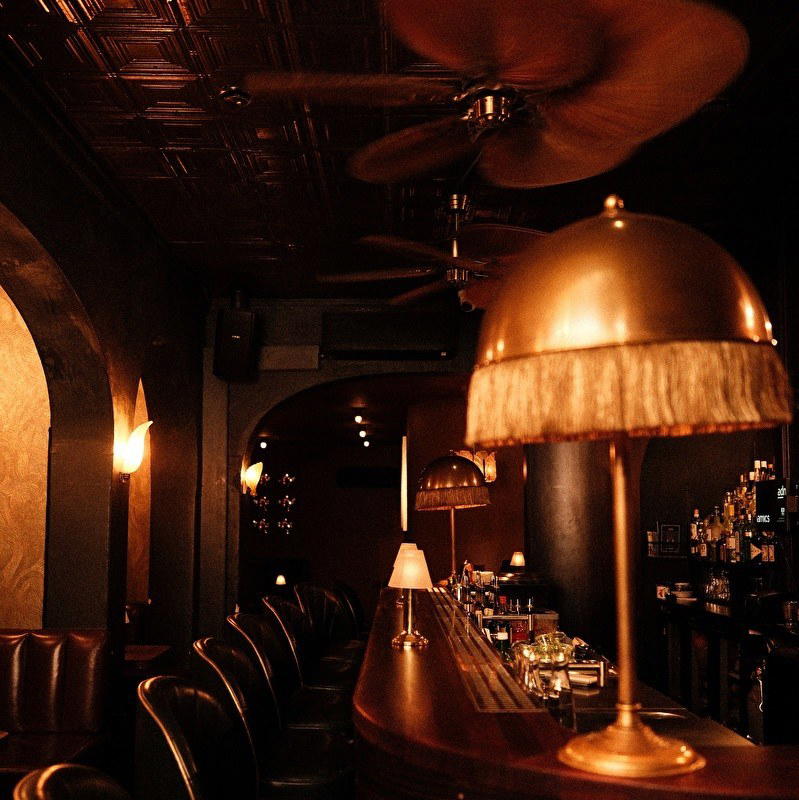
By evening, the property shifts register. The cocktail lounge, named after F. Scott Fitzgerald and styled in a 1920s idiom, operates as a distinct destination within the building rather than simply an extension of the lobby. The interwar literary reference is chosen deliberately: Fitzgerald's association with European expatriate culture and transatlantic leisure travel maps onto the guest profile the Pillows group courts, and the period aesthetic provides a contrast to the building's Edwardian academic exterior.
Roaring Twenties-style cocktail bars have proliferated across European boutique hotels over the past decade, functioning as evening anchors that extend the property's revenue beyond room rates. The better examples use the format to create genuine atmosphere rather than costume-party theatrics. At Maurits, the named literary reference and the period styling operate within a building that already has enough architectural character to support the conceit without the result feeling applied.
For guests calibrating when to arrive, the evening shift also changes the practical character of the address. The park quietens after dark, Mauritskade carries less traffic, and the building's position on a wide boulevard rather than a narrow canal street means the exterior is legible at night in a way that canal-house hotels, hemmed in by their own proportions, often are not. Checking in during the evening rather than midday gives a different first impression of the building entirely.
Rooms and the Suite Question
Across 88 rooms, the property occupies a mid-upper boutique position in Amsterdam's lodging market, with rates around $412 placing it above the design-hostel tier and below the flagship luxury addresses such as Conservatorium or De L'Europe Amsterdam. The room specification includes bespoke beds, heated floors, and Diptyque bath products, a combination that signals deliberate investment in the tactile layer of the guest experience rather than technology features or room size alone.
The property's suite tier includes rooms with a grand piano and a marble bathroom with a soaking tub. In Amsterdam's boutique segment, this kind of differentiation within a relatively small room count (88 keys is not large by international standards, though it is larger than particularly intimate properties like Canal House or Breitner House) tends to indicate that the upper-tier rooms carry a significantly higher rate and a materially different experience. The heated floors and Diptyque amenities apply across the board, which means the entry-level rooms are not bare-minimum offerings padded by a flagship suite.
Travellers considering the Andaz or canal-facing properties such as Andaz Amsterdam Prinsengracht or Décor Canal House will find that Maurits trades canal views for park views and a quieter residential setting. That is not a downgrade; it is a different proposition. The Oosterpark address also places guests closer to the city's eastern dining corridor, which has developed considerably over the past several years and is now a genuine alternative to the tourist-heavy Leidseplein and Rembrandtplein zones. See our full Amsterdam restaurants guide for neighbourhood-by-neighbourhood coverage.
Planning Your Stay
The hotel sits on Mauritskade 61, a few minutes' walk from tram connections that link quickly to Amsterdam Centraal and the canal belt. Autumn is when the building's collegiate atmosphere reads most strongly: the park trees turn, the tourist volume drops relative to summer peaks, and the Oosterpark neighbourhood reverts to its residential baseline. For visitors arriving in summer, the park itself becomes a genuine amenity, with the hotel's position directly across from it making early-morning walks or afternoon time outside a natural part of the stay. The $450 rate positions the property as a considered spend rather than an entry-level option.
Nearby-ish Comparables
Comparable venues nearby, for context on price, style, and recognition.
| Venue | Cuisine | Price | Notes |
|---|---|---|---|
| Pillows Grand Boutique Hotel Maurits at the ParkThis venue — the venue you are viewing | Contemporary urban oasis within a striking listed historic building, blending timeless elegance with modern creature comforts and thoughtful design details. | $$$$ | Not listed |
| W Amsterdam | Edgy luxury design hotel in two historic bank and telephone exchange buildings. | $$$$ | Spuistraat Zuid |
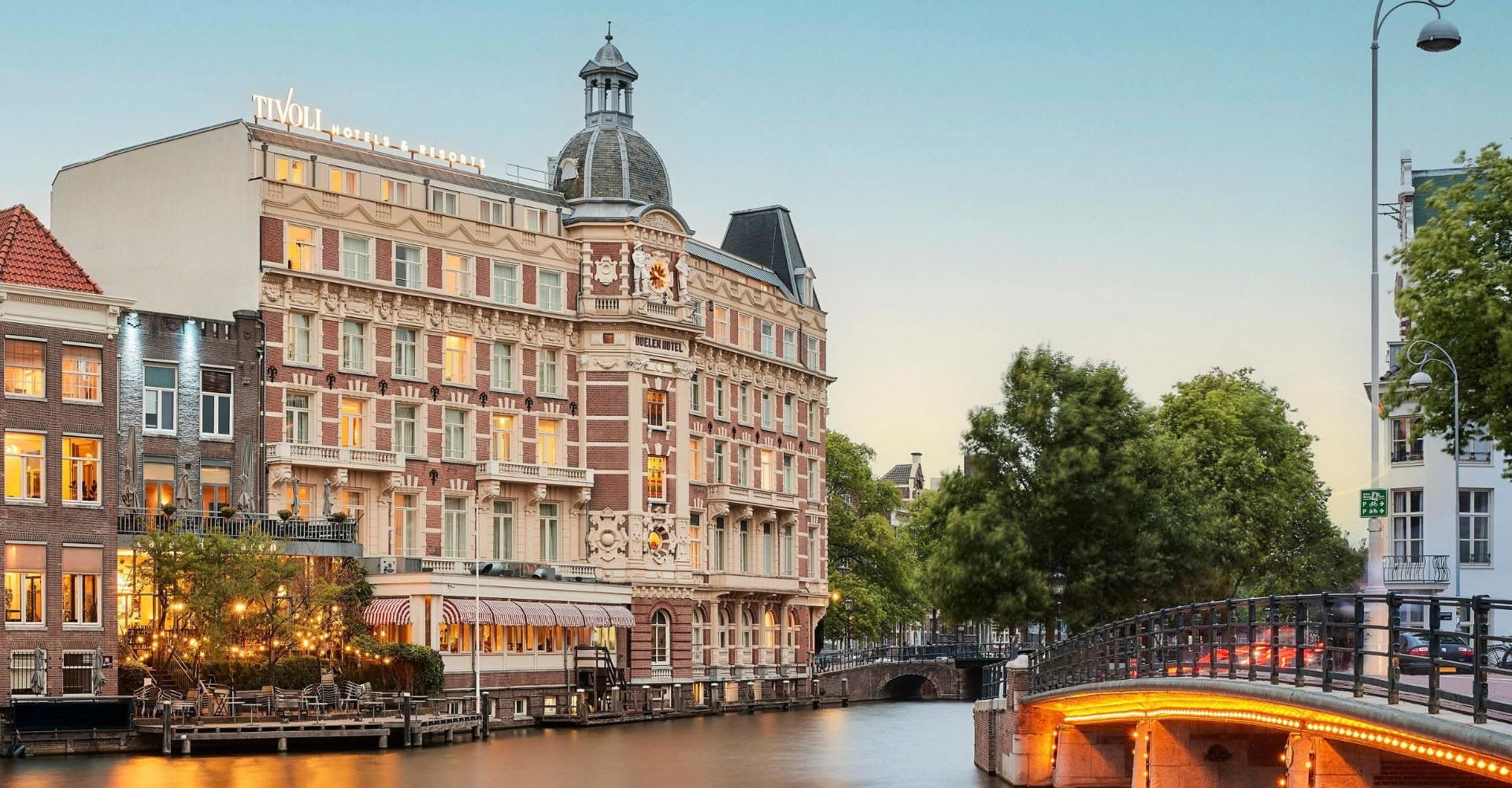
| Tivoli Doelen Amsterdam | Historic luxury hotel blending timeless Dutch grandeur with contemporary comforts. | $$$$ | BG-terrein e.o. |
| Rosewood Amsterdam | Reimagined historic landmark blending Dutch heritage with contemporary luxury | $$$$ | Leidsebuurt Noordwest |
| Soho House Amsterdam | Exclusive members' club with hotel rooms in a restored 1930s Art Deco building. | $$$$ | Spuistraat Zuid |
| The Craftsmen | 17th-century canal house renovated with distinctive craftsman-themed rooms | $$$$ | Spuistraat Noord |
Recognition history
Dated appearances from independent guides and award organizations, with the underlying list record or original source where available.
Mr & Mrs Smith Smith Seal of Approval
Mr & Mrs Smith
Michelin 2 Keys
Michelin
Small Luxury Hotels of the World Member
Small Luxury Hotels of the World
Continue exploring
More in Amsterdam
Hotels in Amsterdam
Browse all →
Bars in Amsterdam
Browse all →
Restaurants in Amsterdam
Browse all →
Wineries in Amsterdam
Browse all →
At a Glance
- Elegant
- Sophisticated
- Quiet
- Romantic
- Modern
- Romantic Getaway
- Anniversary
- Wellness Retreat
- Business Trip
- Celebration
- Garden
- Terrace
- Historic Building
- Design Destination
- Panoramic View
- Destination Spa
- Private Dining
- Wi Fi
- Spa
- Fitness Center
- Room Service
- Concierge
- Valet Parking
- EV Charging
- Sauna
- Restaurant
- Bicycle Rental
- Garden
- Street Scene
- Wi Fi
- Spa
- Fitness Center
- Room Service
- Concierge
- Valet Parking
- EV Charging
- Sauna
- Restaurant
- Bicycle Rental
Light, airy, and tranquil spaces with soothing muted tones, hand-picked art, and thoughtfully designed interiors that balance elegance with warmth; guests consistently praise the peaceful, immaculate atmosphere.