Hakata Senpachi
On a quiet residential stretch of Amsterdam's Oud-Zuid, Hakata Senpachi brings the ramen and izakaya traditions of northern Kyushu to a city more accustomed to Dutch bistros and Michelin-chasing tasting menus. The address on Wielingenstraat sits away from the tourist circuits, drawing a neighbourhood crowd that returns for the specificity of the cooking rather than the spectacle.
Pearl is the En Primeur Club membership app — saves, bookings, and concierge access live there. Same editors, same standards.
- Address
- Wielingenstraat 16, 1078 KK Amsterdam, Netherlands
- Phone
- +31206625823
- Website
- hakatasenpachi.com
- Directions
- Get directions
 Saves & bookings on Pearl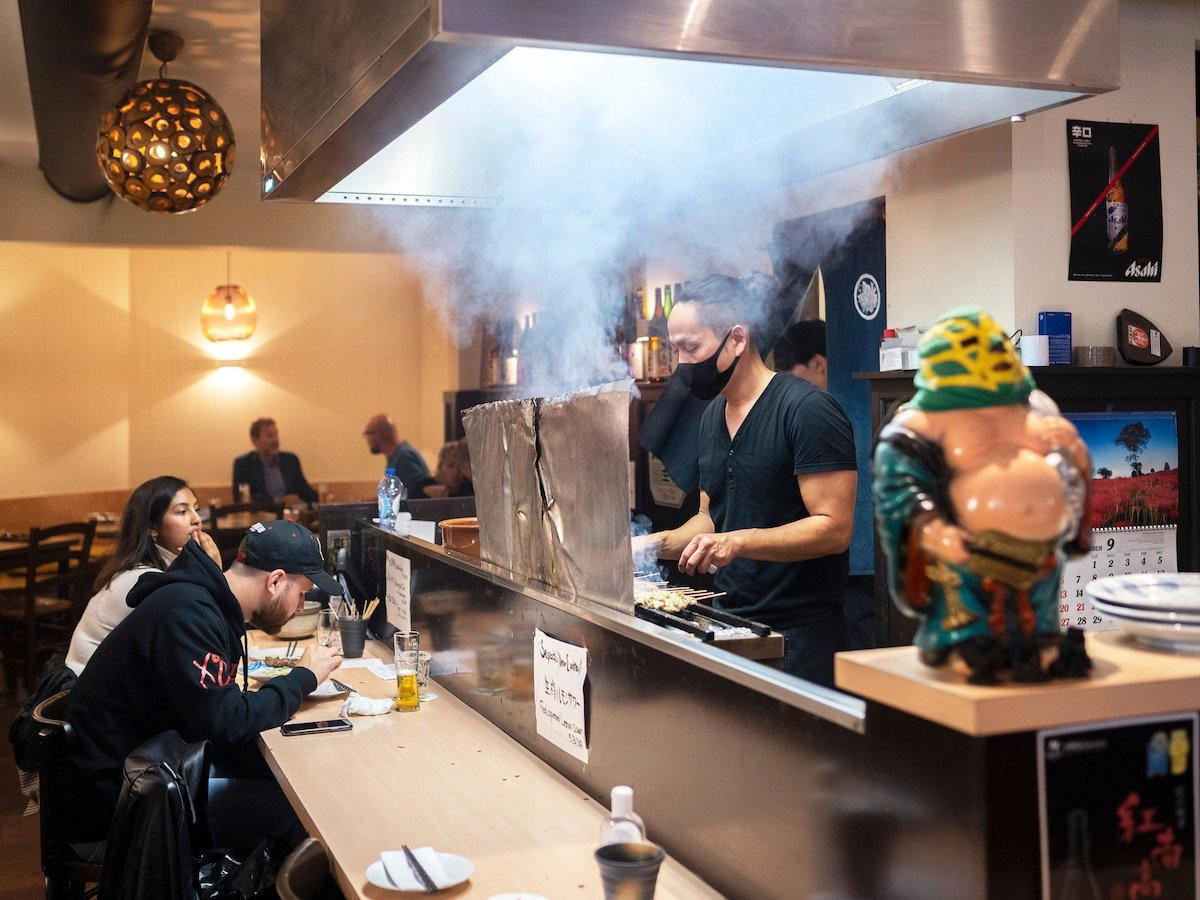
A Kyushu Counter in a Dutch Neighbourhood
Amsterdam's restaurant scene divides roughly into two registers: the tasting-menu circuit, where places like Ciel Bleu, Flore, Spectrum, and Vinkeles compete at the €€€€ tier, and an increasingly serious mid-register of specialist kitchens that have little interest in that conversation. Hakata Senpachi on Wielingenstraat 16 belongs to the second category. The address is Oud-Zuid, a residential quarter where the streets run quiet in the evenings and the dining is mostly for people who actually live nearby. That geography shapes the atmosphere before you even open the door.
Hakata refers to the port district of Fukuoka, the largest city on Kyushu island and the place most food historians credit with developing the tonkotsu ramen style that subsequently spread across Japan and eventually the world. Bringing that specific regional identity to Amsterdam is a different proposition from opening a generic Japanese restaurant. It signals an audience that knows the distinction and will notice if the broth lacks the collagen-heavy opacity that defines the Hakata style. The regulars at a place like this are not passing tourists; they are people who sought the address out.
What Keeps the Regulars Coming Back
The pattern at neighbourhood Japanese specialists in northern Europe follows a consistent logic. A first visit is often driven by curiosity or a recommendation. Return visits are driven by something harder to manufacture: consistency in the kitchen and a room that feels calibrated to people who already know the drill. The bar for a second visit is higher than the bar for a first, which means venues that accumulate a loyal crowd have earned it through repetition rather than novelty.
In the context of Amsterdam's Japanese dining options, that loyalty is meaningful. The city has grown its Japanese restaurant count considerably over the past decade, but the range remains weighted toward sushi counters and pan-Asian formats rather than regional specialists. A kitchen focused on Hakata-style tonkotsu and the wider izakaya repertoire occupies a narrower niche, which cuts both ways: it limits the casual walk-in audience but concentrates a core of returnees who are specifically there for that thing and nothing else. That concentration of intent tends to produce better rooms.
The izakaya format itself rewards regulars in ways that tasting menus do not. Where a progression of courses is designed as a single experience consumed in sequence, an izakaya-style list is navigated differently depending on the table, the mood, and what the kitchen does particularly well on a given night. Returnees accumulate knowledge of which items repay repeated ordering. That unwritten menu, built from experience rather than printed on a card, is the real product of a neighbourhood Japanese specialist.
The Oud-Zuid Address in Context
Wielingenstraat 16 sits in a part of Amsterdam that does not benefit from the footfall of the canal belt or the De Pijp dining strip. That is, by most measures, an advantage for a restaurant with a loyal local following. The walk-in rate stays low, the noise level stays manageable, and the room fills with people who made a deliberate choice to be there. Across Amsterdam, a comparable dynamic operates at Bistro de la Mer, which draws a returning seafood crowd to its own quieter address rather than competing for tourist covers.
The broader Dutch dining scene has developed a serious appetite for Japanese technique, and not only in Amsterdam. Restaurants across the country have integrated Japanese precision into otherwise European formats. Further afield, De Librije in Zwolle and Aan de Poel in Amstelveen operate in the Netherlands' fine dining tier, while Brut172 in Reijmerstok, De Bokkedoorns in Overveen, and De Groene Lantaarn in Staphorst each represent different expressions of how regional Dutch kitchens absorb international influence. None of them are doing what a Hakata specialist in Oud-Zuid is doing, which is the point.
For comparison at a transatlantic scale, the discipline required to maintain a single-region Japanese focus in a non-Japanese city is visible at restaurants like Atomix in New York City, where Korean regional specificity drives a format that has earned sustained international recognition, and at Le Bernardin in New York City, where decades of focus on a single culinary tradition have produced a room full of people who return year after year for the same reasons. Specialists survive on repeat business. Generalists survive on footfall. The two strategies produce different restaurants.
Planning a Visit
Hakata Senpachi is located at Wielingenstraat 16, 1078 KK Amsterdam, in the Oud-Zuid district. The neighbourhood is served by several tram lines connecting to the city centre, and the address is walkable from the Museumplein area.
Cuisine and Credentials
Comparable venues nearby, for context on price, style, and recognition.
| Venue | Cuisine | Price | Notes |
|---|---|---|---|
| Hakata SenpachiThis venue — the venue you are viewing | Traditional Japanese Yakitori Izakaya | $$ | Not listed |
| MOYŌ | Modern Japanese Omakase | $$$ | Bellamybuurt Zuid |
| Akitsu | Authentic Japanese Sushi & Ramen | $$ | Frederik Hendrikbuurt Zuidoost |
| Mi Sueño | Argentinian Steakhouse | $$ | Scheldebuurt West |
| JA | Seasonal Dutch-Asian Seafood Fine Dining | $$ | Sarphatiparkbuurt |
| Hosokawa | Modern Japanese Teppanyaki | $$$ | Leidsebuurt Noordoost |
Continue exploring
More in Amsterdam
Restaurants in Amsterdam
Browse all →
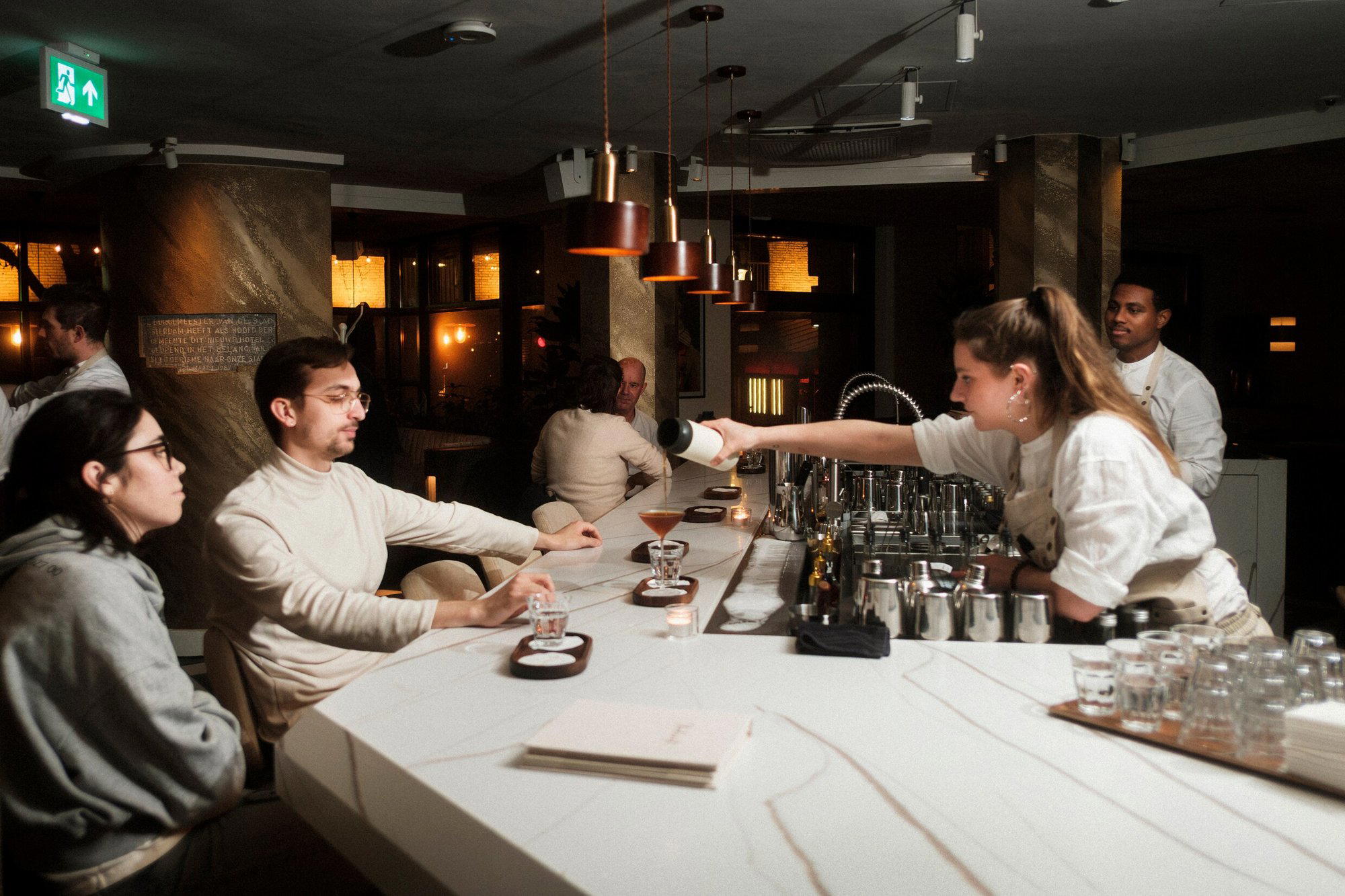
Bars in Amsterdam
Browse all →
Hotels in Amsterdam
Browse all →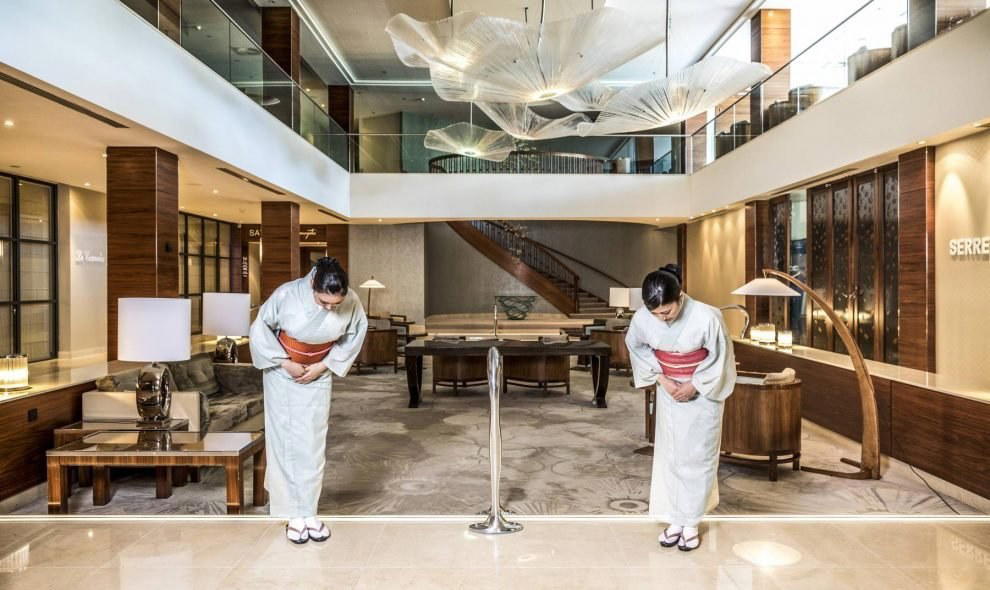
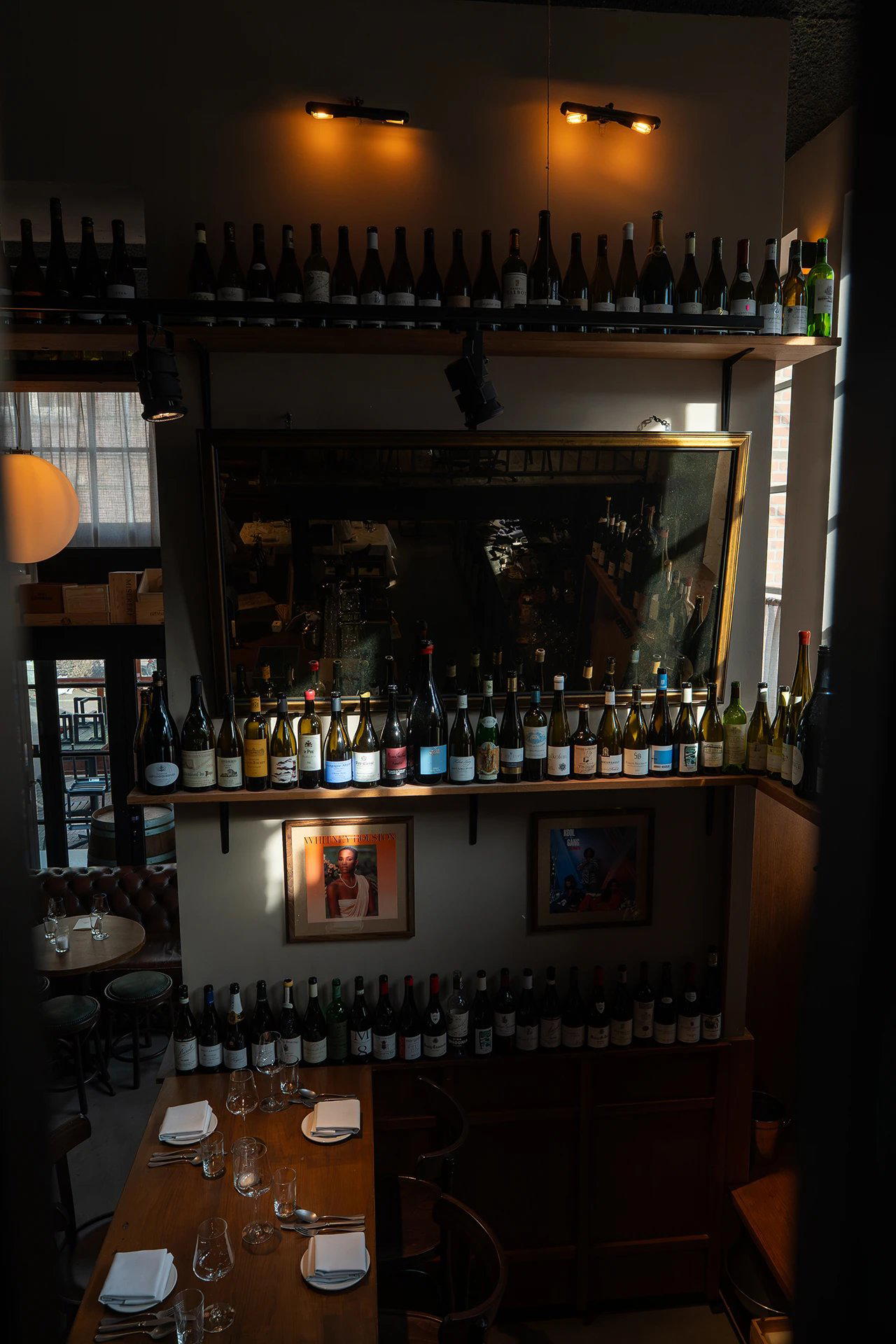
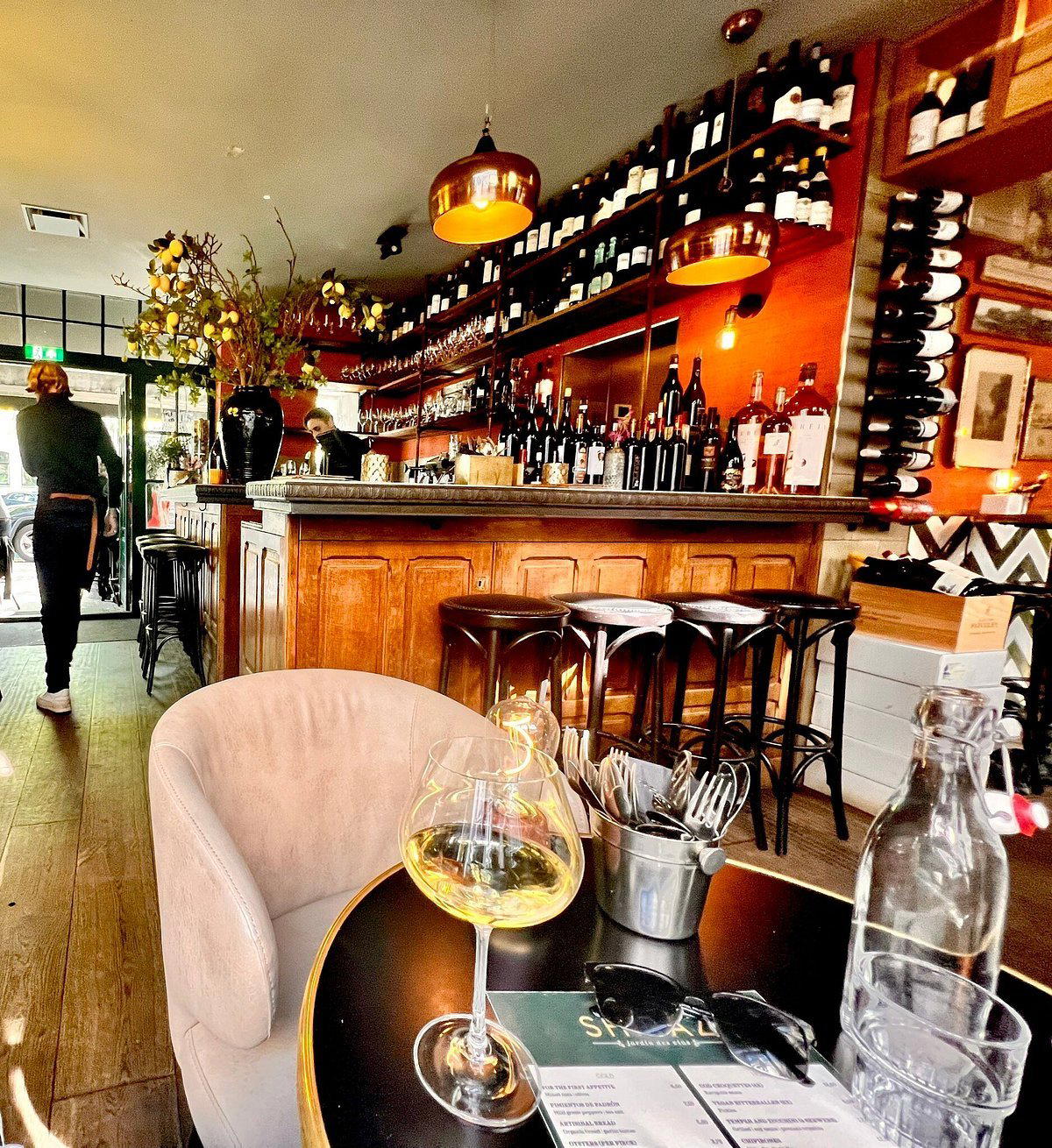
Wineries in Amsterdam
Browse all →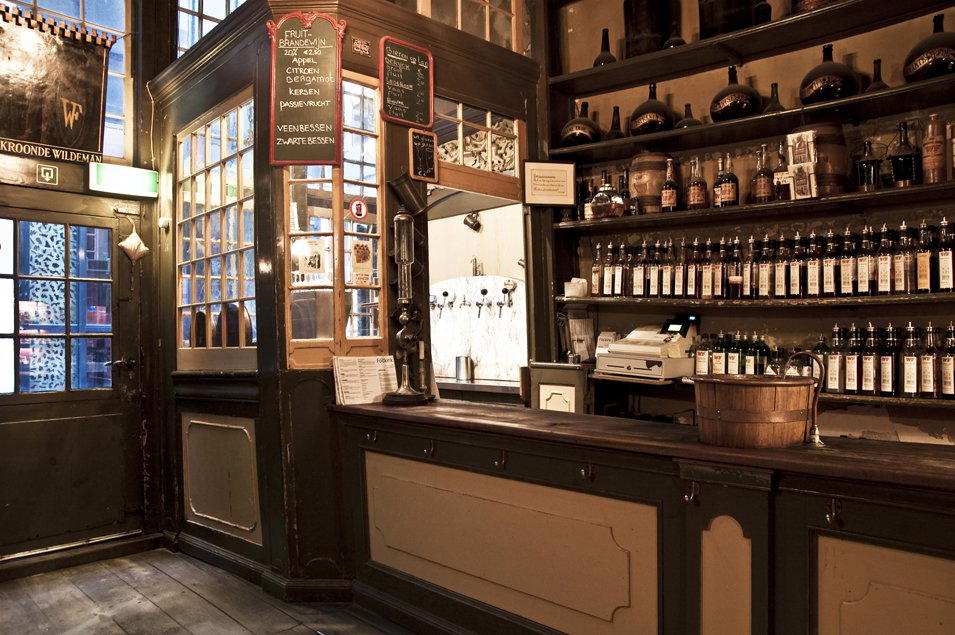
At a Glance
- Cozy
- Intimate
- Classic
- Date Night
- Casual Hangout
- Group Dining
- Open Kitchen
- Sake Program
Current opening hours
- Monday
- 5–10 PM
- Tuesday
- 5–10 PM
- Wednesday
- 5–10 PM
- Thursday
- 5–10 PM
- Friday
- 5–10 PM
- Saturday
- 5–10 PM
- Sunday
- 5–9:30 PM
Hours can change for holidays and private events. Last verified .
Cozy and traditional Japanese interior evoking the lively back alleys of Tokyo, with warm hibachi grill atmosphere.