Ikkoku
On Ceintuurbaan in Amsterdam's De Pijp, Ikkoku occupies a residential stretch that sits well outside the tourist circuit, placing it among a cluster of neighbourhood-anchored dining rooms that reward deliberate visitors. Where many of Amsterdam's celebrated creative tables operate from hotel dining rooms or canal-house settings, Ikkoku's address signals something more embedded in the fabric of the city's daily life.
Pearl is the En Primeur Club membership app — saves, bookings, and concierge access live there. Same editors, same standards.
- Address
- Ceintuurbaan 246, 1072 GG Amsterdam, Netherlands
- Phone
- +31202200153
- Website
- ikkoku.nl
- Directions
- Get directions
 Saves & bookings on Pearl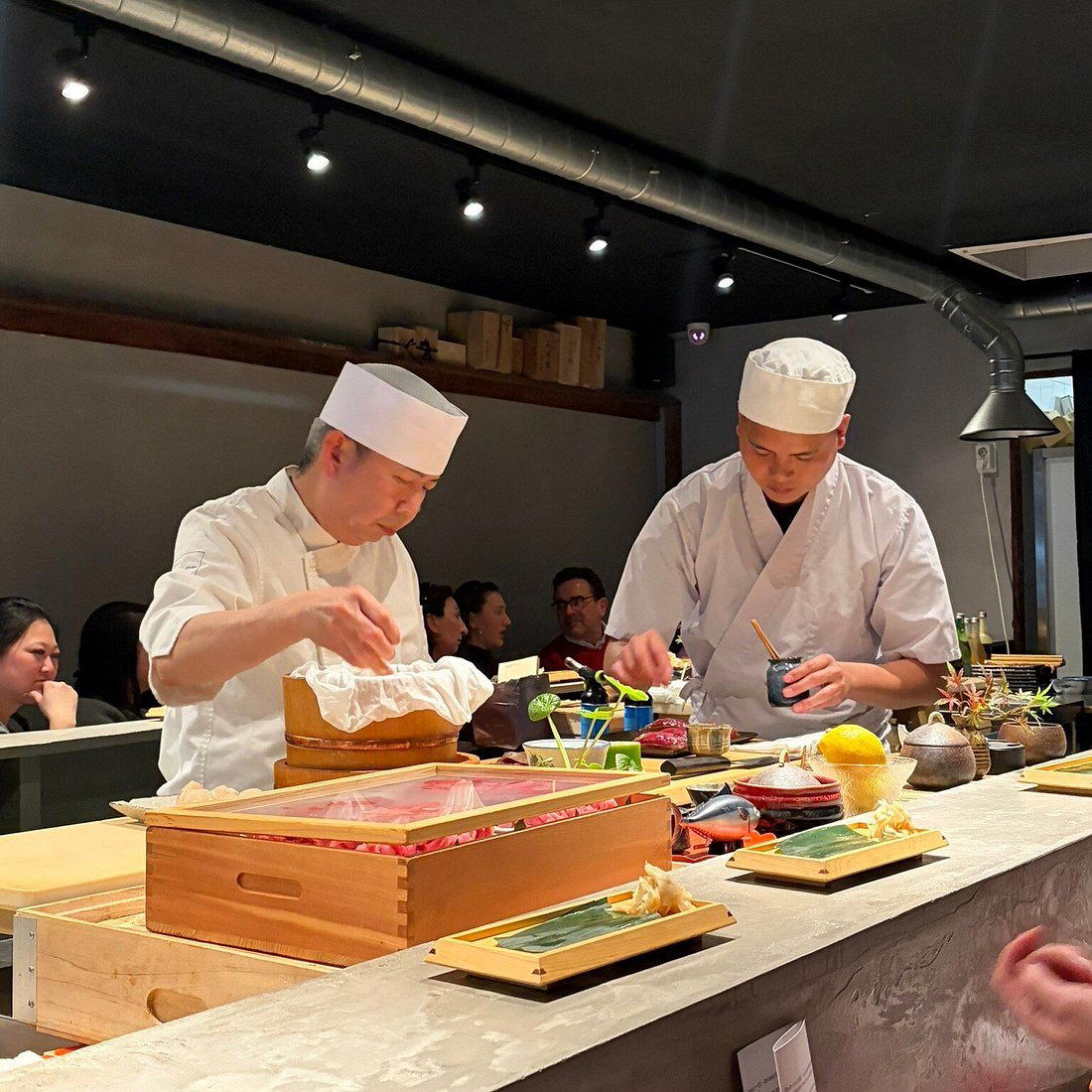
De Pijp and the Case for Dining Off the Canal Ring
Amsterdam's most-discussed restaurant addresses tend to cluster around the canal belt and the museum quarter, where hotel dining rooms and heritage buildings lend an obvious kind of prestige. De Pijp operates on different logic. The neighbourhood south of the Amstel has long functioned as one of the city's most genuinely mixed districts, home to the Albert Cuyp market, a dense concentration of independent cafés and grocers, and a dining scene that skews neighbourhood-first rather than destination-first. Ceintuurbaan, the long boulevard that bisects De Pijp, runs through that character rather than against it. Ikkoku's address at number 246 places it on a stretch of the street that reads as residential and local rather than curated and touristic. Ikkoku is a Japanese omakase and robatayaki restaurant on Ceintuurbaan in Amsterdam's De Pijp.
That geography matters for how a meal here feels before it begins. Approaching along Ceintuurbaan, past bike-locked railings and corner bakeries, the frame of reference is not one of occasion-dining theatrics but of a room that earns its place in the neighbourhood. In Amsterdam, that distinction increasingly separates two different categories of serious restaurant: those that perform prestige through setting, and those that let the plate carry the argument.
Where Ikkoku Sits in Amsterdam's Dining Field
Amsterdam's restaurant scene at the upper end has consolidated around a recognisable group of creative tables, most of them operating in the €€€€ bracket with tasting-menu formats and either Michelin recognition or sustained critical attention. Ciel Bleu, Flore, Spectrum, and Vinkeles all operate from that upper tier, most of them attached to or adjacent to hotel infrastructure in the canal district. At the €€€ level, a different cluster has emerged around produce-led and concept-driven formats: De Kas, BAK, and Wils each represent variations on a more accessible but still serious proposition.
Ikkoku occupies a distinct address position, away from the canal-belt concentration that defines most of the city's headline tables, which shapes both its character and its likely clientele.
De Librije in Zwolle and 't Nonnetje in Harderwijk represent the kind of regional ambition that makes a wider Dutch itinerary worthwhile. Closer to Amsterdam, Aan de Poel in Amstelveen offers a different kind of serious dining within easy reach of the city. Further afield, Brut172 in Reijmerstok, De Bokkedoorns in Overveen, De Groene Lantaarn in Staphorst, De Lindehof in Nuenen, De Lindenhof in Giethoorn, De Nieuwe Winkel in Nijmegen, and De Treeswijkhoeve in Waalre each reward a detour for readers spending time outside the capital.
The Neighbourhood Logic of De Pijp
De Pijp's dining identity has shifted over the past decade from a neighbourhood known primarily for casual and ethnic-diversity eating to one that now includes a number of rooms operating with genuine kitchen ambition. The Albert Cuyp market, which runs through the heart of the district, functions as a kind of daily pantry for the area, and that proximity to fresh produce and street-level food culture has historically shaped what serious restaurants in the neighbourhood attempt on the plate.
The Ceintuurbaan strip specifically attracts a mix of local regulars and visitors who have done enough research to look beyond the Jordaan and the canal belt. That self-selecting quality of the audience tends to produce a different atmosphere than the tourist-adjacent rooms further north: quieter, more anchored to the rhythms of the neighbourhood, less oriented toward occasion-dining performance. For a certain type of traveller, that is a strong argument in itself.
Amsterdam's broader dining scene has also moved toward format diversification over the past several years, with a growing number of rooms stepping away from the classical tasting-menu structure toward more flexible formats that allow for shorter or more casual visits. How any individual room on Ceintuurbaan positions itself within that shift is worth confirming directly before visiting, as the neighbourhood's dining rooms vary considerably in their format expectations. Bistro de la Mer, which operates in a similar €€€ tier with a more classic format.
Planning a Visit
Reaching Ceintuurbaan 246 from the city centre is direct by tram. The neighbourhood is also accessible by bicycle, which remains especially practical mode of transport for short journeys across Amsterdam. Visitors arriving from Schiphol should allow roughly forty minutes by public transport to reach De Pijp.
Ikkoku is open Wednesday and Thursday from 7 to 10 PM, Friday from 7 to 10 PM, Saturday from 5 to 10 PM, and Sunday from 6 to 10 PM; it is closed Monday and Tuesday. The dress code is smart casual, and reservations are essential. For restaurants at this address type in Amsterdam, the general convention leans toward smart casual, but individual rooms set their own expectations and it is worth checking.
Le Bernardin in New York City and Atomix in New York City represent different ends of the formality and format spectrum, and both offer useful comparison for readers calibrating what they want from a serious dining room away from home.
A Lean Comparison
Comparable venues nearby, for context on price, style, and recognition.
| Venue | Price | Notes |
|---|---|---|
| IkkokuThis venue — the venue you are viewing | $$$ | Not listed |
| MOYŌ | $$$ | Bellamybuurt Zuid, Modern Japanese Omakase |
| IZAKAYA | $$$ | Frans Halsbuurt, Japanese-South American Fusion Izakaya |
| Ottolenghi Amsterdam | $$$ | P.C. Hooftbuurt, Modern Vegetable-Centric Mediterranean |
| Bluespoon | $$$ | Canal Ring (Prinsengracht), European with Dutch Twist |
| Amstel Restaurant | $$$ | Sarphatistrook, French Brasserie with Mediterranean Influences |
Continue exploring
More in Amsterdam
Restaurants in Amsterdam
Browse all →
Bars in Amsterdam
Browse all →
Hotels in Amsterdam
Browse all →
Wineries in Amsterdam
Browse all →
At a Glance
- Intimate
- Minimalist
- Trendy
- Date Night
- Special Occasion
- Open Kitchen
- Sake Program
Current opening hours
- Monday
- Closed
- Tuesday
- Closed
- Wednesday
- Closed
- Thursday
- 7–10 PM
- Friday
- 7–10 PM
- Saturday
- 5–10 PM
- Sunday
- 6–10 PM
Hours can change for holidays and private events. Last verified .
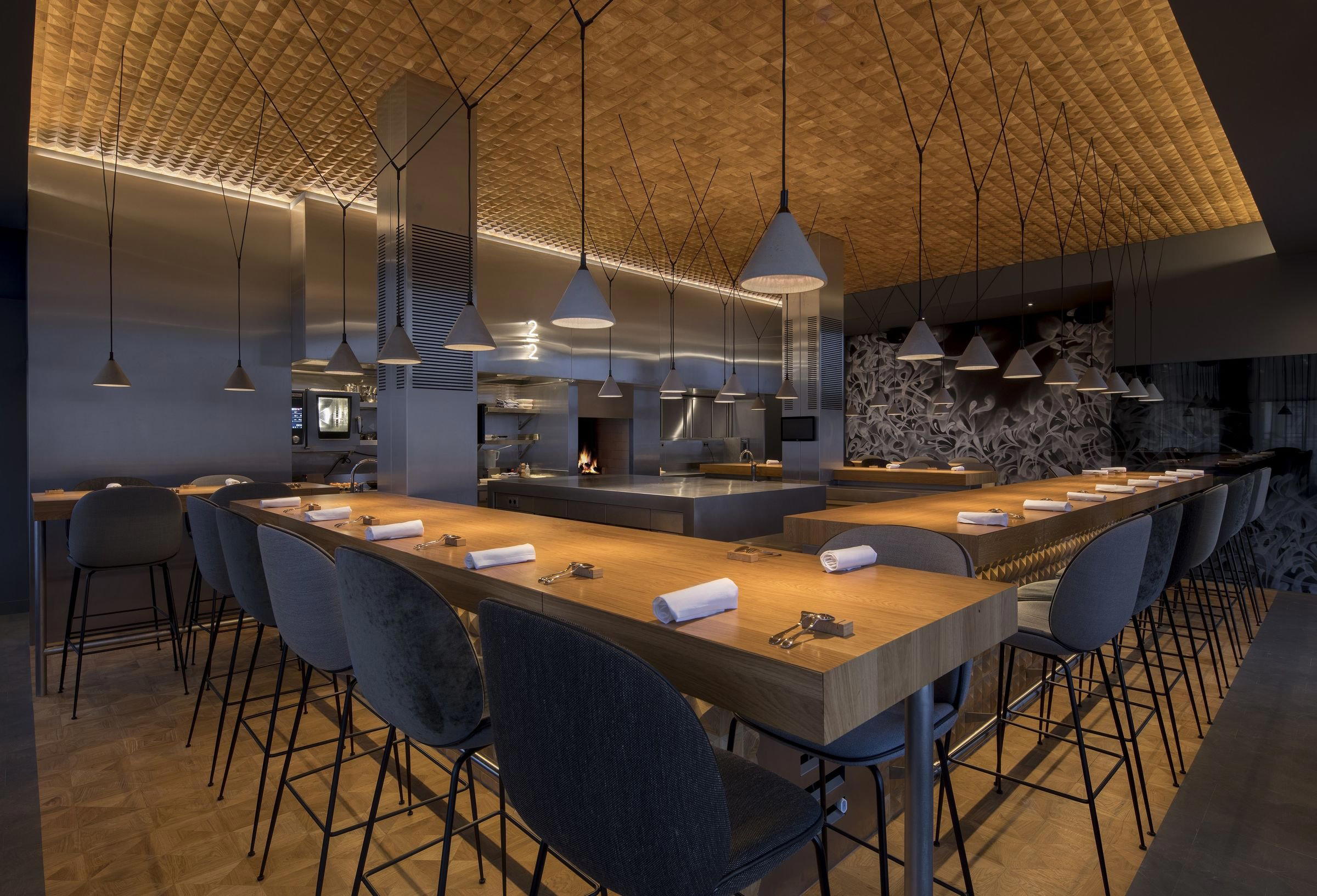
Minimalist Japanese interior with a calm, quiet atmosphere centered around the open kitchen and irori fireplace.