Hosokawa
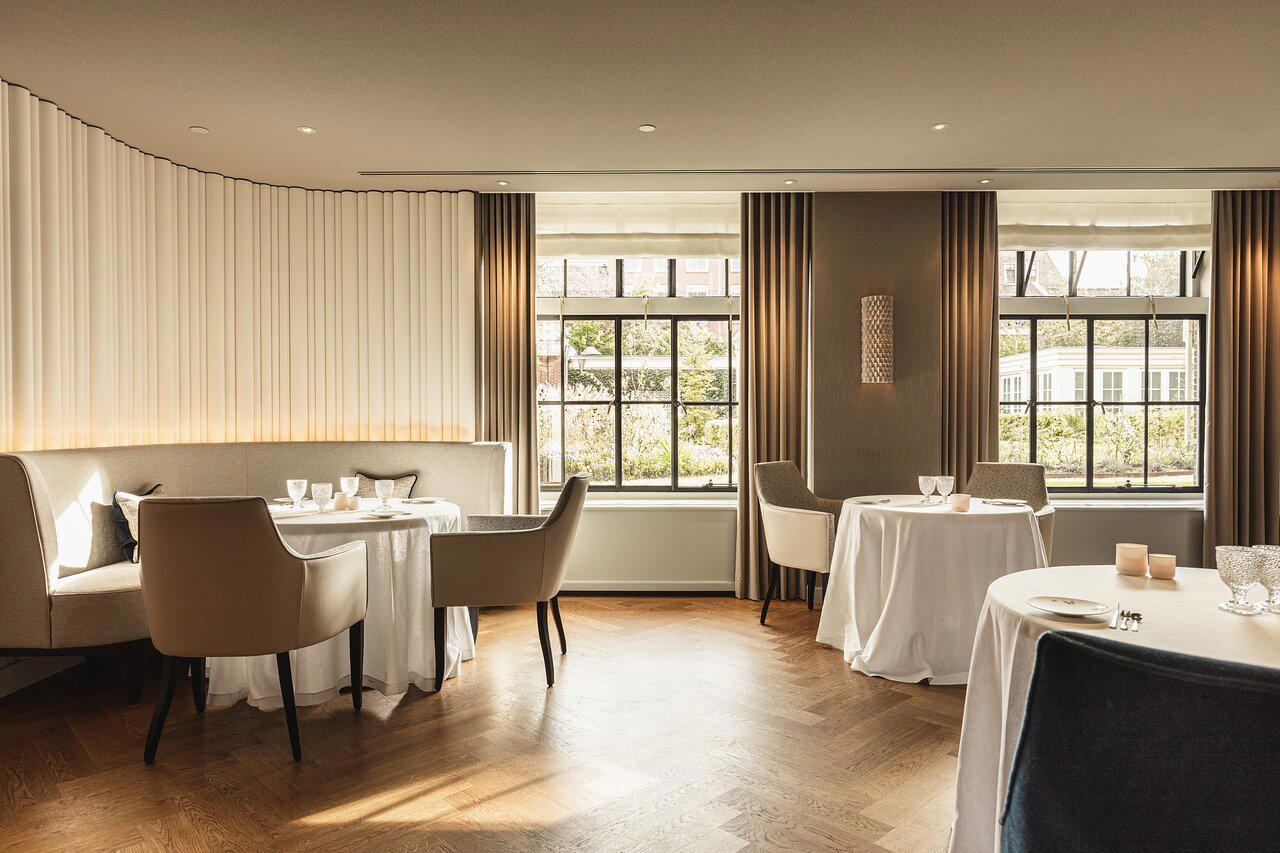
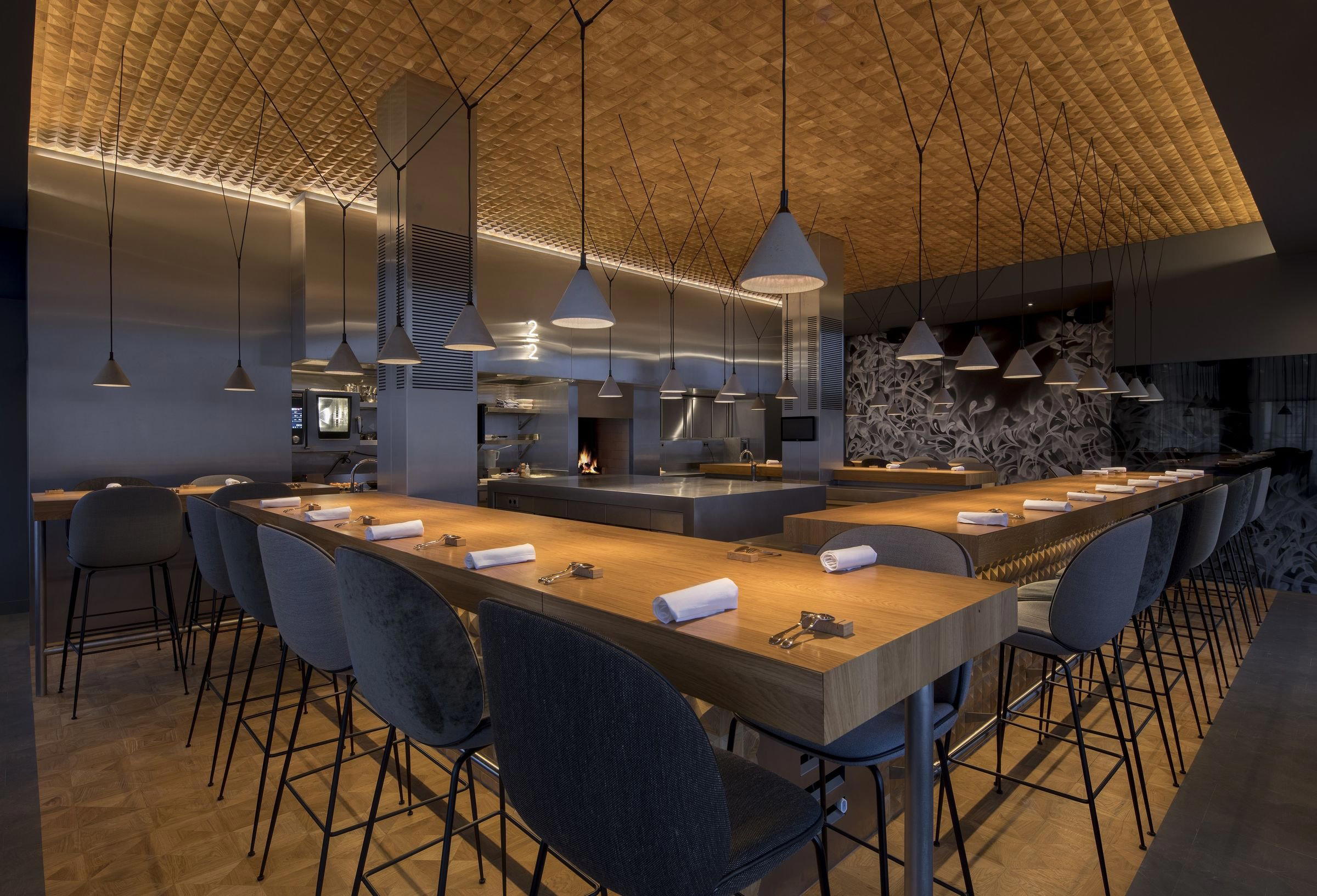
Hosokawa occupies a precise position in Amsterdam's Japanese dining tier, drawing a loyal clientele to its address on Max Euweplein 22. The restaurant operates at the serious end of the city's specialist restaurant scene, where repeat visitors understand the format and return for the consistency that defines it. For those planning ahead, booking is advisable given its standing among Amsterdam's more focused dining addresses.
Pearl is the En Primeur Club membership app — saves, bookings, and concierge access live there. Same editors, same standards.
- Address
- Max Euweplein 22, 1017 MB Amsterdam, Netherlands
- Phone
- +31206388086
- Website
- hosokawa.nl
- Directions
- Get directions
 Saves & bookings on Pearl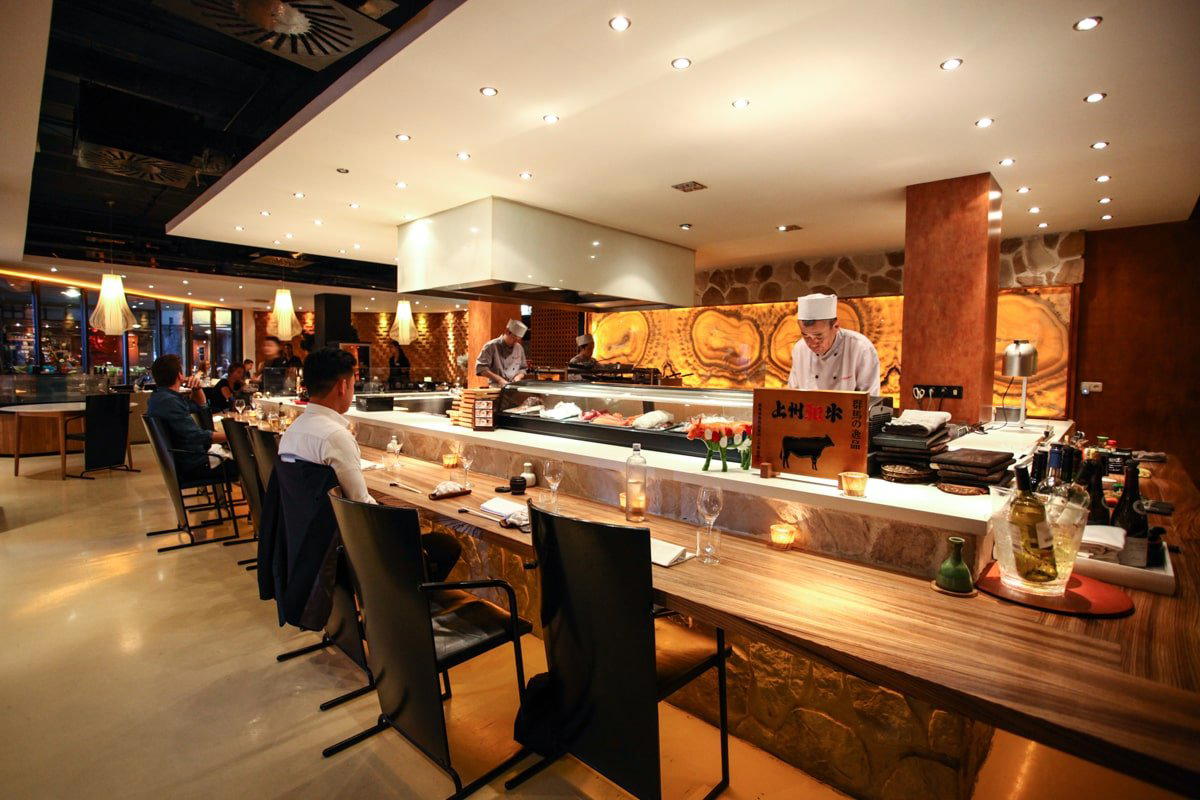
Max Euweplein and the Geometry of Japanese Dining in Amsterdam
The square at Max Euweplein sits just south of Leidseplein, where the city's tourist-facing hospitality thins into something more considered. The restaurants along this stretch draw a different crowd from the canal-side terraces a few minutes north: fewer first-timers, more people who came last month and are already planning the next visit. Hosokawa is a restaurant serving Modern Japanese Teppanyaki at Max Euweplein 22 in Amsterdam, with. Hosokawa, at number 22, operates within that rhythm. Its address is not incidental; the neighbourhood filters the clientele before the door opens.
Amsterdam's Japanese dining scene has matured significantly over the past decade. The city now sustains a range of formats, from conveyor-belt operations near Centraal to counter-service omakase addressing a more technically minded audience. Hosokawa belongs to the latter category, a restaurant that has built its reputation on consistency and precision rather than on novelty or spectacle. In a dining market where Ciel Bleu, Flore, and Spectrum command the upper tier of the creative European bracket, Hosokawa positions itself as the serious Japanese alternative, a specialist address rather than a generalist fine dining option.
What the Regulars Know
The surest measure of a restaurant's quality is the behaviour of its repeat visitors. At Hosokawa, regulars do not come for discovery; they come for accuracy. Japanese kaiseki and omakase formats reward the returning diner in ways that a single visit cannot capture. The seasonal calibration, the incremental variation in sourcing and preparation, the way a kitchen's rhythms become readable over time, these are the things that sustain a loyal clientele at a serious Japanese counter.
This is a pattern visible at the highest-performing Japanese restaurants in comparable European capitals. In cities like London and Paris, the Japanese restaurants that hold long-term reputations do so not by expanding or diversifying aggressively, but by deepening their execution within a defined frame. The guest who returns to the same counter six times in two years is not seeking novelty; they are checking the kitchen's standards against their own accumulated knowledge of it. Hosokawa occupies that kind of relationship with its audience in Amsterdam.
For those unfamiliar with the format, the logic of a structured Japanese tasting menu works differently from its European counterparts at addresses like Vinkeles or Bistro de la Mer. The sequence is not organised around narrative arc in the French sense; it is organised around seasonal produce and technique, with each course functioning as a precise demonstration rather than a development within a story. First-time visitors occasionally find this register quieter than expected. The regulars understand it as the point.
Amsterdam's Fine Dining Context
The Netherlands' serious restaurant tier extends well beyond Amsterdam. Diners who engage with Hosokawa's level of cooking often travel to reach comparable addresses elsewhere in the country: De Librije in Zwolle, 't Nonnetje in Harderwijk, Aan de Poel in Amstelveen, De Bokkedoorns in Overveen, and further afield to Brut172 in Reijmerstok, De Groene Lantaarn in Staphorst, De Lindehof in Nuenen, De Lindenhof in Giethoorn, De Nieuwe Winkel in Nijmegen, and De Treeswijkhoeve in Waalre. This circuit of serious Dutch restaurants reflects a national dining culture that takes precision and sourcing seriously across regional boundaries.
Within Amsterdam itself, the competitive set for a restaurant at Hosokawa's level is defined by format and seriousness of intent rather than by cuisine type alone. A diner choosing between a Japanese specialist and a modern Dutch tasting menu is making an aesthetic choice, not a quality choice. Both formats, at their leading, operate with comparable rigour.
Globally, the Japanese counter format has produced particularly scrutinised and respected restaurants in the world. The omakase model at addresses like Le Bernardin in New York City, though French in tradition, and the Korean fine dining precision at Atomix in New York City demonstrate how specialist cuisine formats have moved from peripheral interest to central category in serious dining. Hosokawa operates in that same current, applying Japanese culinary discipline within a European city context.
Planning Your Visit
Hosokawa is located at Max Euweplein 22, 1017 MB Amsterdam. Reservations are recommended, especially for weekend service.
Pricing, Compared
Comparable venues nearby, for context on price, style, and recognition.
| Venue | Cuisine | Price | Notes |
|---|---|---|---|
| HosokawaThis venue — the venue you are viewing | Not listed | $$$ | Not listed |
| Tokyo Ramen Takeichi | Van Loonbuurt, Authentic Japanese Ramen | $$ | Not listed |
| Red | Not listed | $$$ | Spiegelbuurt, French Steakhouse with Lobster |
| Ikkoku | Not listed | $$$ | Hercules Seghersbuurt, Japanese Omakase & Robatayaki |
| Levant | Den Texbuurt, Turkish Mediterranean | $$$ | Not listed |
| OCCO | Not listed | $$$ | Felix Meritisbuurt, Modern International Brasserie |
Continue exploring
More in Amsterdam
Restaurants in Amsterdam
Browse all →
Bars in Amsterdam
Browse all →
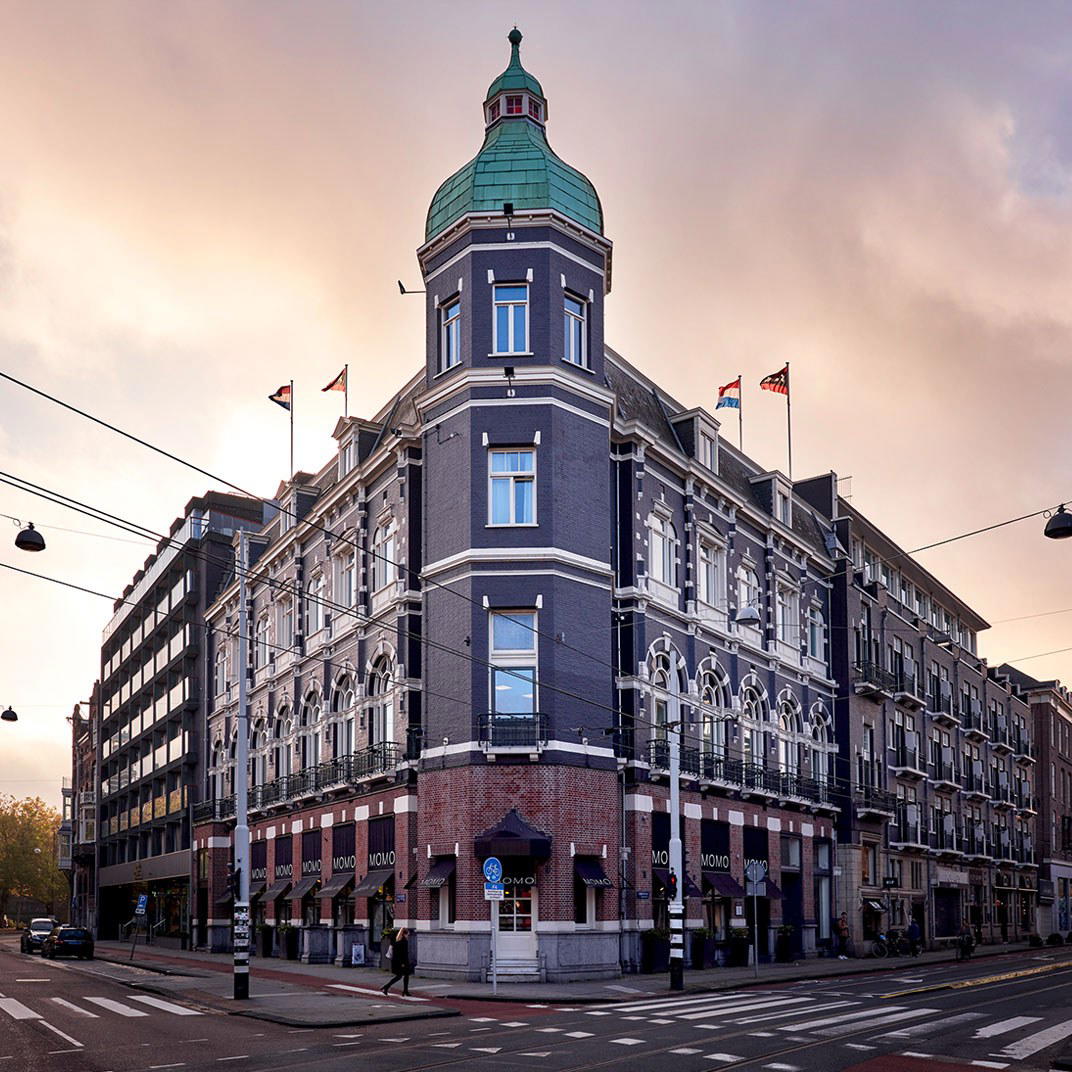
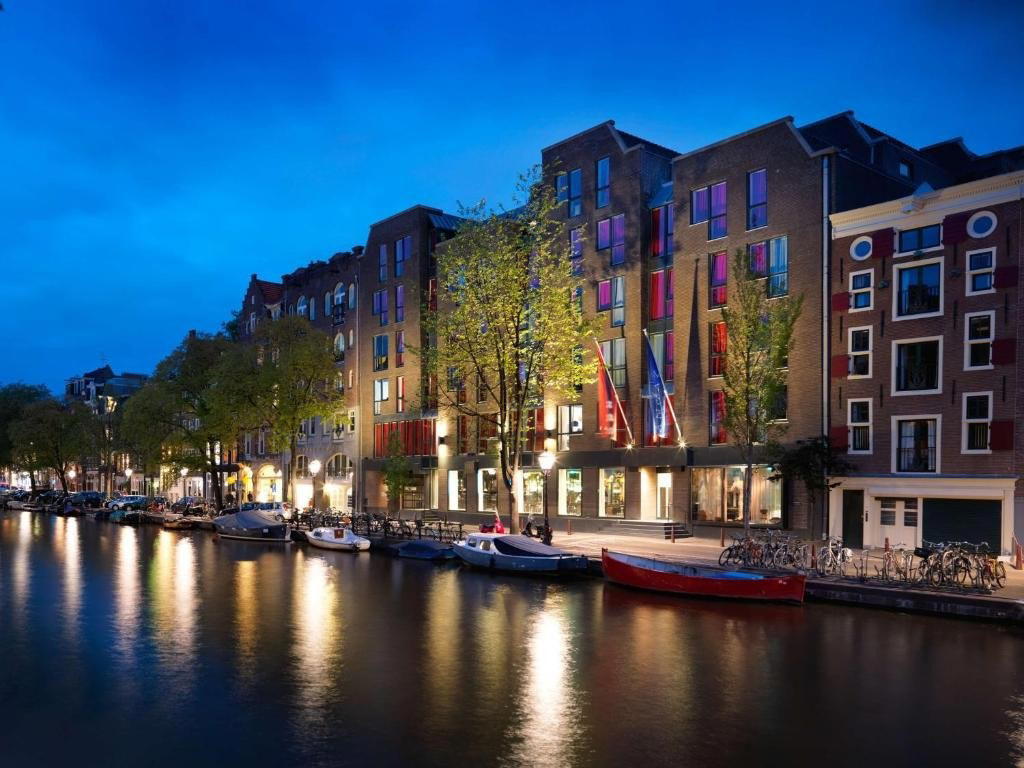
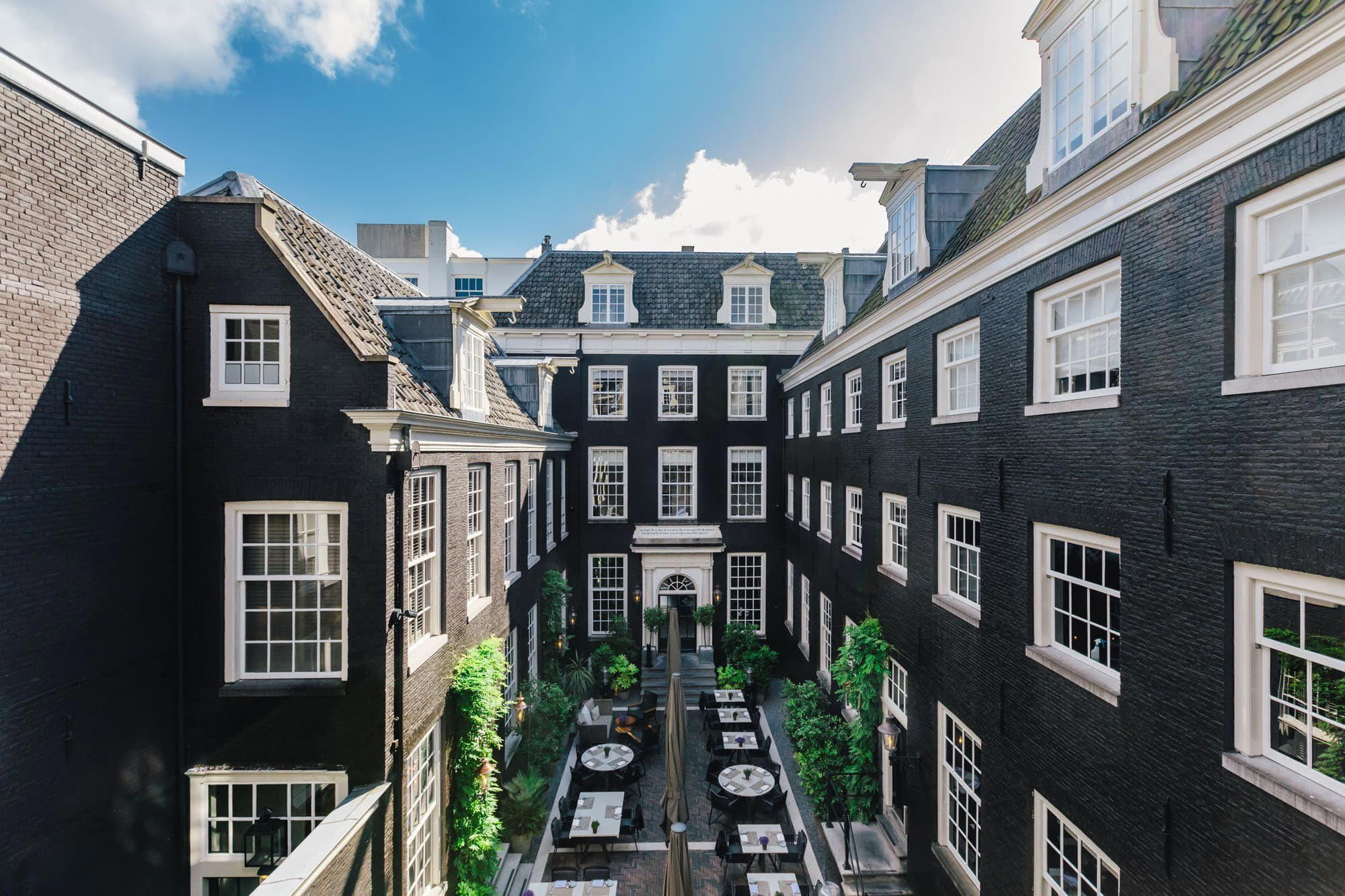
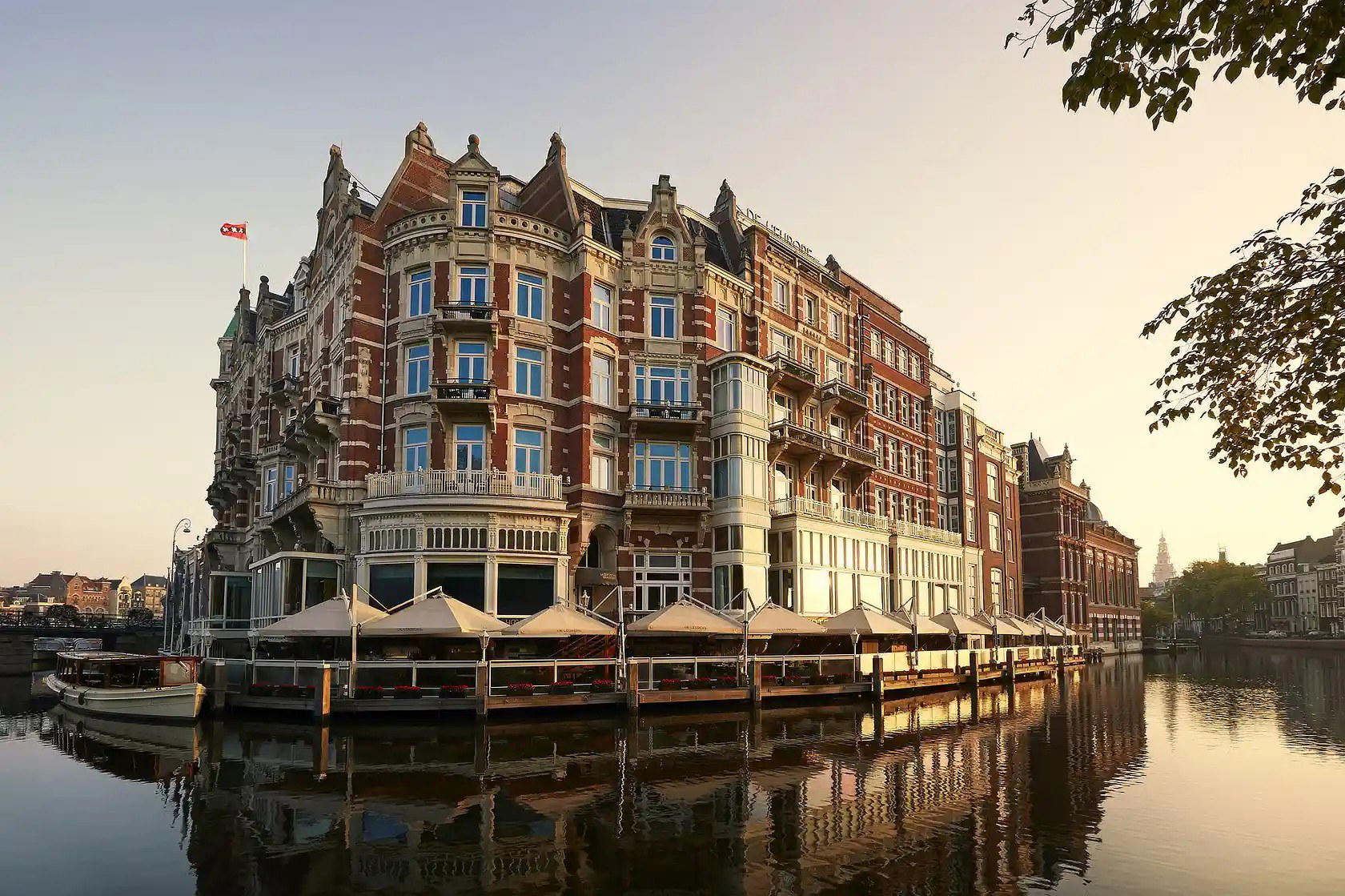
Hotels in Amsterdam
Browse all →
Wineries in Amsterdam
Browse all →
At a Glance
- Sophisticated
- Elegant
- Modern
- Date Night
- Special Occasion
- Open Kitchen
- Sake Program
Current opening hours
- Monday
- 5:30–10 PM
- Tuesday
- 5:30–10 PM
- Wednesday
- 5:30–10 PM
- Thursday
- 5:30–10 PM
- Friday
- 5:30–10 PM
- Saturday
- 5:30–10 PM
- Sunday
- 5:30–10 PM
Hours can change for holidays and private events. Last verified .
Modern and sophisticated with a cosmopolitan Amsterdam feel.